Hemipristis elongata (Klunzinger, 1871)


Description
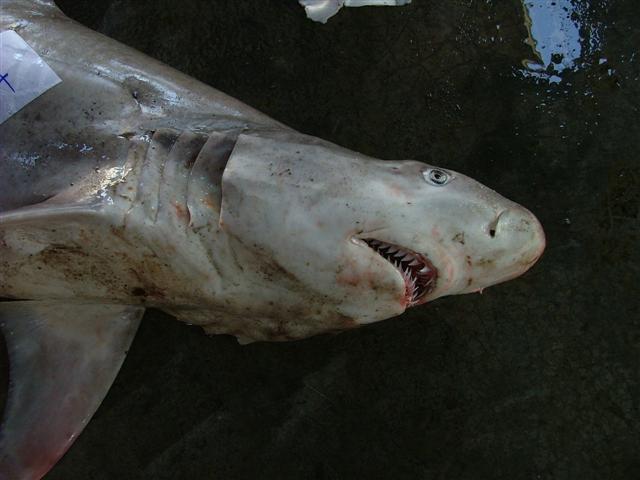
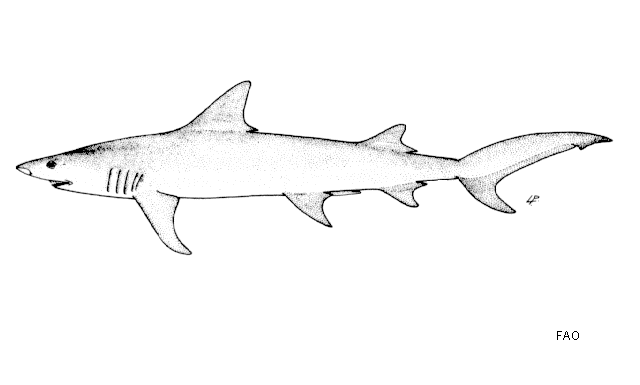
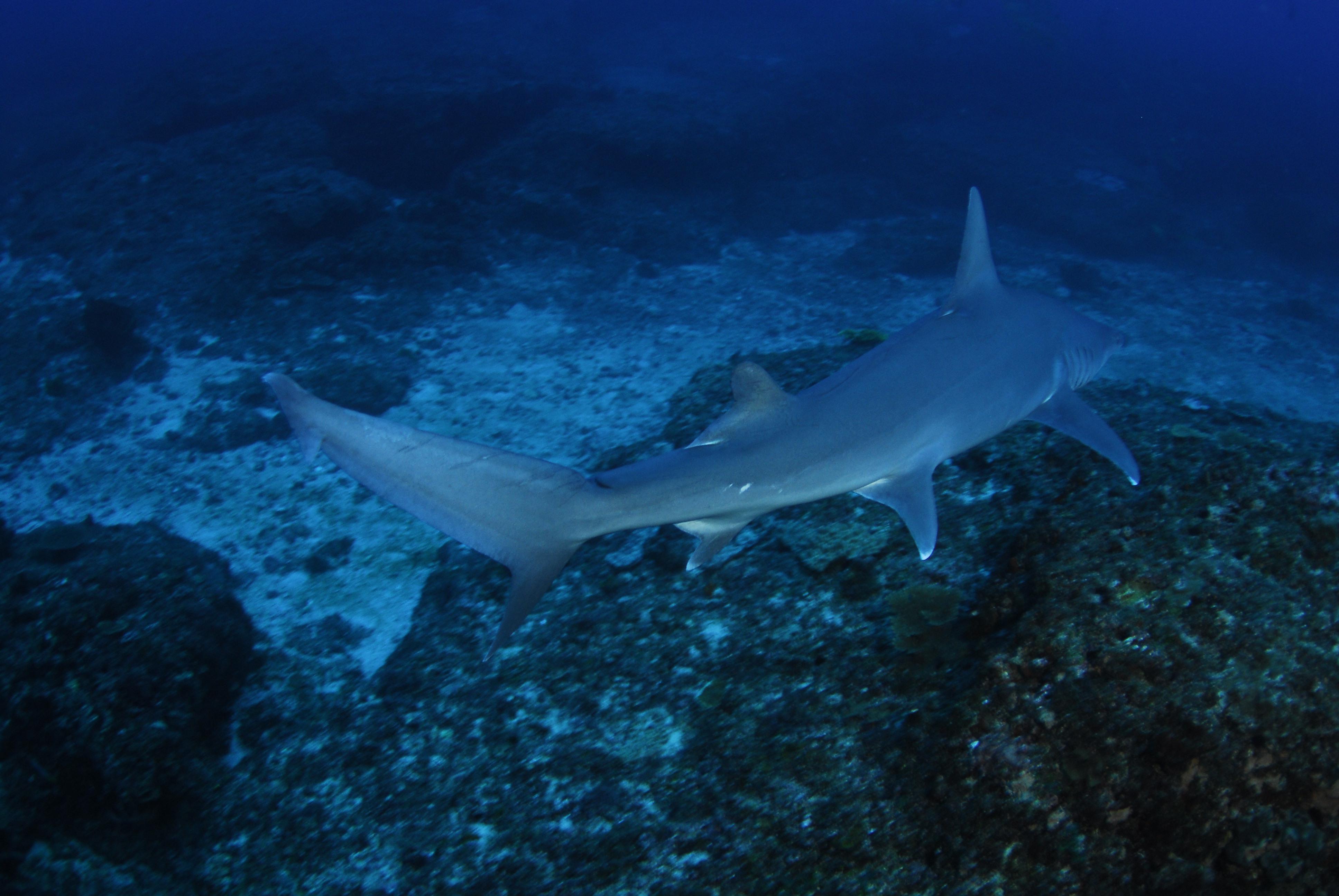
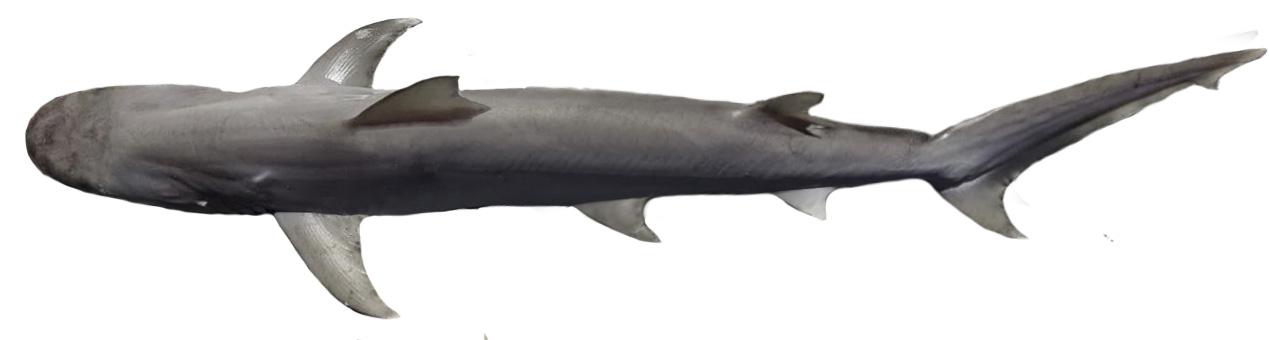
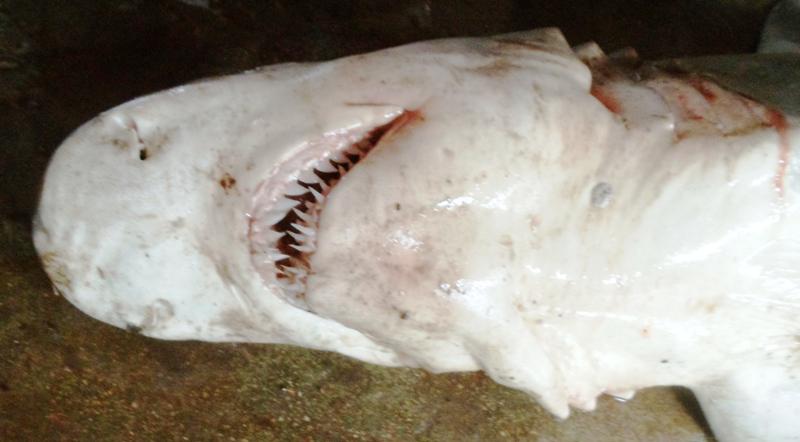
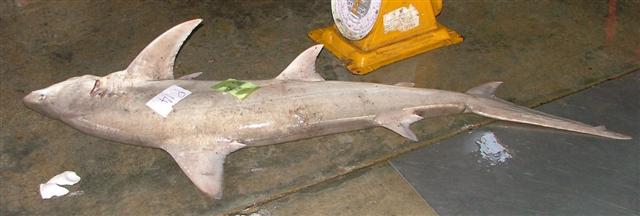
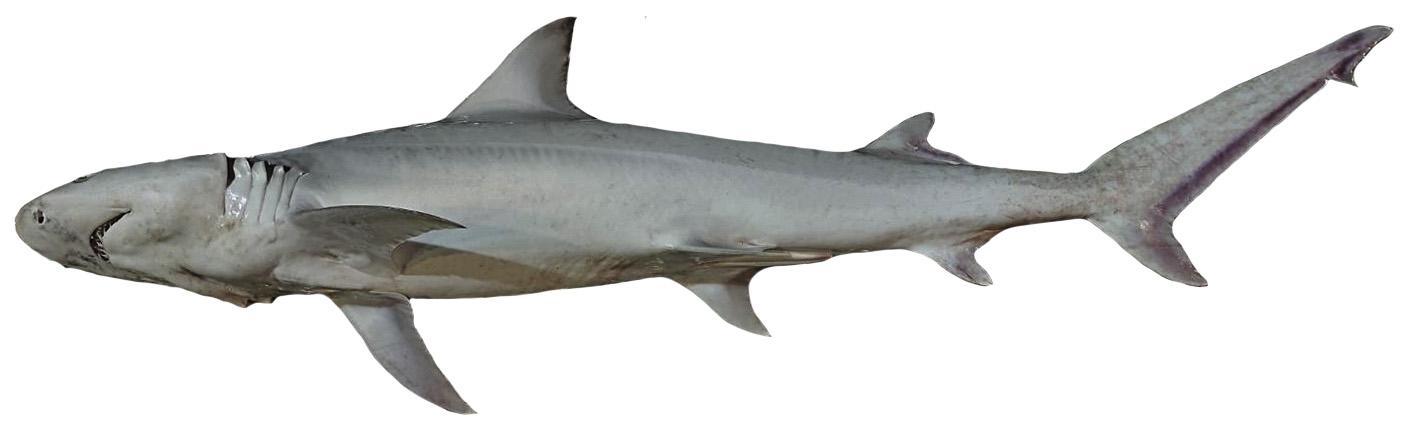
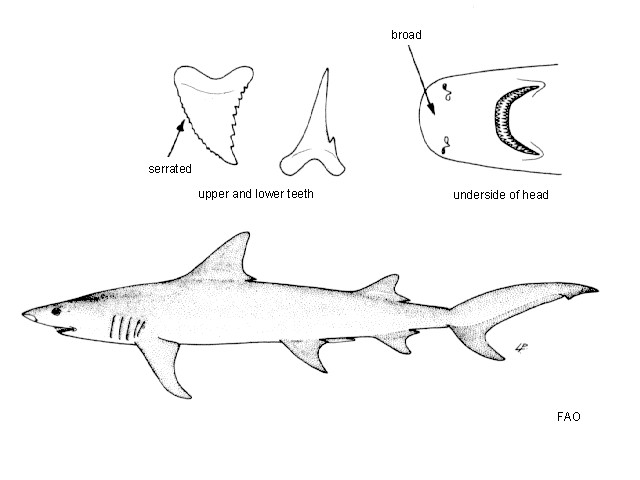
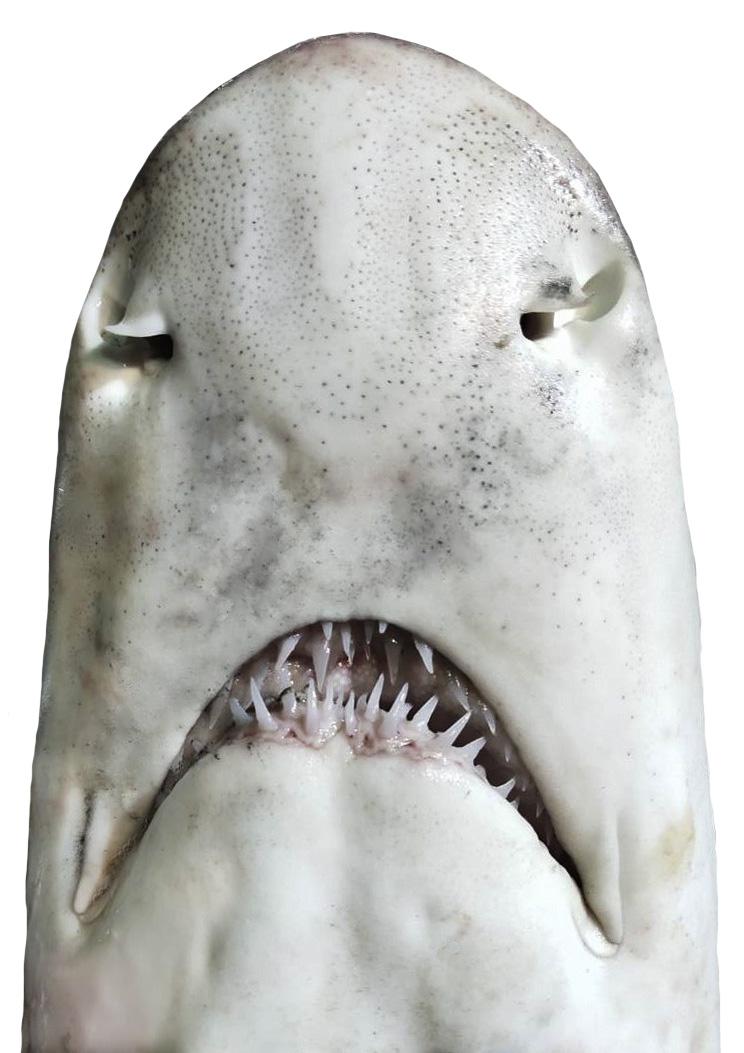
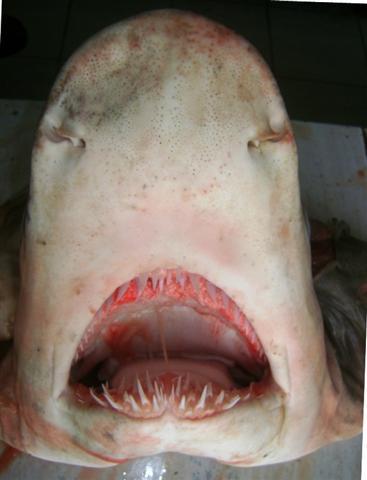
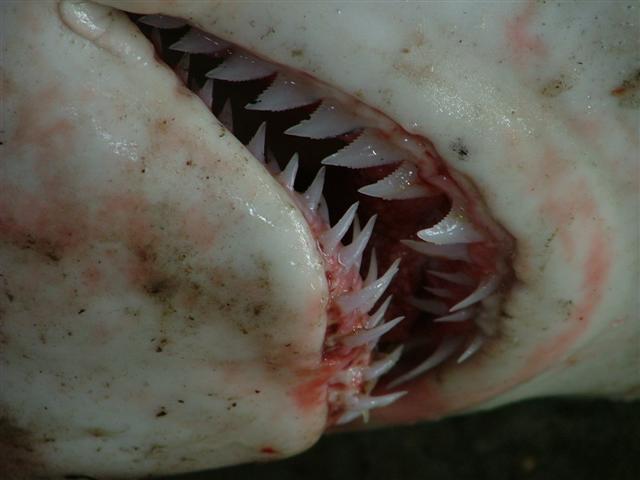
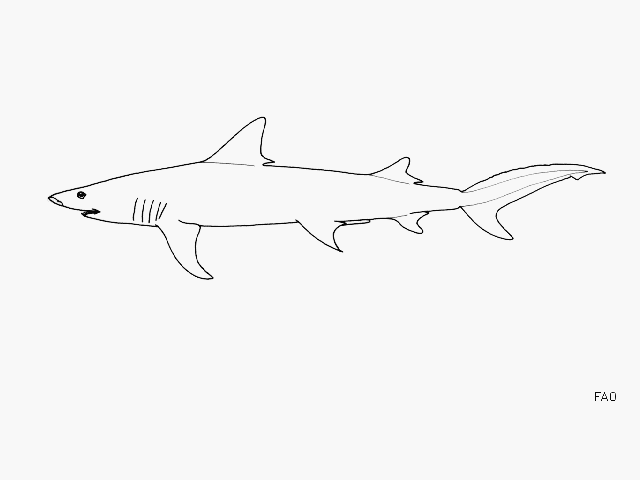
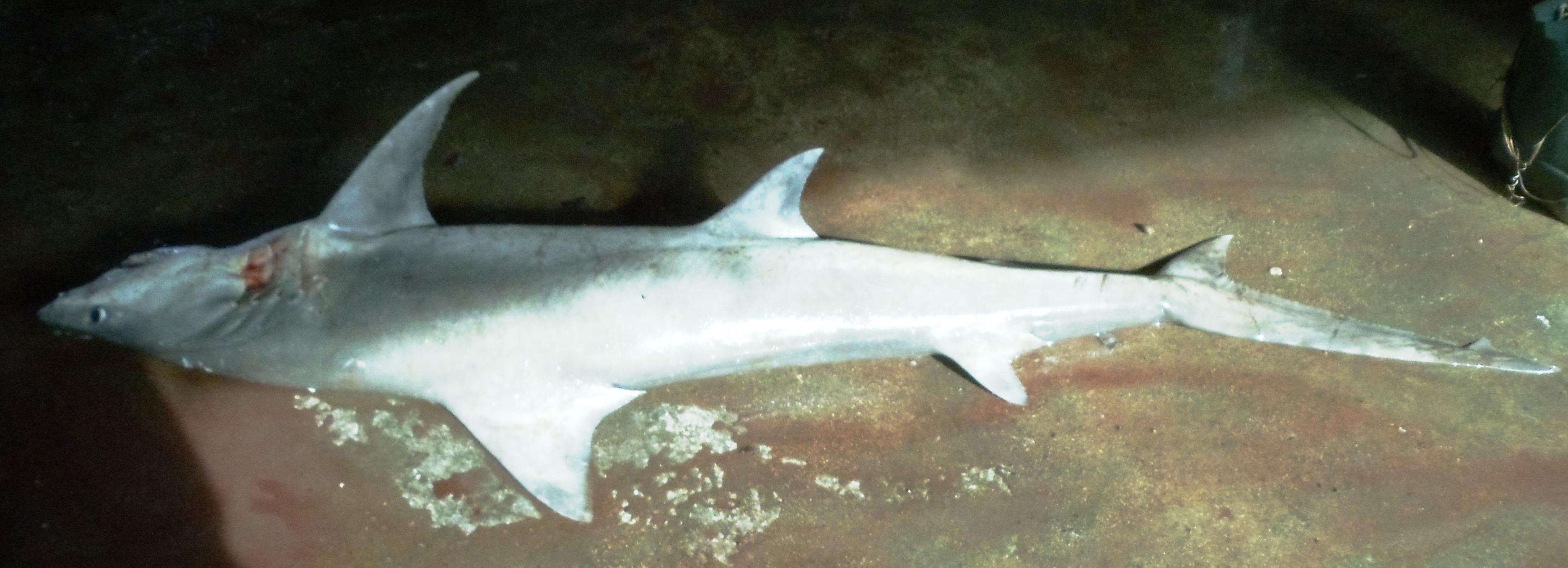
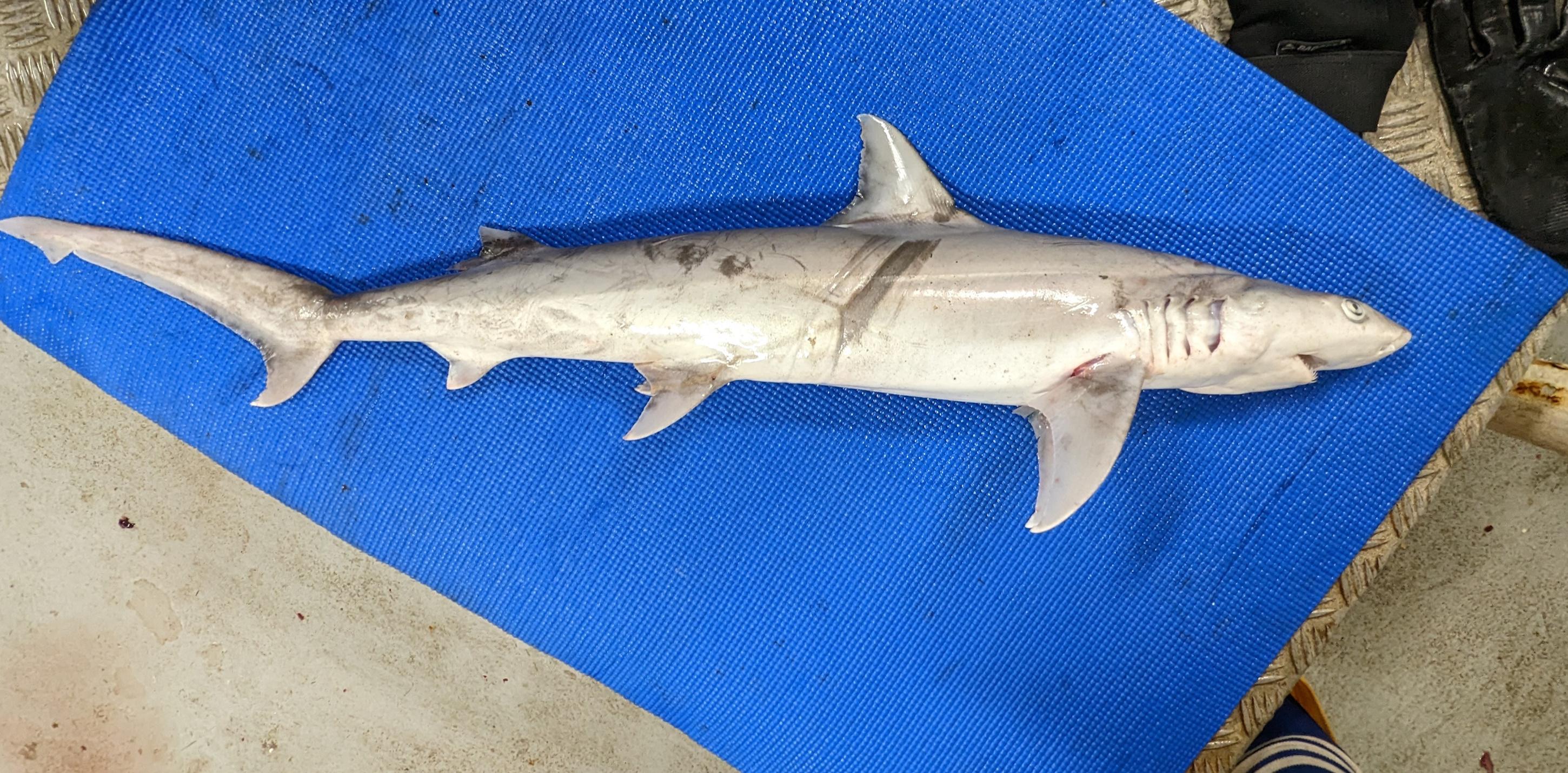
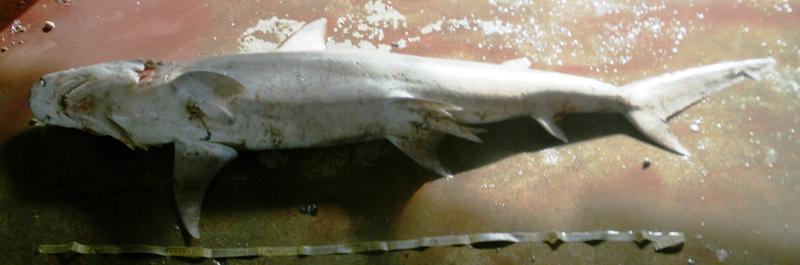
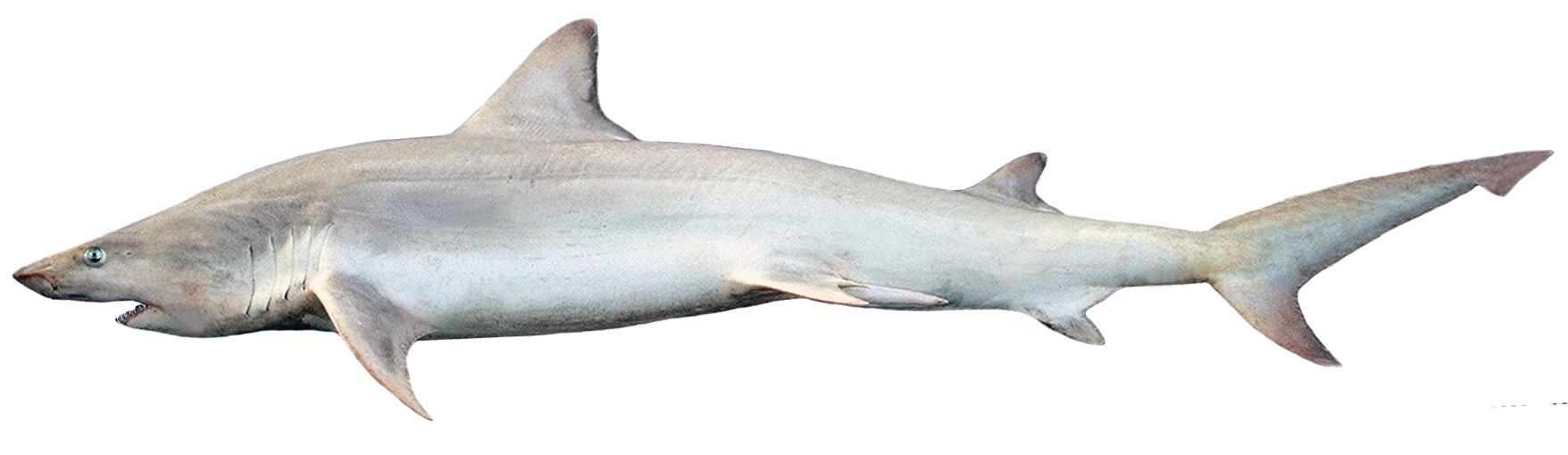
Dorsal spines (total): 0; Anal spines: 0. A slender weasel shark with a long, broadly rounded snout, large curved, saw-edged teeth in the upper jaw, and hooked lower teeth protruding from mouth; gill slits long; fins strongly curved (Ref. 5578). Light grey or bronzy with no prominent markings (Ref. 5578).
Common Names
Taxonomic Hierarchy
Kingdom: Animalia
Phylum: Chordata
Class: Elasmobranchii
Order: Carcharhiniformes
Family: Hemigaleidae
Genus: Hemipristis
Species: Hemipristis elongata (Klunzinger, 1871)
Climate Zone
Biology
A coastal species, found inshore and offshore on the continental and insular shelves (Ref. 244). Feeds on sharks, rays and bony fishes (Ref. 244); also cephalopods (Ref. 13567). Viviparous (Ref. 50449). Thought to be potentially dangerous because of its large, fearsome teeth and shallow-water habitat, but has not been recorded in an attack on people (Ref. 244). Caught regularly by inshore gillnet, bottom trawl (occasionally) and longline fisheries (Ref.58048). Regularly taken in artisanal fisheries (Ref. 13567). Utilized fresh for human consumption, liver processed for vitamins, fins used in the oriental shark fin trade, and by-products processed into fishmeal (Ref. 244). Most adults below 200 cm (Ref. 30573).
Habitat
demersal
Conservation Status
Vulnerable Endangered
Threat to Humans
Traumatogenic
Hemipristis elongata (Klunzinger, 1871)