Galeorhinus galeus (Linnaeus, 1758)
Description


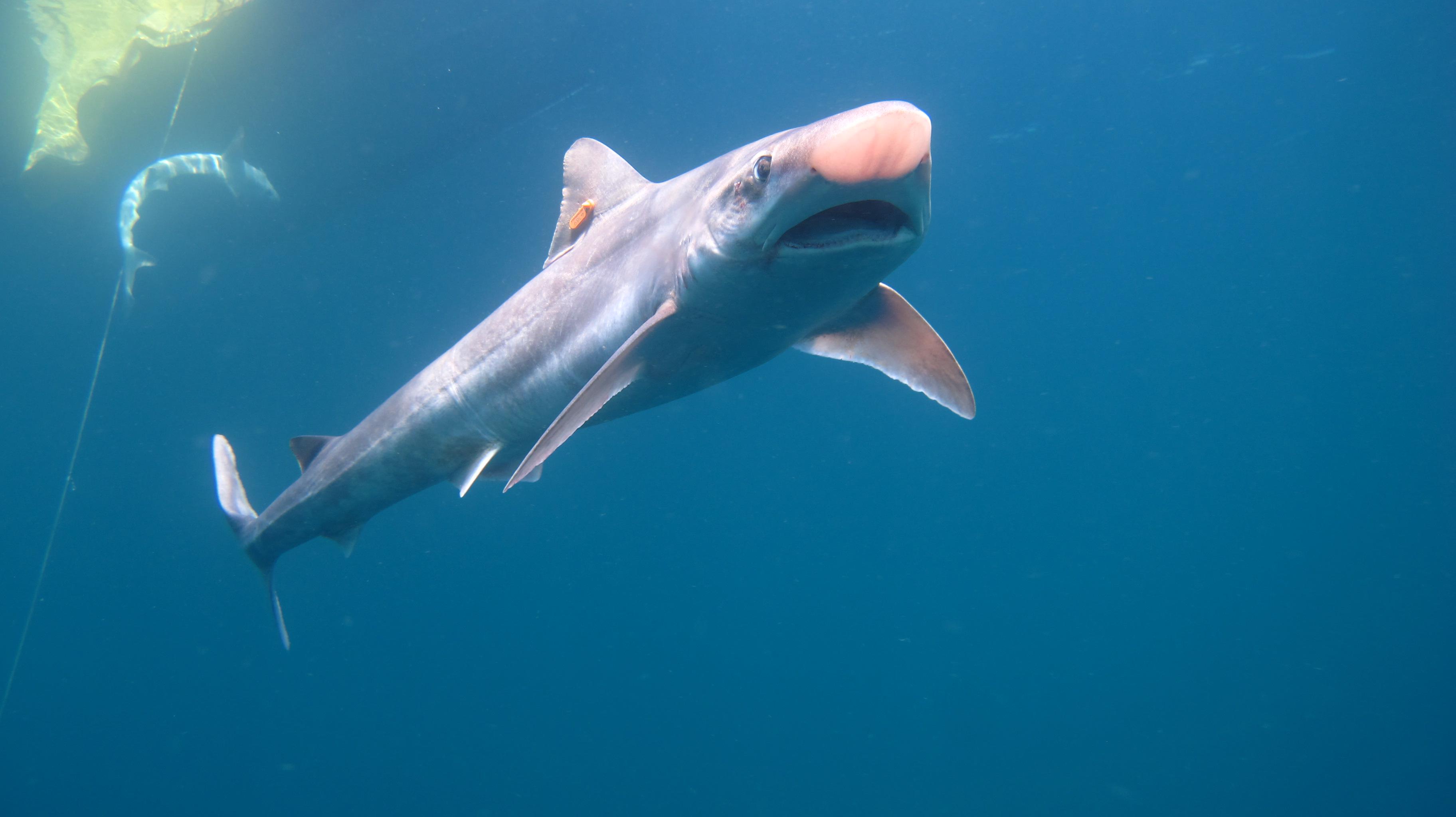
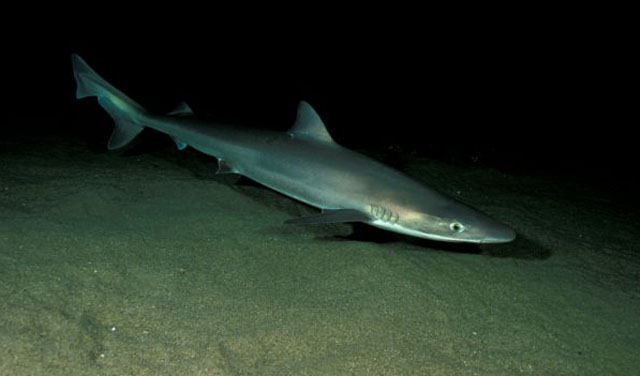
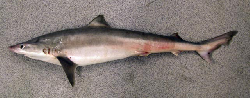
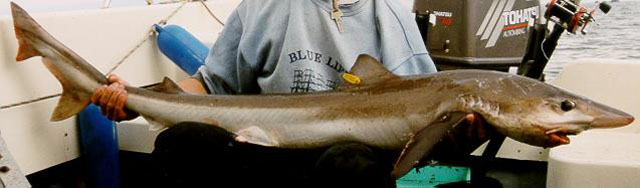
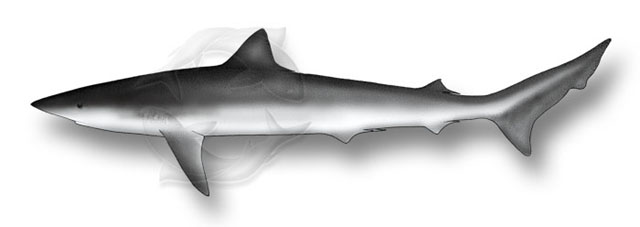
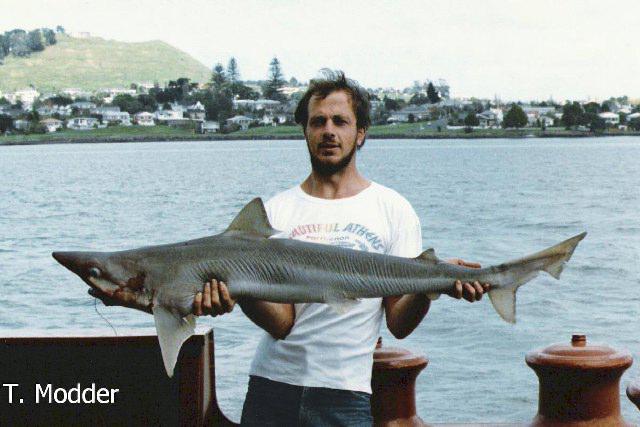
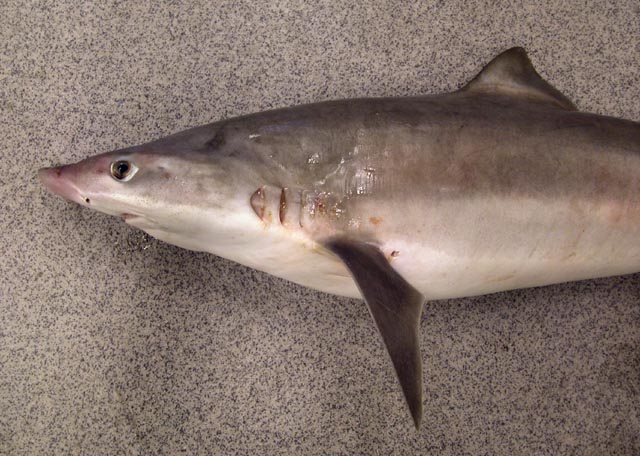
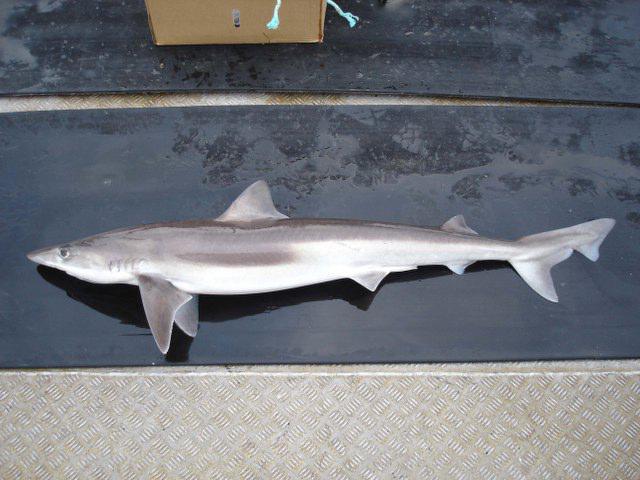
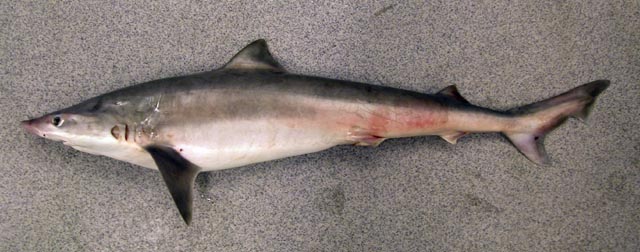
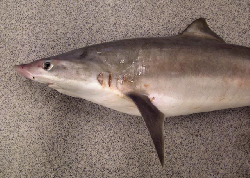
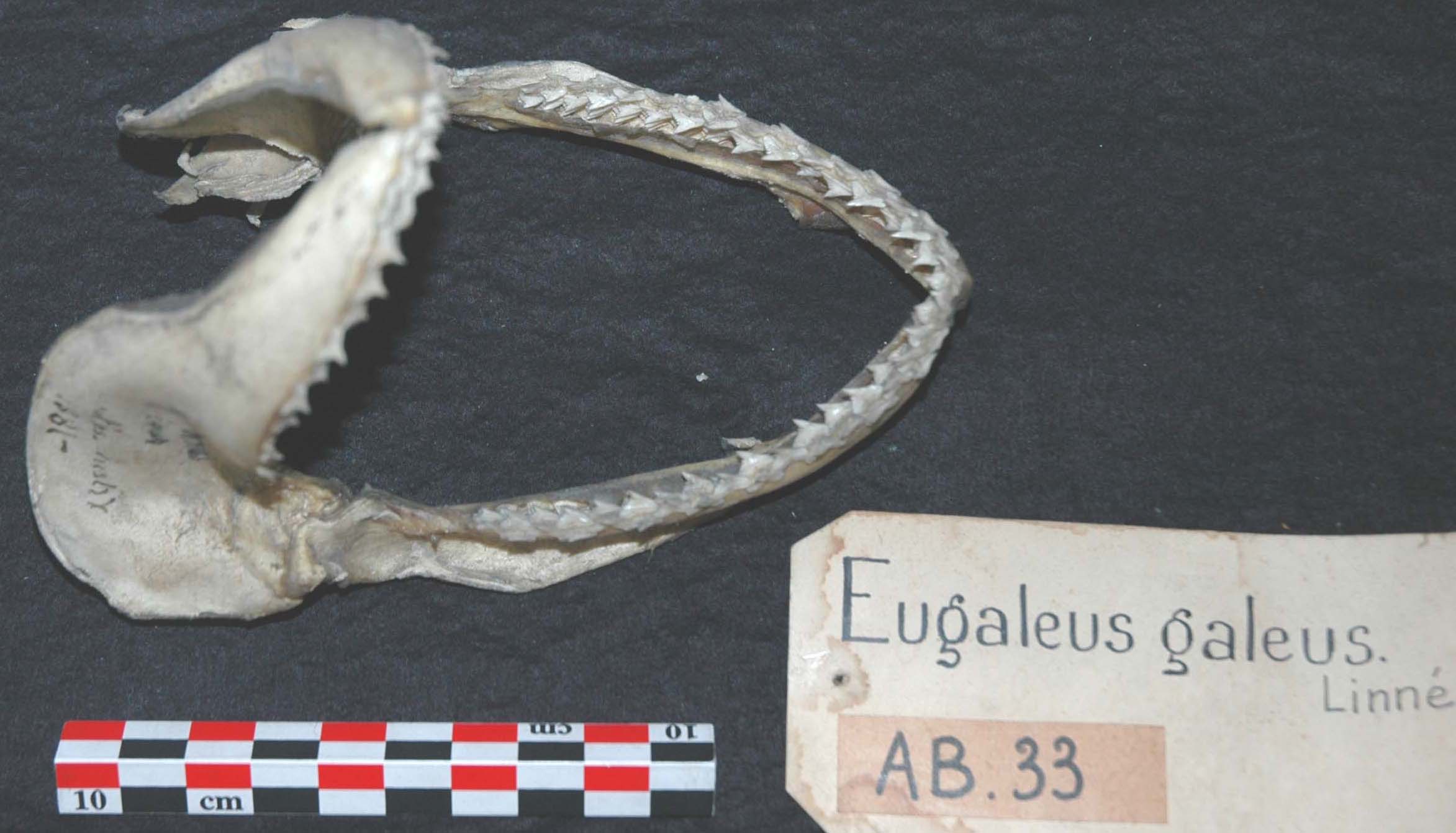
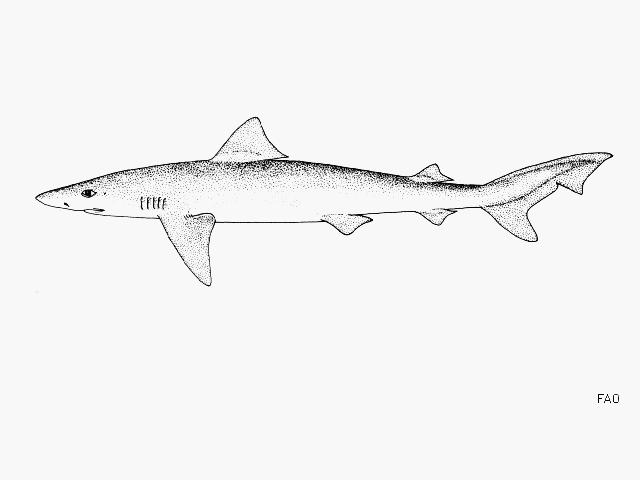
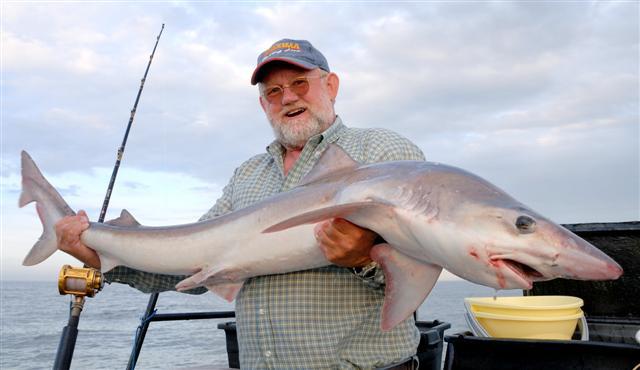
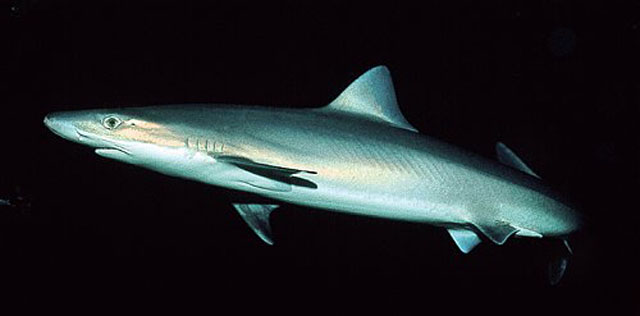
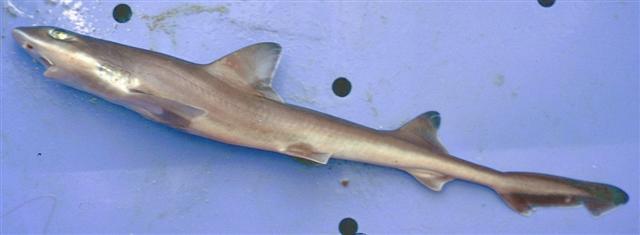
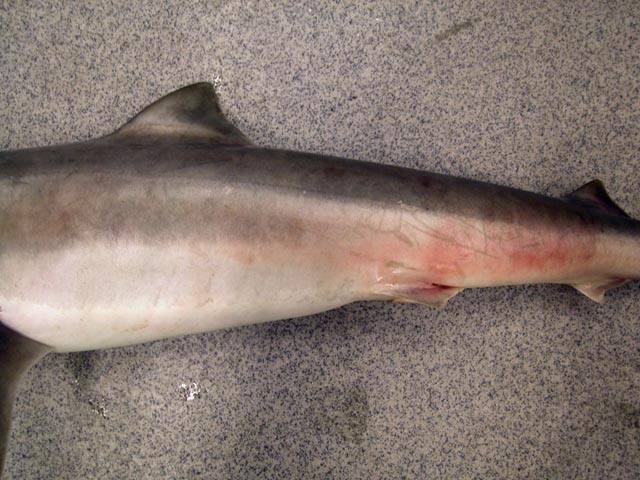
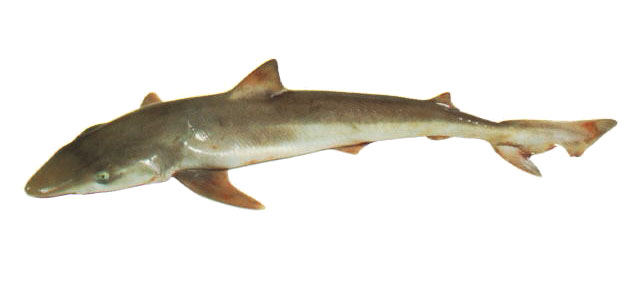
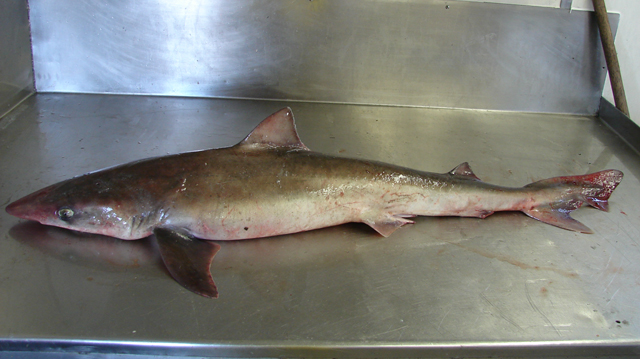
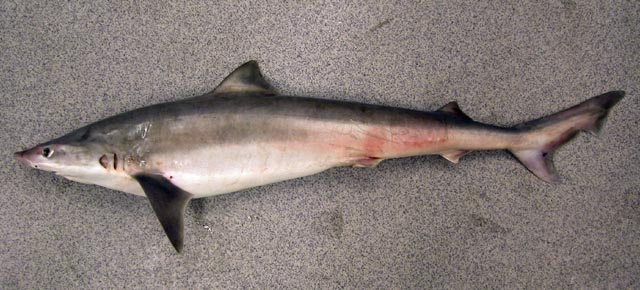
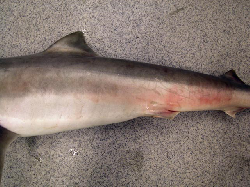
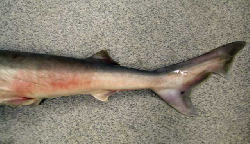
Dorsal spines (total): 0; Anal spines: 0. A large houndshark with a long, pointed snout, a large mouth, and small blade-like teeth; 2nd dorsal about as large as anal fin and terminal caudal lobe as long as rest of fin (Ref. 5578). Greyish above, white below; young with black markings on fins (Ref. 5578).

Common Names


  • Sopvinhaai
  • Sopvinhaai
  • Vaalhaai
  • Peshk qen
  • Peshkagen
  • Kalb
  • Kelb il bahar
  • Cassó
  • Mussola carallo
  • Palombu
  • Butor
  • Kucak
  • Pas Butor
  • Žralok hejnový
  • Almindelig gråhaj
  • Graahaj
  • Gråhaj
  • Australische haai
  • Ruwe haai
  • Ruwehaai
  • Eastern school shark
  • Flake
  • Greyboy
  • Greyshark
  • Hundshai
  • Penny's dog
  • Schnapper shark
  • School shark
  • School shark
  • School shark
  • School shark
  • Sharpie shark
  • Snapper shark
  • Soupfin shark
  • Soupfin shark
  • Soupfin shark
  • Soupfin shark
  • Soupfin shark
  • Soupfin shark
  • Sweet William shark
  • Tope
  • Tope
  • Tope
  • Tope
  • Tope
  • Tope oil shark
  • Tope school shark
  • Tope shark
  • Tope shark
  • Tope shark
  • Tope shark
  • Tope shark
  • Tope soupfin shark
  • Vitamin shark
  • Vitamin shark
  • Kalifornia supihai
  • Supi-nugishai
  • Supihai
  • Gráhávur
  • Harmaahai
  • Balestrine
  • Cagnot
  • Canicule
  • Chien de mer
  • Chien hâ
  • Émissole
  • Gat
  • Hâ
  • Halt
  • Haut
  • Lamie
  • Lamiola
  • Milandre
  • Milandre
  • Pal
  • Pallon
  • Palloun
  • Paroun
  • Requin hâ
  • Requin-hã
  • Requin-hâ
  • Touille
  • An fanach
  • Australischer Hundshai
  • Biethai
  • Gemeine Meersau
  • Großer Hundshai
  • Hundshai
  • Schulhai
  • Galéos drossitis
  • Skylogaleos
  • Skylos drossiti
  • Αλίχια
  • Γαλέος
  • Γαλιός
  • Γάτος
  • Δοντάς
  • Δροσίτης
  • Σκυλογαλέος
  • Σκύλος
  • Σκυλόψαρο
  • Uwii guuga
  • Karishan
  • Gráháfur
  • Bistinu
  • Cagnassa
  • Cagnizza
  • Can da denti
  • Can negro
  • Canesca
  • Canesca
  • Canoso
  • Canuso
  • Canuzzu
  • Capucchiata
  • Galeo
  • Galeo canesca
  • Muzzolu
  • Paccavà
  • Palombo
  • Palummina
  • Palummu
  • Passaturi
  • Pesce cane
  • Piscicani
  • Vaccotta
  • Kelb il-bahar
  • Mazzola
  • Mazzola bla xewka
  • 油翅鯊
  • 油翅鲨
  • 澳洲翅鯊
  • 澳洲翅鲨
  • 翅鯊
  • 翅鲨
  • 背盔鯊
  • 背盔鲨
  • Kapeta
  • Makohuarau
  • Tupere
  • Graahai
  • Gråhai
  • Cação
  • Cação
  • Cação
  • Perna-de-moça
  • Perna-de-moça
  • Perna-de-moça
  • Perna-de-moça da Australia
  • Tubarão-perna-de-moça
  • Tubarão-vitamínico
  • Bico de cristal
  • Cação
  • Cação-bico-de-cristal
  • Rechin de supa
  • Seraya akula
  • акула суповая
  • Акула суповая (=галеус)
  • K'wet'thenéchte
  • Pas butor
  • Pas butor
  • Pepelasti morski pes
  • Aceitero
  • Bostrich
  • Bostrio
  • Caçó
  • Cámari
  • Cazón
  • Cazón
  • Cazón
  • Cazon
  • Cazón
  • Cazón aceitero
  • Cazón de altura
  • Cazón dientuso
  • Cuero
  • Gat
  • Musola corallo
  • Tiburón aceitoso
  • Tiburón de aleta
  • Tiburón vitaminico
  • Tiburón vitaminico
  • Tollo
  • Tollo cazón
  • Tollos
  • Trompa de cristal
  • Bethaj
  • Gråhaj
  • Håstörje
  • Camgöz
  • Camgöz balığı
  • Köpek balığı
  • Pas butor
  • Акула сіра
  • Ci glas
  • Taxonomic Hierarchy


    Kingdom: Animalia

    Phylum: Chordata

    Class: Elasmobranchii

    Order: Carcharhiniformes

    Family: Triakidae

    Genus: Galeorhinus

    Species: Galeorhinus galeus (Linnaeus, 1758)
    Climate Zone


  • Subtropical
  • Biology


    Mainly demersal on continental and insular shelves, but also on the upper slopes, at depths from near shore to 550 m (Ref. 6871), but has been shown to be pelagic in the open ocean (frequently caught on floating tuna longlines over deep water, and many New Zealand-tagged specimens have been recaptured in Australia) (Ref. 26346). Occurs in small schools that are highly migratory in higher latitudes in their range (Ref. 244). There is pronounced partial segregation by size and sex in some areas (Ref. 244). Feeds on fishes (bottom as well as pelagic species, Ref. 26346), crustaceans, cephalopods, worms, and echinoderms (Ref. 244). Ovoviviparous (Ref. 50449). Targeted for human consumption, liver for squalene oil, fins for soup (Ref. 244); also utilized as fishmeal (Ref. 13563). Marketed fresh, dried-salted, and frozen (Ref. 9987). Adapts well in captivity if carefully captured and handled (Ref. 12951).

    Habitat


    benthopelagic

    Conservation Status


    Critically Endangered

    Threat to Humans


    Harmless

    Ask me about the species
    Ask about
    Galeorhinus galeus (Linnaeus, 1758)