Fistularia commersonii Rüppell, 1838

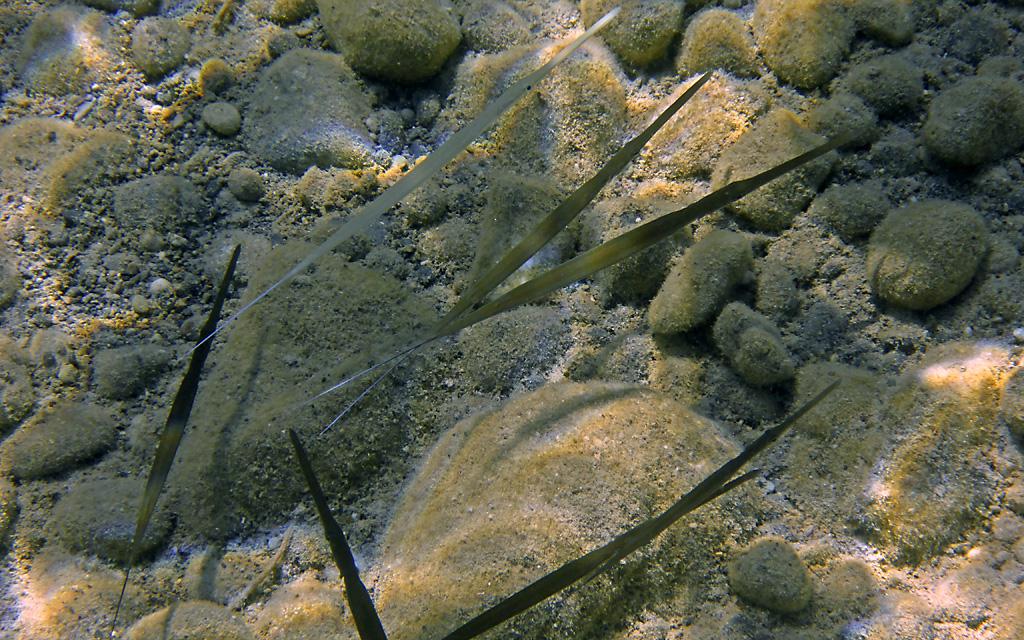
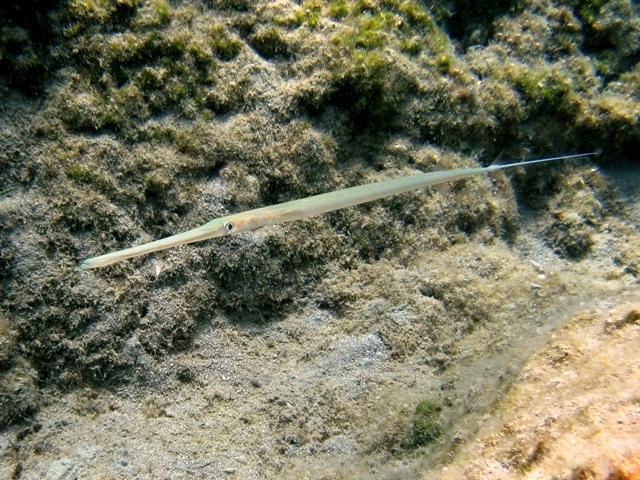
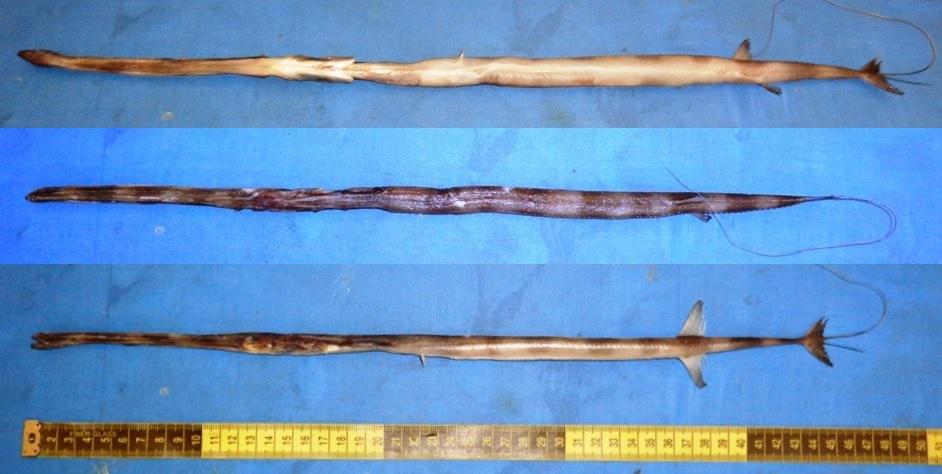
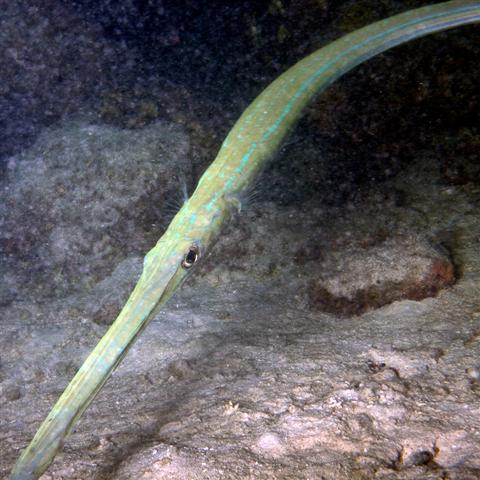
Description
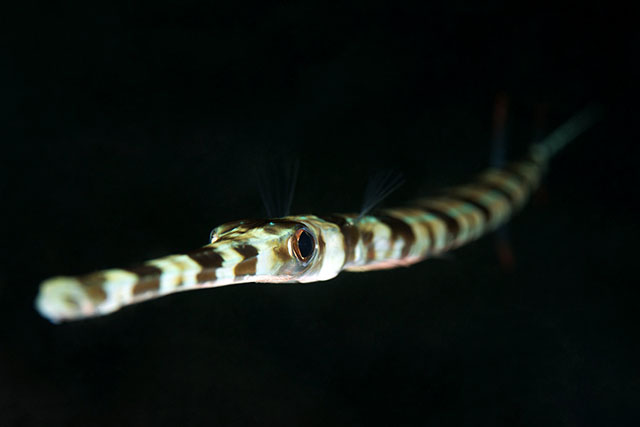
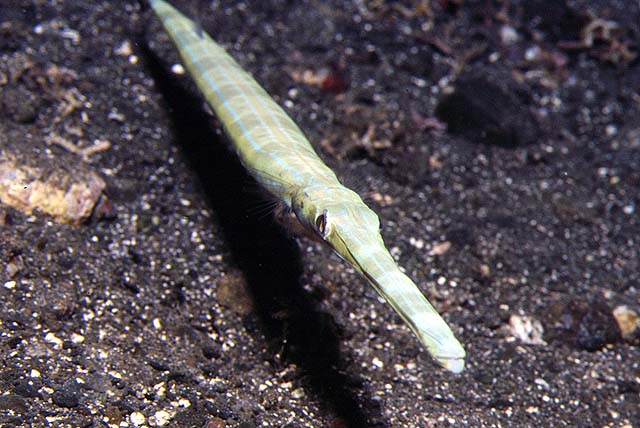
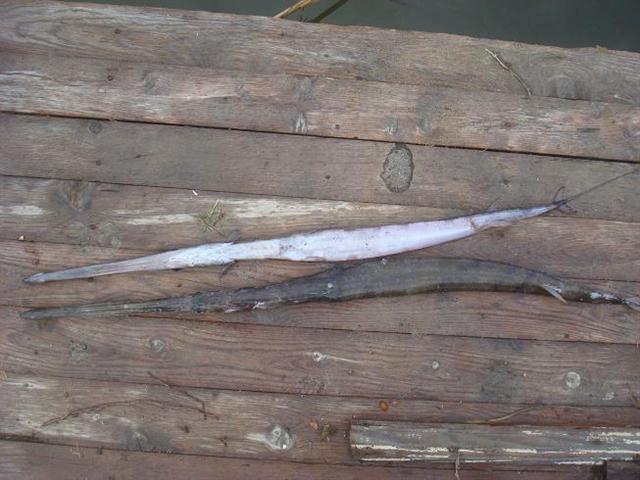
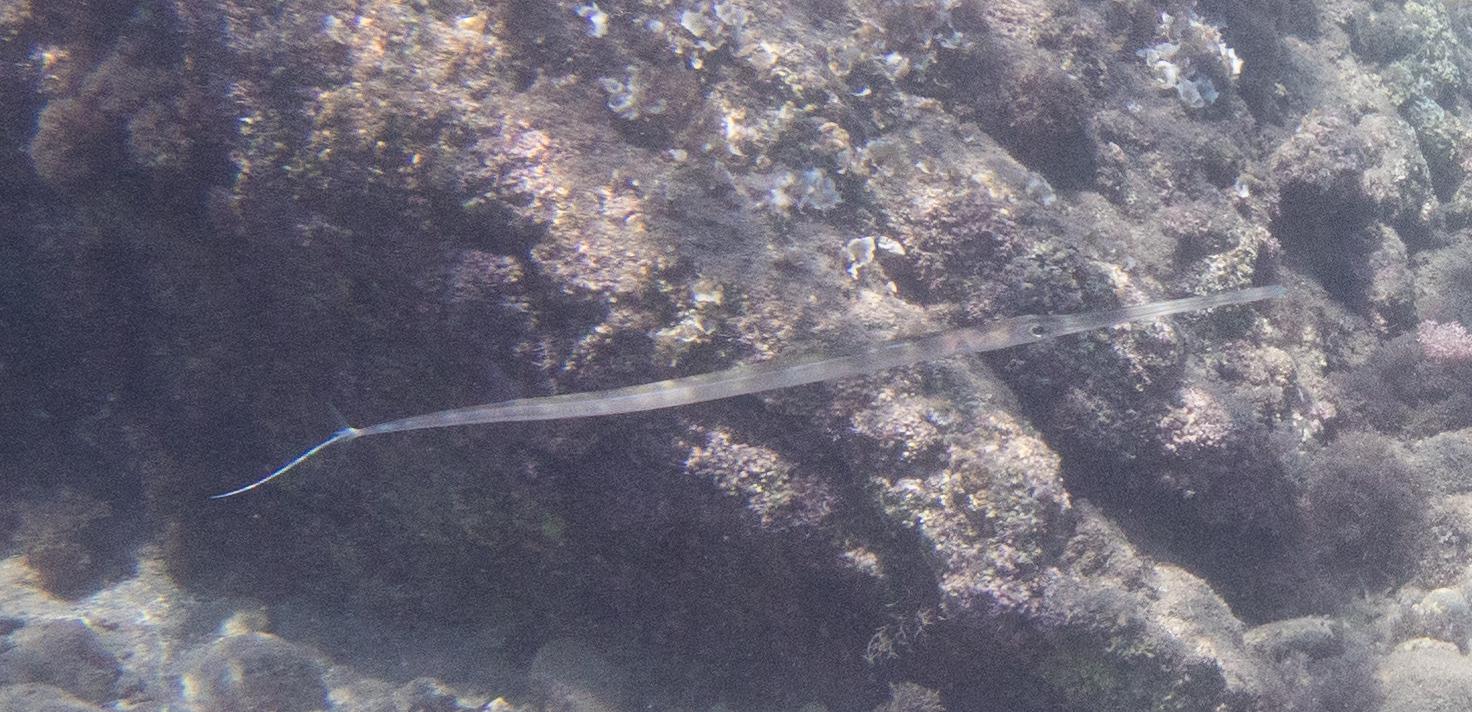
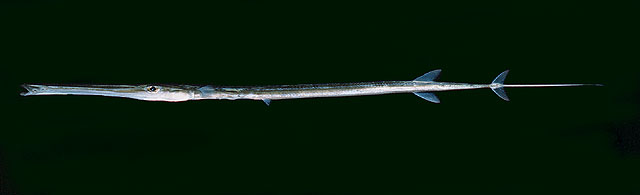
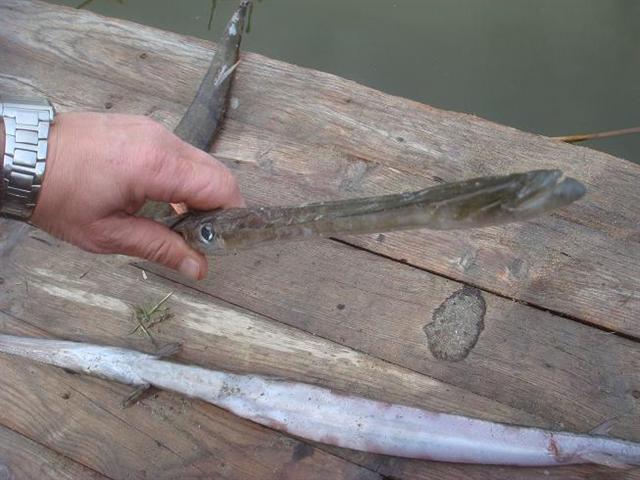
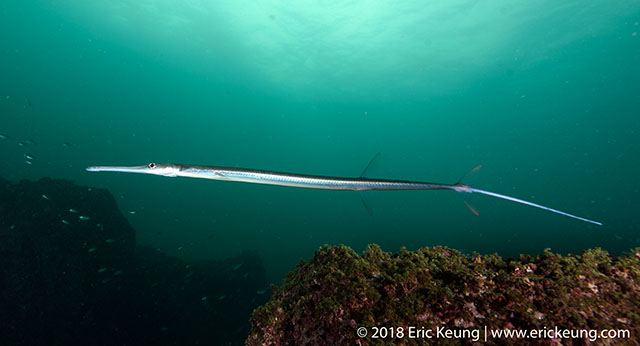
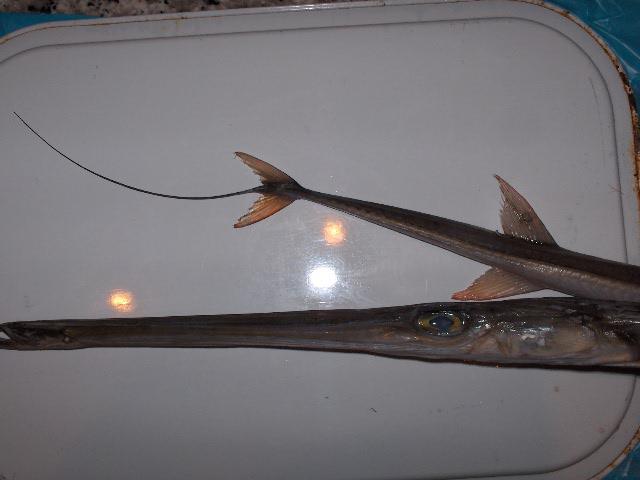
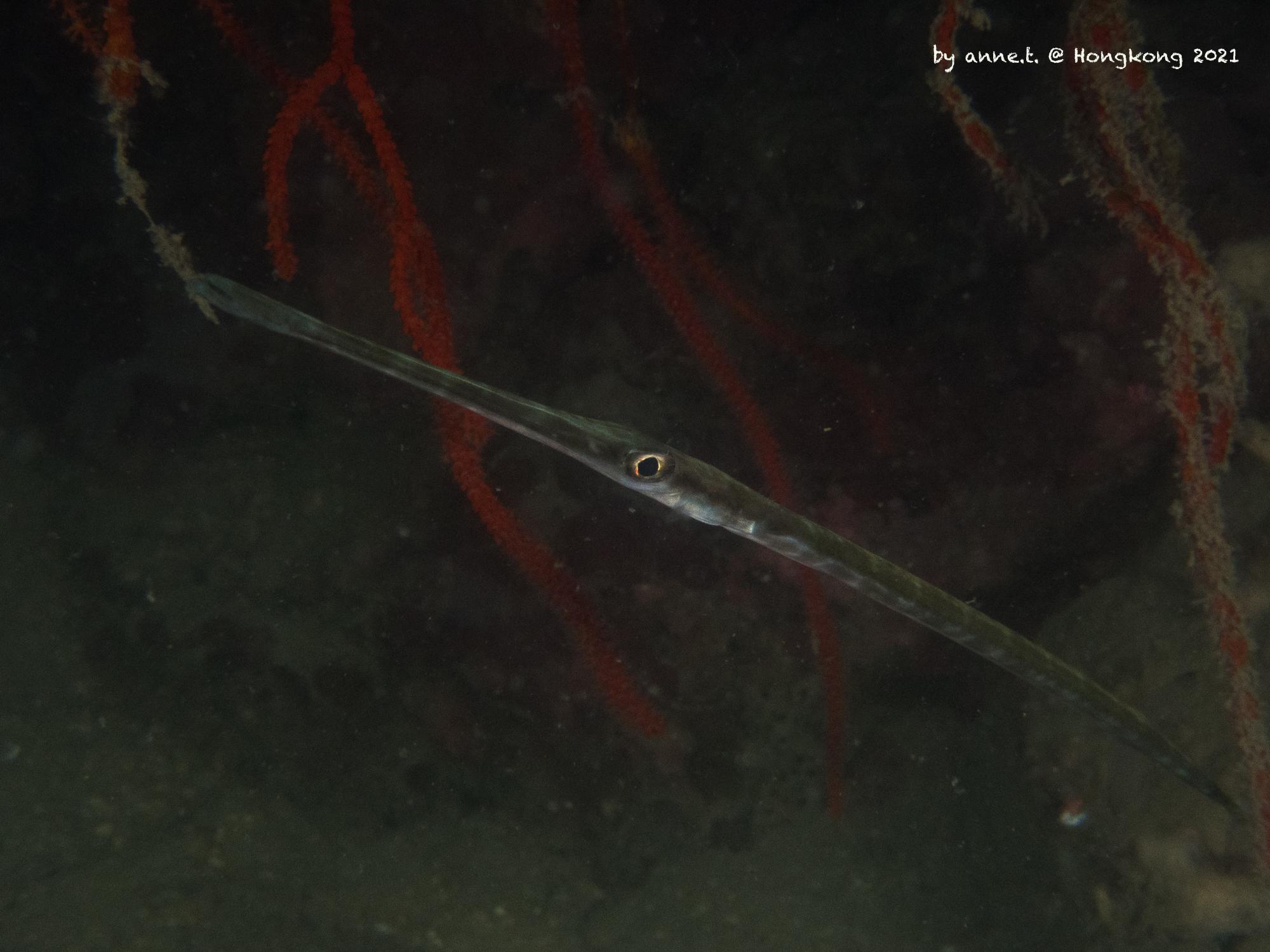
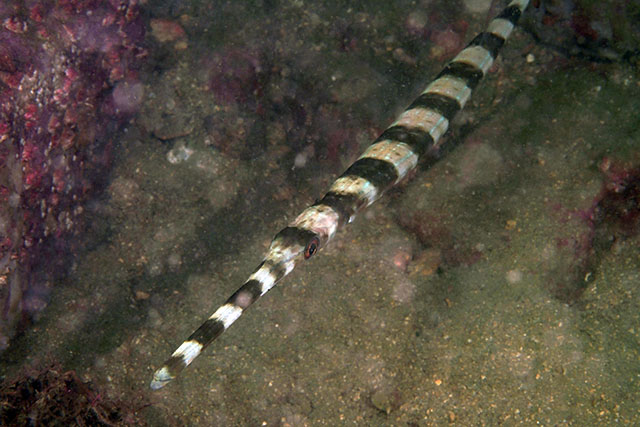
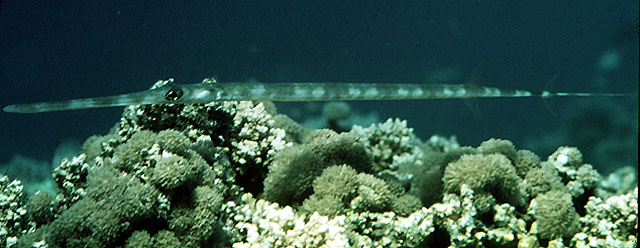
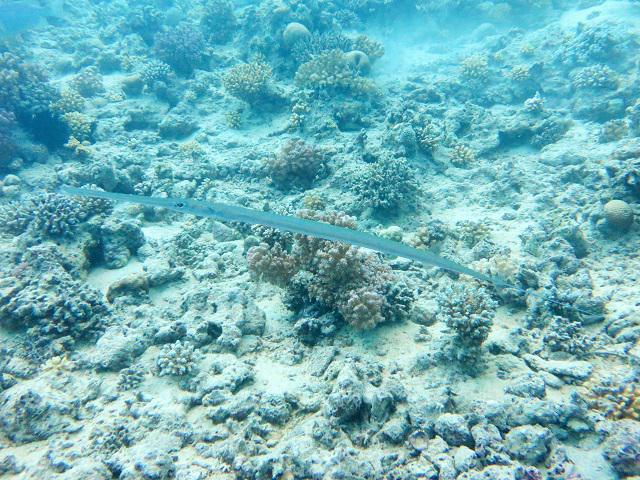
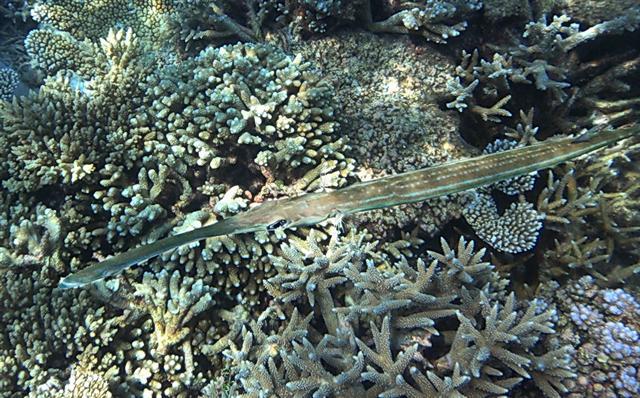
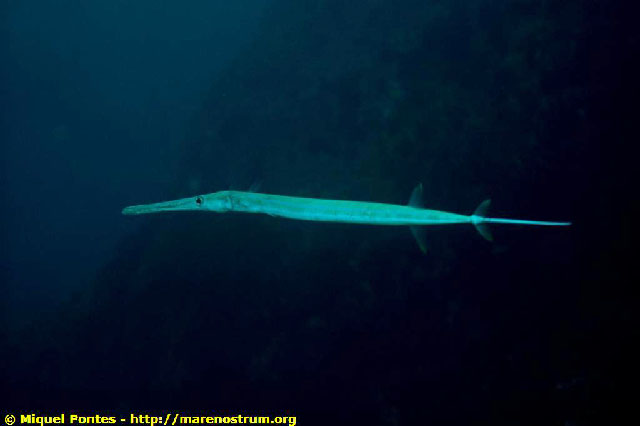
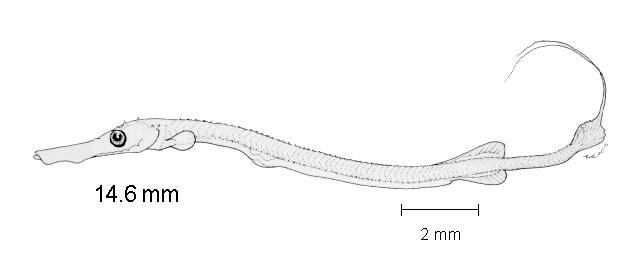
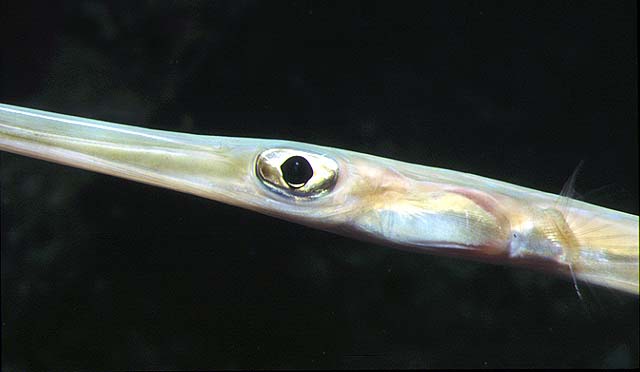
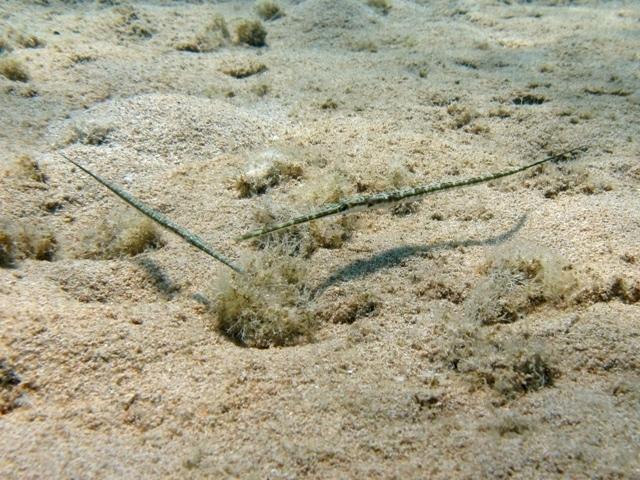
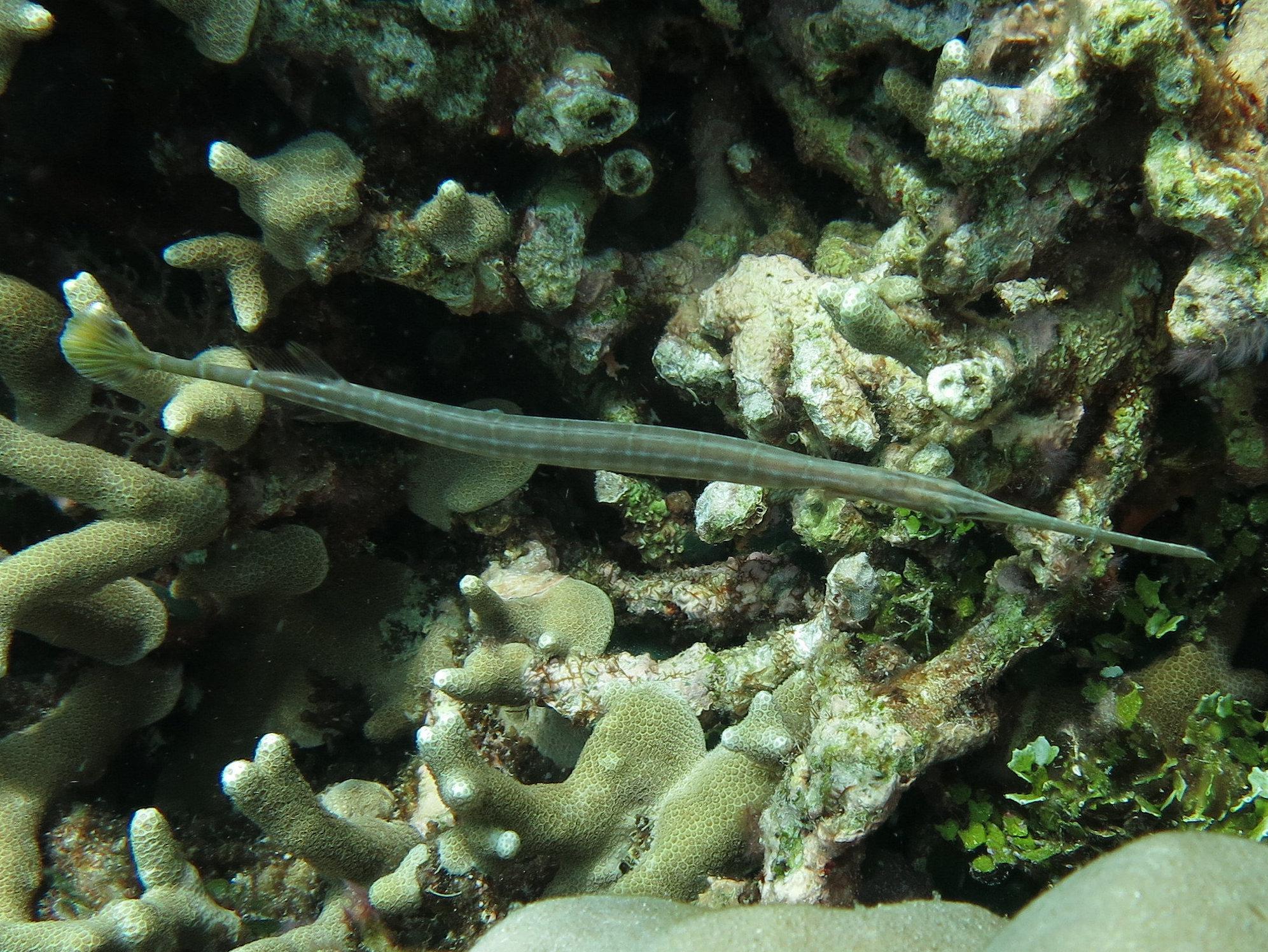
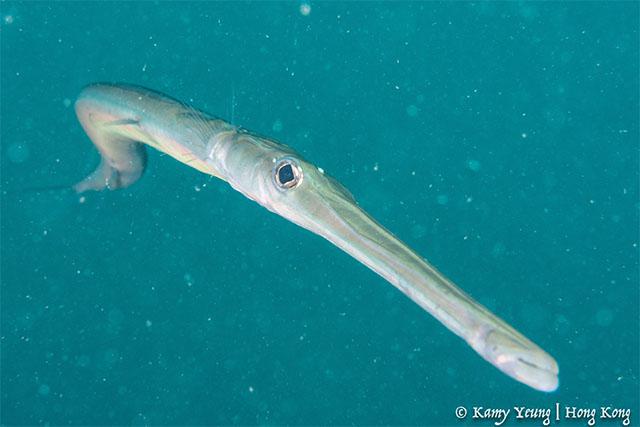
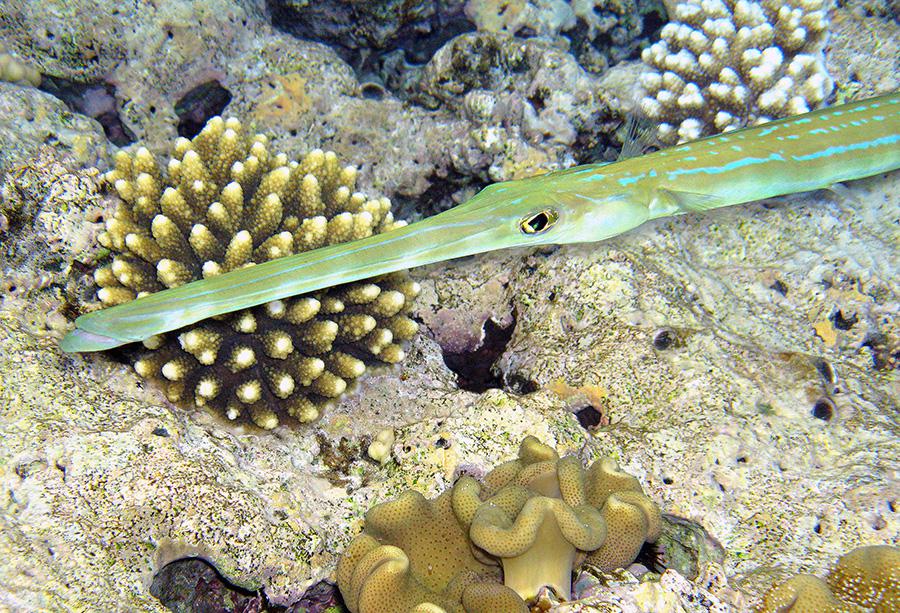
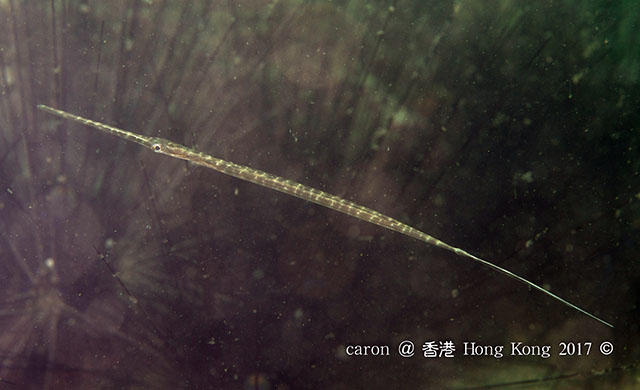
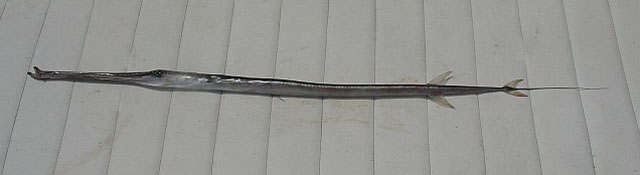
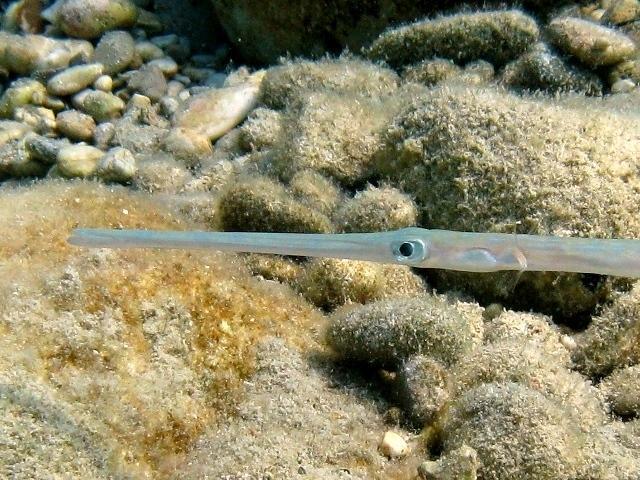
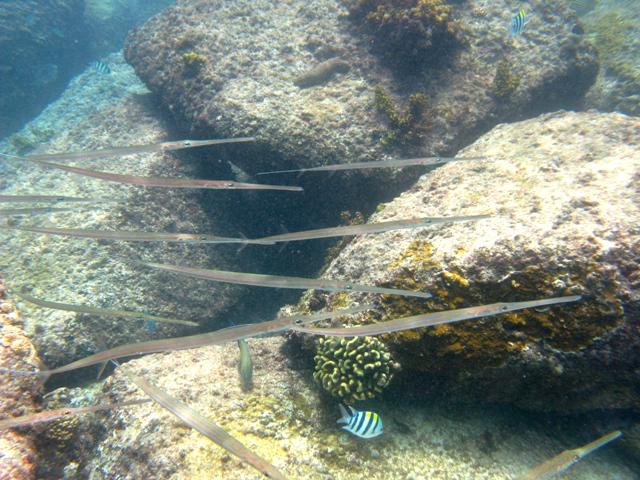
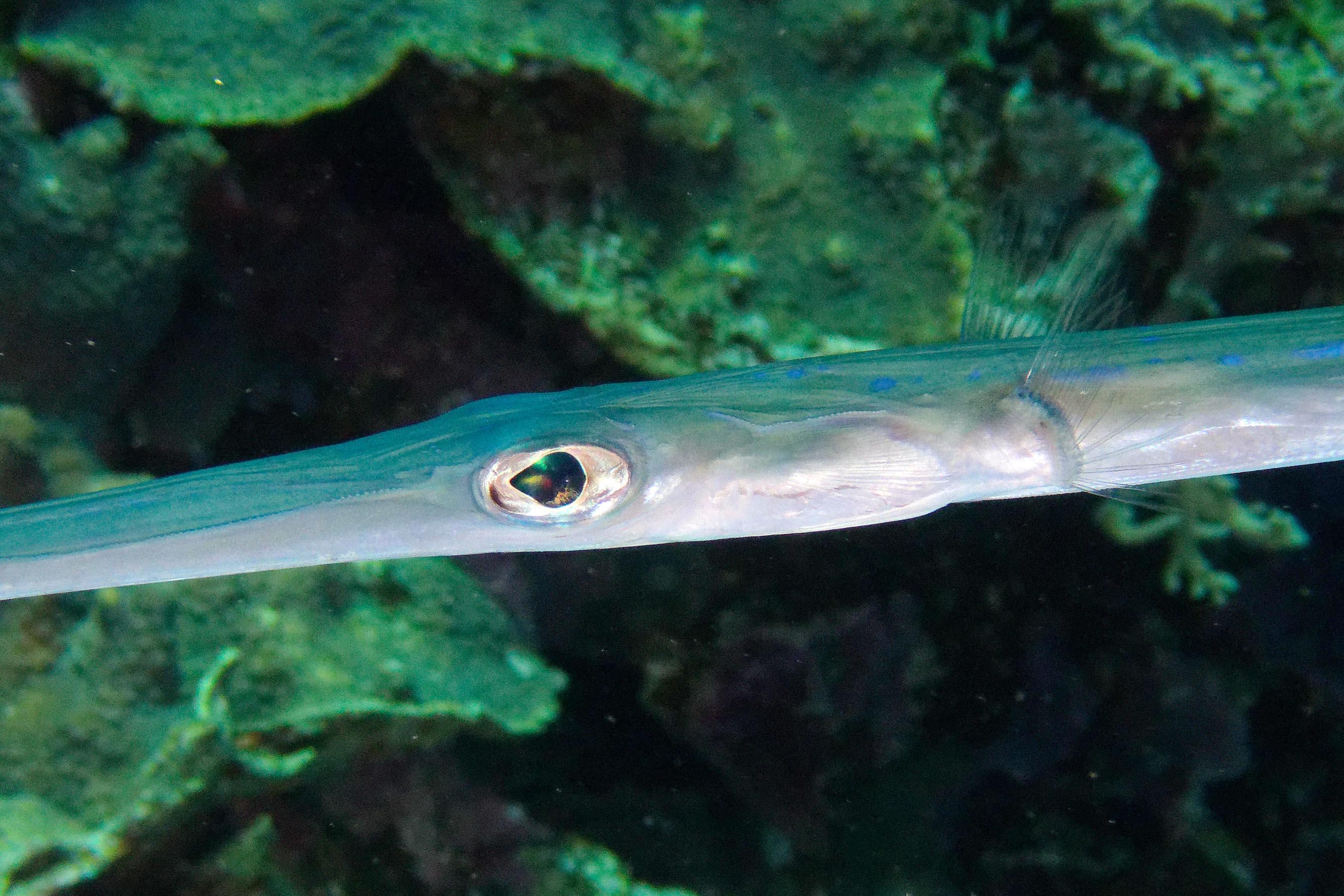
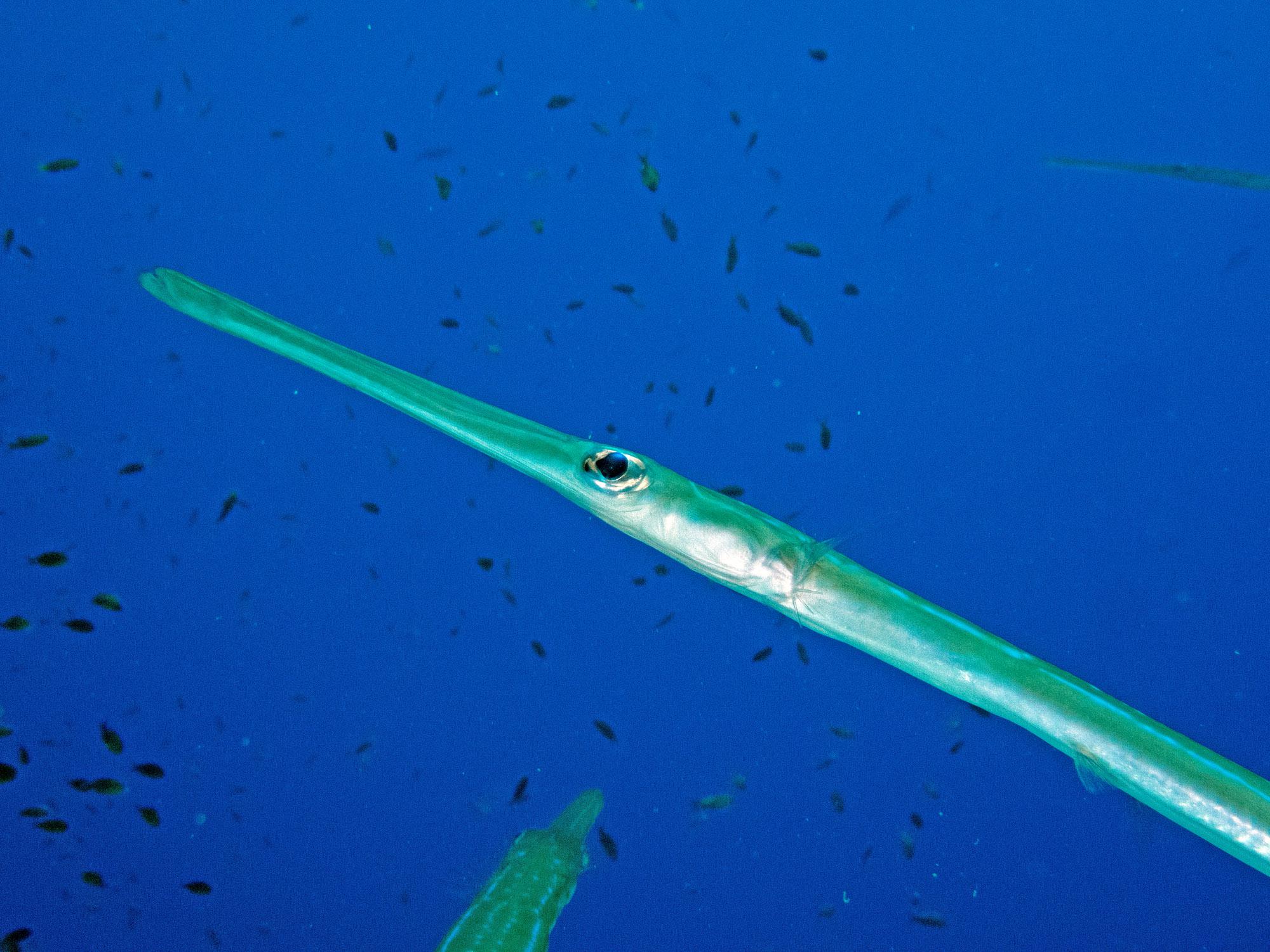
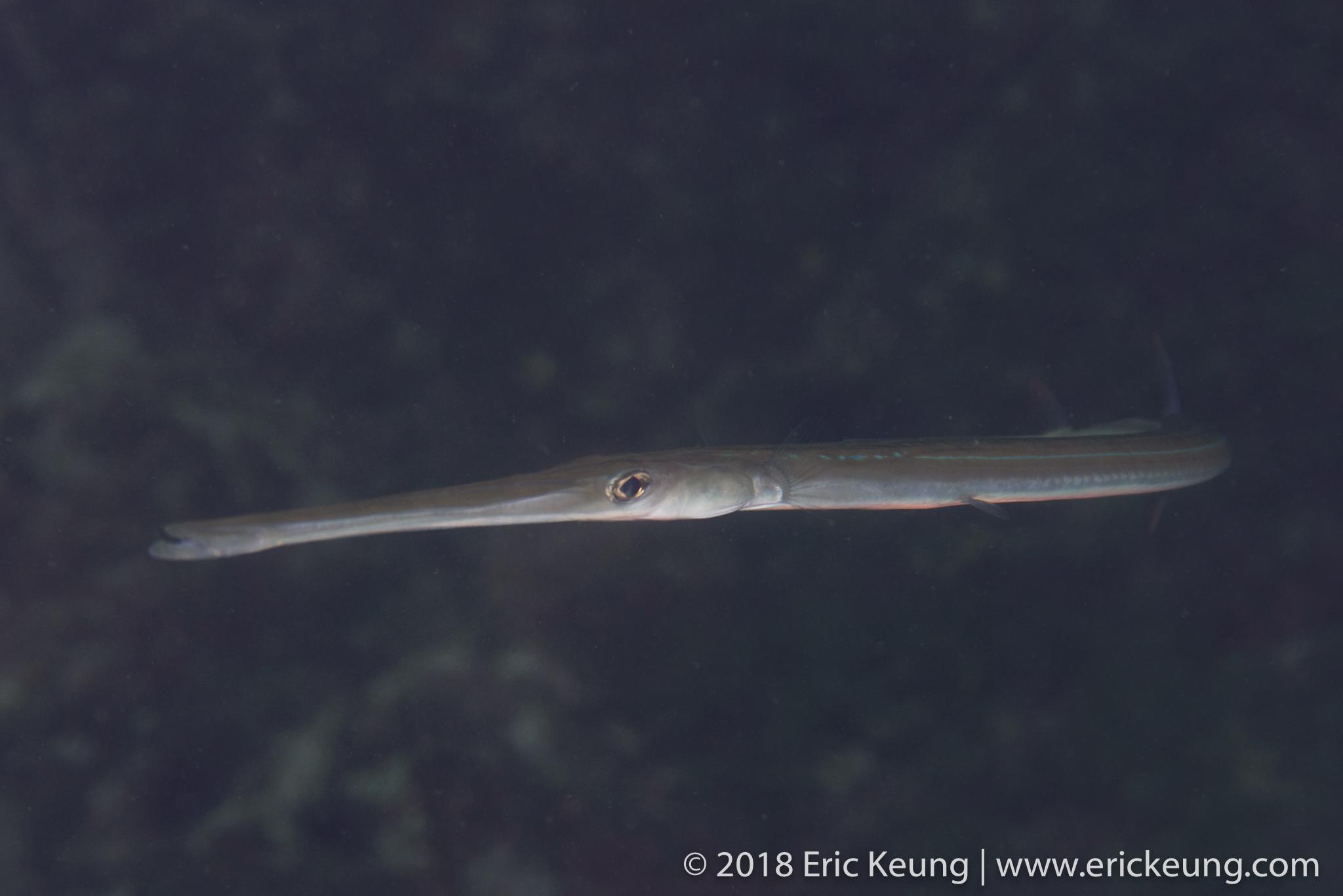
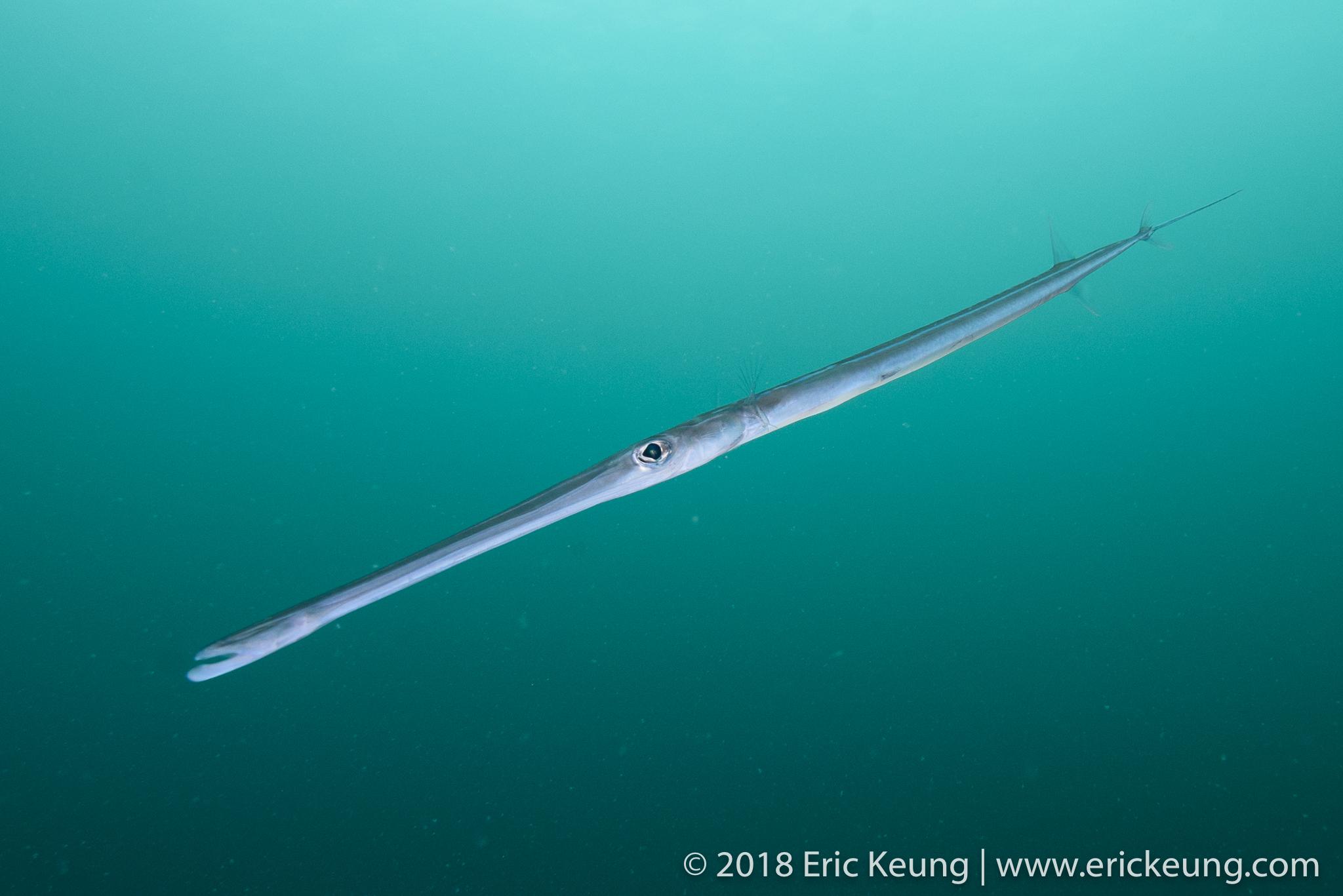
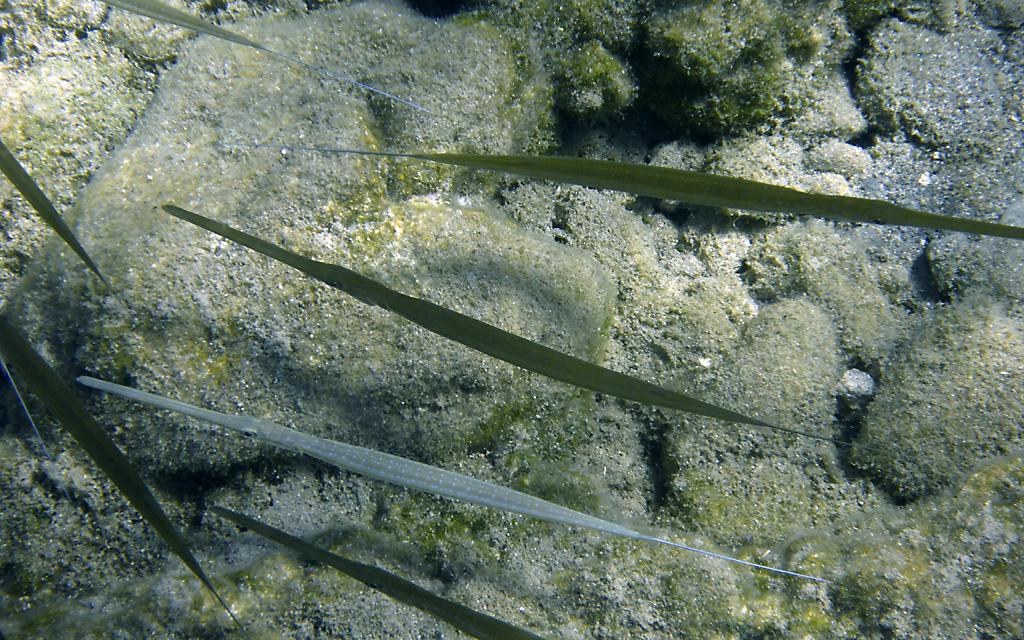
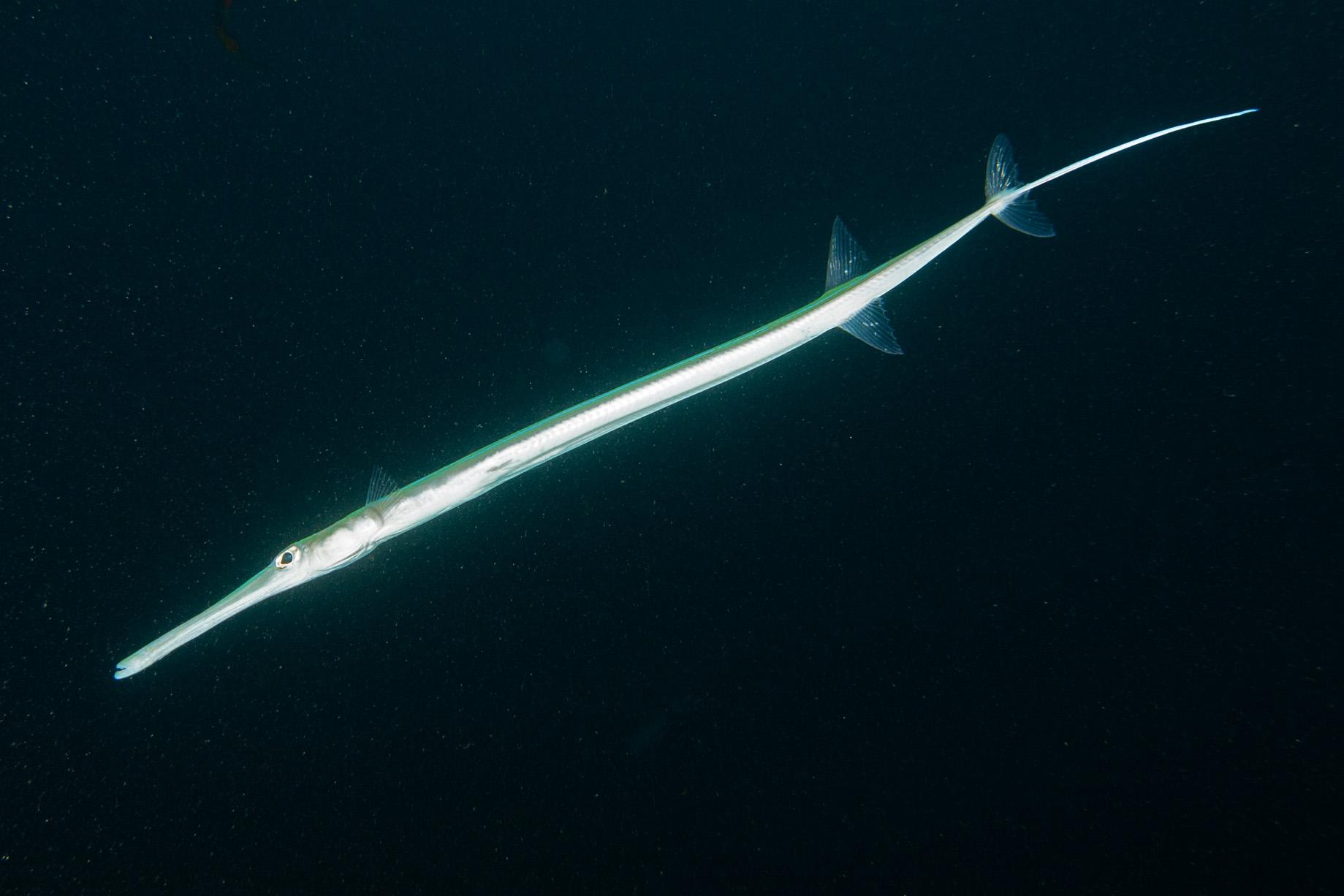
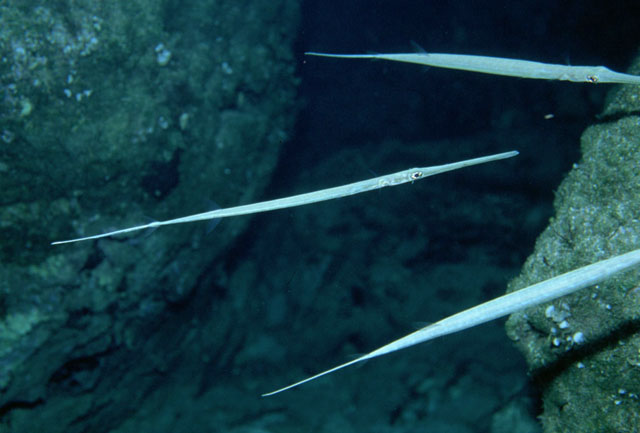
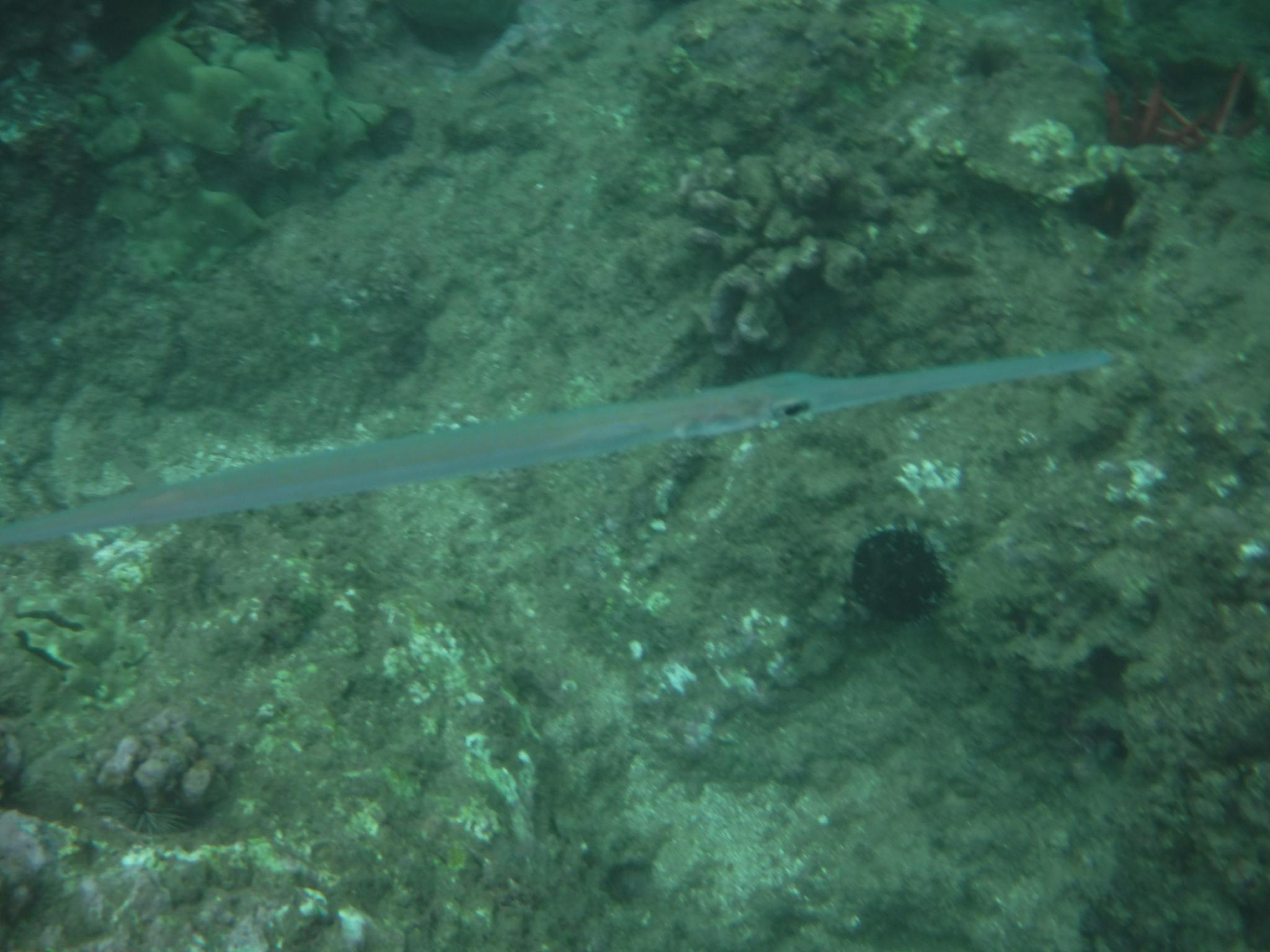
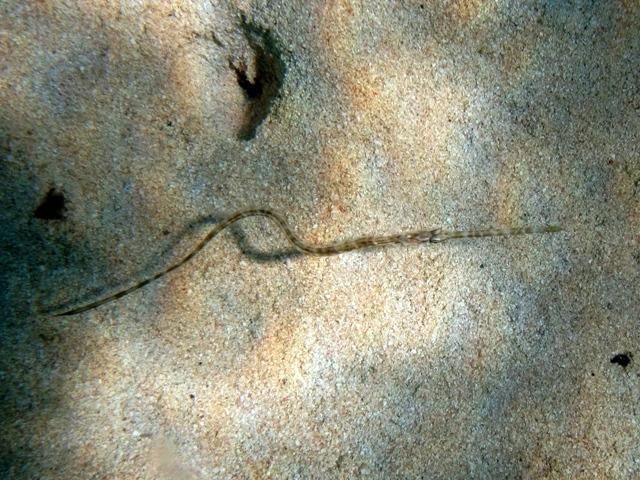
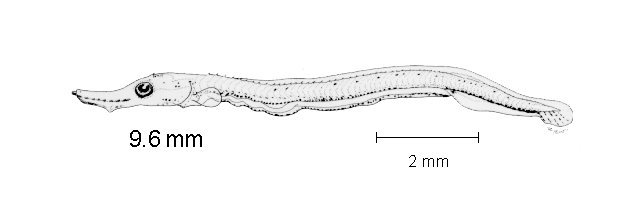
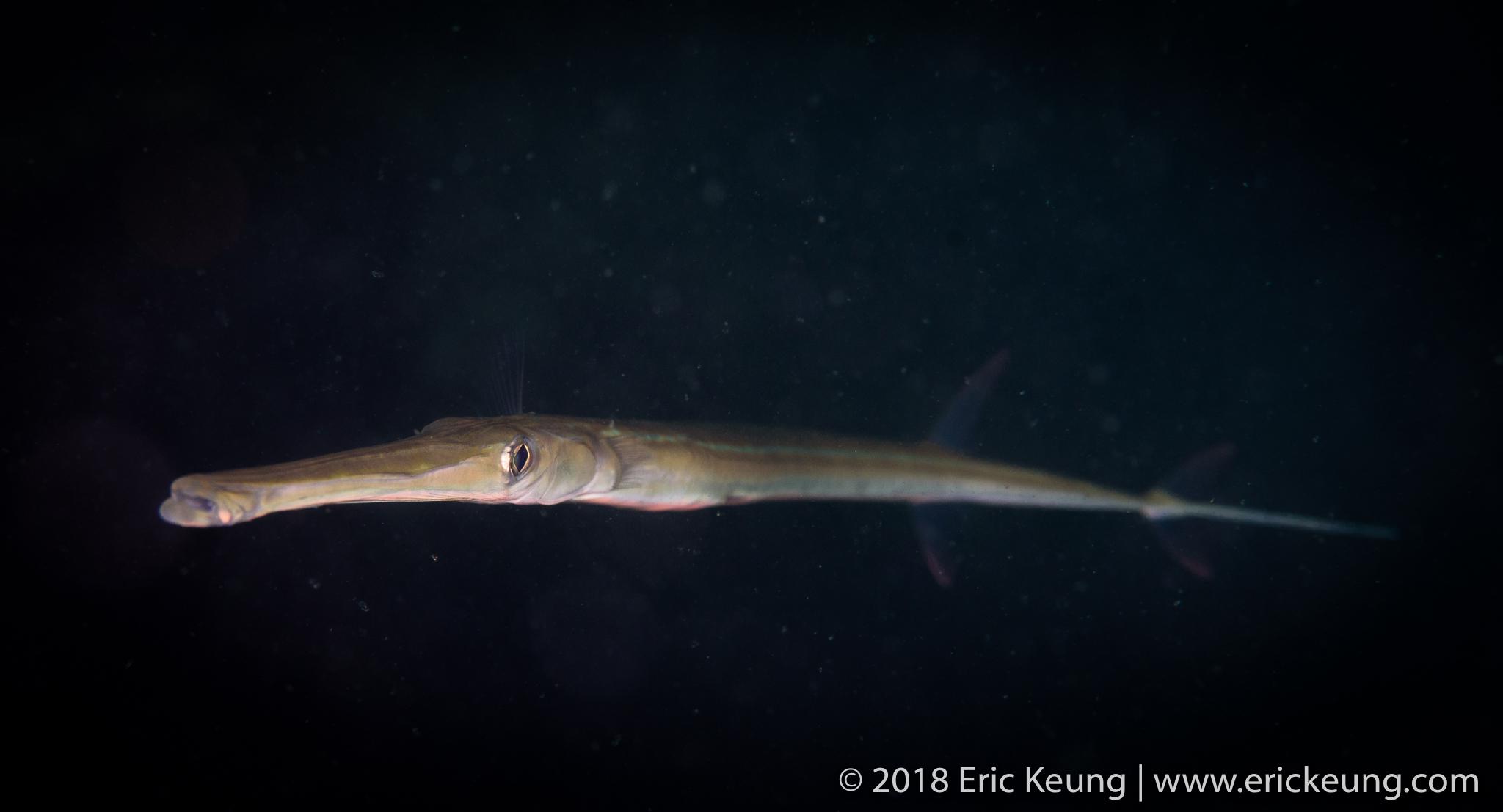
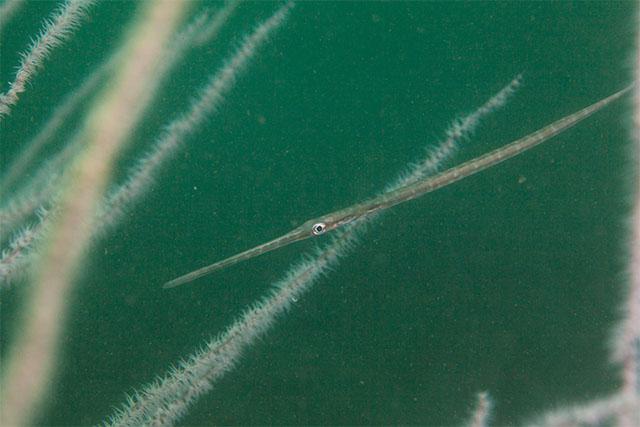
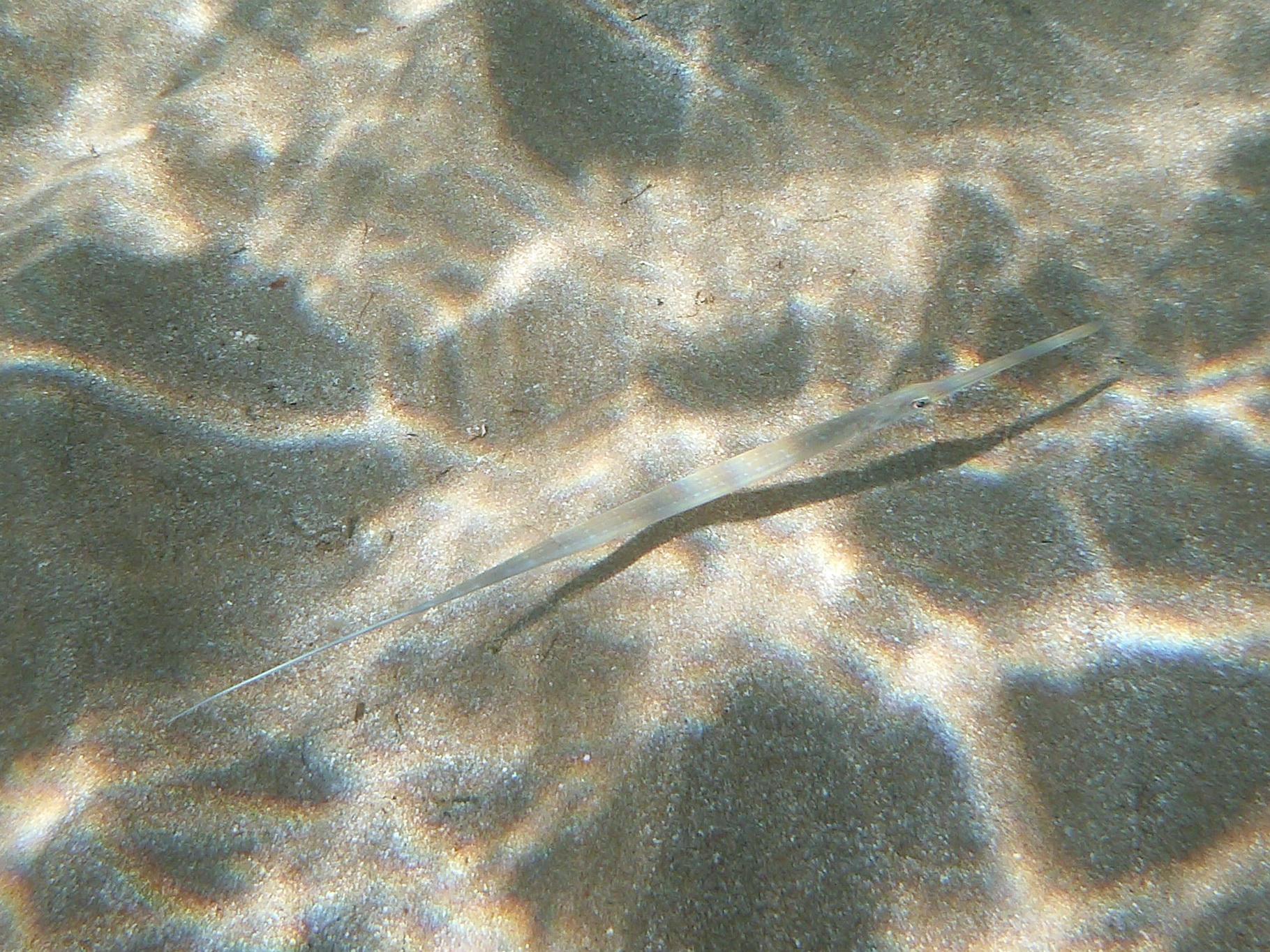
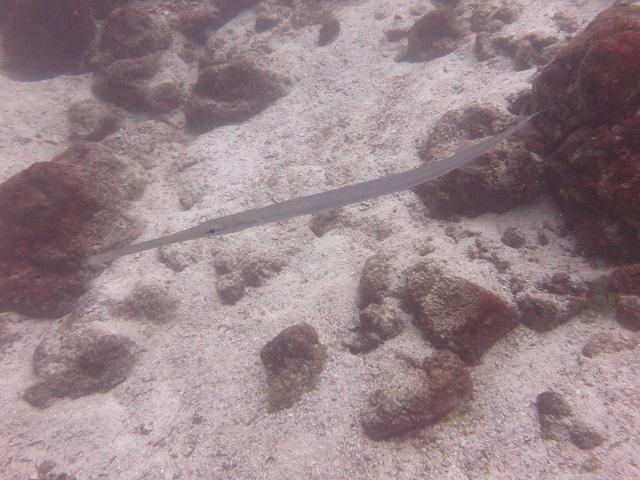
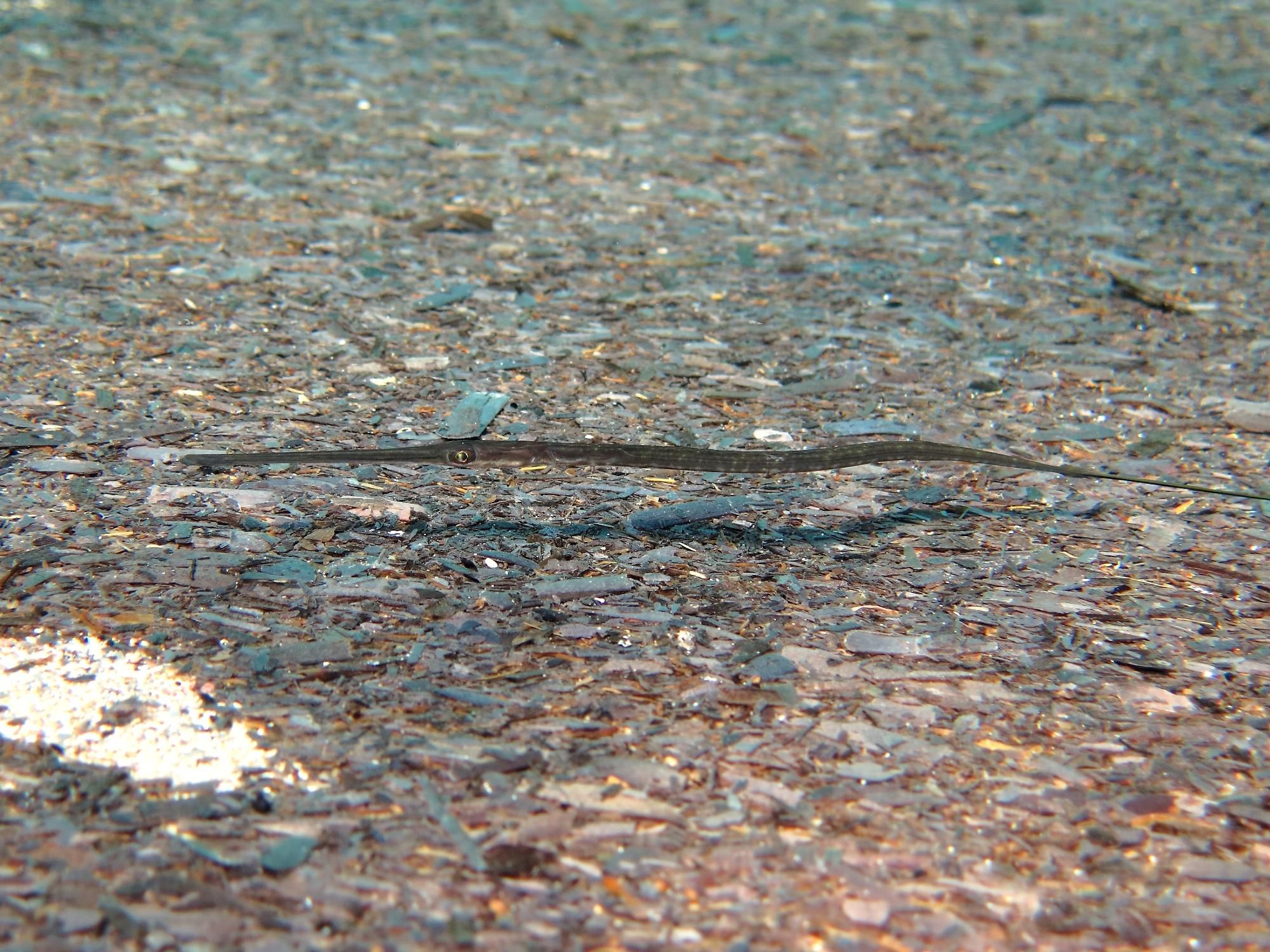
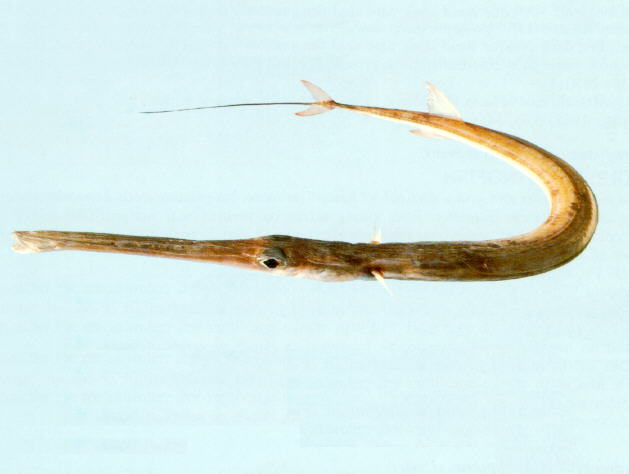
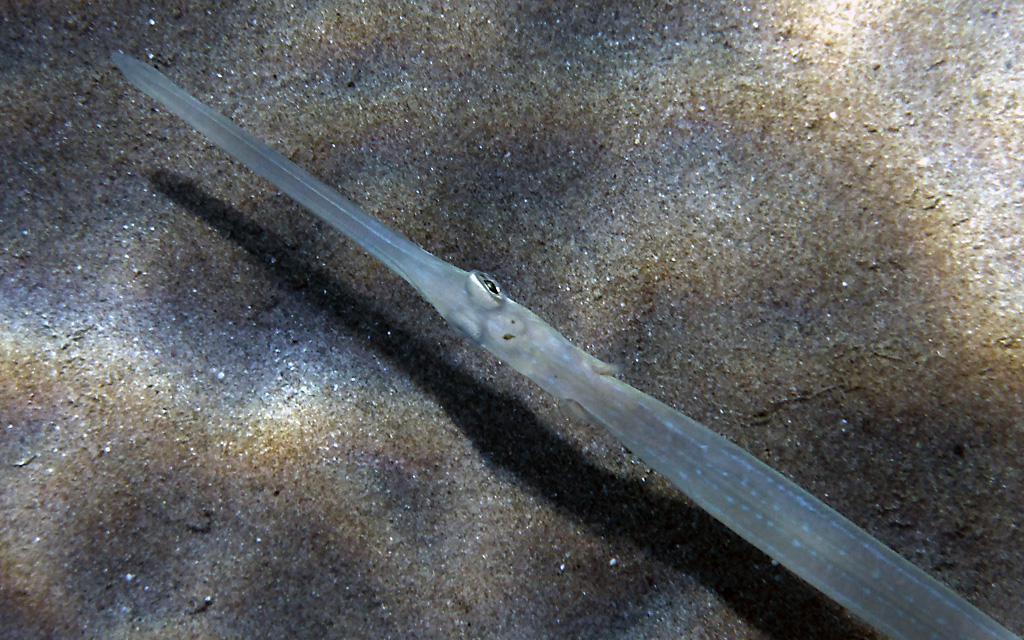
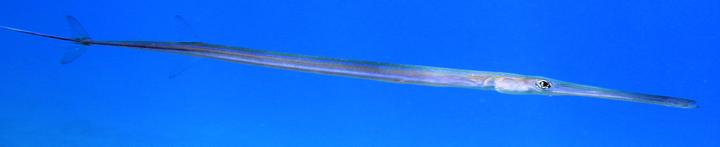
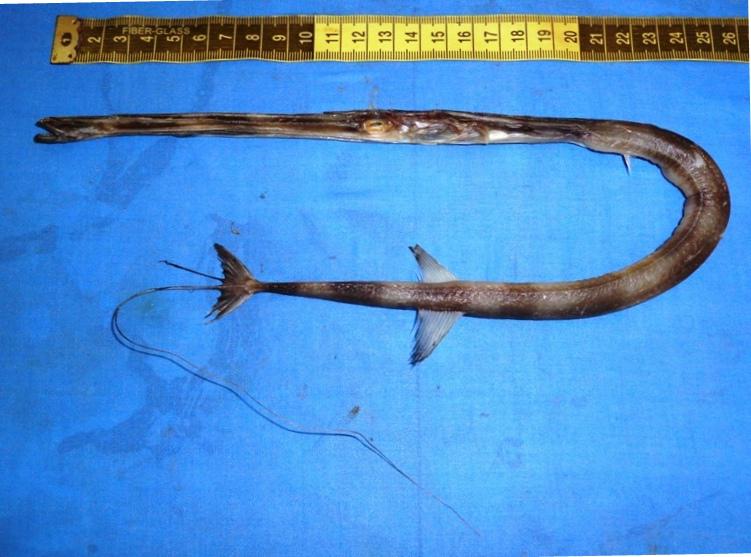
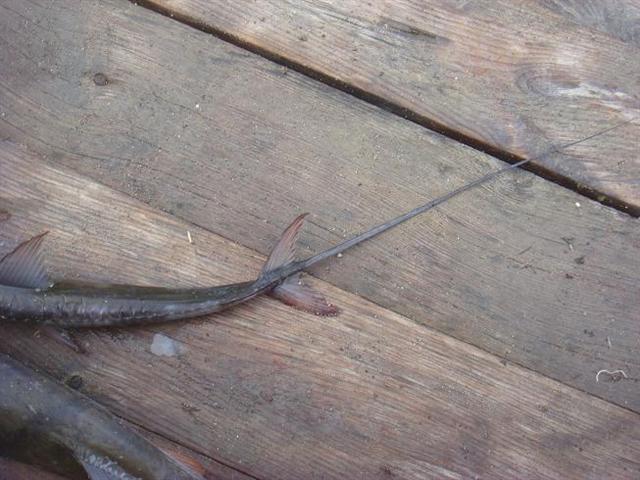
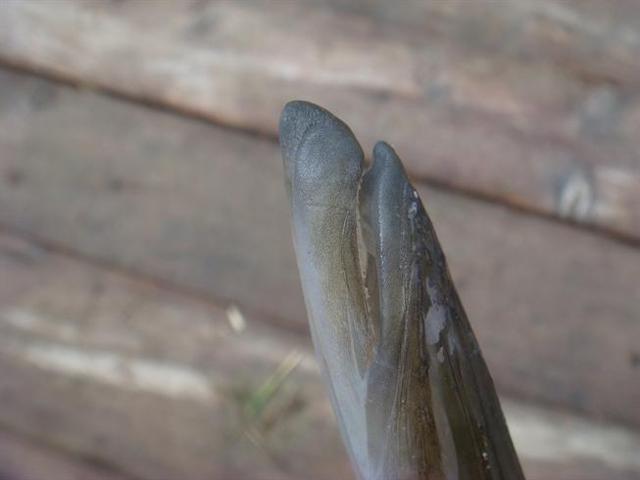
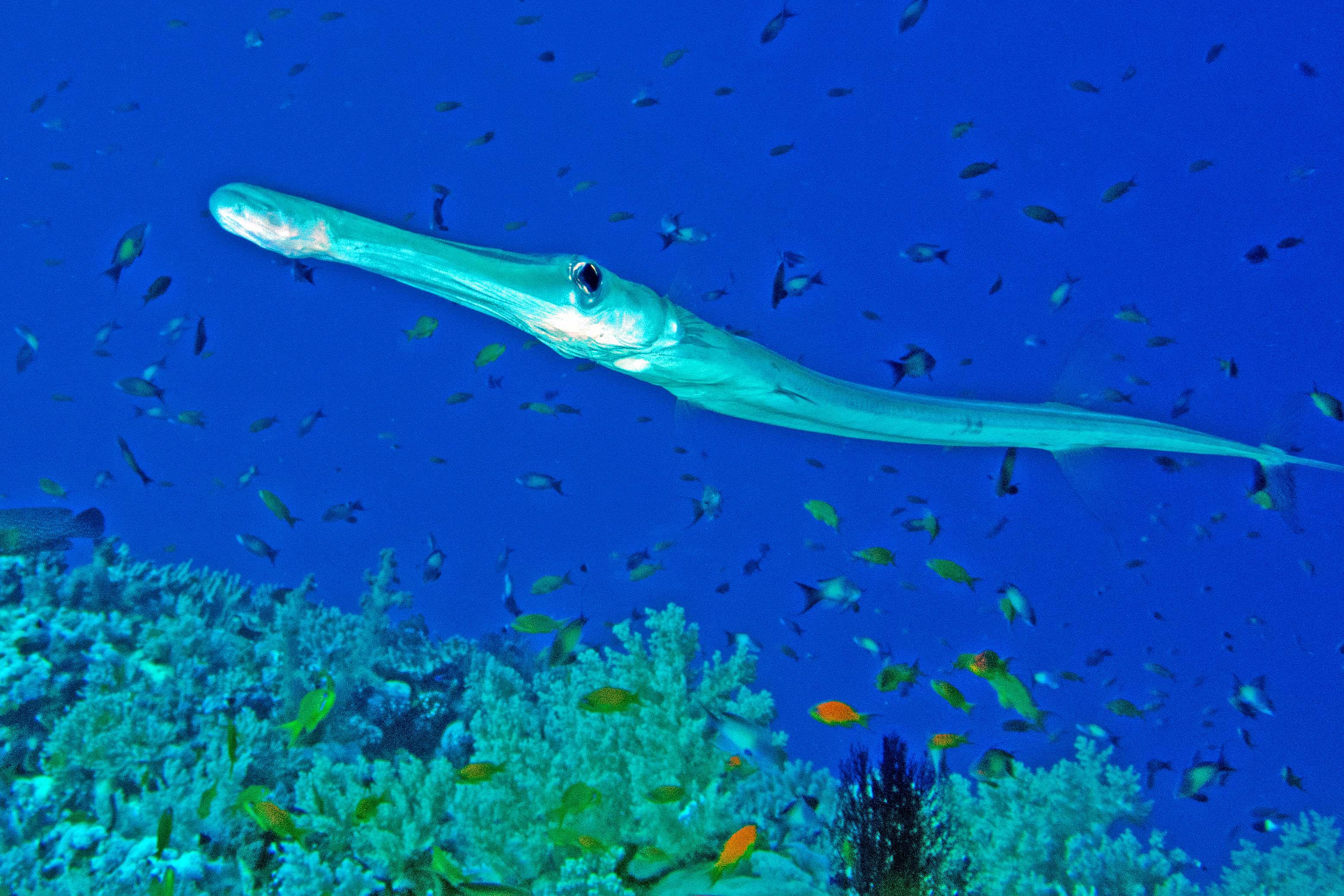
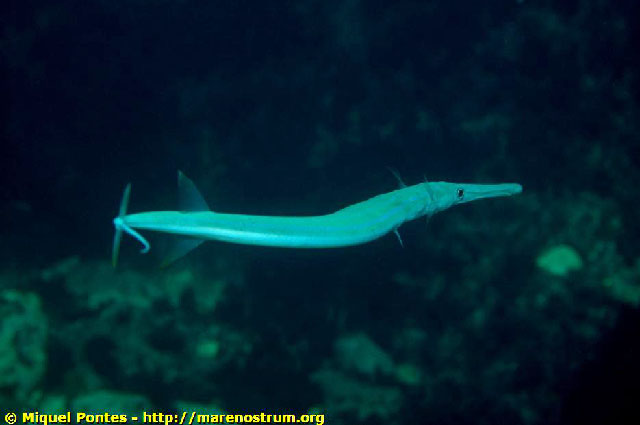
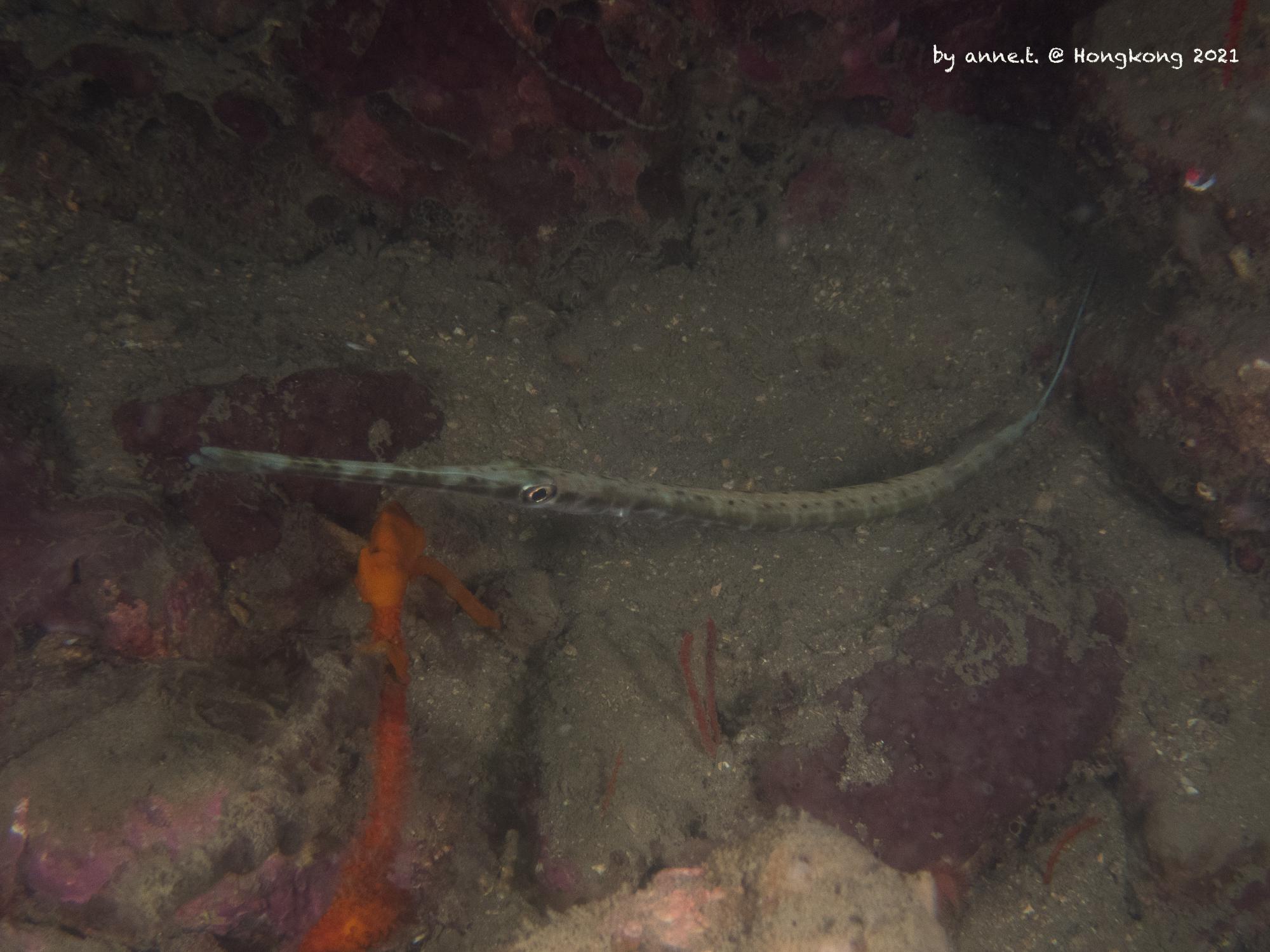
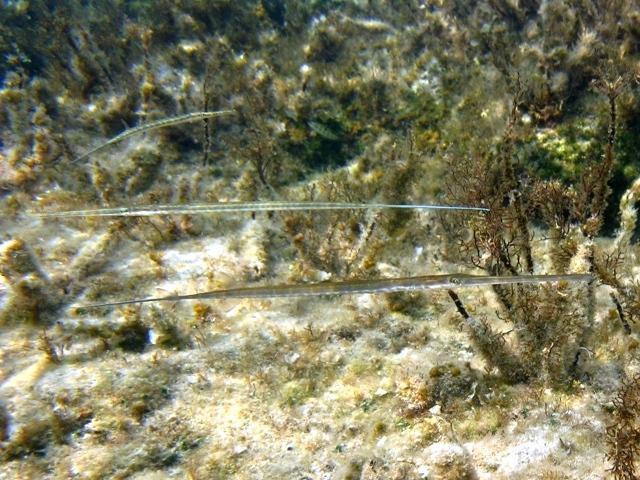
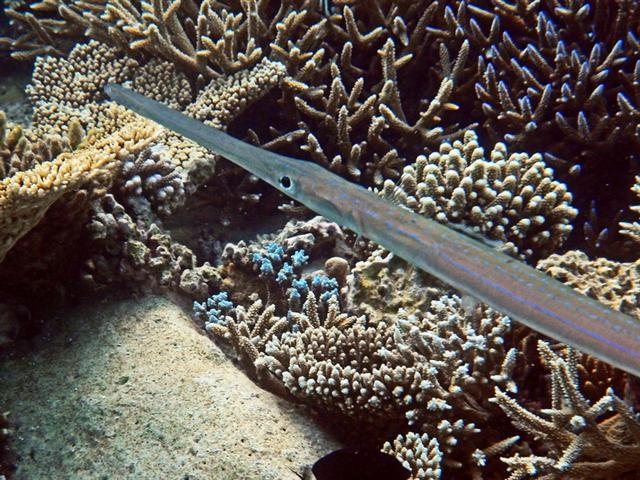
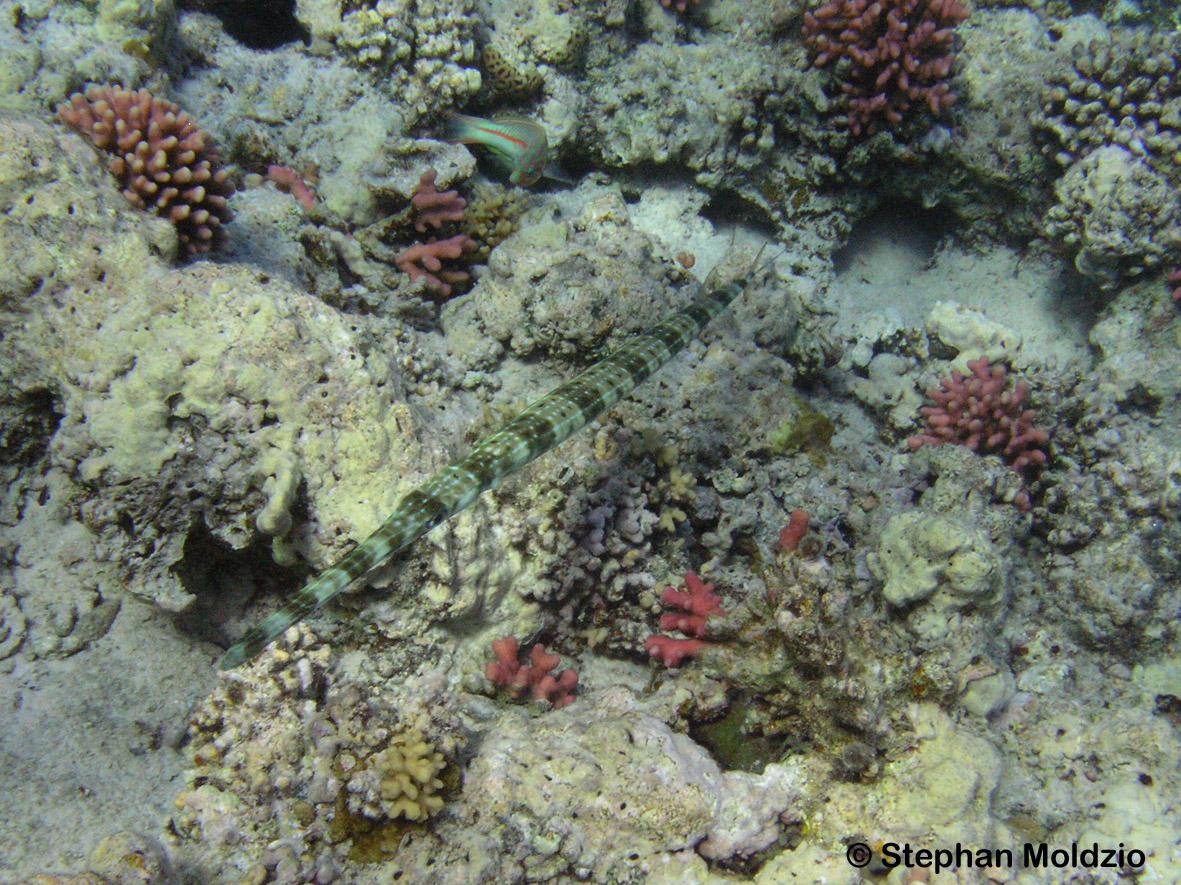
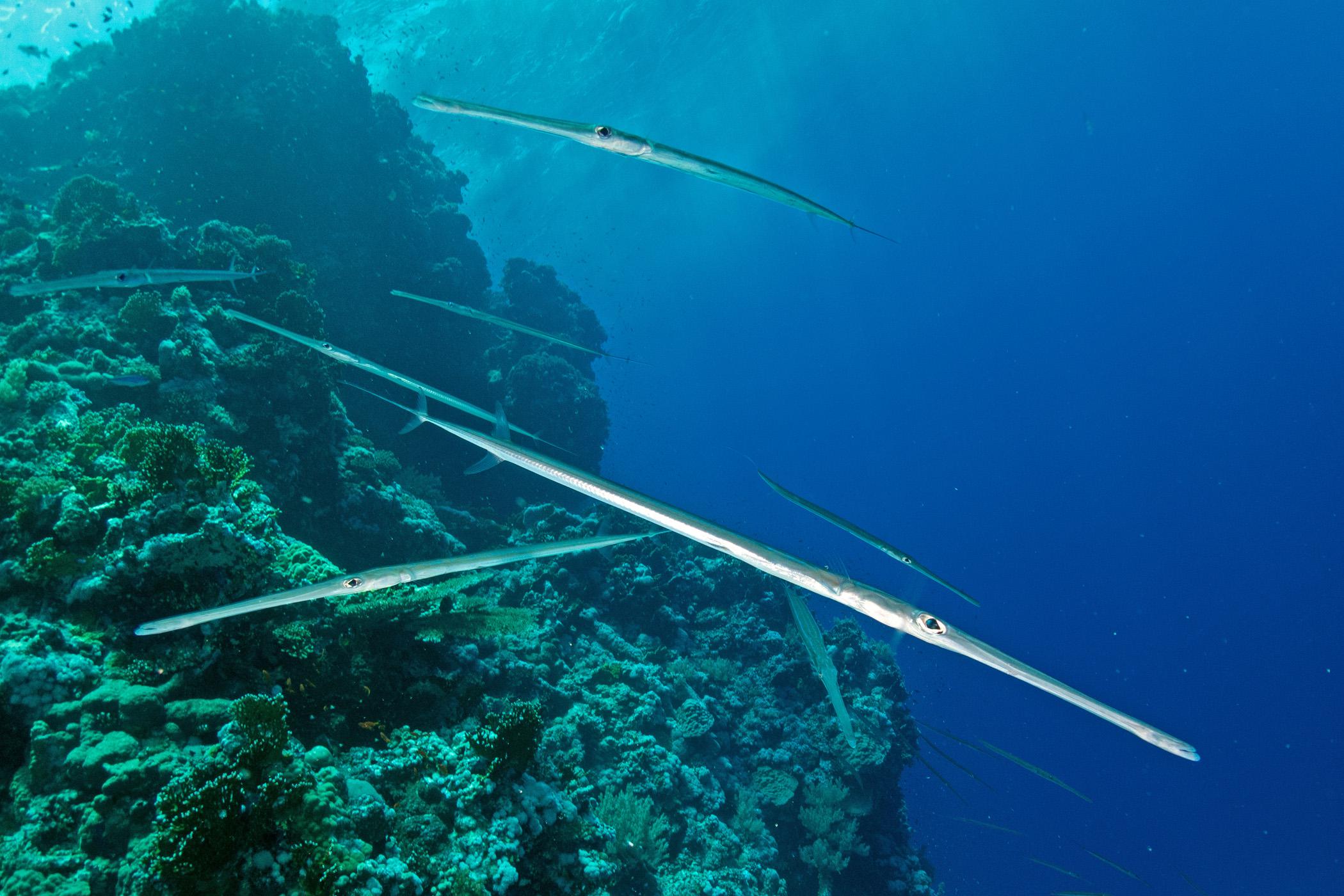
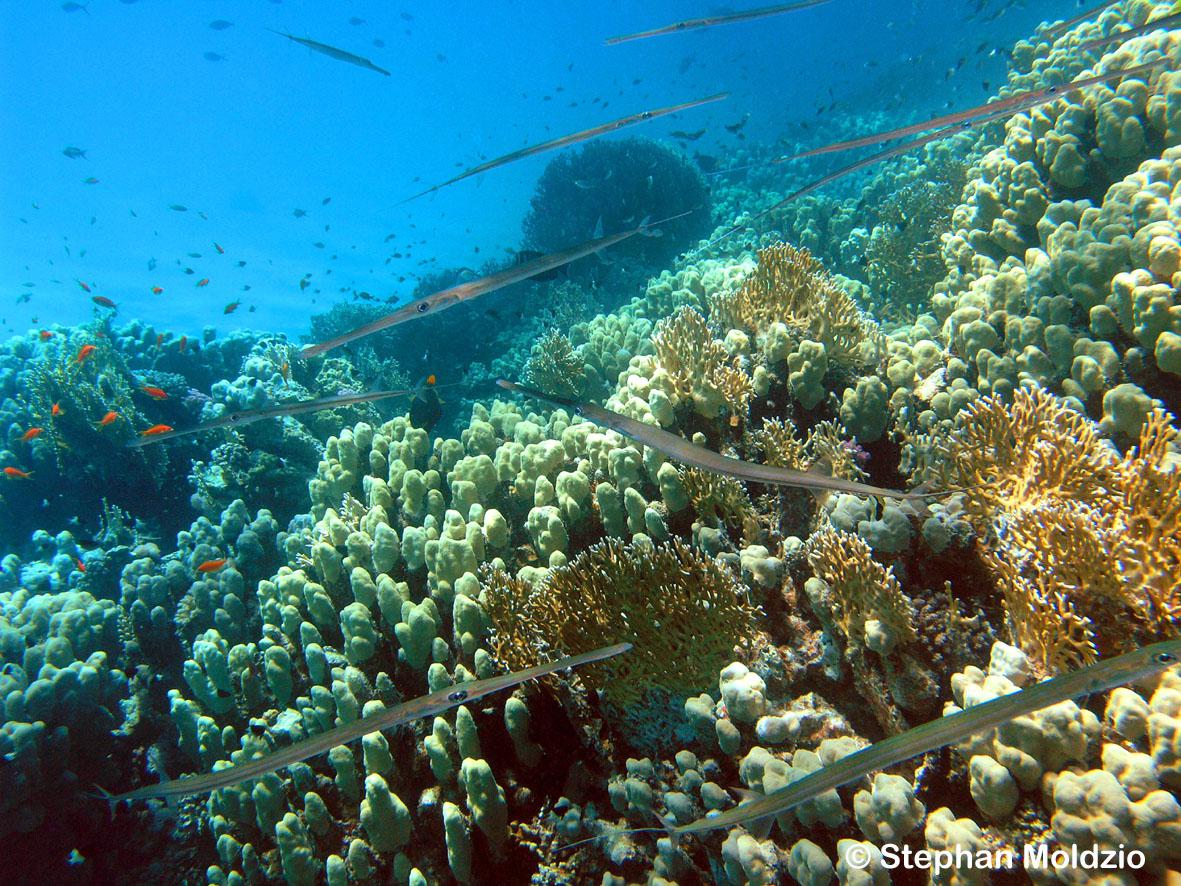
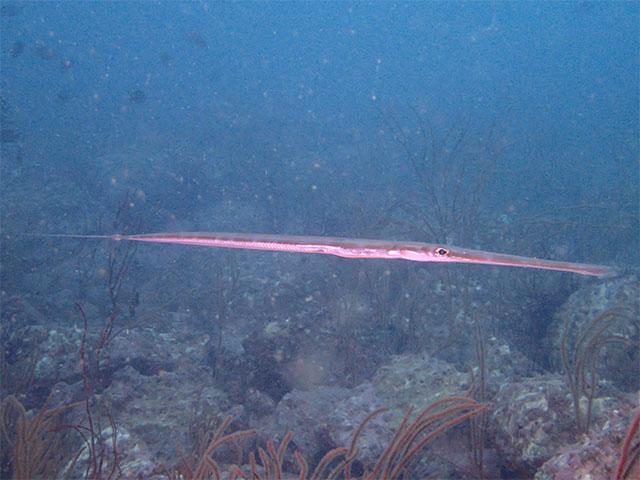
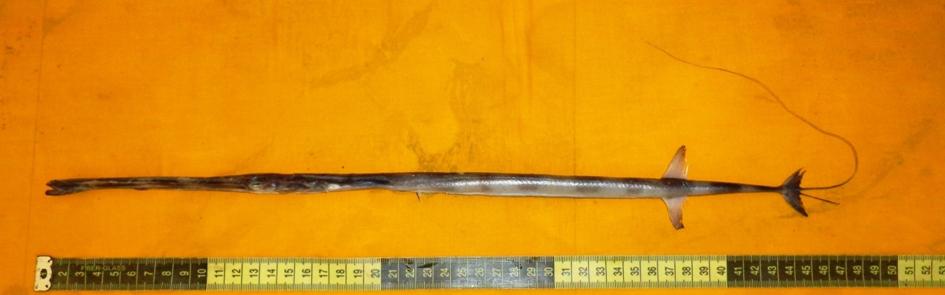
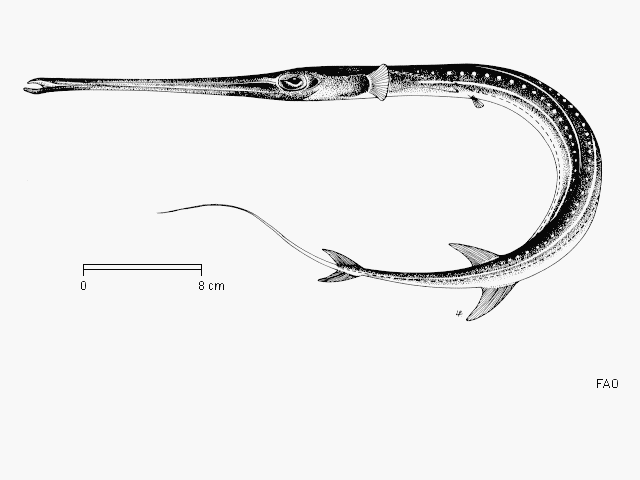
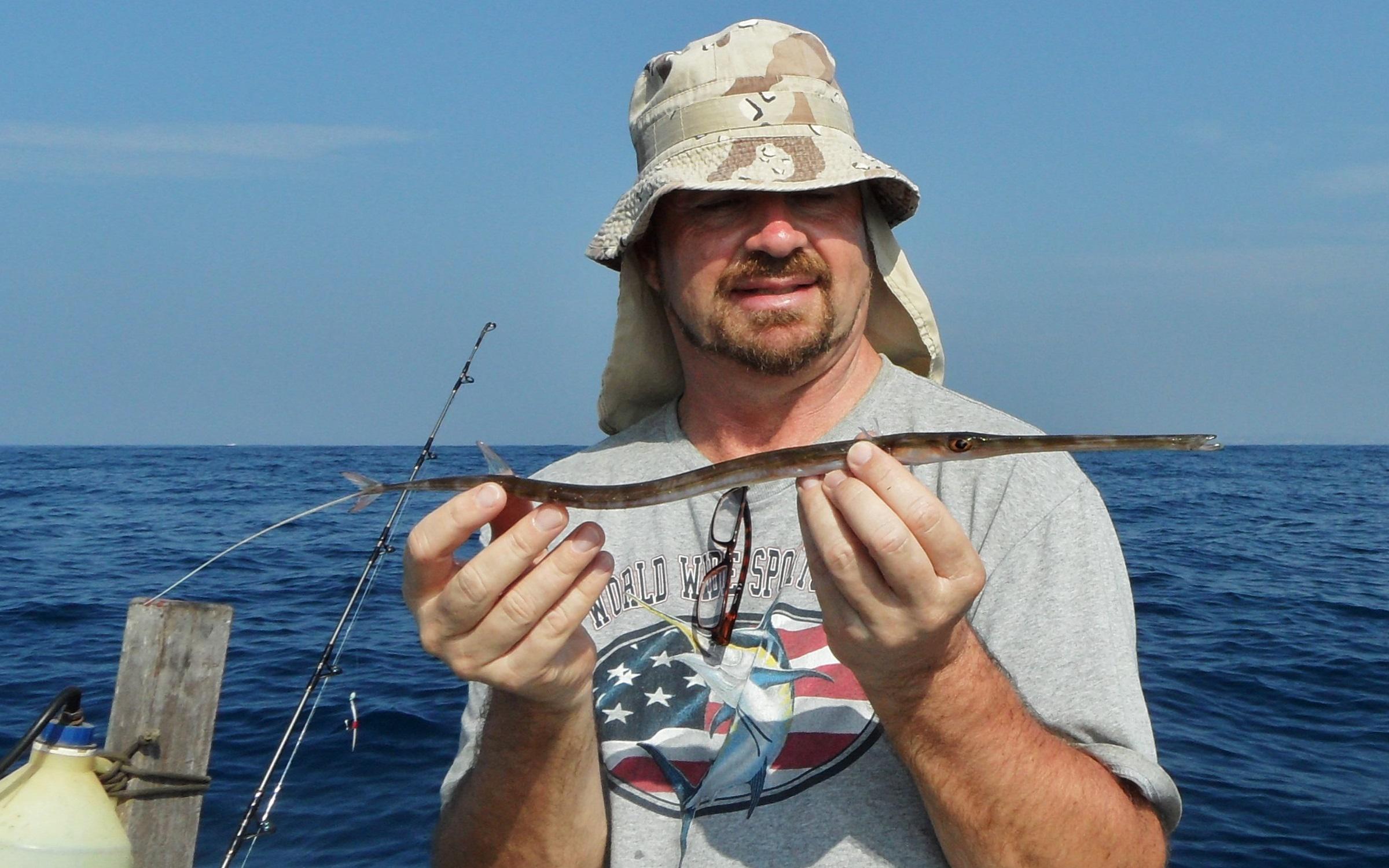
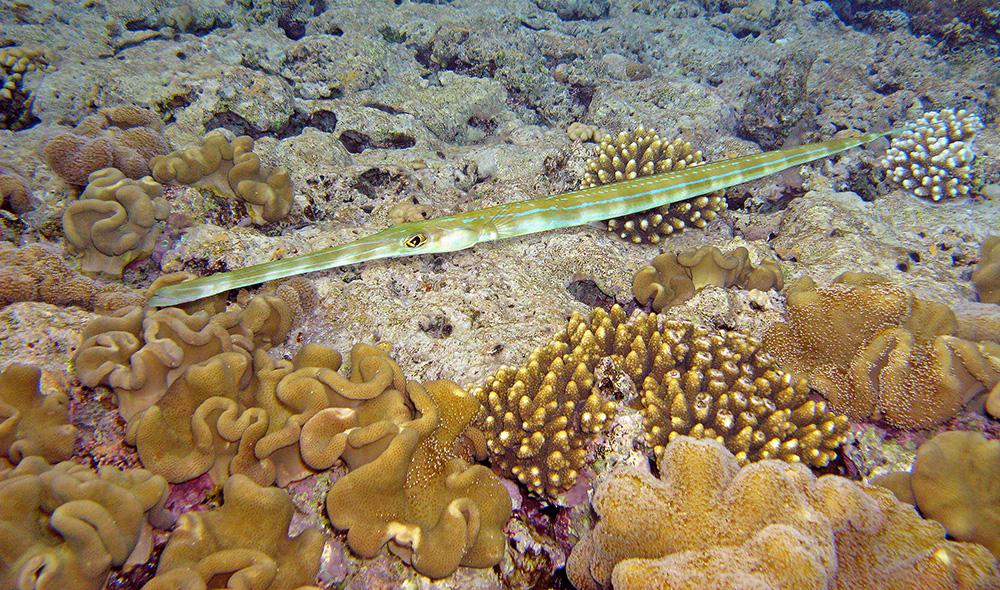
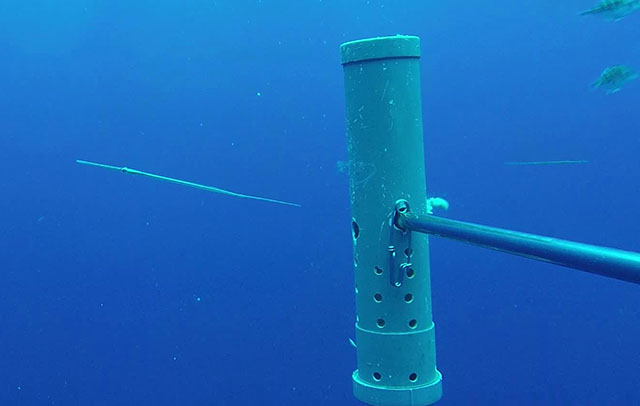
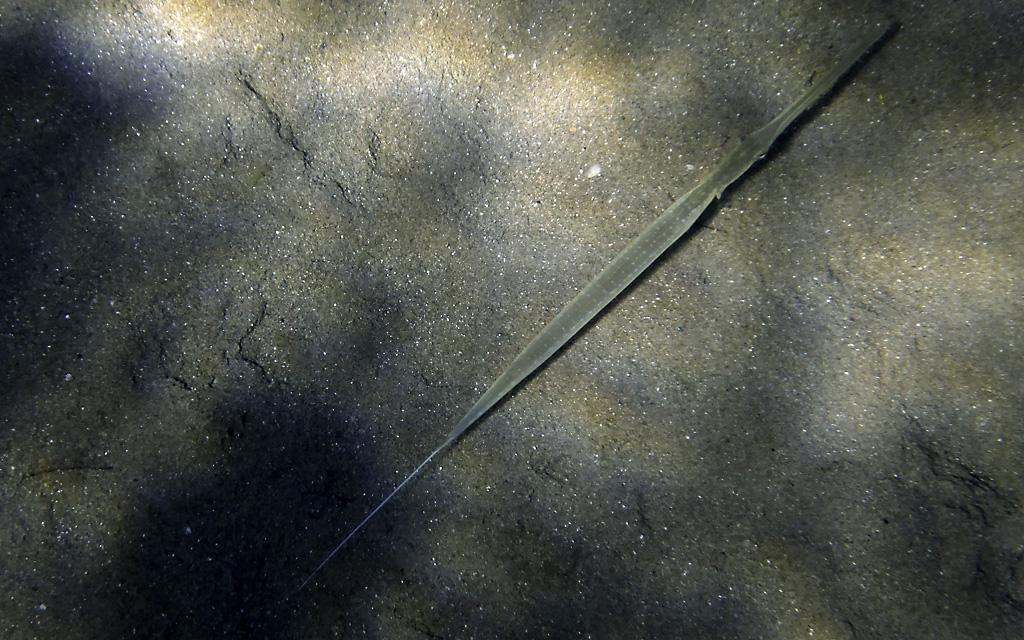
Dorsal spines (total): 0; Dorsal soft rays (total): 14 - 17; Anal spines: 0; Anal soft rays: 14 - 16; Vertebrae: 83 - 86. Vertically flattened rather than laterally compressed body. Long whiplike tail filament. Color is green dorsally, grading to silvery white ventrally, with two blue stripes or rows of blue spots on the back. Dorsal and anal fin orange becoming transparent at base. Caudal filament white. Broadly banded at night (Ref. 48635). First four vertebrae fused (Ref. 9826). Branchiostegal rays: 5 (Ref. 36710).
Common Names
Taxonomic Hierarchy
Kingdom: Animalia
Phylum: Chordata
Class: Teleostei
Order: Syngnathiformes
Family: Fistulariidae
Genus: Fistularia
Species: Fistularia commersonii Rüppell, 1838
Climate Zone
Location
- Indo-Pacific: Red Sea and East Africa to Rapa and Easter Island, north to southern Japan, south to Australia and New Zealand (Ref. 5755). Eastern Central Pacific: Mexico to Panama, including offshore islands (Ref. 9301). First record in the Mediterranean was reported (Ref. 36327), and from several countries as of late year 2010. Often misidentified as Fistularia petimba, a reddish or brownish-orange deep-water species with bony plates along dorsal midline.
Biology
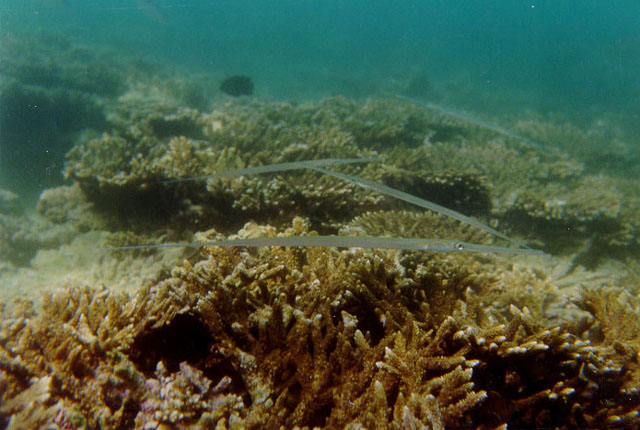
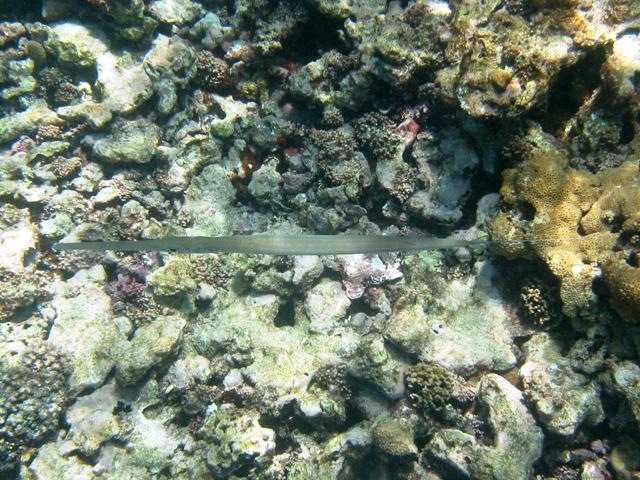
Adults inhabit reef habitats to a depth of at least 128 m, except in heavy surge areas. Also found in sandy bottoms adjacent to reef areas (Ref. 36710), either solitary or in schools (Ref. 9710). Benthopelagic (Ref. 58302). Feed on small fishes, shrimps (Ref. 36327, 36710) and squids (Ref. 37816). Probably marketed fresh, salted or dried or smoked but more often reduced to fish meal (Ref. 9301).
Habitat
associated
Conservation Status
Least Concern
Threat to Humans
Reports of ciguatera poisoning
Fistularia commersonii Rüppell, 1838