Eusphyra blochii (Cuvier, 1816)
Description


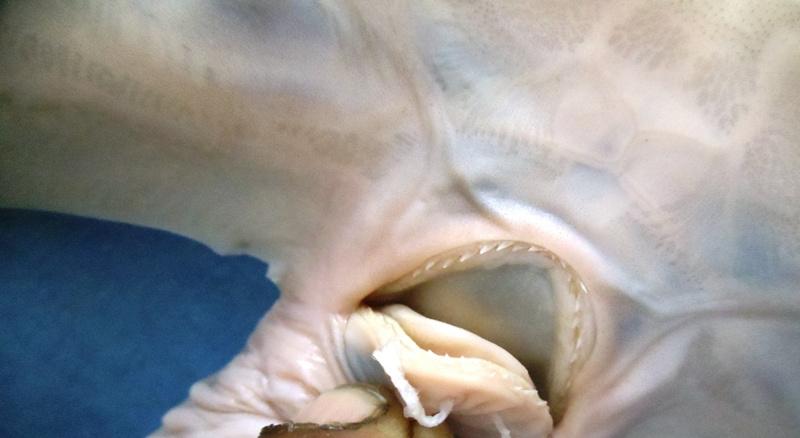
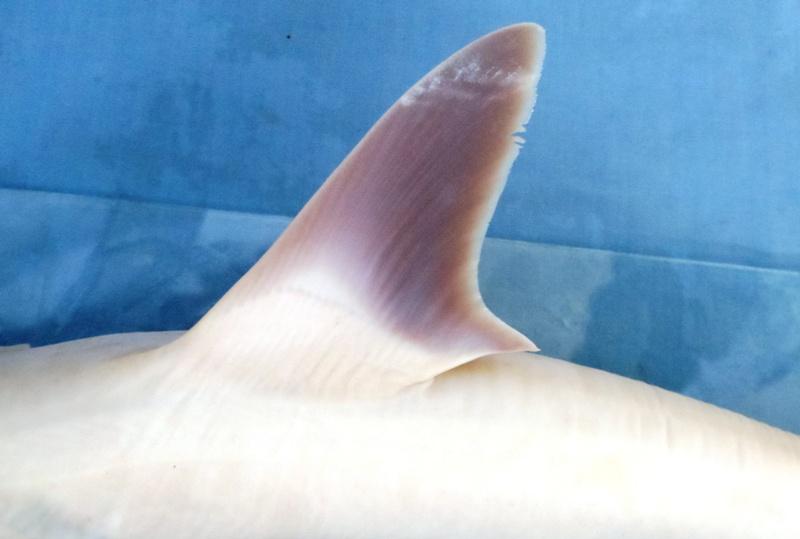
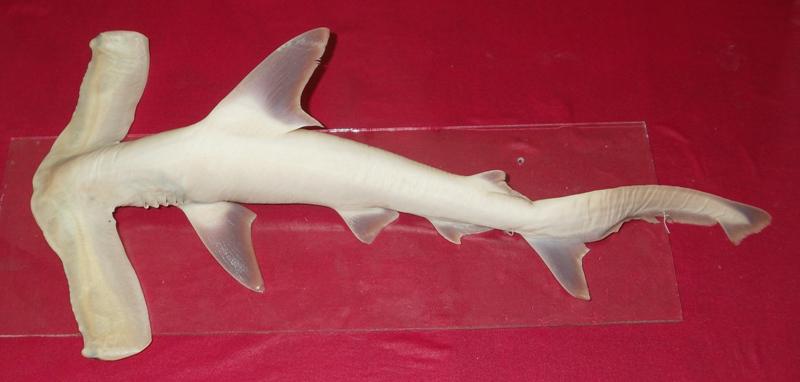
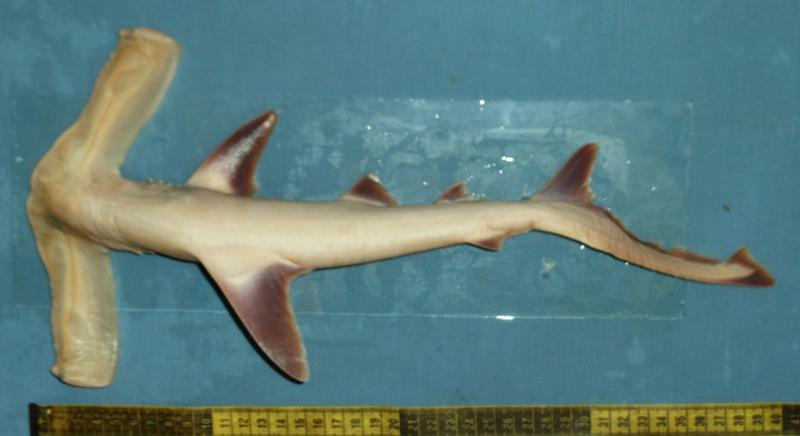
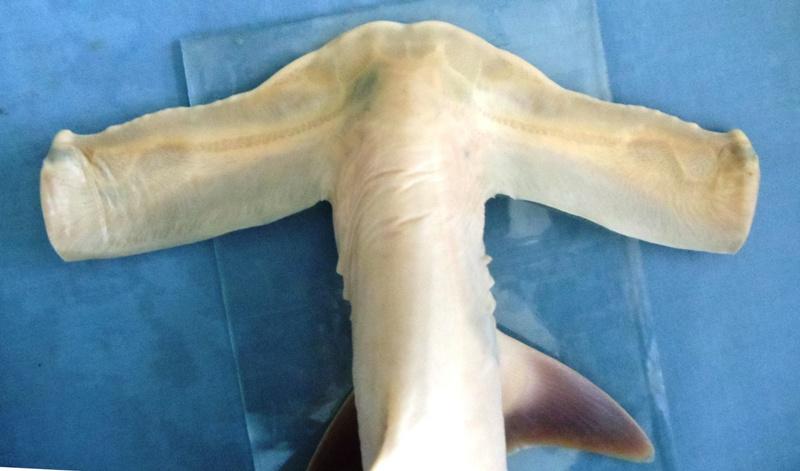
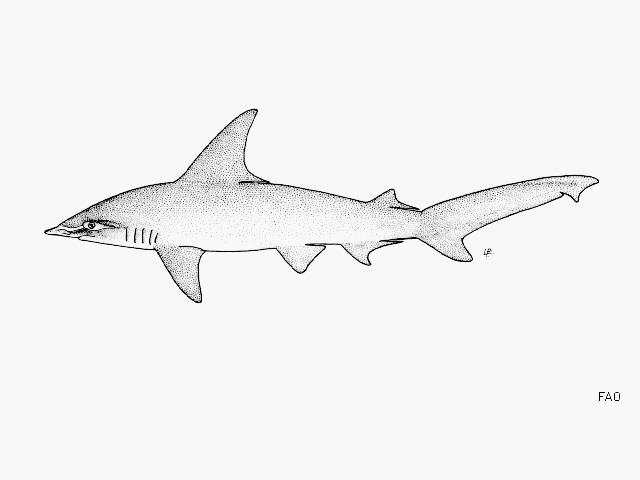
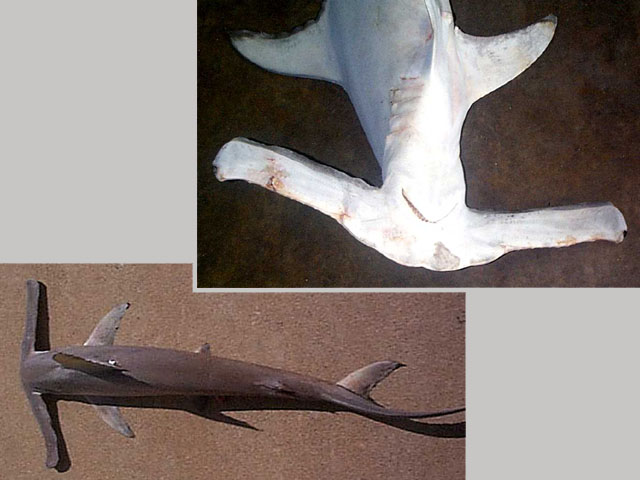
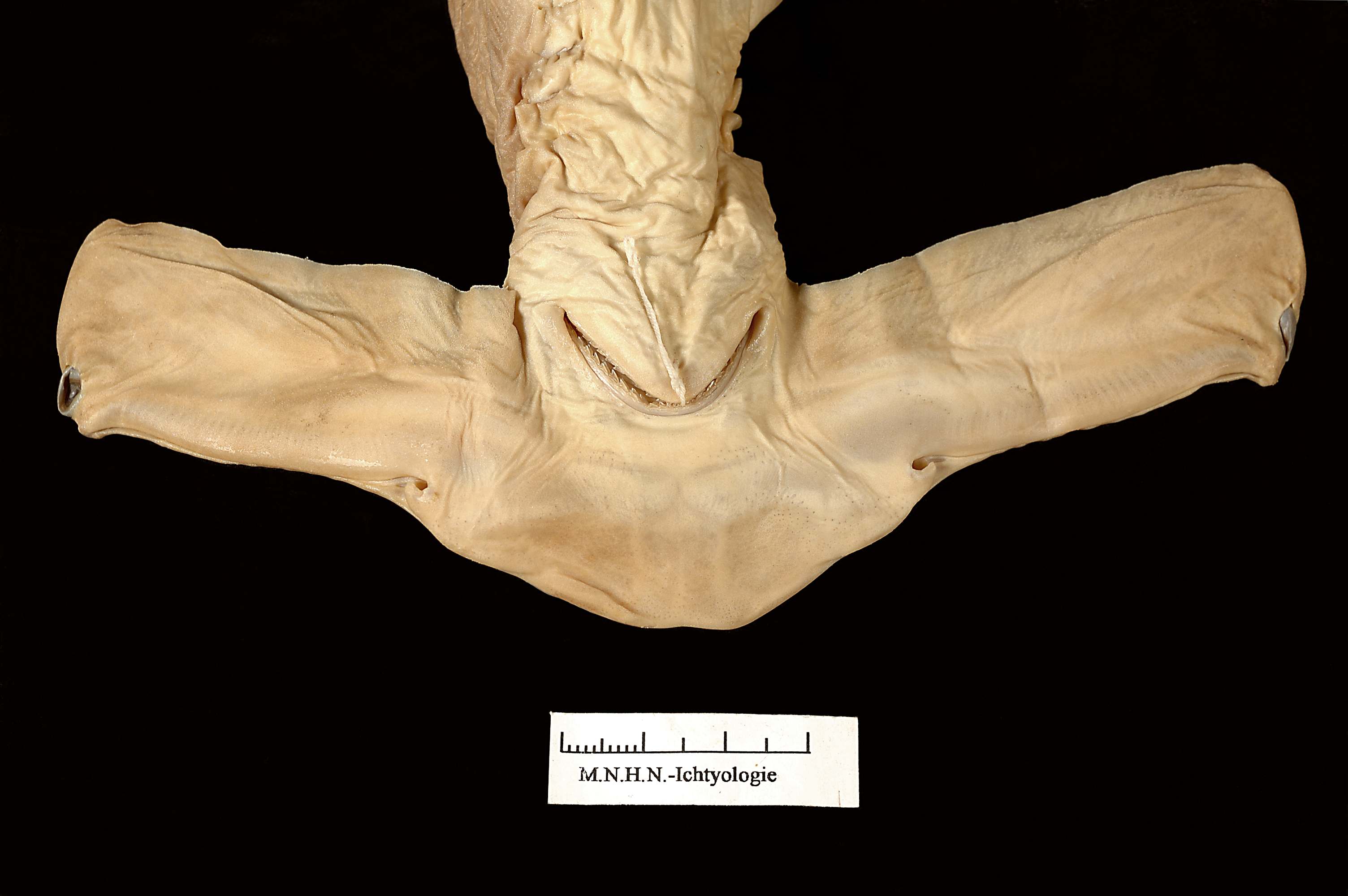
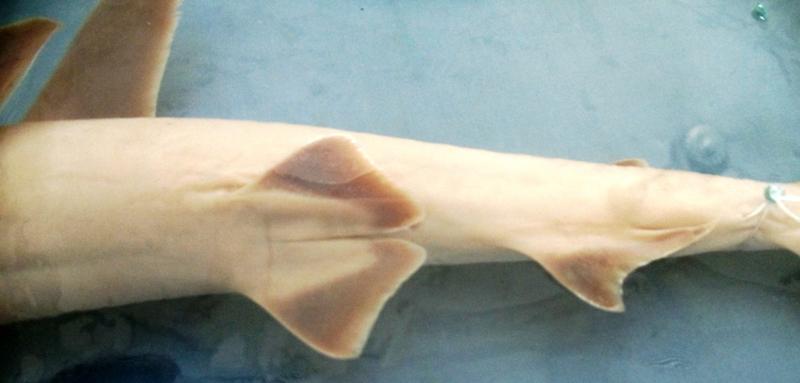
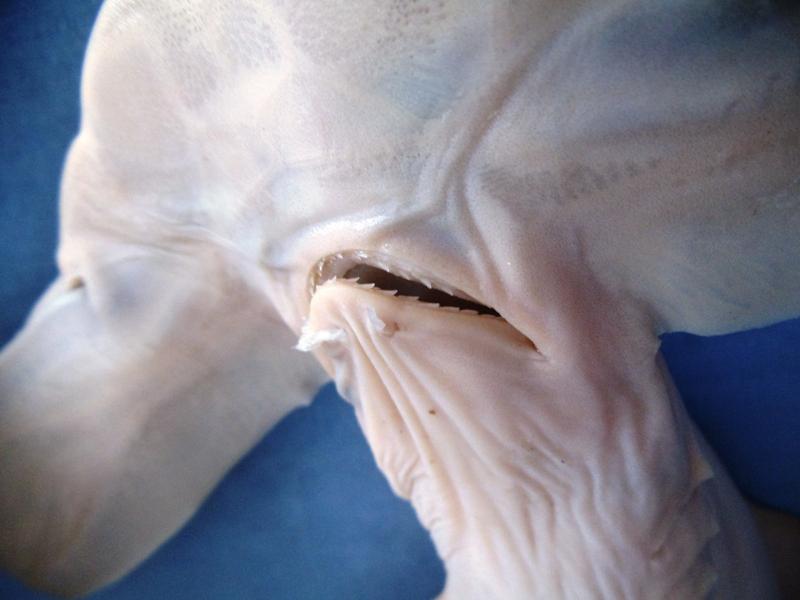
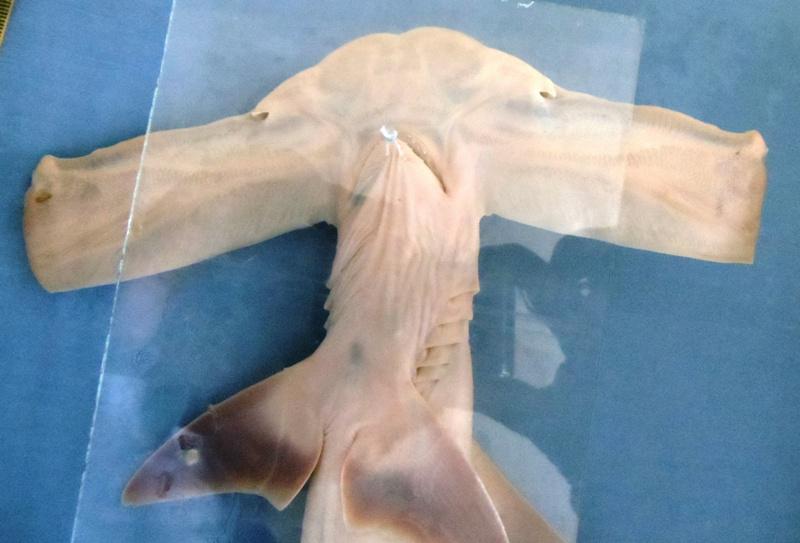
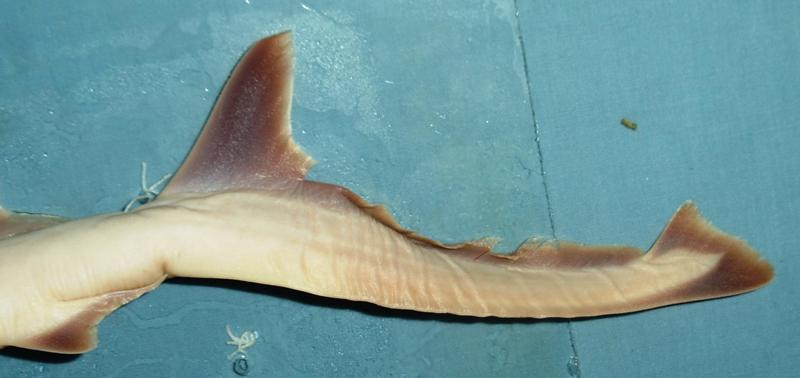
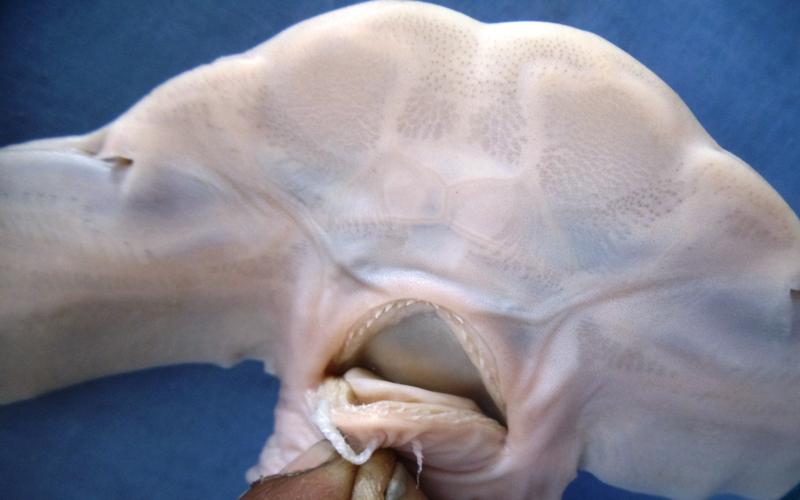
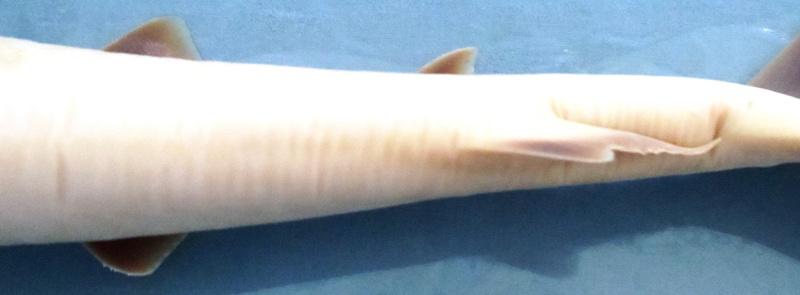
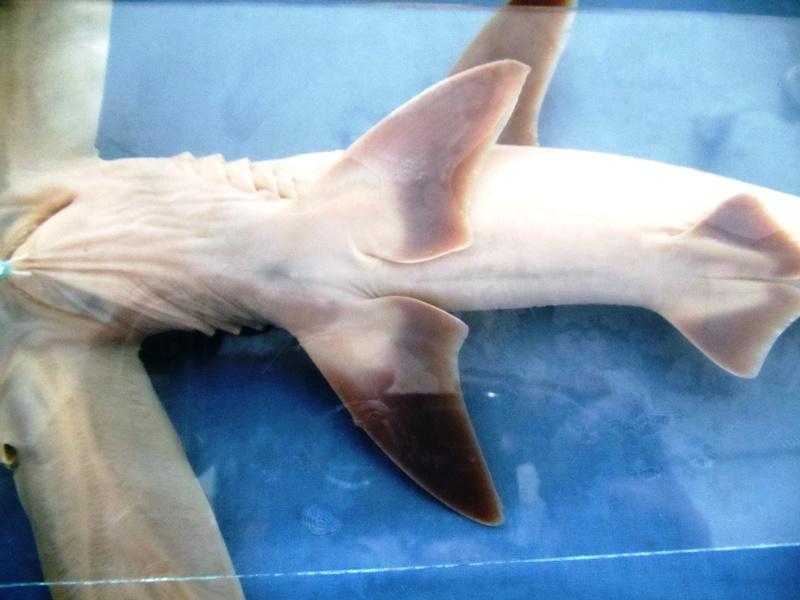
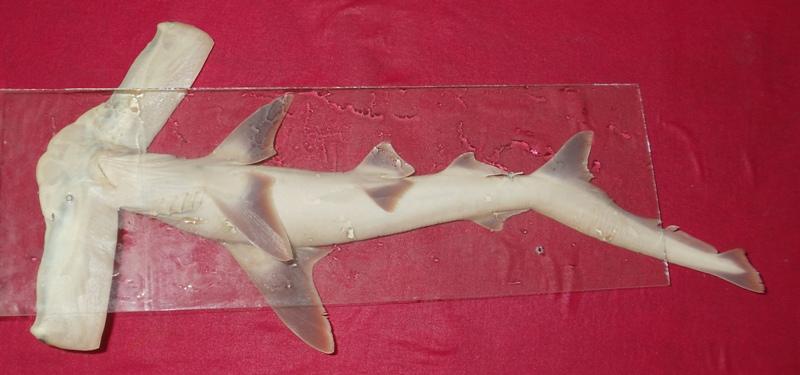
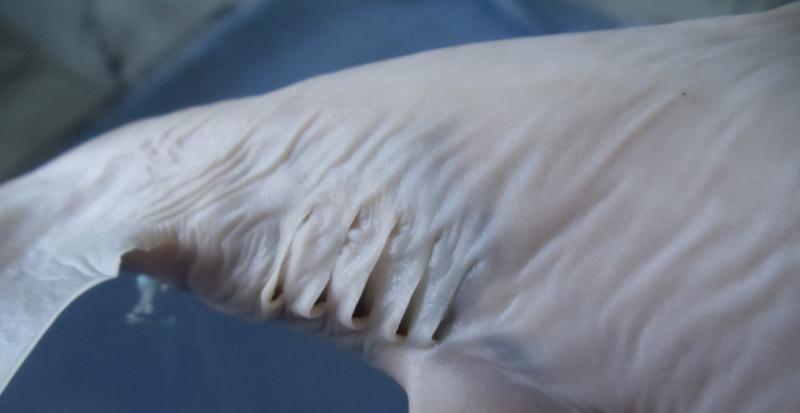
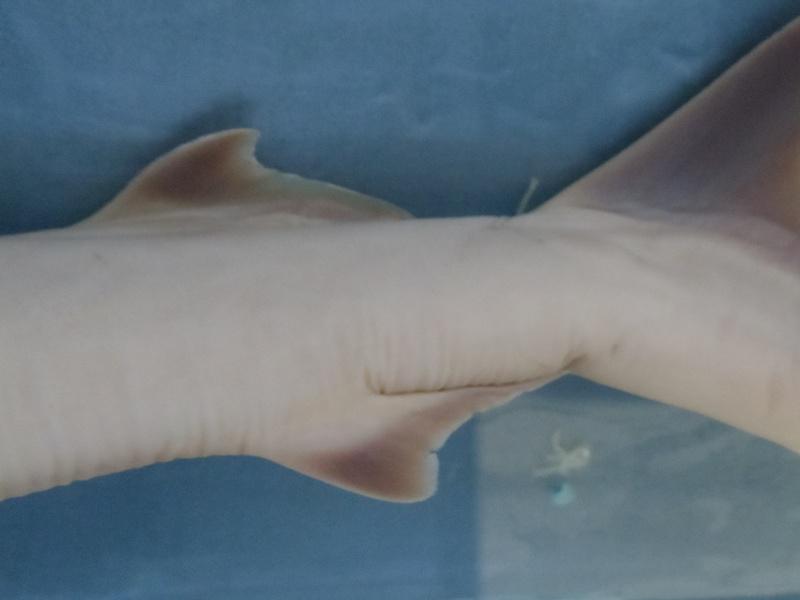
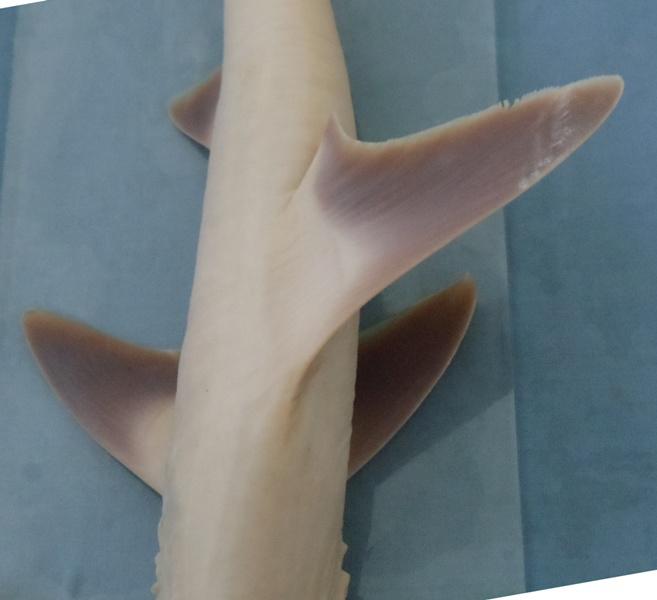
Dorsal spines (total): 0; Anal spines: 0. Grey or grey-brown above, paler below. Expanded lateral blades of head very narrow and wing-like, with a series of small bumps along edges in front of nostrils; width across head 40 or 50% of total length. Nostrils enormously expanded, each nearly 2 times the mouth head (Ref 13562).

Common Names


  • Abul-garn
  • Aqrun
  • Jarjur
  • Hiu bingkoh
  • Hiu capil
  • Nga-man-kwe
  • Vleugelkophamerhaai
  • Arrow headed hammerhead
  • Arrow-headed hammer-head
  • Arrowhead
  • Hammerhead shark
  • Slender hammerhead
  • Slender hammerhead
  • Winghead shark
  • Winghead shark
  • Winghead shark
  • Winghead shark
  • Winghead shark
  • Winghead shark
  • Haamerhai
  • Requin marteau planeur
  • Kanar
  • Kaner
  • Kannar
  • \u0a95\u0aa8\u0ab0
  • \u0a95\u0aa8\u0acd\u0aa8\u0ab0
  • Cucut kopral
  • Cucutronggeng
  • Hiu caping
  • Ronggeng
  • Kebichatte
  • Kebithatte
  • Khan mushi
  • Khan-mushi
  • \u0c95\u0cc6\u0cac\u0cbf\u0c9b\u0c9f\u0ccd\u0c9f\u0cc7
  • \u0c96\u0ca8\u0ccd \u0cae\u0cc1\u0cb6\u0cbf
  • \u0c96\u0ca8\u0ccd \u0cae\u0cc1\u0cb6\u0cbf
  • Cucutronggeng
  • Kad suar
  • Yu bengkong
  • Yu jerung
  • Yu mata jauh
  • Yu palang
  • Yu sambaran
  • Yu sanggl
  • Yu sanggul lintang
  • Yu tanduk
  • Yu tukul
  • Yu-tukul palang
  • Chetta sravu
  • Kahnakodi
  • Kannan kodi
  • \u0d15\u0d1e\u0d4d\u0d1e\u0d15\u0d4a\u0d1f\u0d3f
  • \u0d15\u0d23\u0d15\u0d4b\u0d1f\u0d3f
  • \u0d15\u0d23\u0d4d\u0d23\u0d28\u0d4d \u0d15\u0d4a\u0d1f\u0d3f
  • \u0d1a\u0d46\u0d1f\u0d4d\u0d1f \u0d38\u0d4d\u0d31\u0d3e\u0d35\u0d4d
  • \u4e01\u5b57\u53cc\u9afb\u9ca8
  • \u4e01\u5b57\u96d9\u9afb\u9bca
  • \u52c3\u6c0f\u7f8e\u53cc\u9afb\u9ca8
  • \u52c3\u6c0f\u7f8e\u96d9\u9afb\u9bca
  • Kanar
  • Zori
  • \u091d\u094b\u0930\u0940
  • Doka
  • Kriloglava kladvenica
  • Cornuda planeadora
  • Pating
  • Koman sorrah
  • Komban-sorrah
  • \u0b95\u0bca\u0bae\u0bcd\u0baa\u0ba9\u0bcd \u0b9a\u0bc1\u0bb0\u0bbe
  • \u0b95\u0bca\u0bae\u0bcd\u0baa\u0ba9\u0bcd \u0b9a\u0bc1\u0bb1\u0bbe
  • \u0b95\u0bca\u0bae\u0bcd\u0baa\u0ba9\u0bcd \u0b9a\u0bc1\u0bb1\u0bbe
  • \u0b95\u0bcb\u0bae\u0ba9\u0bcd \u0b9a\u0bc1\u0bb0\u0bbe
  • Kama sorrah
  • Sappa sorrah
  • Sappa-sorrah
  • \u0c38\u0c2a\u0c4d\u0c2a \u0c38\u0c4a\u0c30\u0c4d\u0c30\u0c3e
  • \u0c38\u0c2a\u0c4d\u0c2a \u0c38\u0c4a\u0c30\u0c4d\u0c30\u0c3e
  • C\u00e1 Nh\u00e1m c\u00e0o
  • Taxonomic Hierarchy


    Kingdom: Animalia

    Phylum: Chordata

    Class: Elasmobranchii

    Order: Carcharhiniformes

    Family: Sphyrnidae

    Genus: Eusphyra

    Species: Eusphyra blochii (Cuvier, 1816)
    Climate Zone


  • Tropical
  • Location


    • Indo-West Pacific: Persian Gulf to the Philippines, north to China, south to Australia.

    Biology


    Found in shallow water on continental and insular shelves (Ref. 244). Enters estuaries (Ref. 4832). Feeds mainly on small teleost fishes but also takes crustaceans and cephalopods (Ref. 13562). Viviparous (Ref. 50449), with 6 to 25 pups in a litter (Ref. 6871). Has a remarkable wing-shaped head which is nearly or quite half of its body length, the function of which is uncertain, maybe for maneuvering or for increasing the surface area of some of the sense organs (Ref. 244). Probably harmless to people (Ref. 13562). Caught commonly, but in low numbers, by inshore gillnet fisheries. Particularly common in catches off Kalimantan (Ref.58048). Probably a common fisheries species where it occurs (Ref. 13562). Meat utilized for human consumption; liver is a source of vitamin oil (Ref. 244). Offal probably utilized for fishmeal (Ref. 13562). Reported to reach 300 cm TL (Ref. 58784).

    Habitat


    brackish

    Conservation Status


    Endangered

    Threat to Humans


    Harmless

    Ask me about the species
    Ask about
    Eusphyra blochii (Cuvier, 1816)