Cubiceps whiteleggii (Waite, 1894)
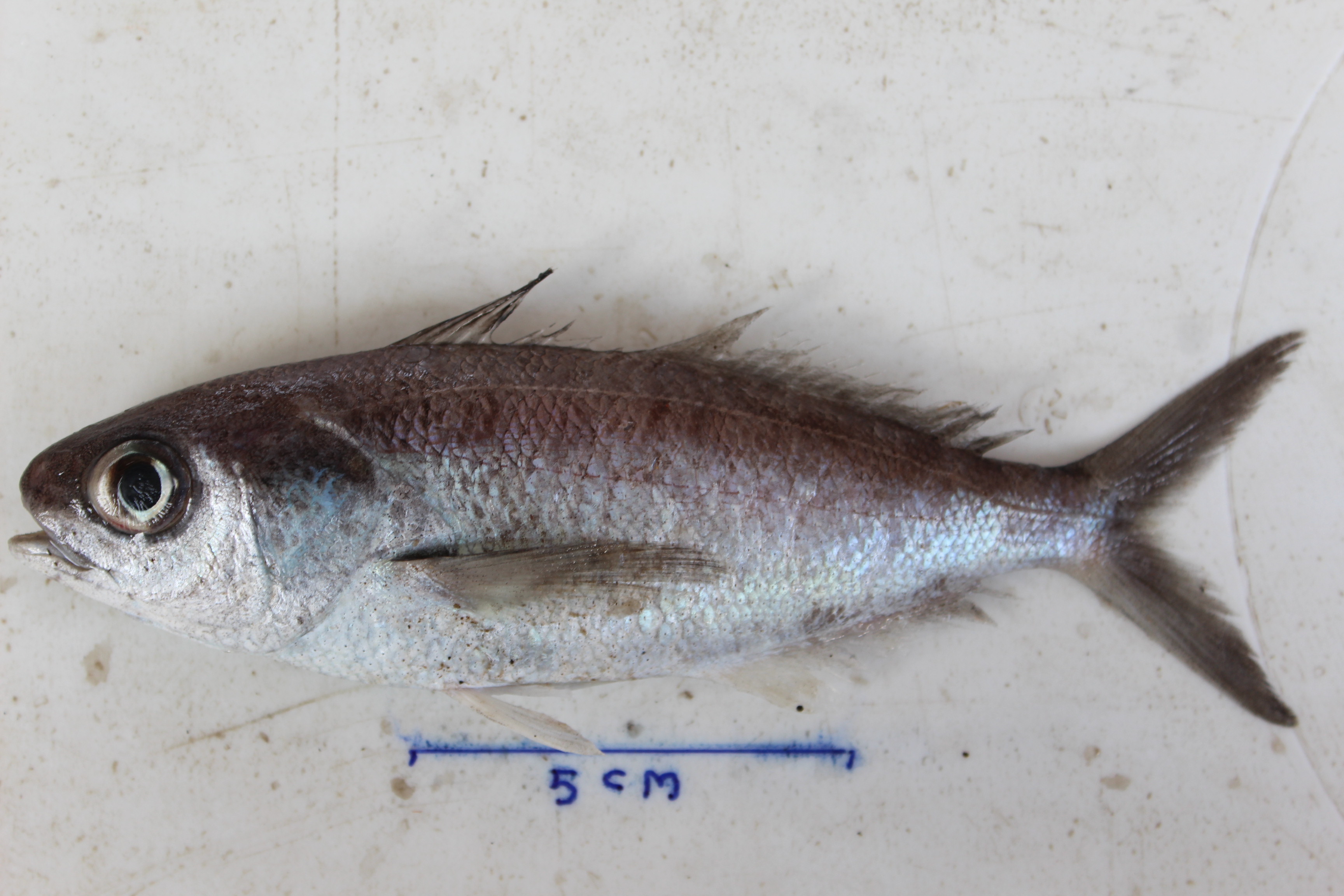
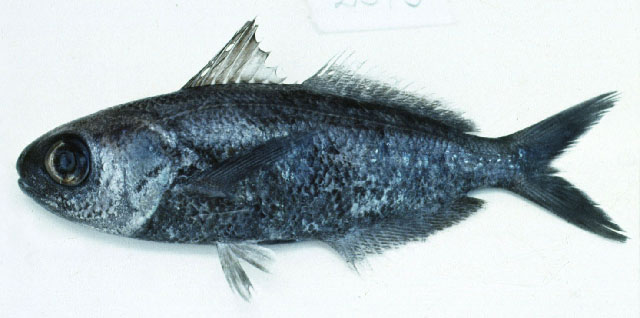
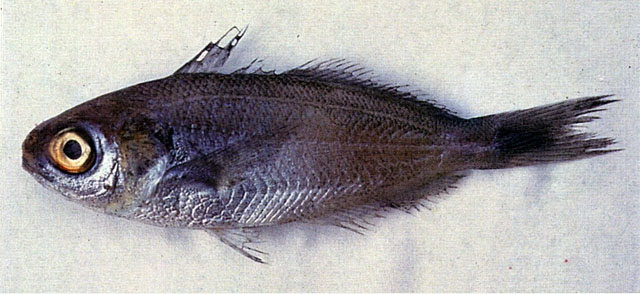
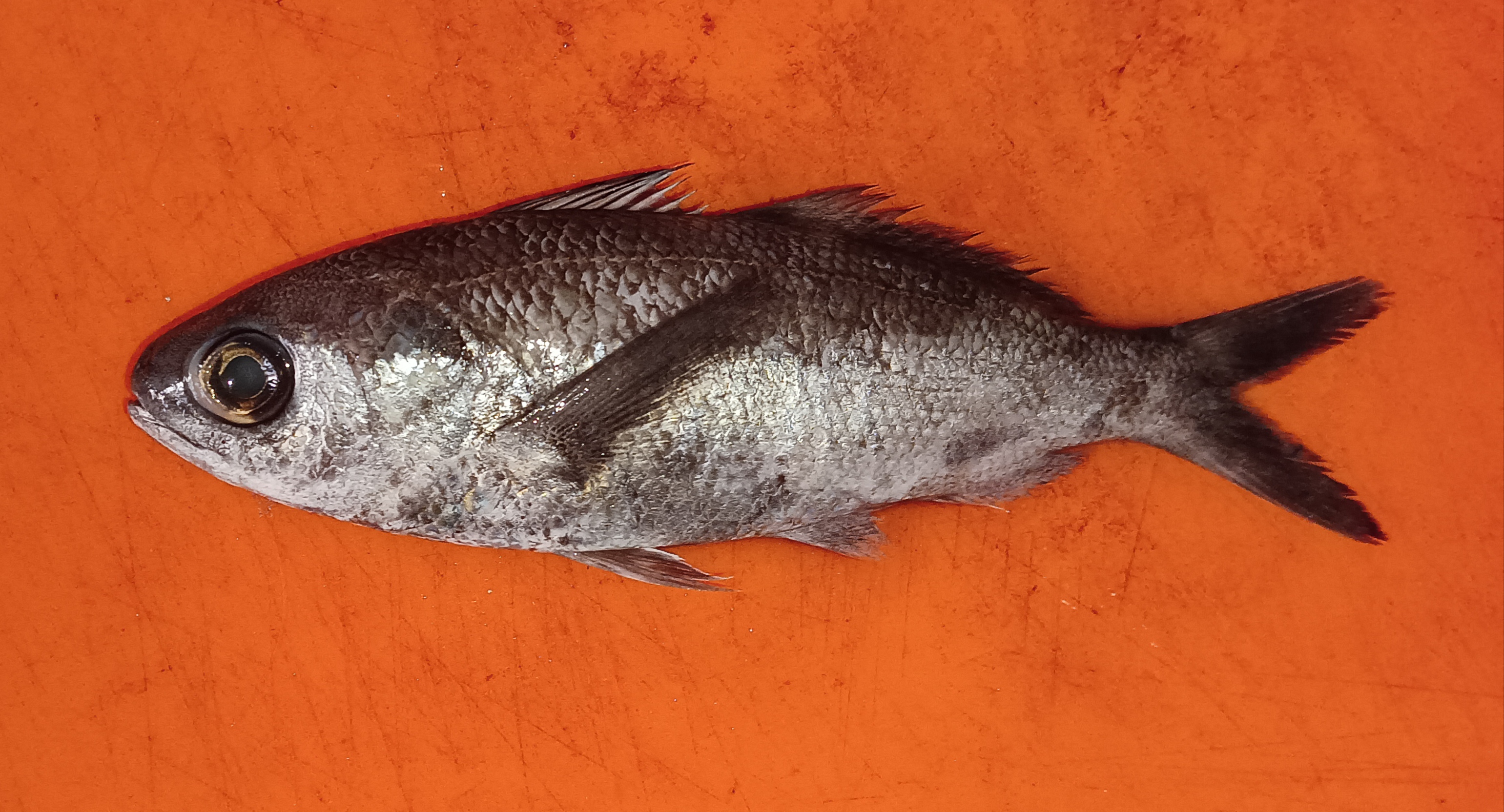
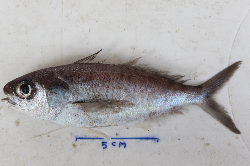
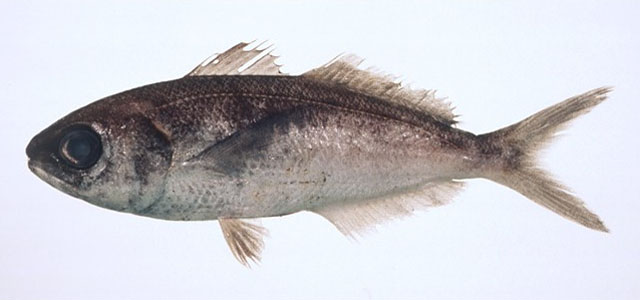
Description
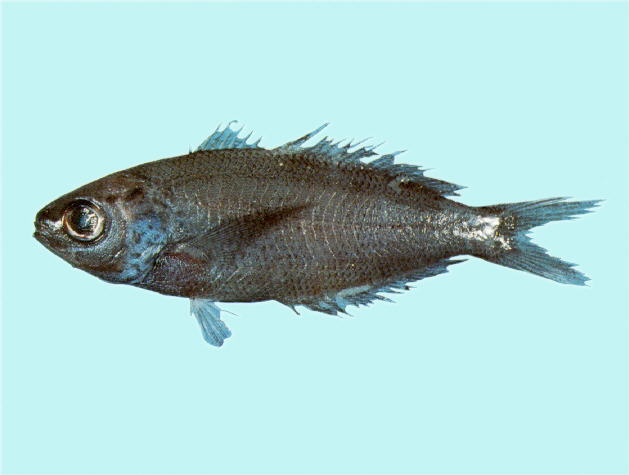
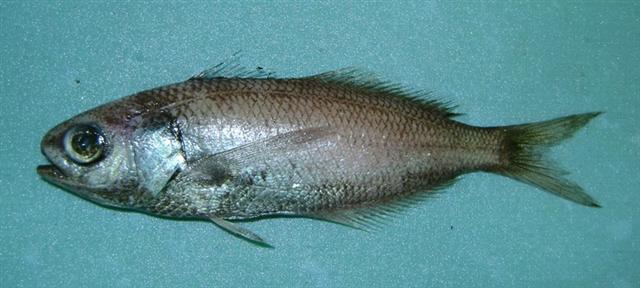
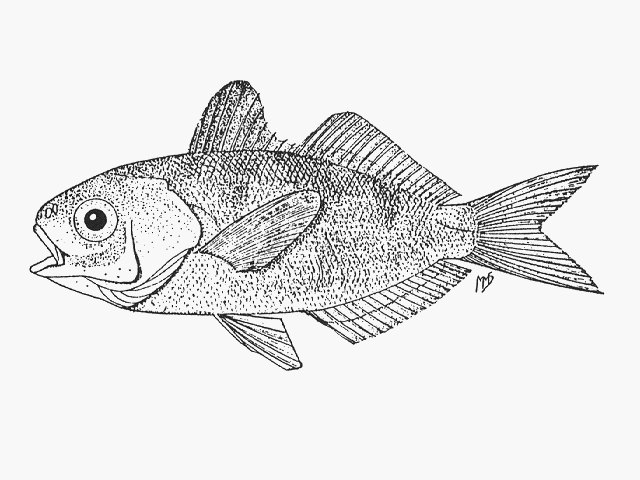
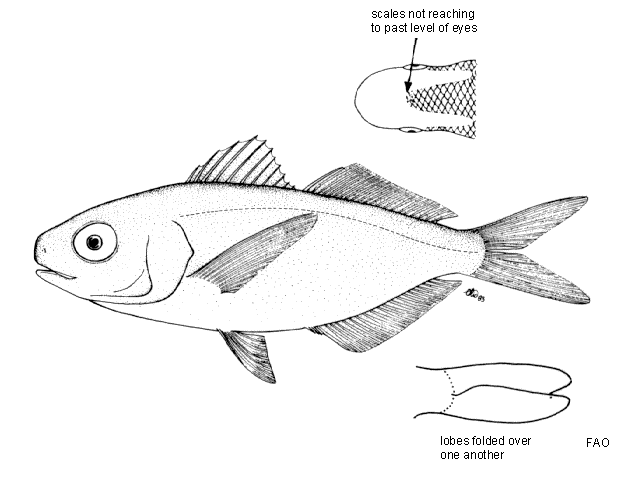
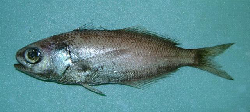
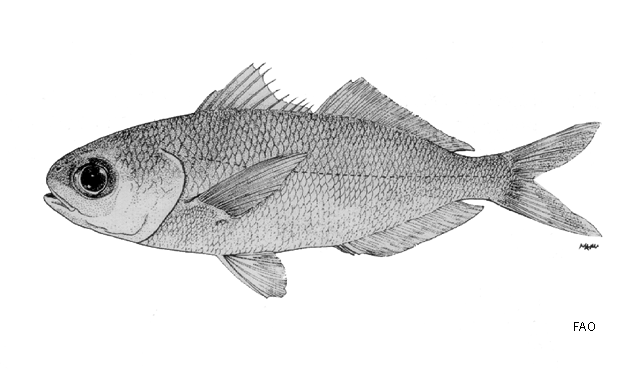
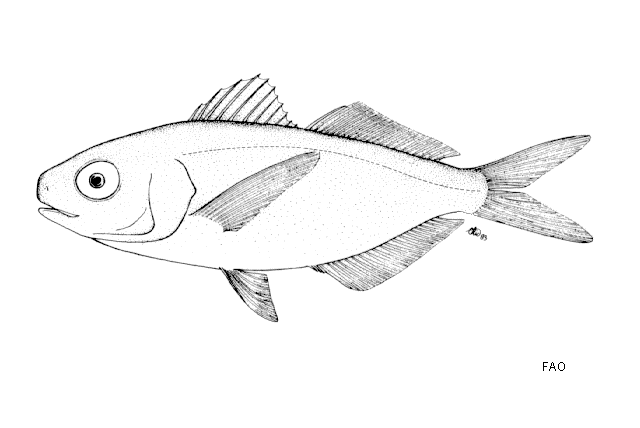
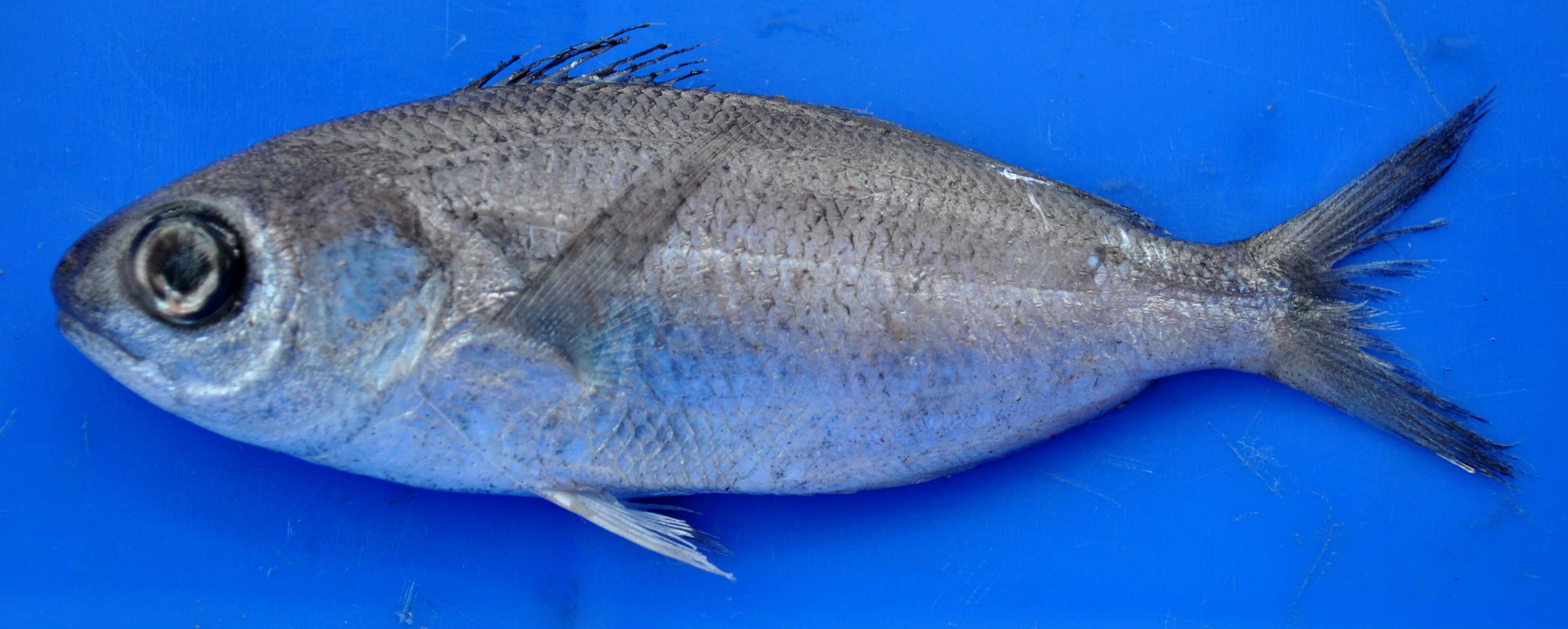
Dorsal spines (total): 11 - 13; Dorsal soft rays (total): 17 - 21; Anal spines: 2 - 3; Anal soft rays: 17 - 20; Vertebrae: 31 - 32. Light to dark brown, fins dark; eye blue; young with dark band near base of tail (Ref. 4412). Body moderately elongate and compressed. Ventral profile very convex. Caudal peduncle moderately deep, compressed, lacking scutes or keels. Snout blunt, forehead slightly arched. Mouth small, terminal or slightly inferior, barely reaching beyond anterior margin of eye. Upper jaw not protractile, almost totally covered by lacrimal (preorbital) bone when mouth closed. Eye large , its diameter subequal to snout length, slightly smaller than interorbit, centered on upper half of head. Low ridge extending over eye. Jaw teeth small, in a single series. Palatine teeth more elongate, in single row. Vomerine tooth patch small. Single median row of teeth on tongue (Ref 9834).
Common Names
Taxonomic Hierarchy
Kingdom: Animalia
Phylum: Chordata
Class: Teleostei
Order: Scombriformes
Family: Nomeidae
Genus: Cubiceps
Species: Cubiceps whiteleggii (Waite, 1894)
Climate Zone
Location
- Indo-West Pacific: probably widely distribtuted in tropical and warm-temperate waters of the Indian Ocean (excluding the Red Sea) and from Japan to eastern Australia.
Biology
Found near continental and insular margins (Ref. 9834), in deep water on continental slopes (Ref. 30573). Adults are characterized by a demersal mode of life in the upper continental slope, between 180 and 800 m (commonly 300-450 m) and the young are found in mid-water layers (Ref. 54802). Feeds mainly on salps (Ref. 33689). Marketed fresh and could also be used as fishmeal or paste (Ref. 9502).
Habitat
benthopelagic
Conservation Status
Not Evaluated
Threat to Humans
Harmless
Cubiceps whiteleggii (Waite, 1894)