Crenimugil crenilabis (Forsskål, 1775)
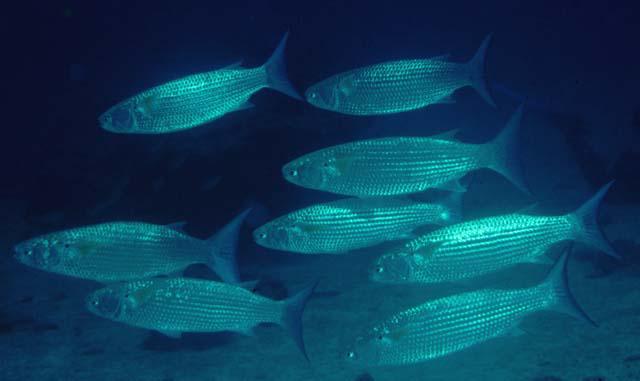
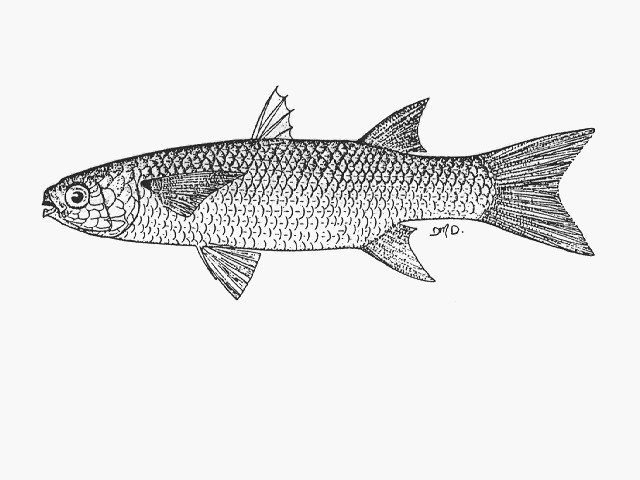
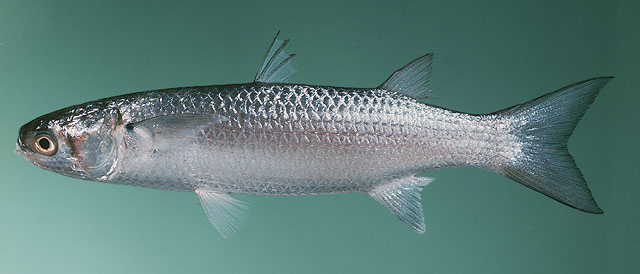
Description
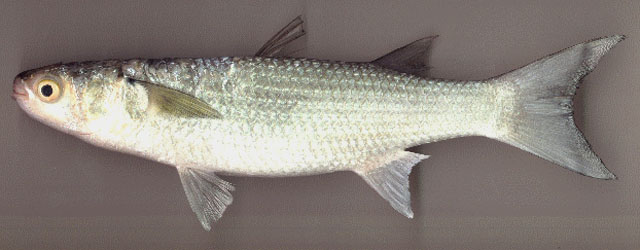
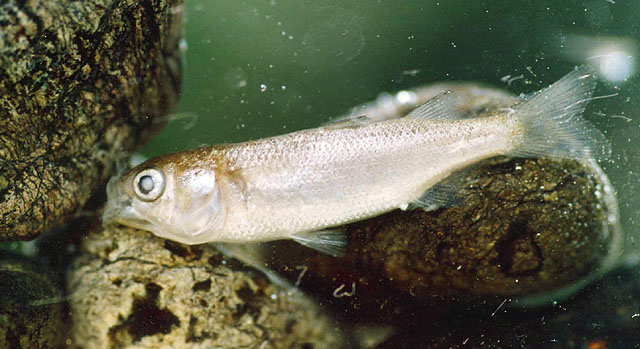
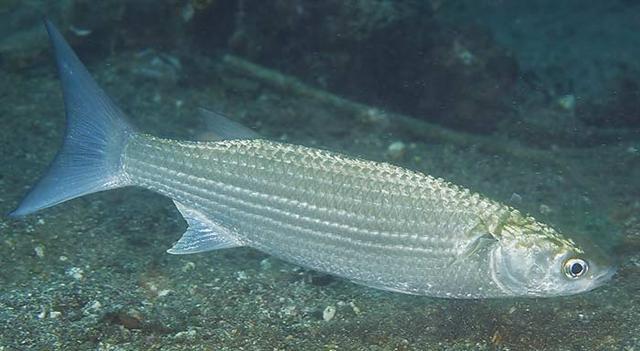
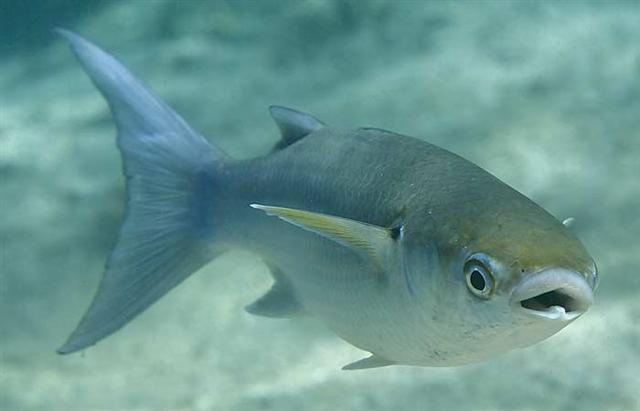
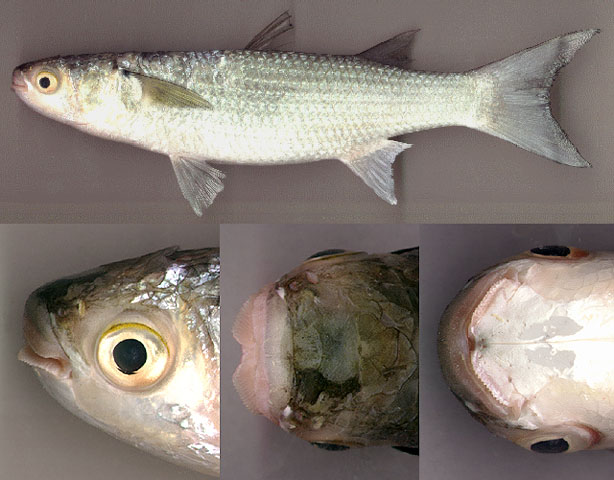
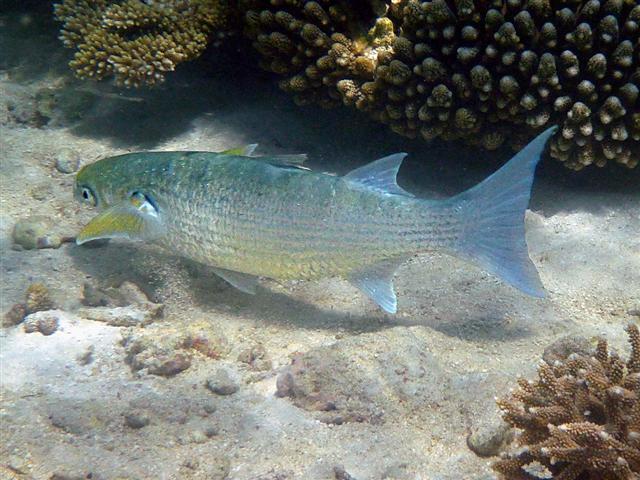
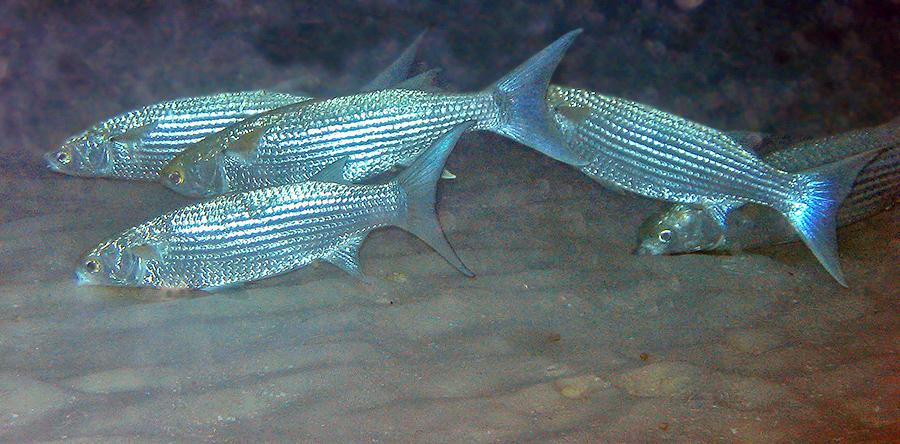
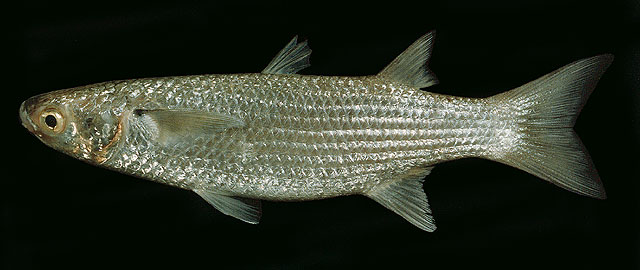
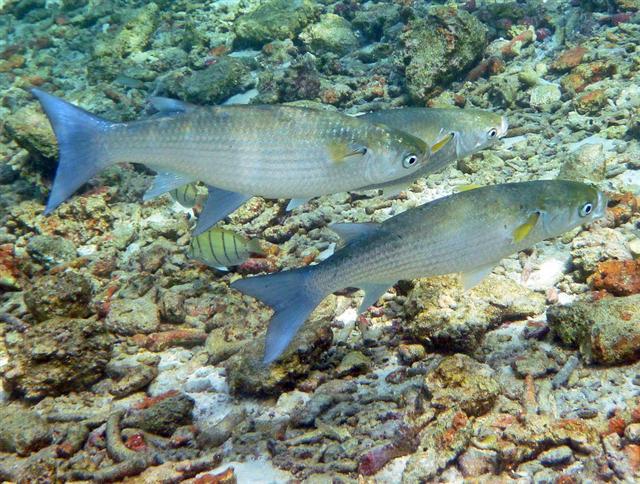
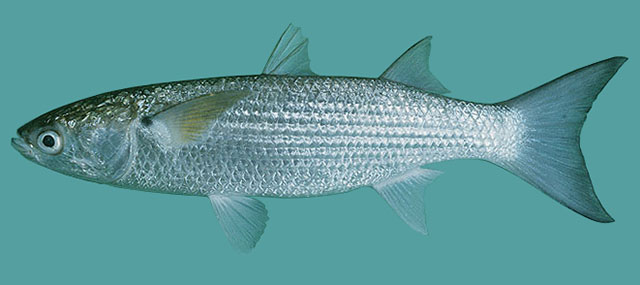
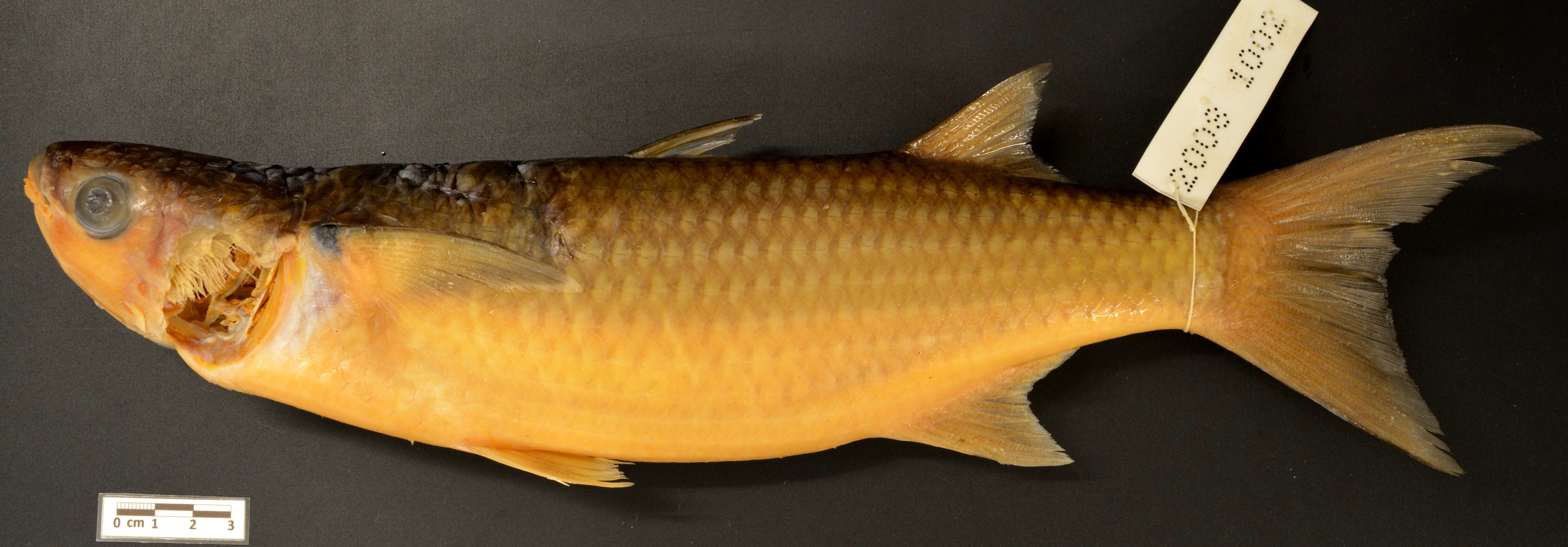
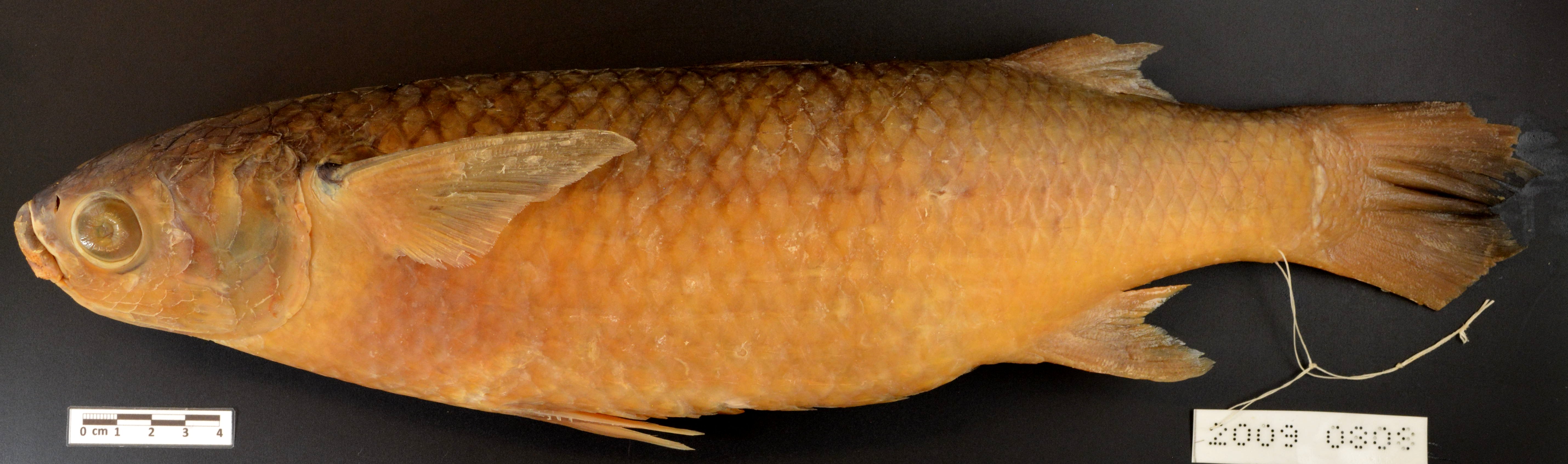
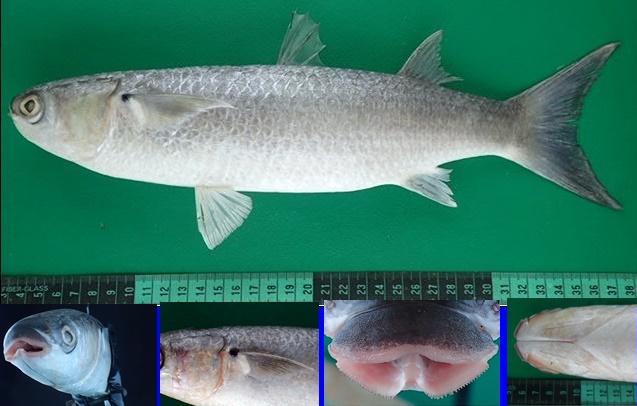
Dorsal spines (total): 4 - 5; Dorsal soft rays (total): 9 - 10; Anal spines: 3; Anal soft rays: 8 - 10. Silvery in color, greenish olive above; pectoral fins pale yellow with purplish axillary spot, other fins grey (Ref. 4393).
Common Names
Taxonomic Hierarchy
Kingdom: Animalia
Phylum: Chordata
Class: Teleostei
Order: Mugiliformes
Family: Mugilidae
Genus: Crenimugil
Species: Crenimugil crenilabis (Forsskål, 1775)
Climate Zone
Location
- Indo-Pacific: Red Sea and East Africa to the Line and Tuamoto islands, north to southern Japan, south to Lord Howe Island.
Biology
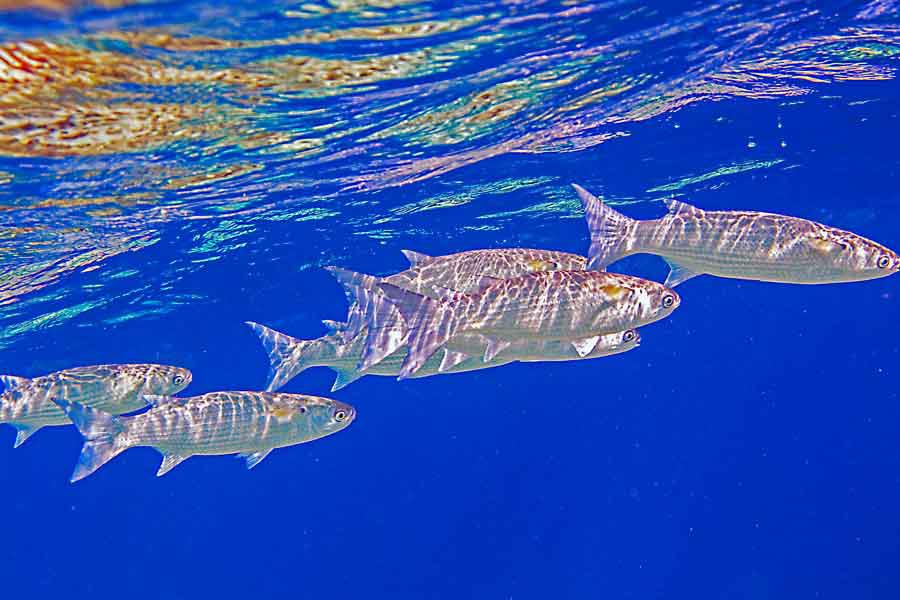
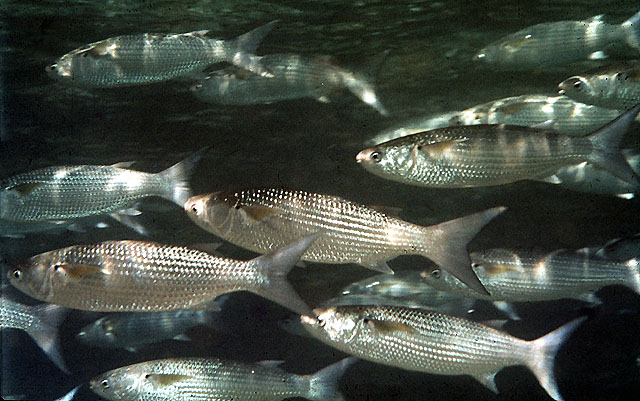
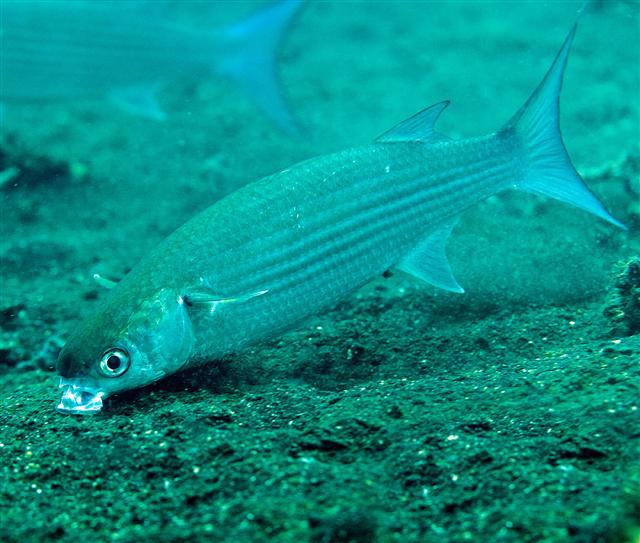
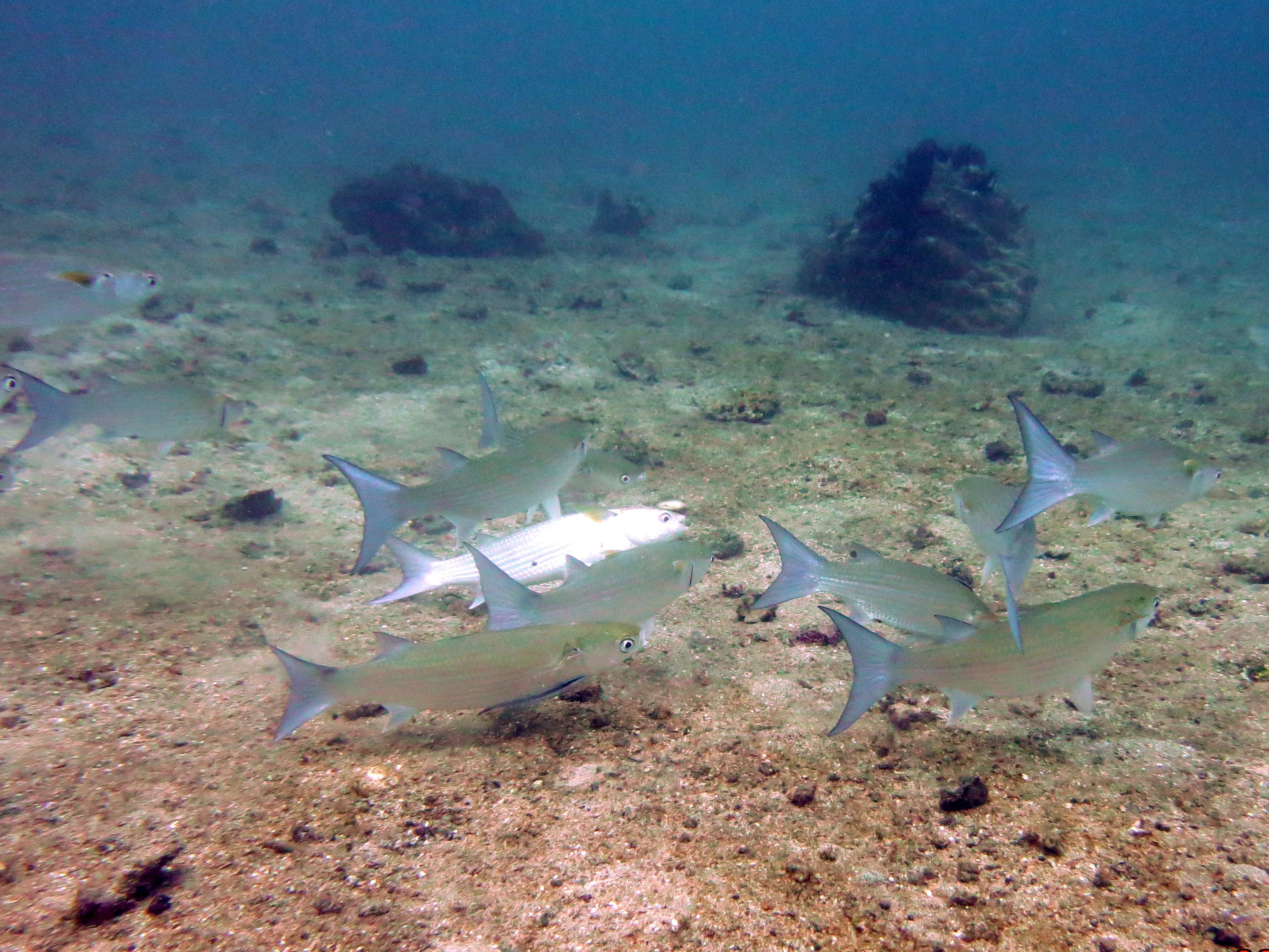
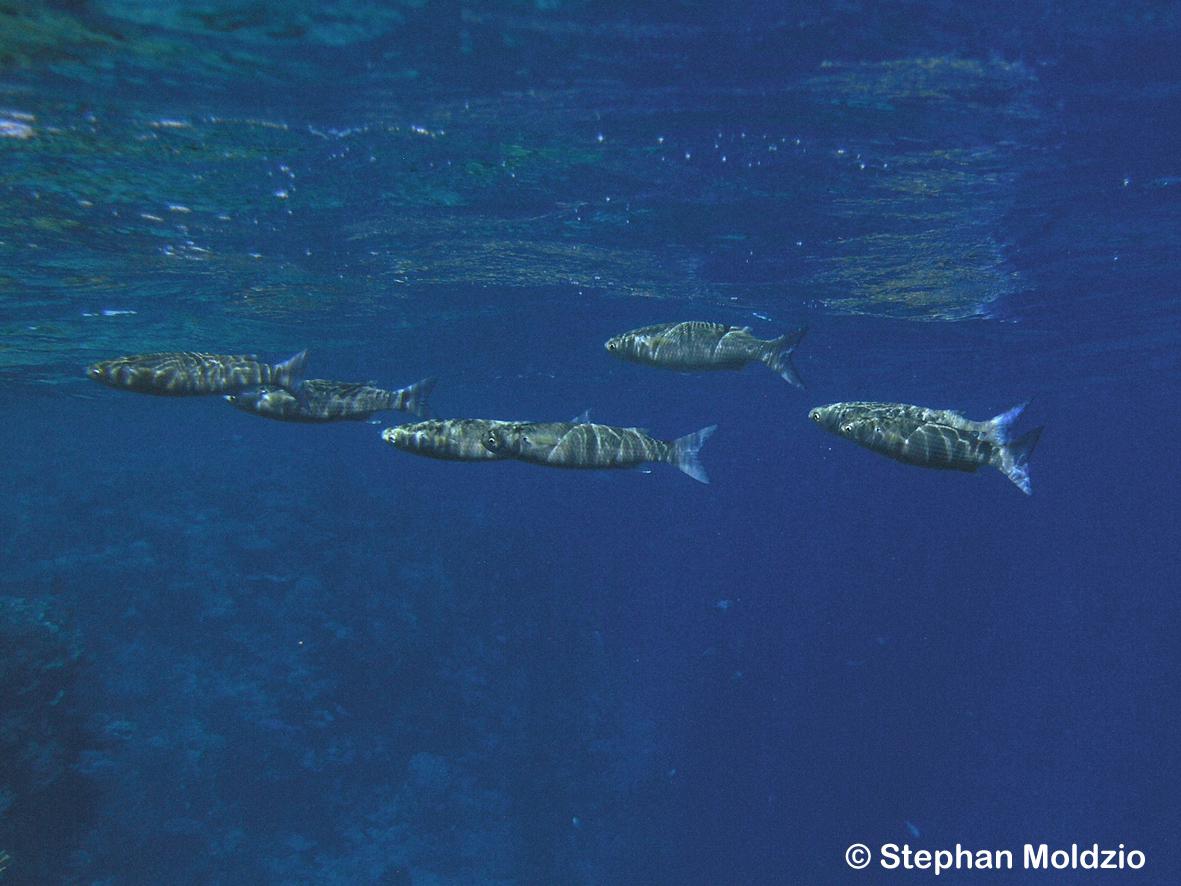
Found in coastal waters, over sandy or muddy areas of lagoons, reef flats and tide pools; enters harbors (Ref. 9812). Schooling species, swim at various depths along reefs, to about 20 meters but usually much shallower. Feed on detritus containing algae and microscopic animals, by scooping up the upper layer of sand or mud and filtering through the gills (Ref. 48637). Omnivorous (Ref. 6113). Form large schools before spawning, at the beginning of the ebb tide (in June), over shallow, open areas of the lagoon slope (Ref. 9812). Oviparous, eggs are pelagic and non-adhesive (Ref. 205). Spawning occurs in large aggregations after dark. Marketed fresh (Ref. 9812). Minimum depth reported taken from Ref. 30874.
Habitat
brackish
Conservation Status
Least Concern
Threat to Humans
Reports of ciguatera poisoning
Crenimugil crenilabis (Forsskål, 1775)