Clupeonella cultriventris (Nordmann, 1840)
Description
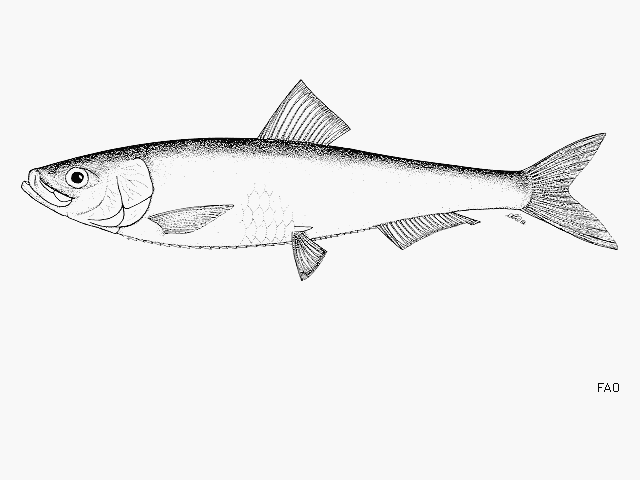
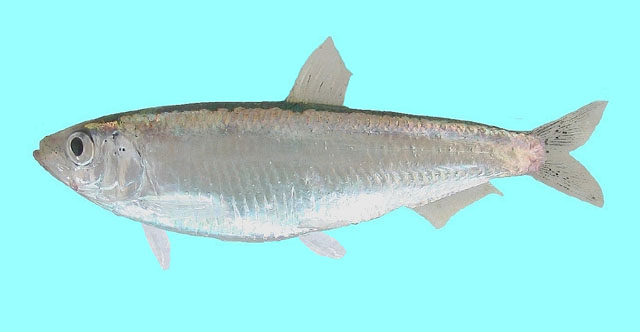
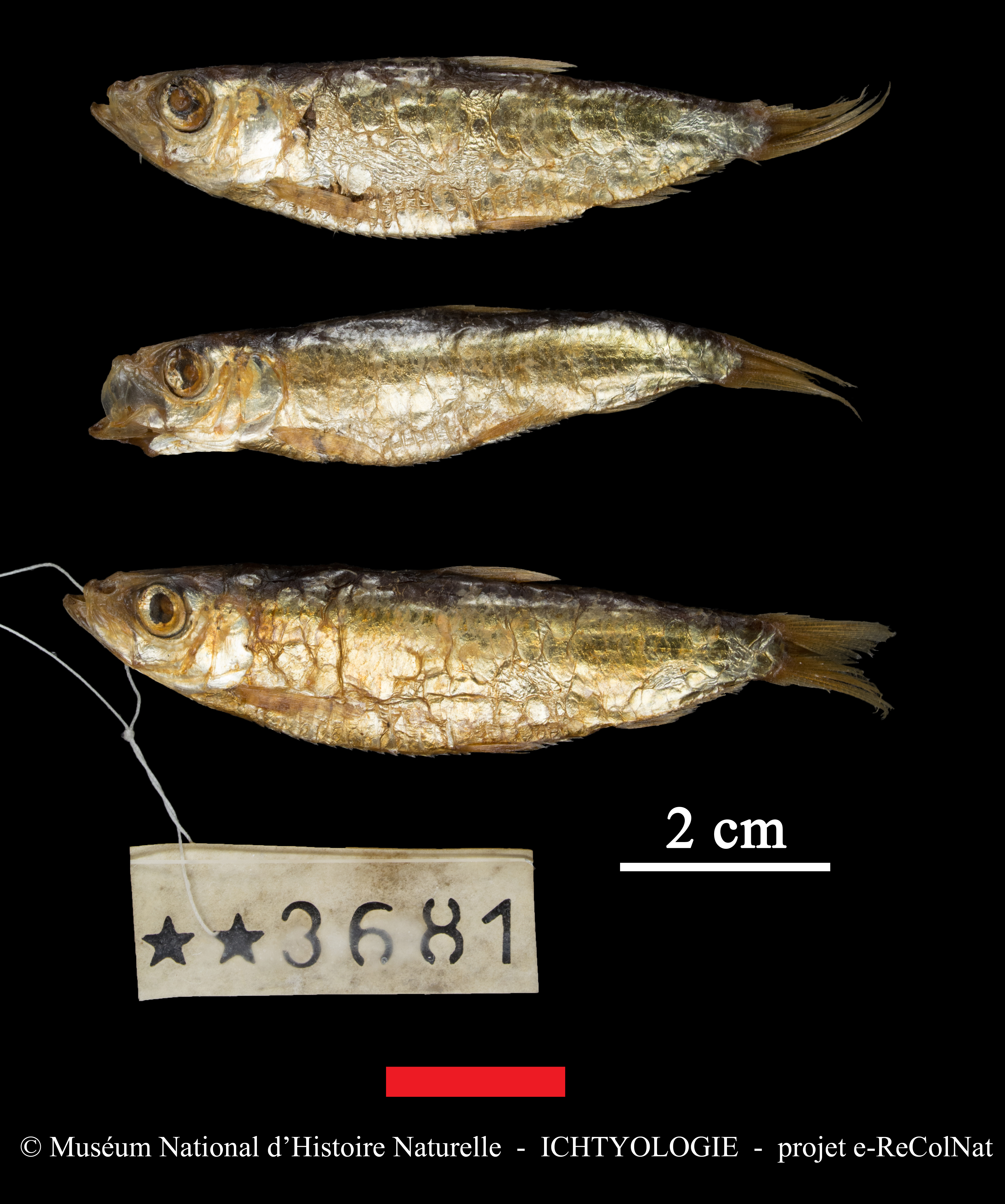
Dorsal spines (total): 0; Dorsal soft rays (total): 13 - 21; Anal spines: 0; Anal soft rays: 12 - 23. Head short and wide; belly sharply keeled, with 24 to 29 scutes; pectoral fin tips pointed; last 2 anal fin rays enlarged; pterotic bulla absent; no notch at the center of the upper jaw. Based on pelvic and pectoral fin length, Svetovidov (1952 and 1963) recognized 2 subspecies: C. cultriventris cultriventris with longer pectoral and pelvic fins compared to that of C. cultriventris caspia.
Common Names
Taxonomic Hierarchy
Kingdom: Animalia
Phylum: Chordata
Class: Teleostei
Order: Clupeiformes
Family: Ehiravidae
Genus: Clupeonella
Species: Clupeonella cultriventris (Nordmann, 1840)
Climate Zone
Location
- Eurasia: Black Sea (northwestern parts), Sea of Azov and Caspian Sea, also most of the affluent rivers of the area, reaching as far as 60 km inland. Also, Lake Palaeostomi (Bulgaria) and in Bay of Feodosiya (Romania), also Lake Apolyont (Turkey) (Ref. 188). Previously, two subspecies were recognized by some: Clupeonella cultriventris cultriventris (Nordmann, 1840) from the Black Sea and the Sea of Azov and Clupeonella cultriventris caspia (Svetovidov, 1941) from the Caspian Sea (Ref. 26334, 39702).
Biology
Essentially a brackish water species but tolerating salinities up to 34 ppt and with semi-anadromous and purely freshwater forms in rivers and lakes. Forms schools. Migratory between winter or autumn feeding and summer spawning grounds. Feeds on zooplankton (Ref. 188); crustaceans such as copepods and cladocerans (Ref. 59043). Breeds in early summer in the Sea of Azov with a peak in May, and from about May in the lower reaches of rivers (e.g. Dneiper and Dneister) (Ref. 188). Eggs are pelagic (Ref. 59043).
Habitat
freshwater
Conservation Status
Least Concern
Threat to Humans
Harmless
Clupeonella cultriventris (Nordmann, 1840)