Clupea harengus Linnaeus, 1758




Description
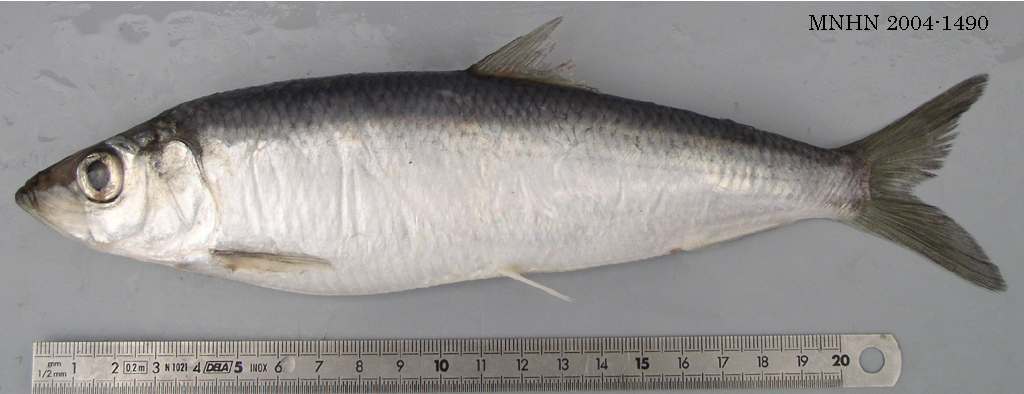
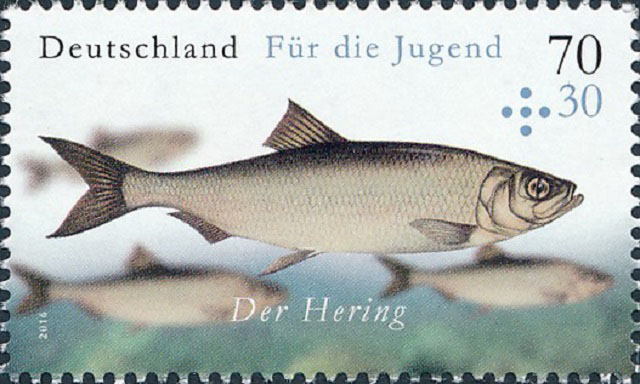
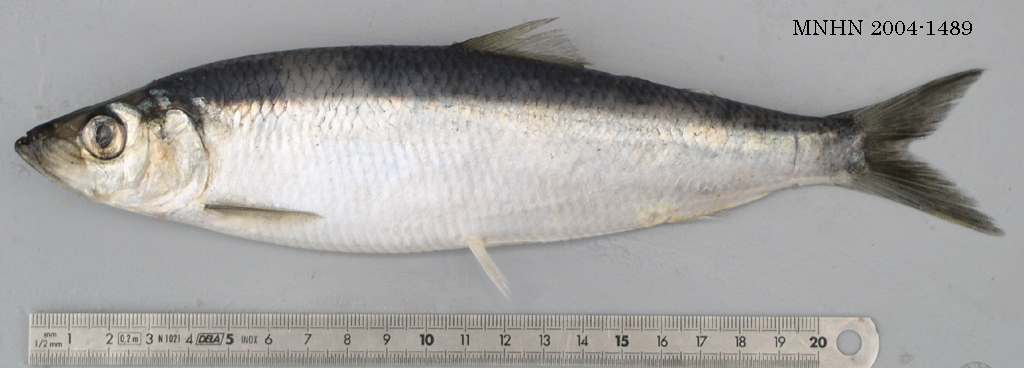
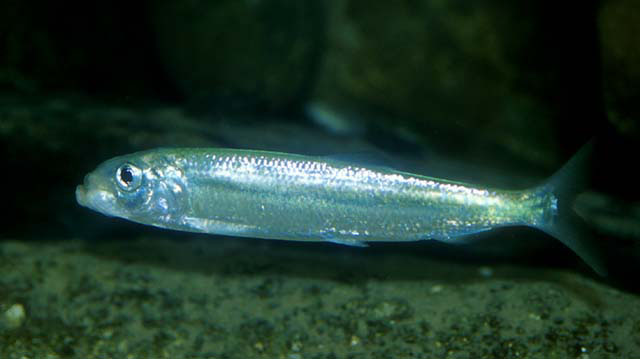
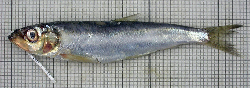
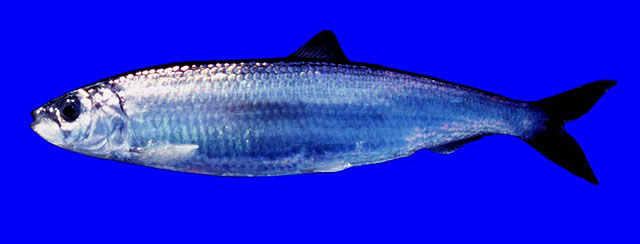
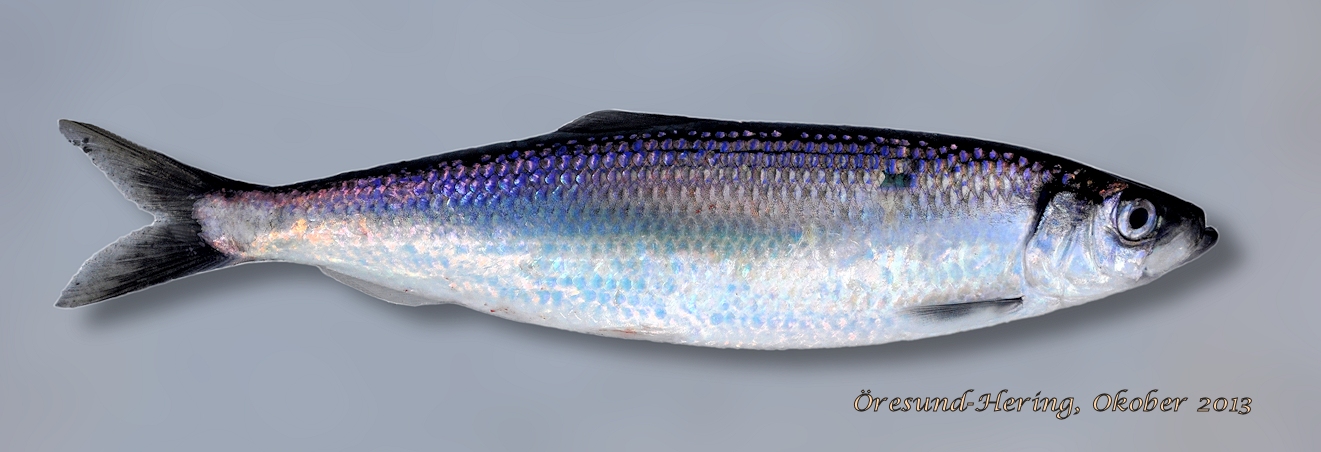
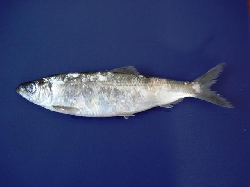
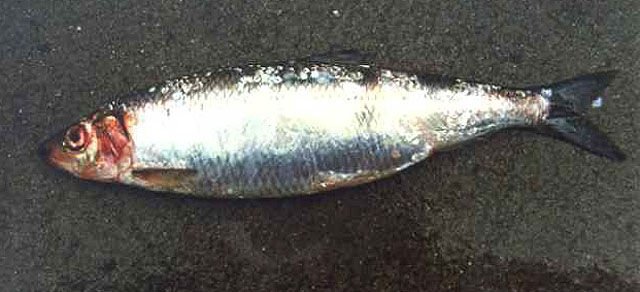
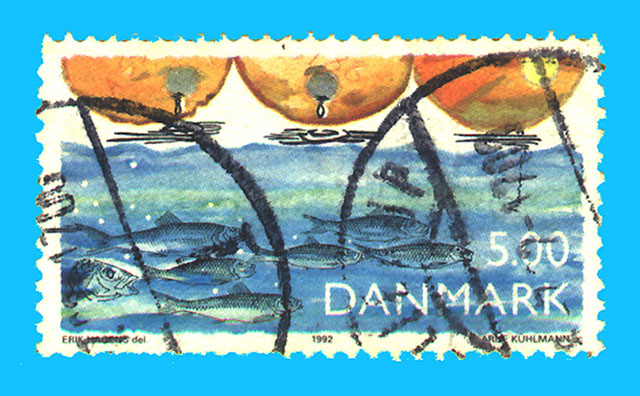
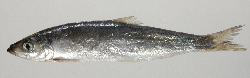
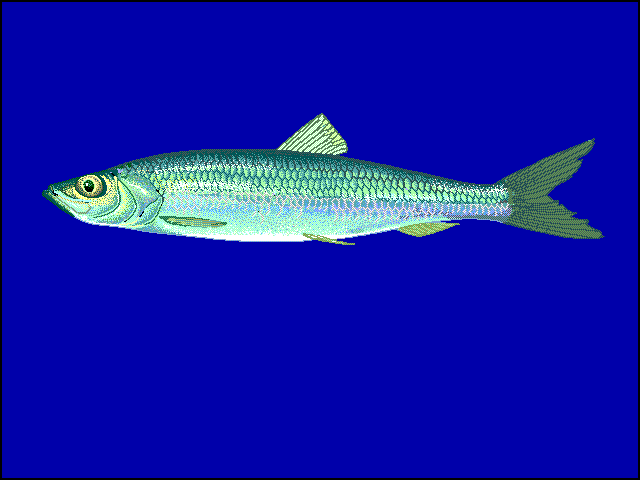
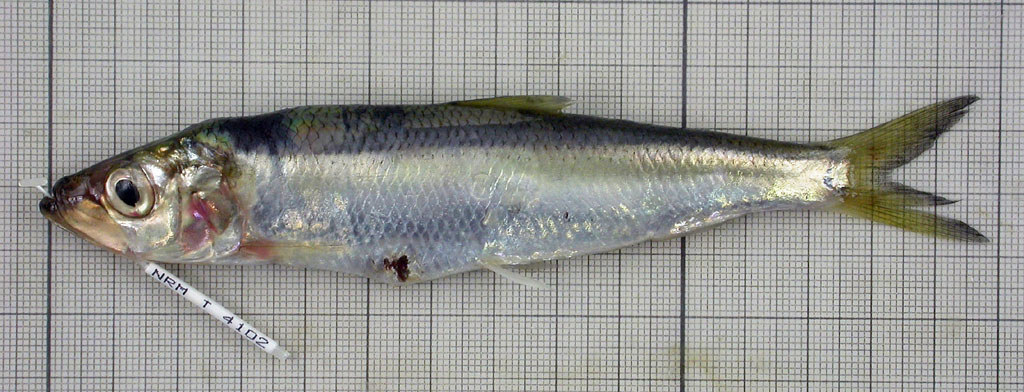
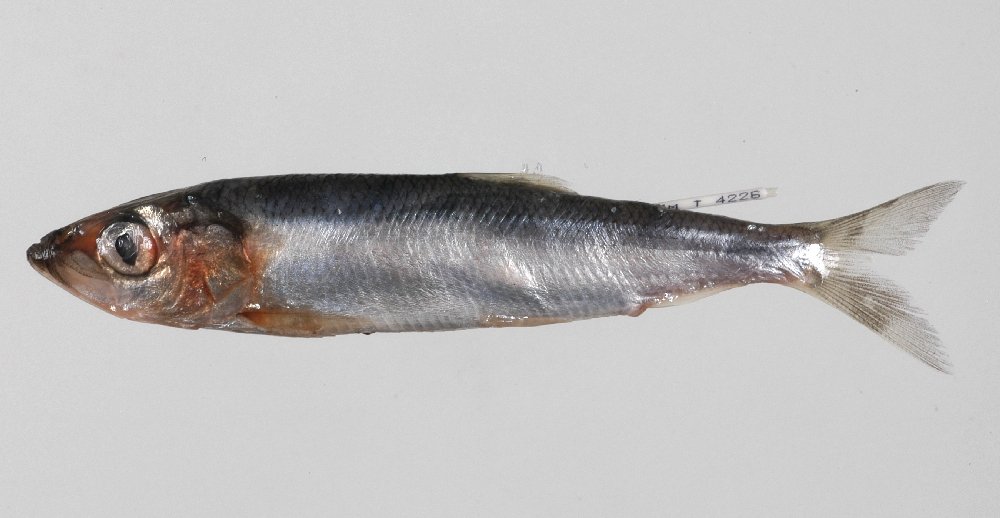
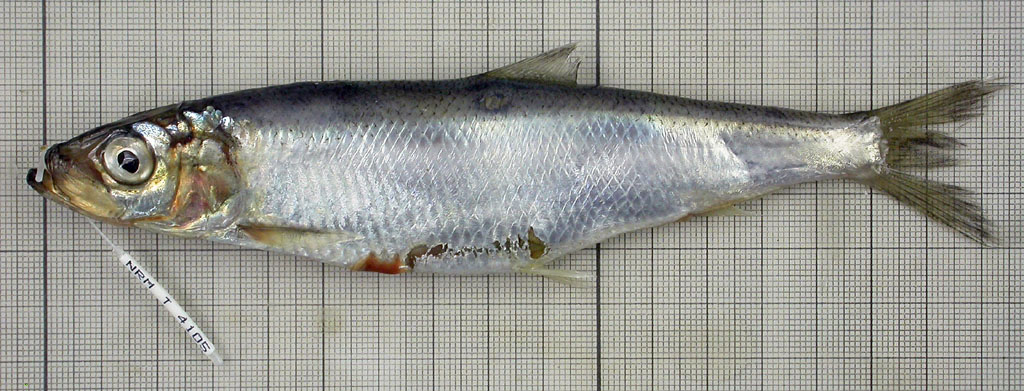
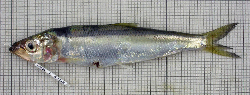
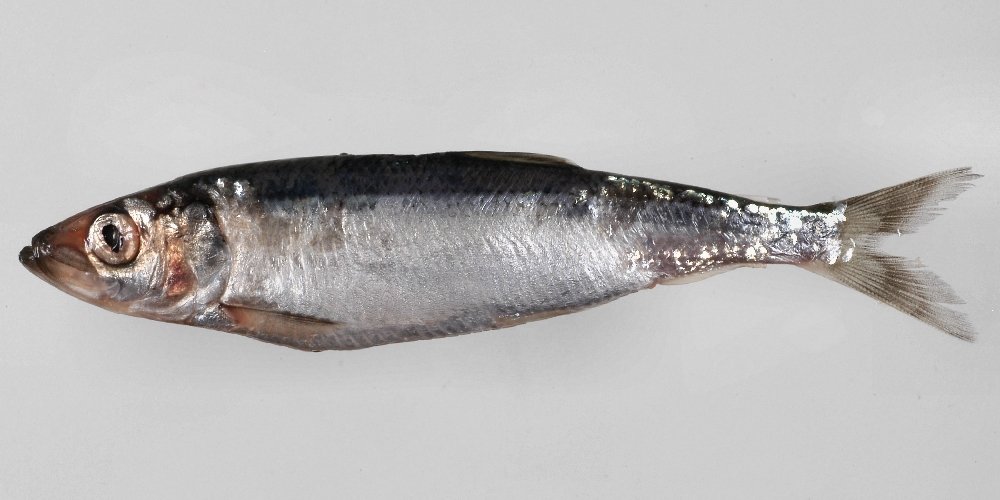
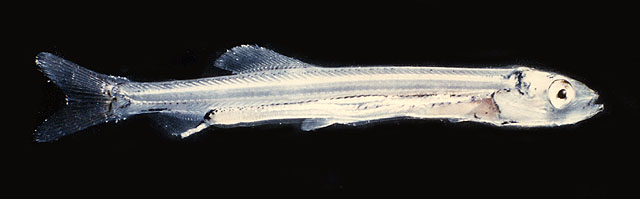
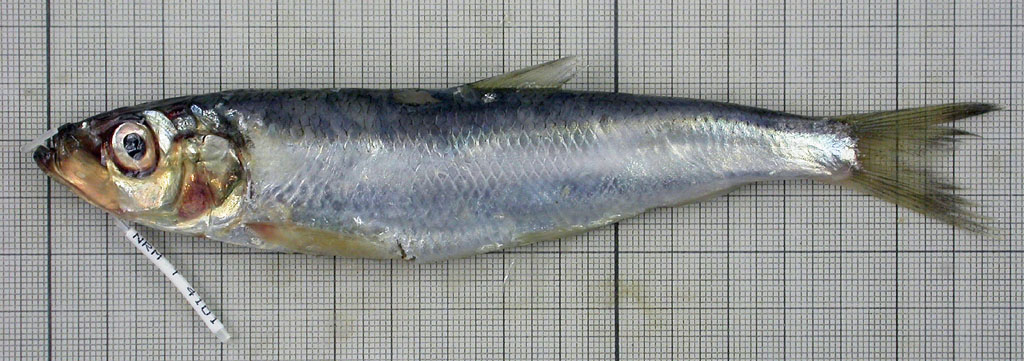
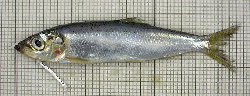
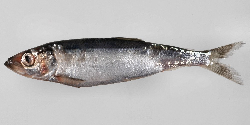
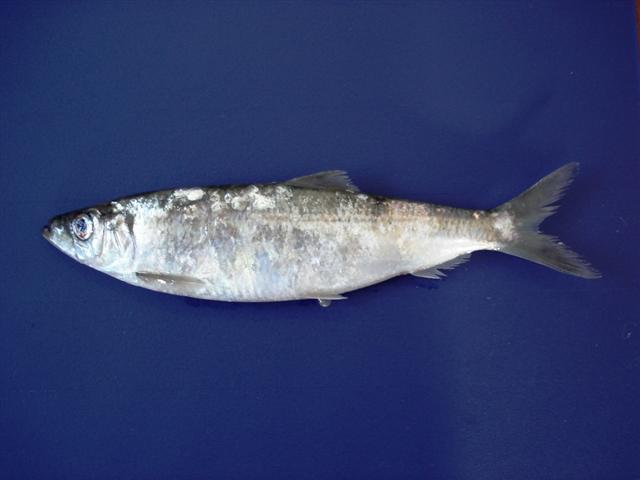
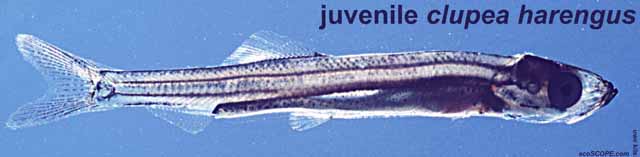
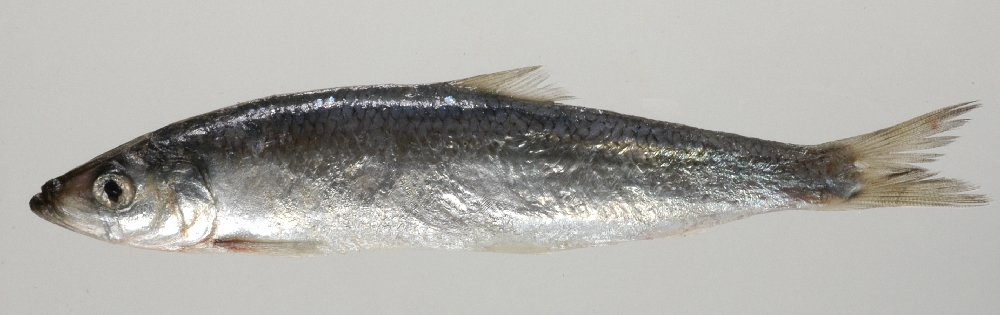
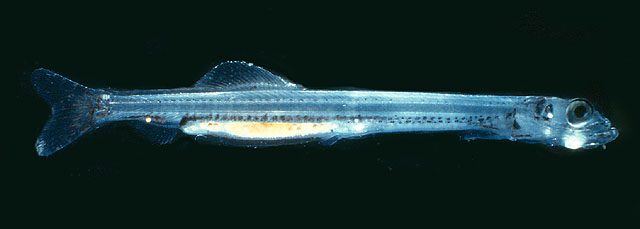
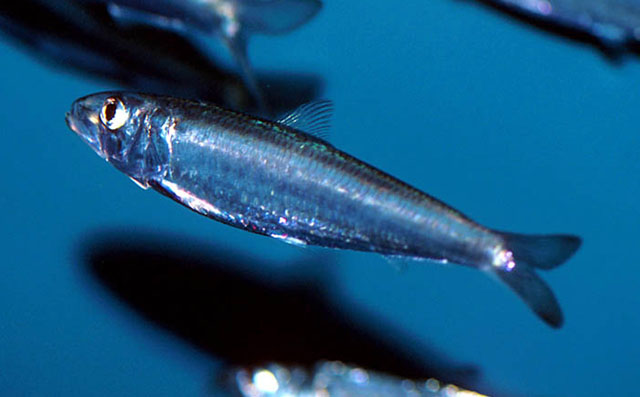
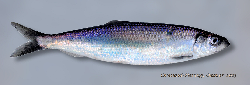
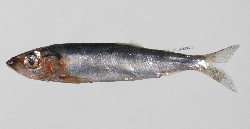
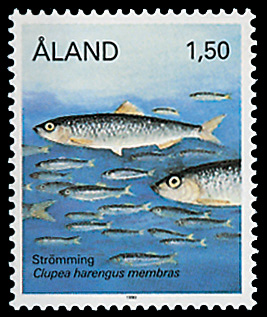
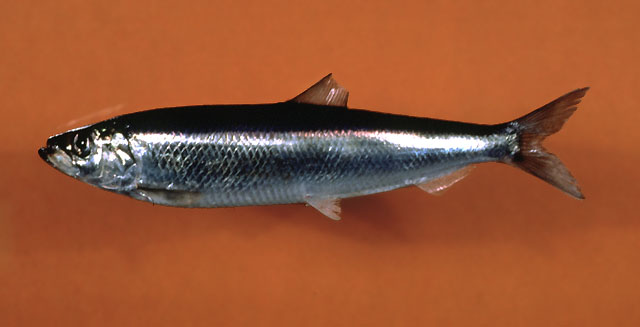
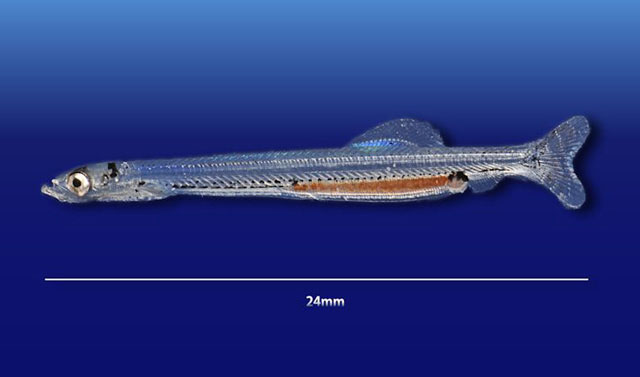
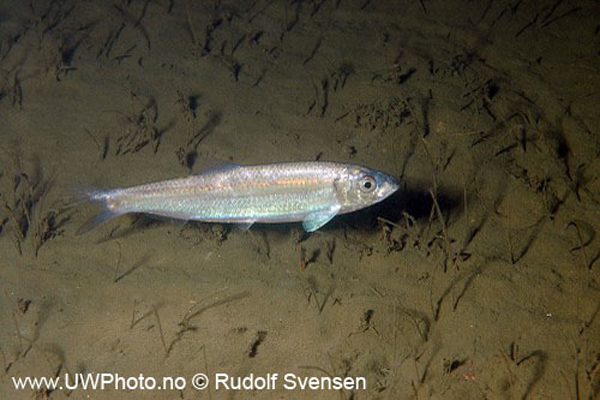
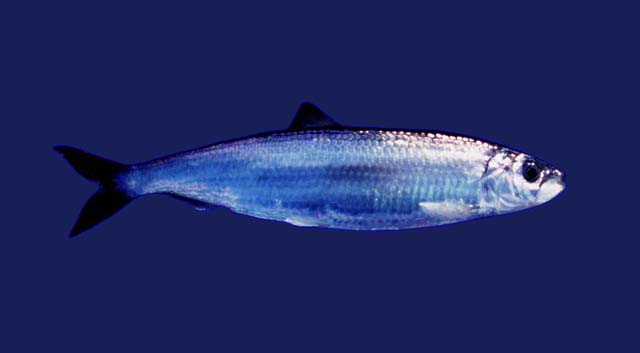
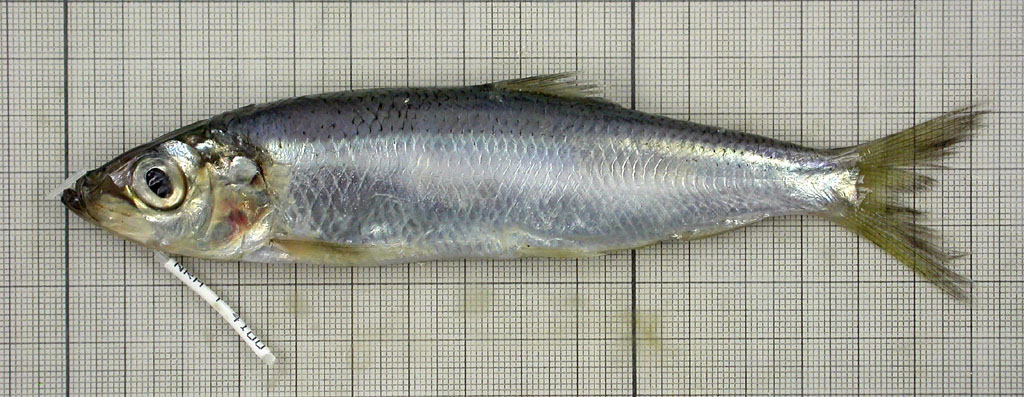
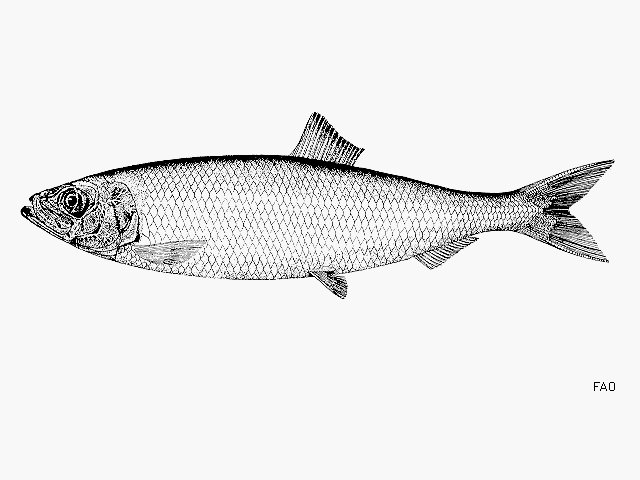
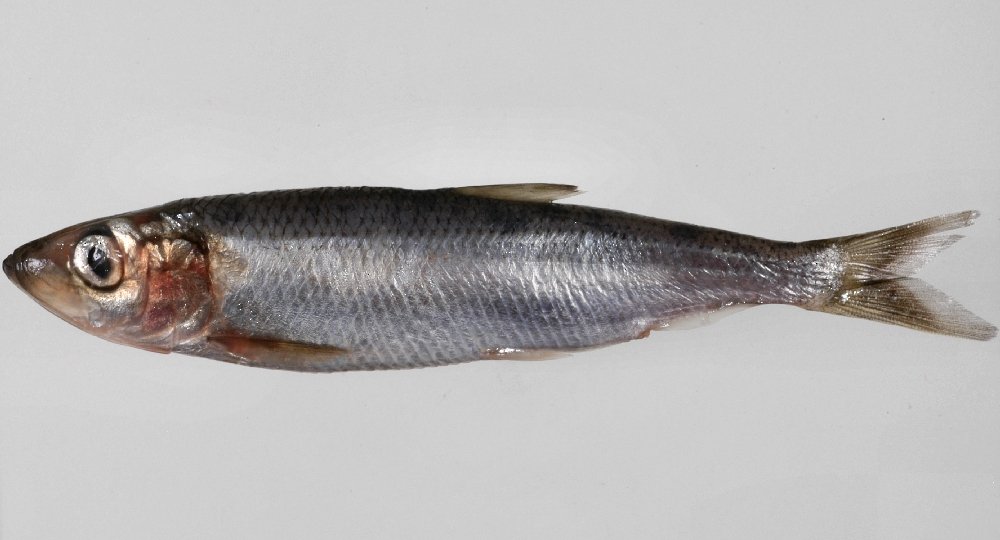
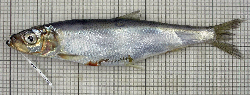
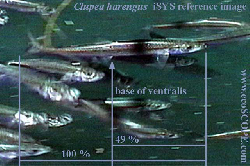
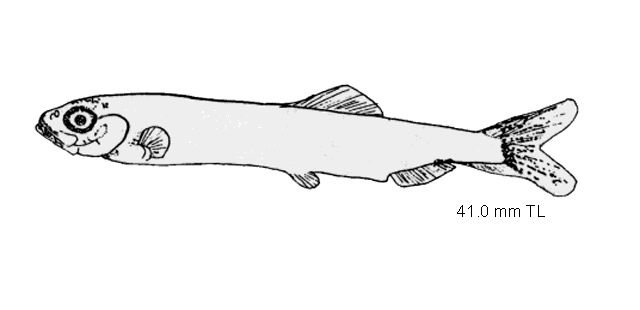
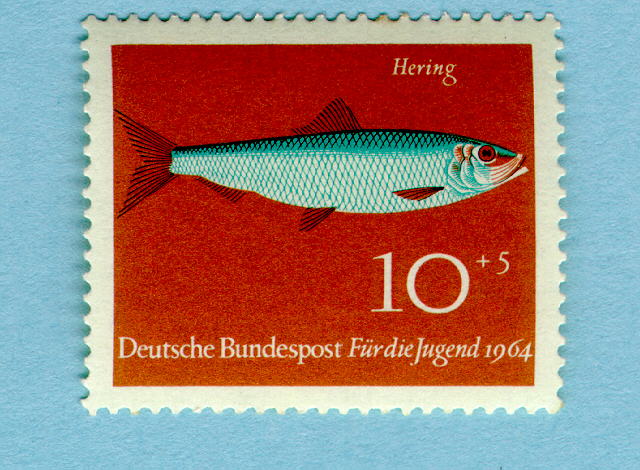
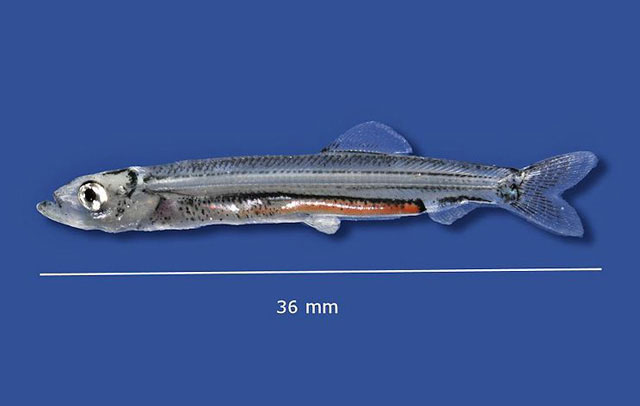
Dorsal spines (total): 0; Dorsal soft rays (total): 13 - 21; Anal spines: 0; Anal soft rays: 12 - 23; Vertebrae: 51 - 60. Slender fish with a round belly. Scutes without prominent keel; 12 to 16 post-pelvic scutes (Ref. 188). No median notch in upper jaw; operculum without radiating bony striae; the posterior border of its gill opening is evenly rounded. It is blue to greenish-blue dorsally, becoming silvery ventrally. No distinctive dark spots on the body or fins (Ref. 188).
Common Names
Taxonomic Hierarchy
Kingdom: Animalia
Phylum: Chordata
Class: Teleostei
Order: Clupeiformes
Family: Clupeidae
Genus: Clupea
Species: Clupea harengus Linnaeus, 1758
Climate Zone
Location
- North Atlantic: in the west, it ranges from southwestern Greenland and Labrador southward to South Carolina, USA. In the east, it ranges from Iceland and southern Greenland southward to the northern Bay of Biscay and eastward to Spitsbergen and Novaya Zemlya in Russia, including the Baltic Sea (Ref. 188).
Biology
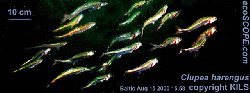
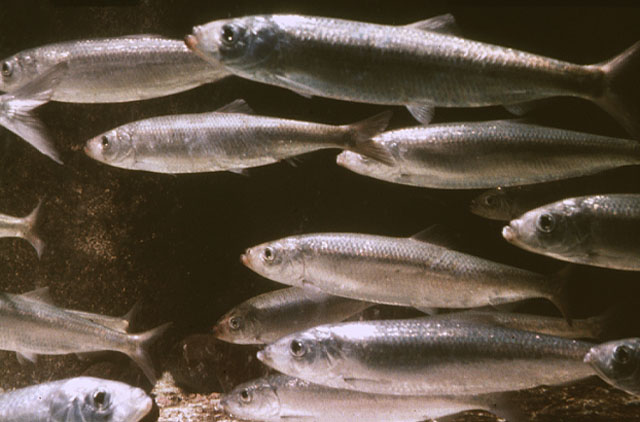
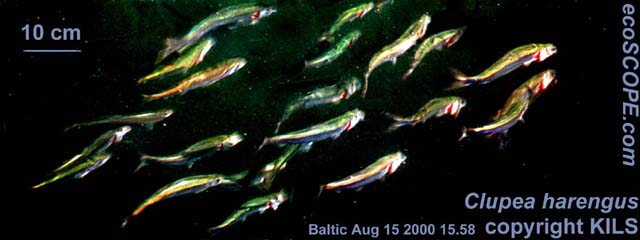
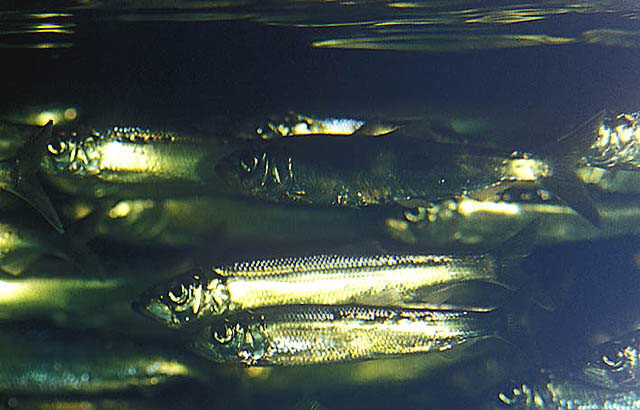
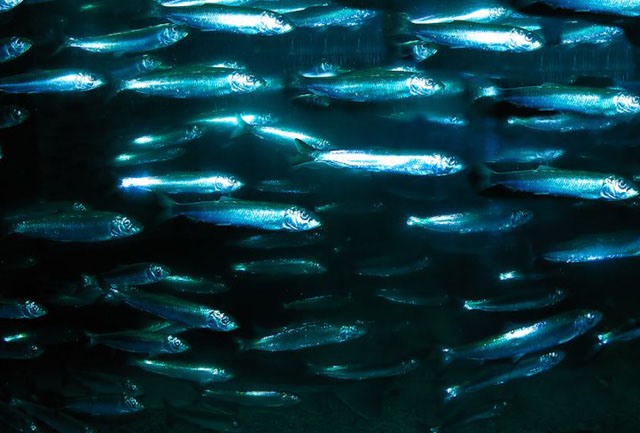
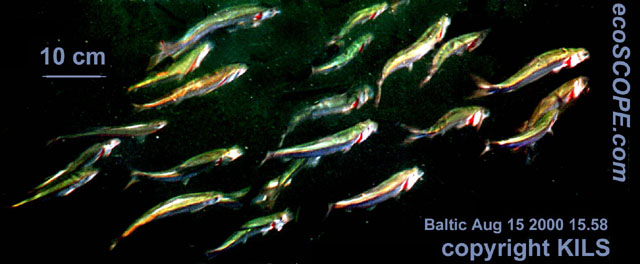
Herring schools move between spawning and wintering grounds in coastal areas and feeding grounds in open water by following migration patterns learned from earlier year classes (Ref. 88171). Juveniles (up to 2 years) shoal close inshore, while adults are found more offshore (Ref. 6683). Adults spend the day in deeper water, but rise to shallower water at night (Ref. 89562). Light is an important factor in controlling their vertical distribution. A facultative zooplanktivorous filter-feeder, i.e., it can switch to filter-feeding if the food density and particle size are appropriate (Ref. 28664). Feed mainly on copepods finding food by visual sense. Herring schools often attract predators such as fish, birds, and marine mammals (Ref. 89563). Schooling, silvery sides, excellent hearing (capable of detecting frequencies between 30-4,000 Hz , Refs. 89391, 89564, 89566), and very fast escape response act as anti-predator devices (Ref. 28664). The most important races in the East Atlantic are the winter-spawning Norwegian and Icelandic herring, the autumn spawning Icelandic and North Sea herring and the Baltic Sea herring. Utilized fresh, dried or salted, smoked, canned and frozen; can be fried, broiled, microwaved and baked (Ref. 9988).
Habitat
brackish
Conservation Status
Least Concern
Threat to Humans
Harmless
Clupea harengus Linnaeus, 1758