Chlorophthalmus agassizi Bonaparte, 1840
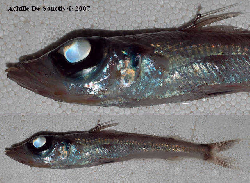
Description
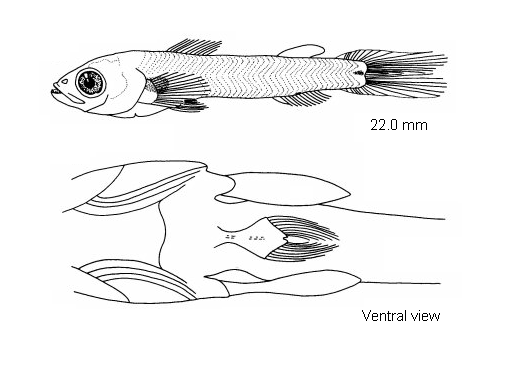
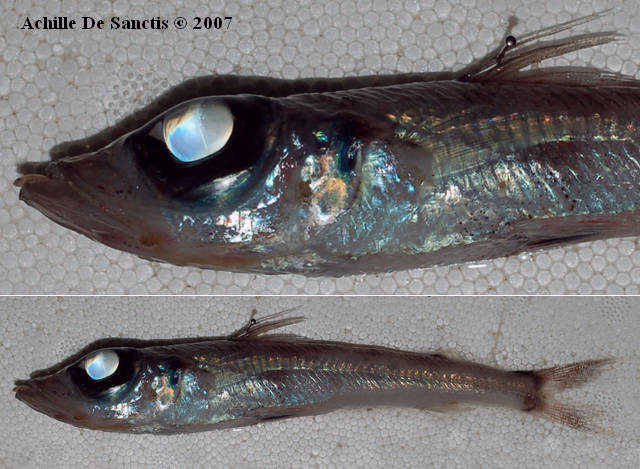
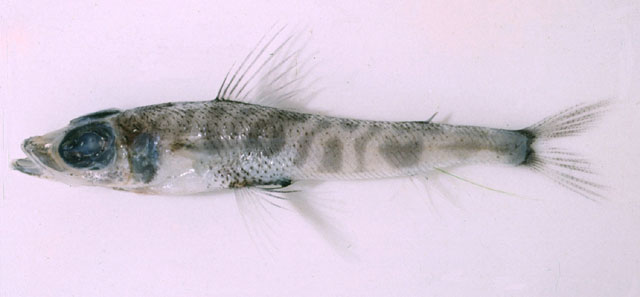
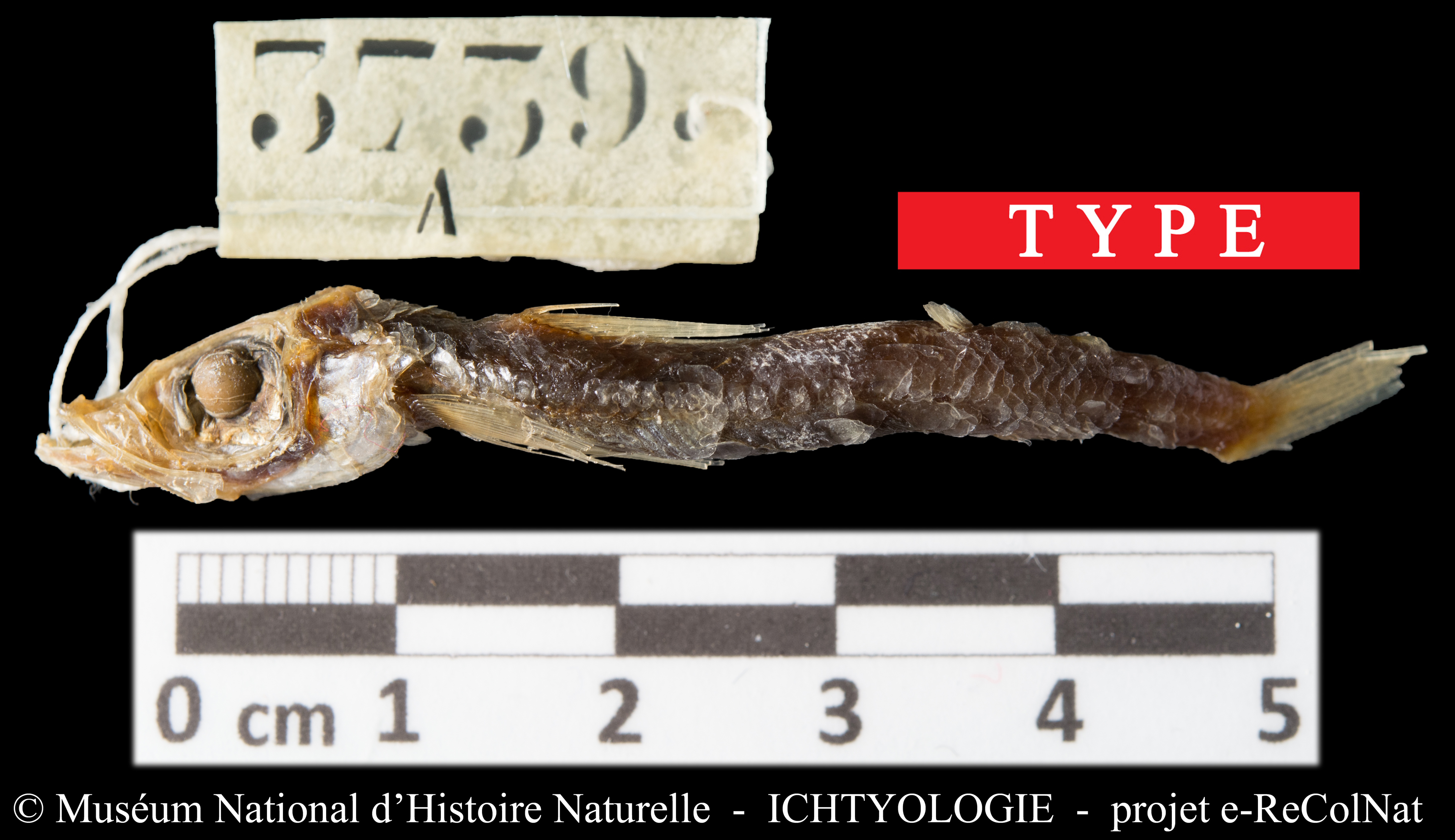
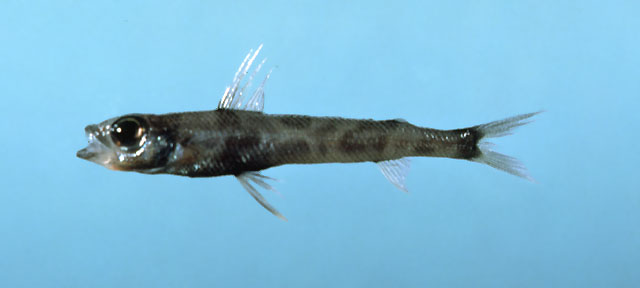
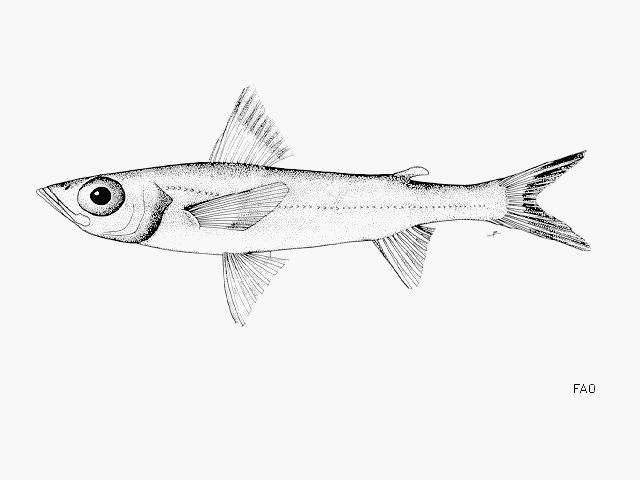
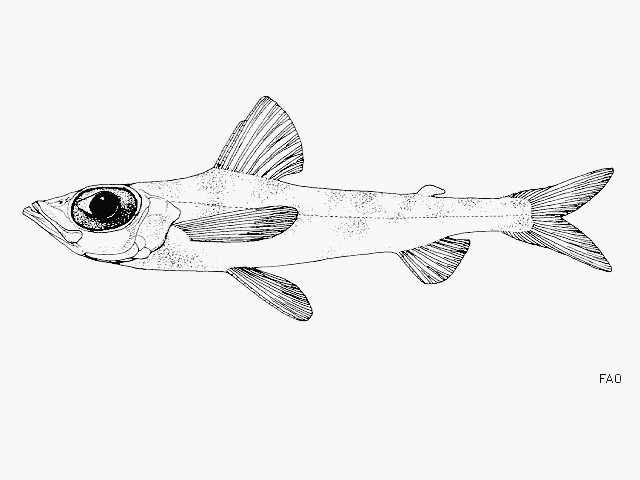
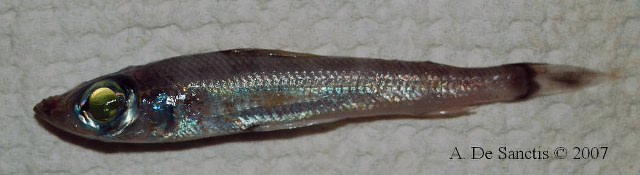
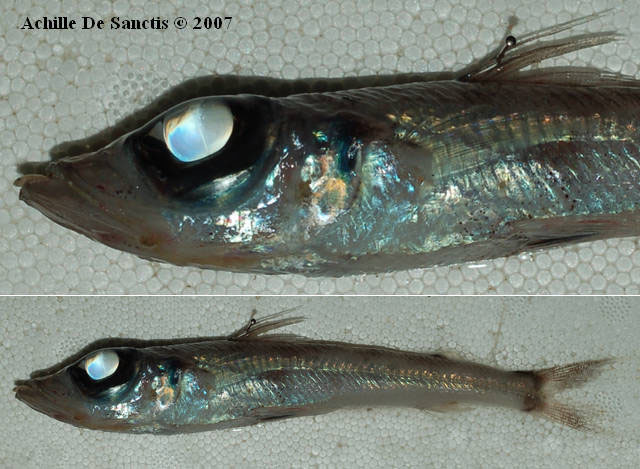
Dorsal spines (total): 0; Dorsal soft rays (total): 10 - 11; Anal spines: 0; Anal soft rays: 8 - 10. Body slightly compressed. The head is small; eyes large, diameter greater than snout length. Color is yellow-fawn, with irregular oblique brown blotches on the sides. The operculum is silver-black; anus and gill cavity black; belly stippled black; caudal fin base and inner ventral fin rays black.
Common Names
Taxonomic Hierarchy
Kingdom: Animalia
Phylum: Chordata
Class: Teleostei
Order: Aulopiformes
Family: Chlorophthalmidae
Genus: Chlorophthalmus
Species: Chlorophthalmus agassizi Bonaparte, 1840
Climate Zone
Location
- Circumglobal in temperate and tropical regions. Eastern Atlantic: Spain to at least 19°S, including the Mediterranean, Canary Islands and Cape Verde. Western Atlantic: southern New England, USA and northern Gulf of Mexico to northern South America (Ref. 7251). Northwest Atlantic: Canada (Ref. 5951).
Biology
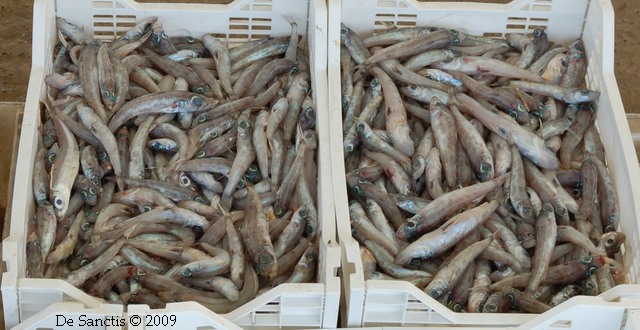
Found on the continental shelf and upper slope over mud and clay bottom. Catch data indicate a schooling habit. Feeds mainly on bottom-living invertebrates. Also known to feed on pelagic crustaceans like euphausiids, decapods and mysids (Ref. 27637). A hermaphroditic species. Marketed fresh and sometimes made into fishmeal (Ref. 6688). Young are pelagic, living near the surface, the adults are demersal, living between 50 and 1000 m depth (Ref. 47377).
Habitat
brackish
Conservation Status
Least Concern
Threat to Humans
Harmless
Chlorophthalmus agassizi Bonaparte, 1840