Chiloscyllium indicum (Gmelin, 1789)
Description
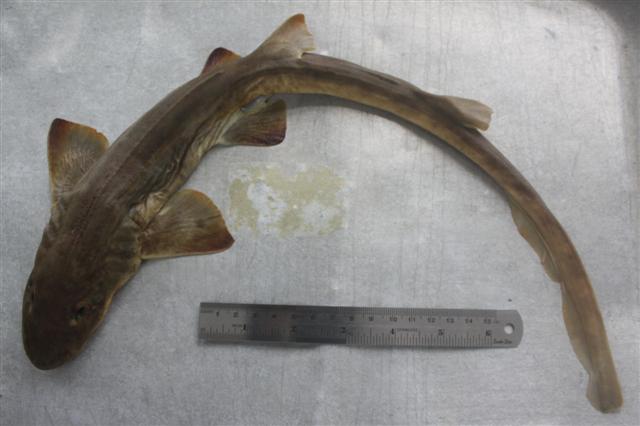
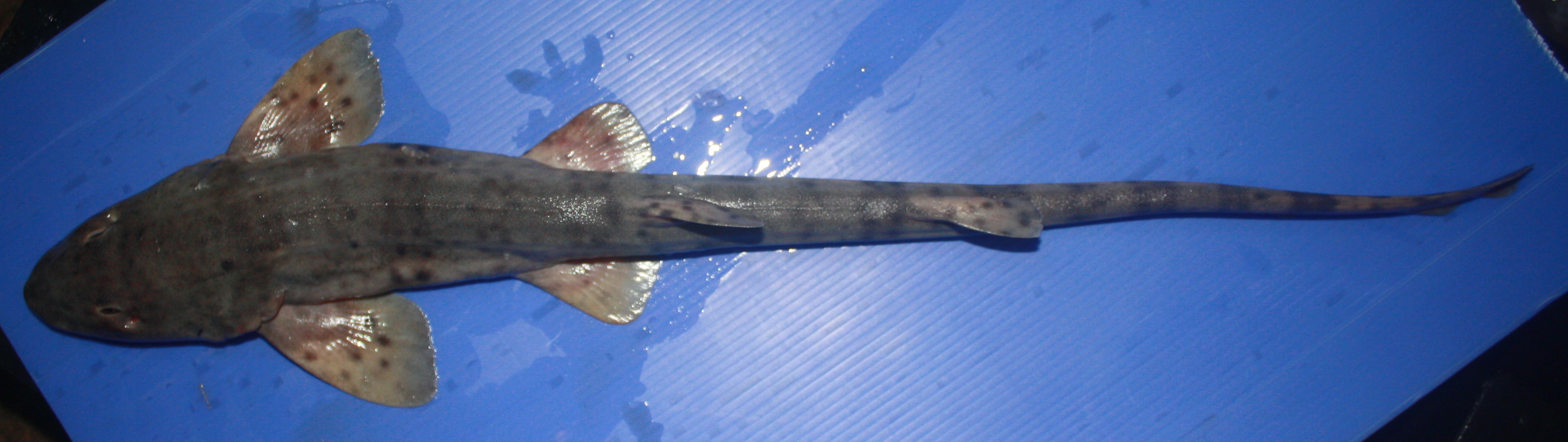
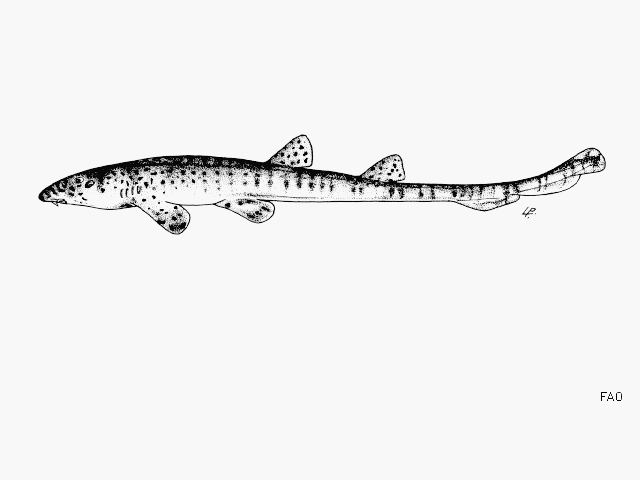
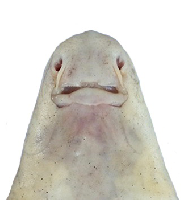
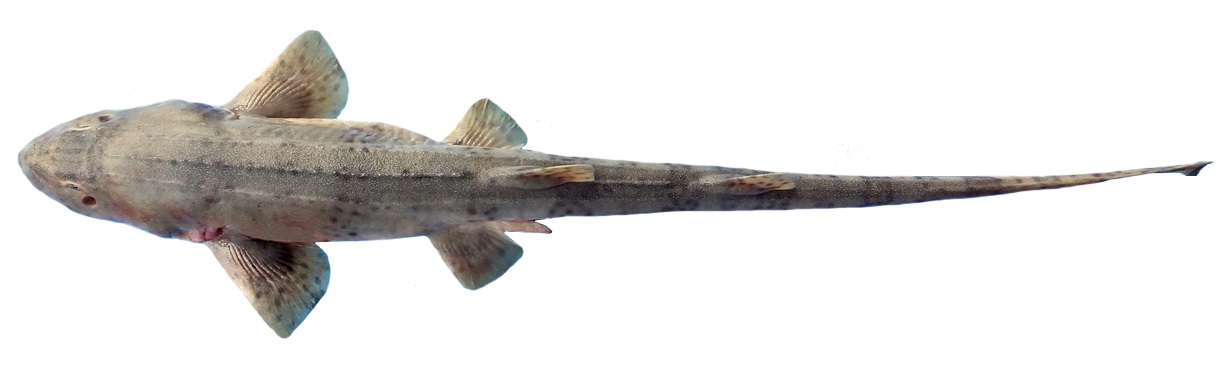
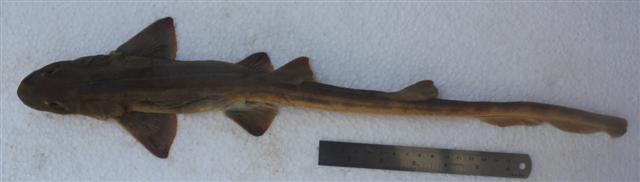
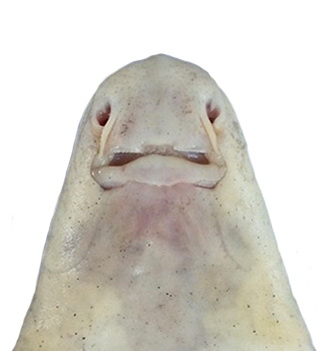
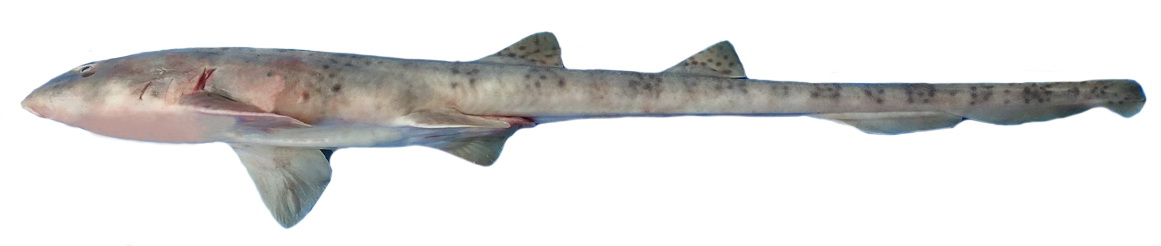
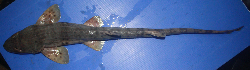
Dorsal spines (total): 0; Anal spines: 0. Genus: Nostrils subterminal on snout; pre-oral snout long, mouth closer to eyes than snout tip; eyes and supraorbital ridges hardly elevated; no black hood on head or large spot or spots on sides of body above pectoral fins (Ref. 43278). Caudal fin with a pronounced subterminal notch but without a ventral lobe (Ref. 13575). Species: Light brown above, cream below, with numerous dark spots on body, tail, and fins, these often forming indistinct vertical bars and saddles (Ref. 31575). Dermal ridge on middle of back and two low lateral ridges (Ref. 4832).
Common Names
Taxonomic Hierarchy
Kingdom: Animalia
Phylum: Chordata
Class: Elasmobranchii
Order: Orectolobiformes
Family: Hemiscylliidae
Genus: Chiloscyllium
Species: Chiloscyllium indicum (Gmelin, 1789)
Climate Zone
Location
- Indo-West Pacific: India, Sri Lanka, to about Bangladesh; possibly Arabian Sea, and around Thailand and Indonesia (Sumatra). Records from Solomon Islands and north to China and Japan are different species, possibly Chiloscyllium plagiosum.
Biology
A common, but little-known inshore sluggish bottom shark (Ref. 13575) found on sandy and muddy bottoms of coastal waters, bays and inlets and rocky and coral reefs. Probably mainly feeds on bottom-dwelling invertebrates (Ref. 13575), also small fishes. Oviparous (Ref. 50449). Utilized for human consumption (Ref. 247). Possibly may occur in fresh water in the lower reaches of the Perak River in peninsular Malaysia (Ref. 43278).
Habitat
freshwater
Conservation Status
Vulnerable
Threat to Humans
Harmless
Chiloscyllium indicum (Gmelin, 1789)