Doryrhamphus excisus Kaup, 1856
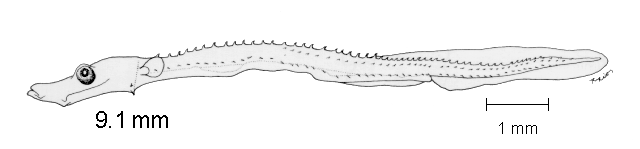
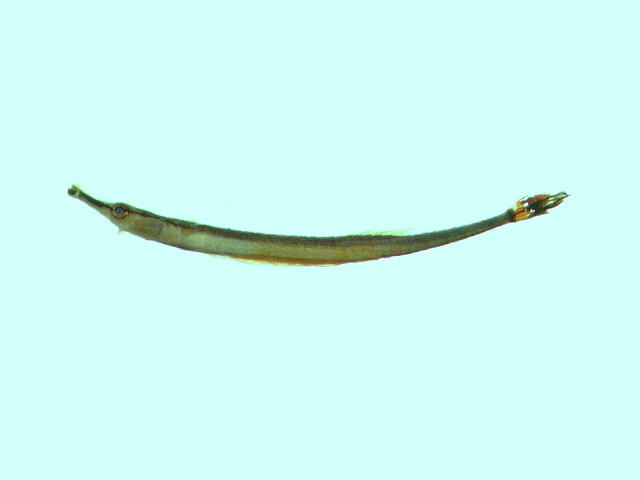


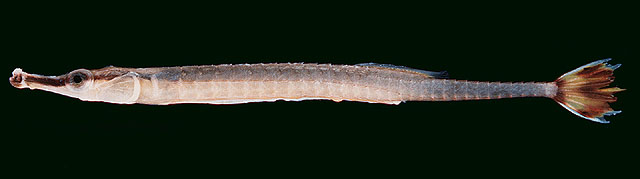
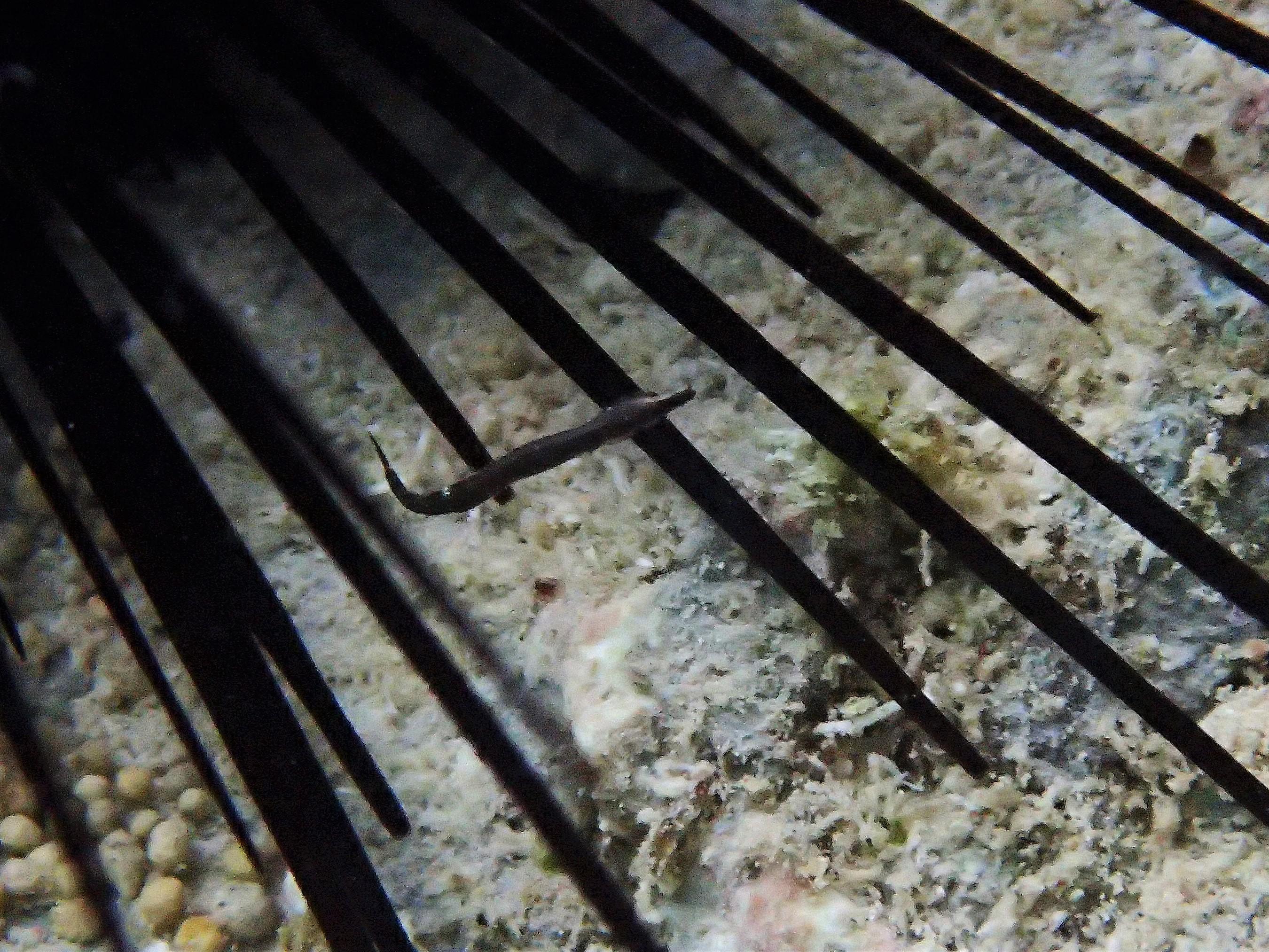
Description
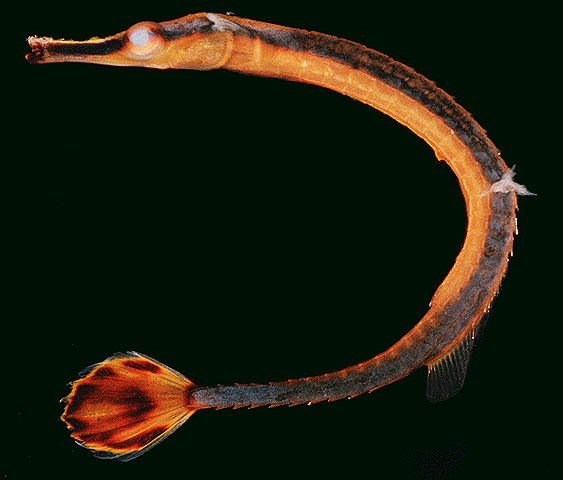
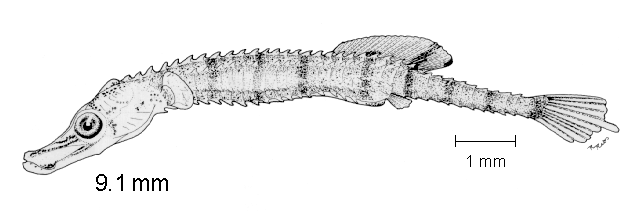
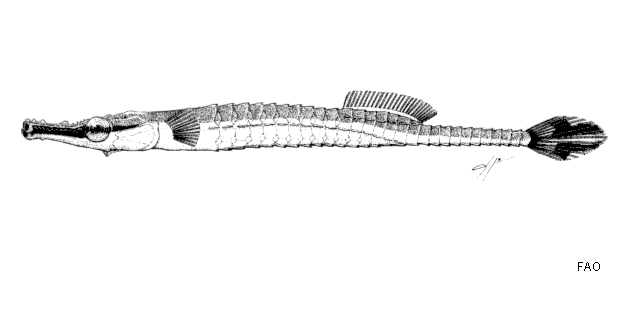
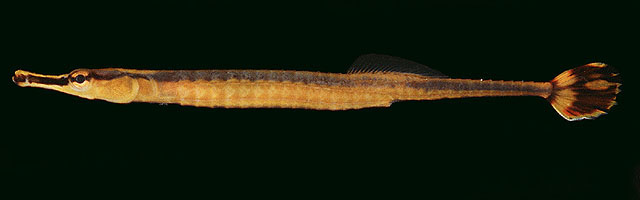
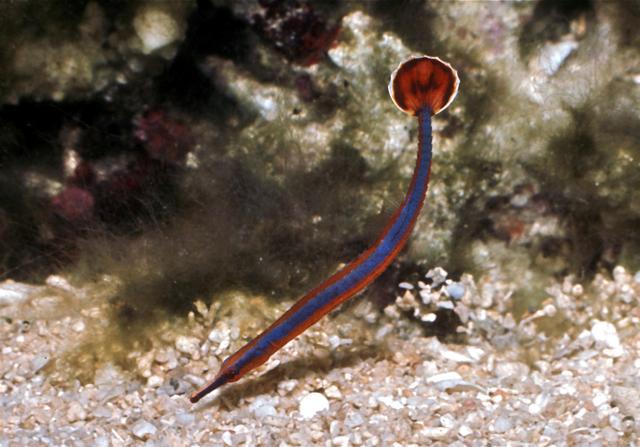
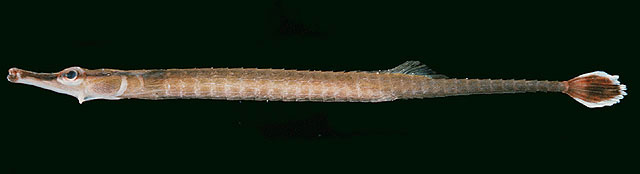
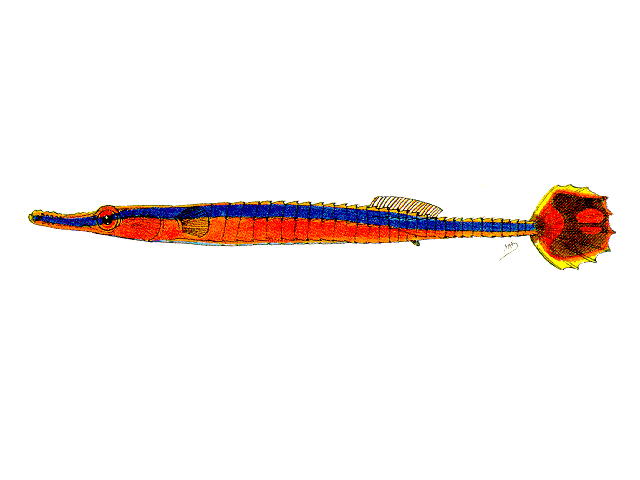
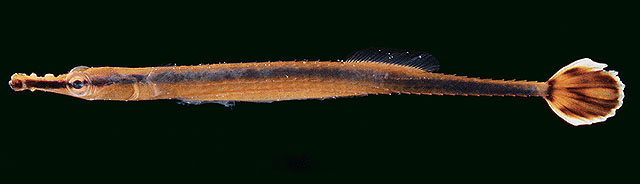
Dorsal spines (total): 0; Dorsal soft rays (total): 21 - 29; Anal spines: 0; Anal soft rays: 4. Superior trunk and tail ridges discontinuous; inferior trunk ridge ending on anal ring; lateral trunk ridge continuous with inferior tail ridge; body rings 17-19; tail rings 13-17. Also Ref. 4281.
Common Names
Taxonomic Hierarchy
Kingdom: Animalia
Phylum: Chordata
Class: Teleostei
Order: Syngnathiformes
Family: Syngnathidae
Genus: Doryrhamphus
Species: Doryrhamphus excisus Kaup, 1856
Climate Zone
Location
Biology
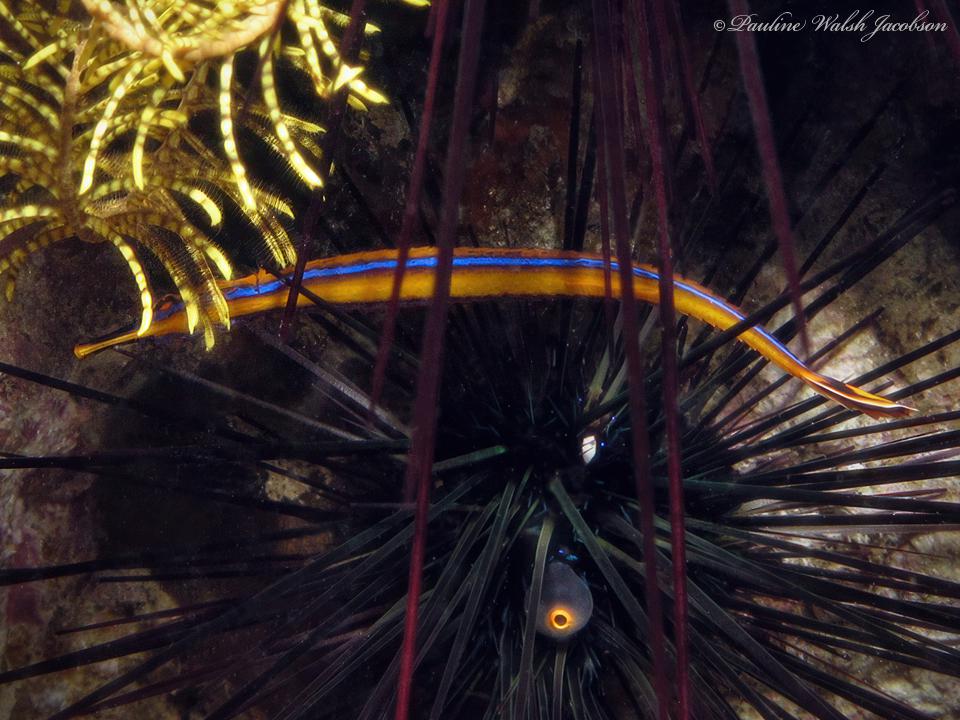
Uncommon, cryptic species (Ref. 5227), prefers crevices in rocks and corals and areas beneath ledges (Ref. 28023). Occurs in lagoon and seaward reefs to a depth of 45 m or more (Ref. 9710). Benthopelagic (Ref. 58302). Often seen in pairs. Uses its tubelike snout to ingest small crustaceans and plankton (Ref. 28023). Ovoviviparous (Ref. 205). The male carries the eggs in a brood pouch which is found under the tail (Ref. 205).
Habitat
associated
Conservation Status
Least Concern
Threat to Humans
Harmless