Centrolophus niger (Gmelin, 1789)
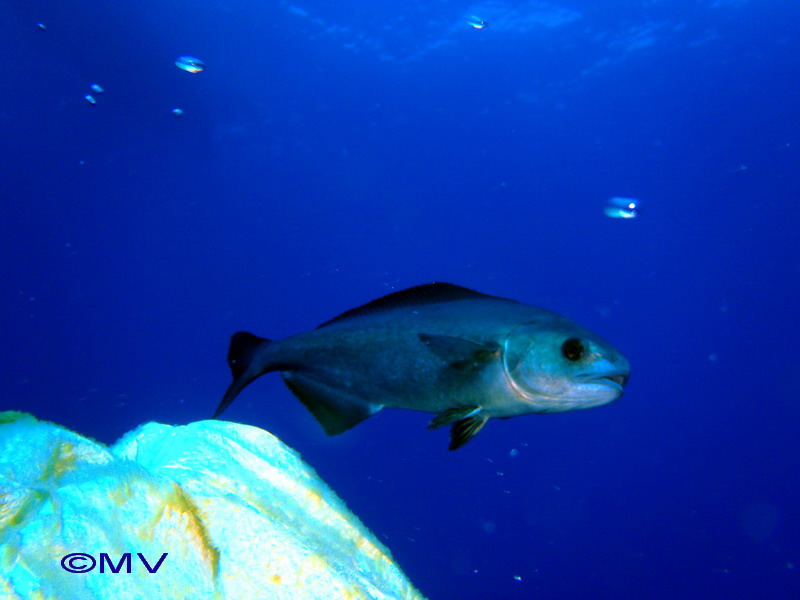
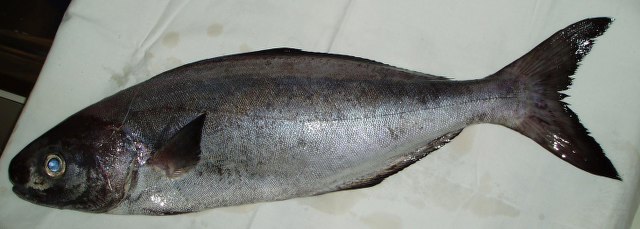
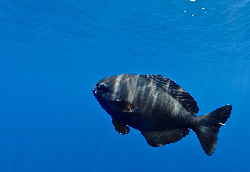
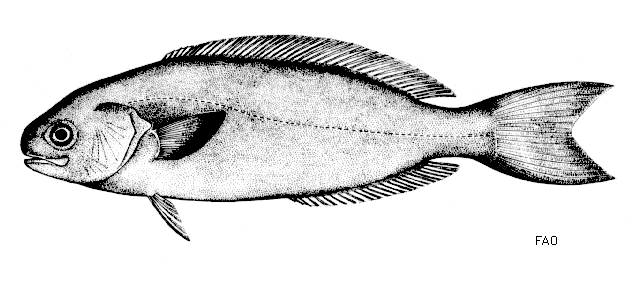
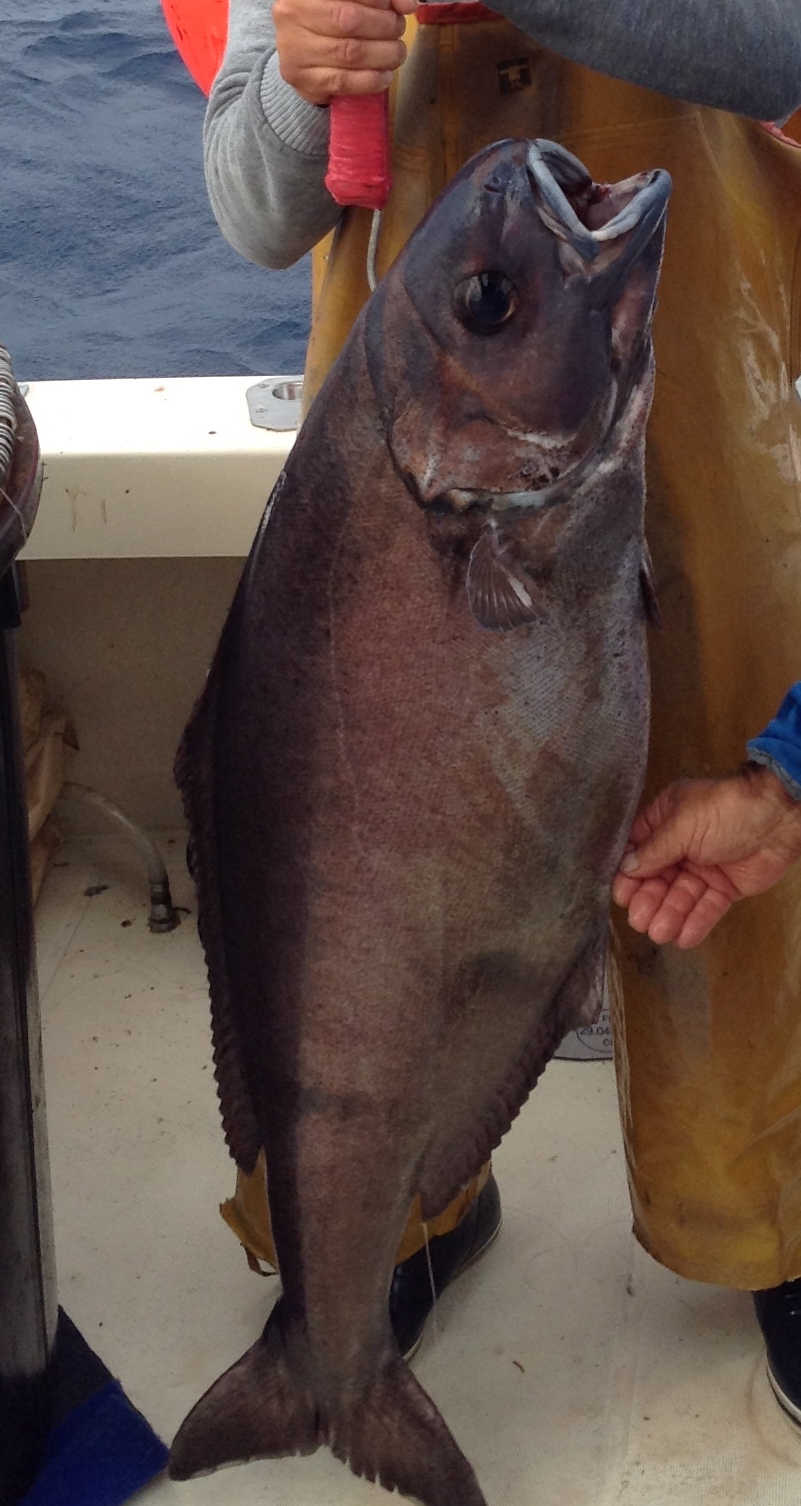
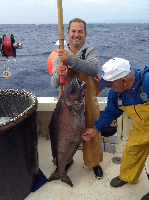
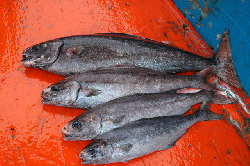
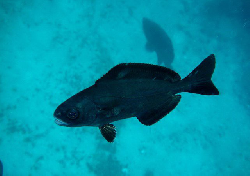
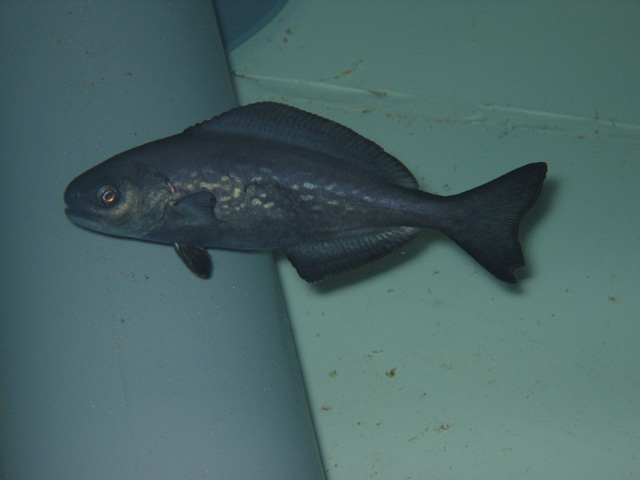
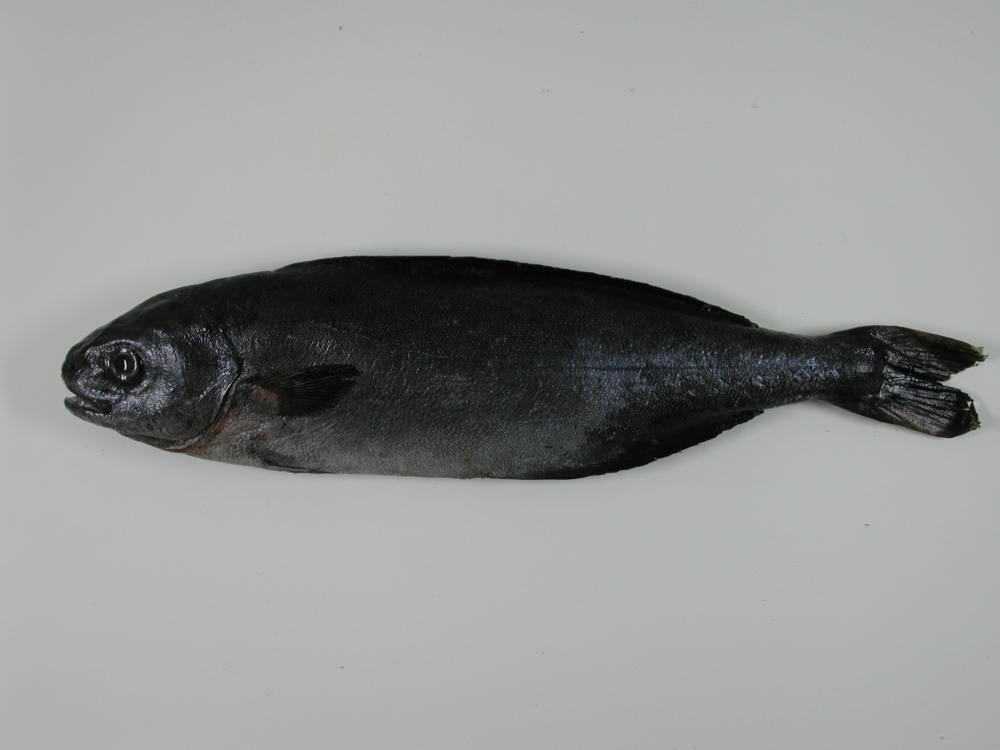
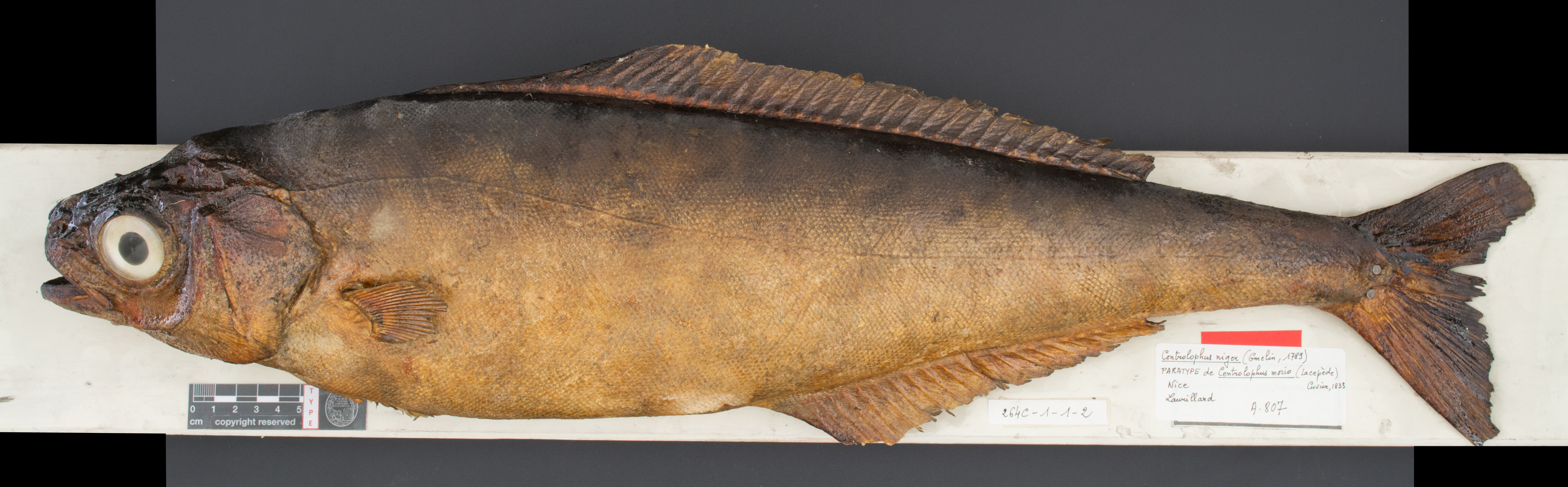
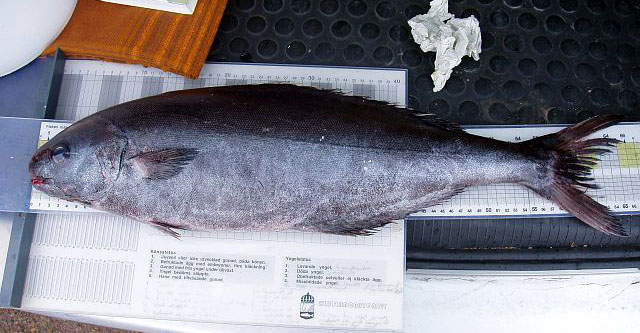
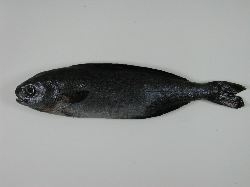
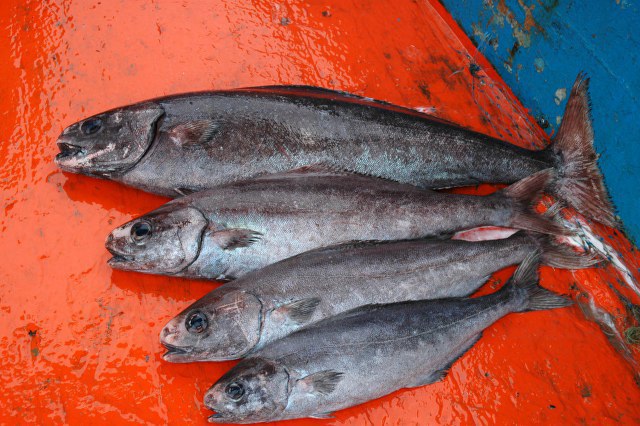
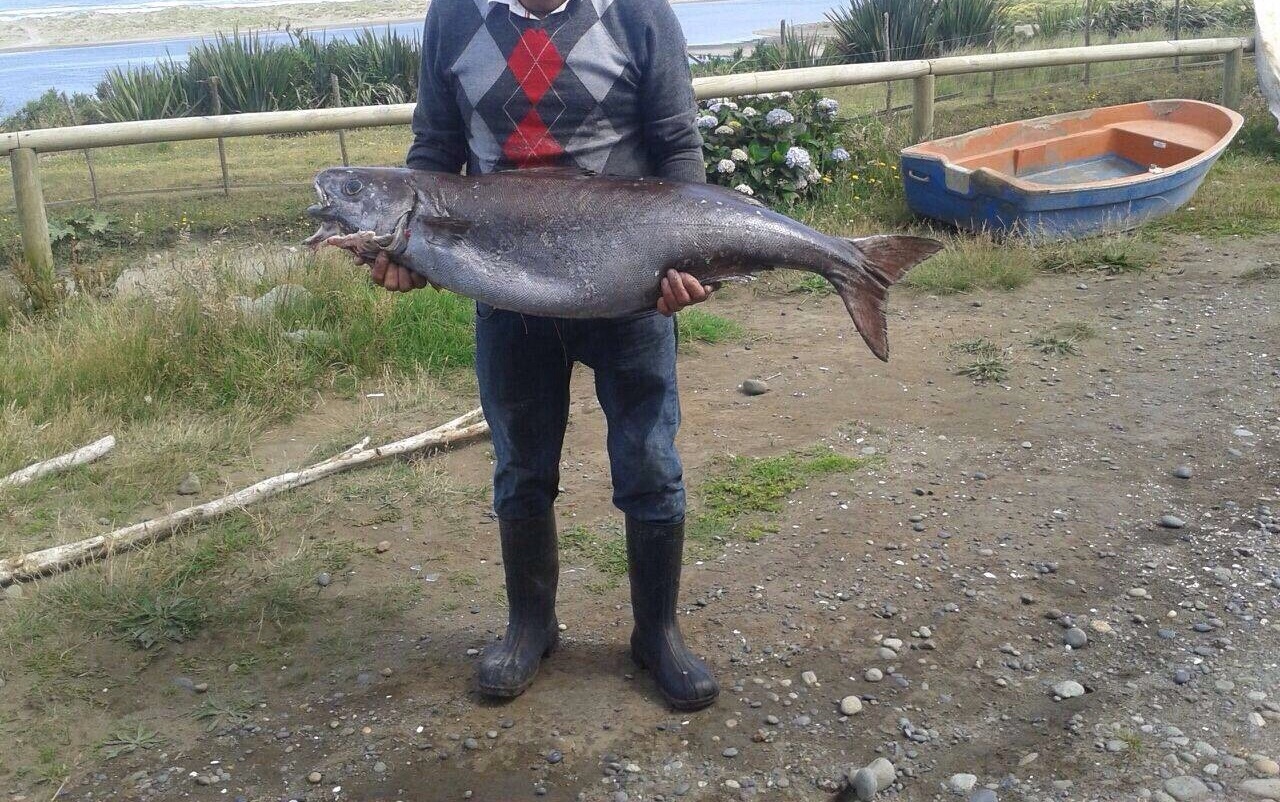
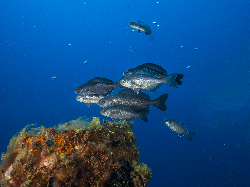
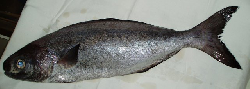
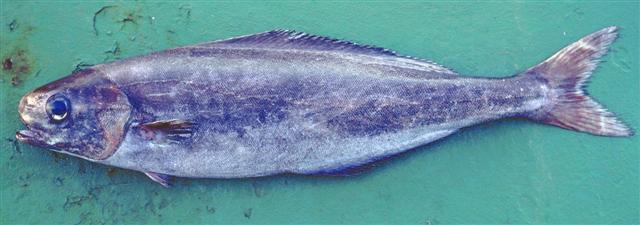
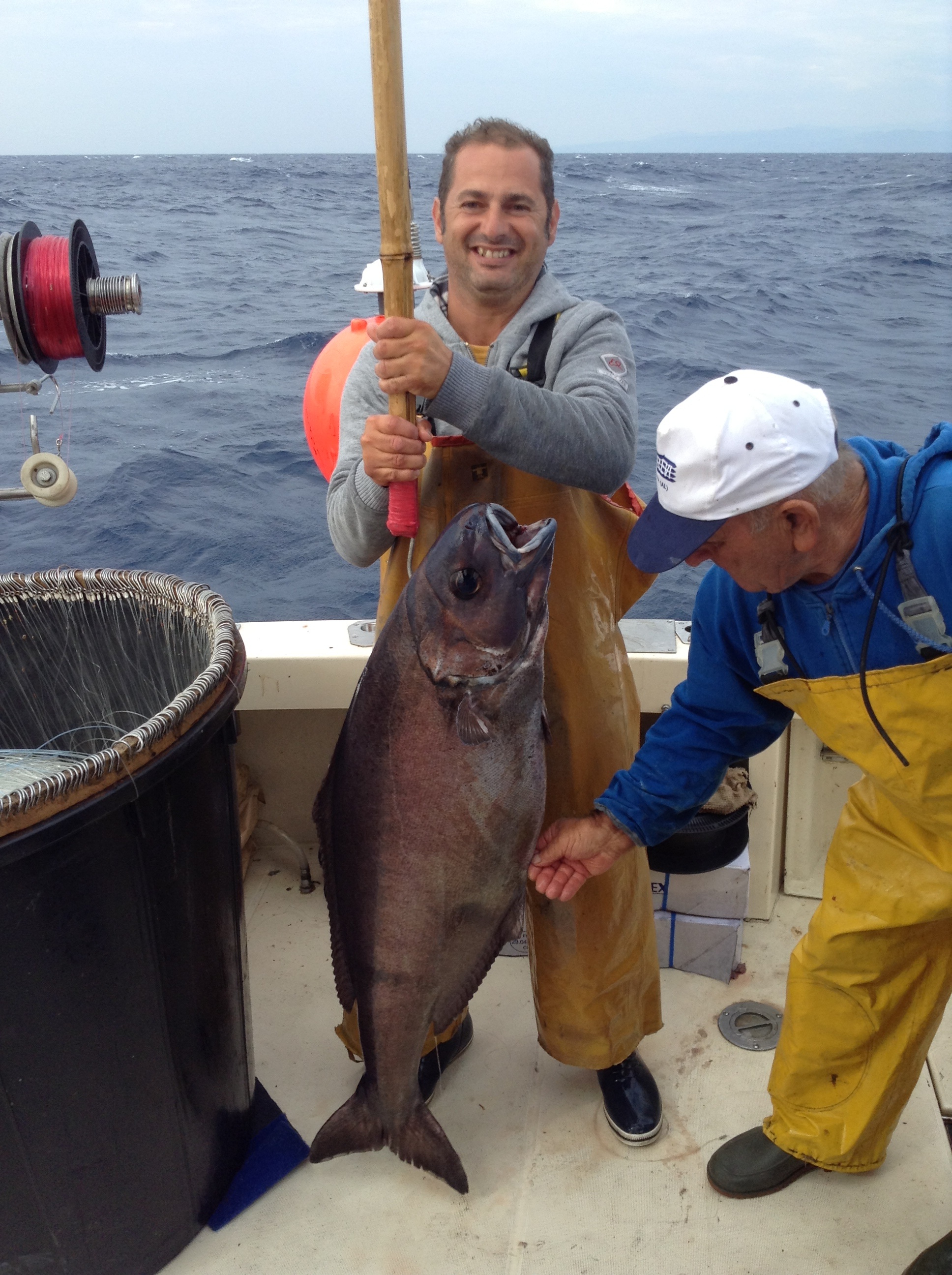
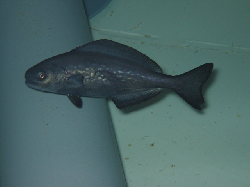

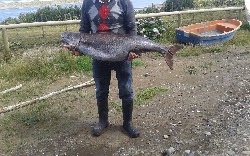
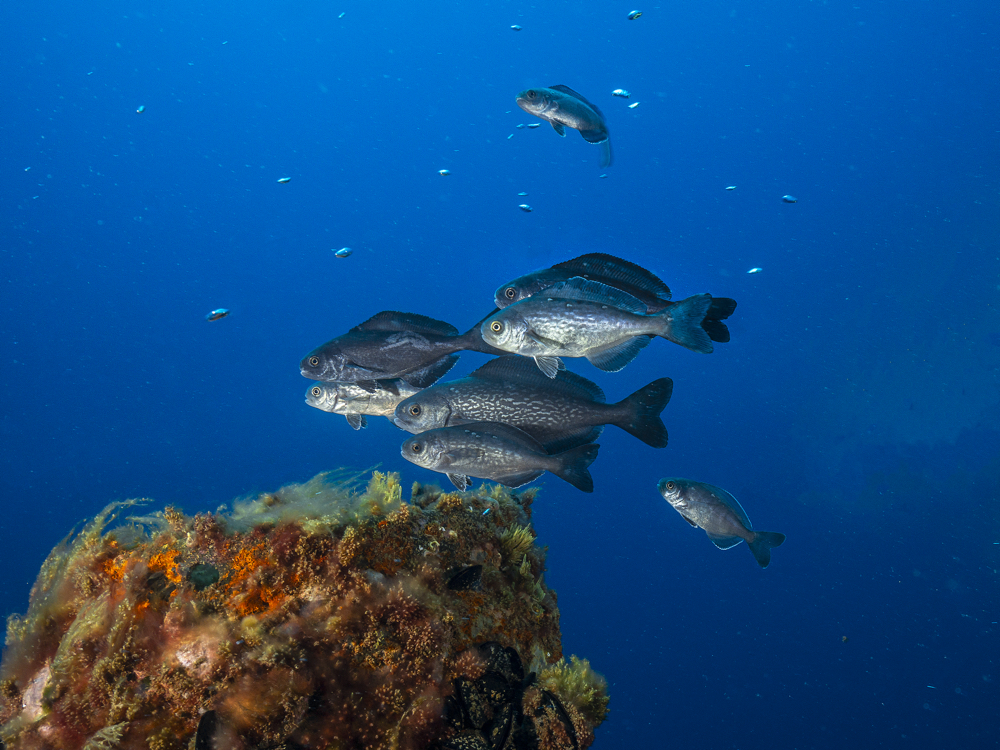
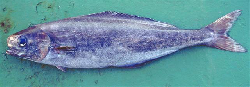
Description
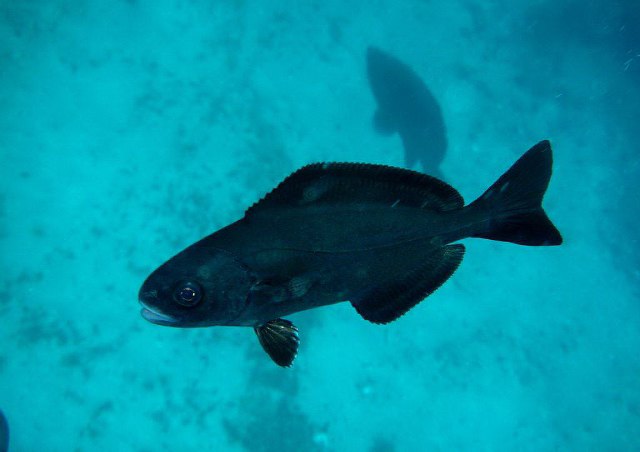
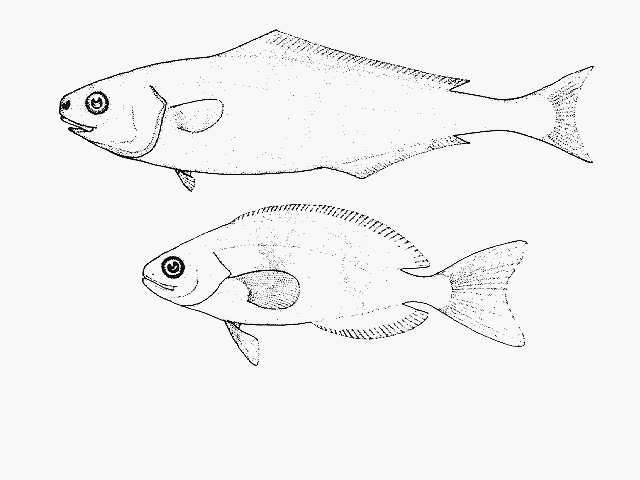
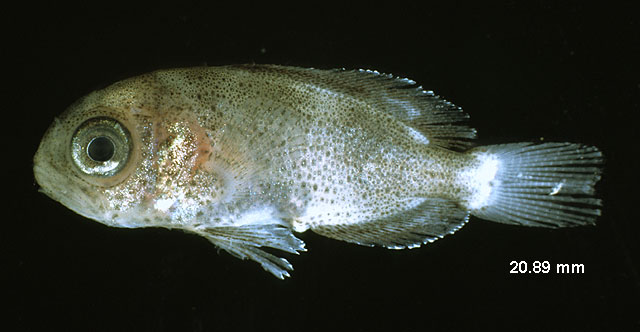
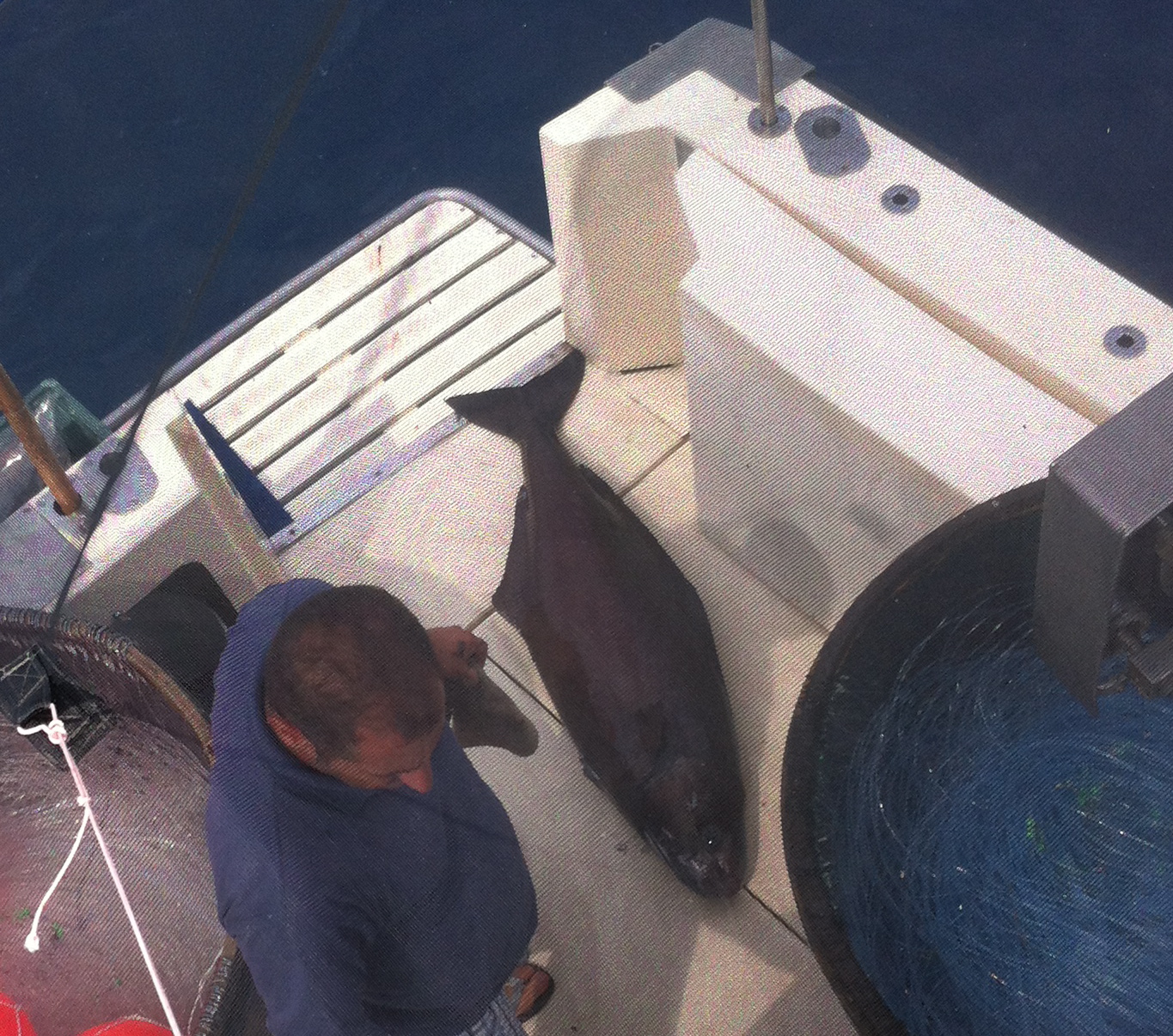
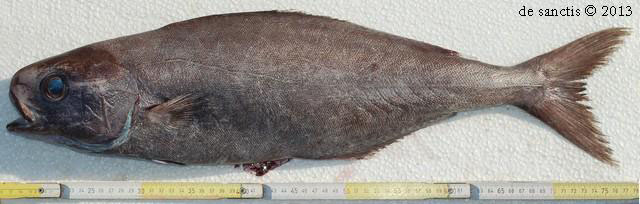
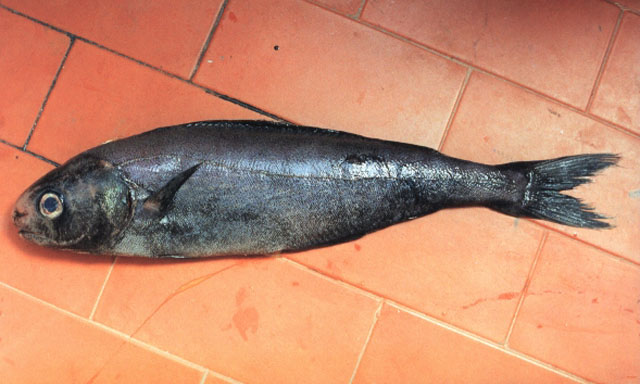
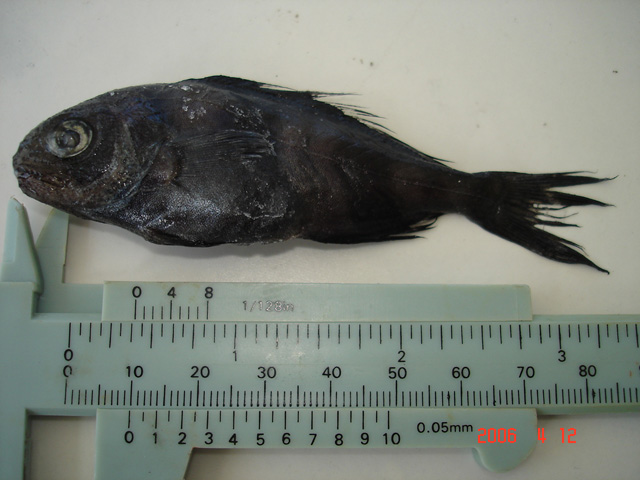
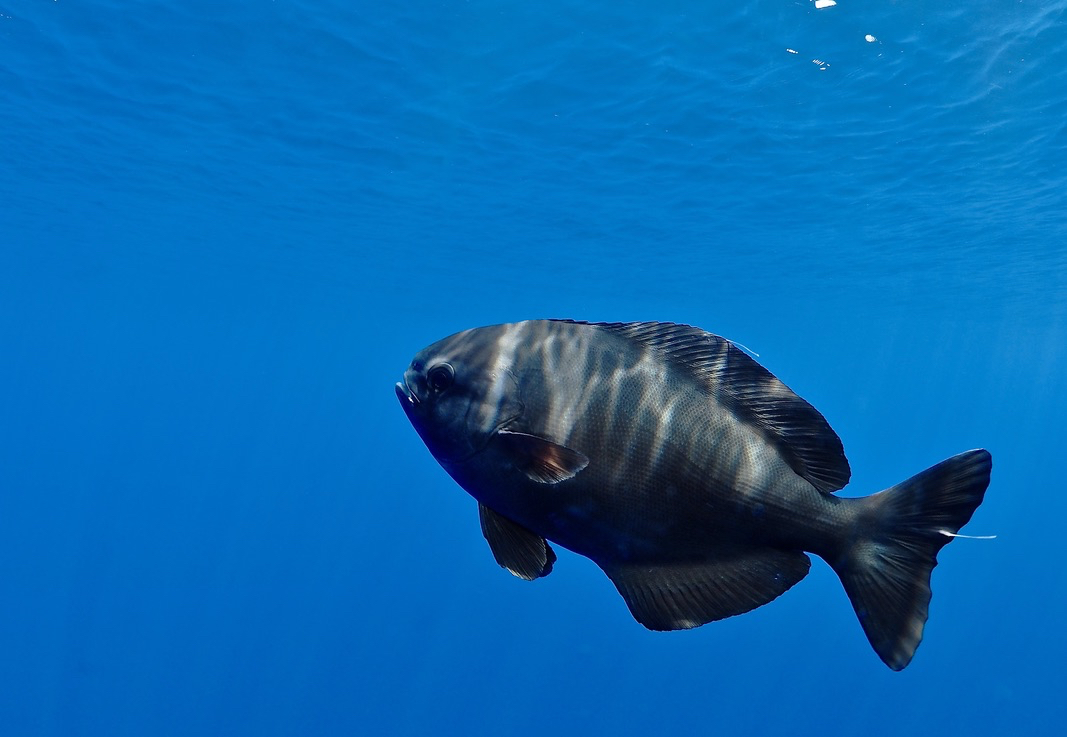
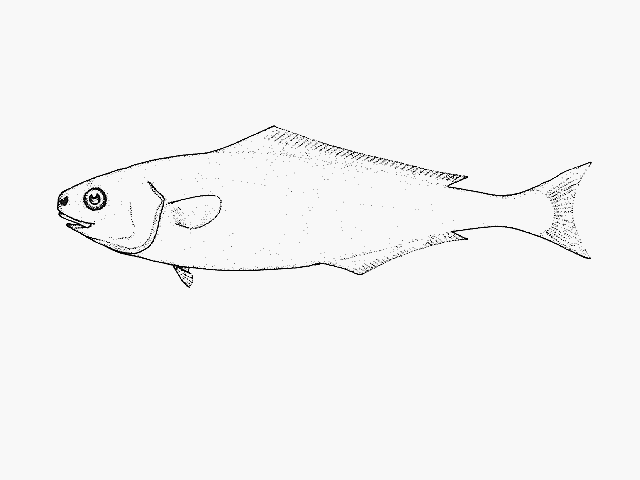
Dorsal spines (total): 5; Dorsal soft rays (total): 37 - 41; Anal spines: 3; Anal soft rays: 20 - 24. Dark brown to black, occasionally almost bluish; median and pelvic fins darker than body; young with 2-4 vertical bars (Ref. 4410). Snout is slightly longer than the eye diameter (Ref. 35388).
Common Names
Taxonomic Hierarchy
Kingdom: Animalia
Phylum: Chordata
Class: Teleostei
Order: Scombriformes
Family: Centrolophidae
Genus: Centrolophus
Species: Centrolophus niger (Gmelin, 1789)
Climate Zone
Location
- North Atlantic: Nova Scotia and Grand Banks (Canada) to Massachusetts, USA (Ref. 7251). Also known from the Northeast Atlantic and the Mediterranean Sea. Southeast Atlantic and Indian Ocean: South Africa and Australia (including New South Wales). Southwest Pacific: New Zealand. Southern Ocean. Antitropical.
Biology
An oceanic, epipelagic or mesopelagic species (Ref. 6942). Juveniles occurring in surface waters (Ref. 4542) and associated with pelagic medusas and salps (Ref. 4410), adults found deeper (Ref. 4542). May form small schools. Appears to feed on whatever is available, small fish, squid, large pelagic crustaceans, and other plankton (Ref. 4542).
Habitat
bathypelagic
Conservation Status
Least Concern
Threat to Humans
Harmless
Centrolophus niger (Gmelin, 1789)