Caristius fasciatus (Borodin, 1930)
Description
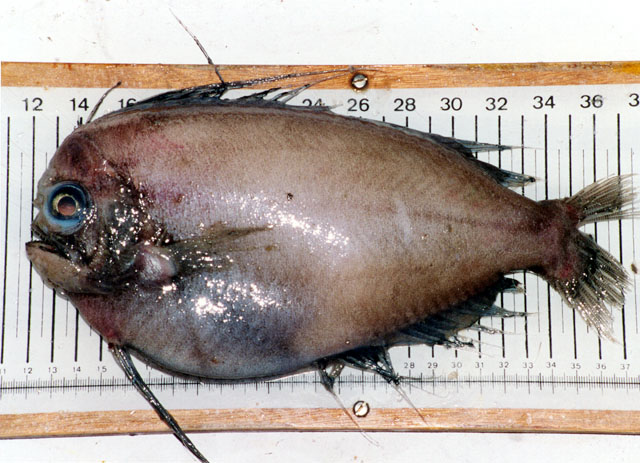
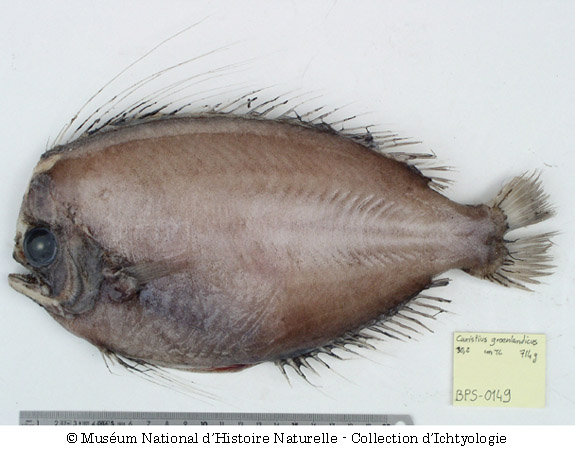
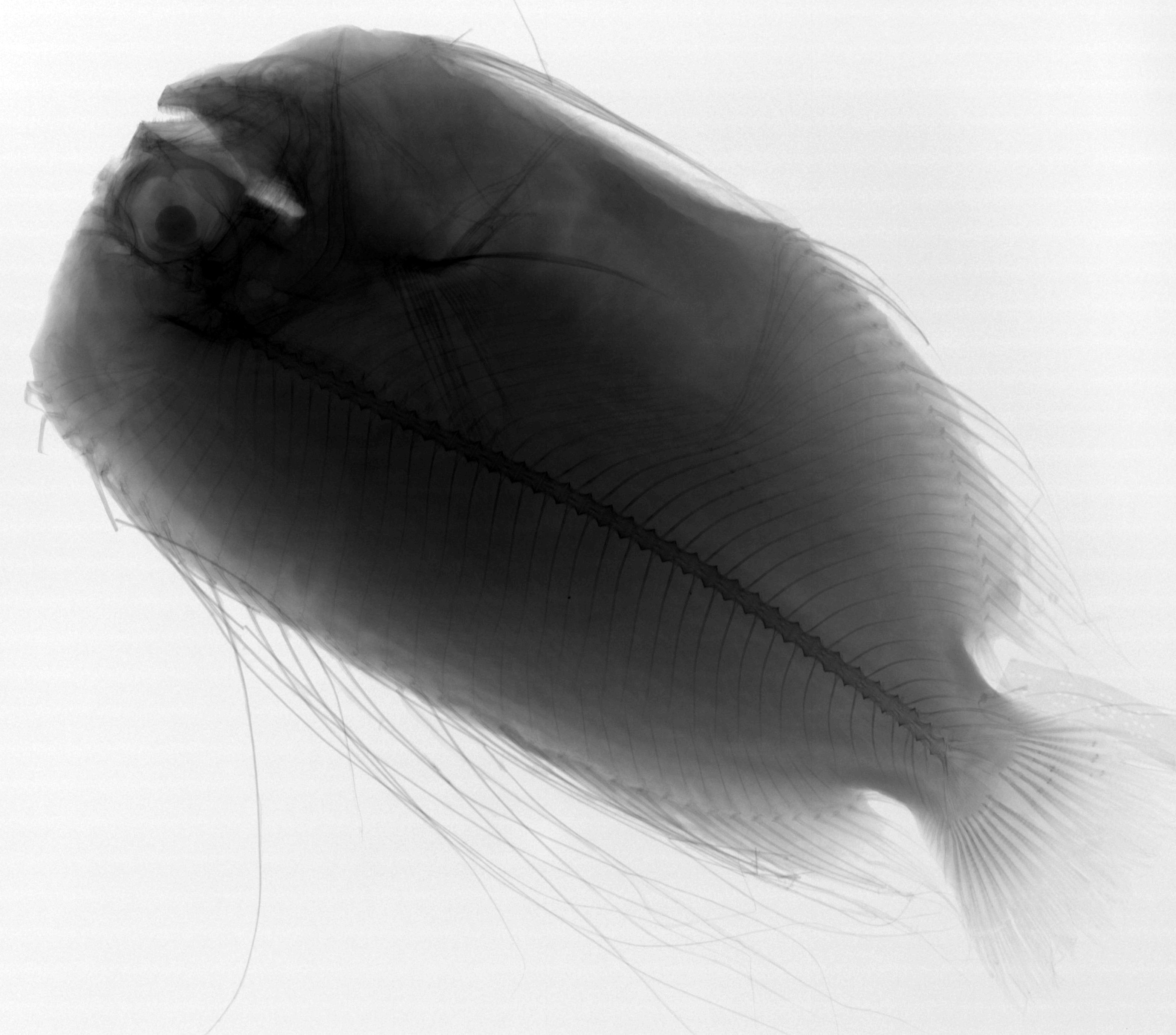
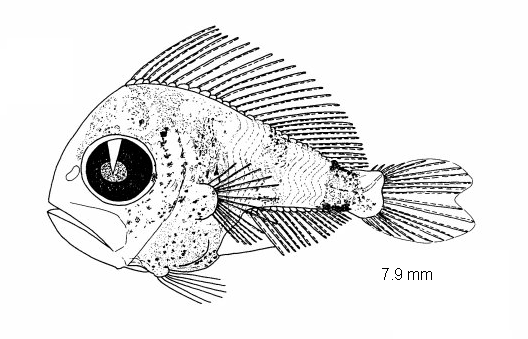
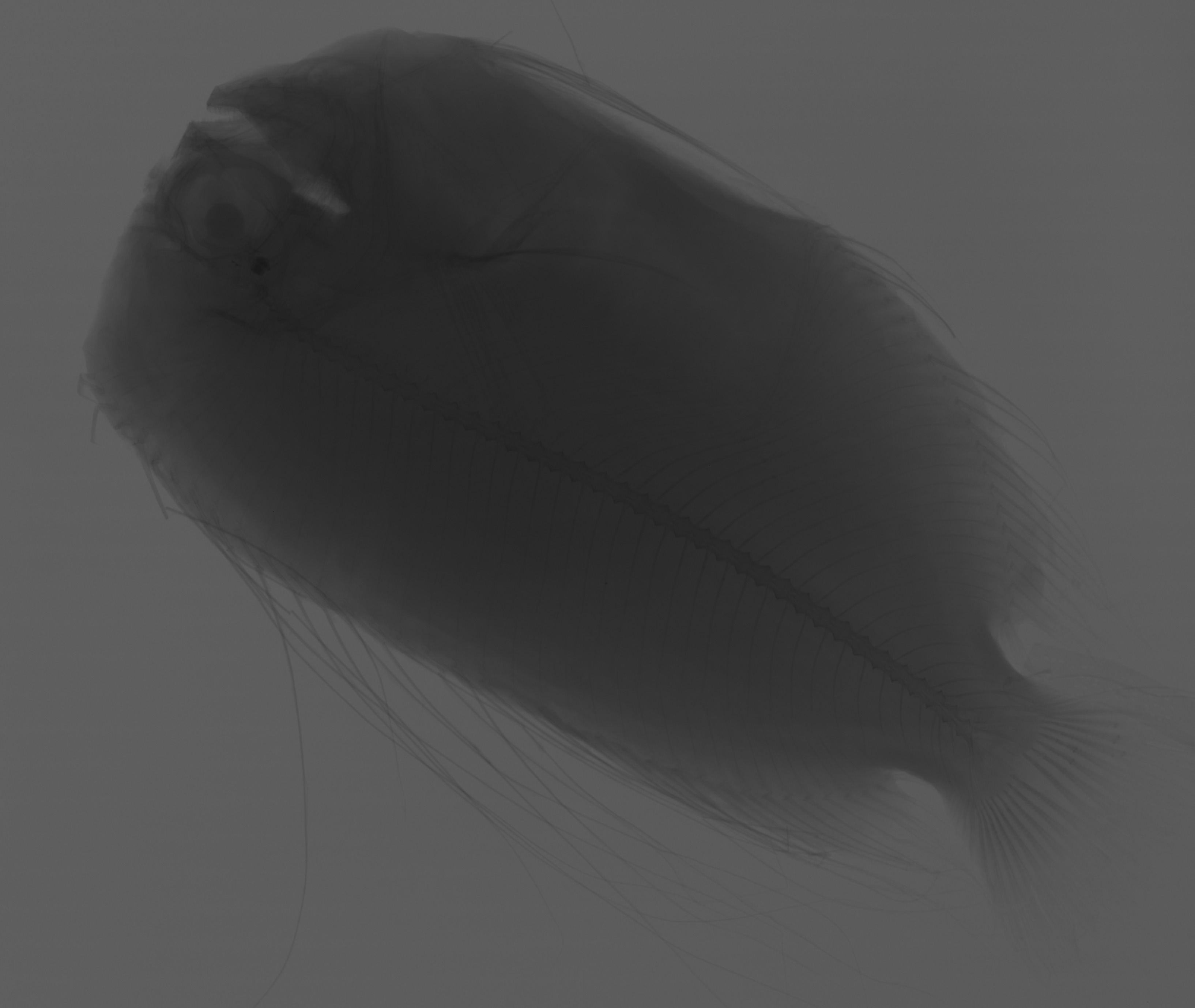
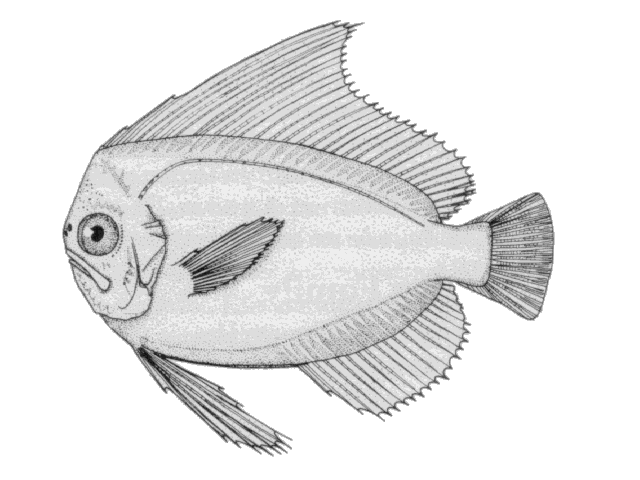
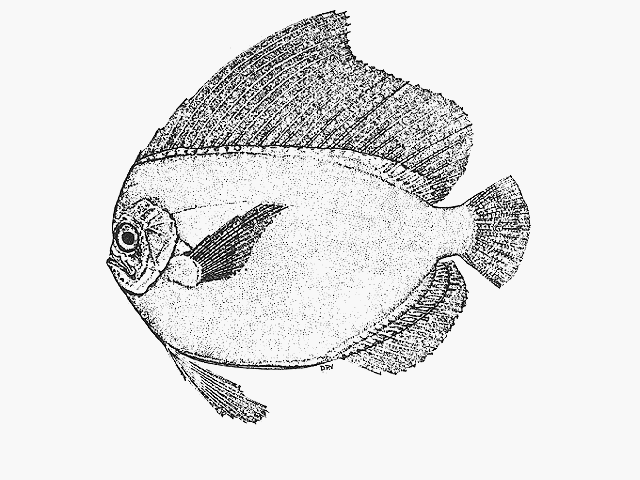
Dorsal spines (total): 0; Dorsal soft rays (total): 31 - 34; Anal spines: 0; Anal soft rays: 18 - 21; Vertebrae: 35 - 38. This species is distinguished from C. macropus and C. meridionalis. by having fewer and larger teeth (25 or fewer in each jaw and 4-7 in palatine vs. 18 or more and 3-13, respectively) and fewer vertebrae (35-38 vs. 37-41); from C. digitus by the absence of a series of fingerlike papillae inside the opercle (0 or 1 papilla in C. fasciatus), the short conical pharyngeal teeth (vs. elongate pharyngeal teeth), and fewer gill rakers (18-21 vs. 22-26) (Ref. 94277).
Common Names
Taxonomic Hierarchy
Kingdom: Animalia
Phylum: Chordata
Class: Teleostei
Order: Scombriformes
Family: Caristiidae
Genus: Caristius
Species: Caristius fasciatus (Borodin, 1930)
Climate Zone
Location
- Atlantic Ocean: off Greenland and Lüderitz, Namibia. Also from Falkland Islands (Ref. 47881). Northeast Pacific: British Columbia, Canada. Western Indian Ocean: off Durban, South Africa.
Biology
Minimum depth reported (Ref. 27121). From catches of mature females and juveniles, spawning apparently occurs on the periphery of subtropical waters (in the Sargasso Sea, in the zone of the Gulf Stream and off the Azores) (Ref. 95096).
Habitat
bathypelagic
Conservation Status
Not Evaluated
Threat to Humans
Harmless
Caristius fasciatus (Borodin, 1930)