Betta macrostoma Regan, 1910
Description
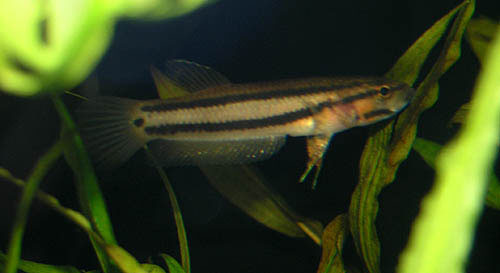
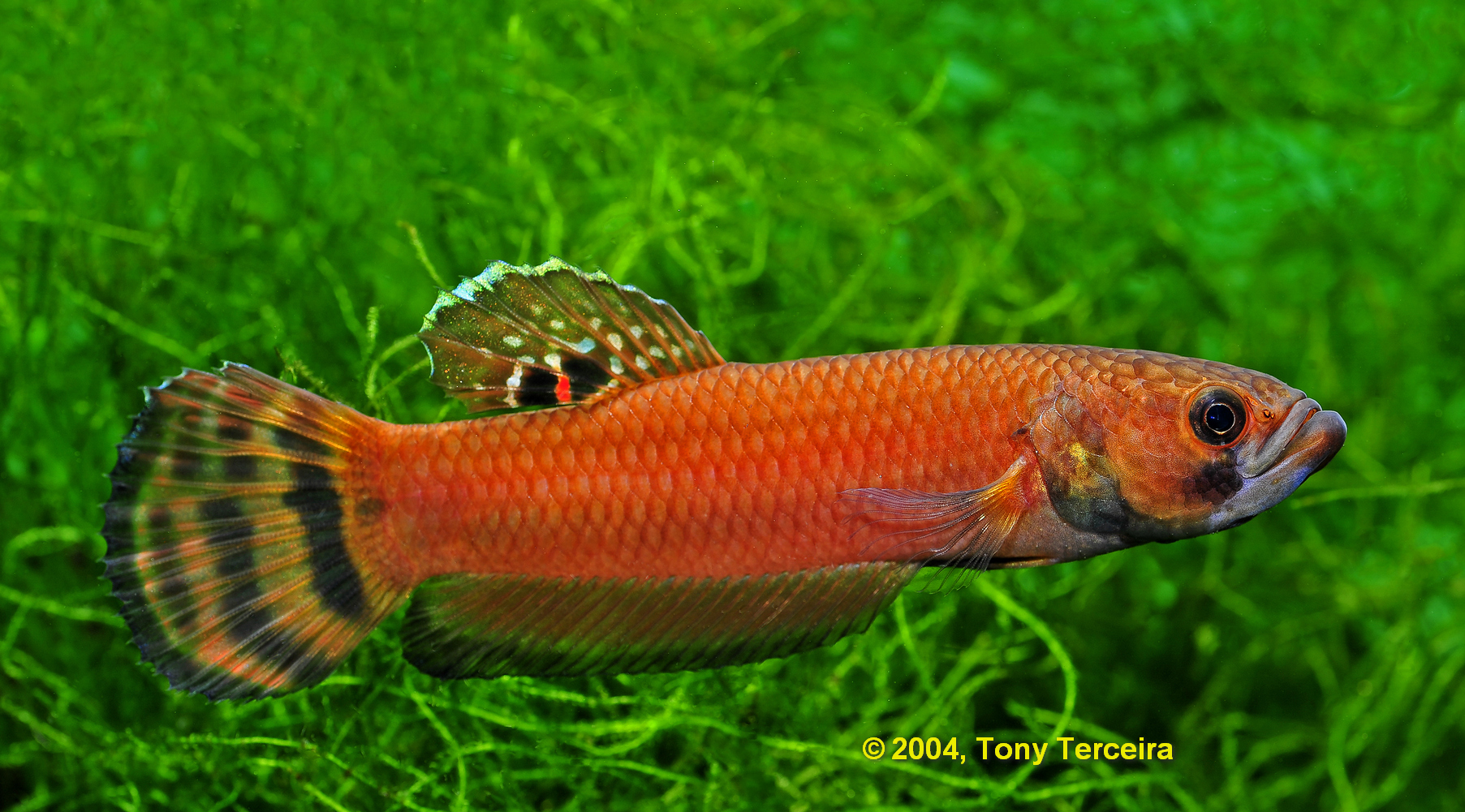
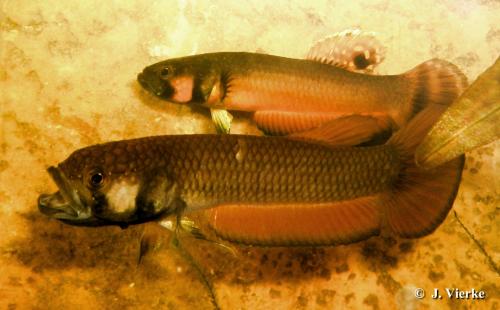
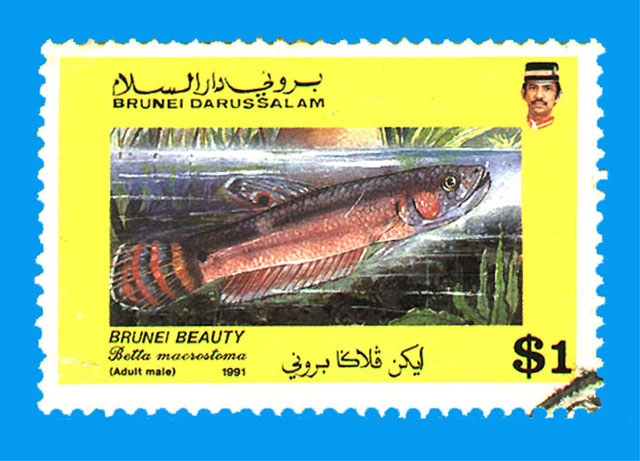
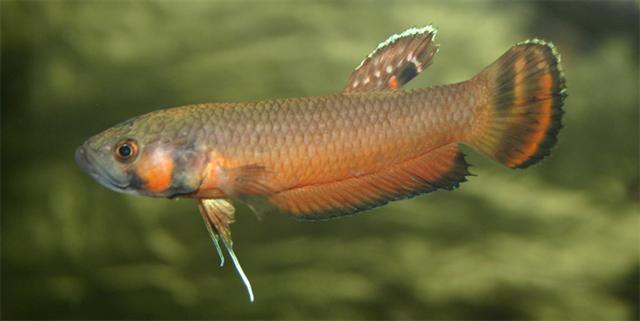
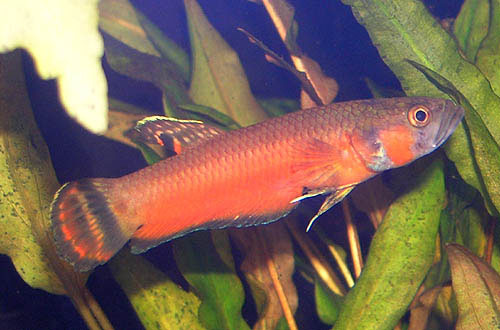
Dorsal spines (total): 0 - 1; Dorsal soft rays (total): 9 - 11; Anal spines: 0 - 1; Anal soft rays: 24 - 27; Vertebrae: 31 - 32. Differs from other member of the Betta unimaculata group by possessing the following combination of characters: dorsal fin ocellus; body red in color; caudal fin with transverse black and red bands; opercle with large red blotch in mature male; vertebrae 31-32 (mode 32); dorsal-fin rays 9-11 (mode 10); anal-fin rays 25-28 (mode 27); pectoral-fin rays 13-14; lateral scales 32-33 (mode 33); subdorsal scales 6-8 (mode 7); predorsal scales 21-24 (mode 23); predorsal length 62.3-66.7% SL; head length 30.4-33.3% SL; anal-fin base length 43.2-49.2% SL; dorsal-fin base length 12.2-15.7% SL; lower jaw length 38.0-54.0% HL (Ref. 56613).
Common Names
Taxonomic Hierarchy
Kingdom: Animalia
Phylum: Chordata
Class: Teleostei
Order: Anabantiformes
Family: Osphronemidae
Genus: Betta
Species: Betta macrostoma Regan, 1910
Climate Zone
Location
- Asia: Borneo.
Biology
Facultative air-breathing (Ref. 126274); Inhabits shallow (about 30 cm deep) near stagnant pools along stream bed with substrate consisting of clay (Ref. 56613). Occurs also in waterfalls with fast flowing clear water; occupies small pools in tributaries and quiet pools along the main confluence of the river (Ref. 56613). A mouth brooder (Ref. 56613).
Habitat
benthopelagic
Conservation Status
Vulnerable
Threat to Humans
Harmless
Betta macrostoma Regan, 1910