Torpedo marmorata Risso, 1810
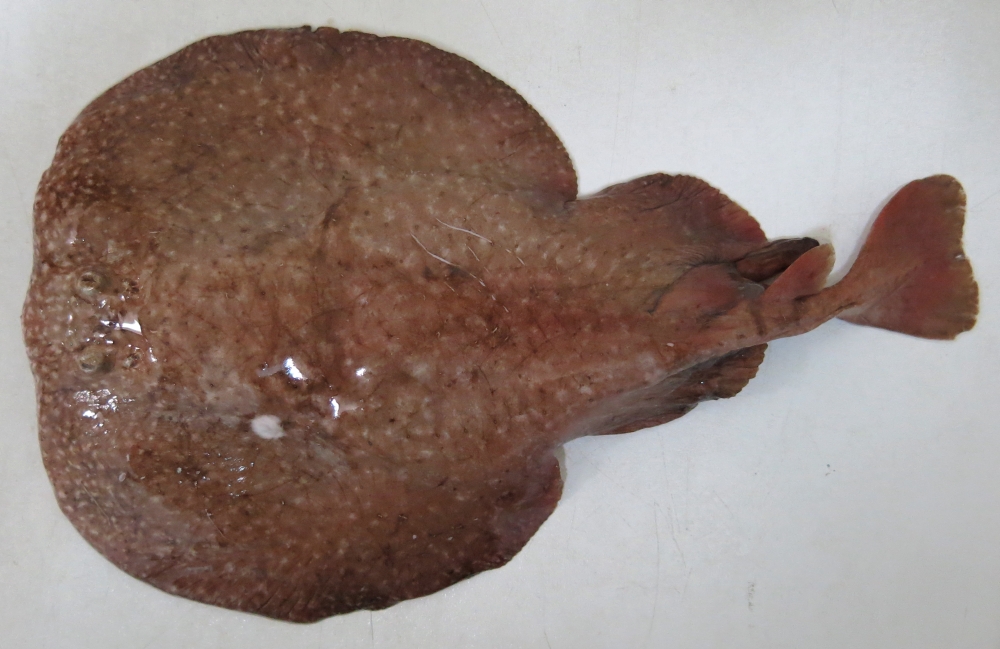
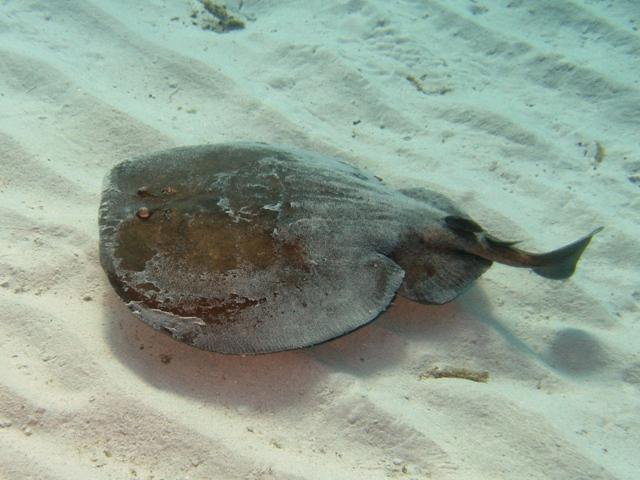
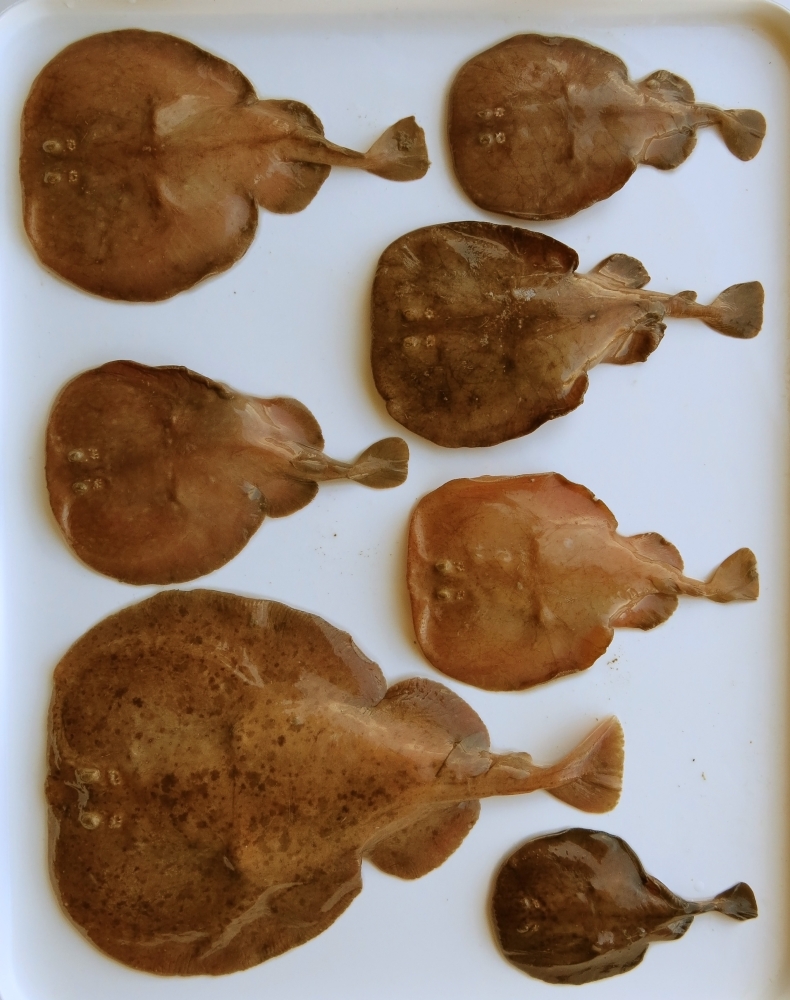
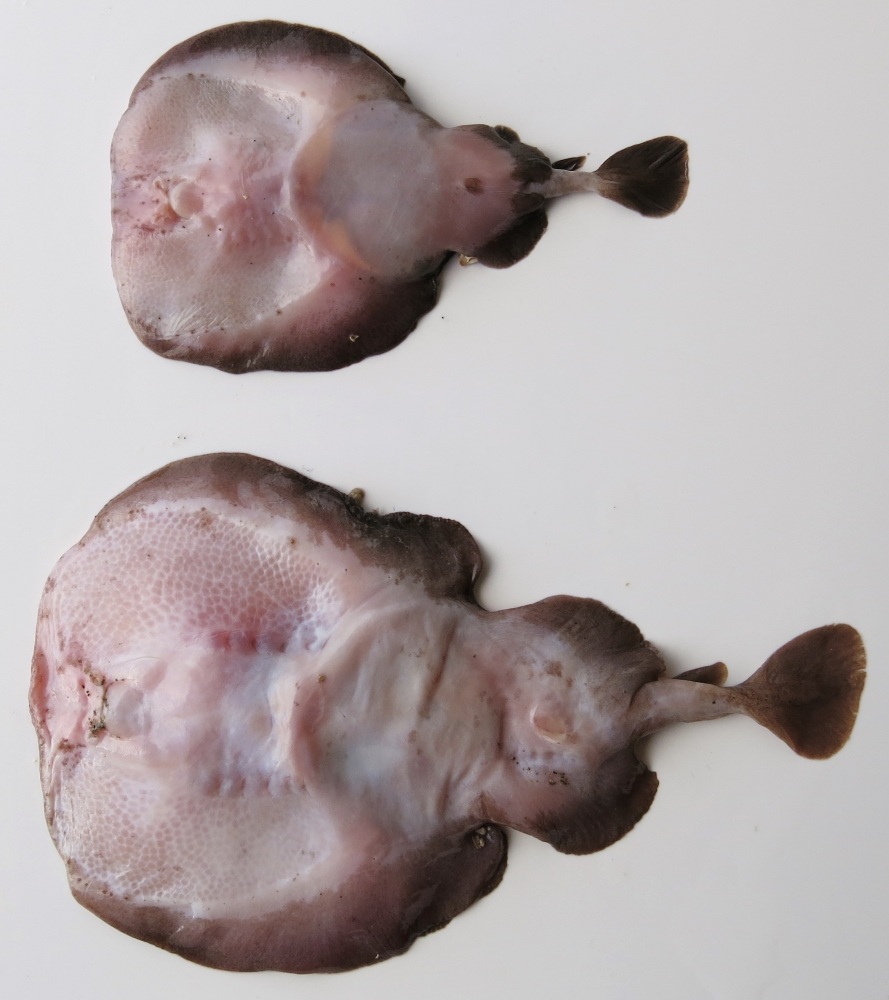
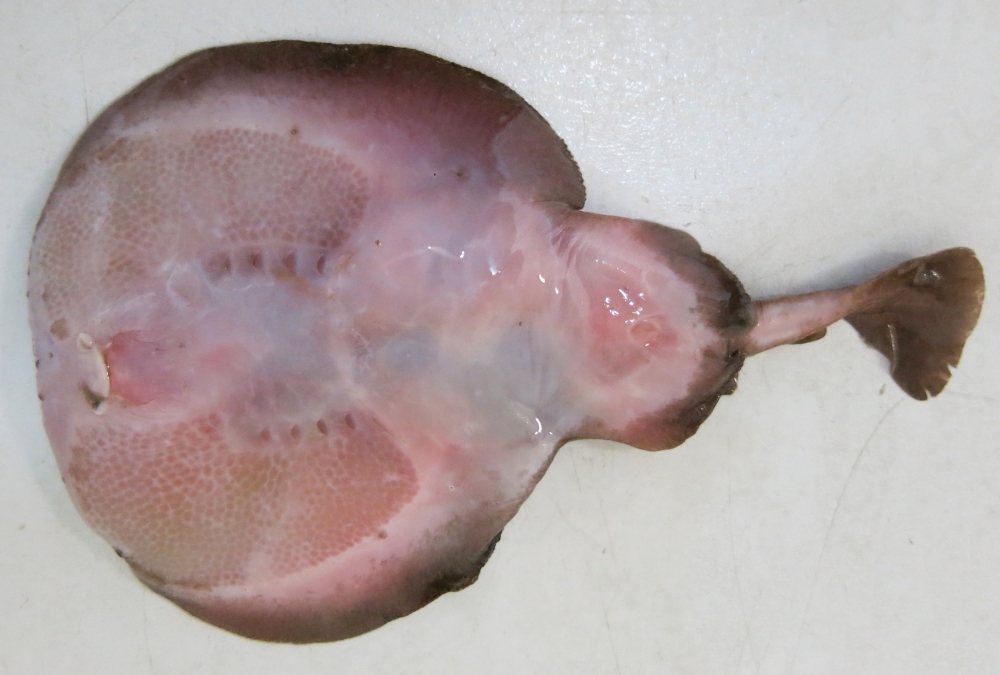
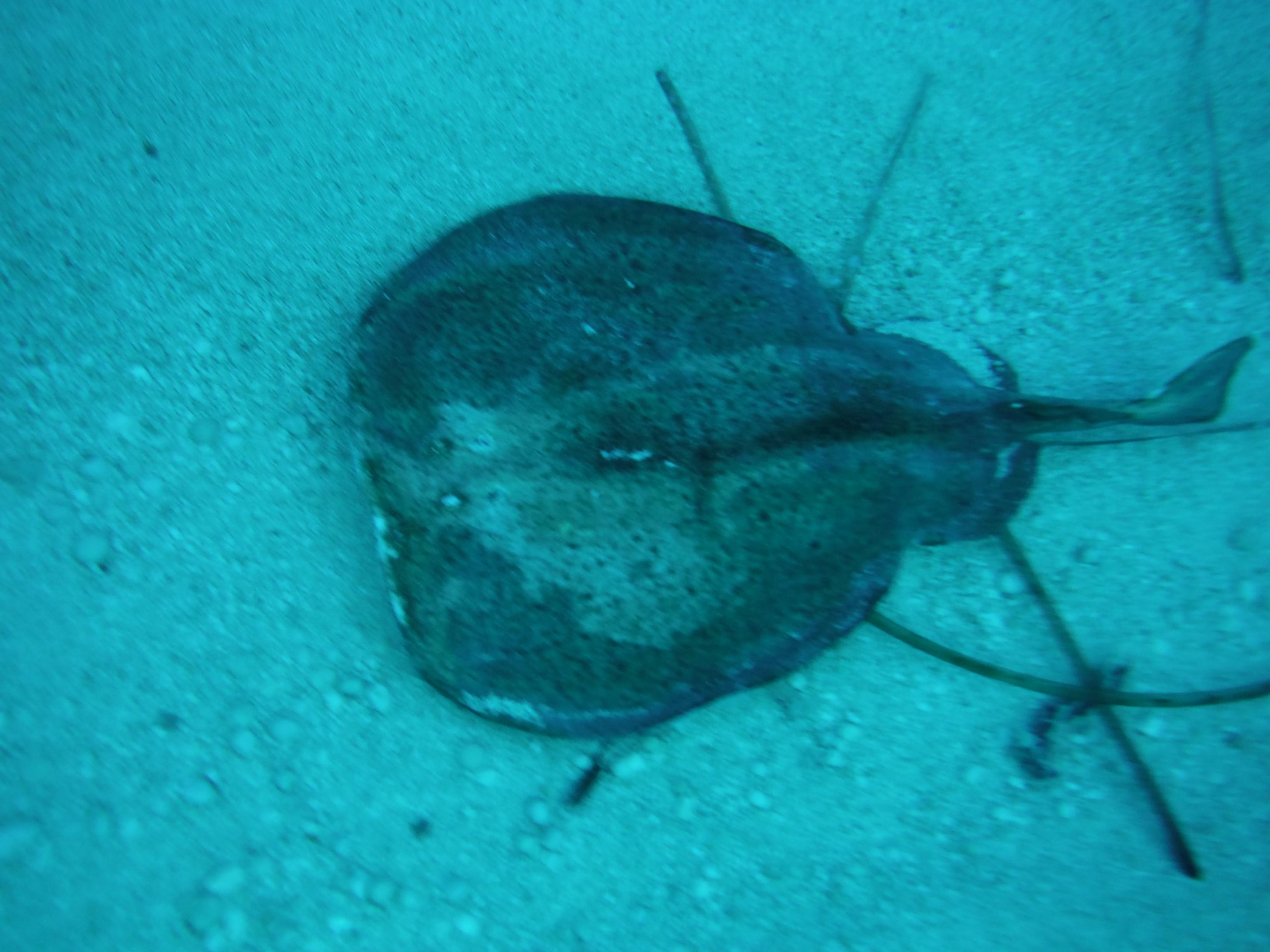
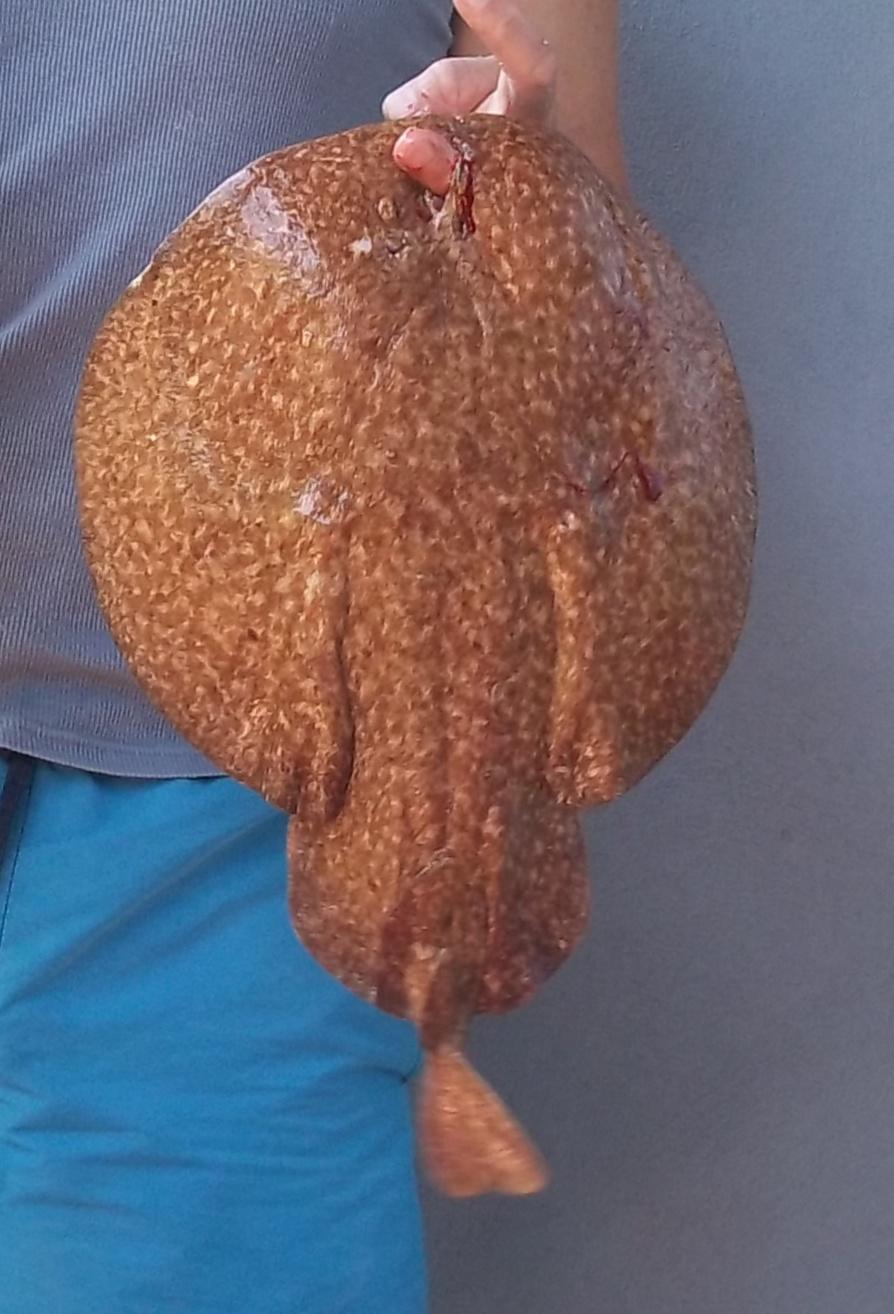
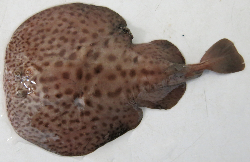
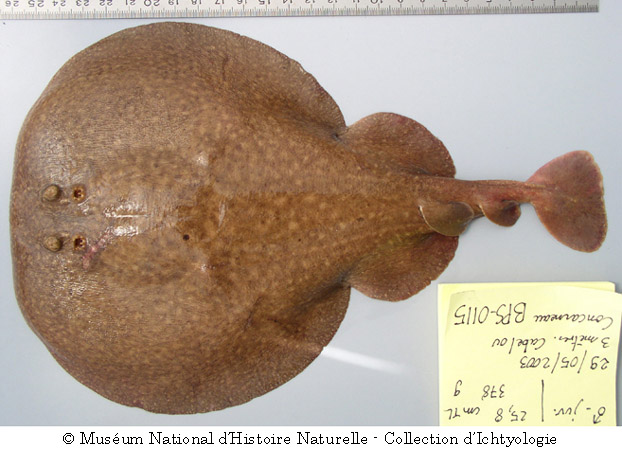
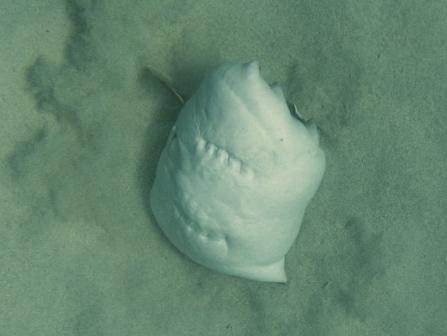
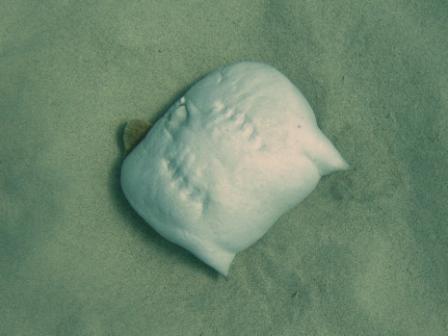
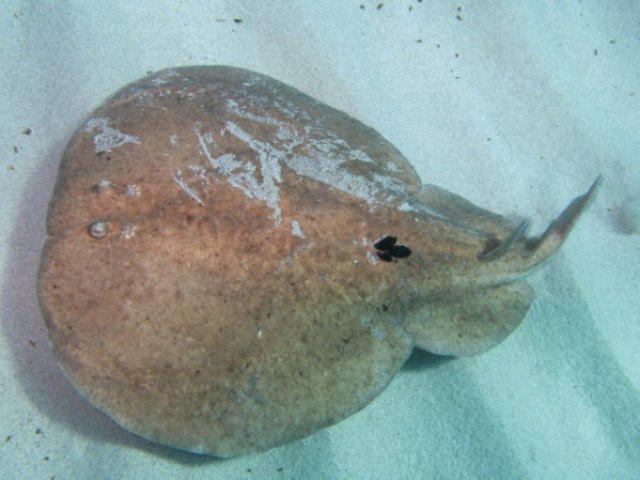
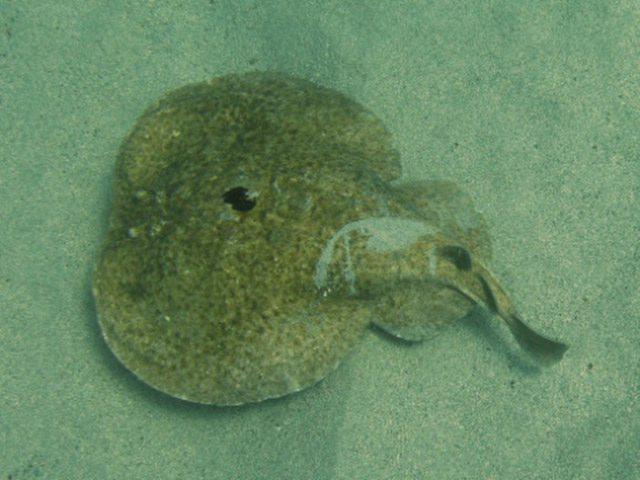
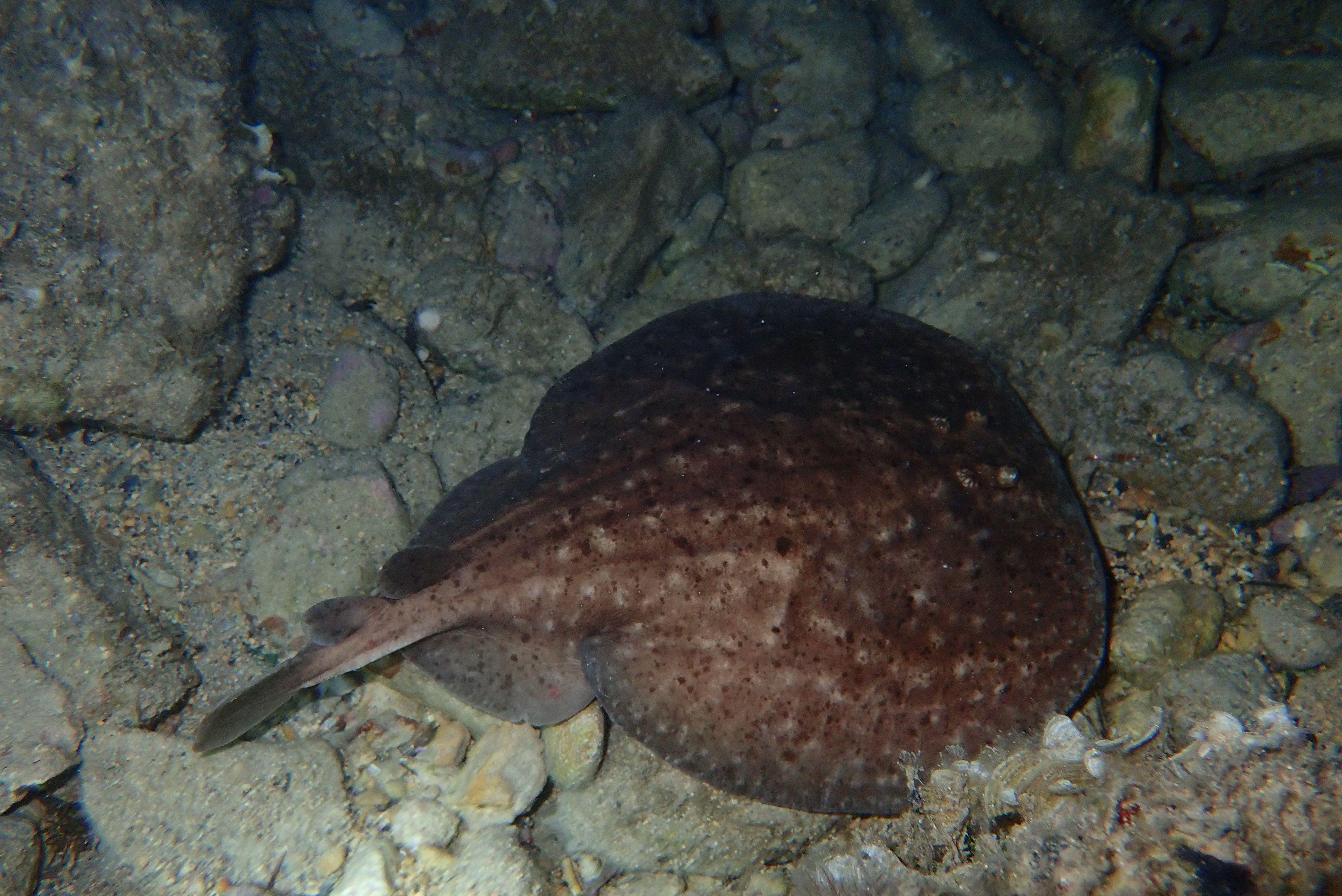
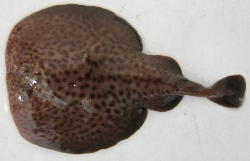
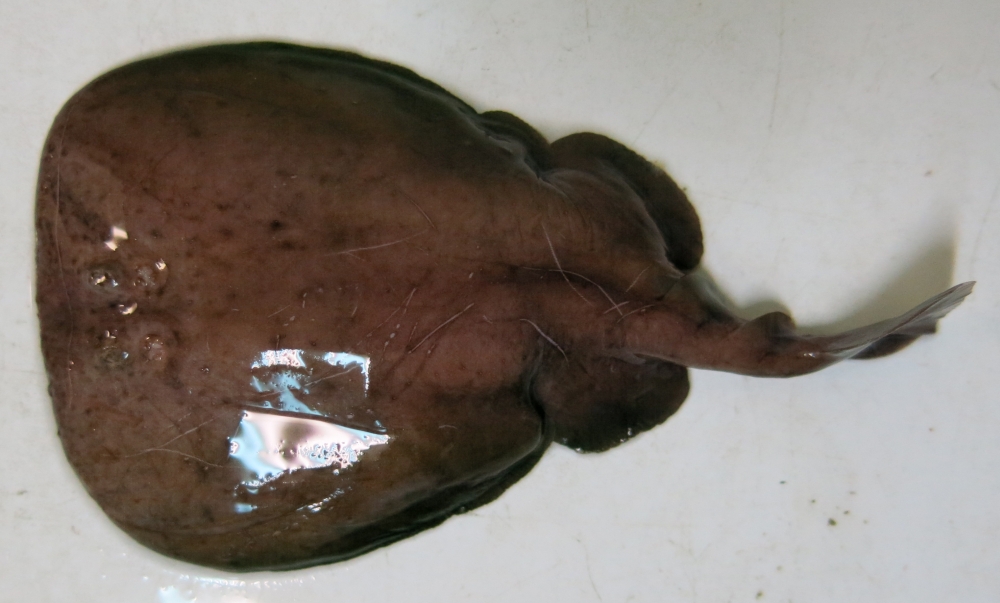
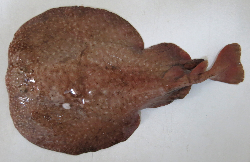
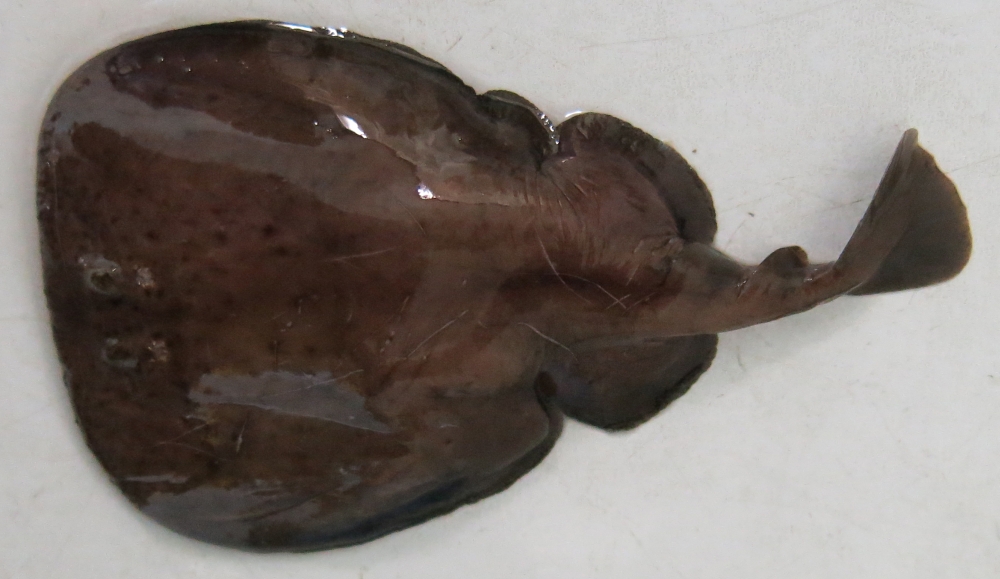
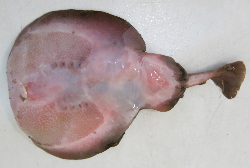
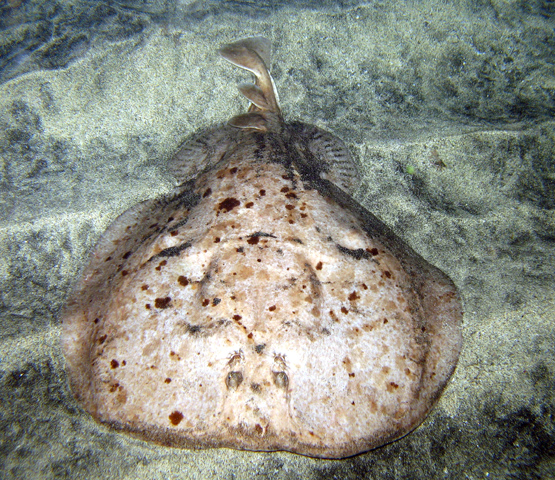
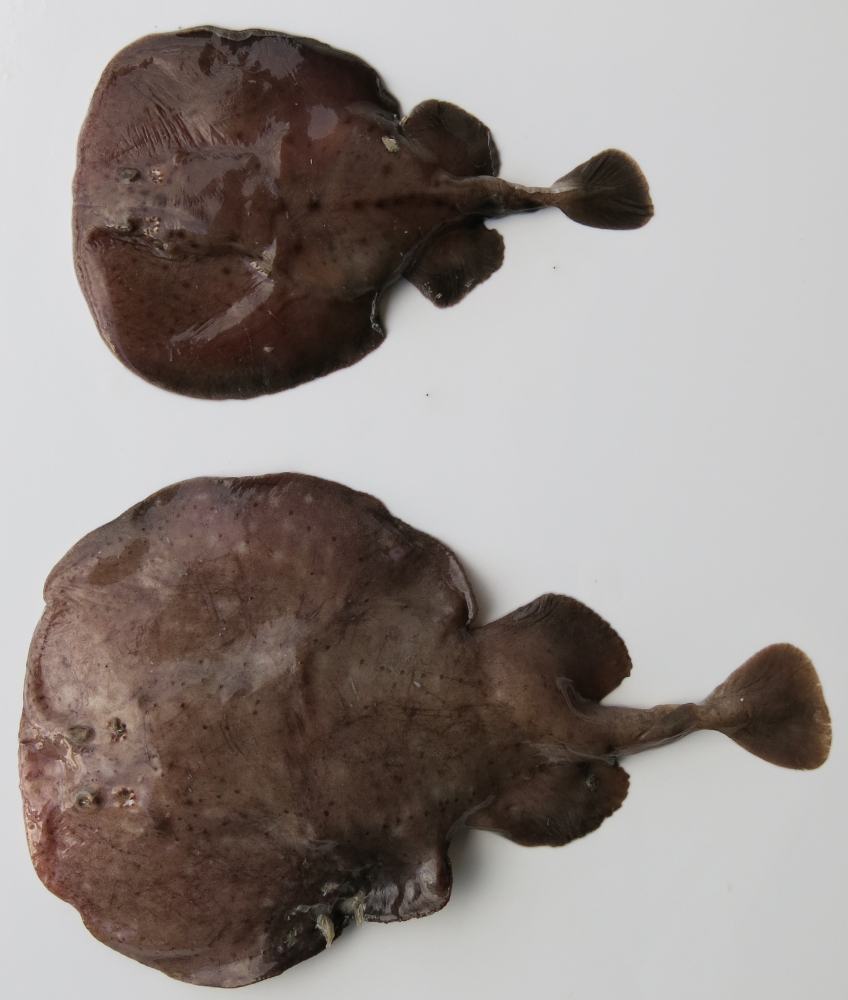
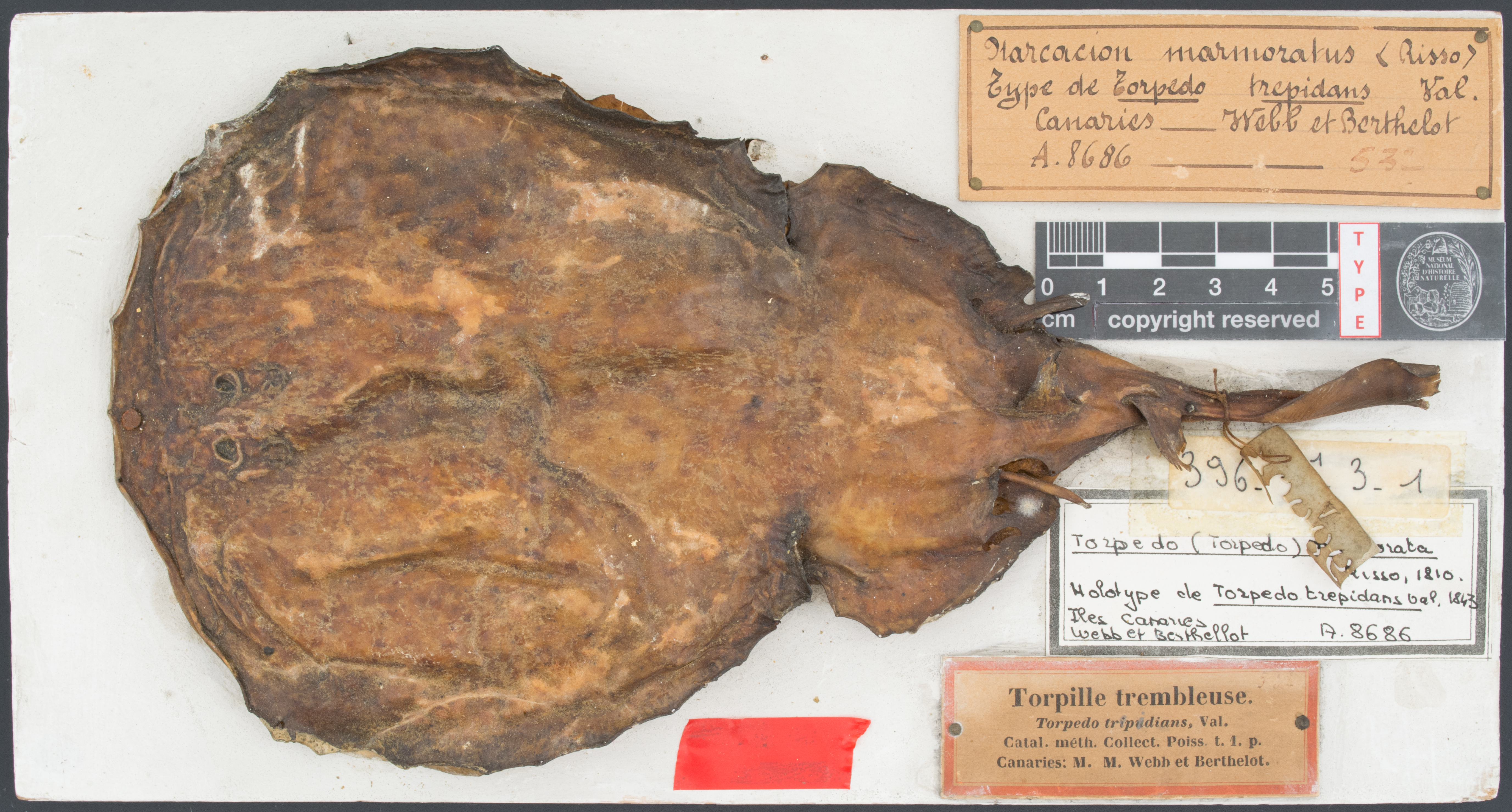
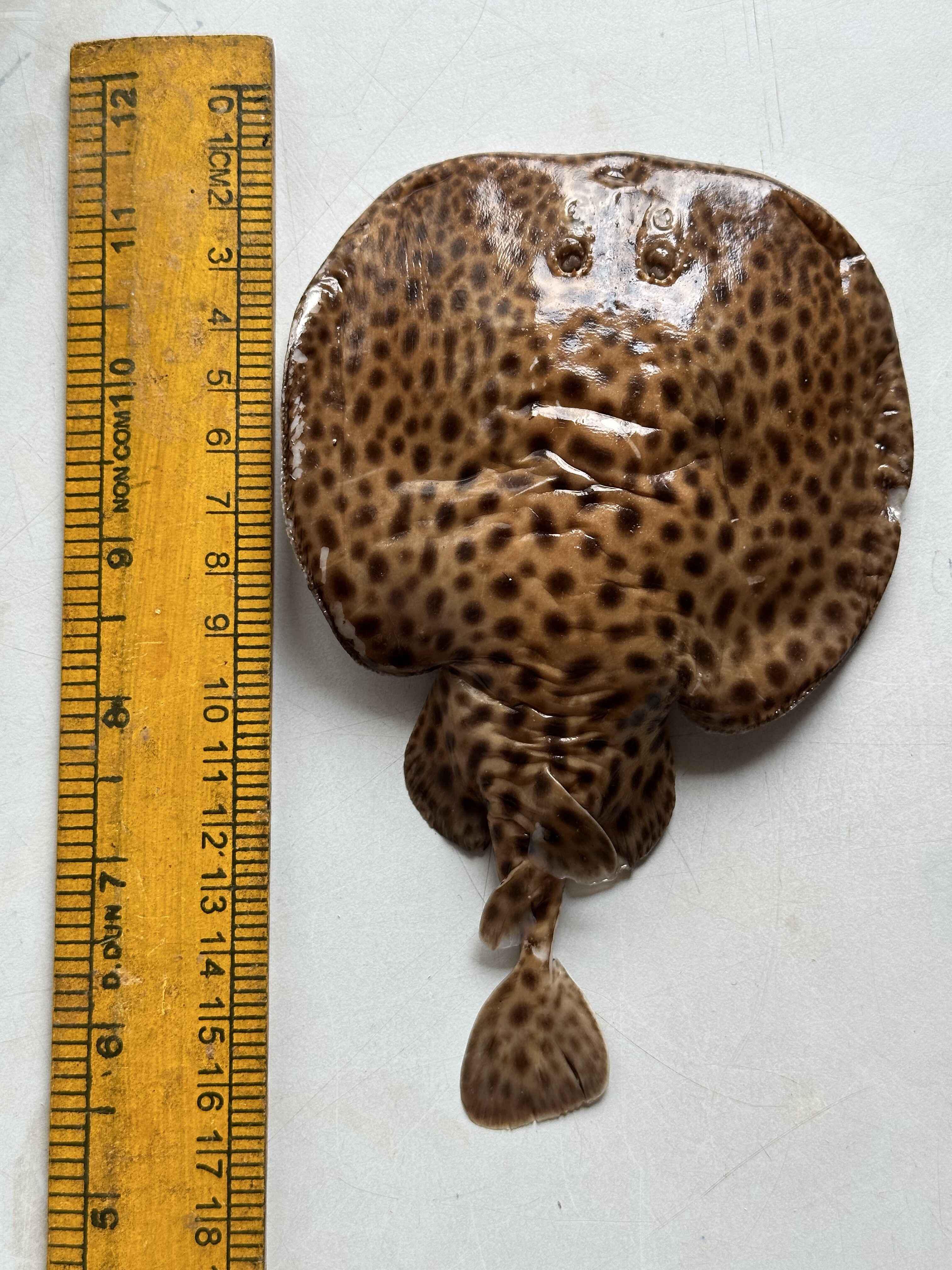
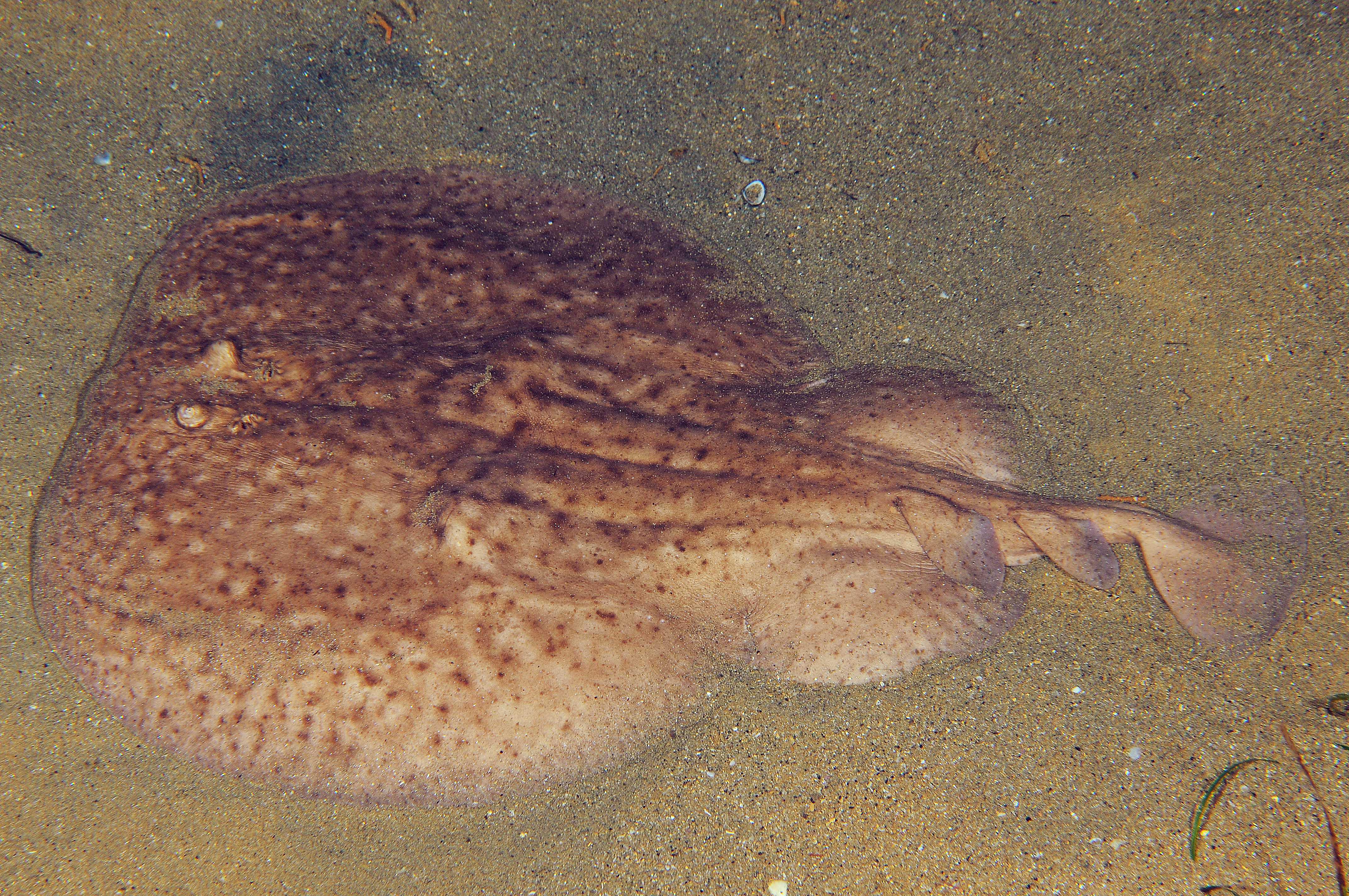
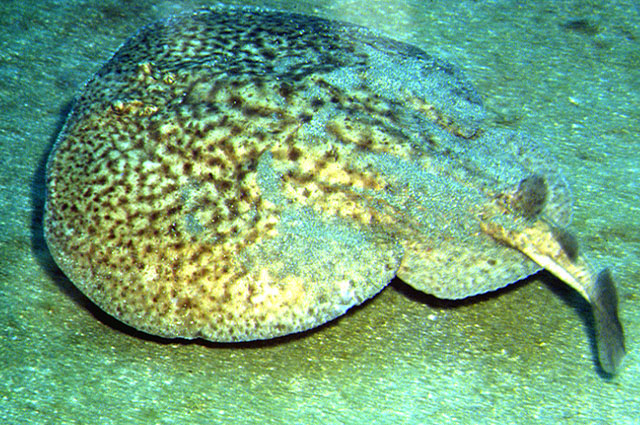
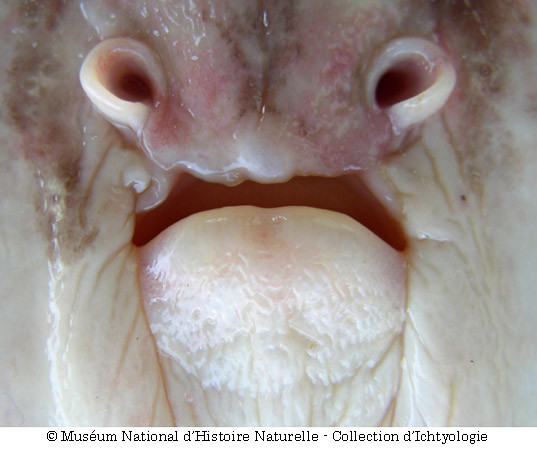
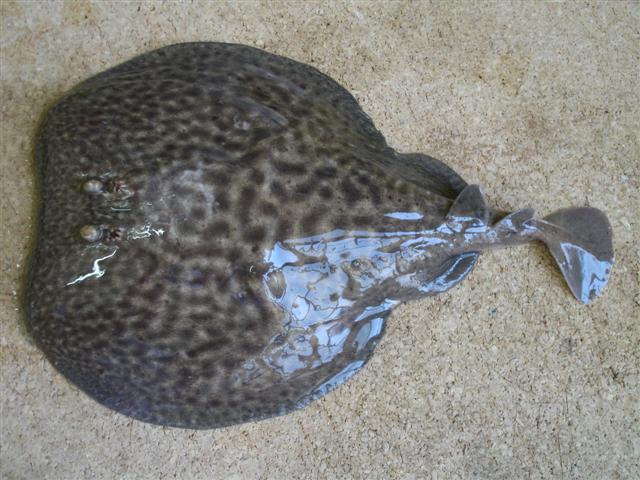
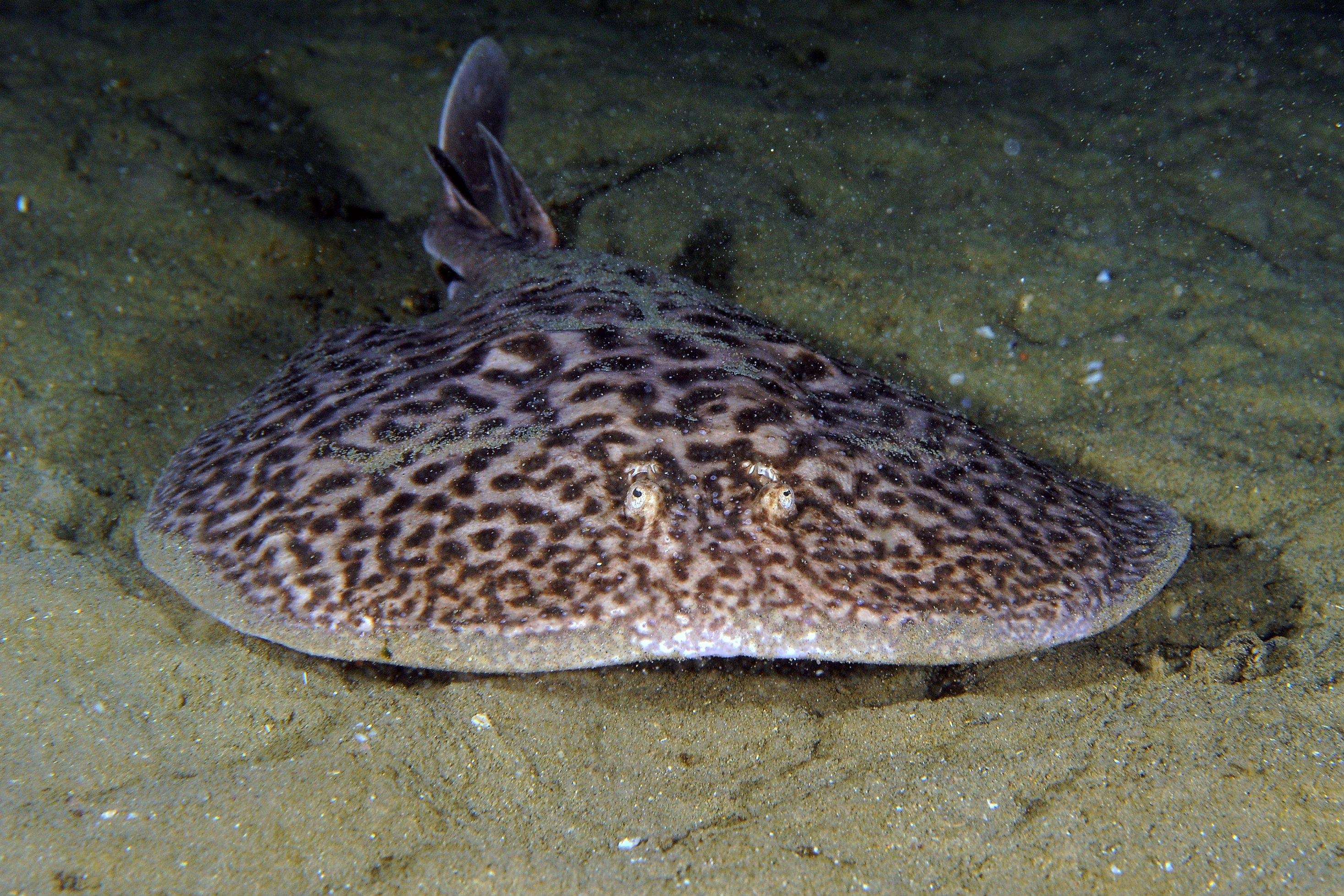
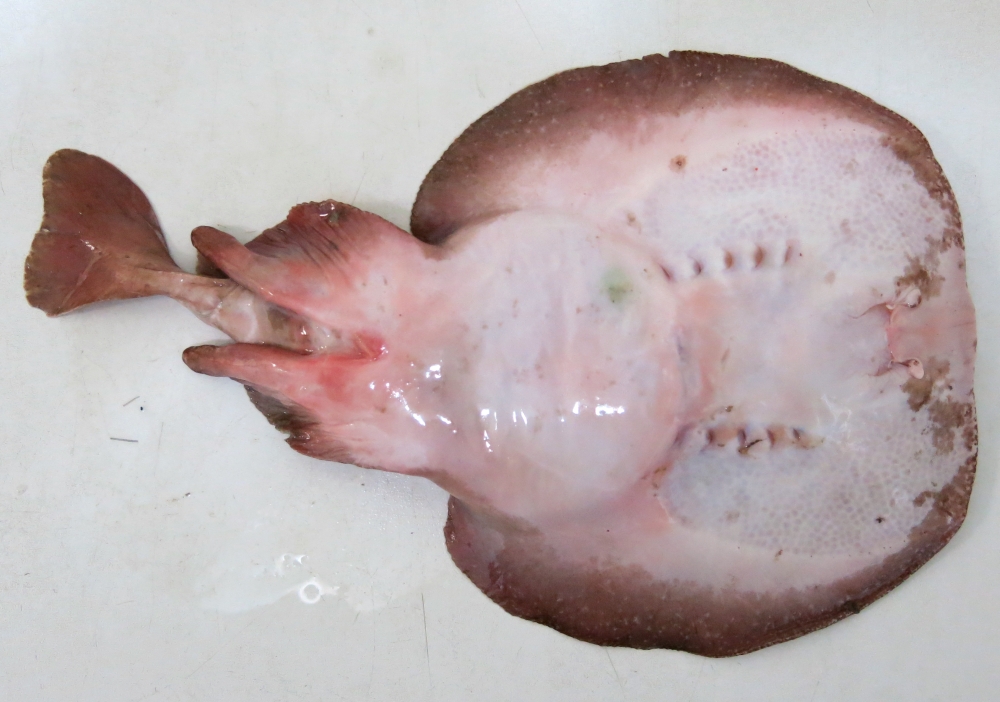
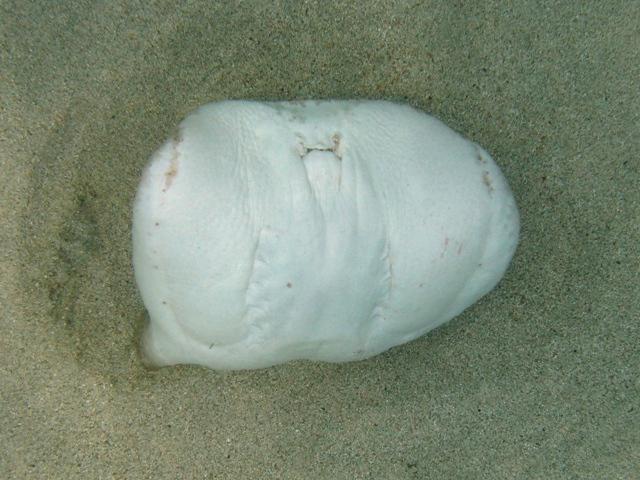
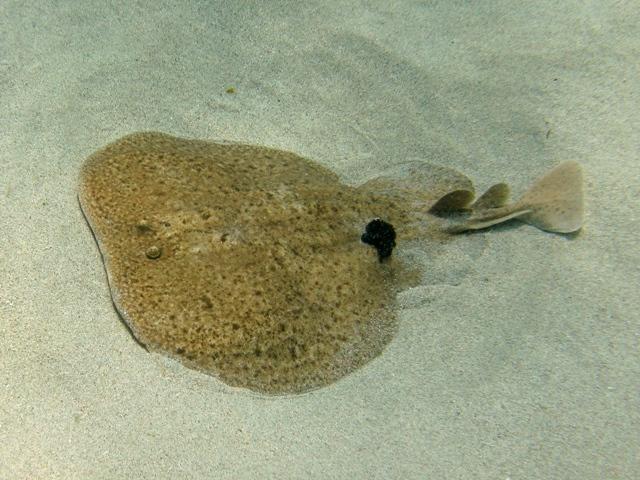
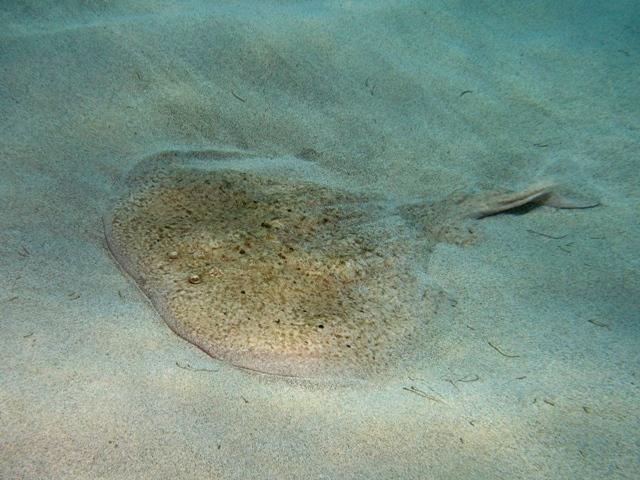
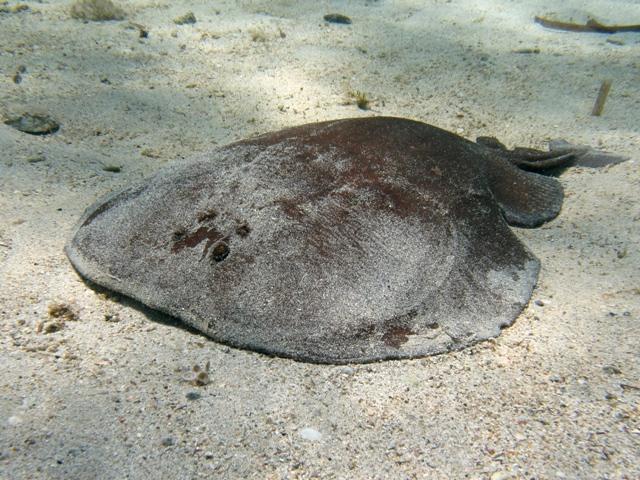
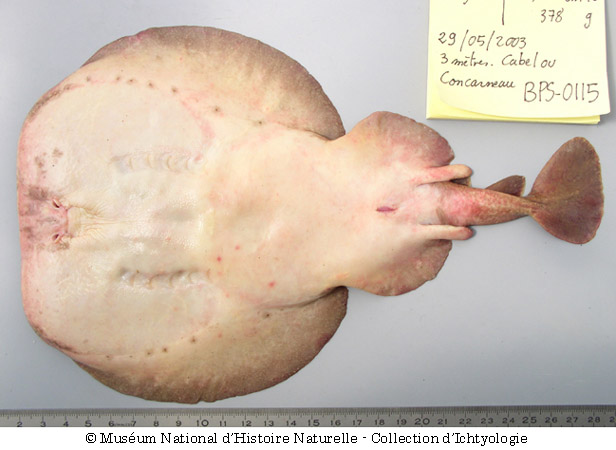
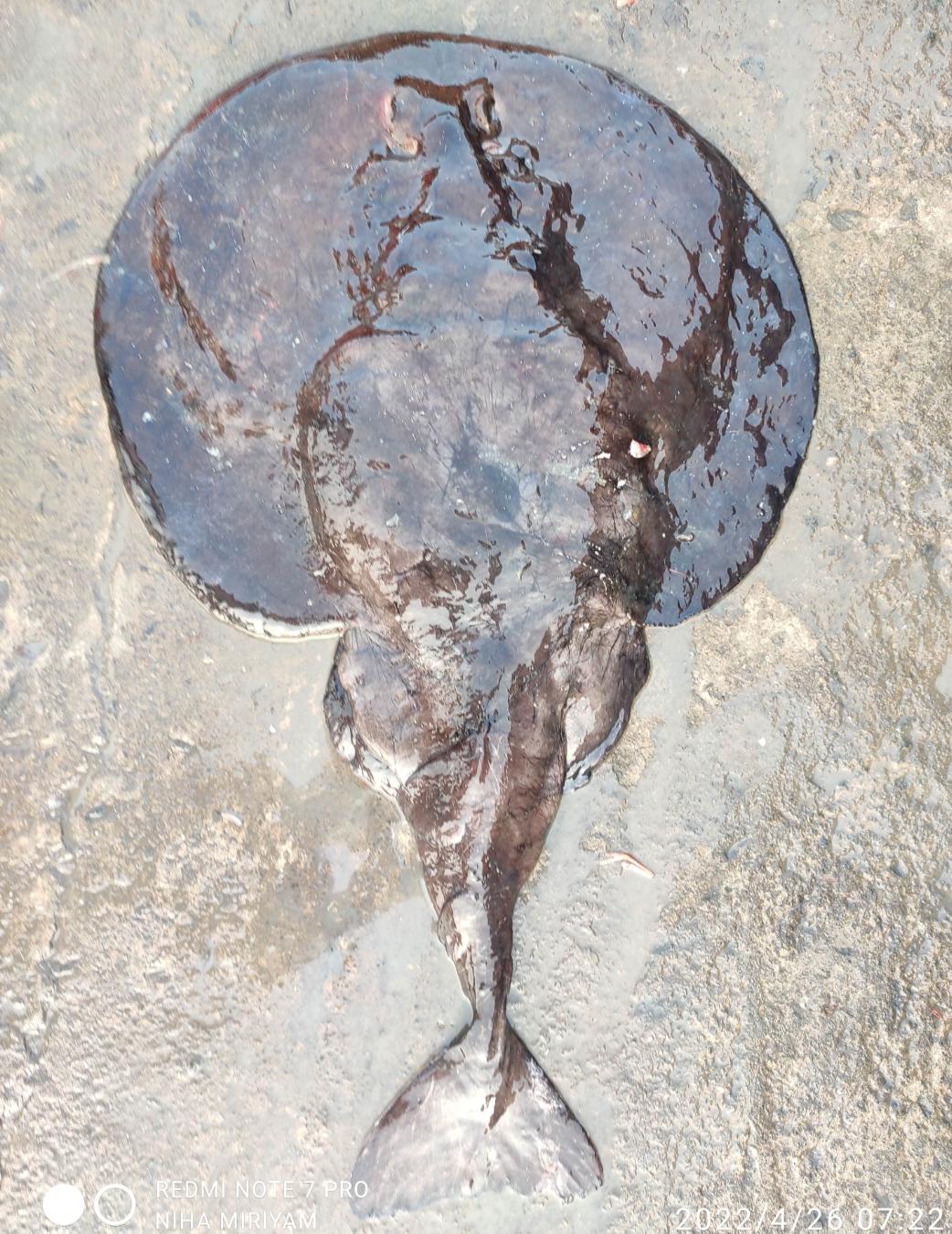
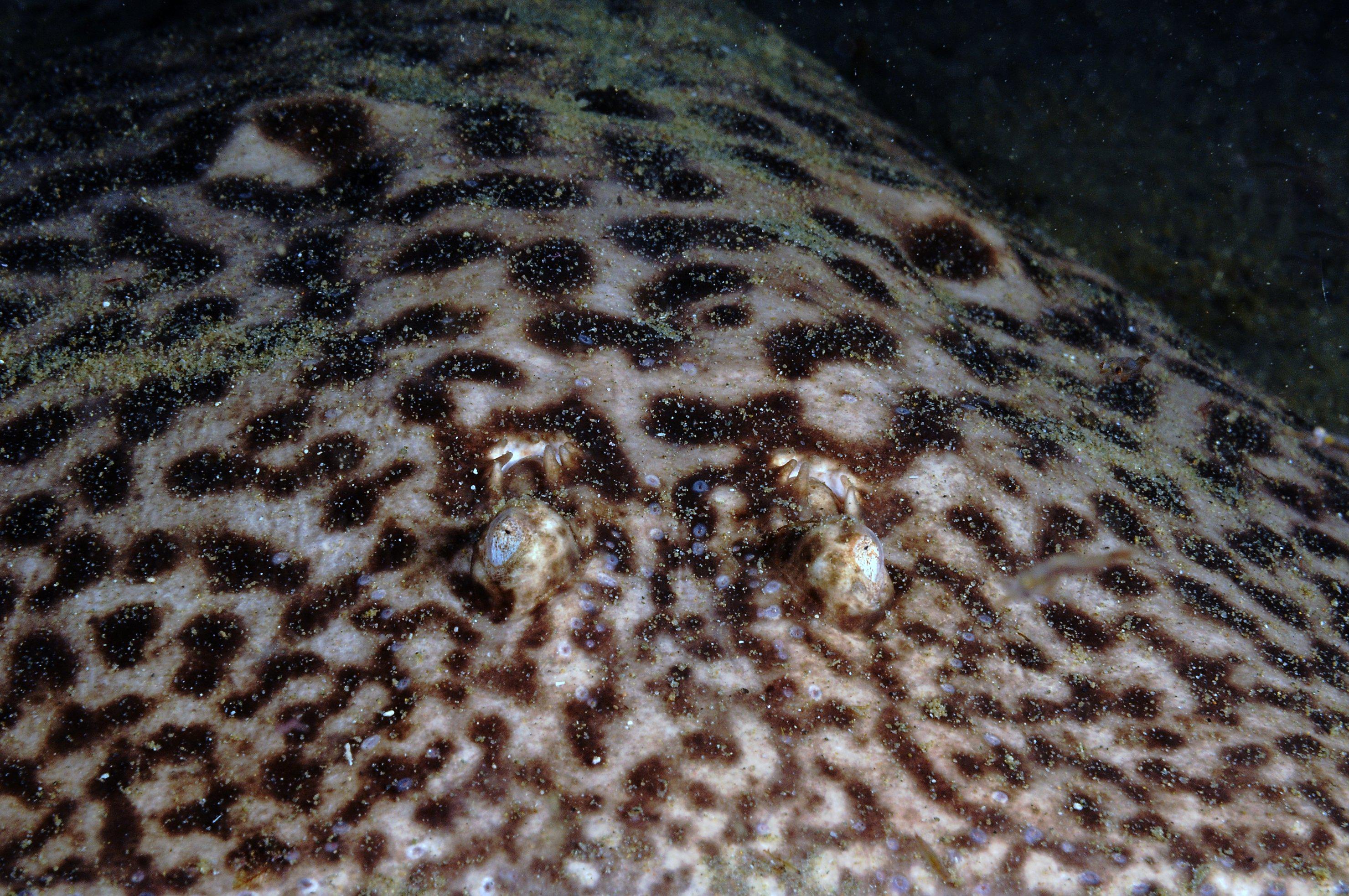
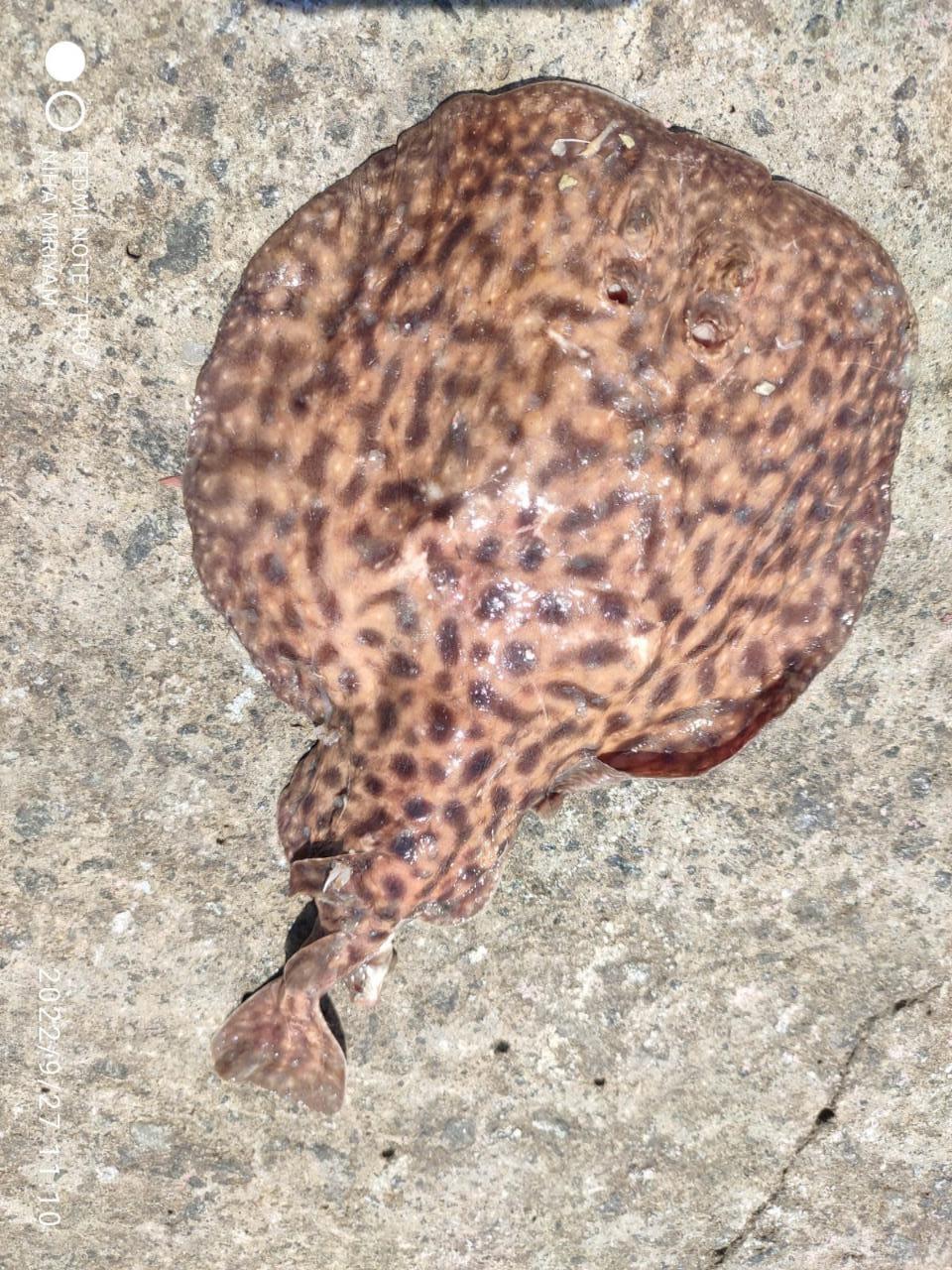
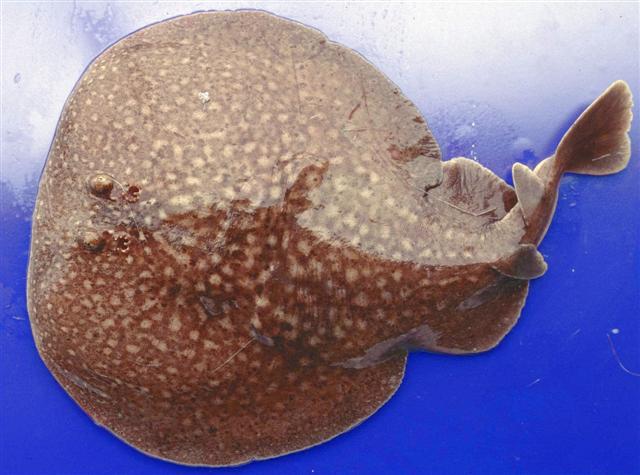
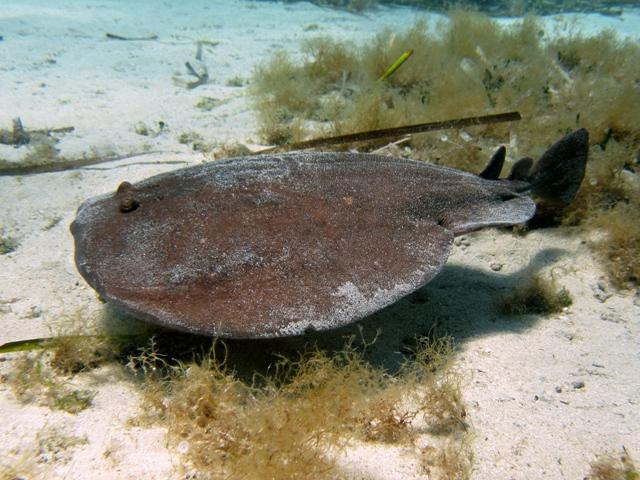
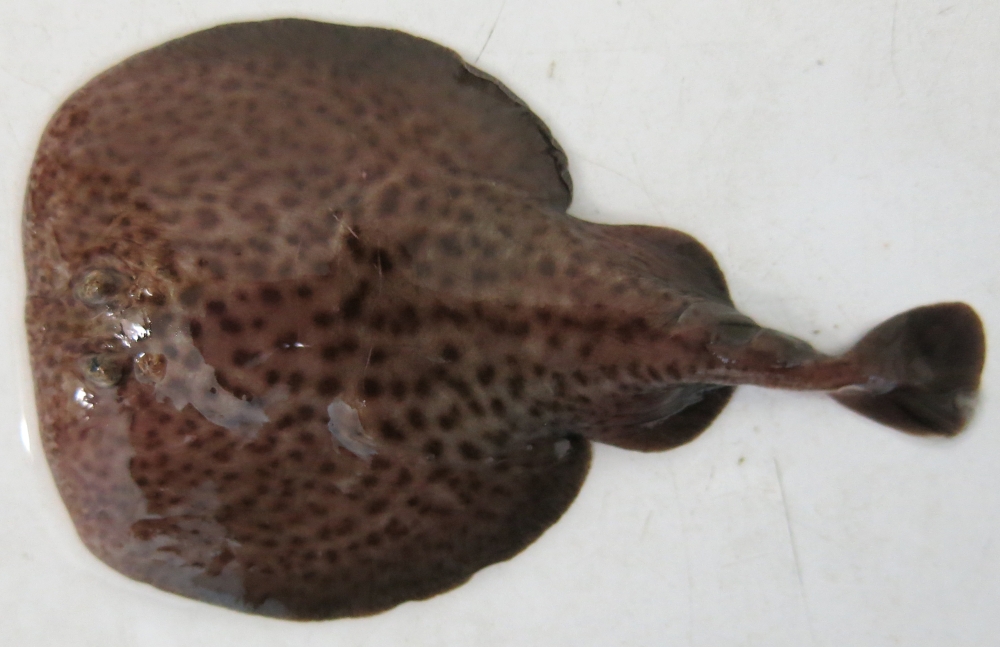
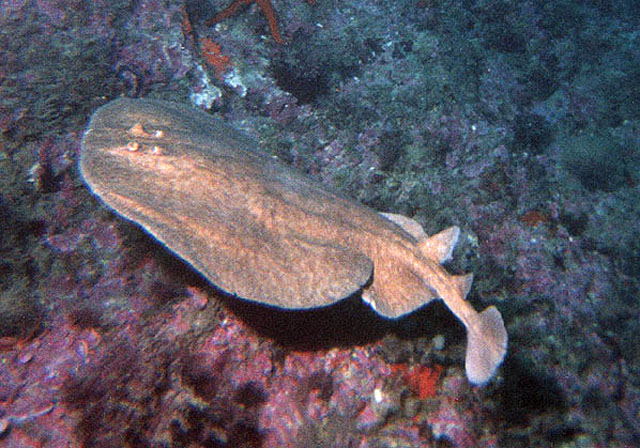
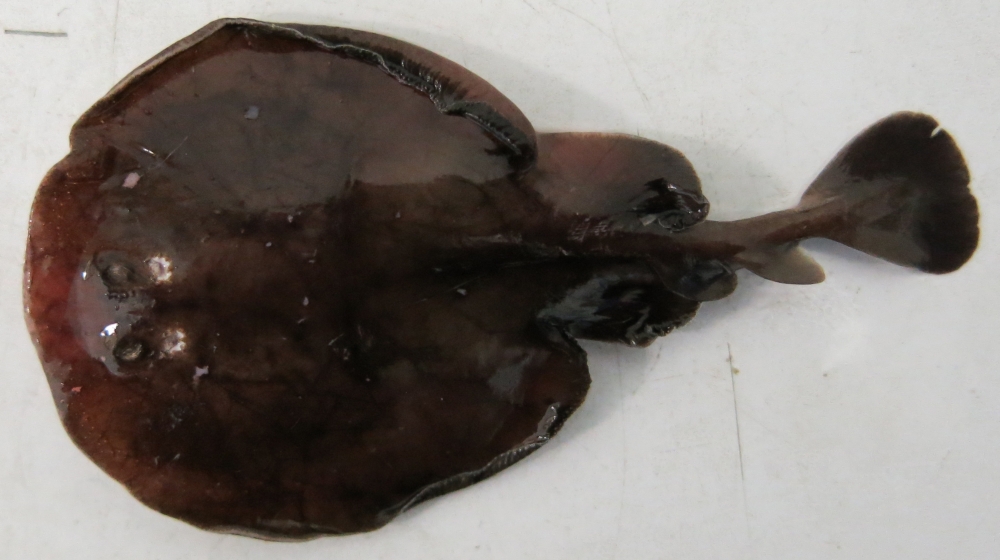
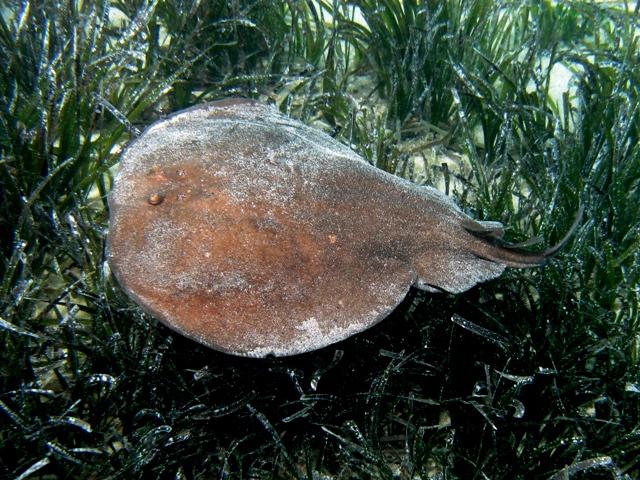
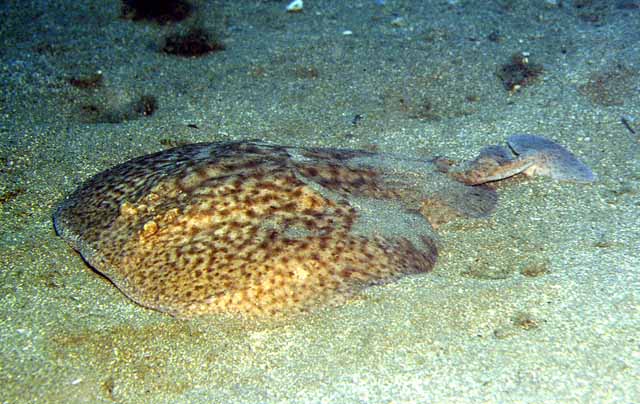
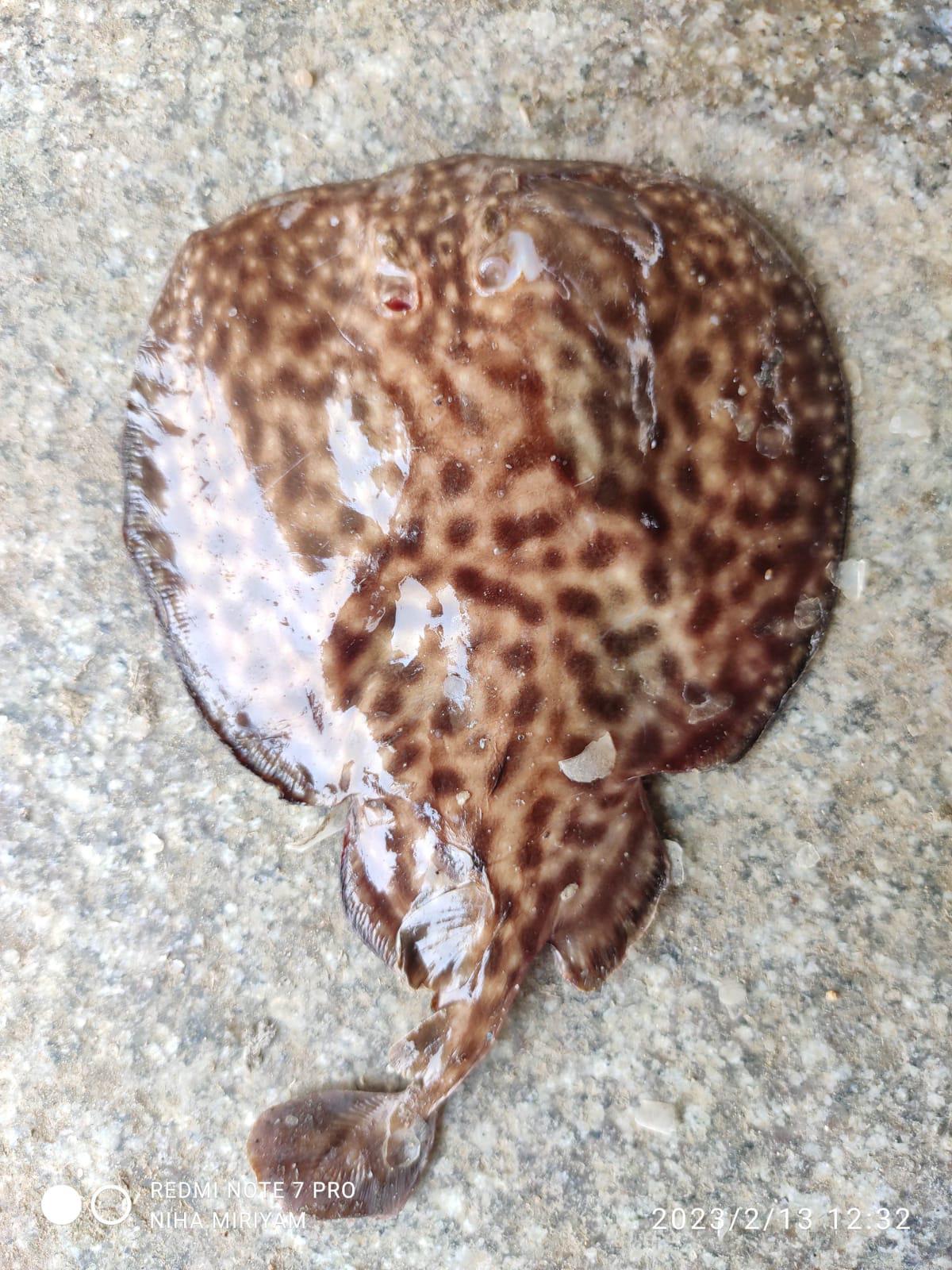
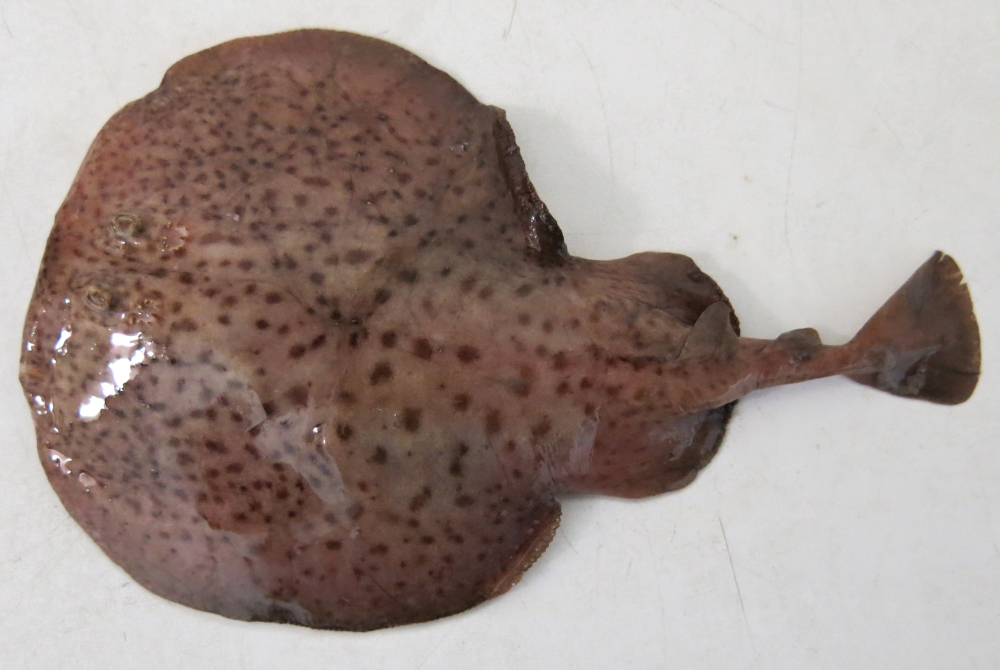
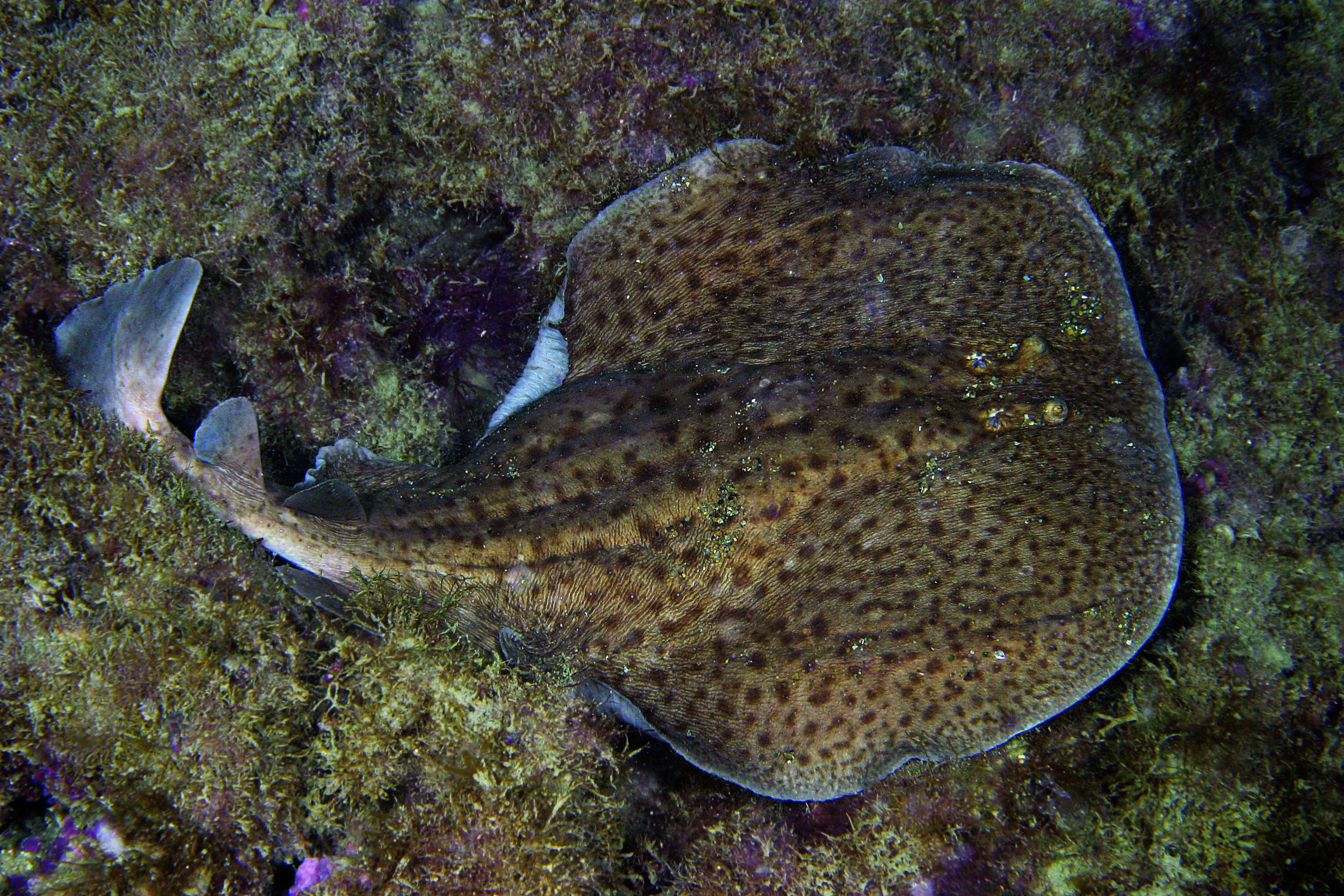
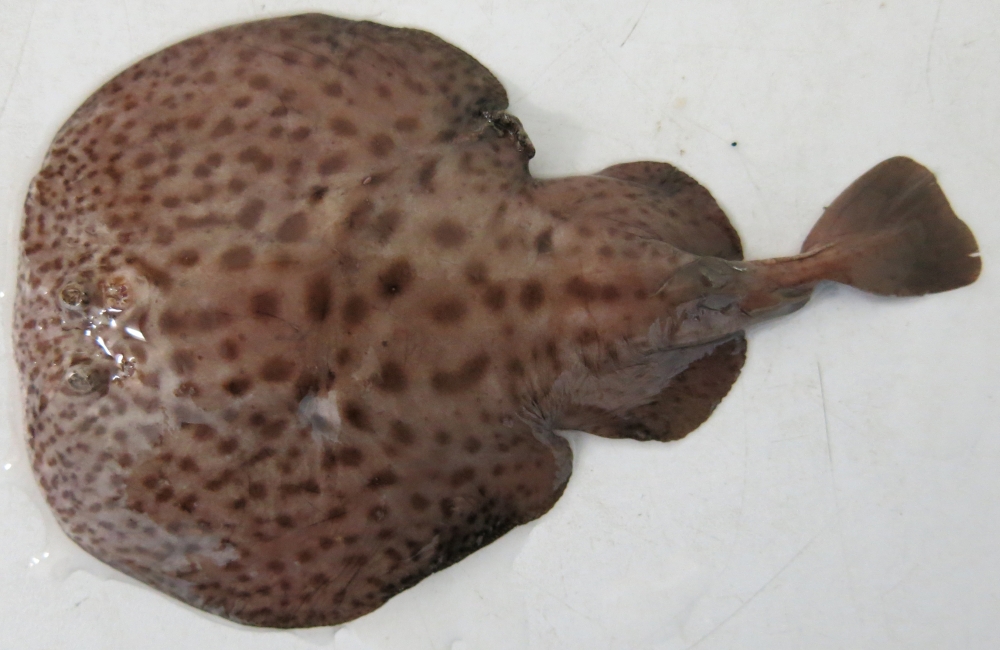

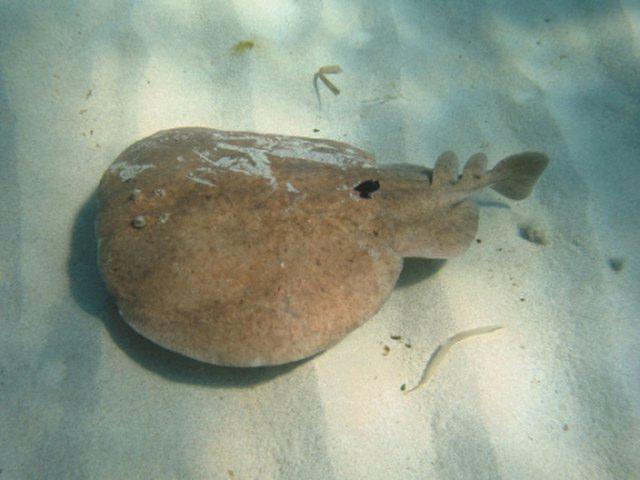
Description
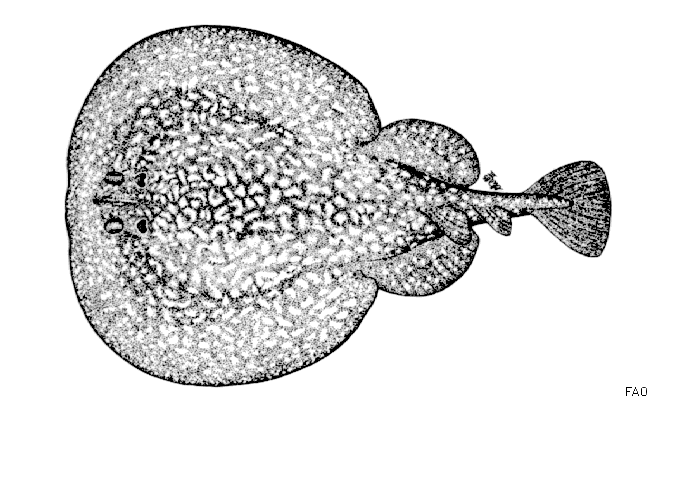
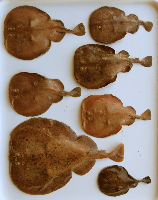
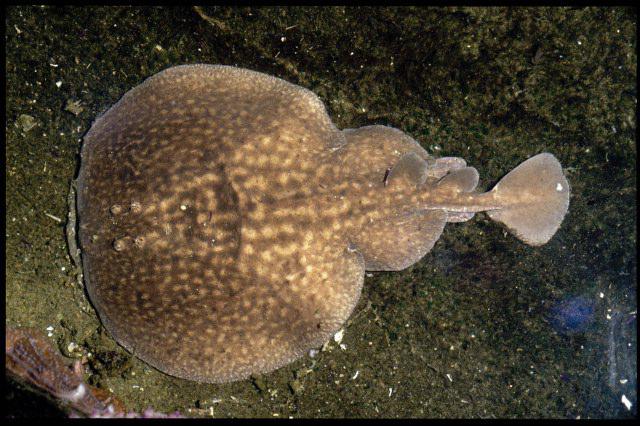
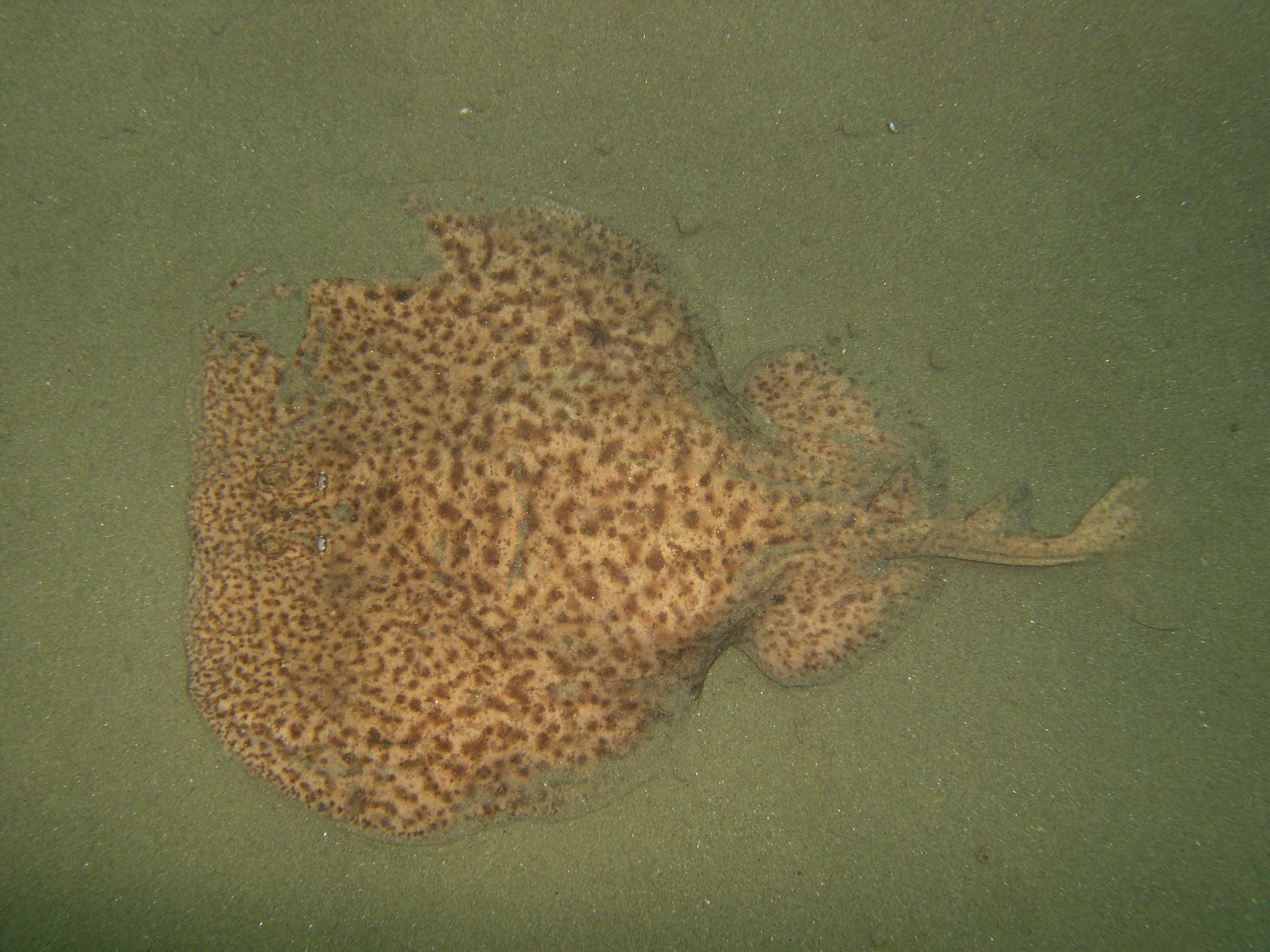
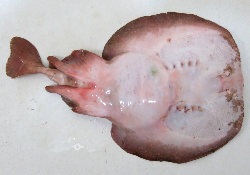
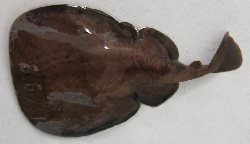
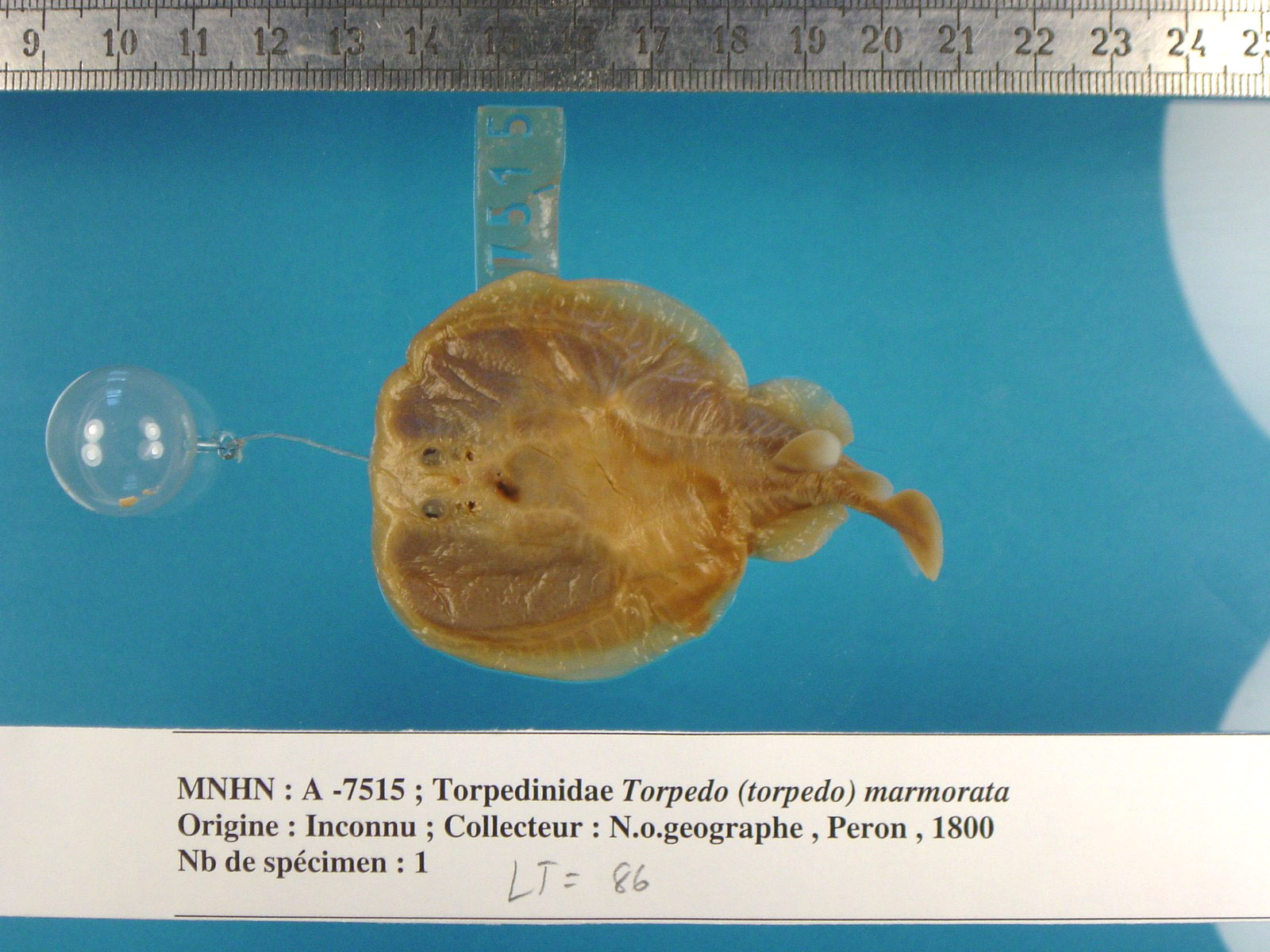
Dorsal spines (total): 0; Anal spines: 0; Vertebrae: 104 - 108. Disc-width around the same as its length, length and width 1,50 to 1,70 times in total length; dorsal fins more or less rounded, its base 1,50 times in its height (Ref. 39215).
Common Names
Taxonomic Hierarchy
Kingdom: Animalia
Phylum: Chordata
Class: Elasmobranchii
Order: Torpediniformes
Family: Torpedinidae
Genus: Torpedo
Species: Torpedo marmorata Risso, 1810
Climate Zone
Biology
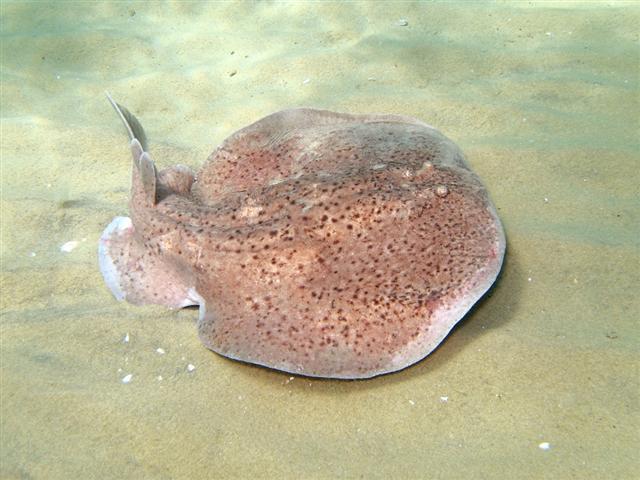
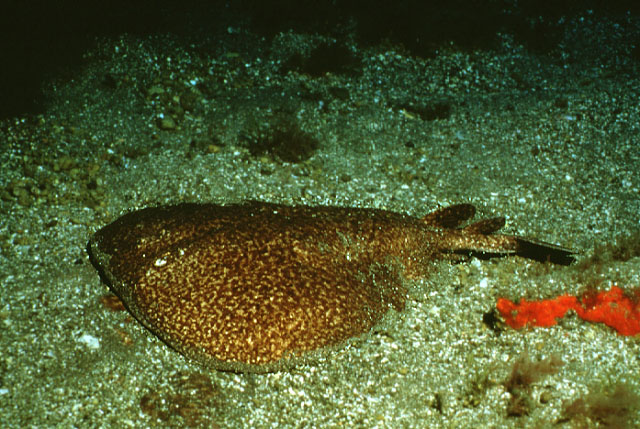
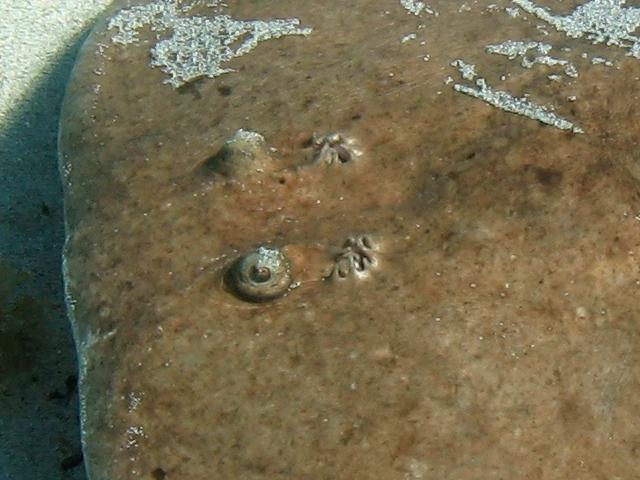
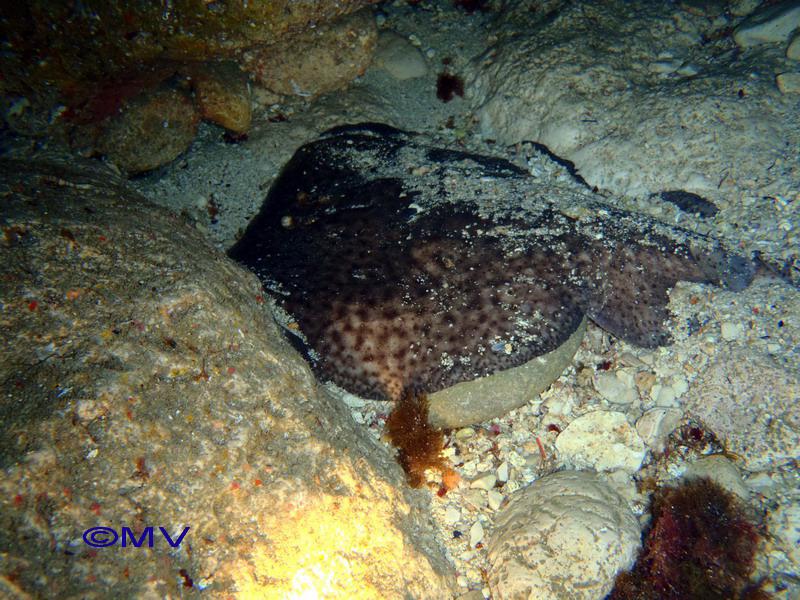
Occurs in seagrass areas, rocky reefs, and adjacent soft bottoms (Ref. 12951). Avoids temperatures above 20°C (Ref. 10011). Nocturnal, usually burying itself during the day with only the eyes and spiracle jutting out (Ref. 12382). Feeds on small benthic fishes Trachurus, Mugil, Mullus, Dicentrarchus, Spondyliosoma, Boops, Labrus, Dascyllus, Pomacentrus) and crustaceans (Ref. 10011). Females outlive males; viviparous, neonates measuring 10-14 cm at birth (Ref. 10426). Produces 2-32 pups in a litter after a 10-month gestation (Ref. 12951, Ref. 114953). Males reaches maturity at ca. 30 cm TL, females at ca. 40 cm TL; born at 10-14 cm TL (Ref. 114953). Electrocytes start developing when the embryo weighs about 1 g; electric organs functional before birth and newborns can use their electric organ discharge (EOD) in capturing prey (Ref. 10428). Can produce electric discharges of up to 200 volts; EOD frequency up to 600 Hz. Jumps on fast-moving prey, paralyzing it with its EOD (Ref. 27000).
Habitat
brackish
Conservation Status
Vulnerable
Threat to Humans
Other
Torpedo marmorata Risso, 1810