Belone belone (Linnaeus, 1761)



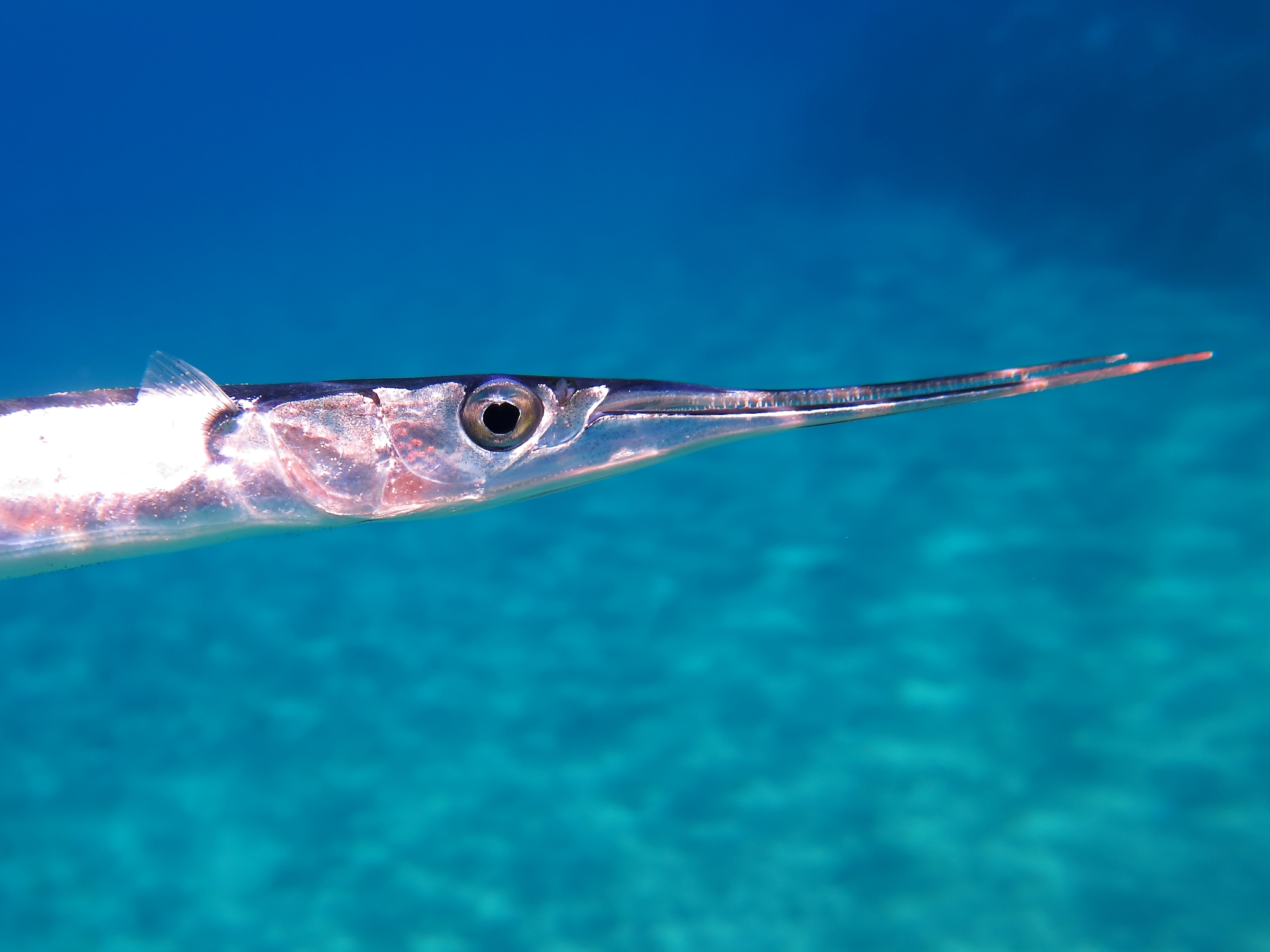
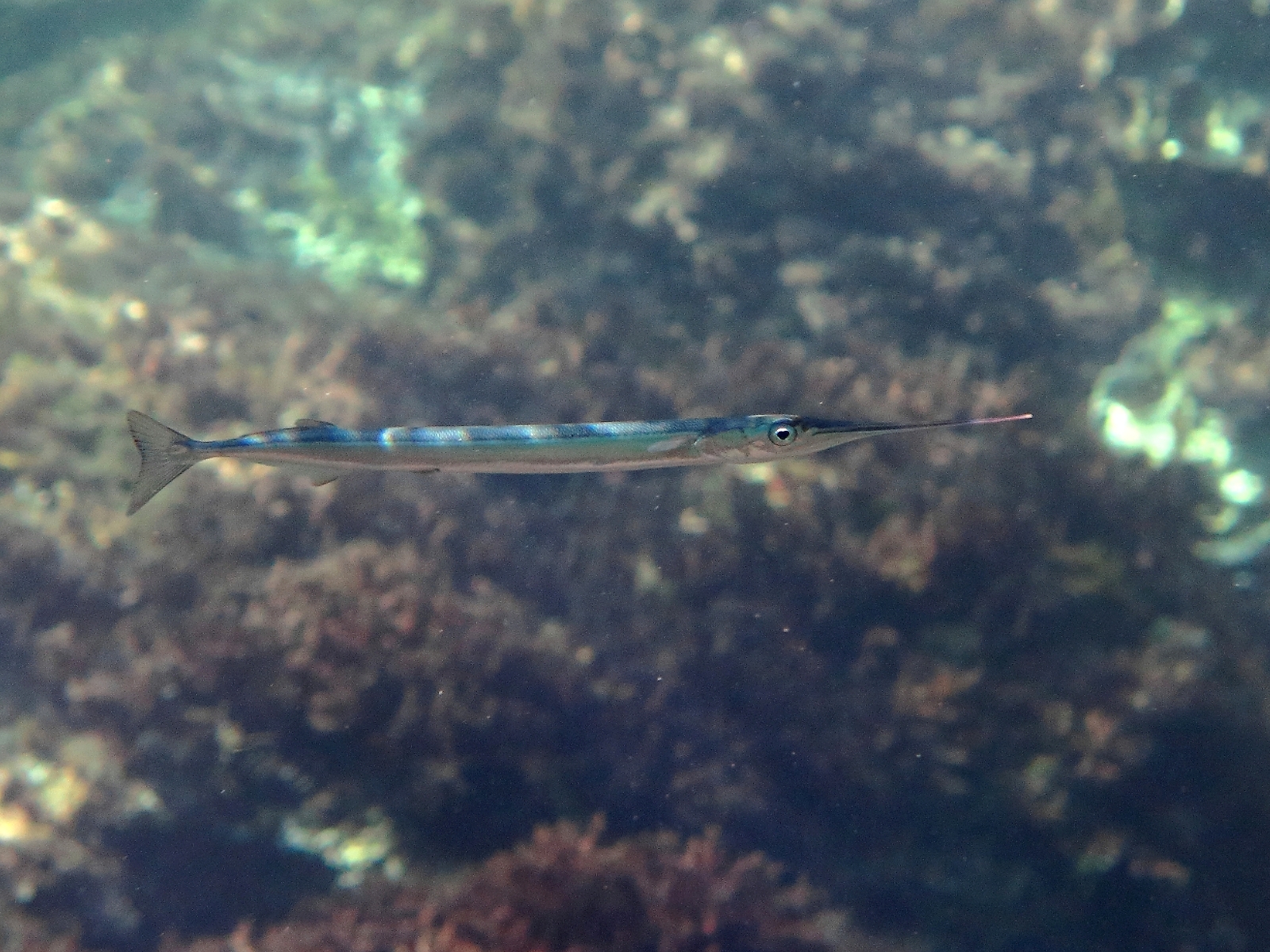



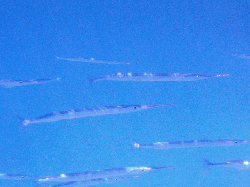
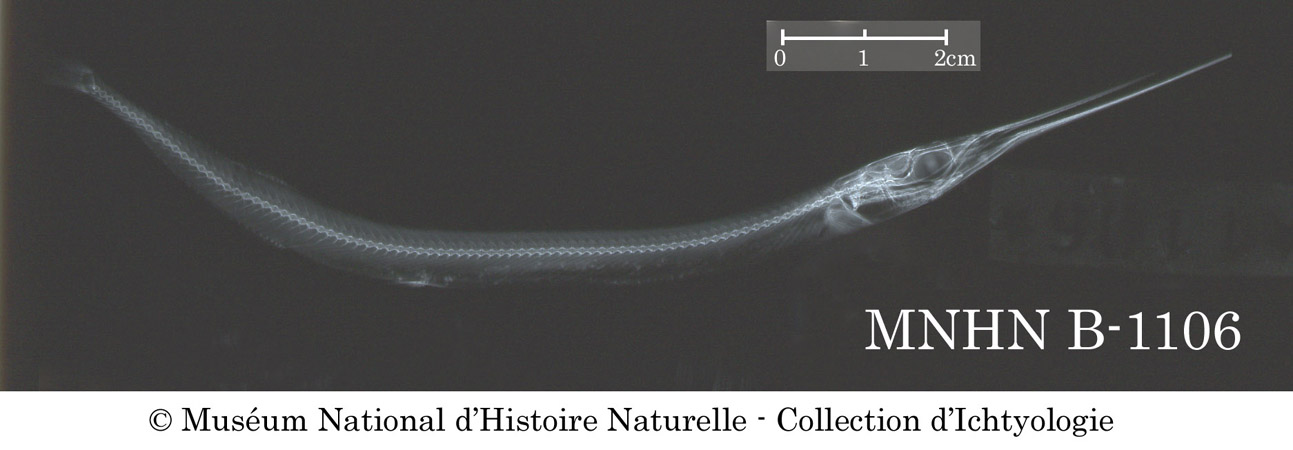
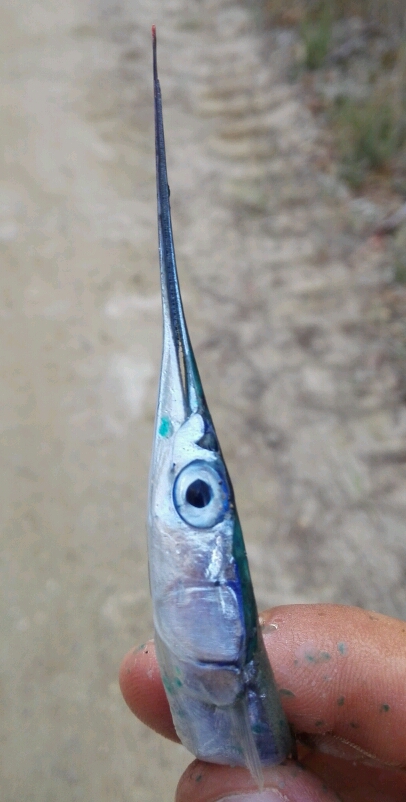
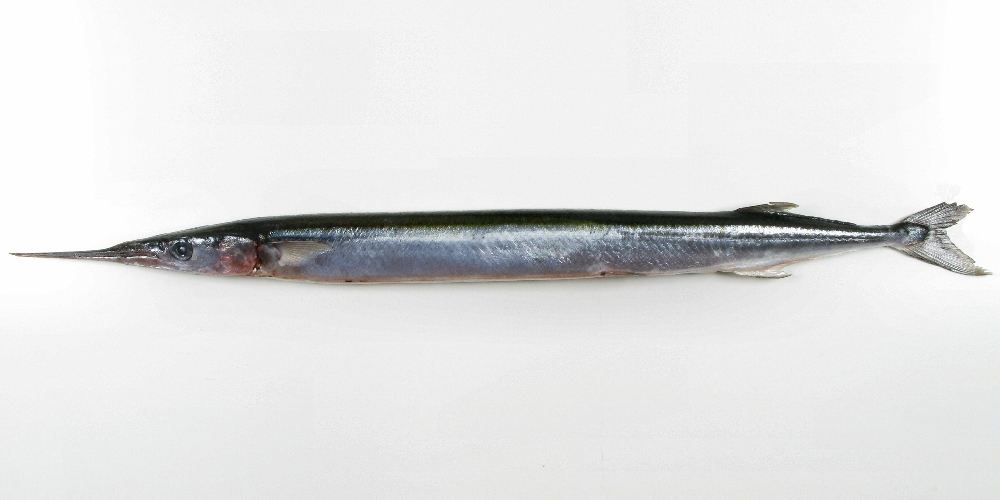

Description
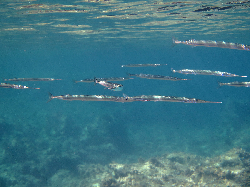
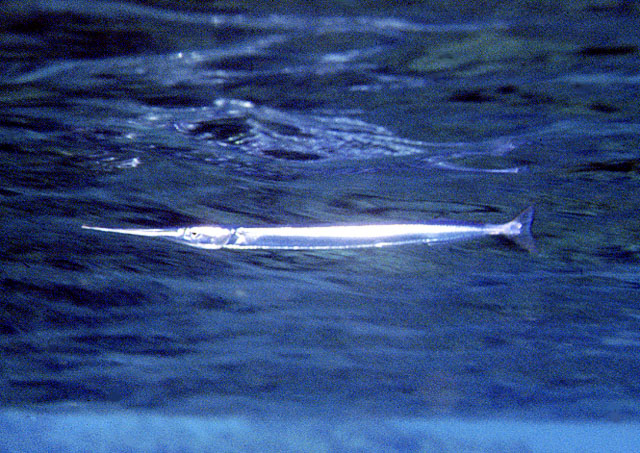
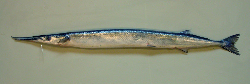
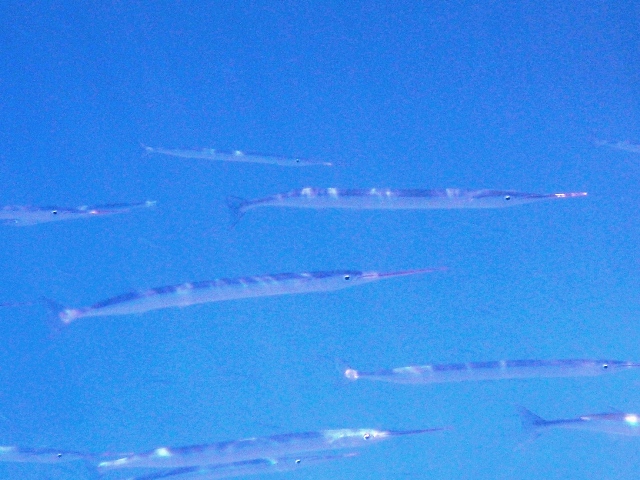
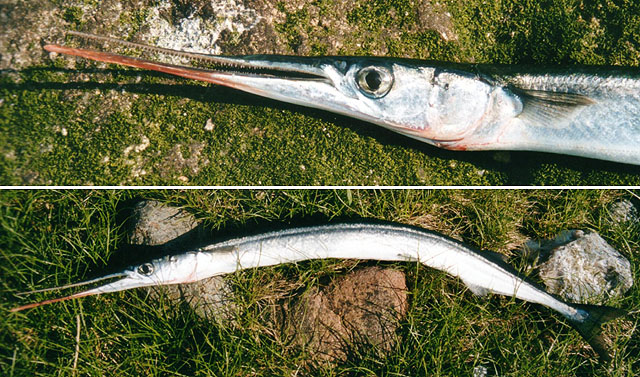
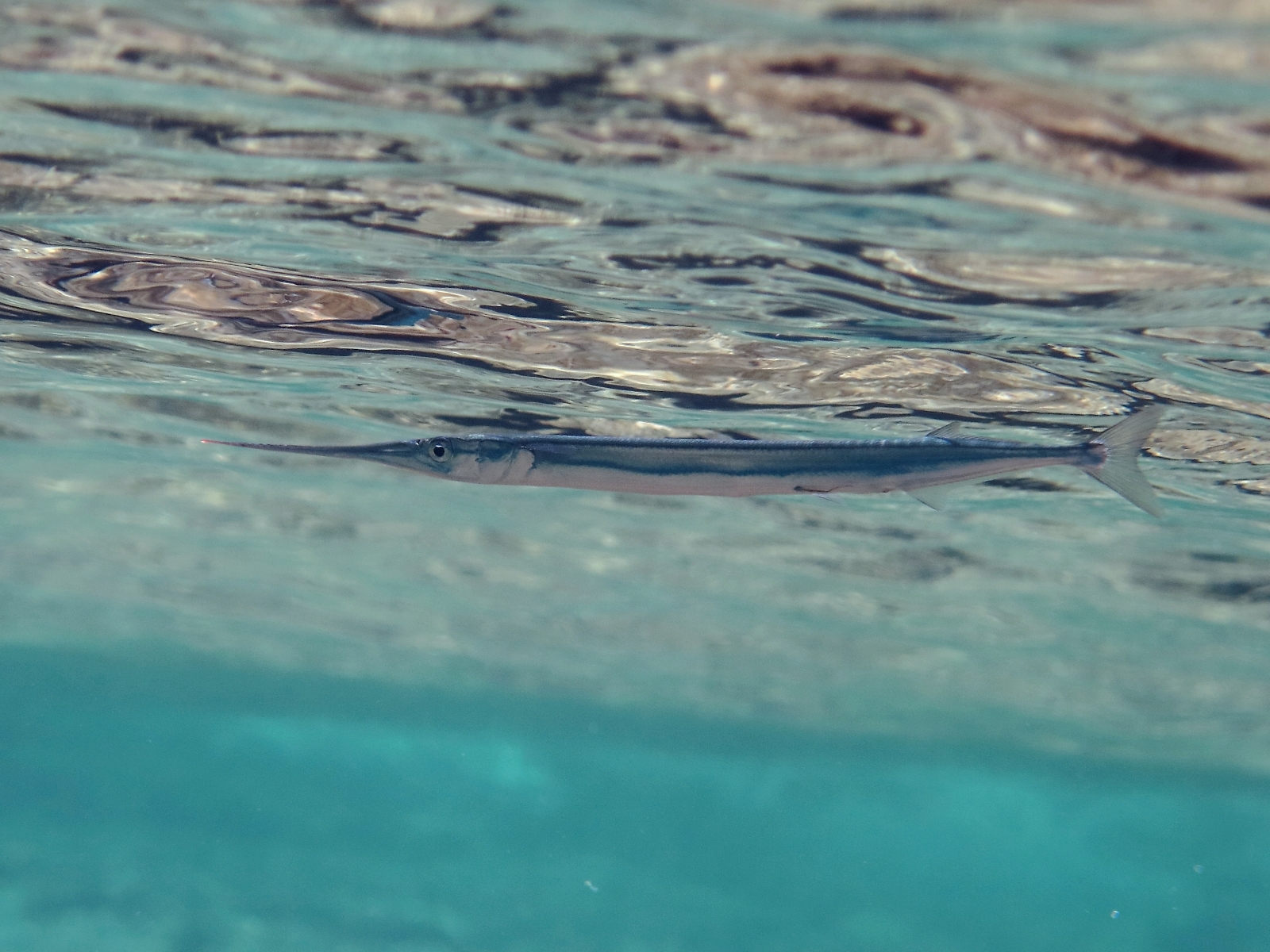
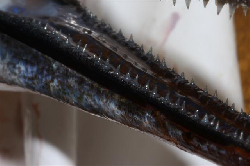
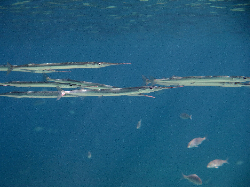
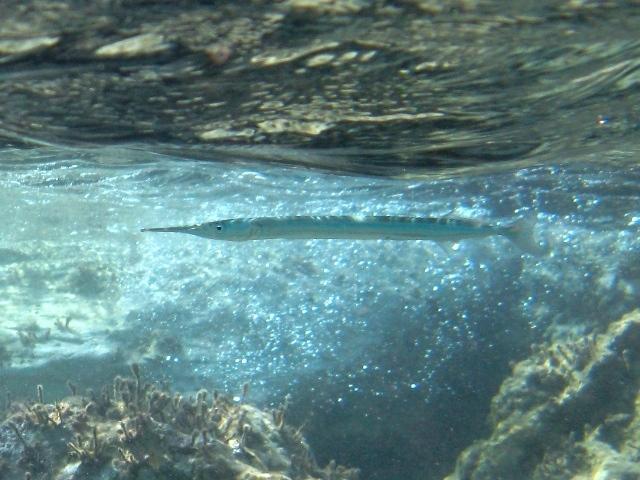
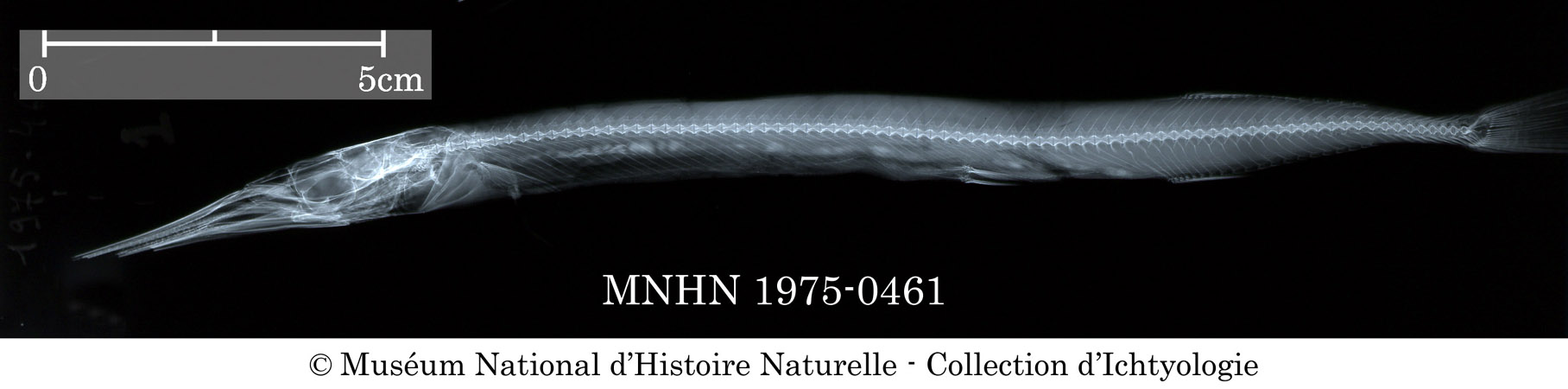
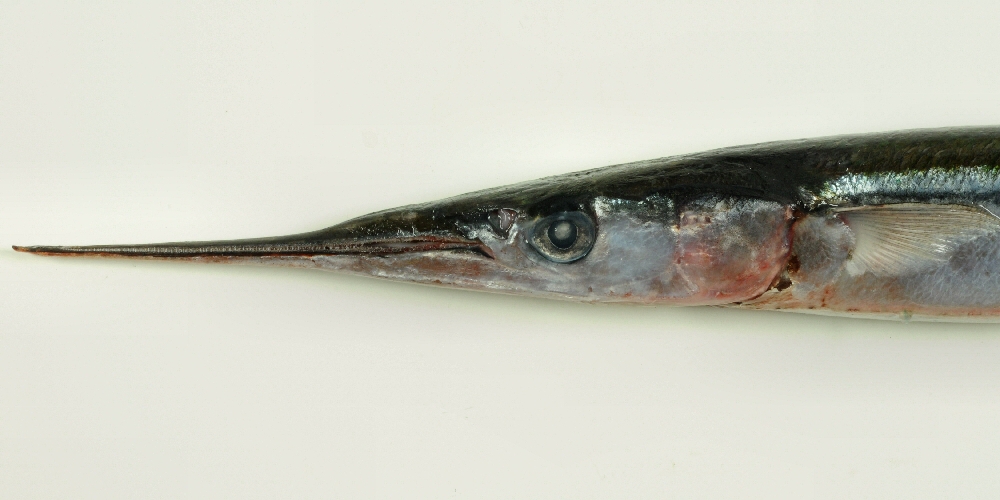
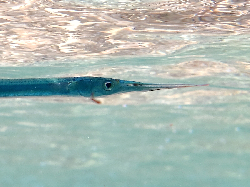
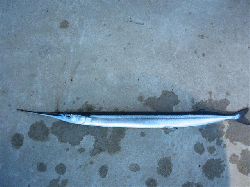
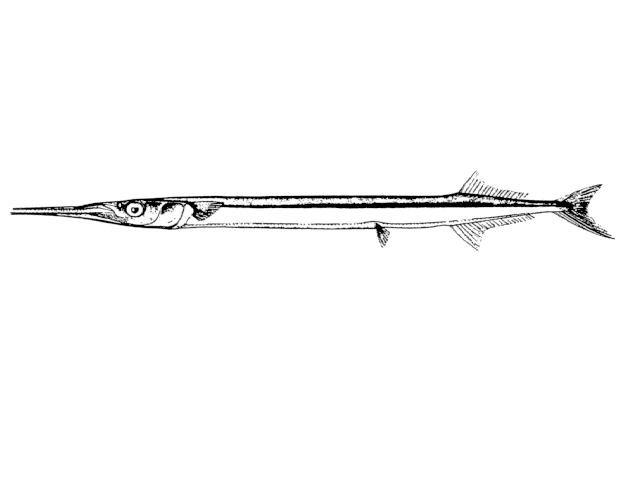
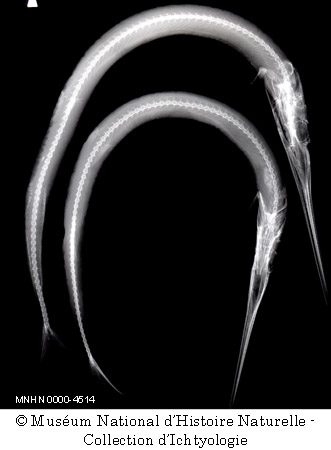
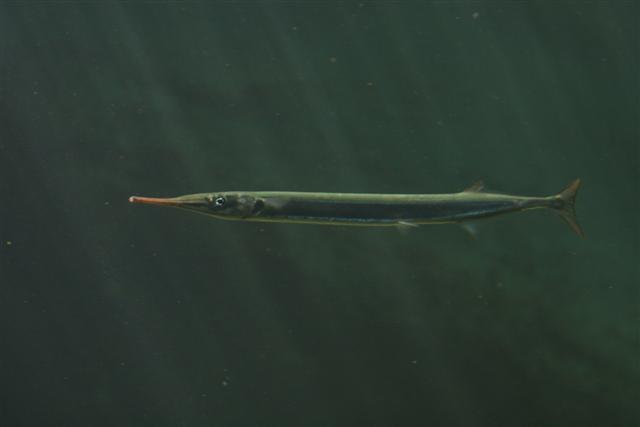
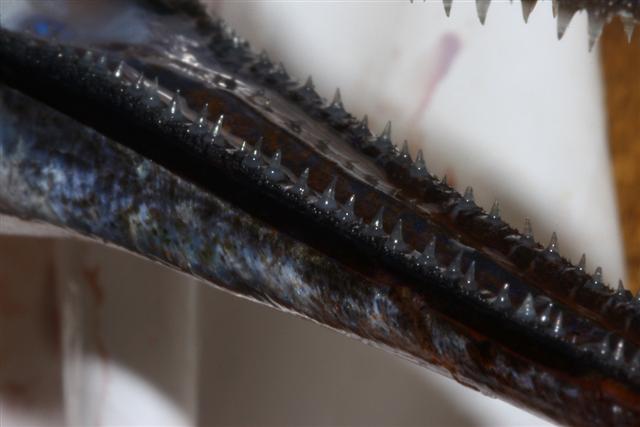
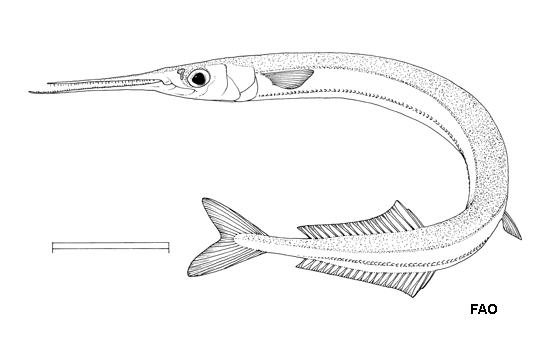
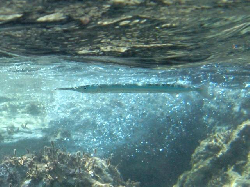
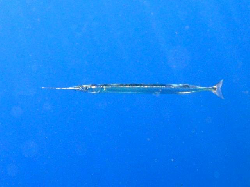
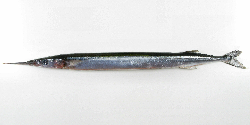
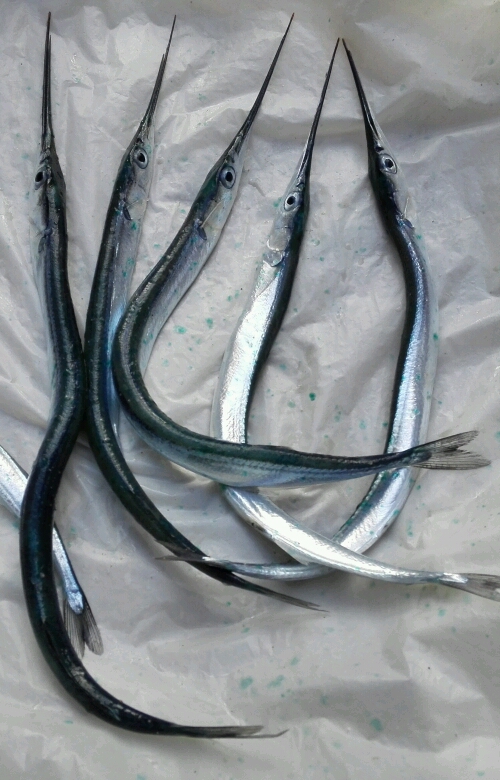
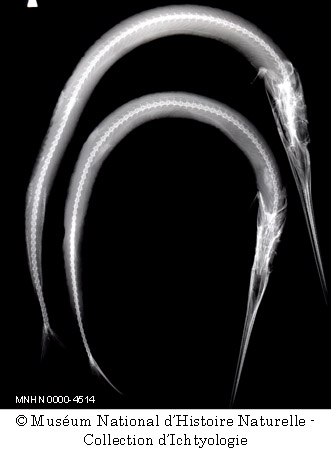
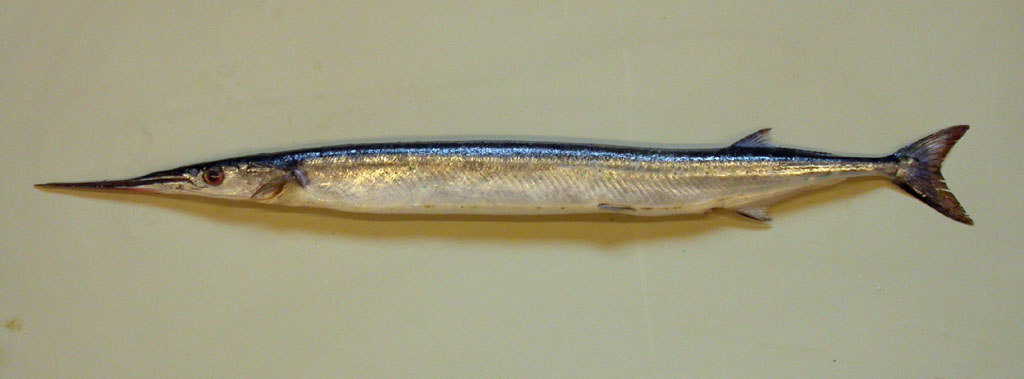
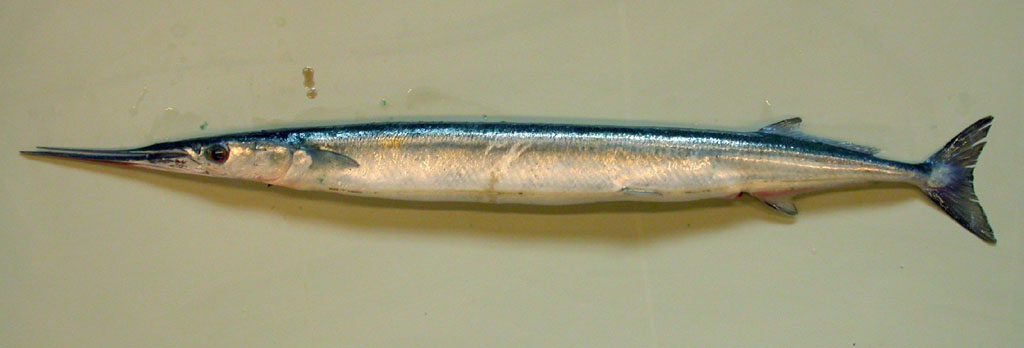
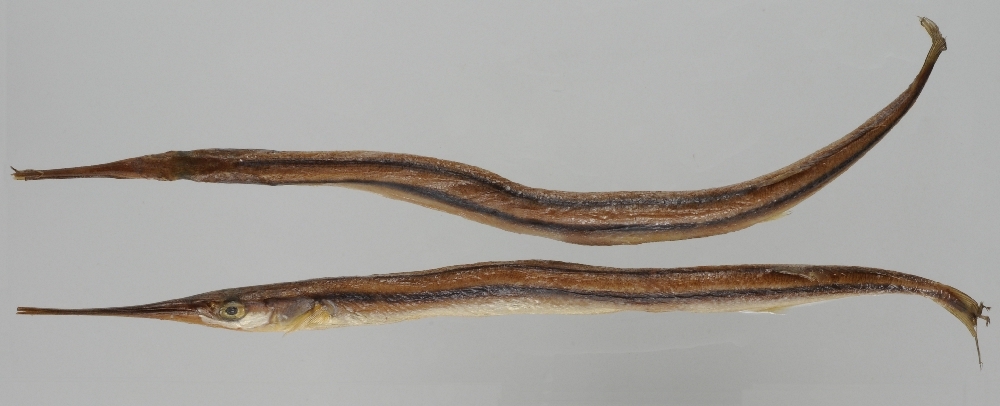
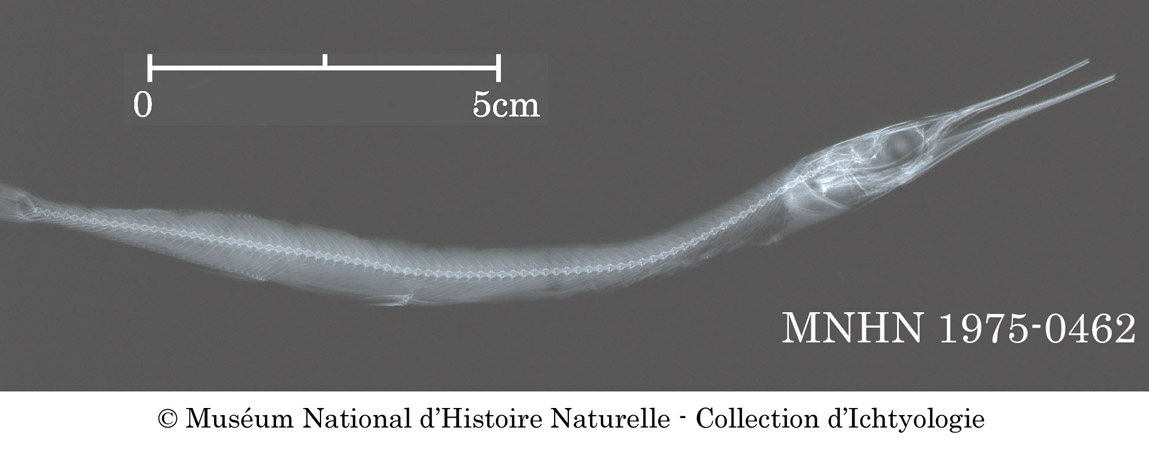
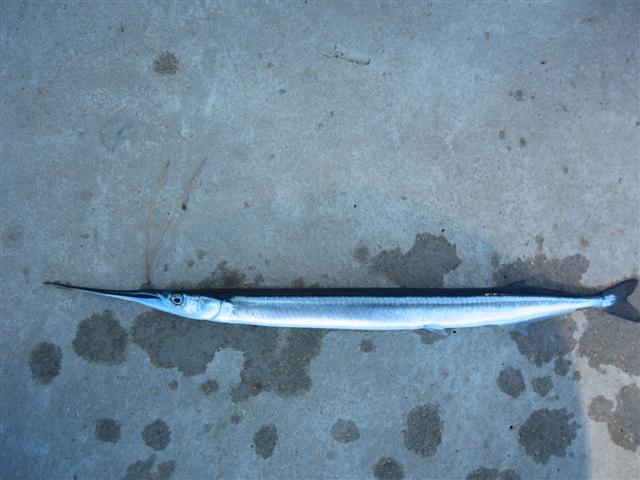
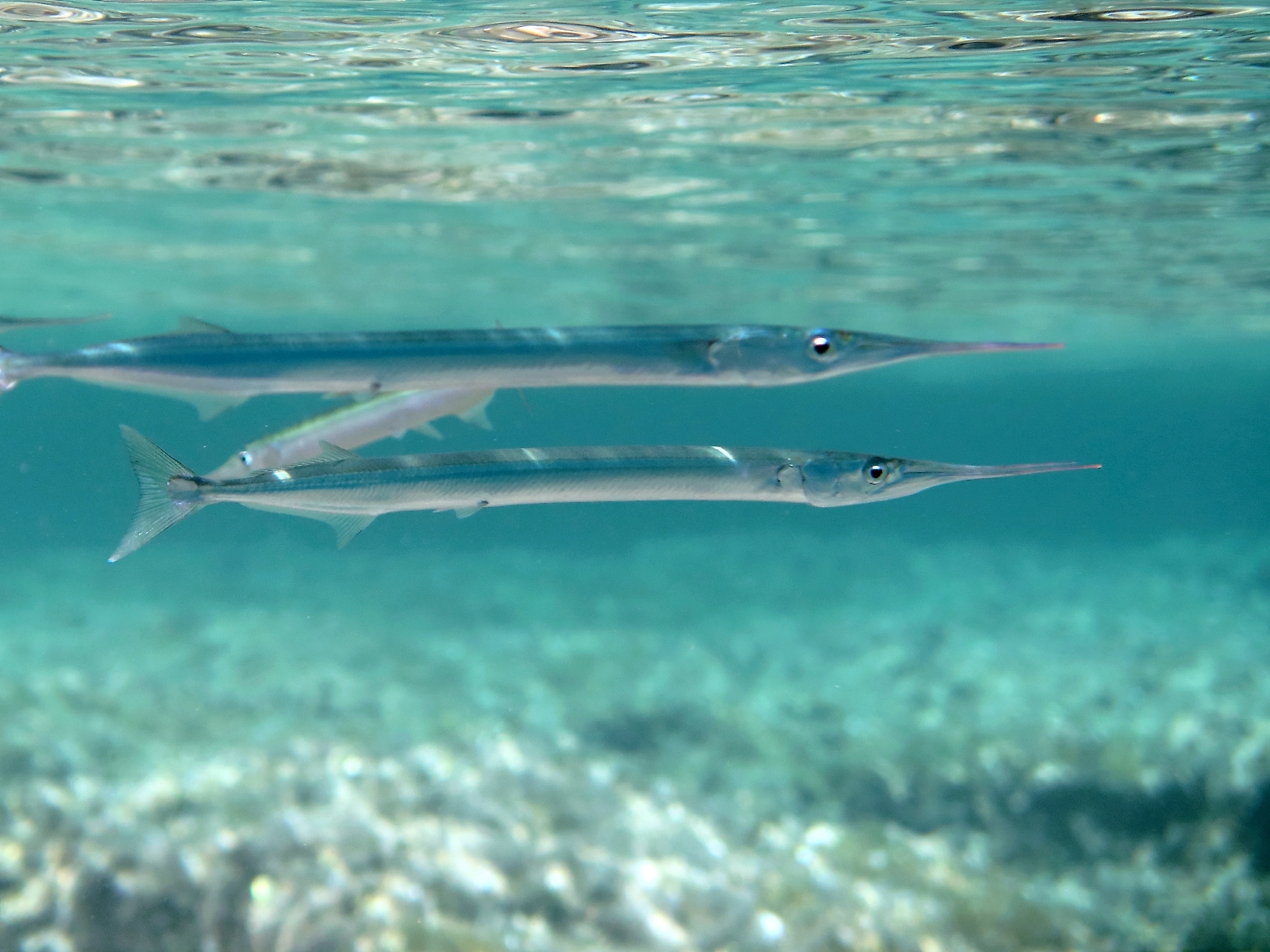
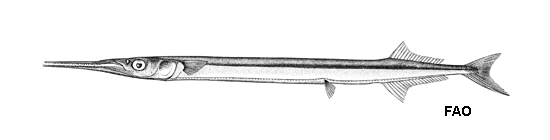
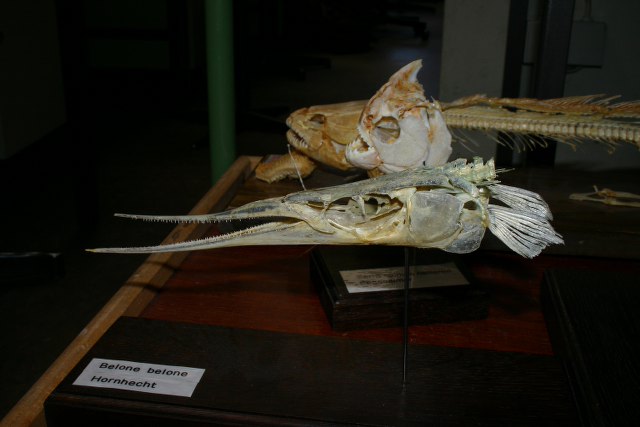
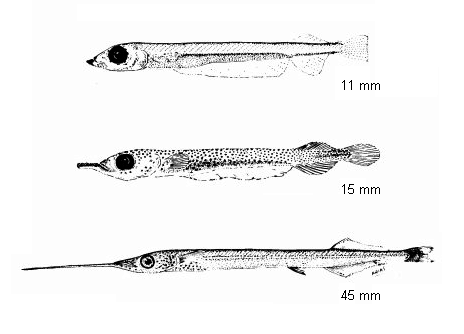
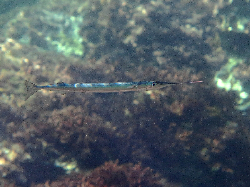
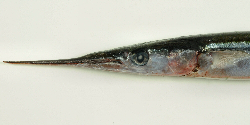
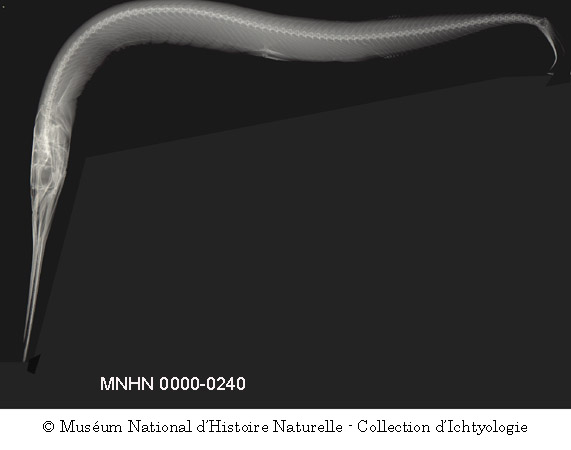
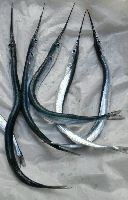
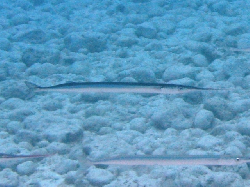
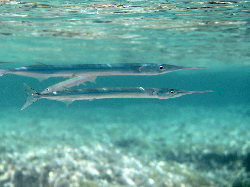
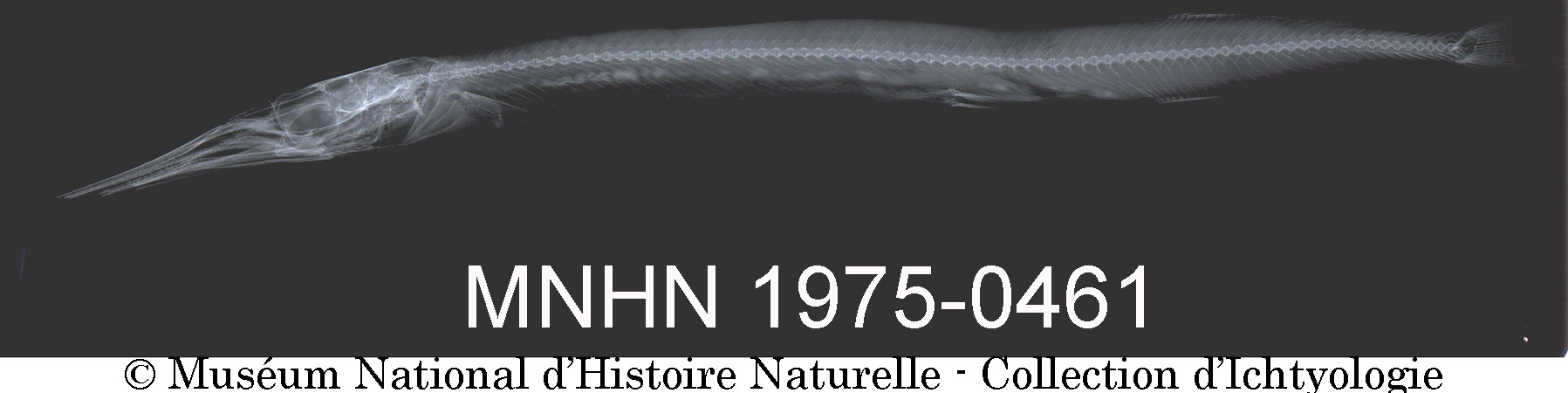
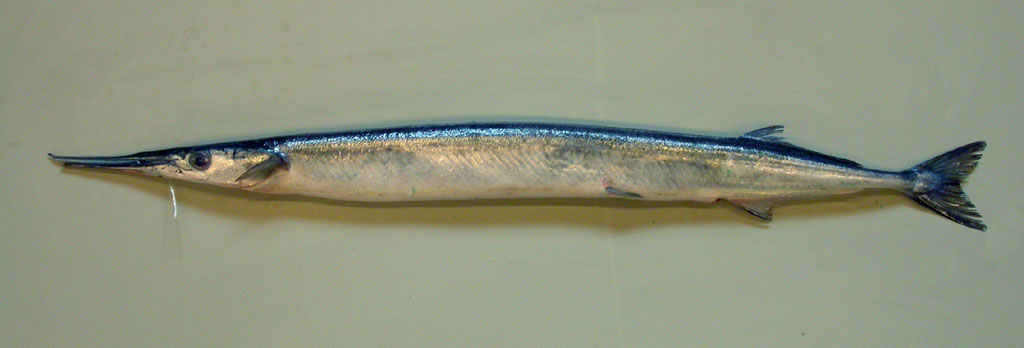
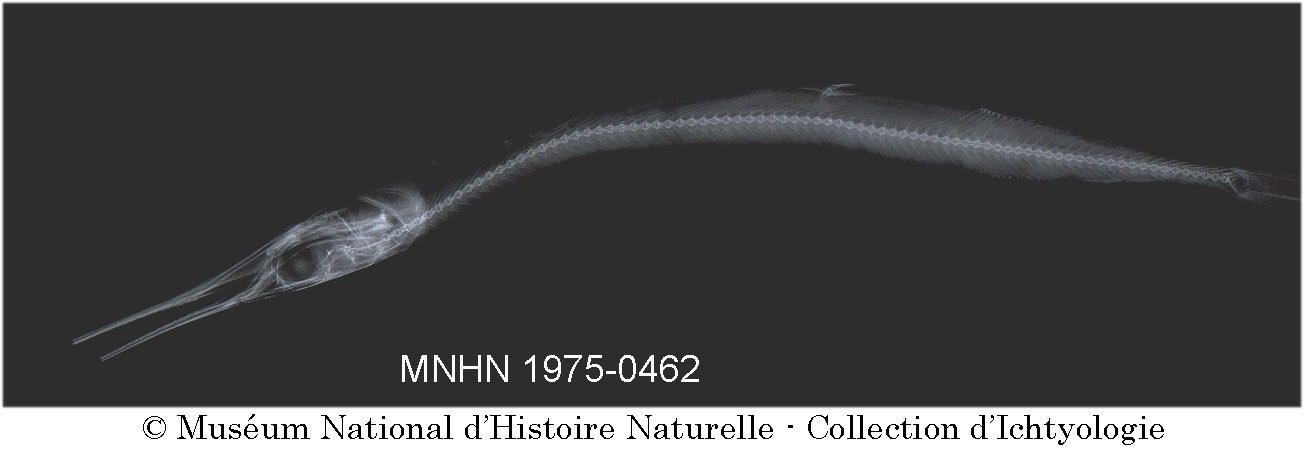
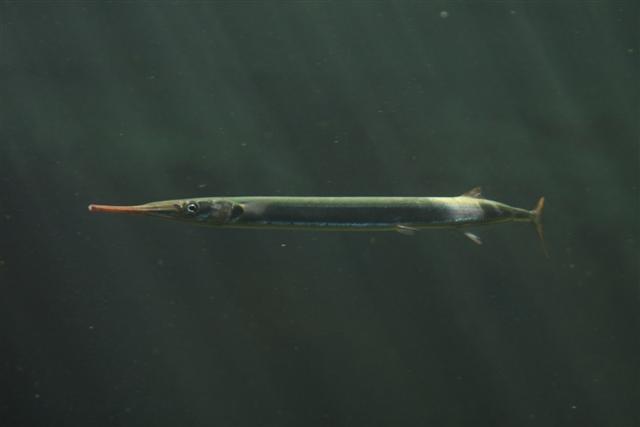
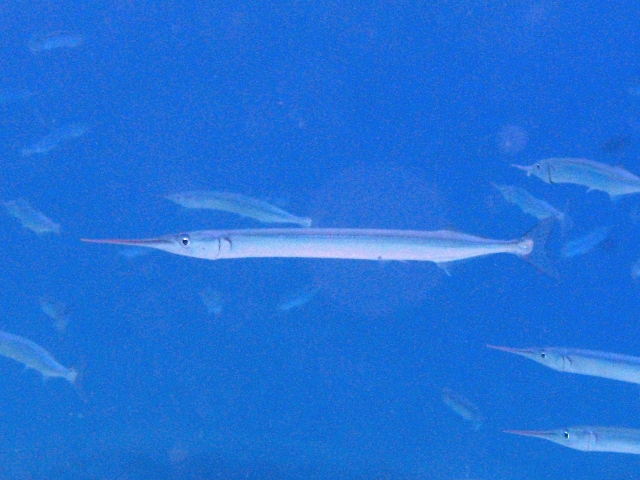
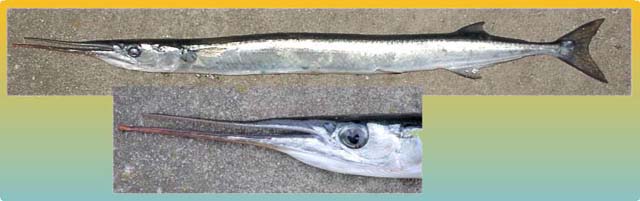
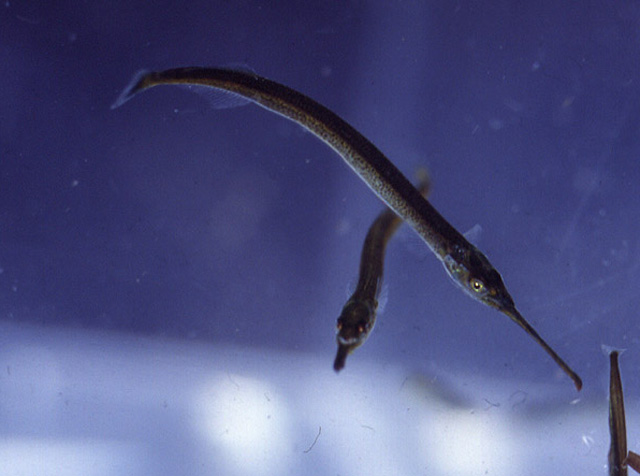
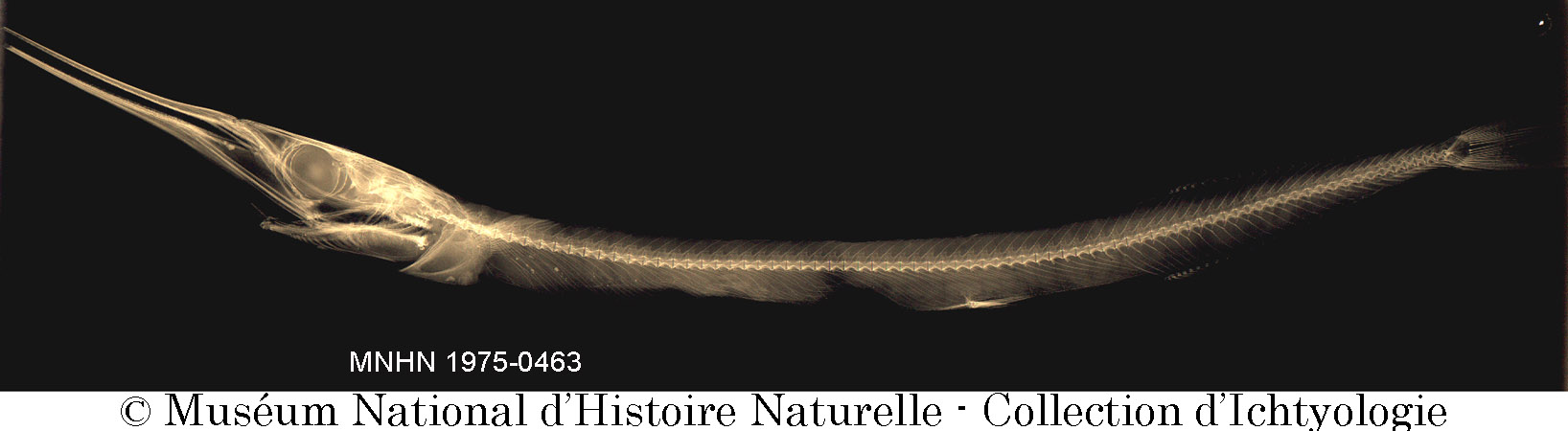
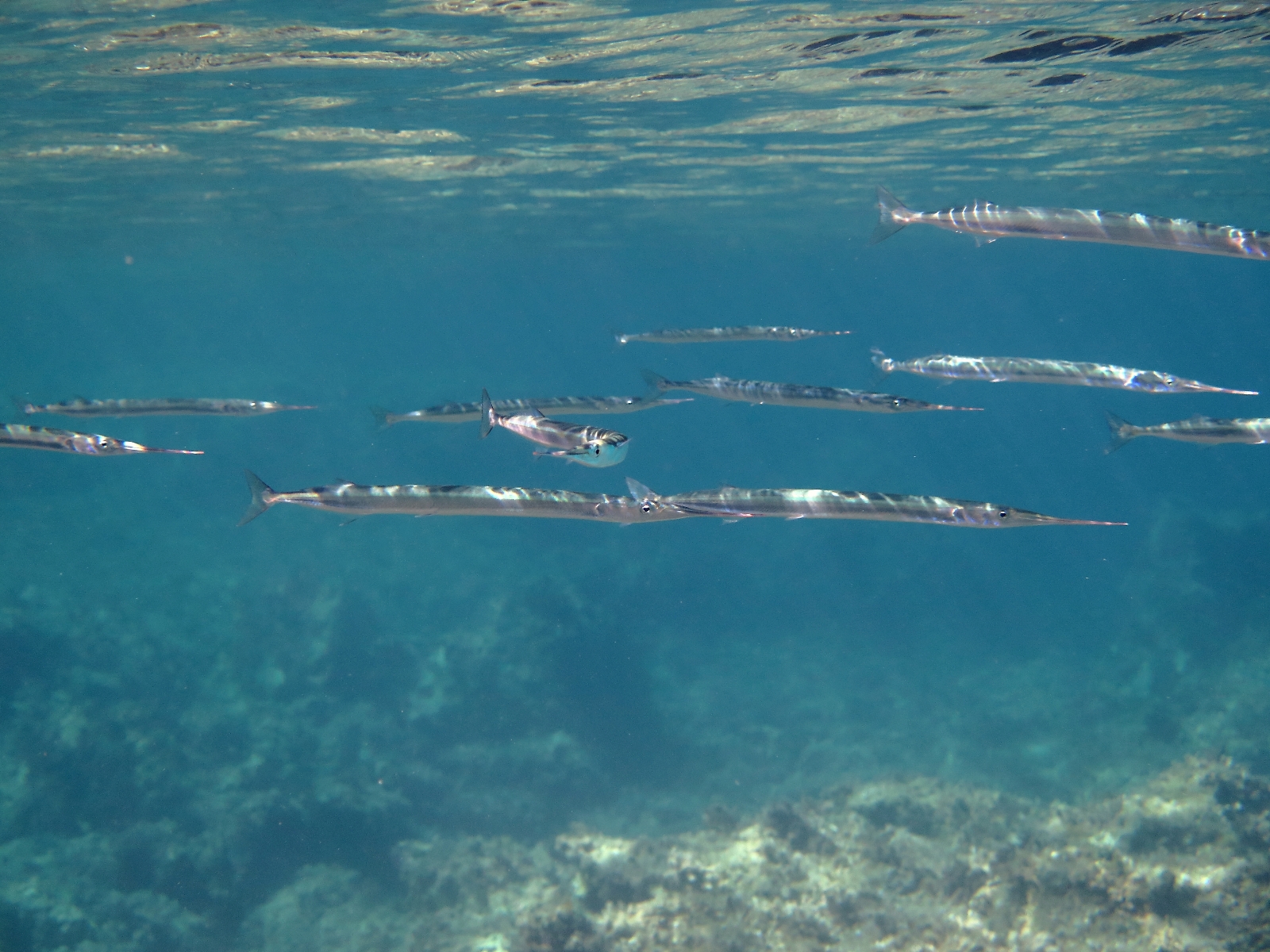
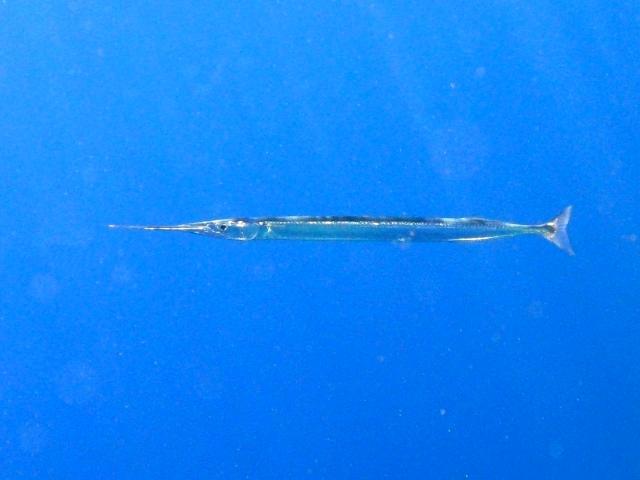
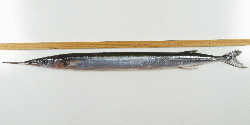
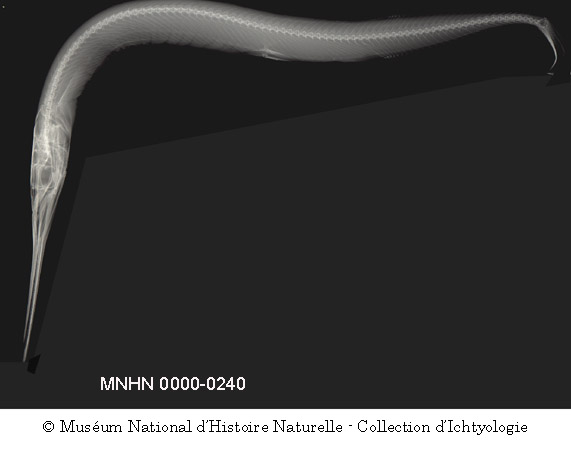
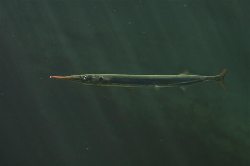
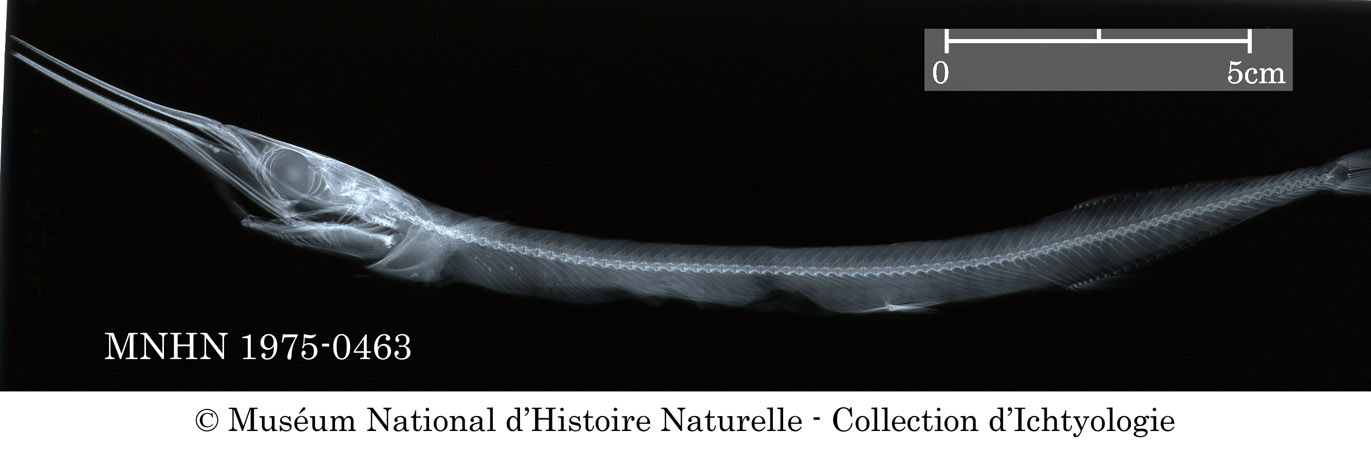
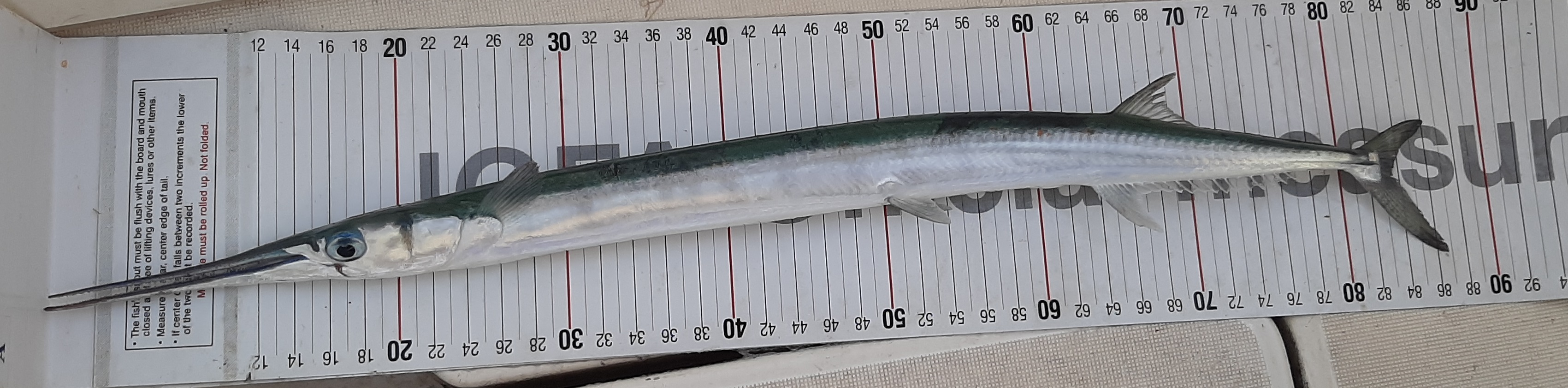
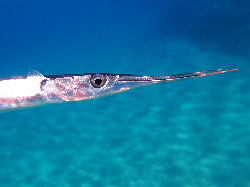
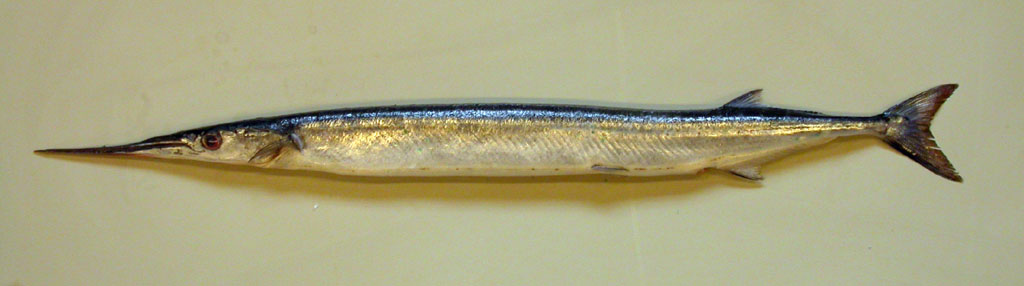
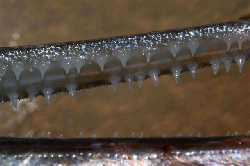
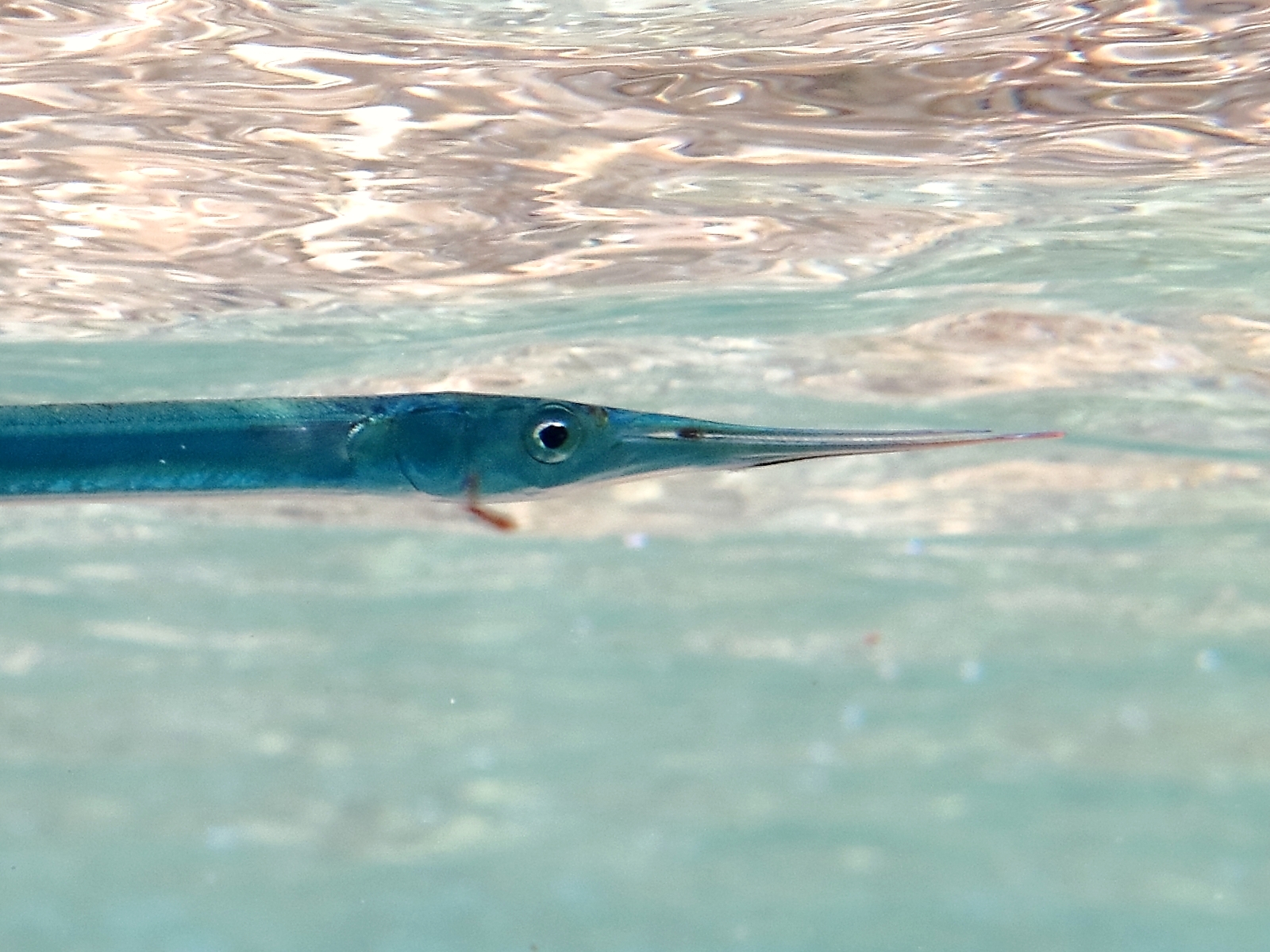
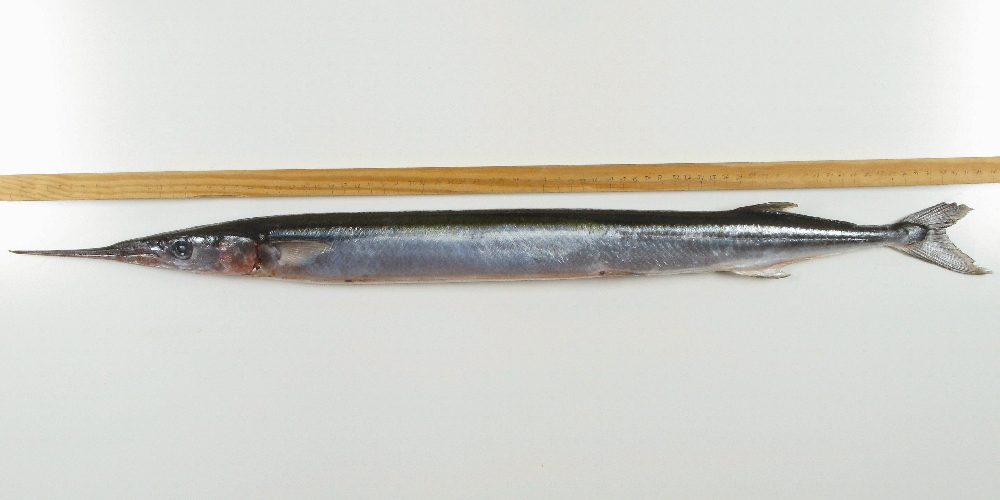
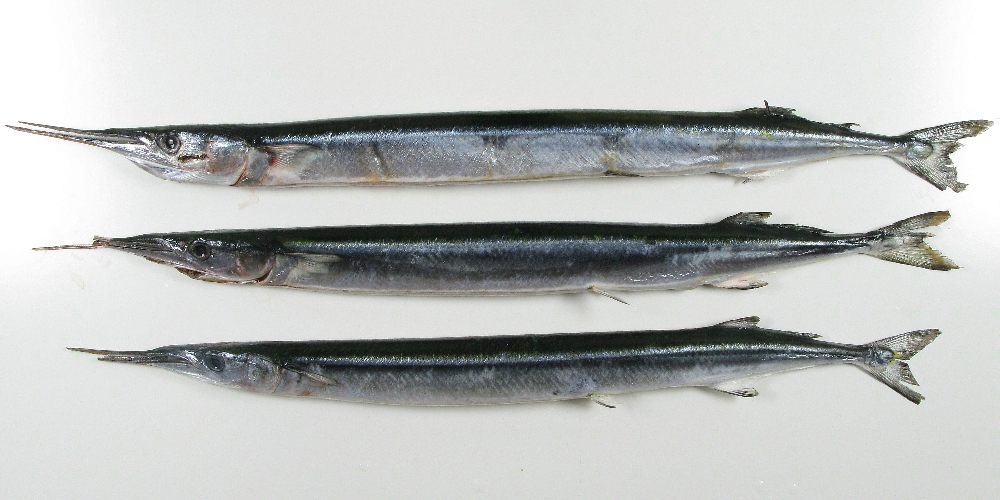
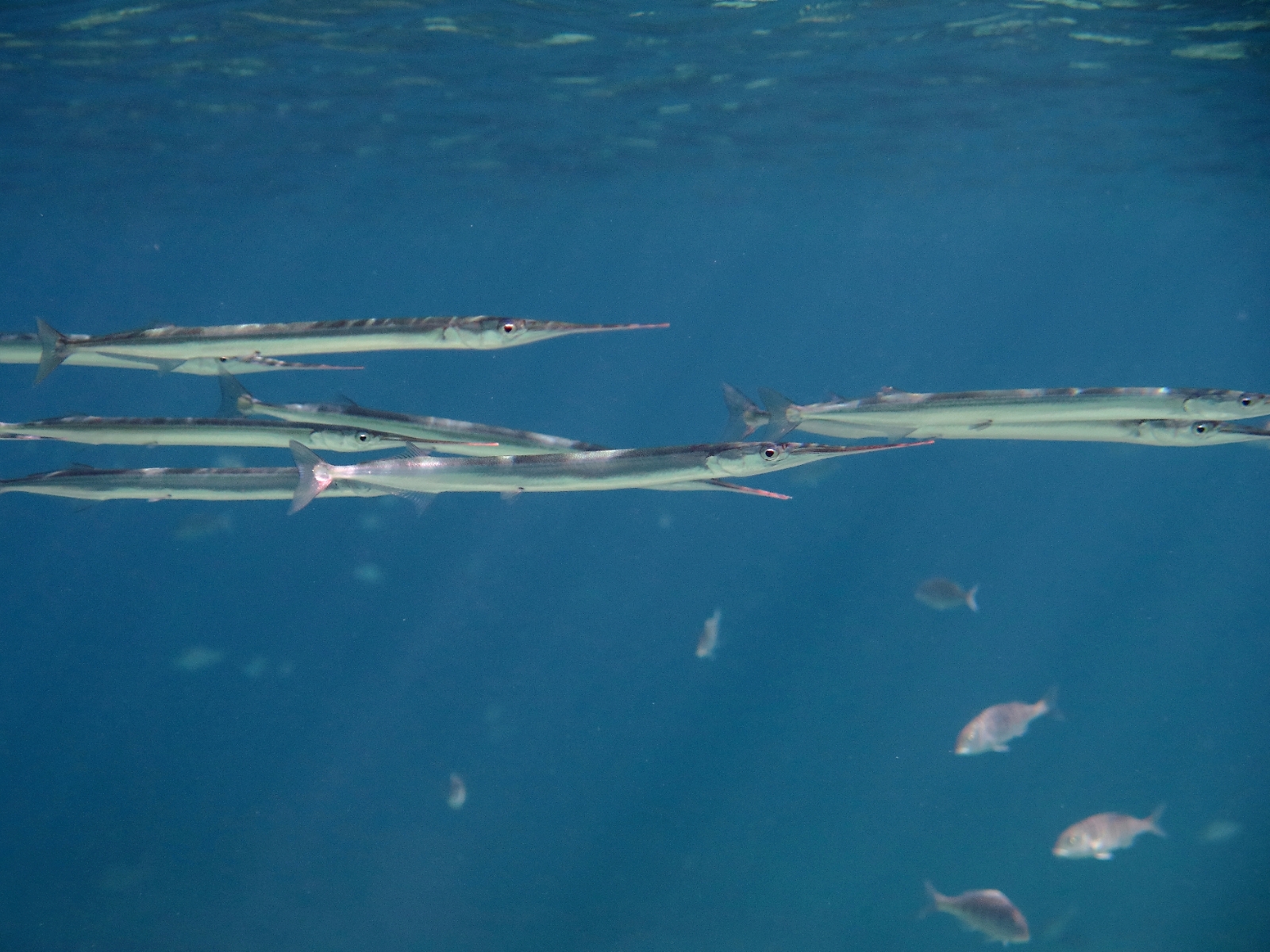
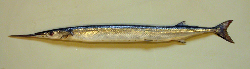
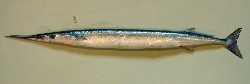
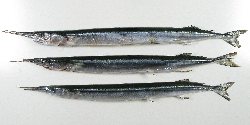
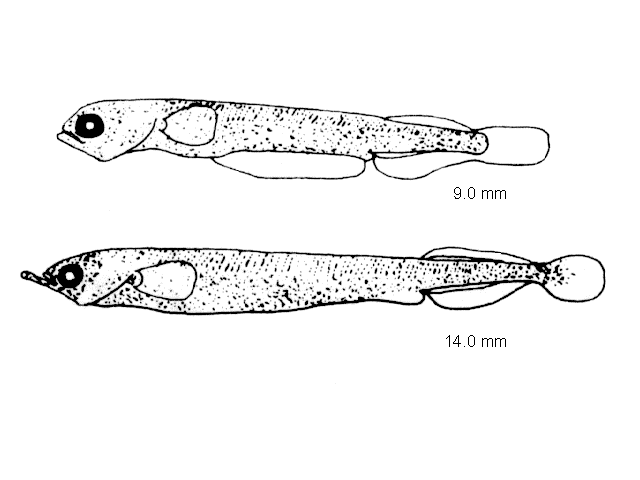
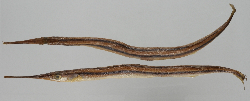
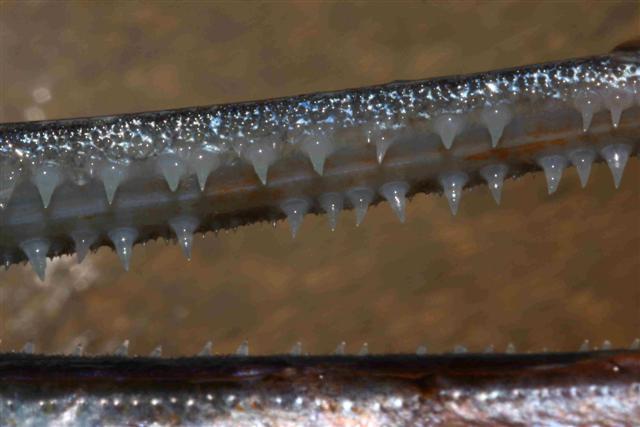
Dorsal spines (total): 0; Dorsal soft rays (total): 16 - 20; Anal soft rays: 19 - 23. Jaw teeth comparatively large and widely spaced. Vertebrae 75-84. Vomerine teeth present at lengths greater than 20 cam. Lower jaw a little longer than upper jaw. Juveniles with greatly elongated jaw, without black posterior dorsal fin lobe.
Common Names
Taxonomic Hierarchy
Kingdom: Animalia
Phylum: Chordata
Class: Teleostei
Order: Beloniformes
Family: Belonidae
Genus: Belone
Species: Belone belone (Linnaeus, 1761)
Climate Zone
Location
- Eastern Atlantic and Mediterranean Sea. Three subspecies were recognized by Collette and Parin (1970, Ref. 34977) Belone belone belone (Linnaeus, 1761) (Northeast Atlantic); Belone belone euxini Günther, 1866 (Black Sea and Sea of Azov); Belone belone acus Risso, 1827 (Mediterranean Sea and adjacent parts of Atlantic Ocean, Madeira, Canary Islands, Azores, and south to Cape Verde (Ref. 50279); subspecies Belone belone gracilis Lowe, 1839 (France to the Canary Islands including the Mediterranean) in Collette & Parin, 1990 (Ref. 5757).
Biology
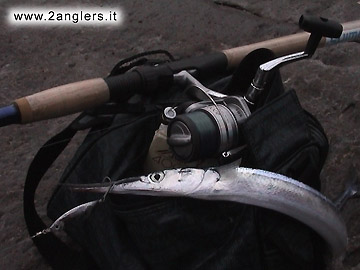
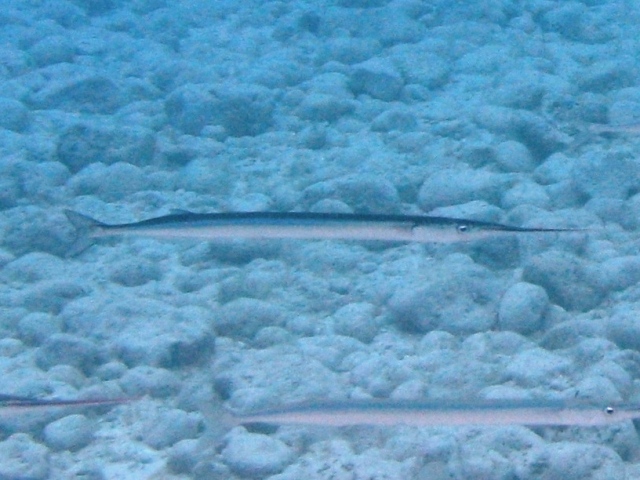
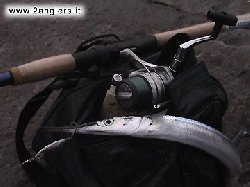
Lives close to the surface and has a migratory pattern similar to the mackerel (Ref. 35388). Feeds on small fishes, particularly clupeids and Engraulis (in the Black Sea). Leaps out of the water when hooked. Oviparous (Ref. 205). Eggs may be found attached to objects in the water by tendrils on the egg's surface (Ref. 205). Utilized fresh and frozen; can be fried, broiled and baked (Ref. 9988). Minimum depth reported taken from Ref. 130219.
Habitat
brackish
Conservation Status
Least Concern
Threat to Humans
Harmless
Belone belone (Linnaeus, 1761)