Upeneus moluccensis (Bleeker, 1855)

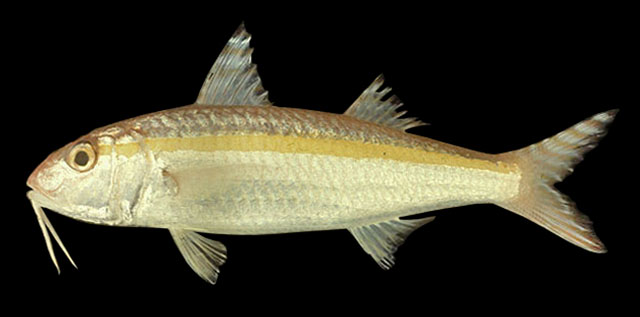
Description
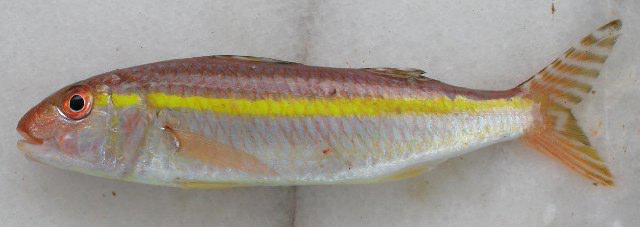
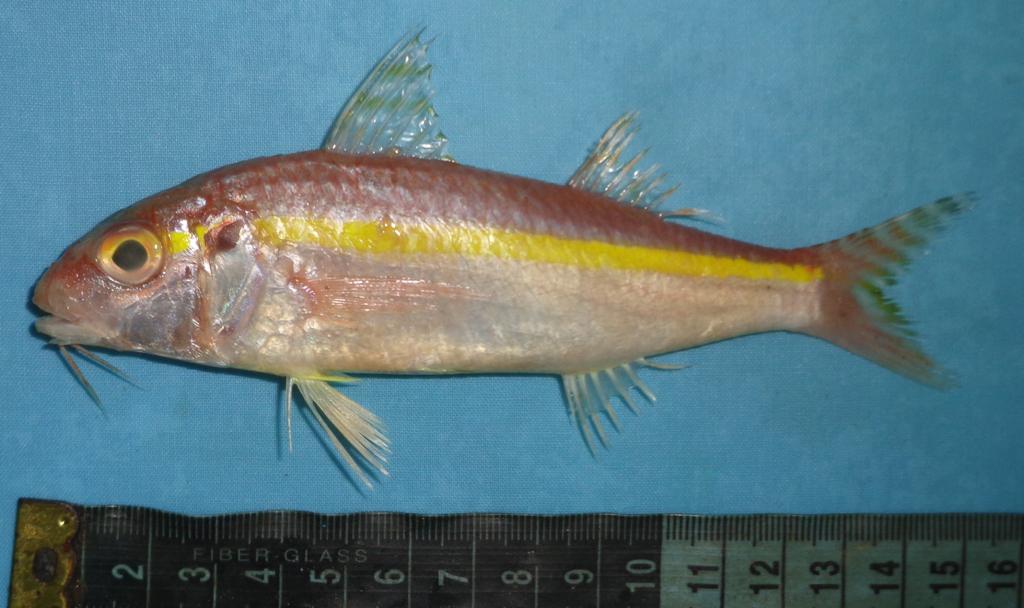
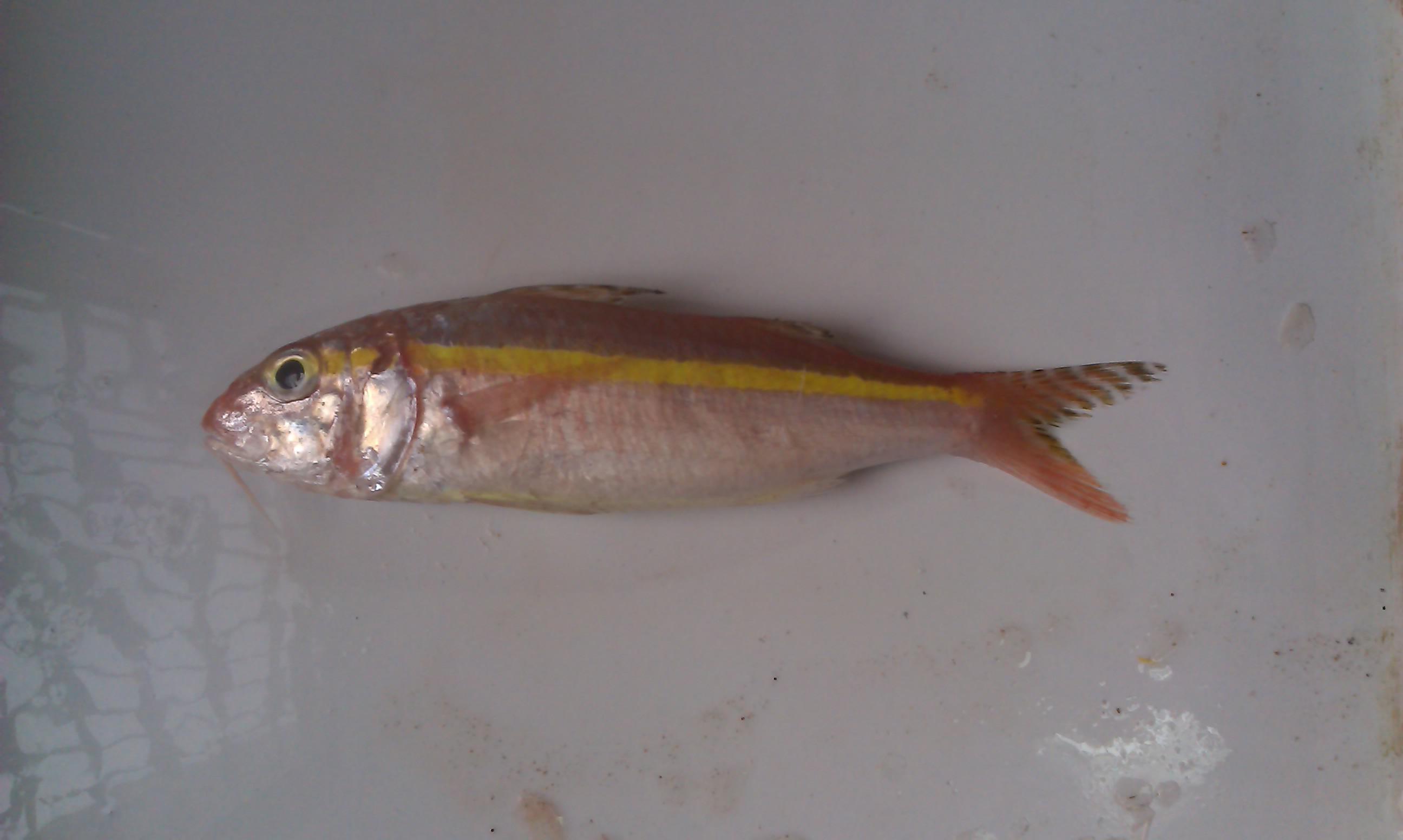
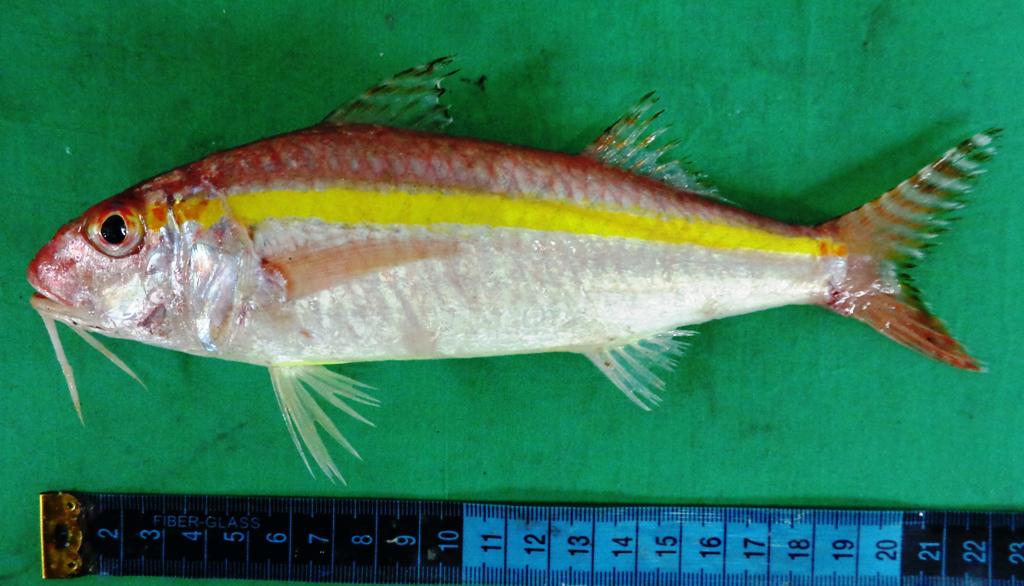
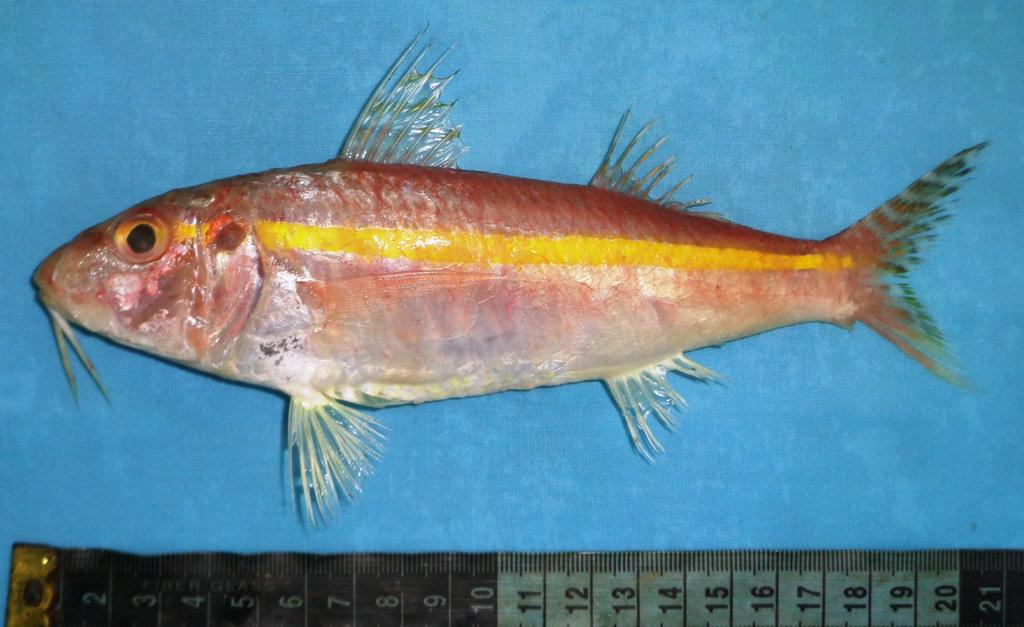
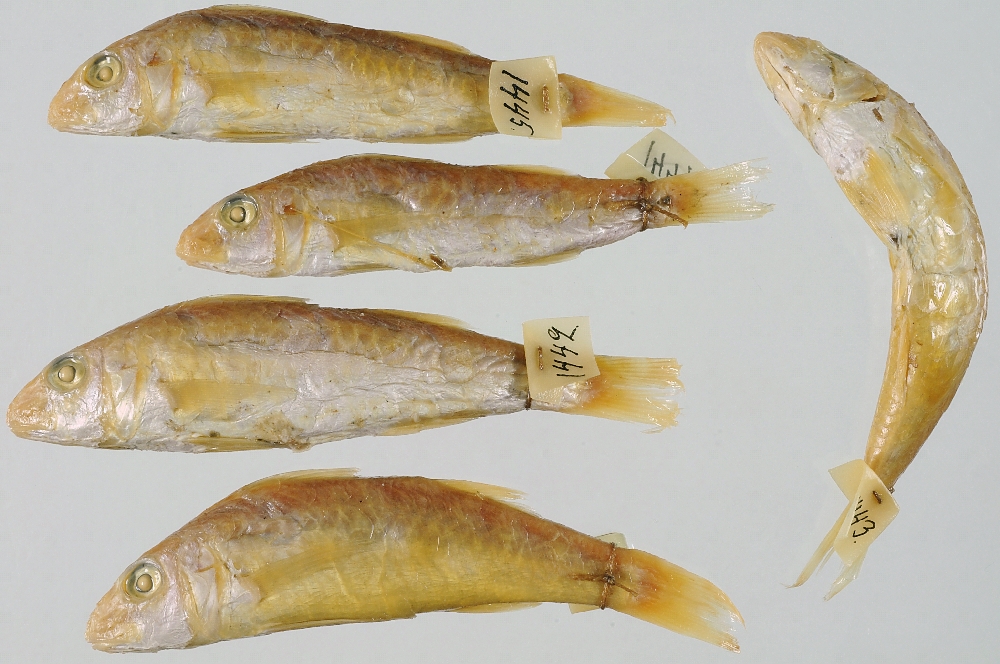
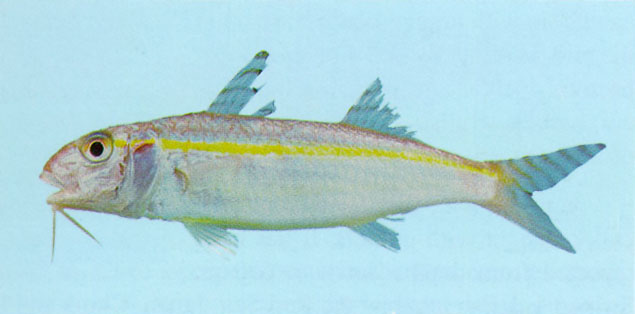
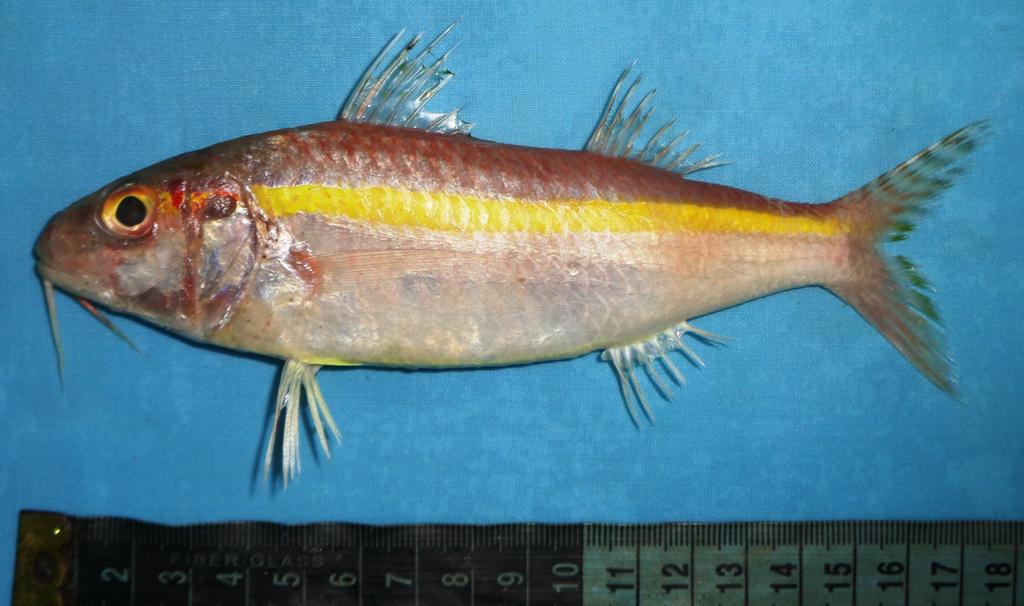
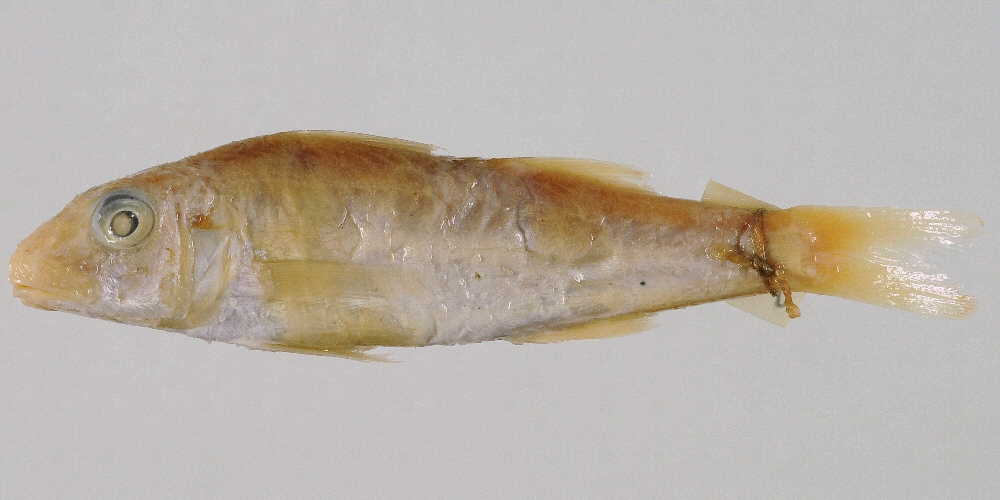
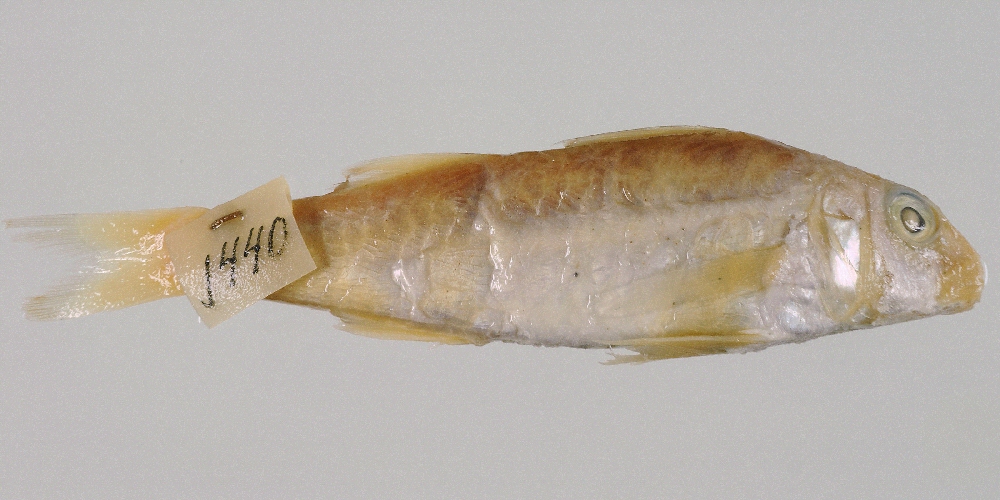
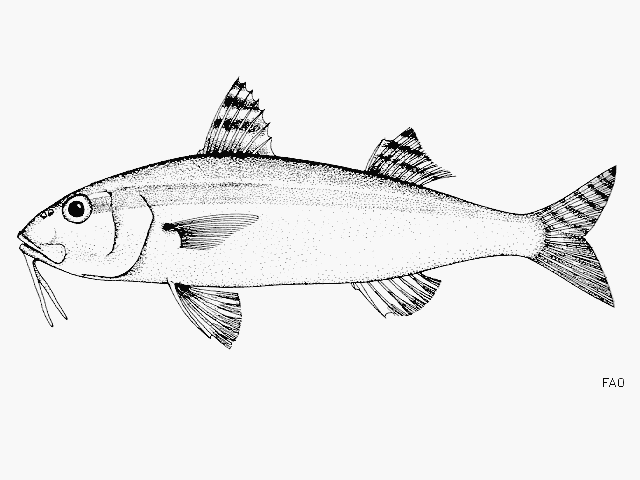
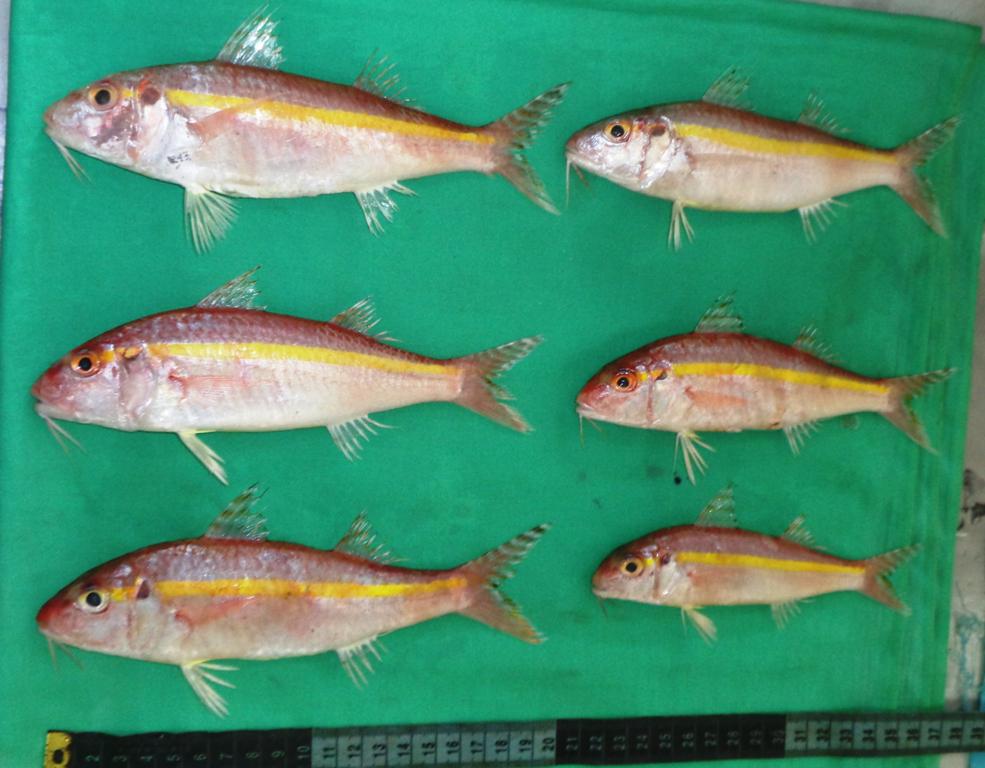
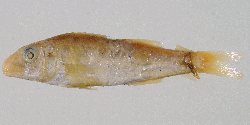
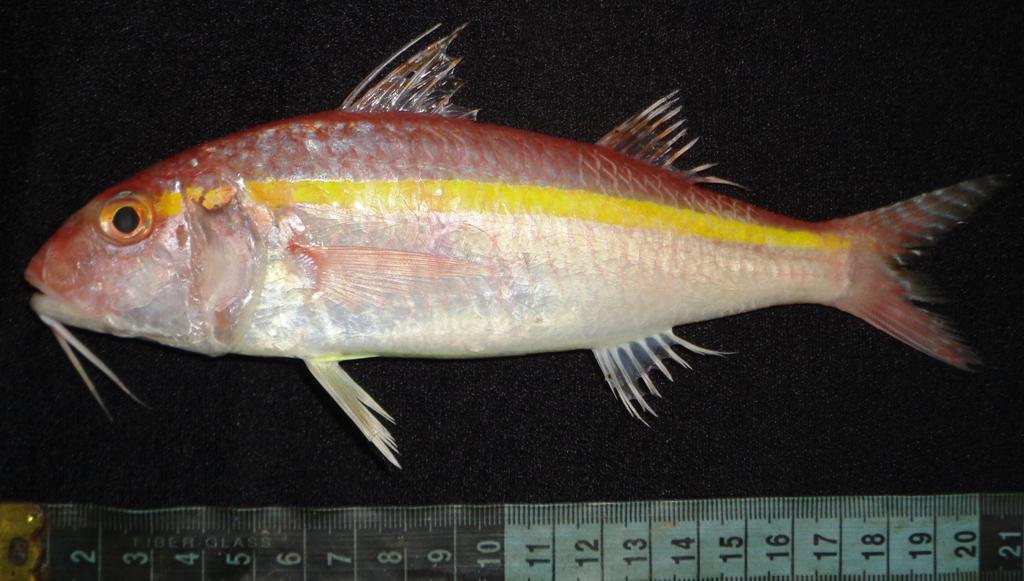
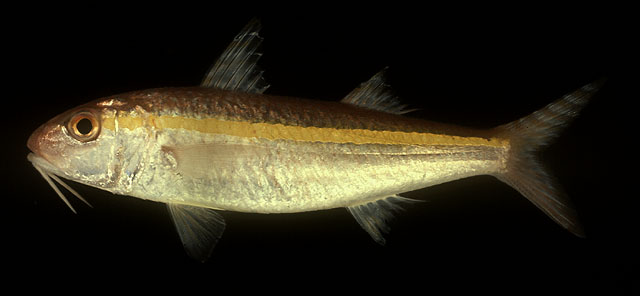
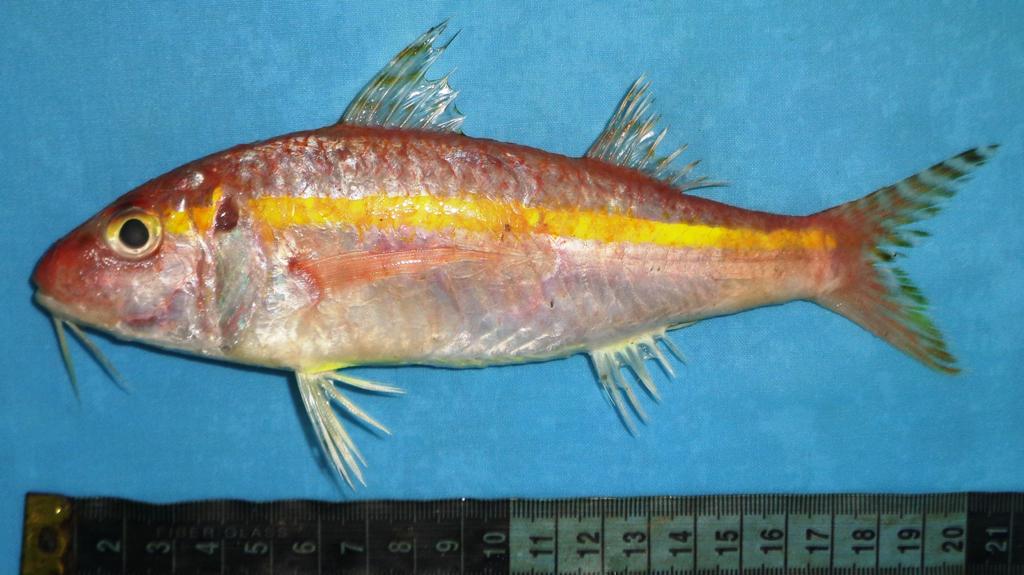
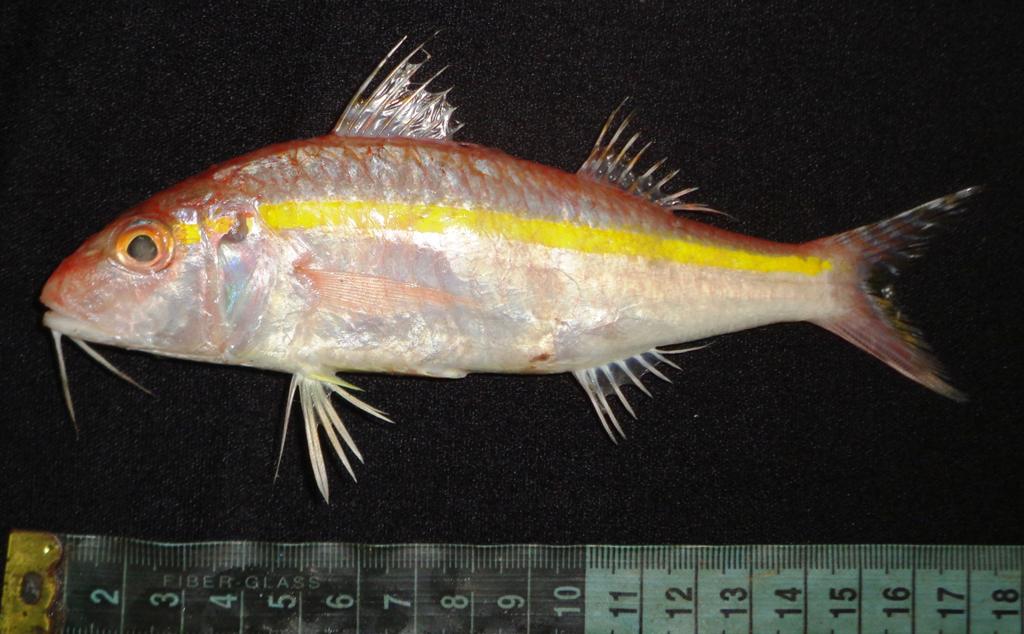
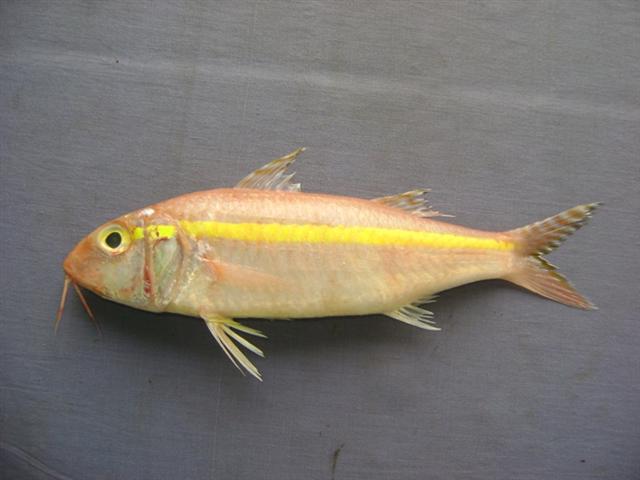
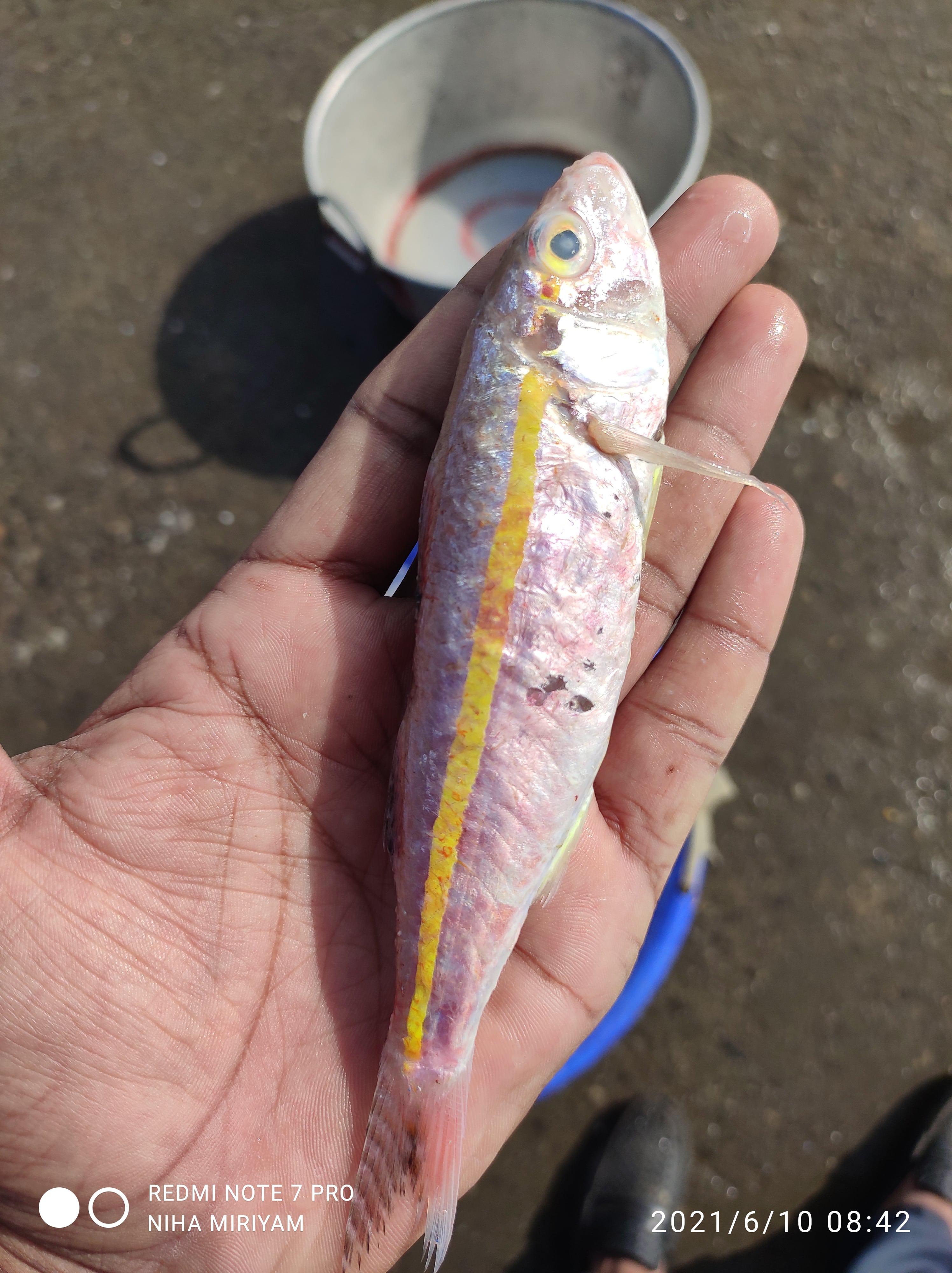
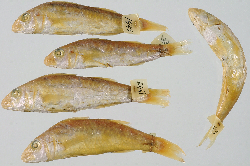
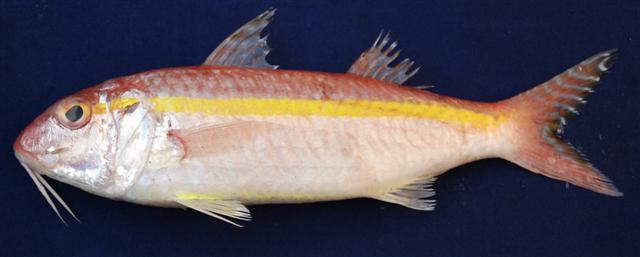
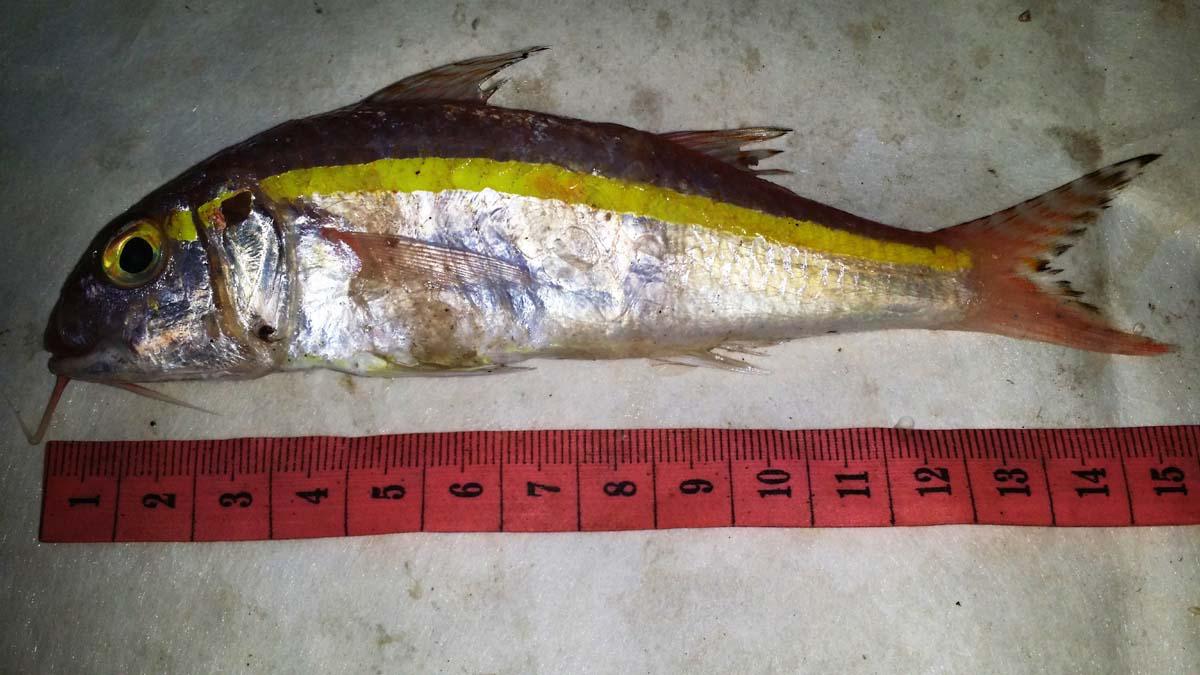
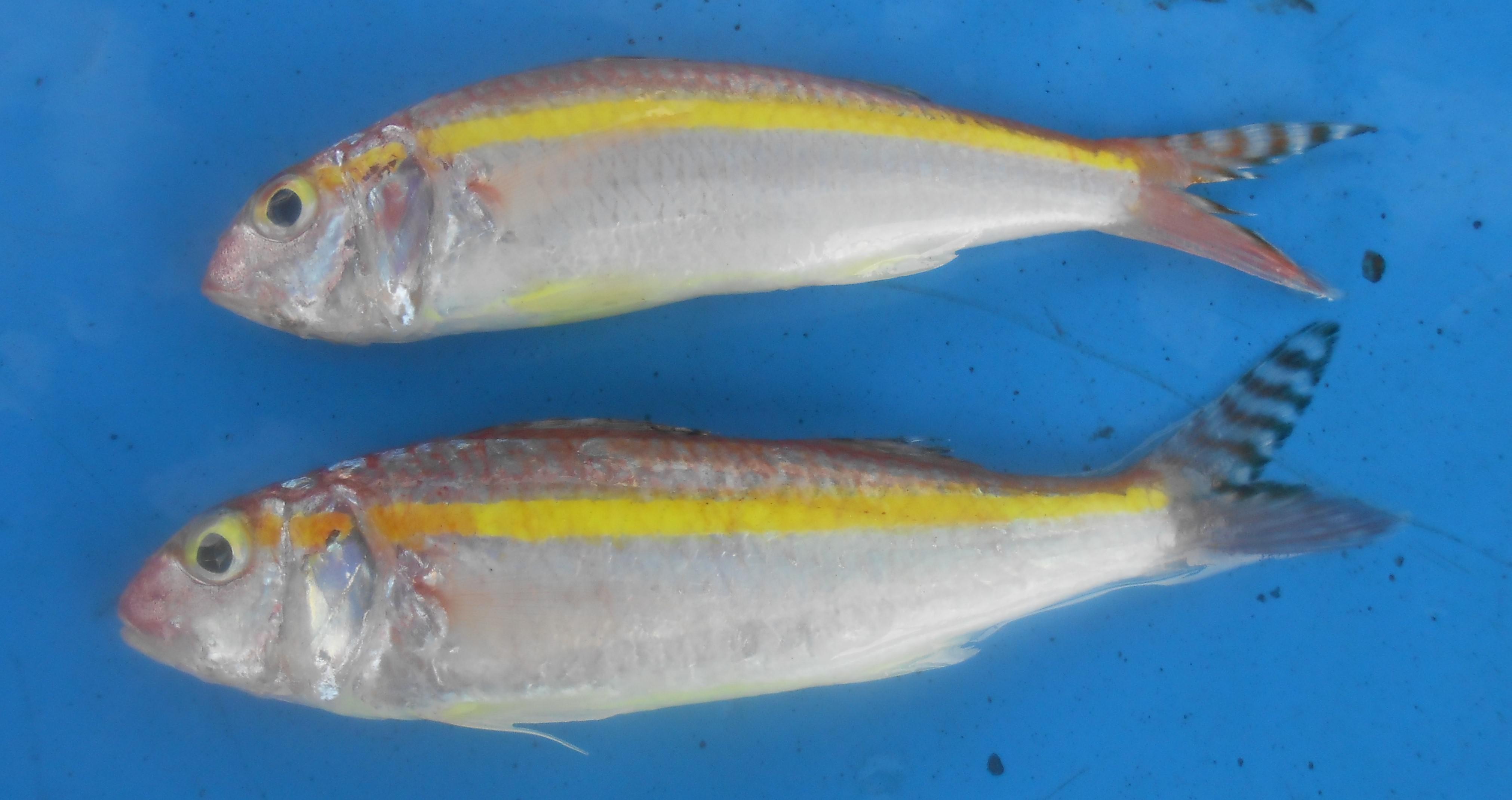
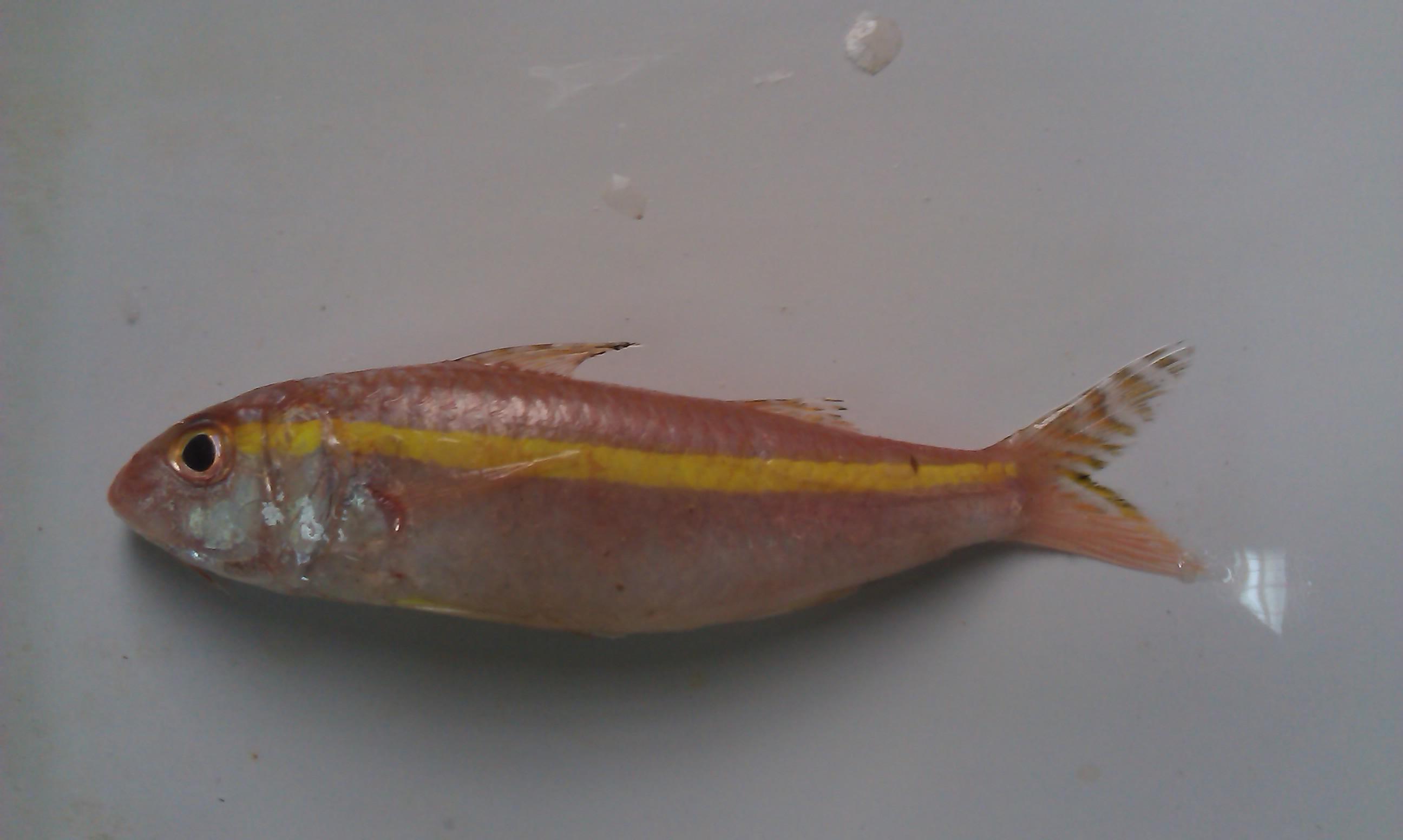
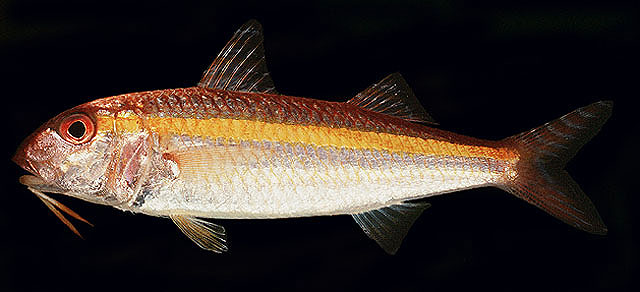
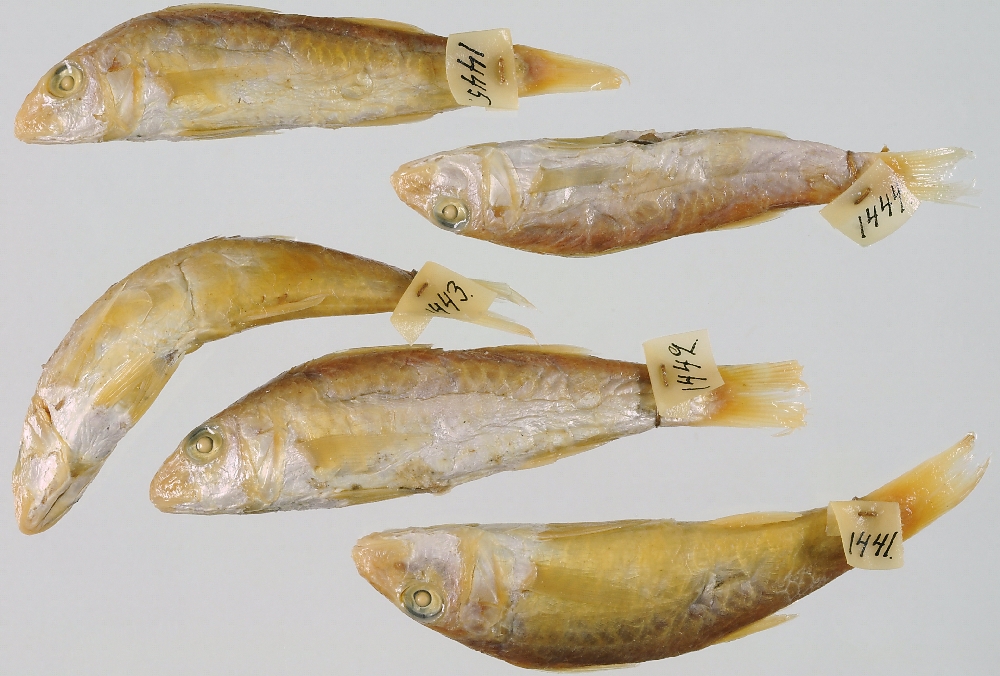
Dorsal spines (total): 8; Dorsal soft rays (total): 9; Anal spines: 1; Anal soft rays: 7. This species is distinguished by the following characters: D VIII,9; pectoral fins 14-16; gill rakers 7-8 + 18-20 = 26-27; lateral line scales 33-35; body depth at first dorsal-fin origin 24-26% SL and at anus 21-23% SL; caudal-peduncle depth 9.0-10% SL; maximum head depth 20-22% SL; head depth through eye 16-17% SL; head length 27-29%SL; orbit length 7.3-8.9% SL; upper jaw length 11-12% SL; barbel length 15-17% SL; caudal-fin length 27-30% SL; anal-fin height 13-15% SL; pelvic-fin length 17-22% SL; pectoral-fin length 25-27% SL; first dorsal-fin height 20-23% SL; second dorsal-fin height 14-16% SL; 6-8 thin, red caudal fin bars on upper lobe (faintly retained when preserved), none on lower lobe but with a red broad band covering the entire lobe apart from the distal, inner margin, the latter somewhat darker (most of which are lost in preserved fish); one mid-lateral body stripe yellow or gold from eye to upper caudal-fin base (not or faintly retained in preserved fish); dark first dorsal-fin tip (retained in preserved fish); white barbels; silvery-rose body, dorsally darkened above lateral stripe (pale brown, slightly darkened dorsally in preserved fish) (Ref. 82903).
Common Names
Taxonomic Hierarchy
Kingdom: Animalia
Phylum: Chordata
Class: Teleostei
Order: Mulliformes
Family: Mullidae
Genus: Upeneus
Species: Upeneus moluccensis (Bleeker, 1855)
Climate Zone
Biology
Found in coastal waters with a muddy substrate. Forms large schools (Ref. 9987). Usually fast swimming with short stops to feed (Ref. 48636). Sold fresh in markets. Utilized for fish meal. Valued also for its roe (Ref. 9987).
Habitat
brackish
Conservation Status
Least Concern
Threat to Humans
Harmless
Upeneus moluccensis (Bleeker, 1855)