Pseudomyxus capensis (Valenciennes, 1836)
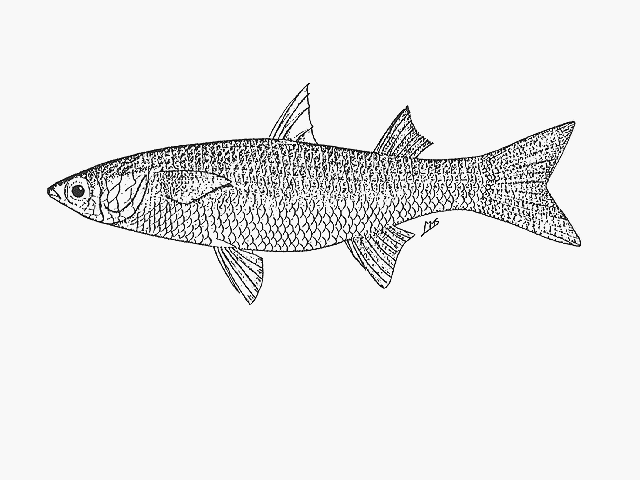
Description
Dorsal spines (total): 5; Dorsal soft rays (total): 8; Anal spines: 3; Anal soft rays: 9.
Common Names
Taxonomic Hierarchy
Kingdom: Animalia
Phylum: Chordata
Class: Teleostei
Order: Mugiliformes
Family: Mugilidae
Genus: Pseudomyxus
Species: Pseudomyxus capensis (Valenciennes, 1836)
Climate Zone
Biology
Adults occur in freshwater to estuarine conditions. Adults breed at sea, throughout the year; juveniles move into estuaries and enter rivers usually in late winter or early spring (Ref. 52193). Females remain in freshwater for 7 years, males for 4 years (Ref. 52193). Return to estuaries before maturing sexually prior to spawning (Ref. 52193). Oviparous, eggs are pelagic and non-adhesive (Ref. 205). Feed on benthic algae and small invertebrates over muddy bottom (Ref. 6465). Decline in population from obstruction, by dams and weirs, of free passage into rivers.
Habitat
freshwater
Conservation Status
Least Concern
Threat to Humans
Harmless
Pseudomyxus capensis (Valenciennes, 1836)