Pseudocarcharias kamoharai (Matsubara, 1936)

Description
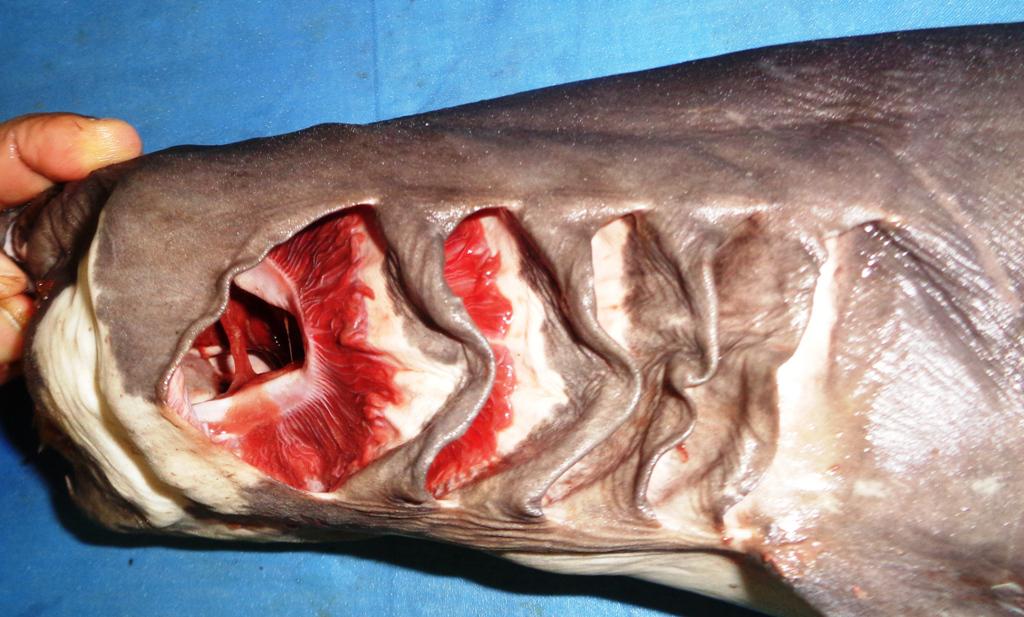
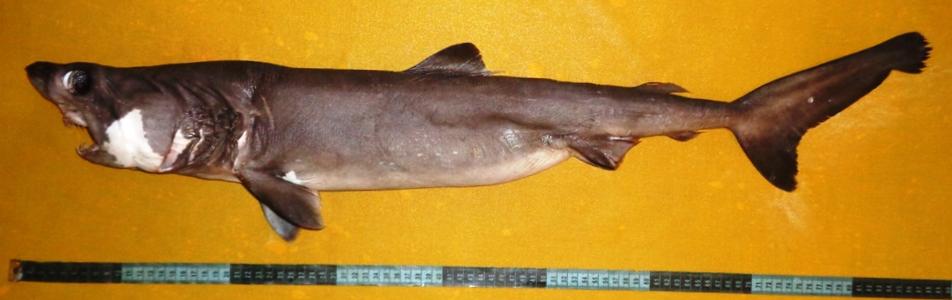
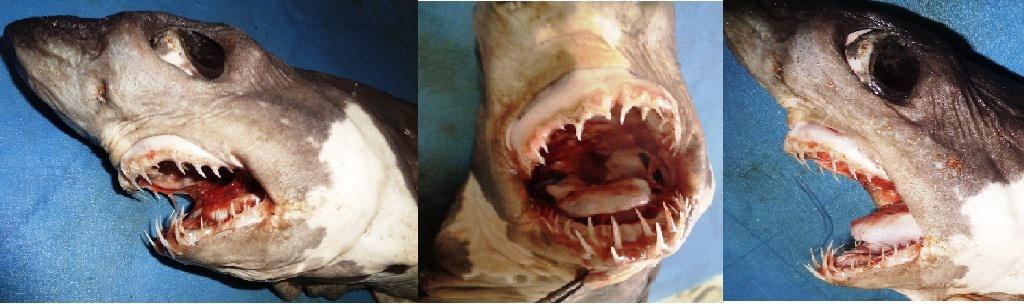
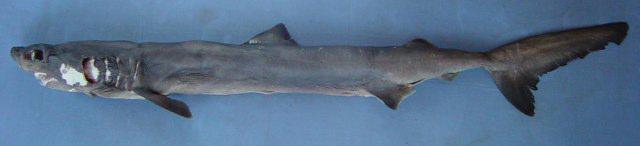
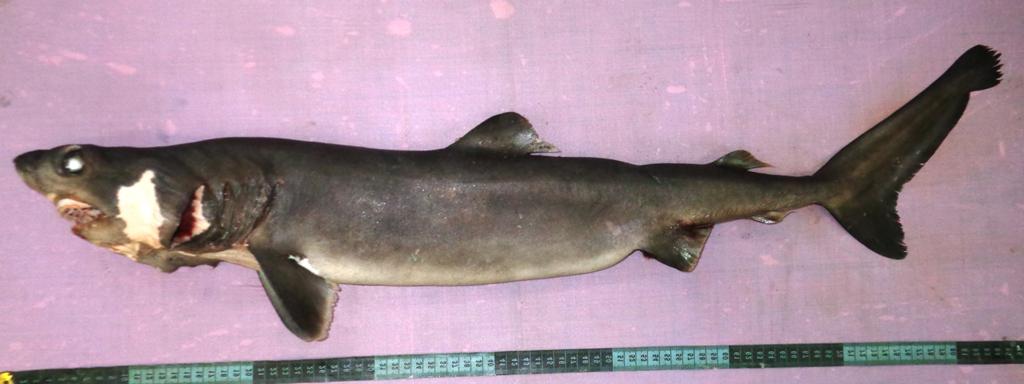
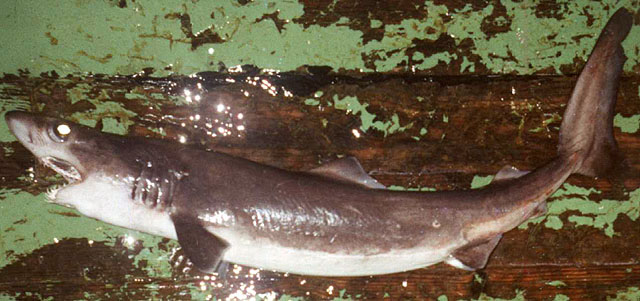
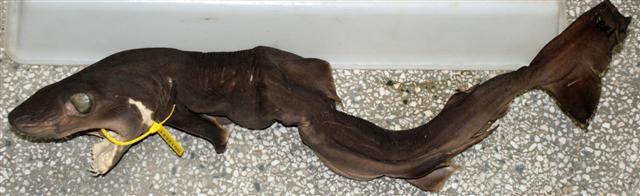
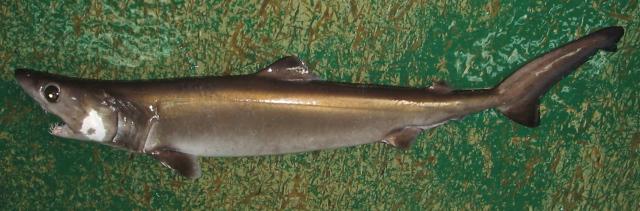
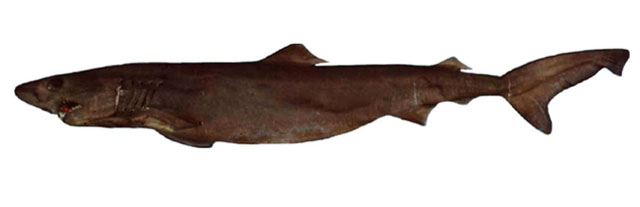
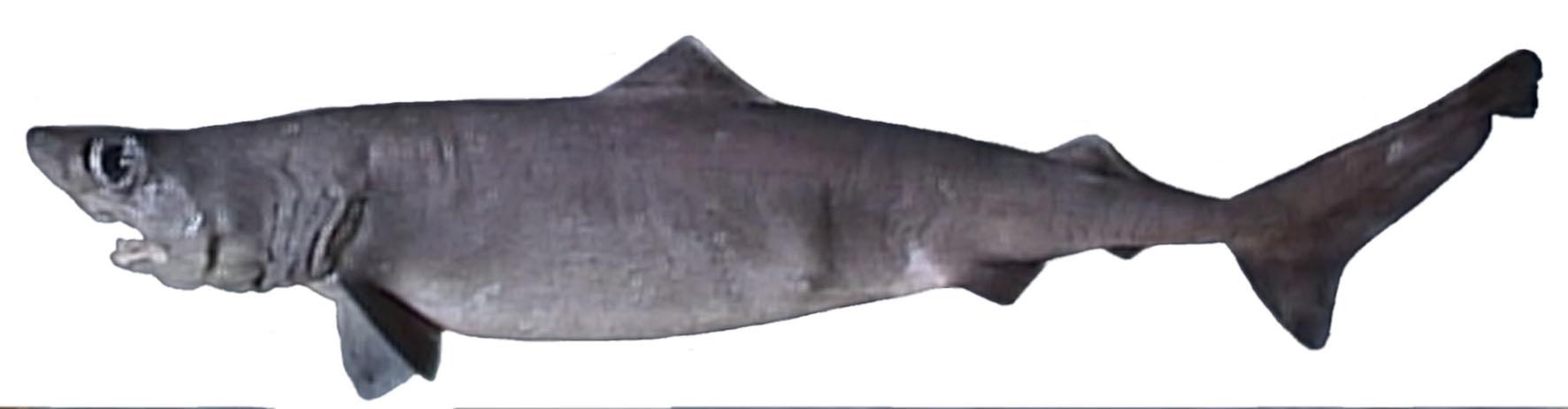
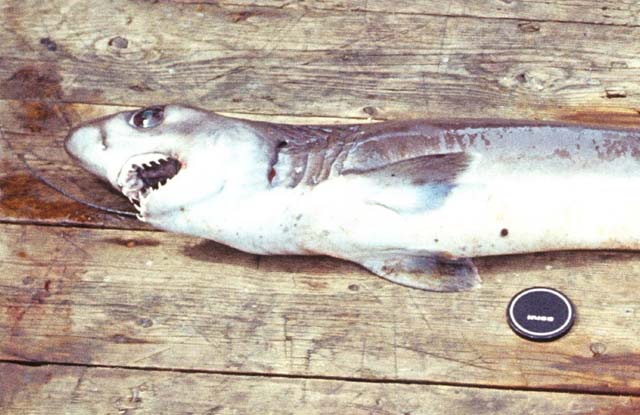
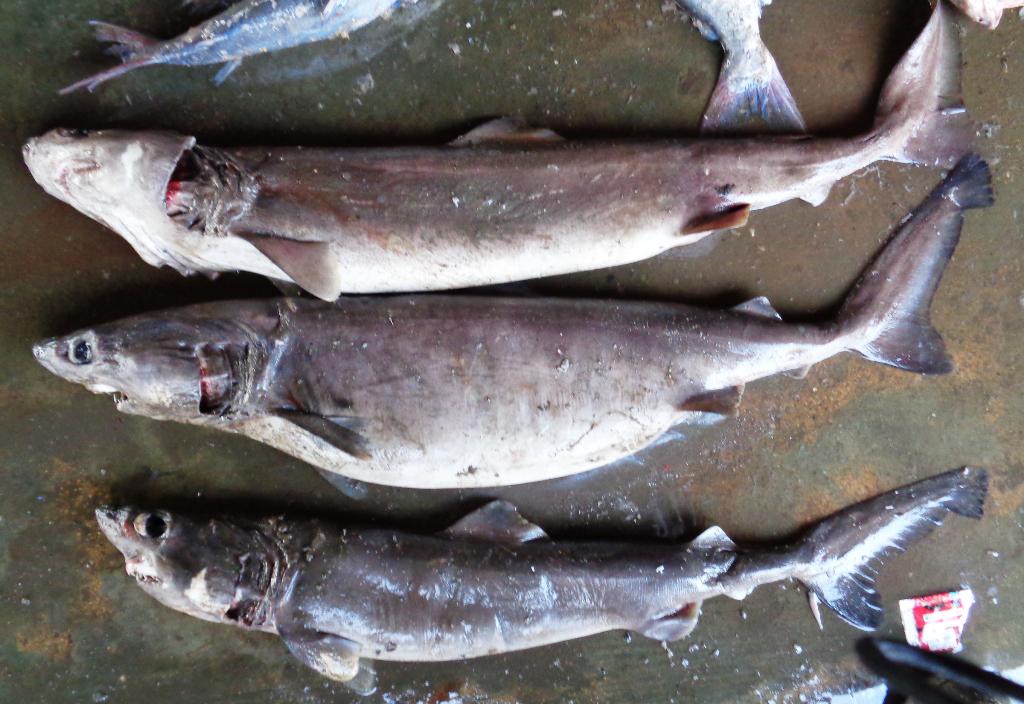
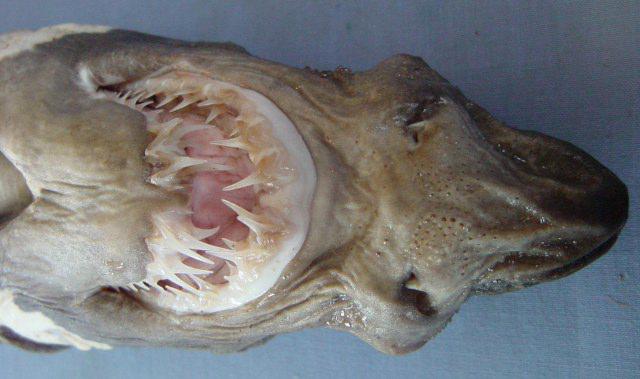
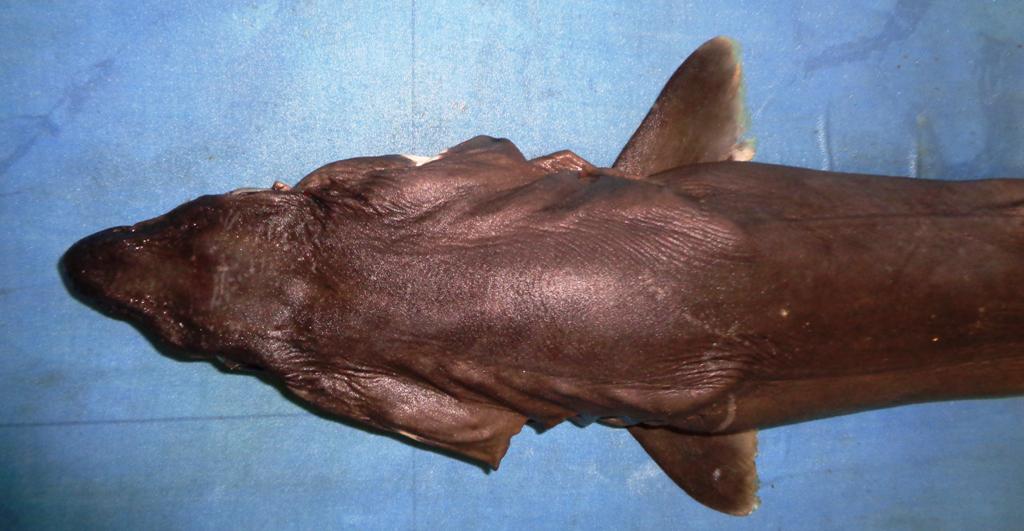
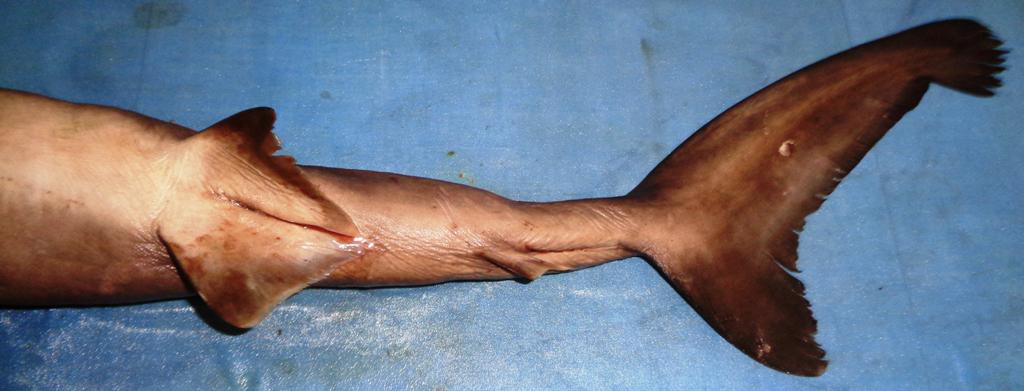
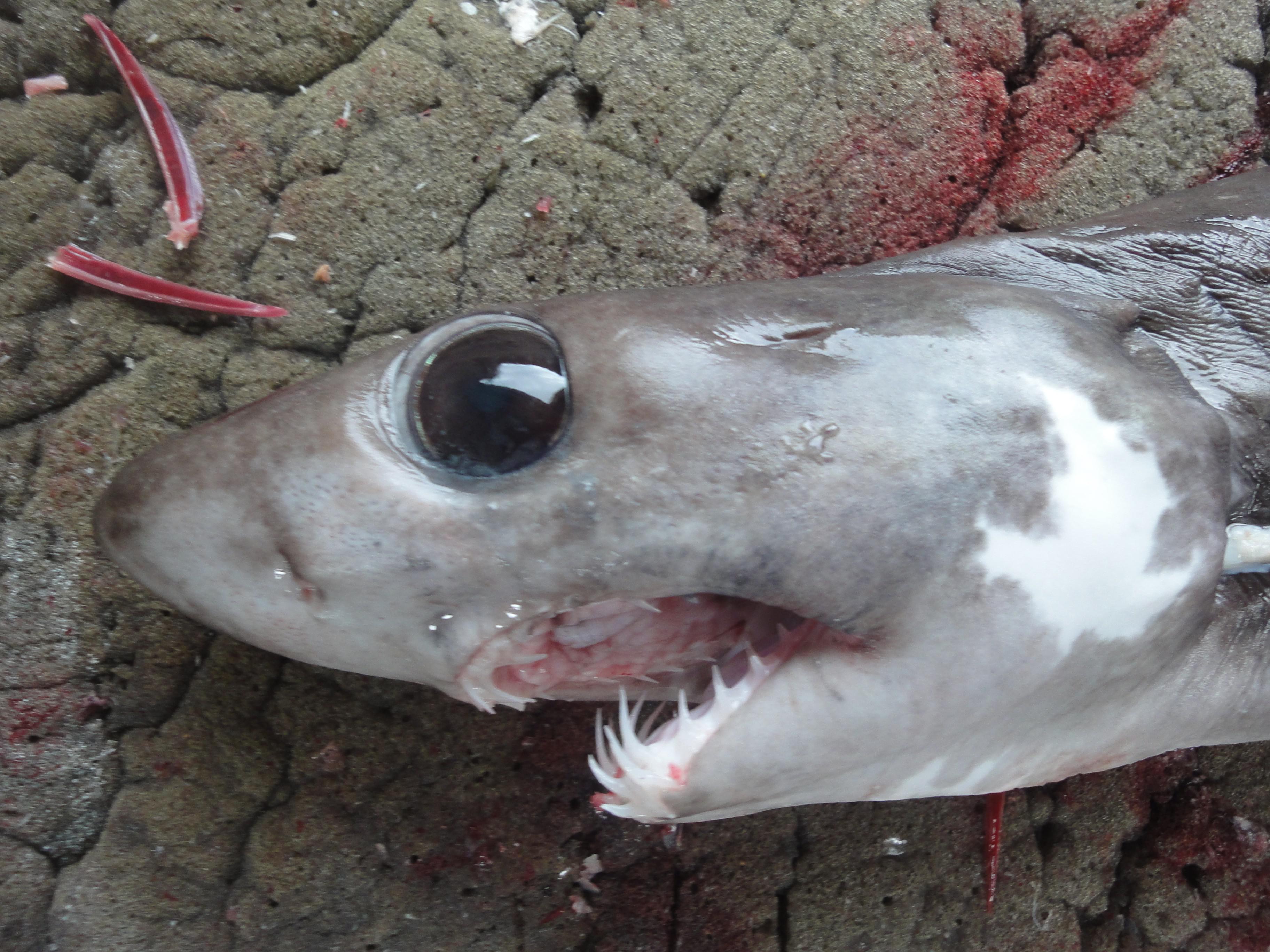
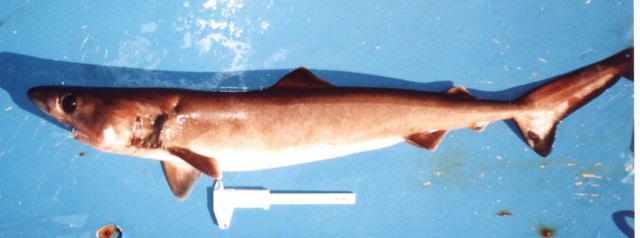
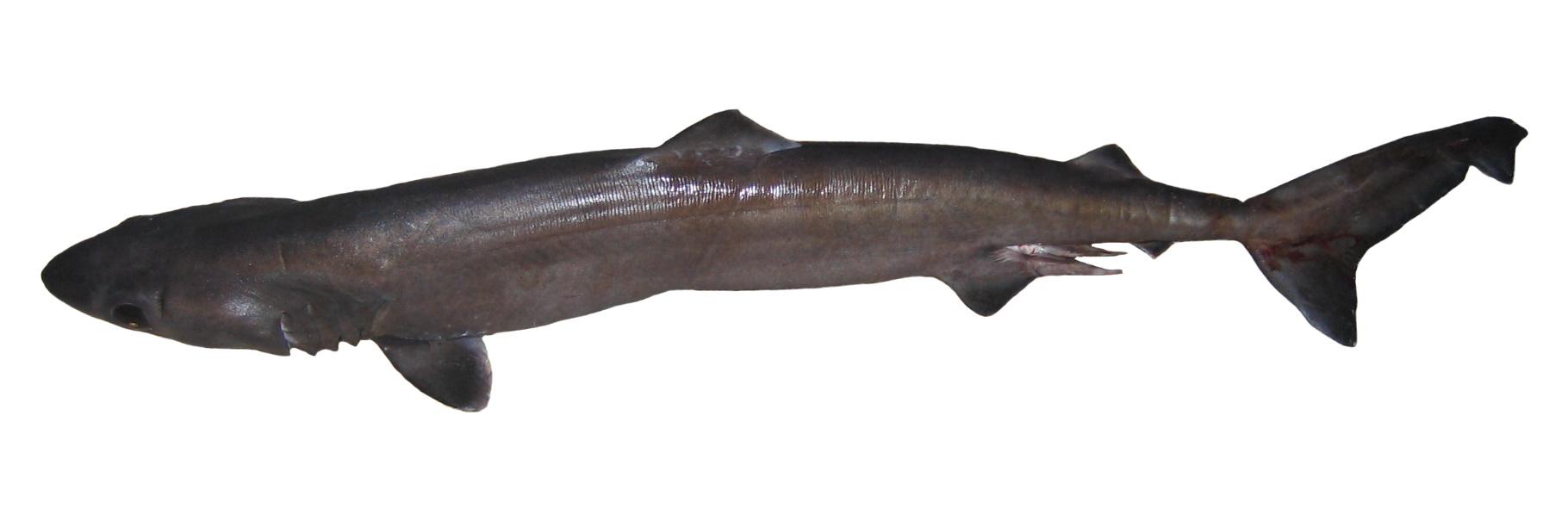
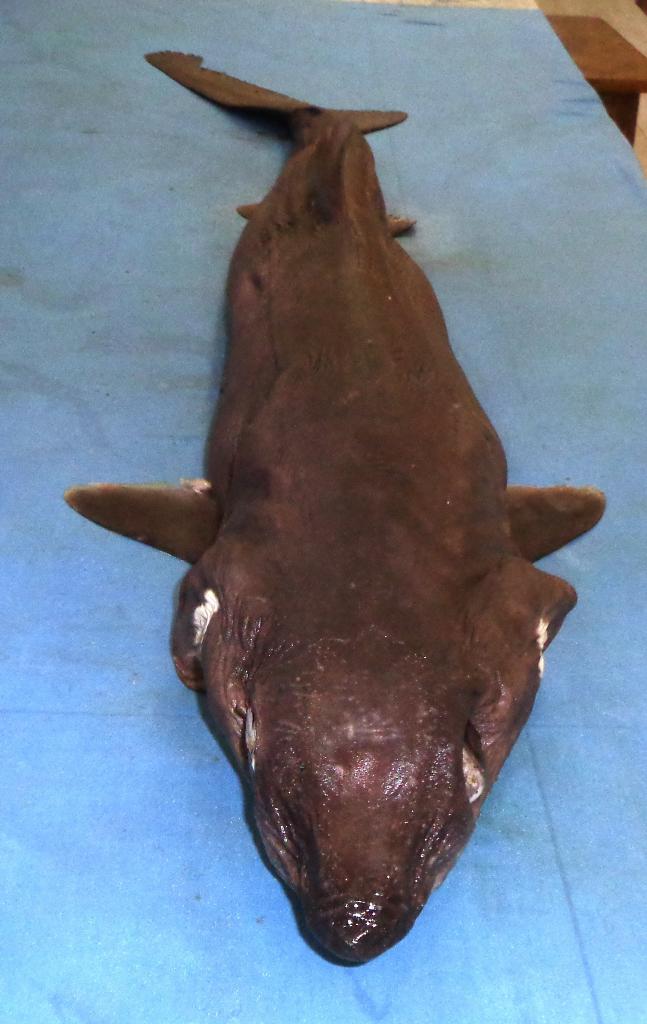
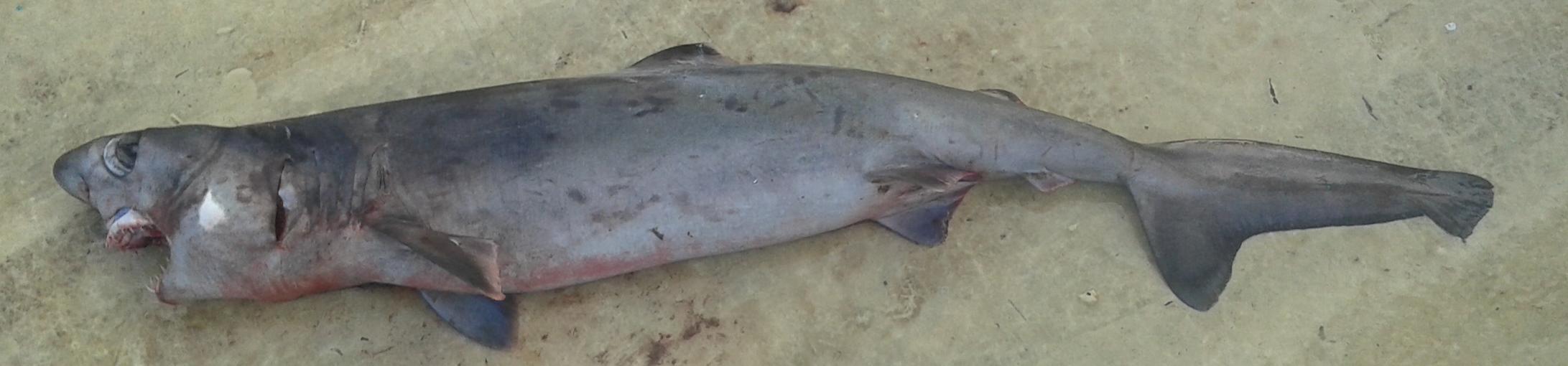
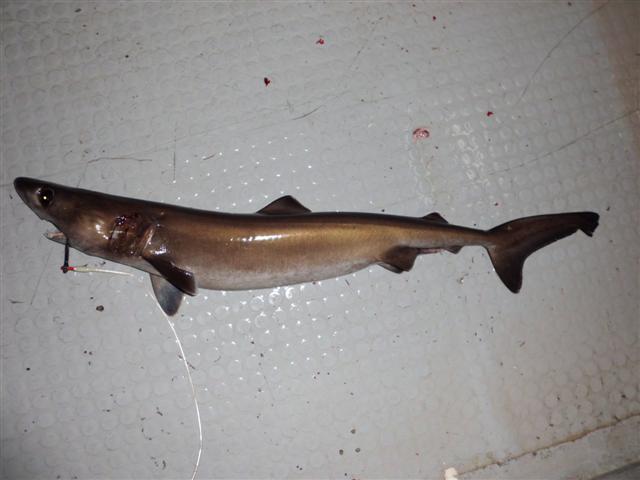
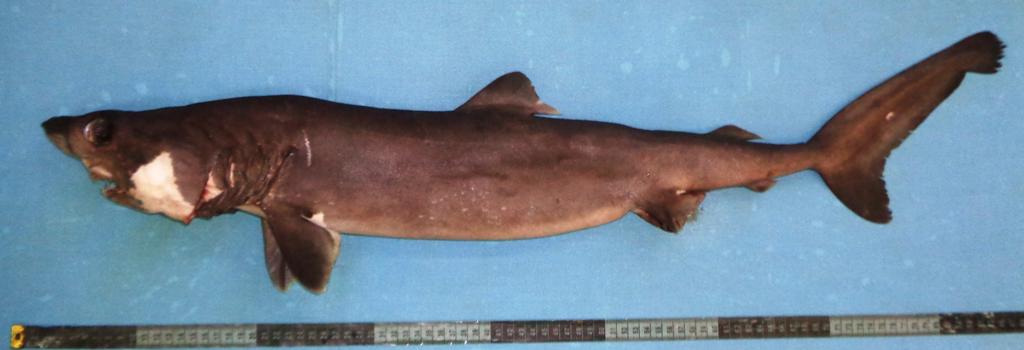
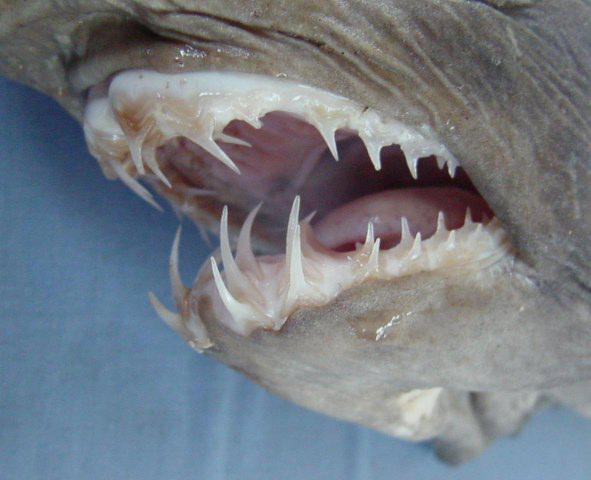
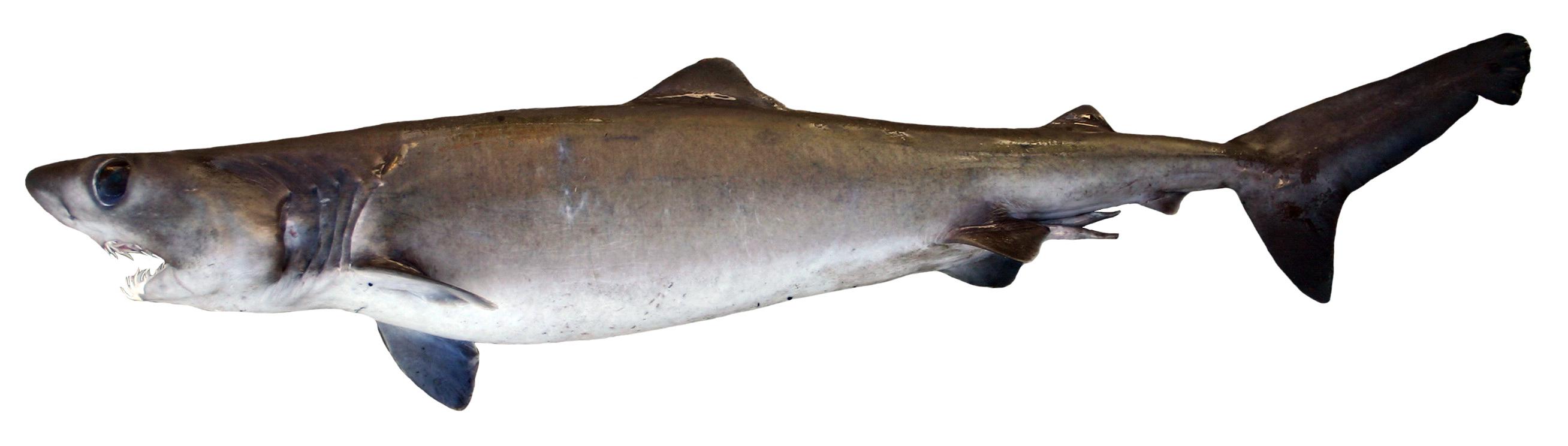
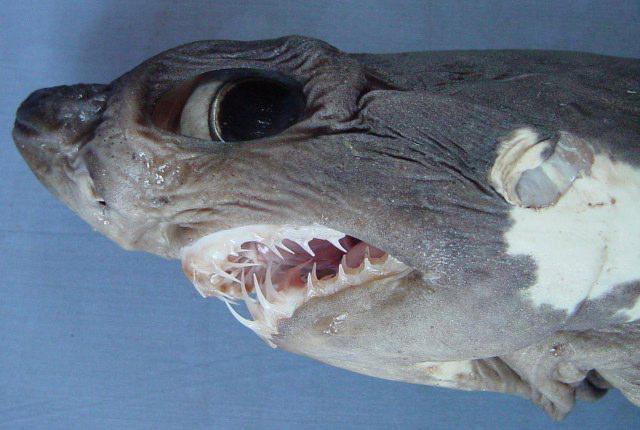
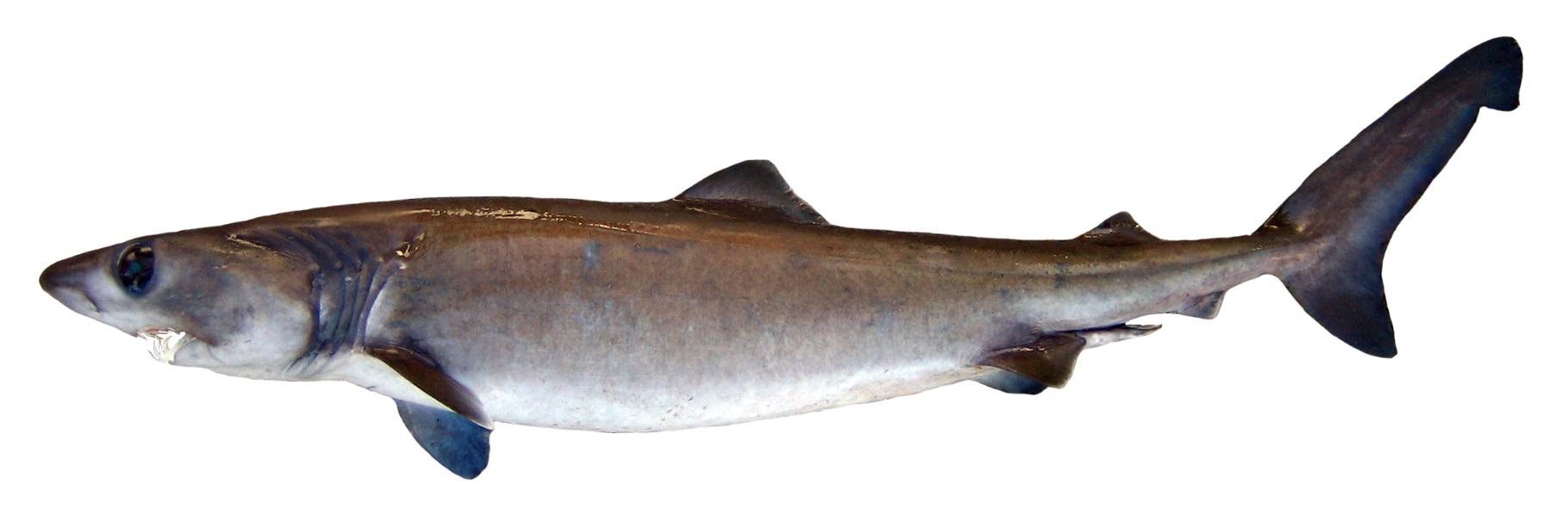
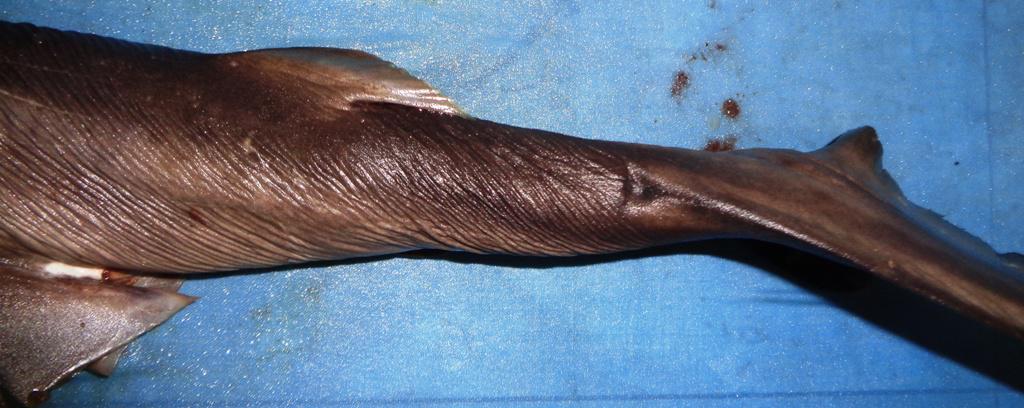
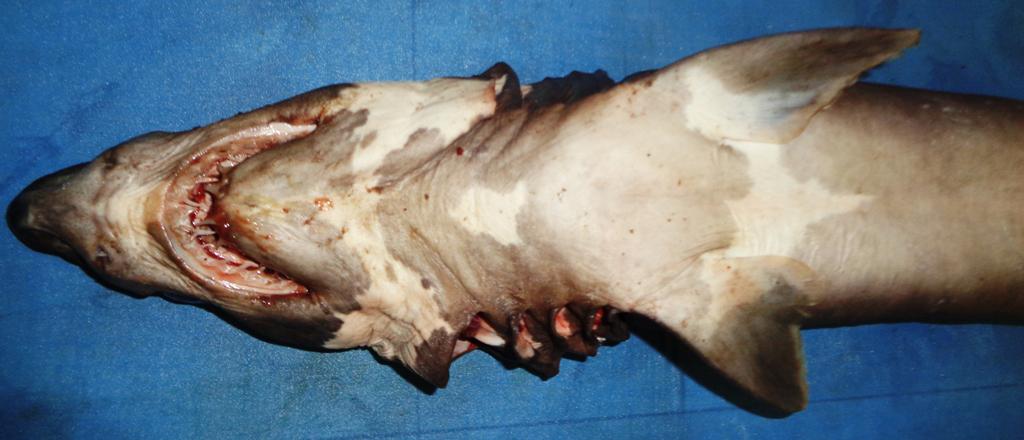
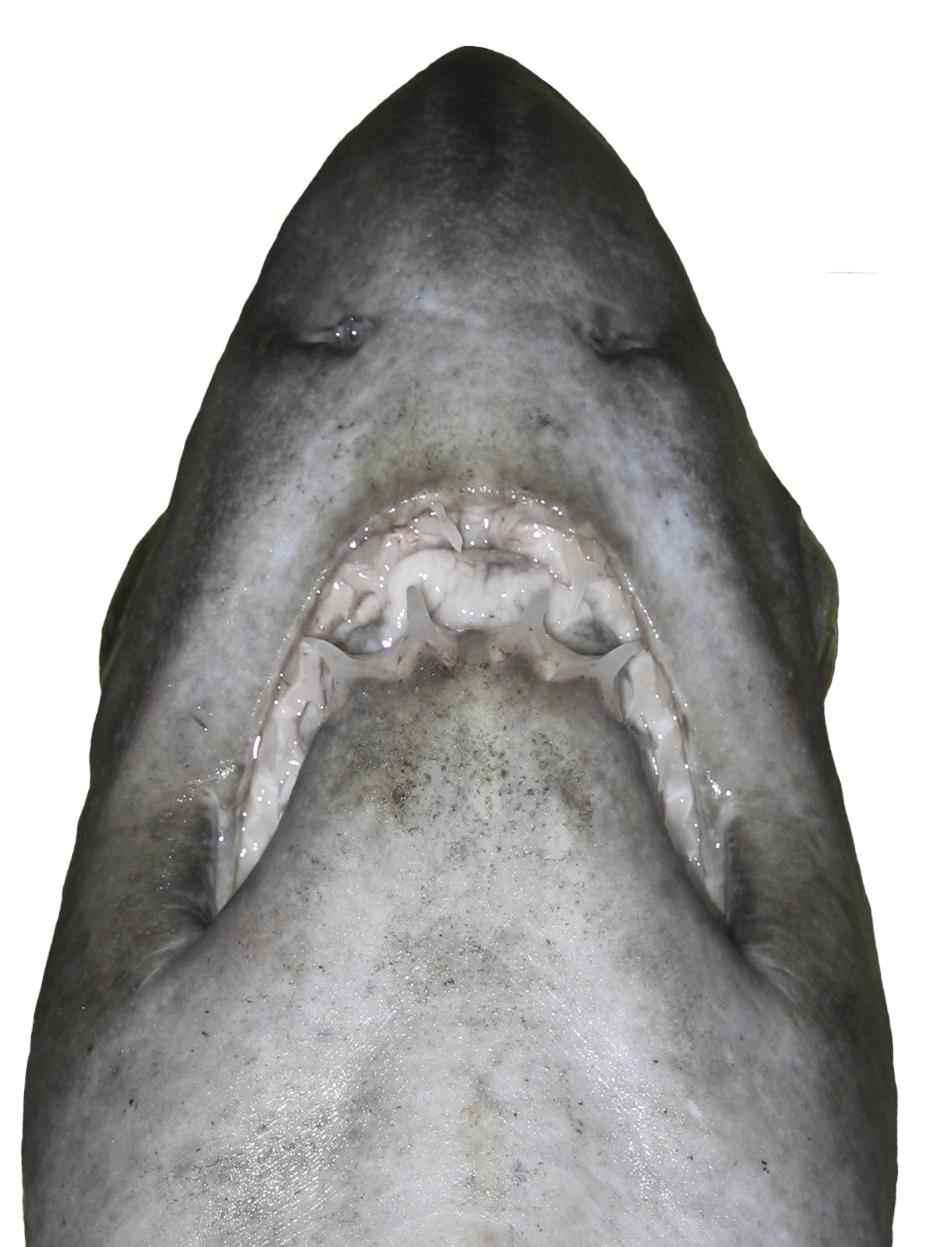
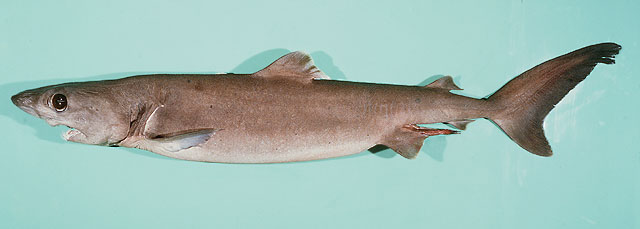
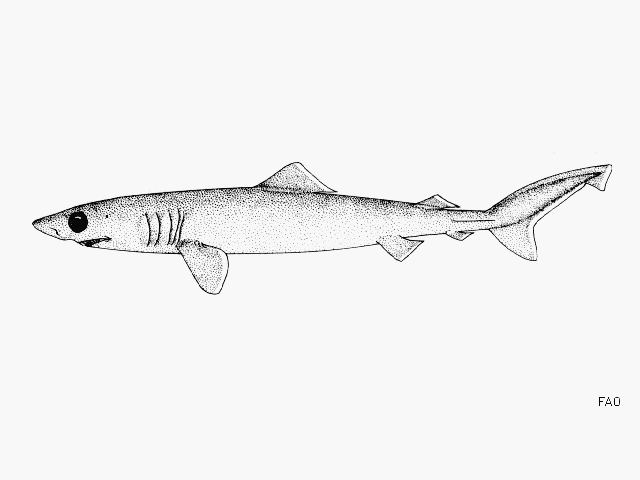
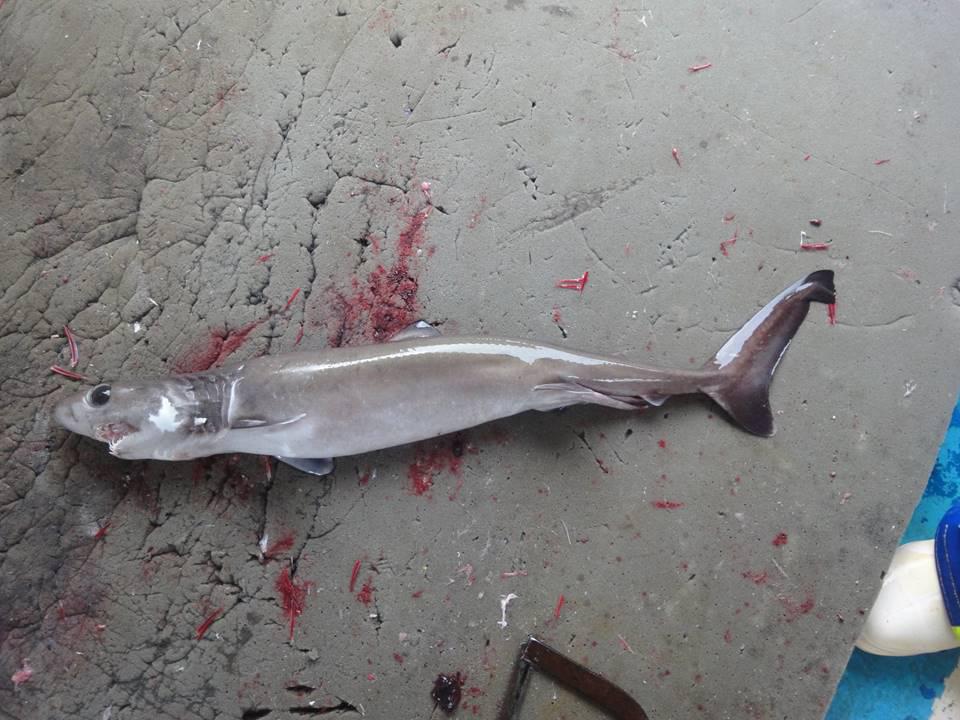
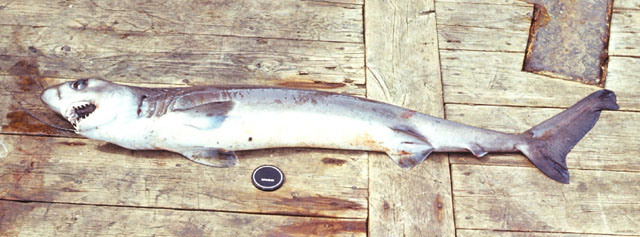
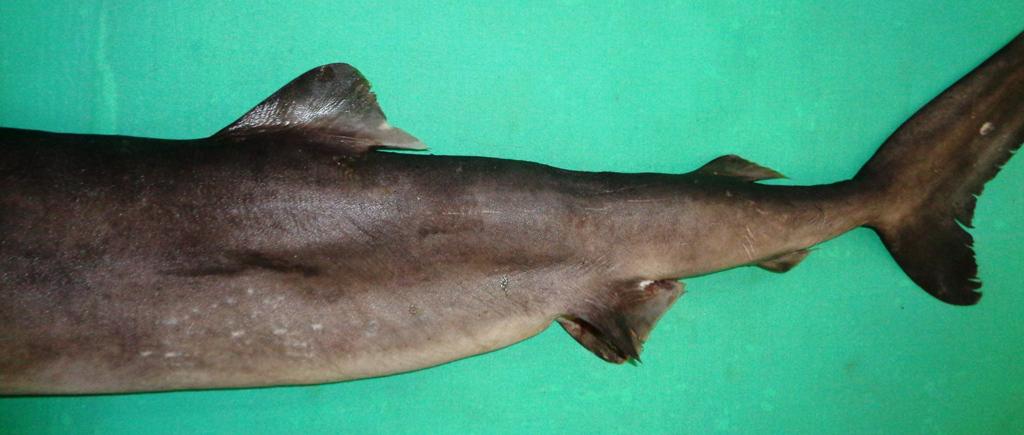
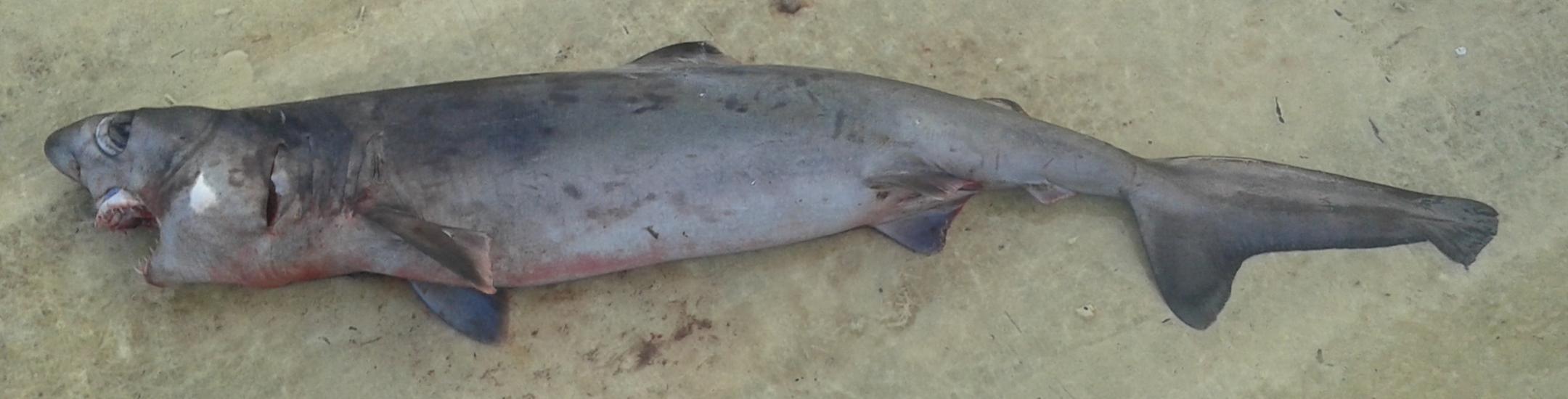
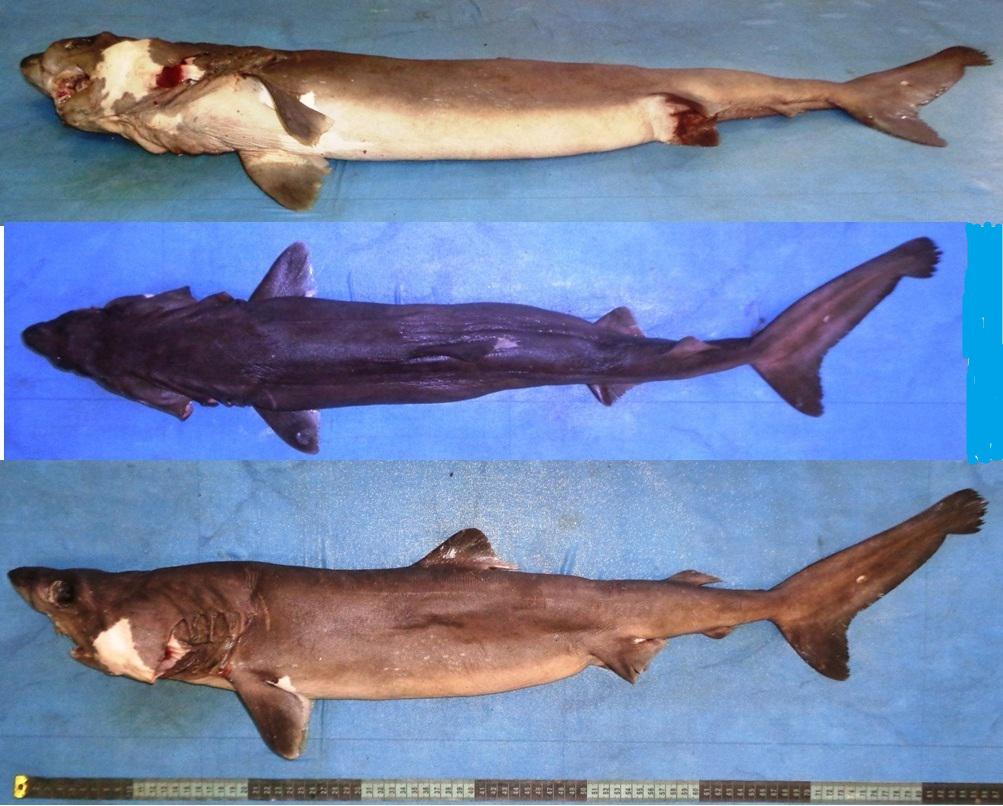
Dorsal spines (total): 0; Anal spines: 0. A medium-sized spindle-shaped shark with very large eyes lacking a nictitating membrane, long gill slits extending onto dorsal surface of head, lanceolate teeth, weak keel and precaudal pits on caudal peduncle (Ref. 6871, 43278). Small and low dorsal fins, with second dorsal fin less than half the size of the first but larger than the anal fin (Ref. 6871). Pectoral fin broad and rounded (Ref. 6871). Light or dark grey above, paler below, fins white-edged, sometimes with small white spots on body and a white blotch between mouth and gill slits (Ref. 13569).
Common Names
Taxonomic Hierarchy
Kingdom: Animalia
Phylum: Chordata
Class: Elasmobranchii
Order: Lamniformes
Family: Pseudocarchariidae
Genus: Pseudocarcharias
Species: Pseudocarcharias kamoharai (Matsubara, 1936)
Climate Zone
Biology
An oceanic species usually found offshore and far from land but sometimes occurring inshore (Ref. 9993, 43278, 58302). Epi- and mesopelagic, with occasional near-bottom occurrences (Ref. 43278, 58302). Although considered not dangerous to people, its powerful jaws, jaw muscles and teeth invite respect. Flesh not appreciated and therefore the catch is usually discarded (Ref. 247); utilized for its large, squalene-rich liver (Ref. 9993). Feeds on small pelagic bony fishes, squids and shrimps (Ref. 5578). Ovoviviparous, embryos feeding on yolk sac and other ova produced by the mother (Ref. 50449). With 4 young in a litter, born at 40 to 43 cm TL (Ref. 12288). Maximum length for female given in Romanove et.al 1994 (Ref. 44781). Common bycatch of tuna longline fisheries, and occasionally tuna gillnet fisheries (Ref.58048).
Habitat
oceanic
Conservation Status
Least Concern
Threat to Humans
Harmless
Pseudocarcharias kamoharai (Matsubara, 1936)