Plecoglossus altivelis (Temminck & Schlegel, 1846)
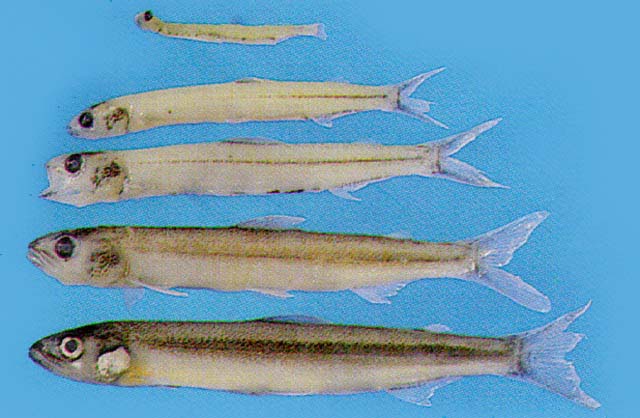
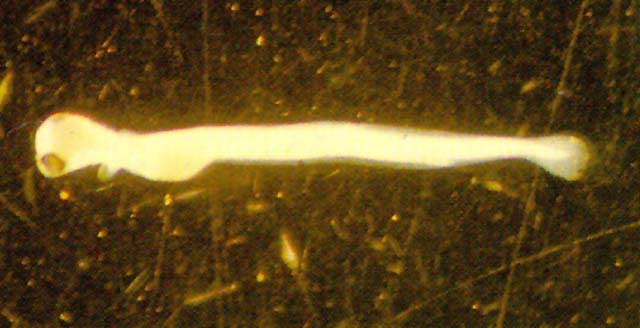
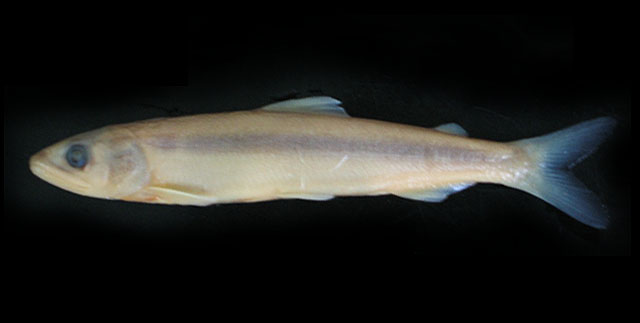

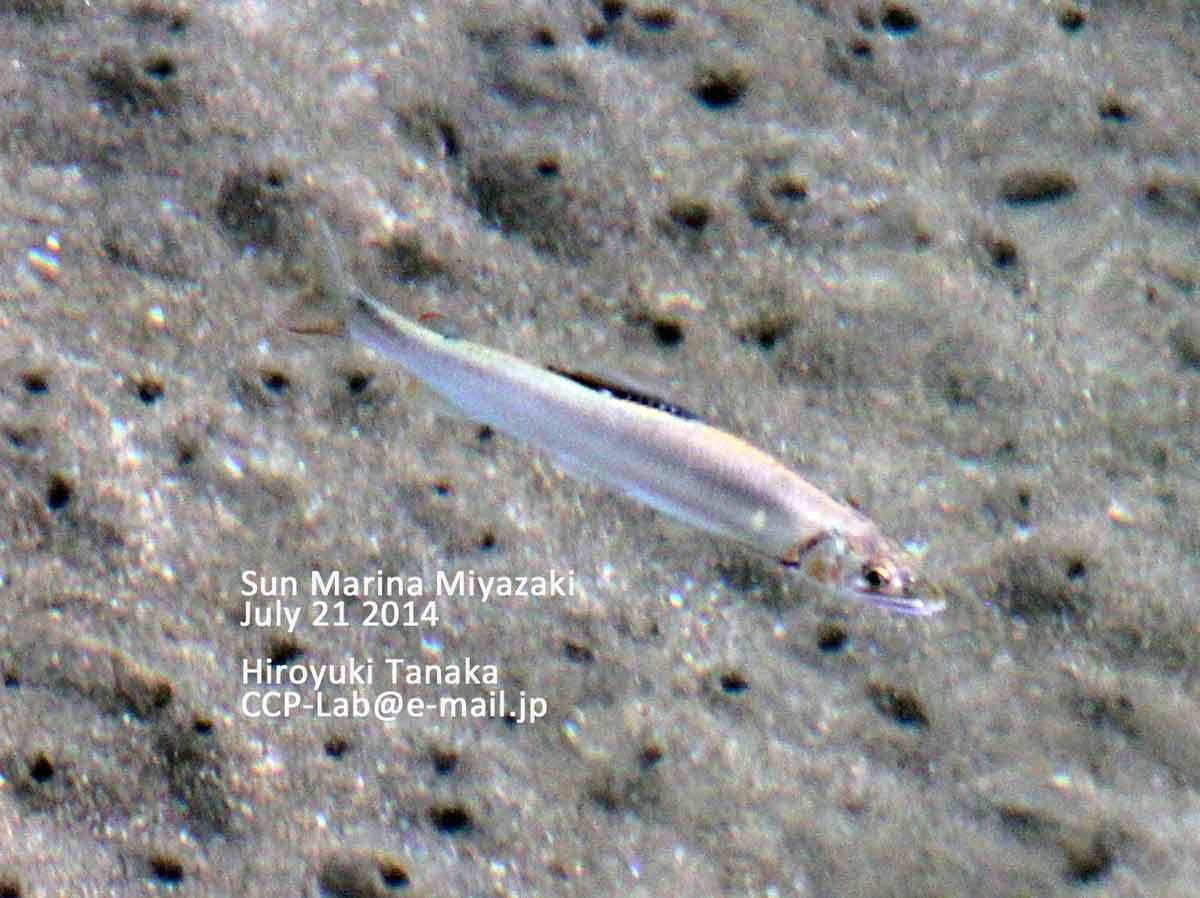

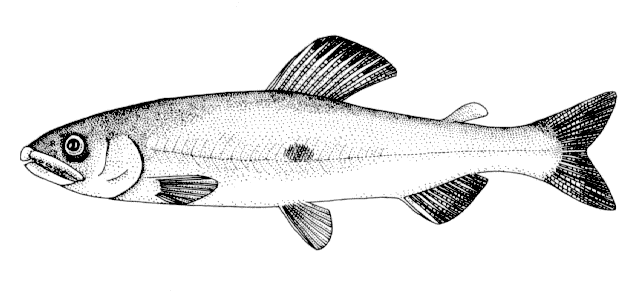
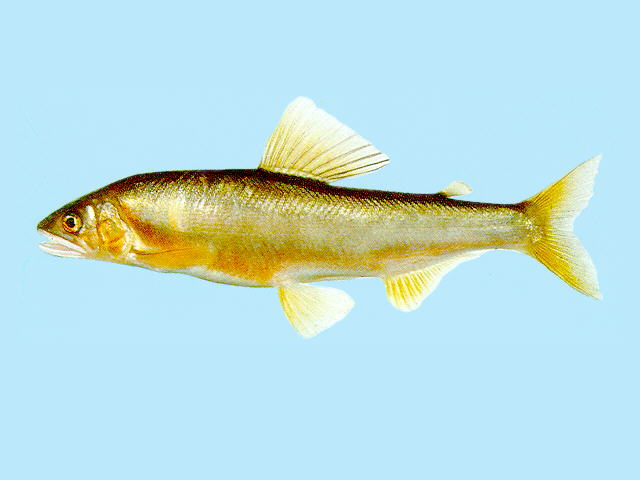
Description
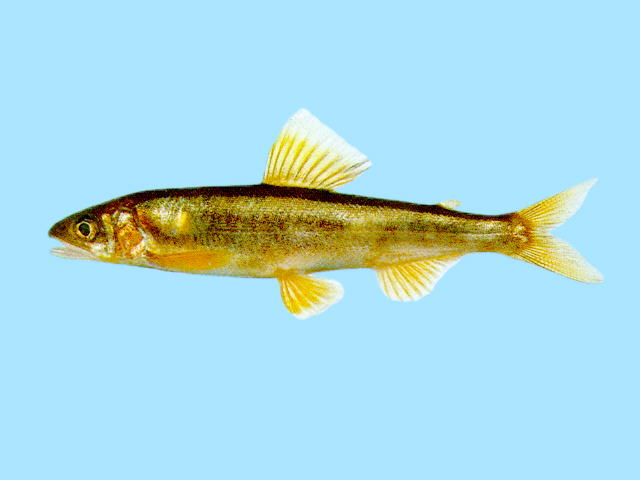
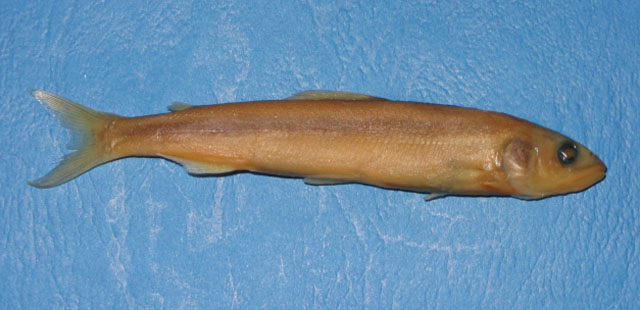
Dorsal spines (total): 0; Dorsal soft rays (total): 10 - 11; Anal soft rays: 14 - 15; Vertebrae: 60 - 63. Pyloric caeca 350-400.
Common Names
Taxonomic Hierarchy
Kingdom: Animalia
Phylum: Chordata
Class: Teleostei
Order: Osmeriformes
Family: Plecoglossidae
Genus: Plecoglossus
Species: Plecoglossus altivelis (Temminck & Schlegel, 1846)
Climate Zone
Biology
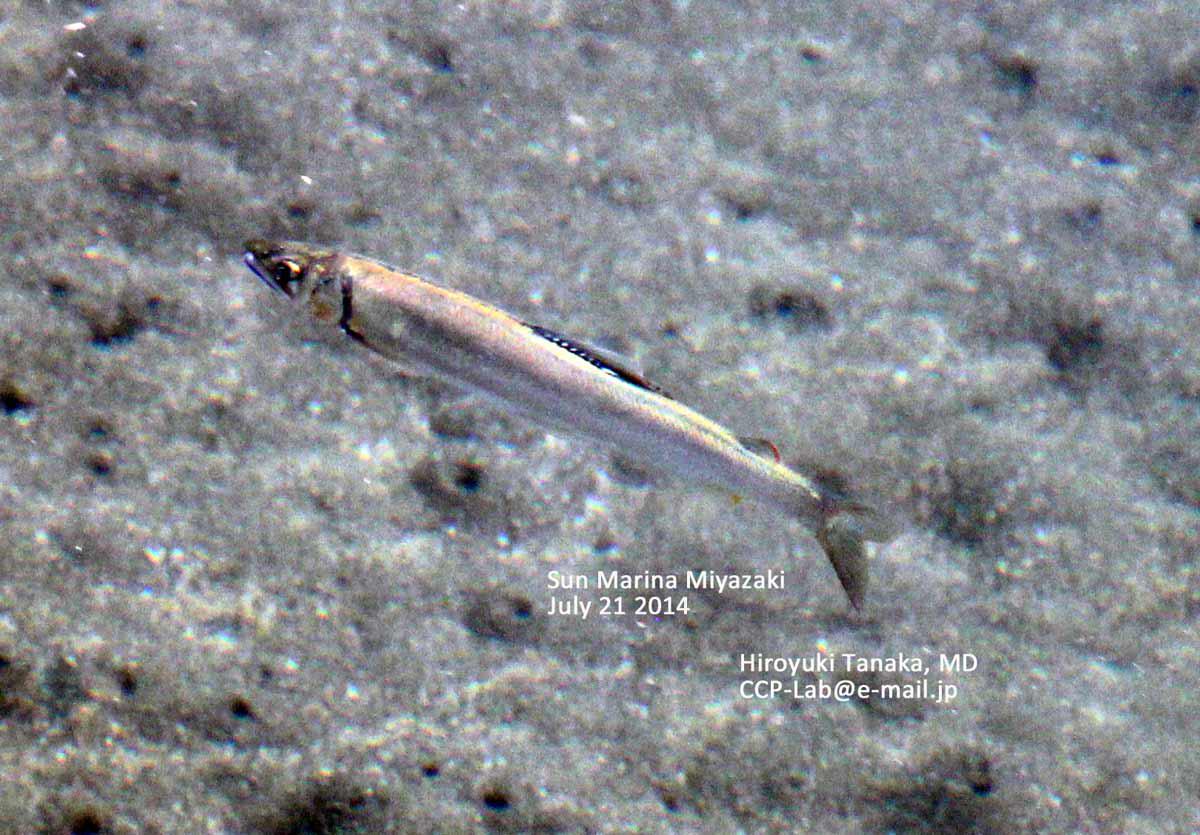
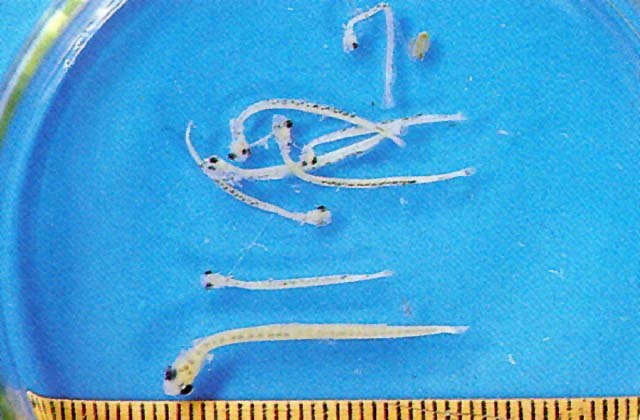
Typical amphidromous fish; appears in near shore from late autumn to spring (Ref. 11230). Found in lakes and rivers, preferring clean river water and can be found the entire river long, from the head to the mouth (Ref. 12218). Ascends the river during March when the temperature is around 10°C (Ref. 12218). Adults spawn in the spring, in the lower reaches of rivers. After spawning, some adults die while others return to the sea. Larvae enter the sea immediately after hatching and remain there during winter, feeding on plankton. In springtime, the young (5-7 cm TL) move upstream to the middle reaches of rivers to feed on algae. Fish (about 6-9 cm) start schooling at the river mouth and are insectivores and eat algae off small pebbles (Ref. 12218); this is assisted by small leaf-like teeth which are loosely attached to the jaw with two ligaments (Ref. 45181). Those that are ready to spawn (about 20 cm TL) move downstream to the lower reaches of the river. Spawning adults from the sea migrate upstream to the lower reaches as well. Some fish spawn two or three years in succession, others only once (Ref. 9987 & 559). River forms live usually only one year whereas lake forms can live two or three years (Ref. 12218). Reaches maturity at 30-40 cm (Ref. 12218). Highly esteemed food fish. Marketed fresh and consumed fresh, fried and broiled (Ref. 9987).
Habitat
freshwater
Conservation Status
Data deficient
Threat to Humans
Harmless
Plecoglossus altivelis (Temminck & Schlegel, 1846)