Parupeneus trifasciatus (Lacepède, 1801)

Description
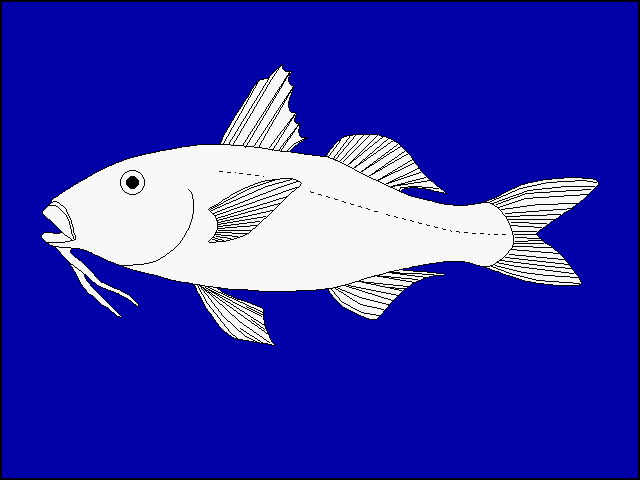
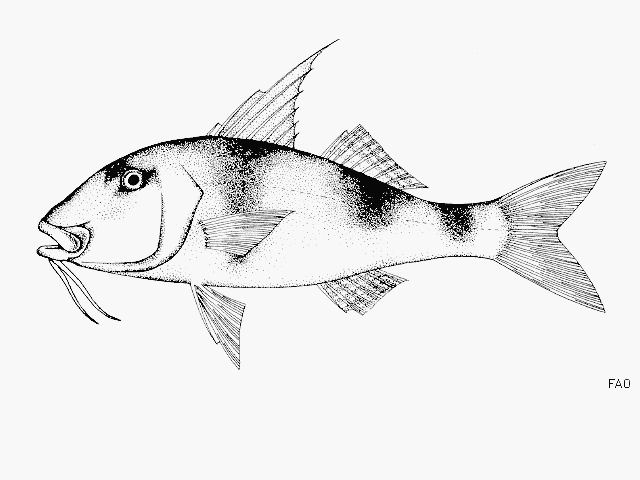
Dorsal spines (total): 8; Dorsal soft rays (total): 9; Anal spines: 1; Anal soft rays: 7.
Common Names
Taxonomic Hierarchy
Kingdom: Animalia
Phylum: Chordata
Class: Teleostei
Order: Mulliformes
Family: Mullidae
Genus: Parupeneus
Species: Parupeneus trifasciatus (Lacepède, 1801)
Climate Zone
Biology
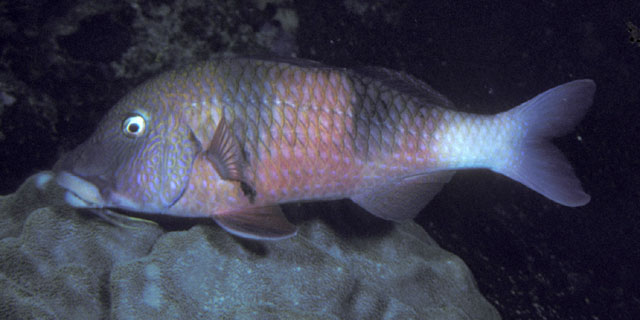
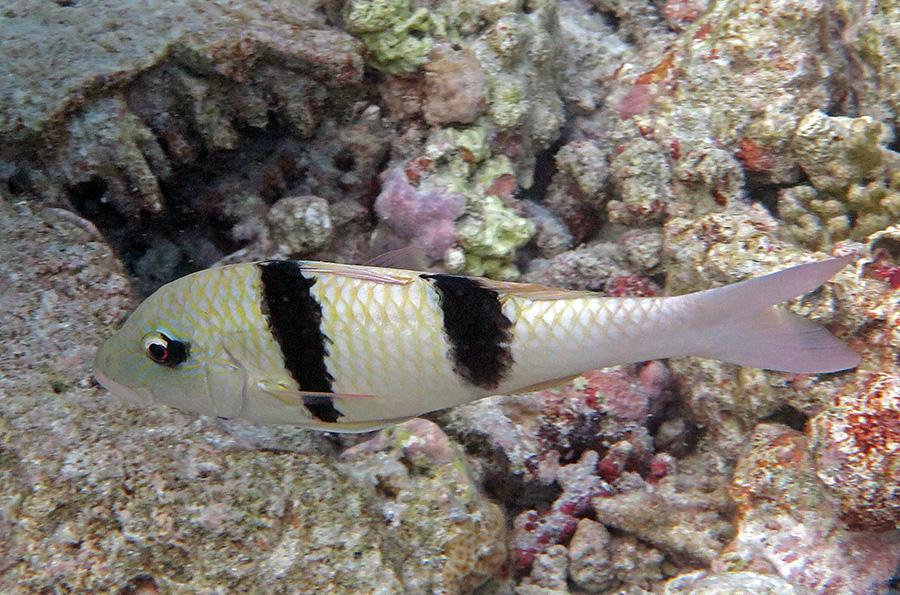
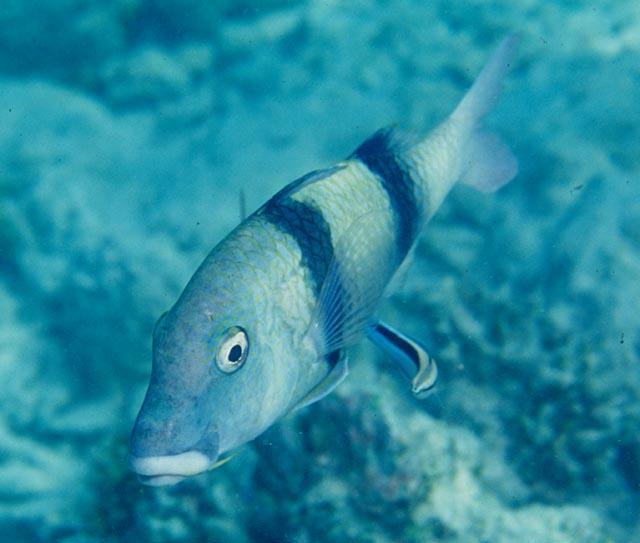
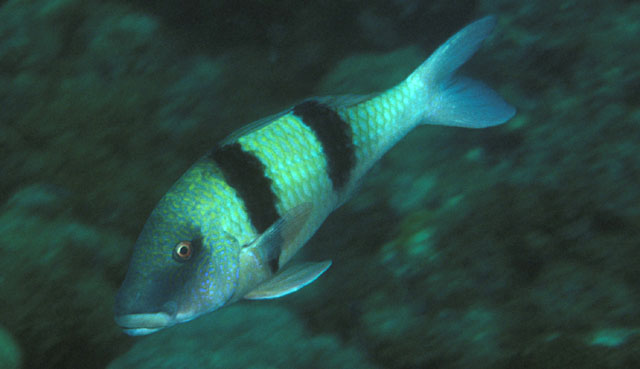
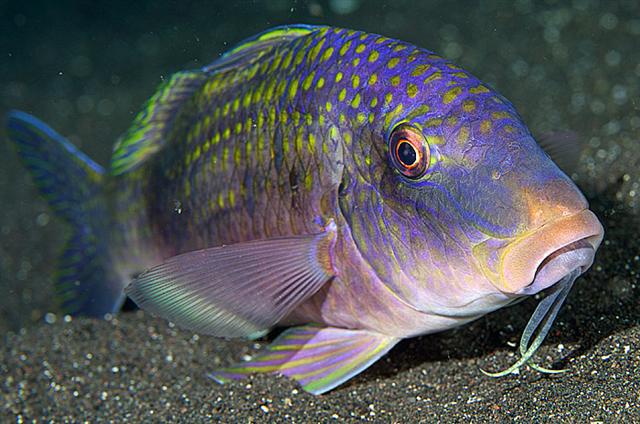
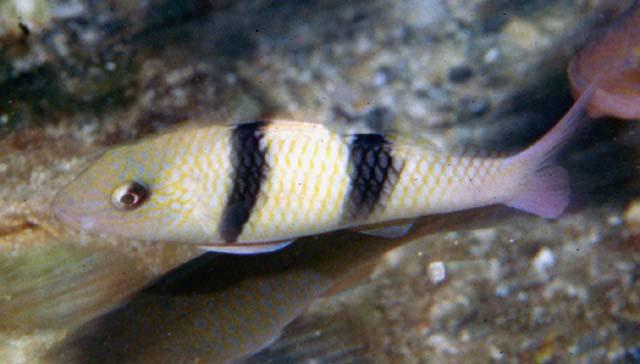
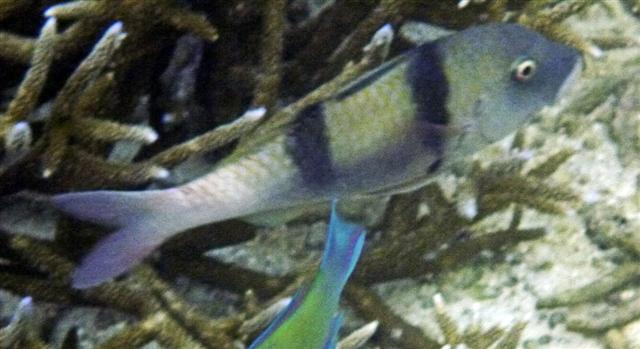
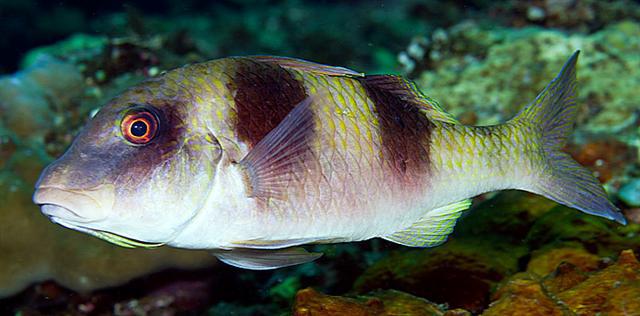
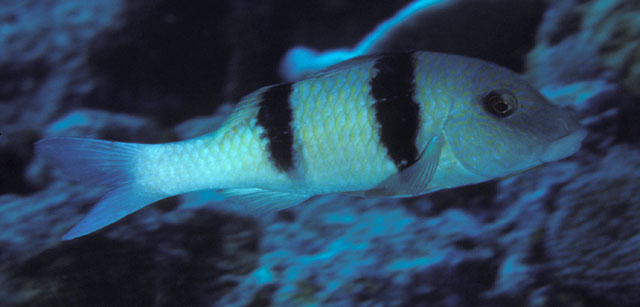
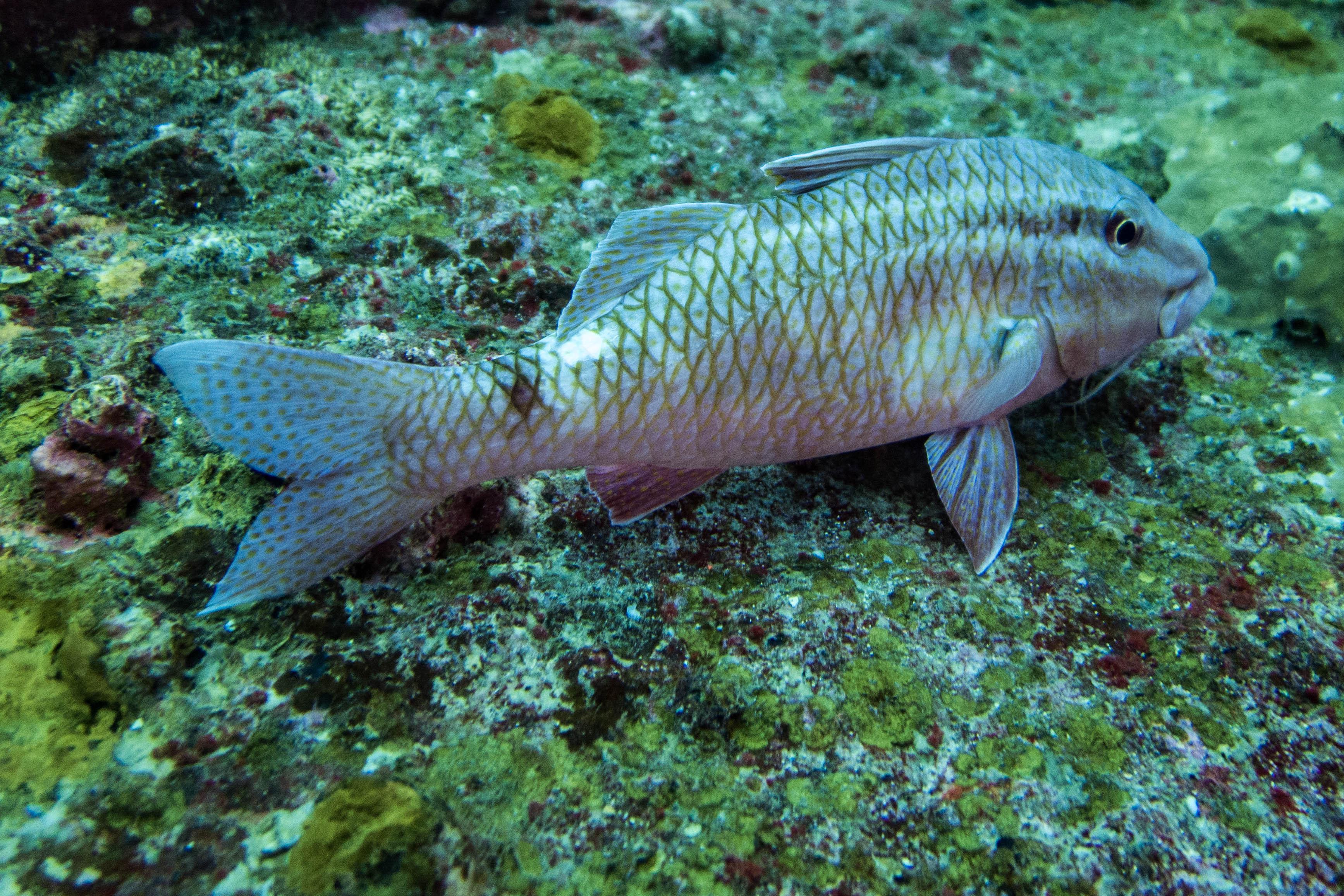
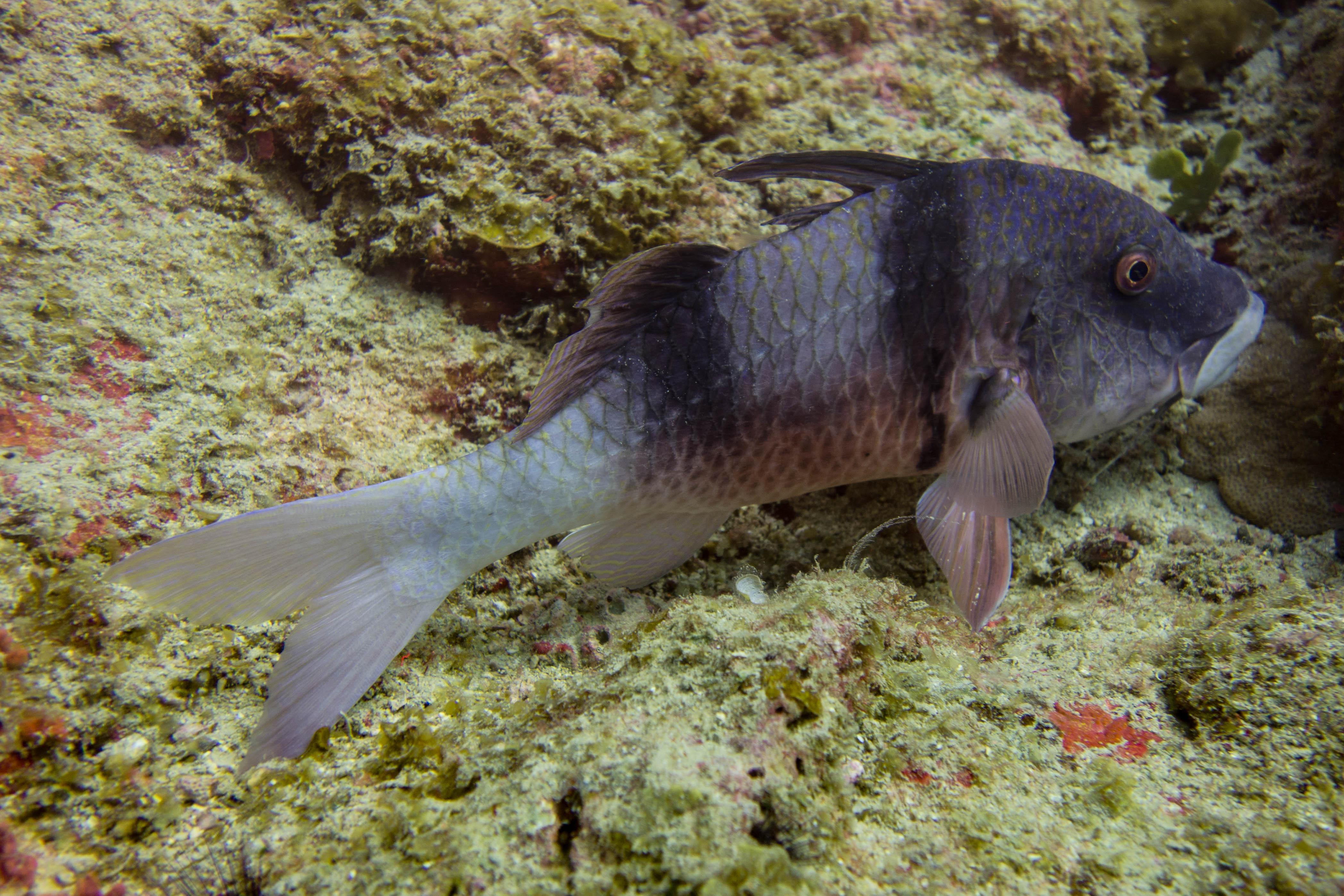
This occasionally schooling species inhabits lagoon and seaward reefs: juveniles on reef flats, adults tend to occur around rocky or coralline areas of high vertical relief. Feeds on crustaceans at daytime and on fishes and crab larvae at night. Also feeds on worms (Ref. 6113). Occurs in 3 color forms. The Indian Ocean form has 2 sharply defined wedge-shaped bars become narrower and sometimes end on the belly. The Indo-Australian form has 3 very distinct dark patches and rows of yellow spots on the sides. The Pacific Plate form has 2 wide bars that extend to the belly (Ref. 37816). Minimum depth reported taken from Ref. 128797.
Habitat
associated
Conservation Status
Least Concern
Threat to Humans
Harmless
Parupeneus trifasciatus (Lacepède, 1801)