Parupeneus multifasciatus (Quoy & Gaimard, 1825)
Description
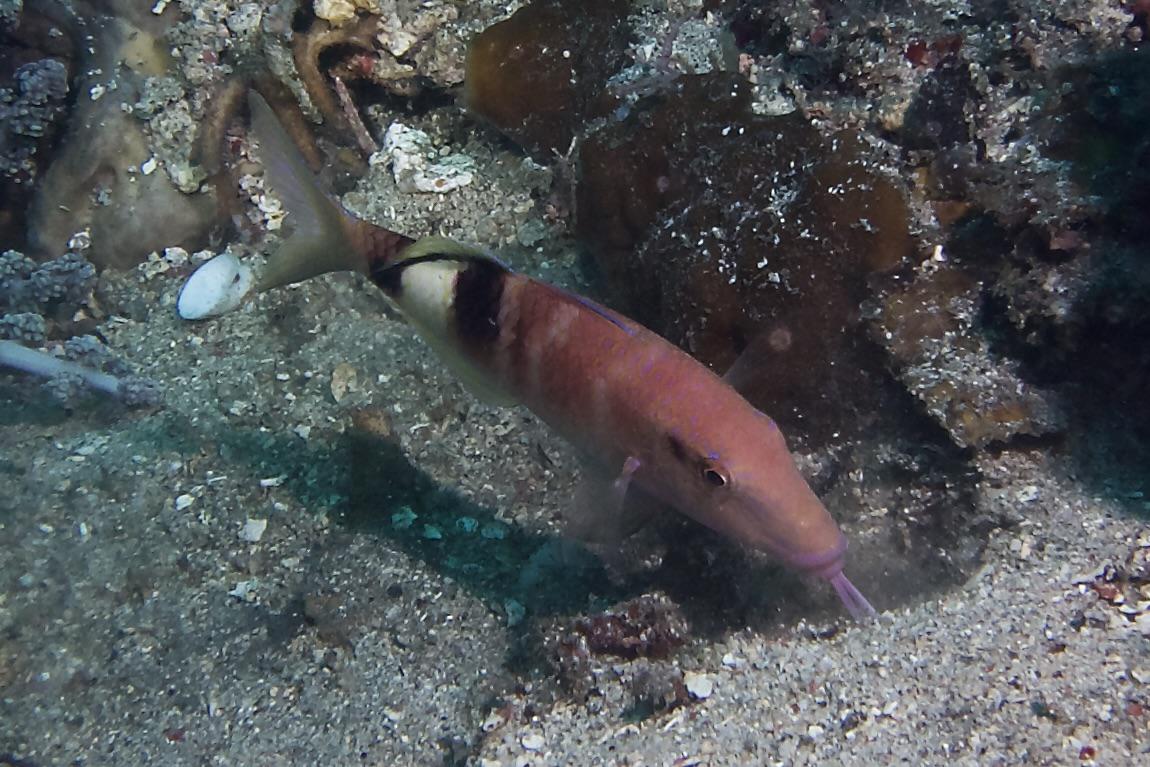
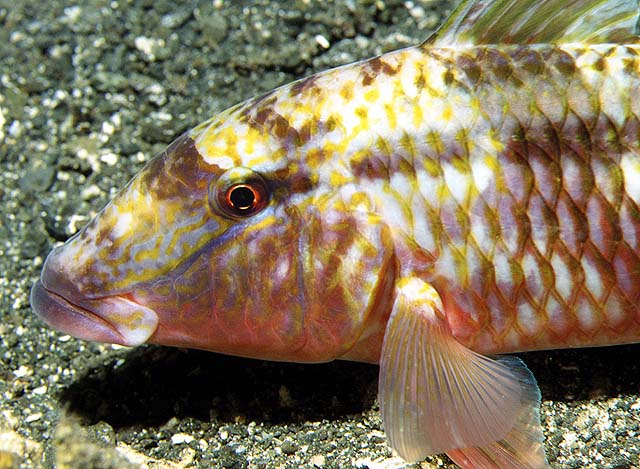
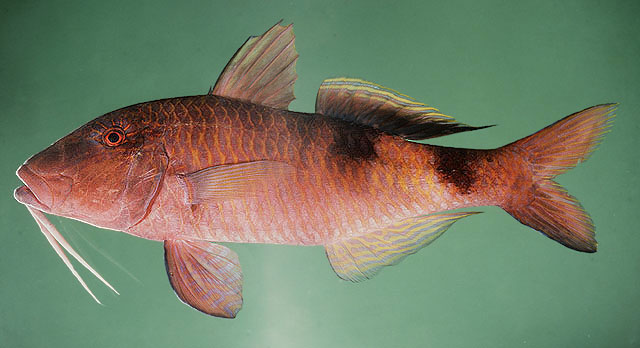
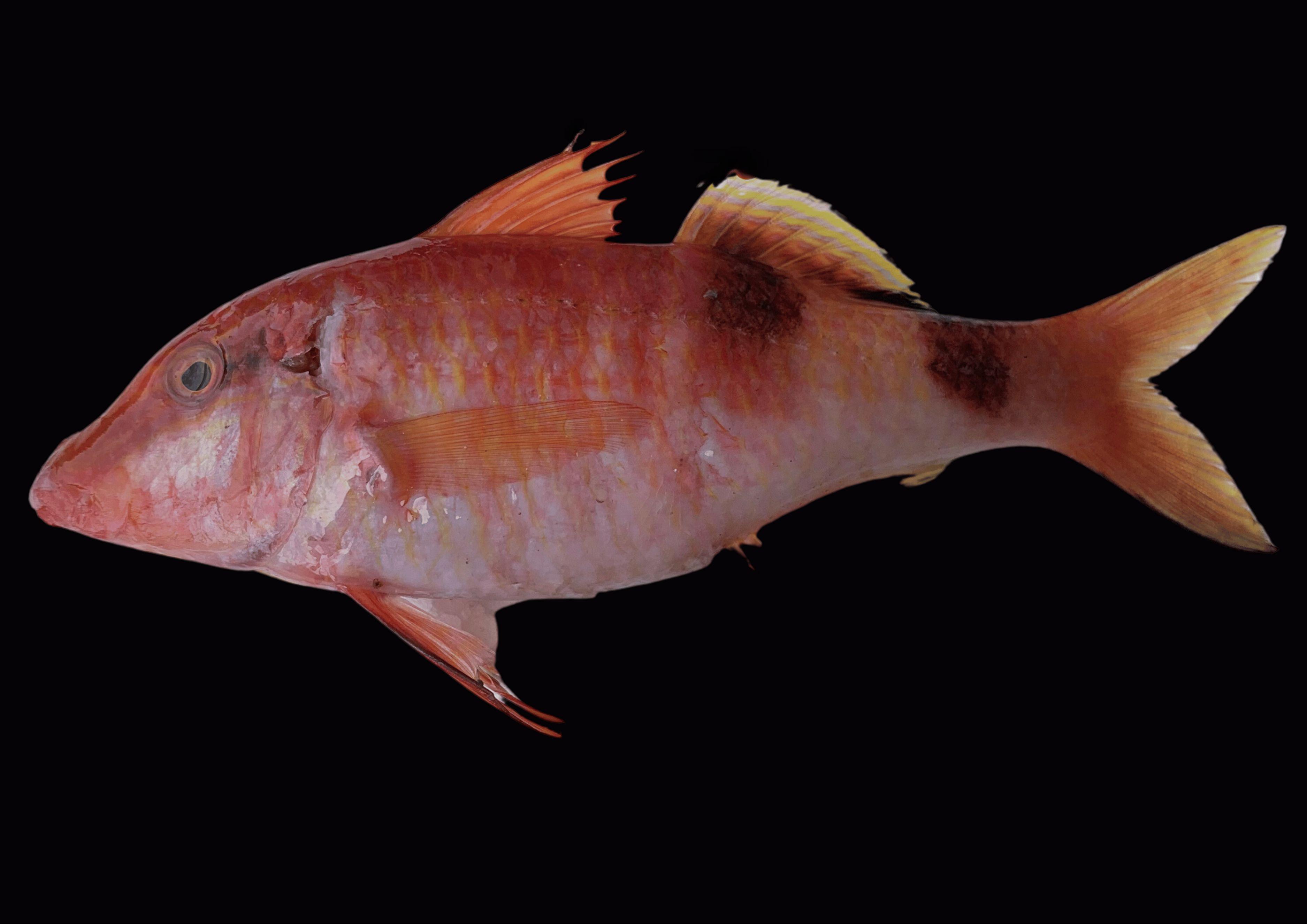
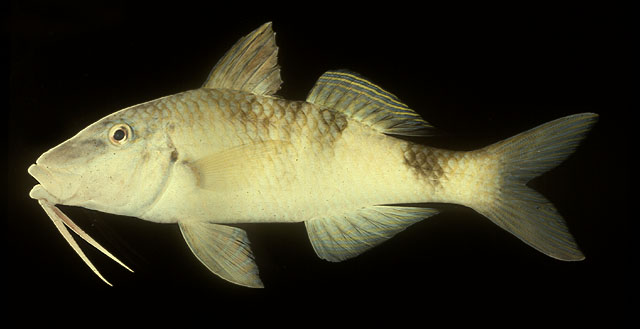
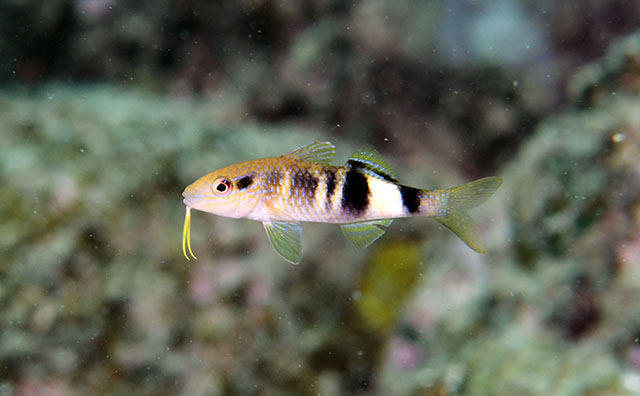
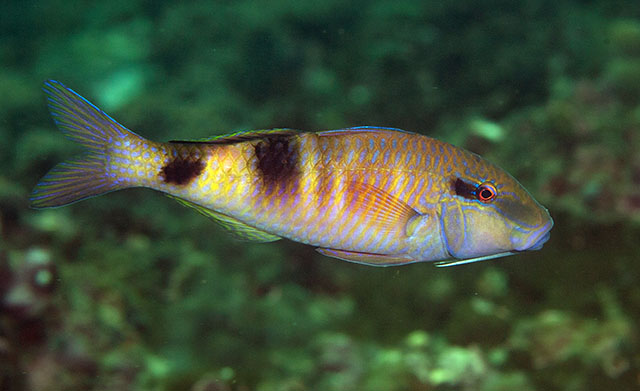
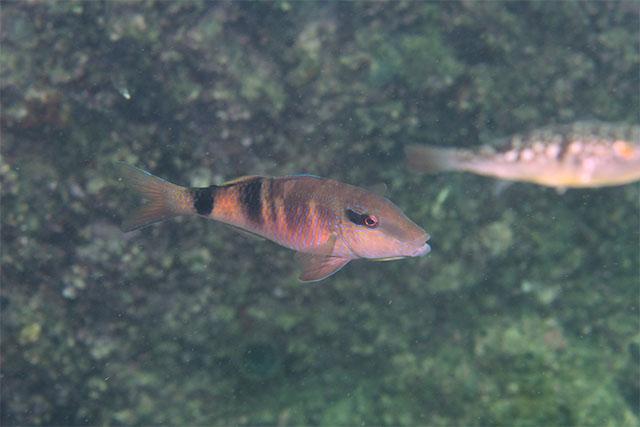
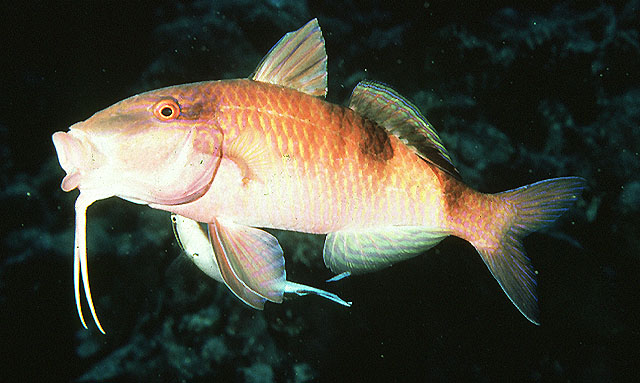
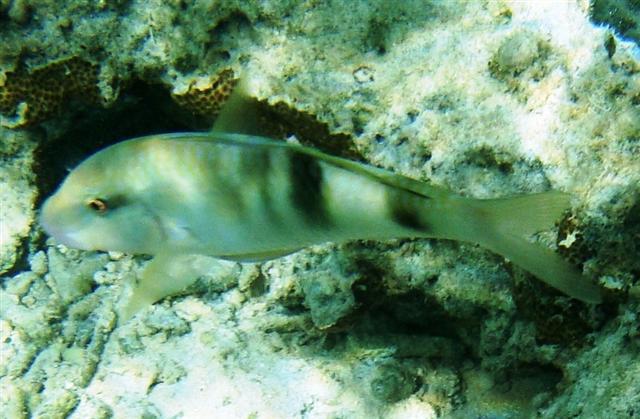
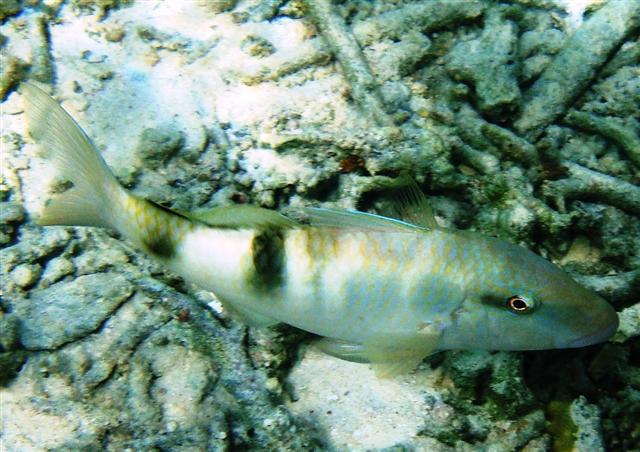
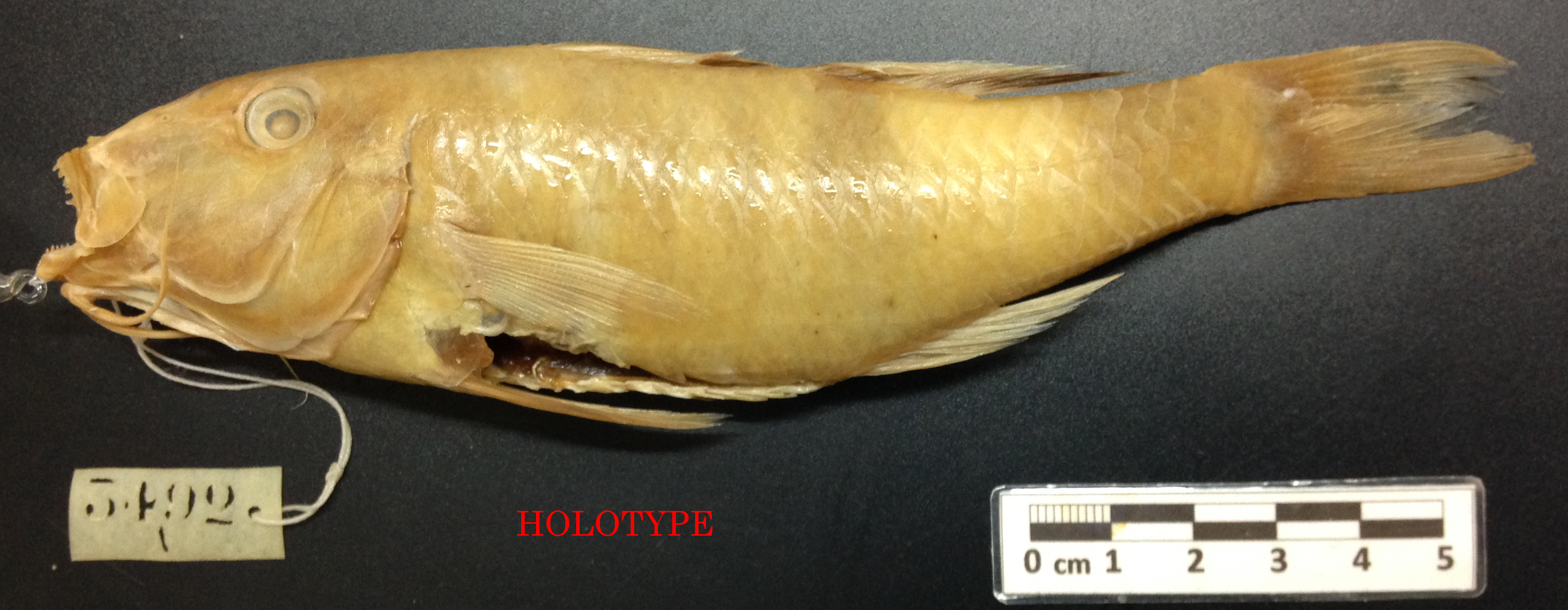
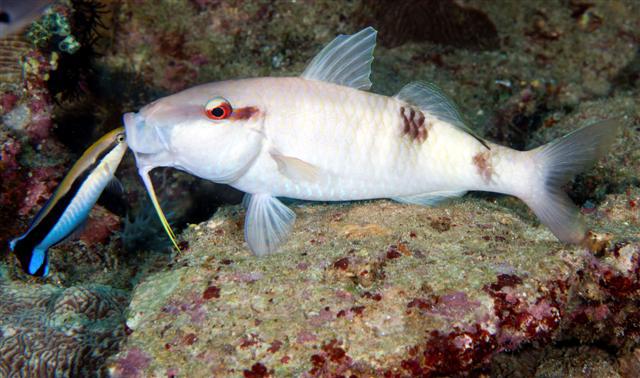
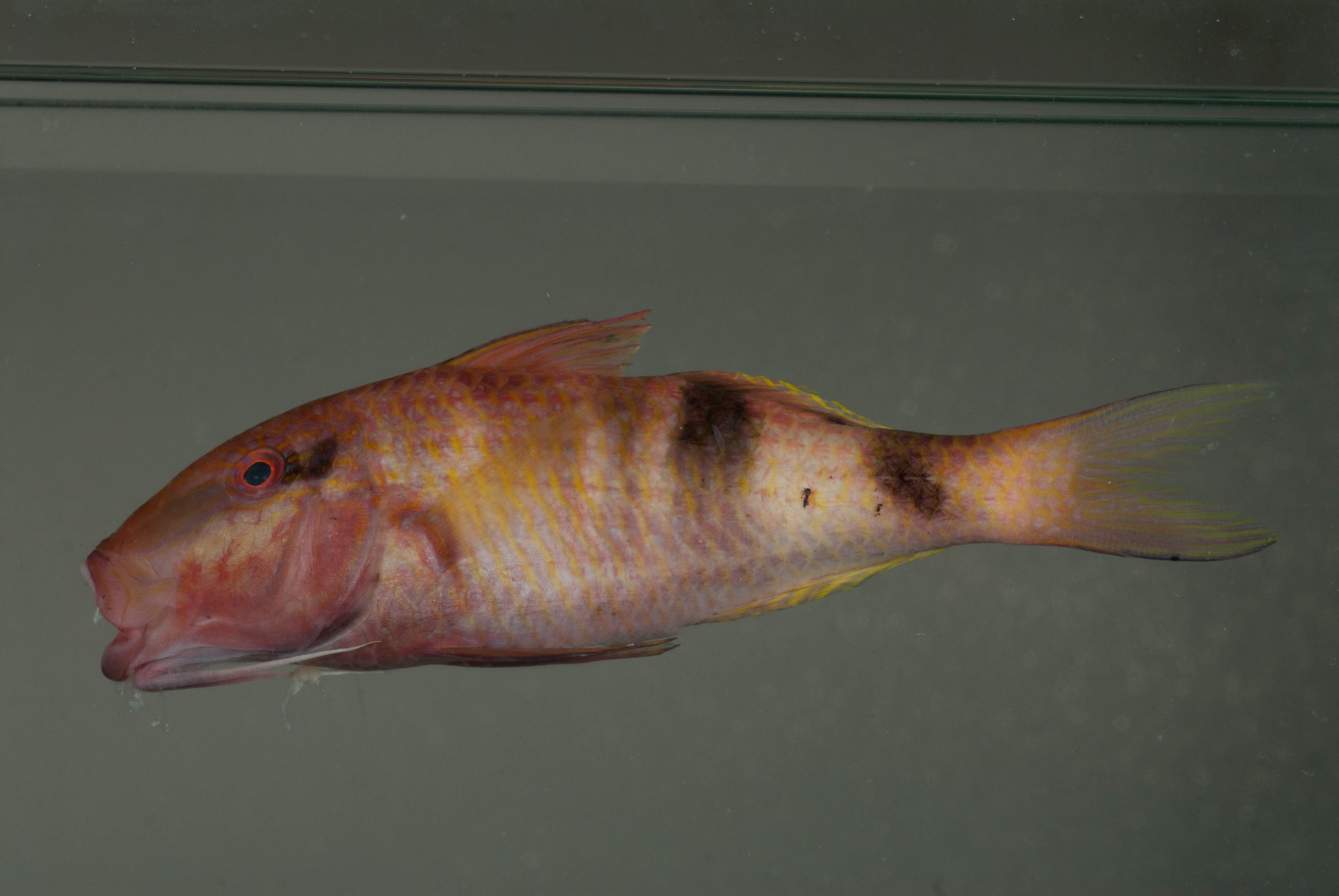
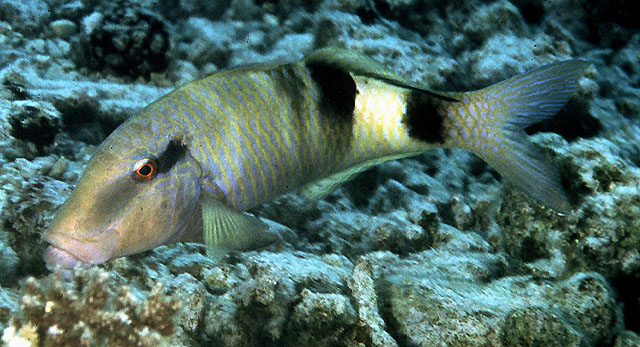
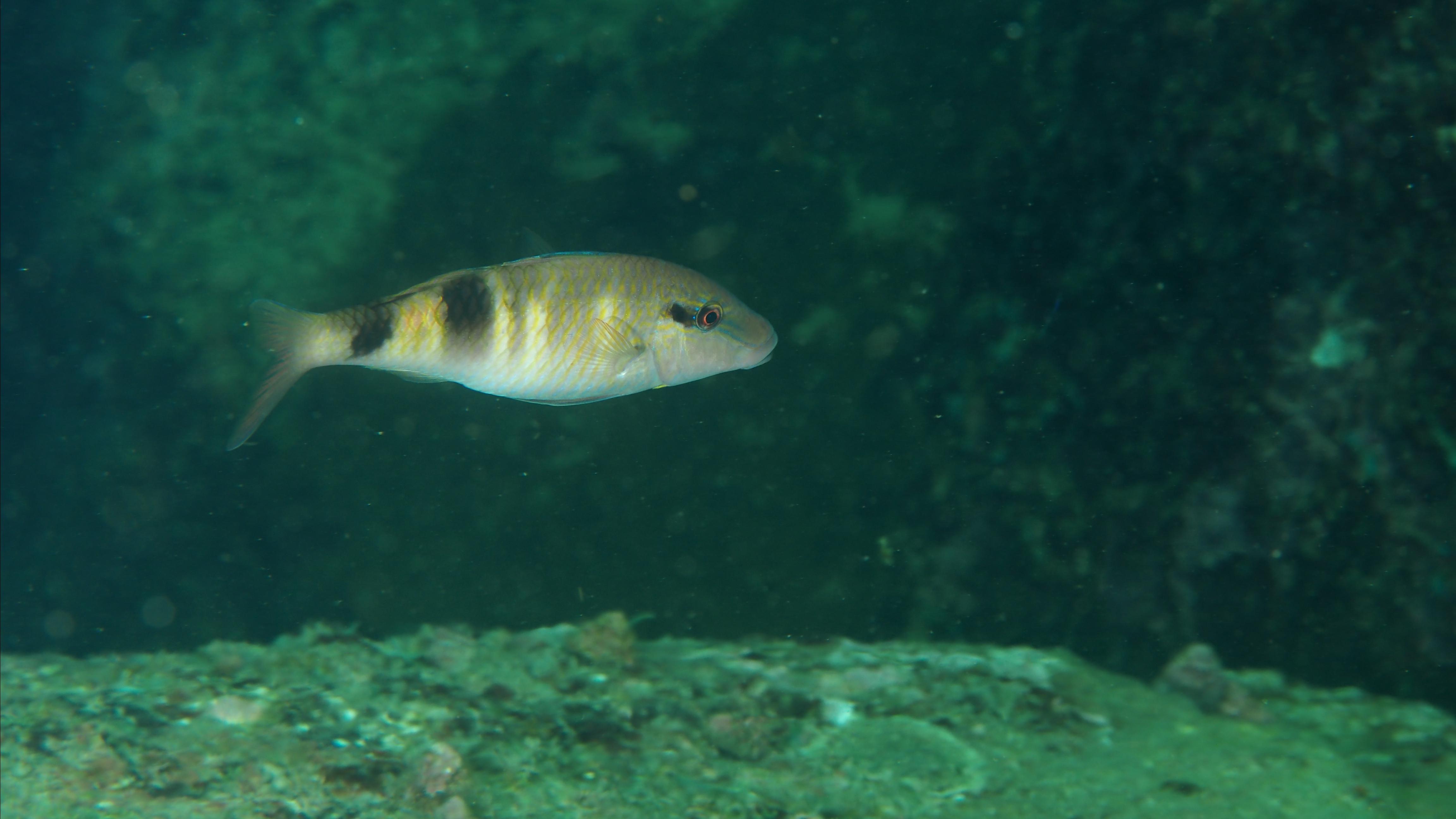
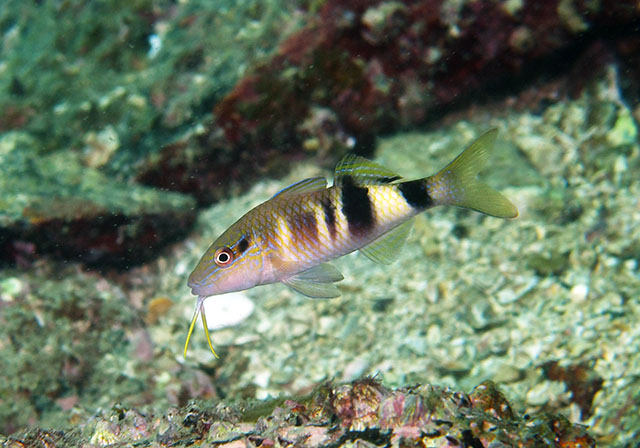
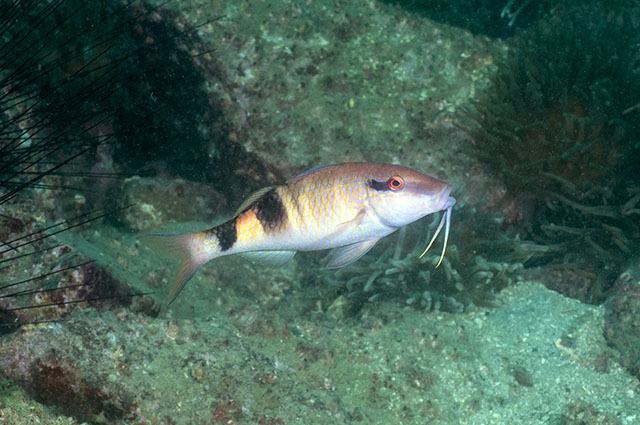
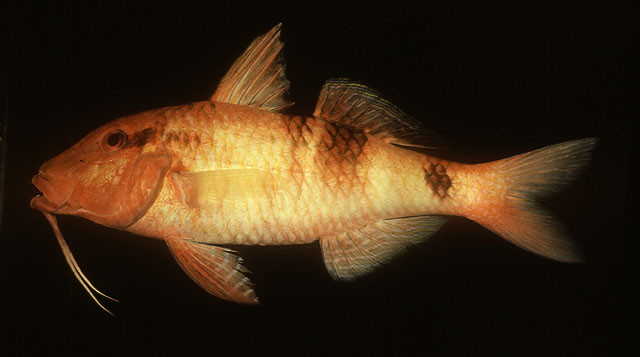
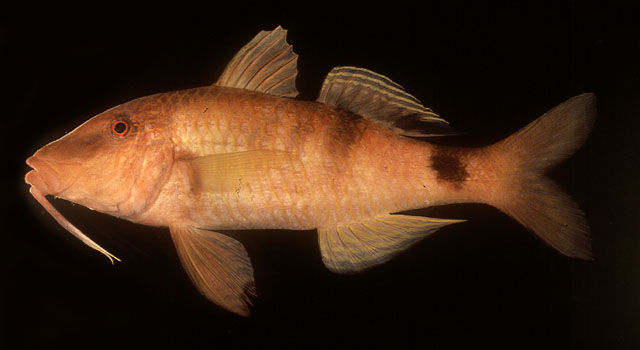
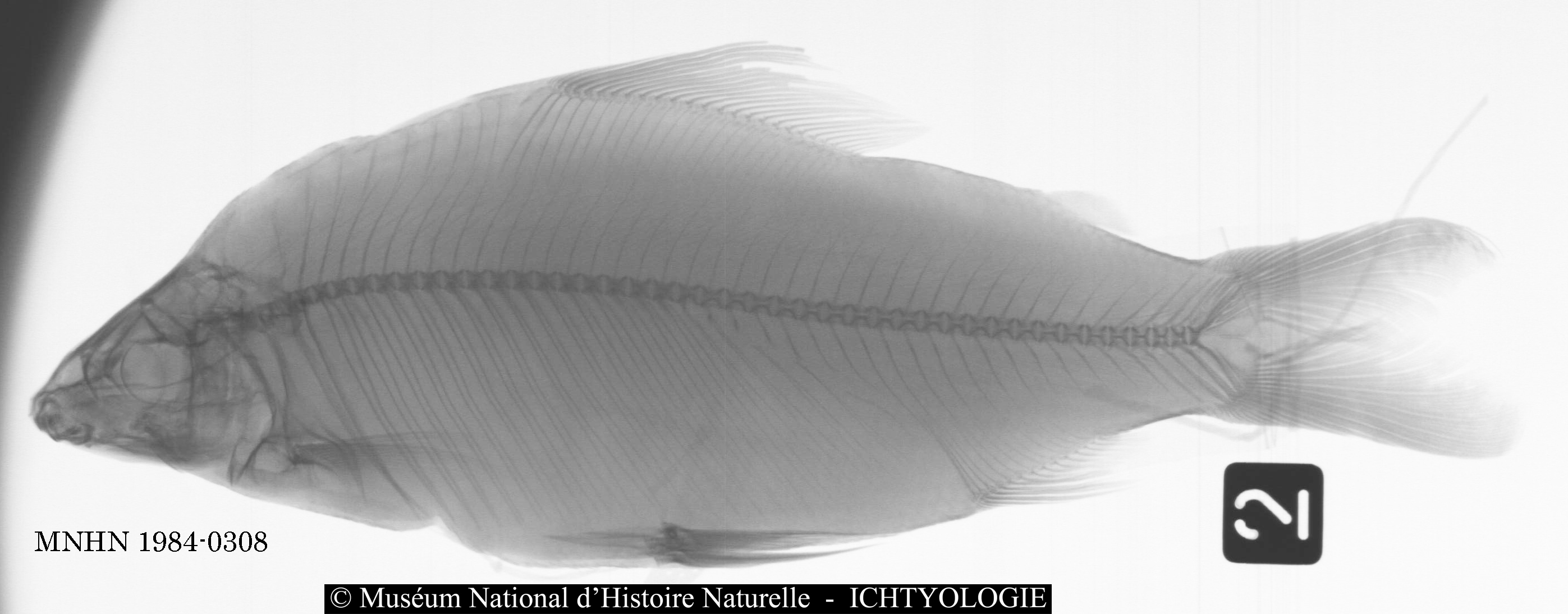
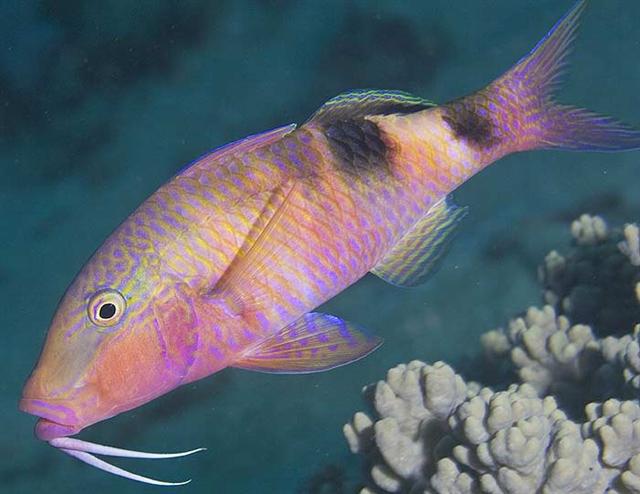
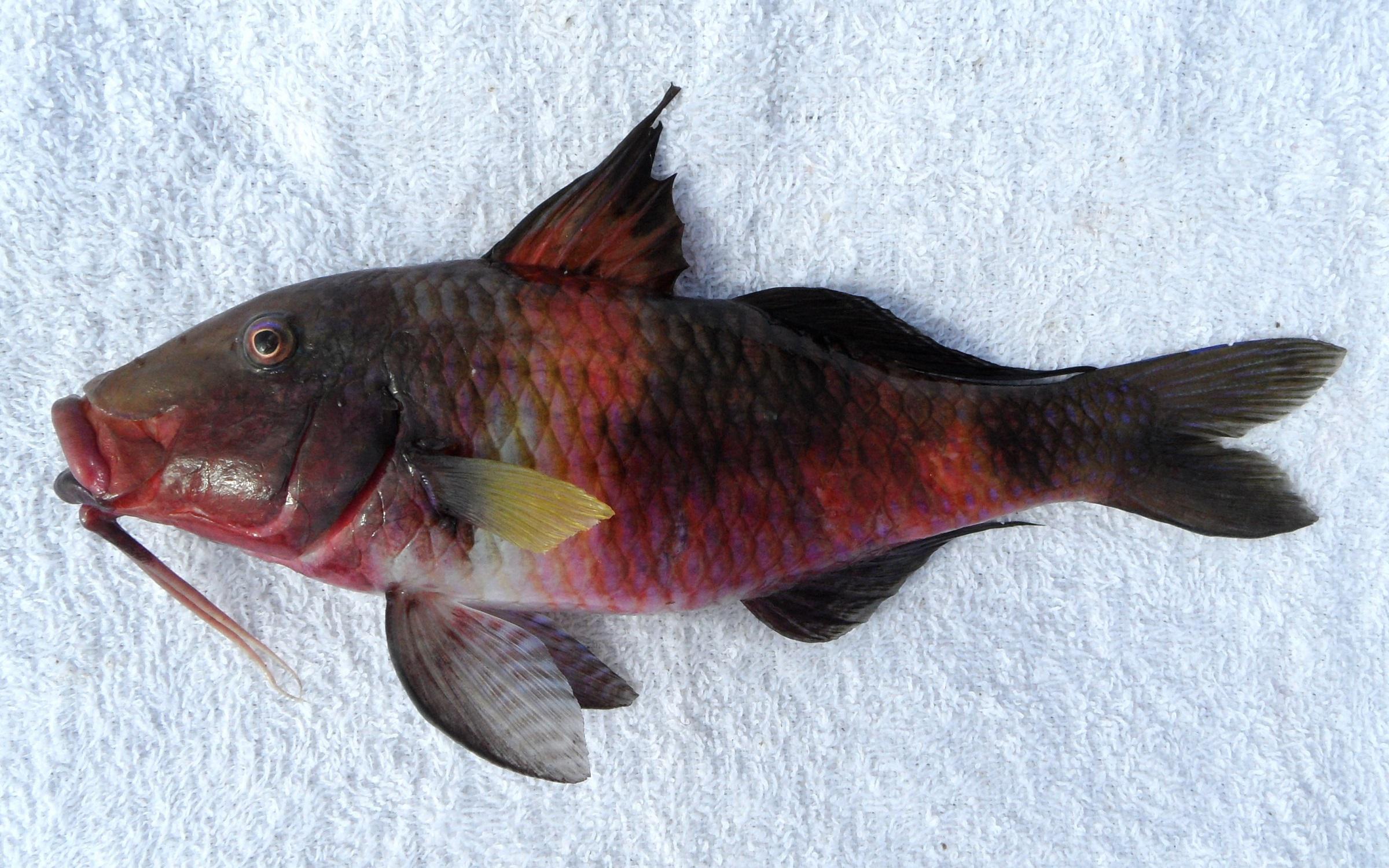
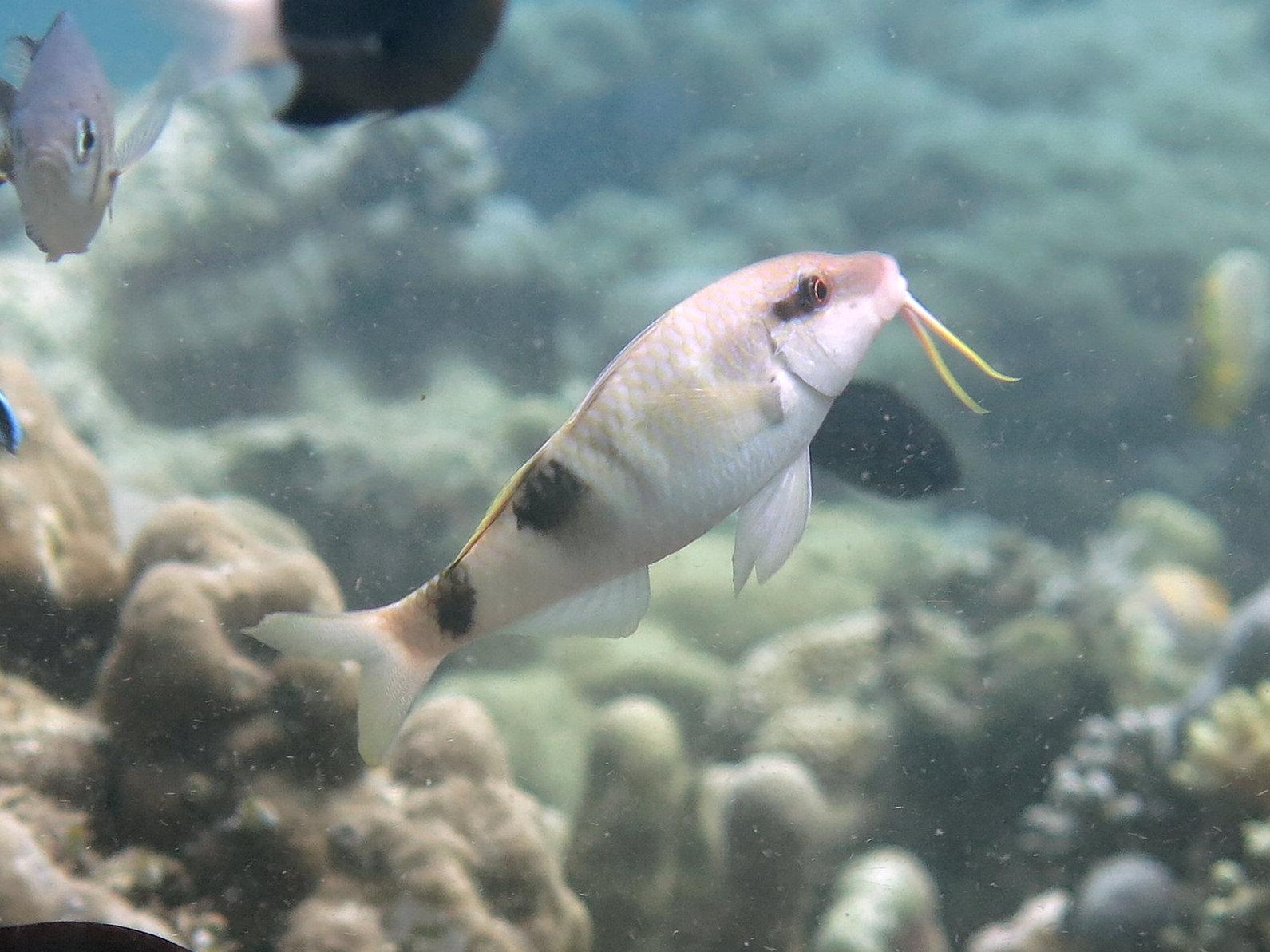
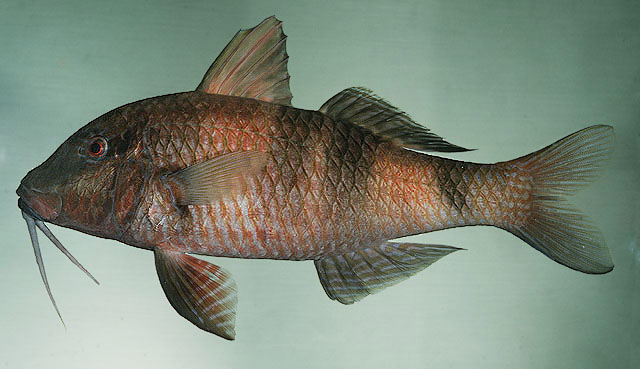
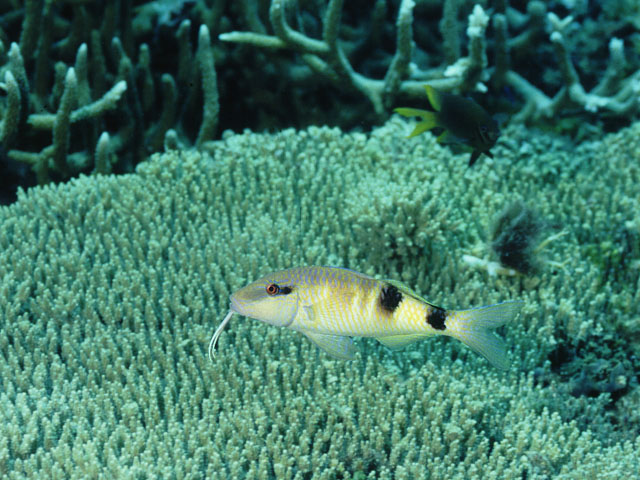
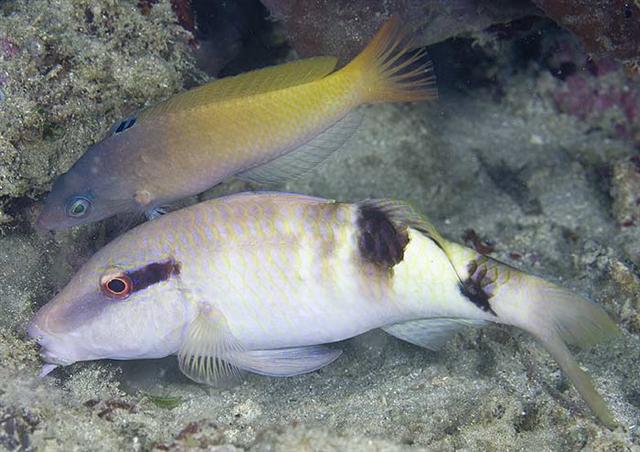
Dorsal spines (total): 8; Dorsal soft rays (total): 9; Anal spines: 1; Anal soft rays: 7. Diagnosis: Pectoral rays 16 (rarely 15 or 17). Gill rakers 7-10 + 28-33 (total 36-41). Body depth 3.1-3.65 in SL; head length (HL) 2.8-3.1 in SL; dorsal profile of snout straight to slightly concave, the length 1.65-1.95 in HL; barbels long, their length 1.0-1.3 in HL; longest dorsal spine 1.5-1.75 in HL; last dorsal soft ray notably longer than penultimate ray, the latter contained 1.15-1.45 in length of the former; posterior margin of caudal-fin lobes convex; pectoral-fin length 1.35-1.55 in HL; pelvic-fin length 1.25-1.45 in HL. Body gray to red, the margins of the scales often yellow, with a broad black bar on caudal peduncle and one beneath anterior part of second dorsal fin, the area between bars paler than rest of body (sometimes white); a narrow dusky bar often present below interdorsal space, and one or two broad dark bars may be present anteriorly on side of body; head usually with a dark brown band from above upper lip through eye to upper end of gill opening; caudal fin yellowish to pink with narrow blue lengthwise bands; basal half of second dorsal fin of adults dusky anteriorly, black posteriorly, the outer half with narrow dark-edged blue and yellow bands; anal fin like outer part of second dorsal fin (Ref. 54393).
Common Names
Taxonomic Hierarchy
Kingdom: Animalia
Phylum: Chordata
Class: Teleostei
Order: Mulliformes
Family: Mullidae
Genus: Parupeneus
Species: Parupeneus multifasciatus (Quoy & Gaimard, 1825)
Climate Zone
Biology
This occasionally schooling species occurs over sand patches as well as rubble, consolidated limestone, or coral bottoms from reef flats and shallow lagoons (Ref. 1602). Benthopelagic (Ref. 58302). Feeds primarily on small crabs and shrimps during the day (Ref. 1602), also demersal fish eggs, mollusks, and foraminiferans (Ref. 37816). Minimum depth reported taken from Ref. 128797.
Habitat
associated
Conservation Status
Least Concern
Threat to Humans
Harmless
Parupeneus multifasciatus (Quoy & Gaimard, 1825)