Parupeneus heptacanthus (Lacepède, 1802)

Description
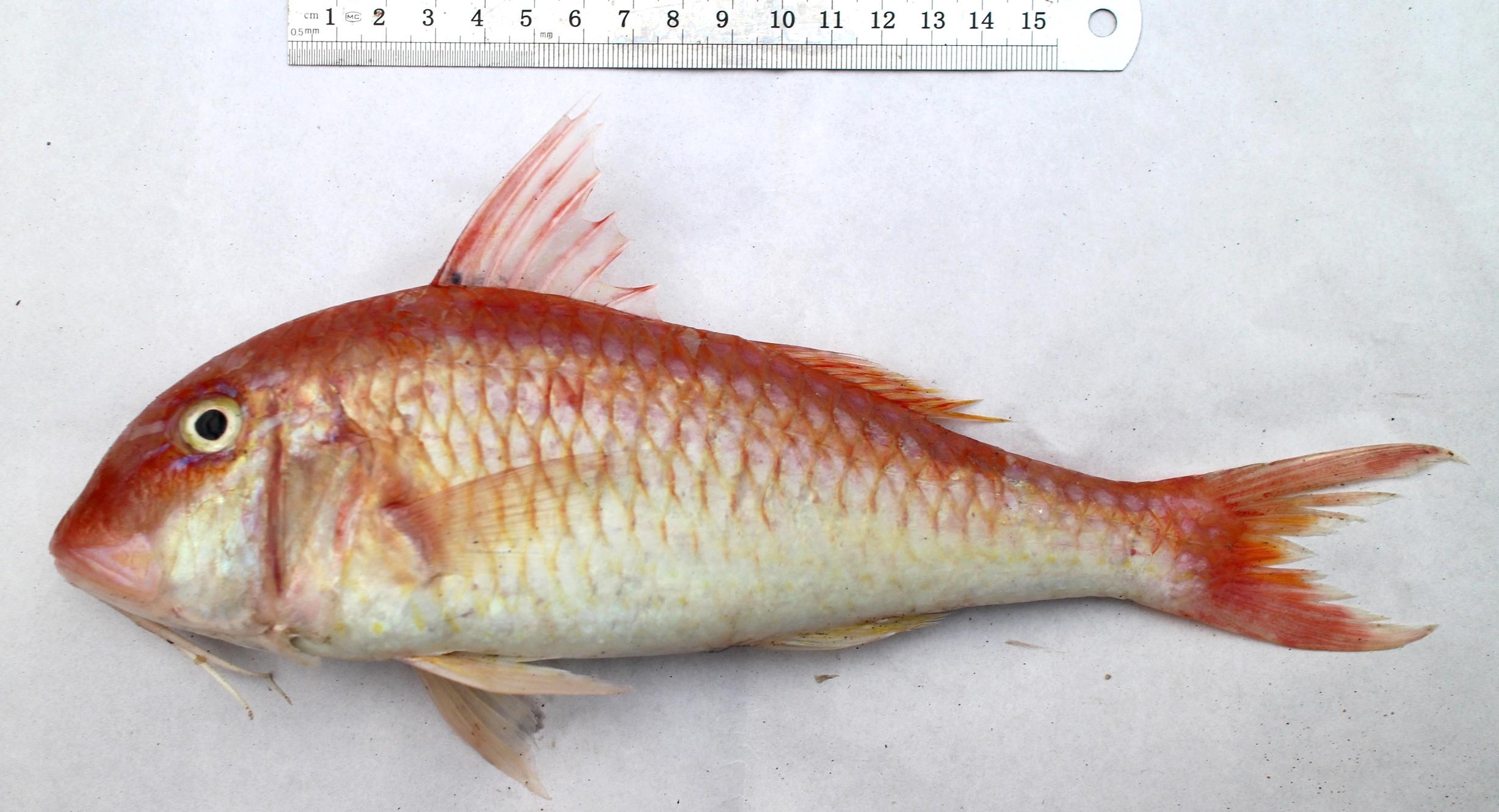
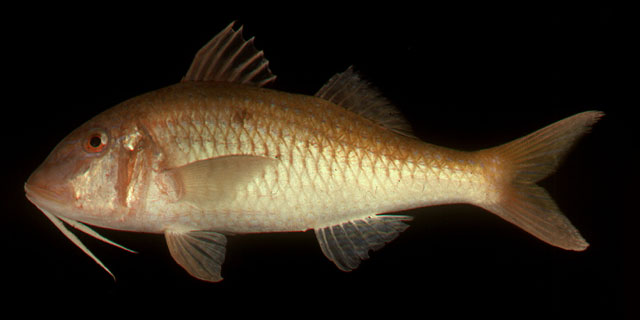
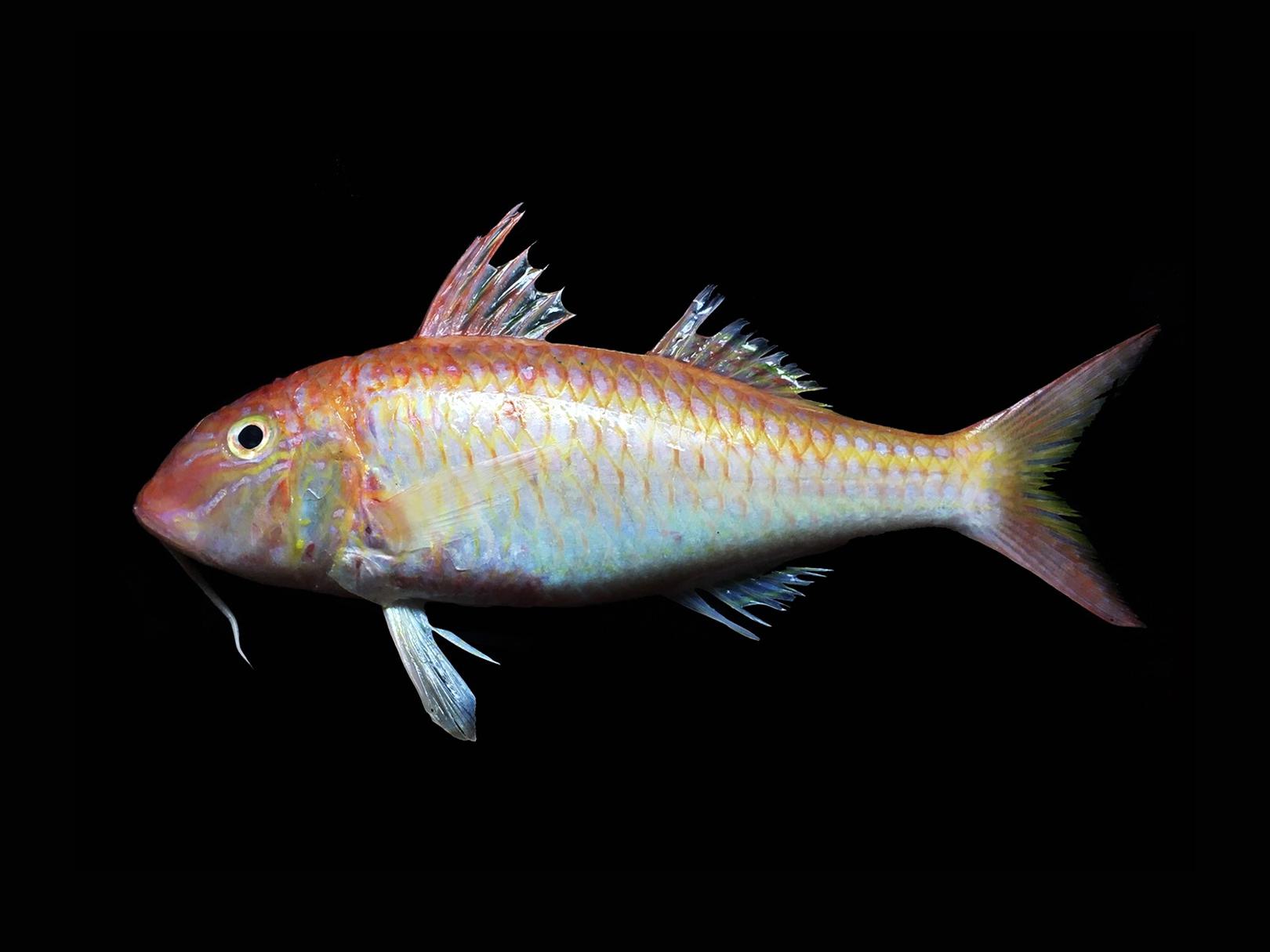
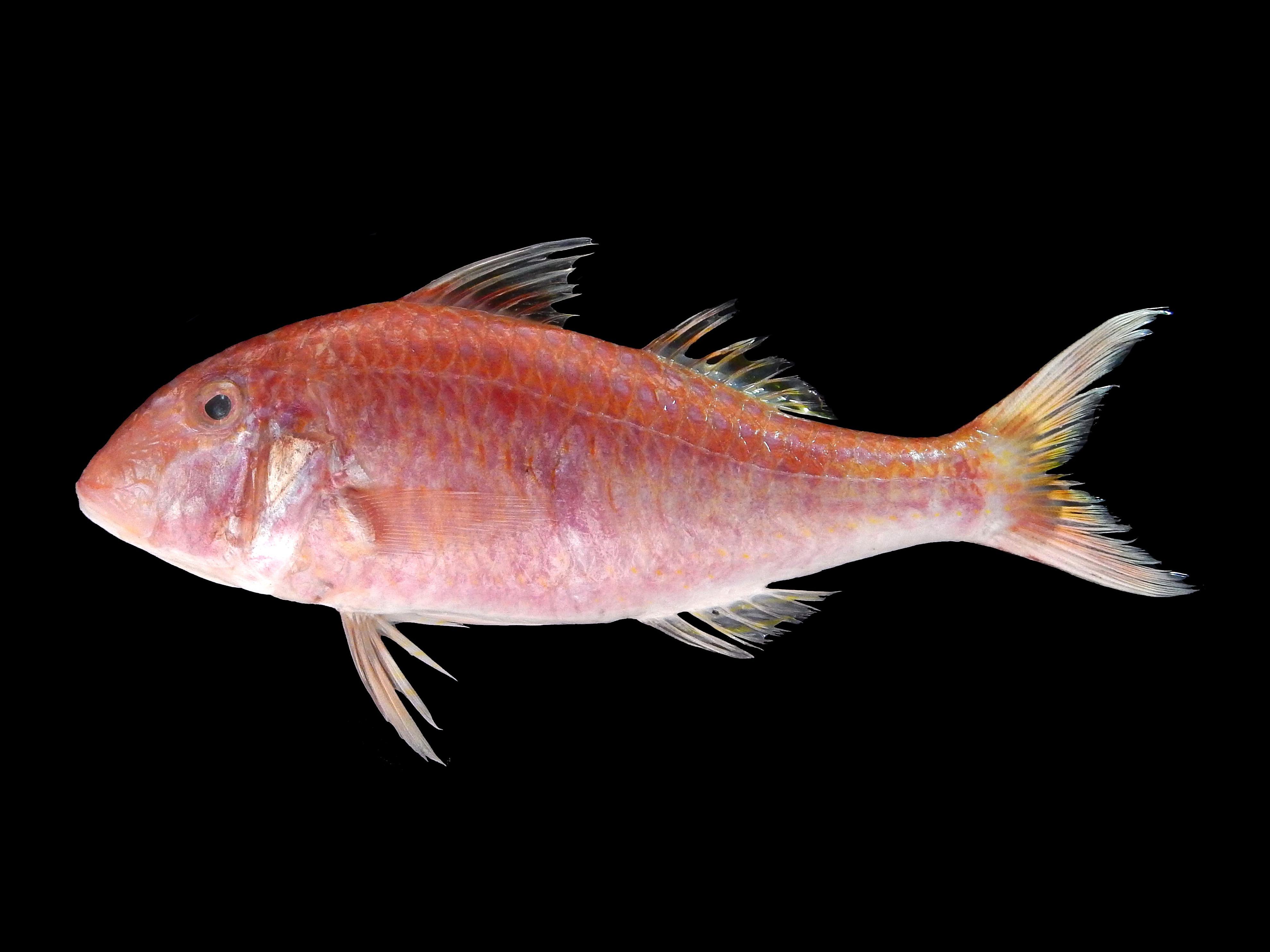
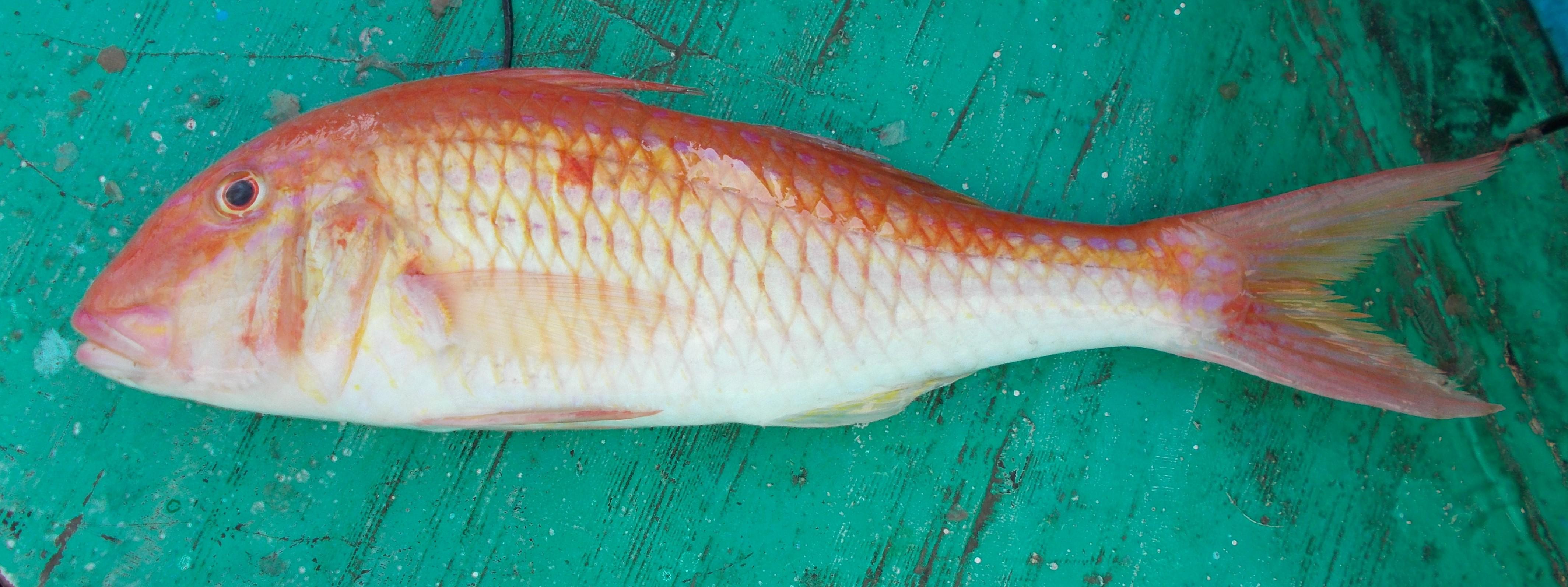
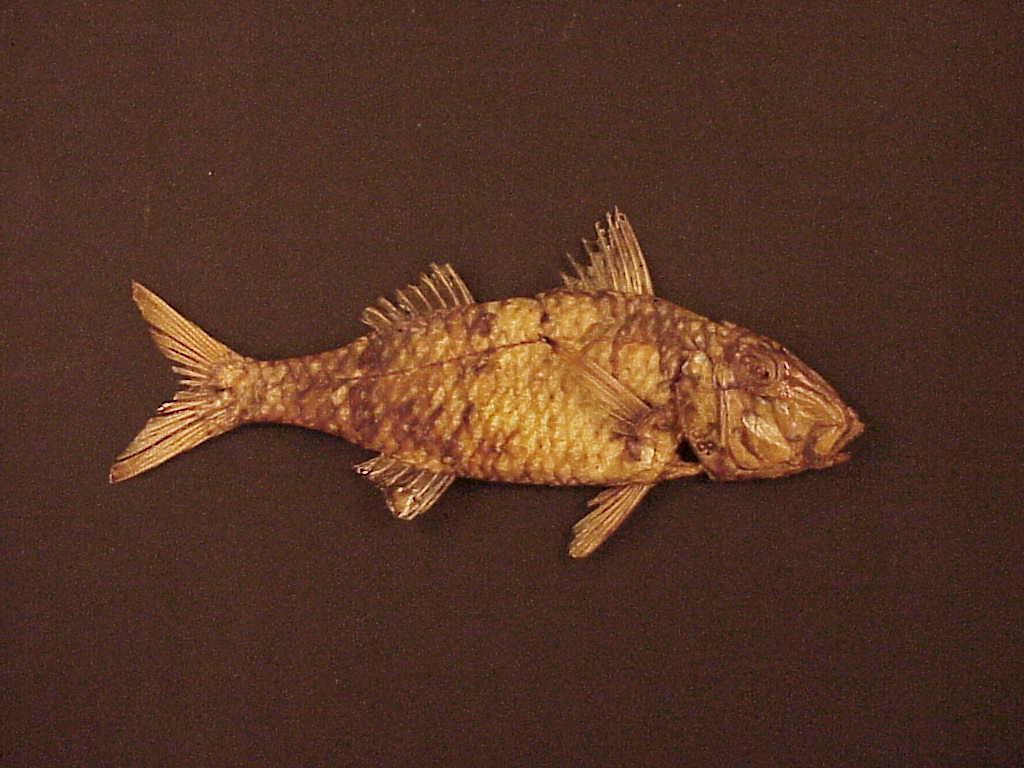
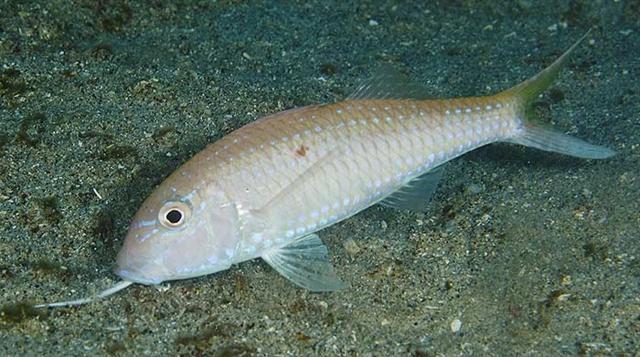
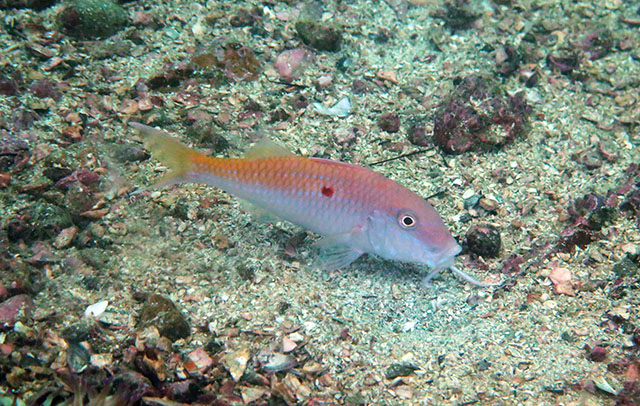
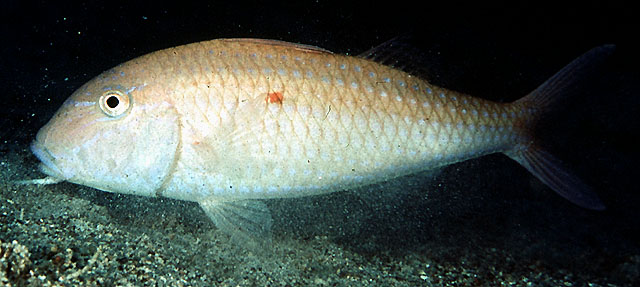
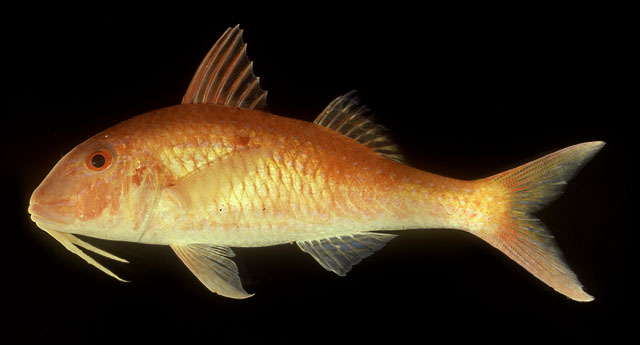
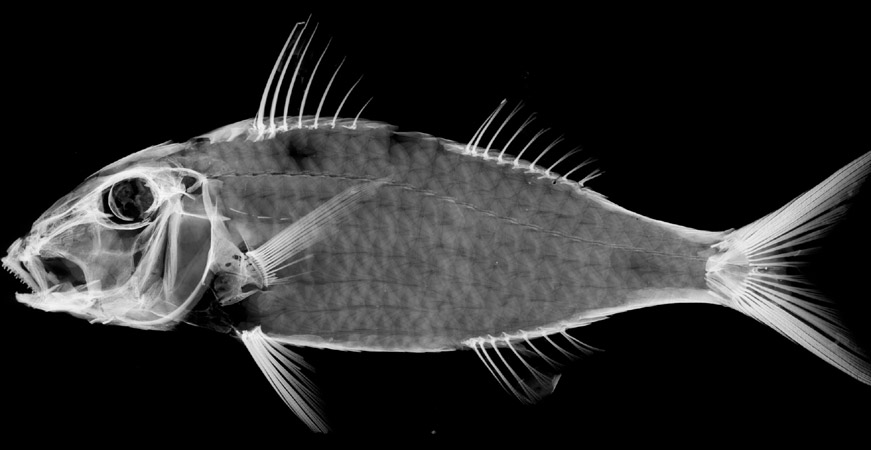
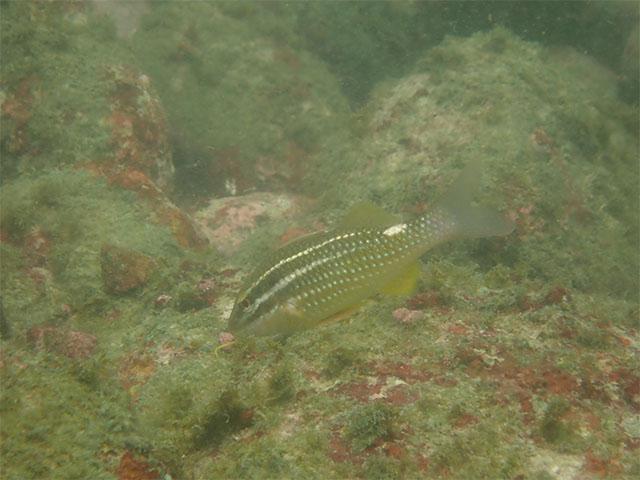
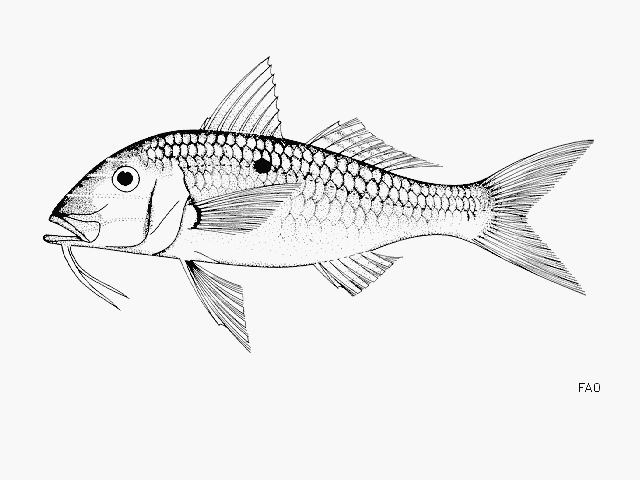
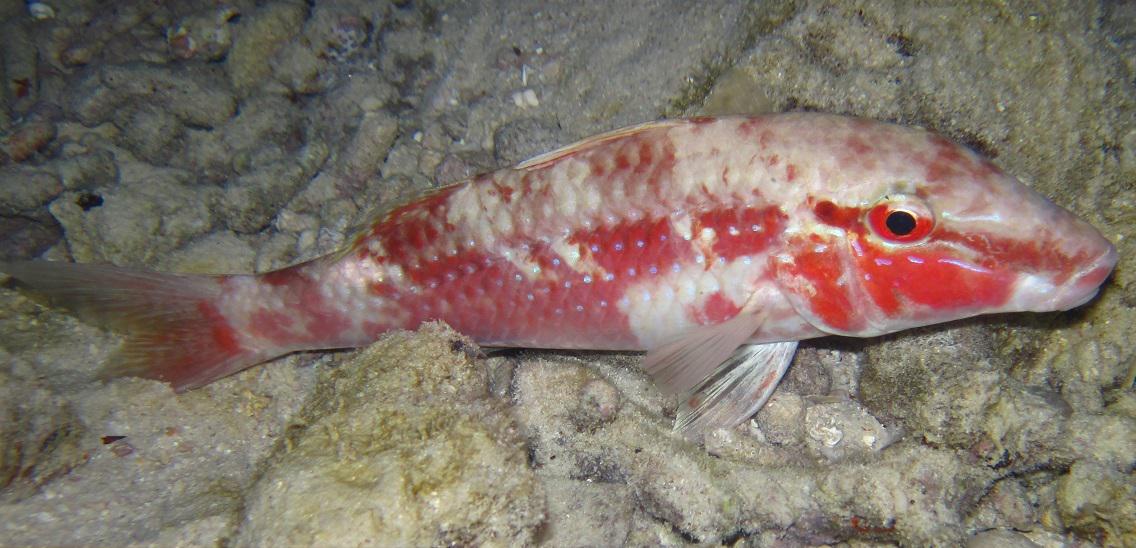
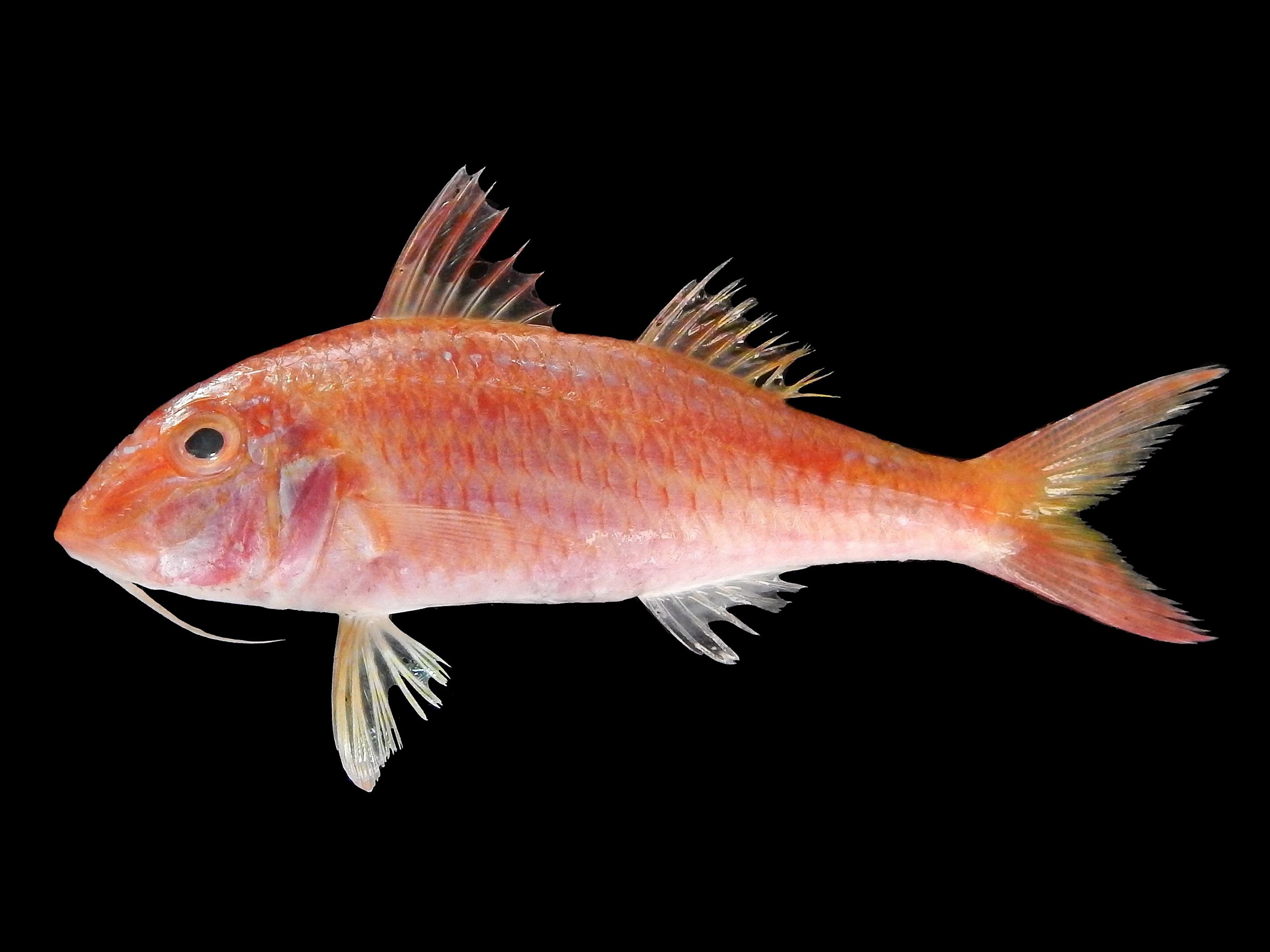
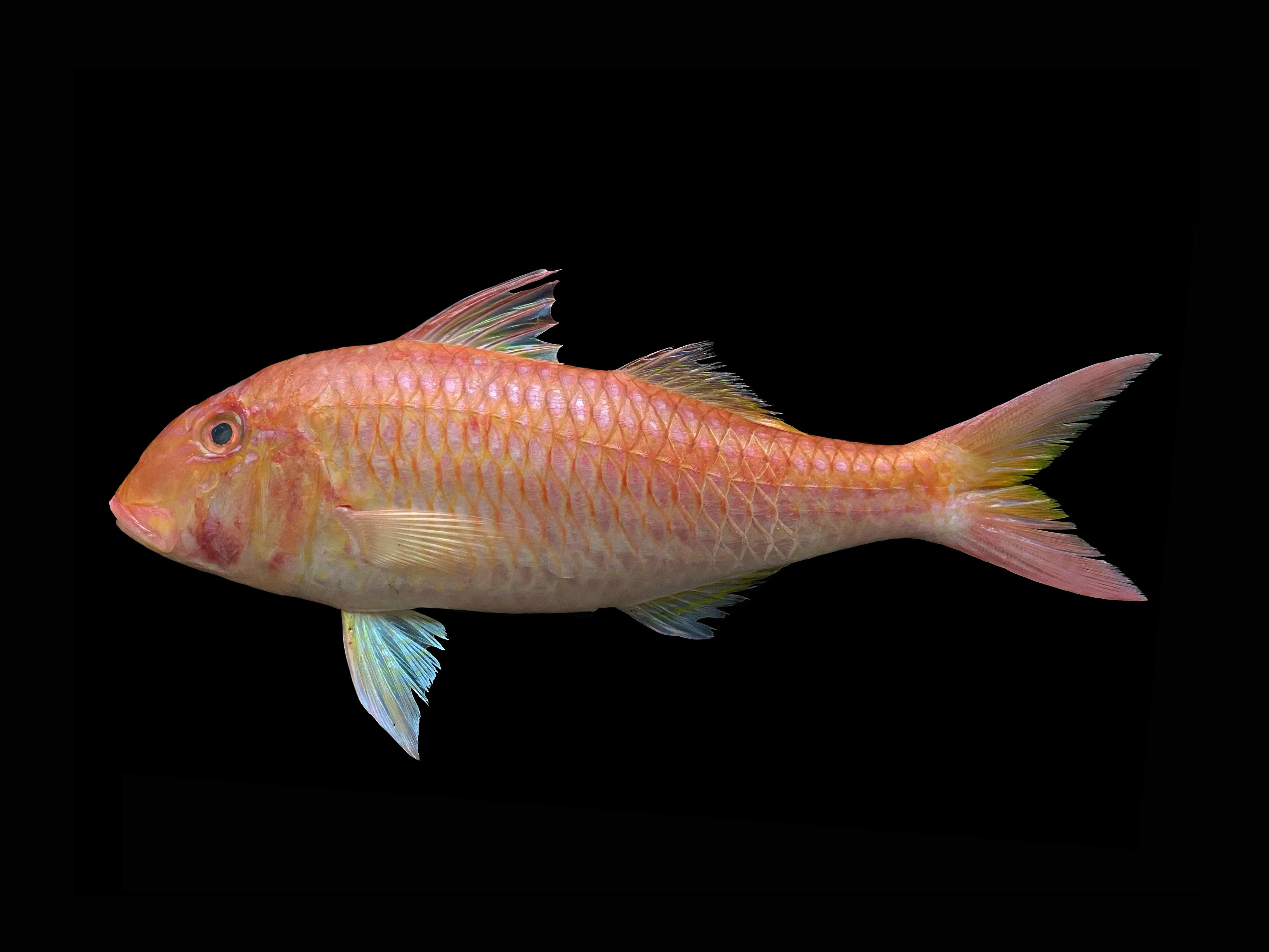
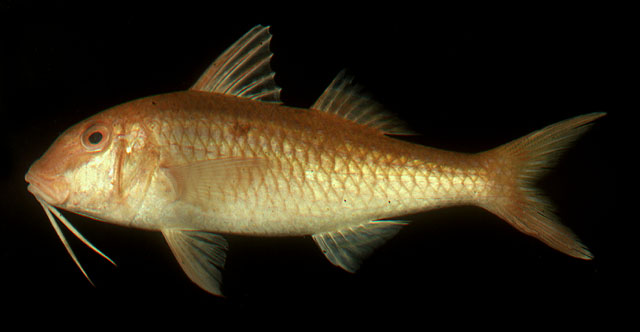
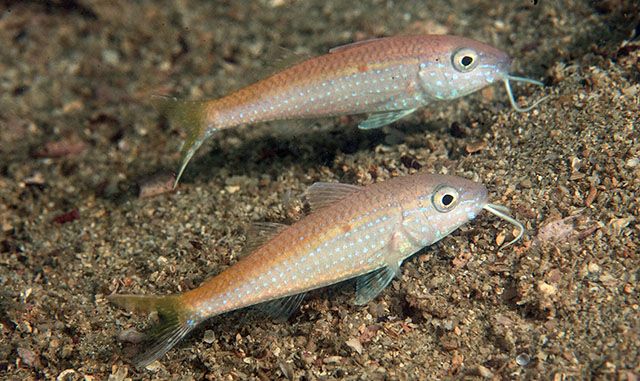
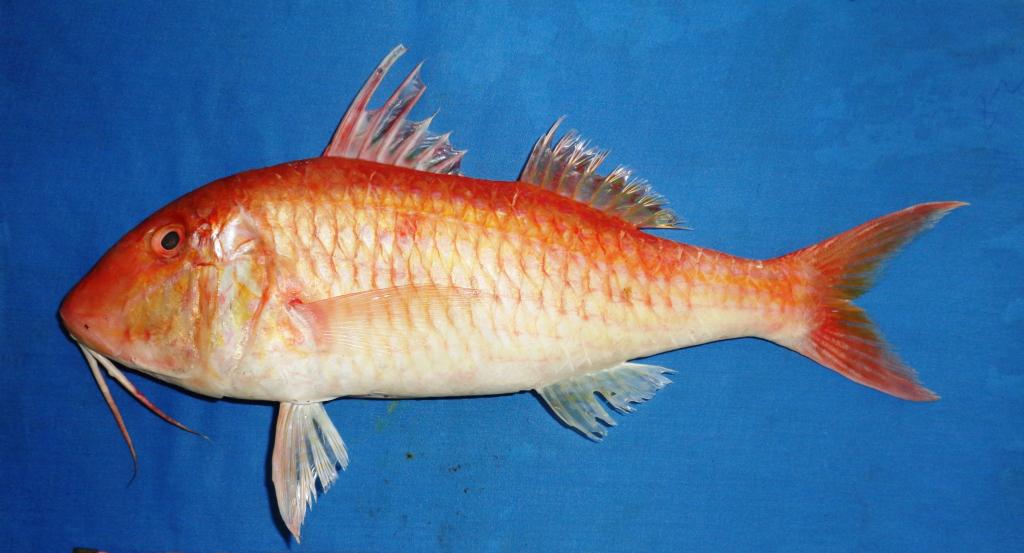
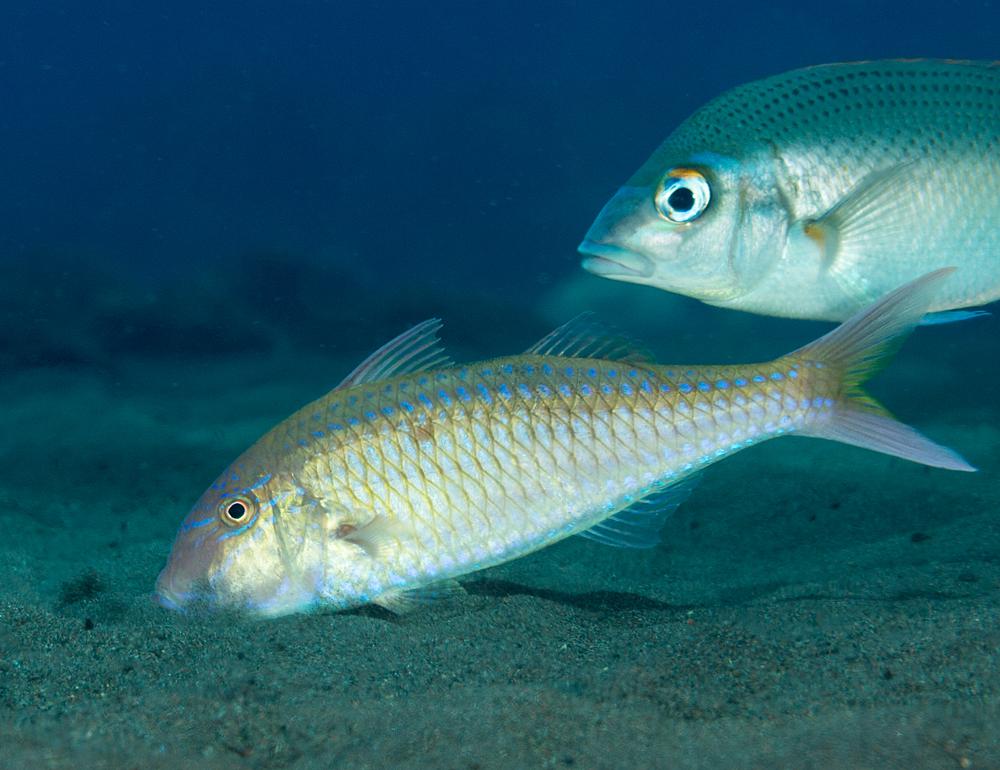
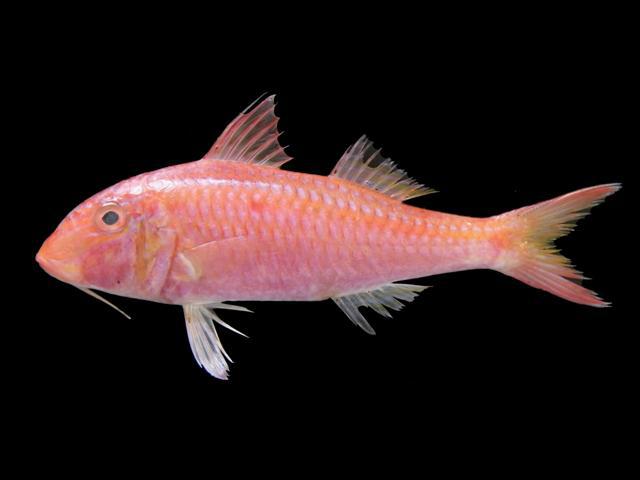
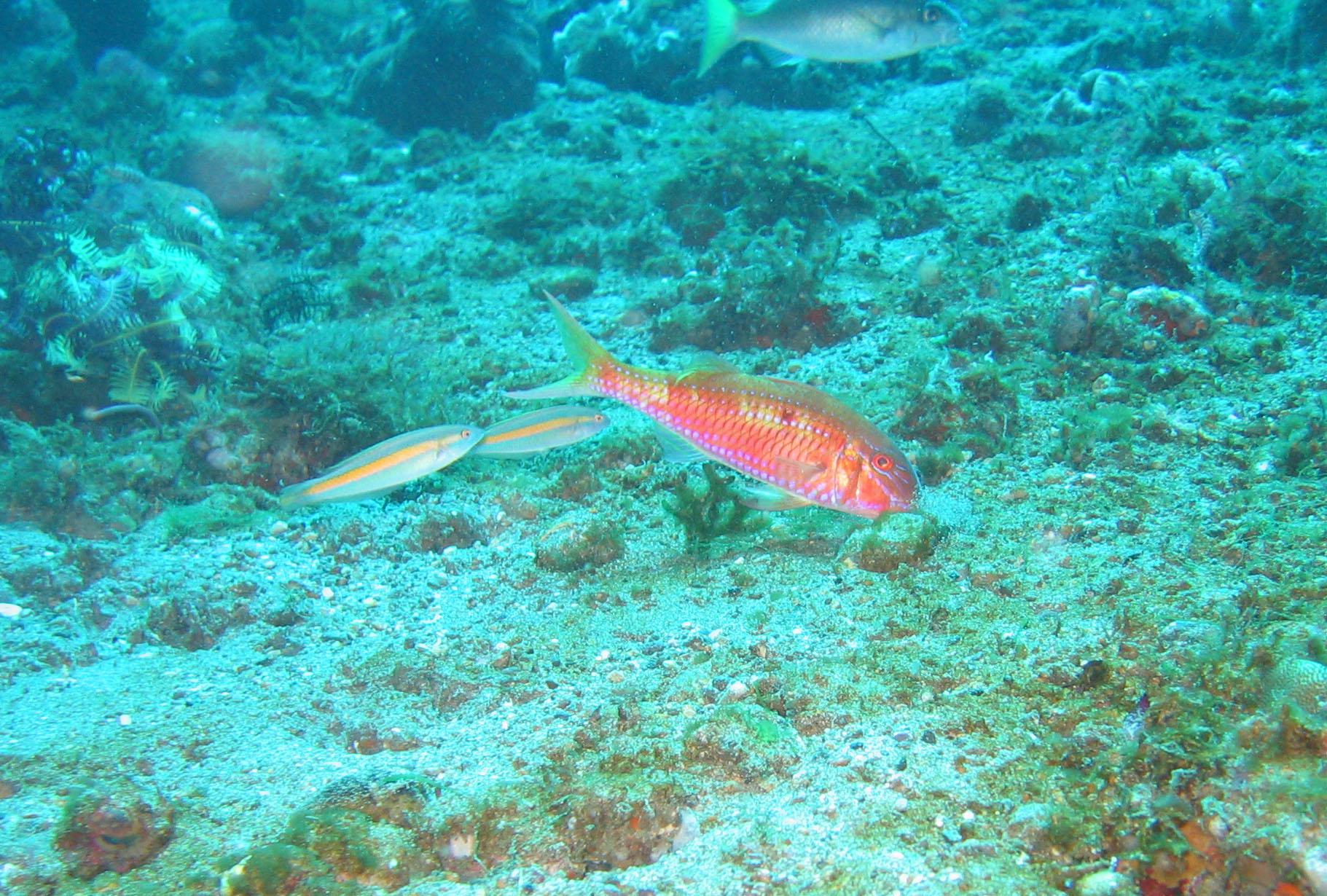
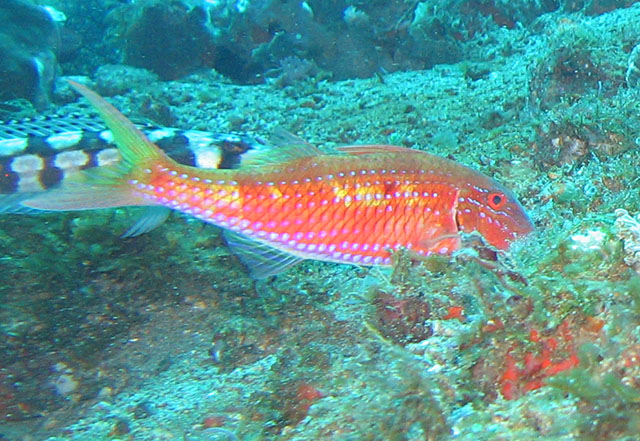
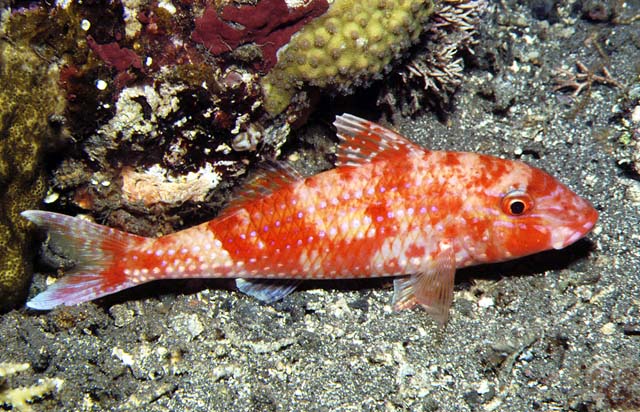
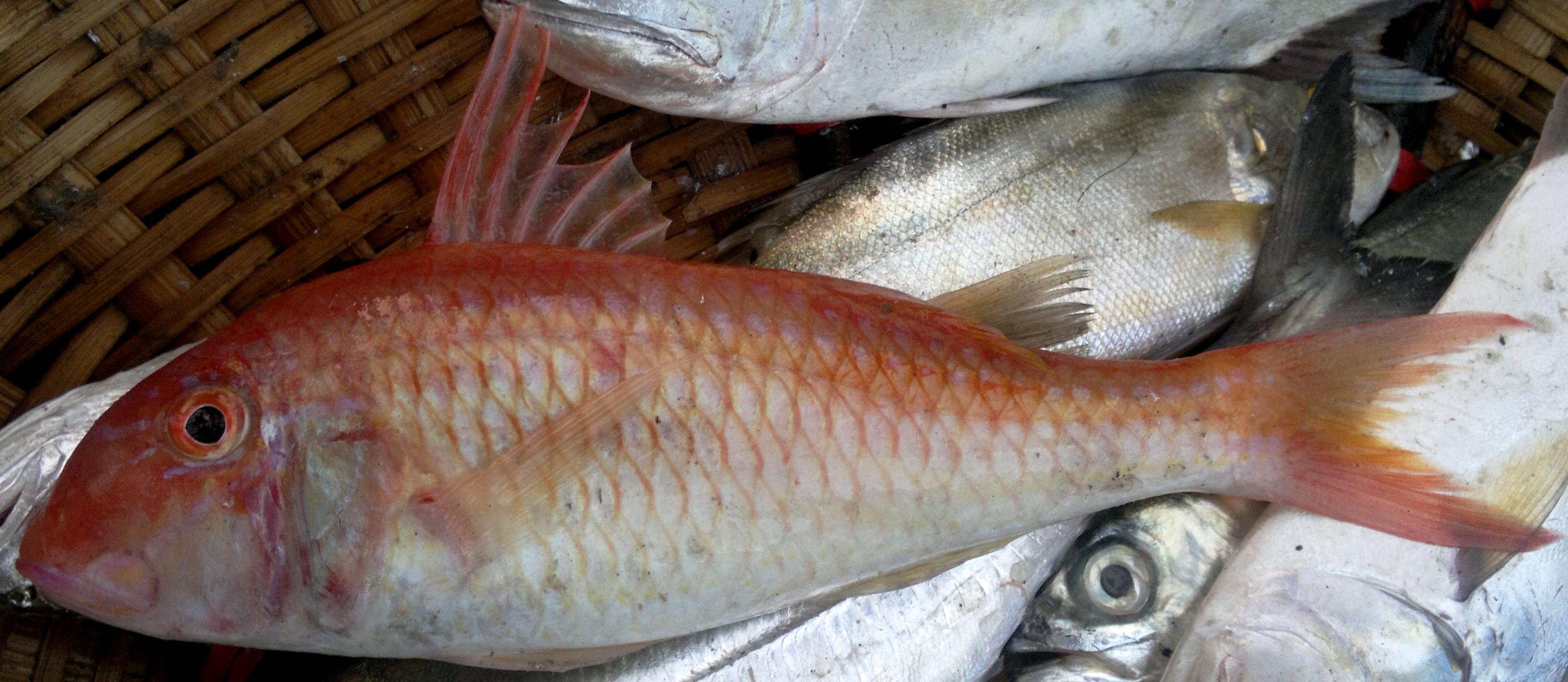
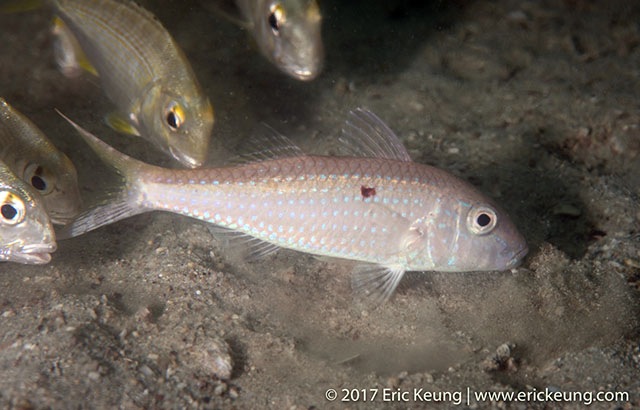
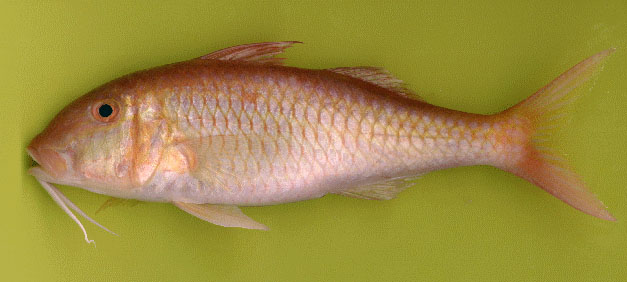
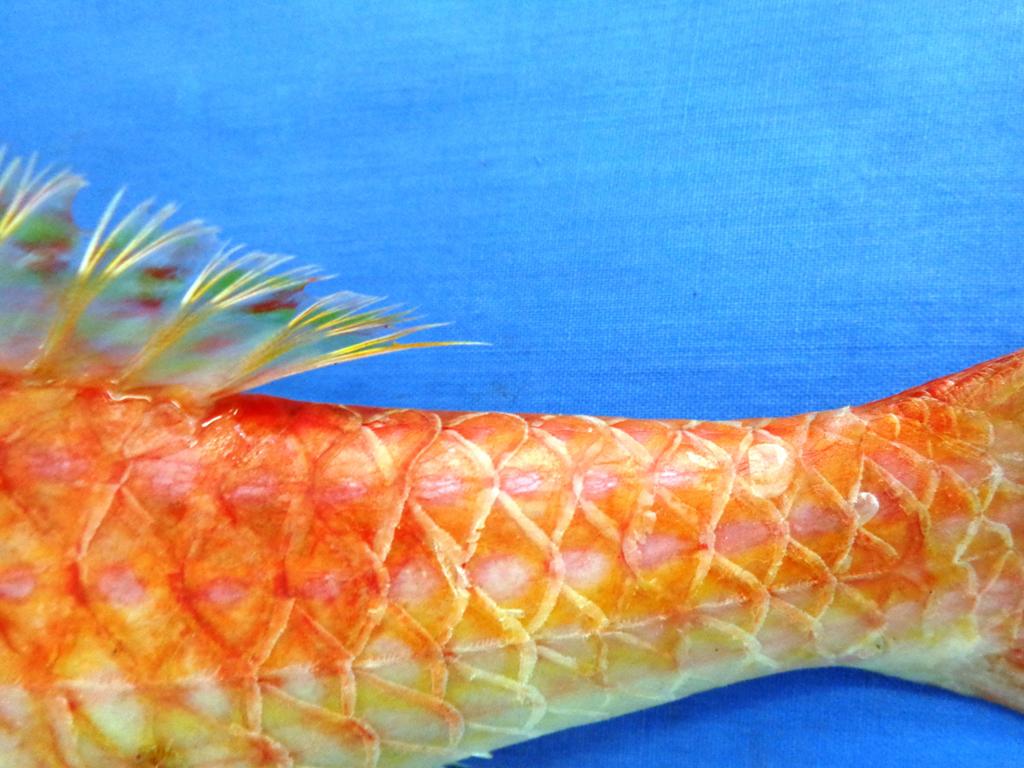
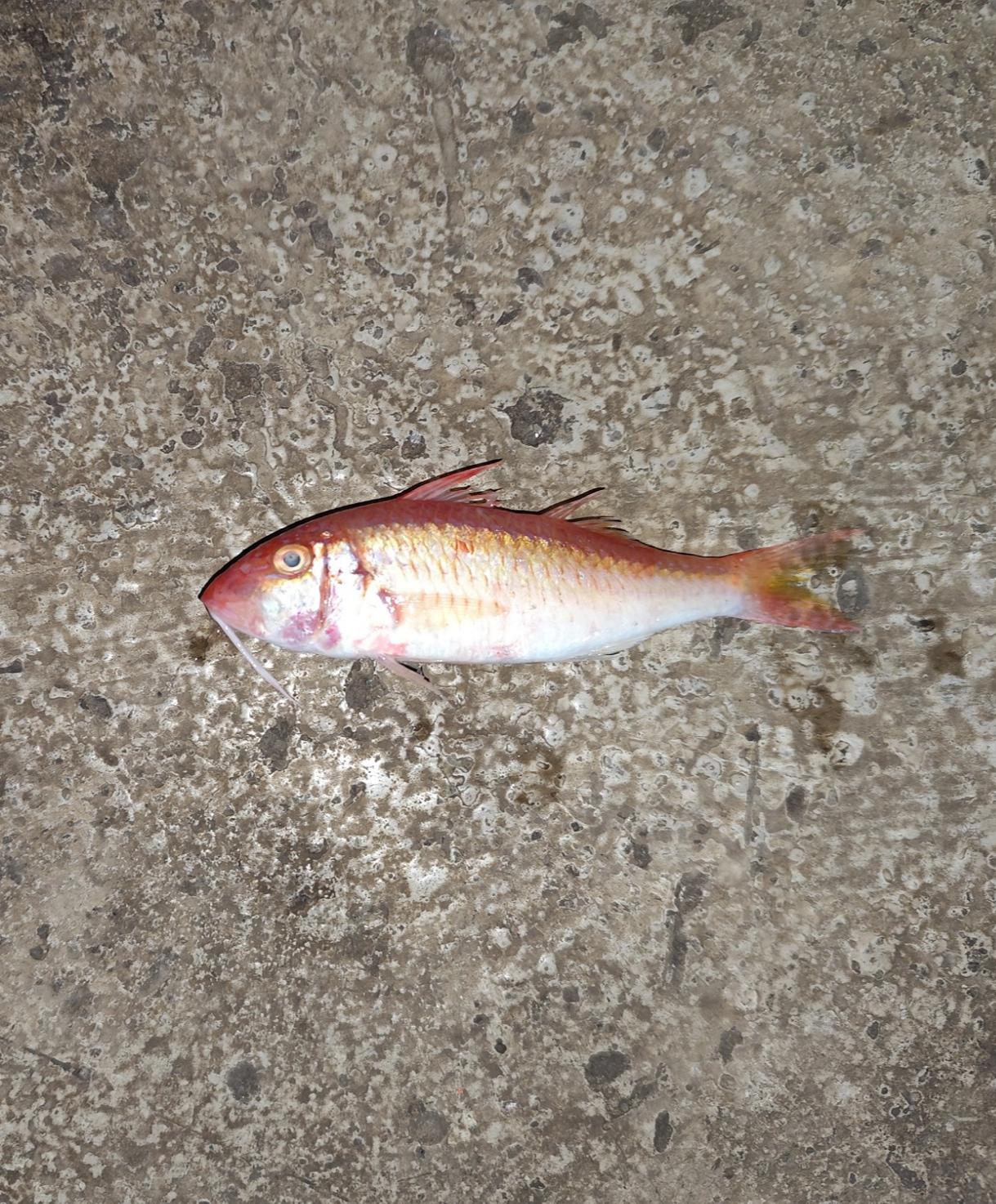
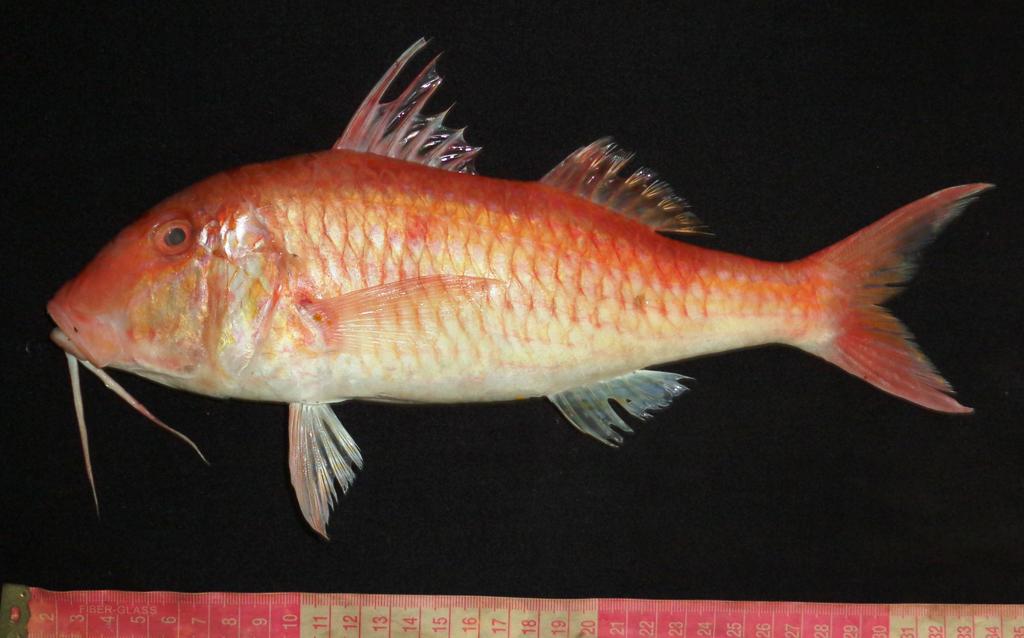
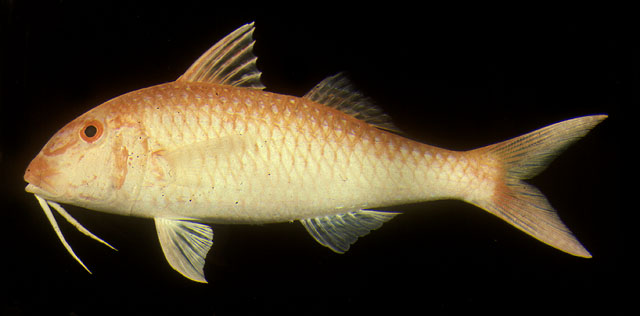
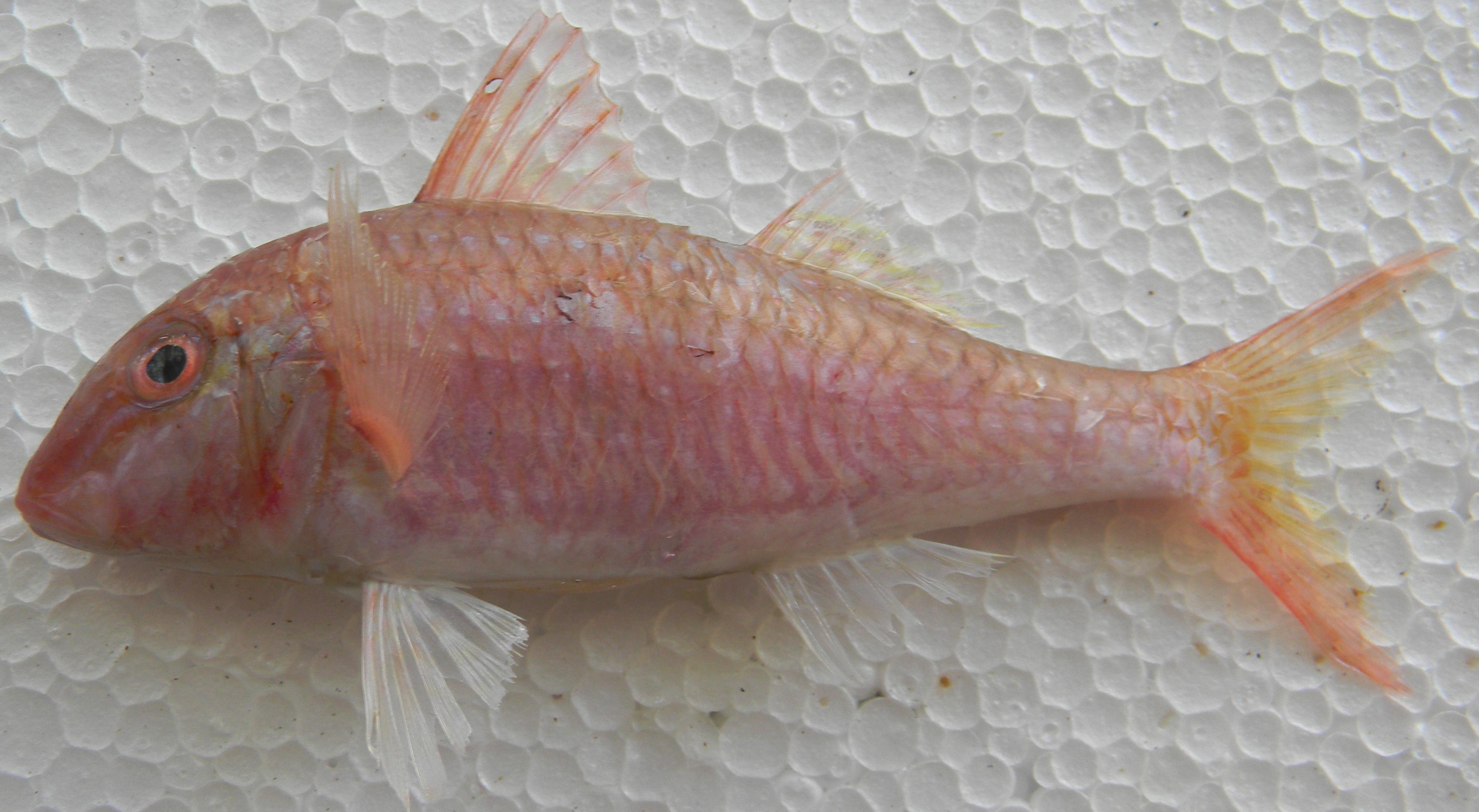
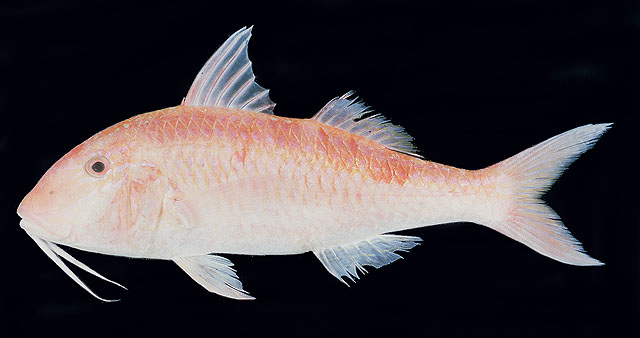
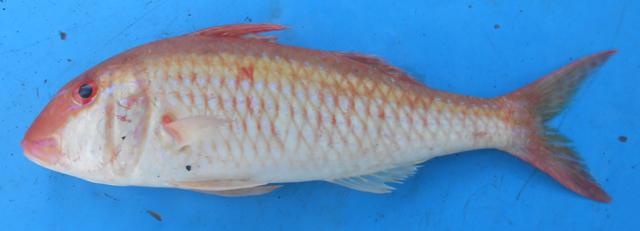
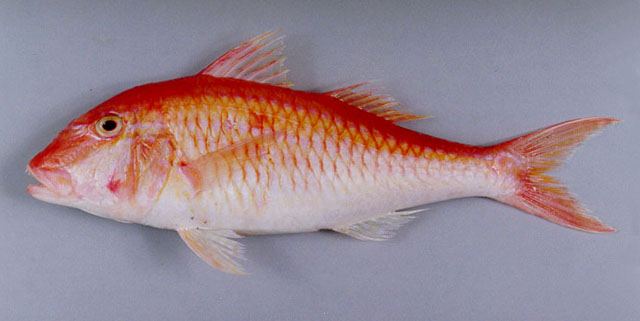
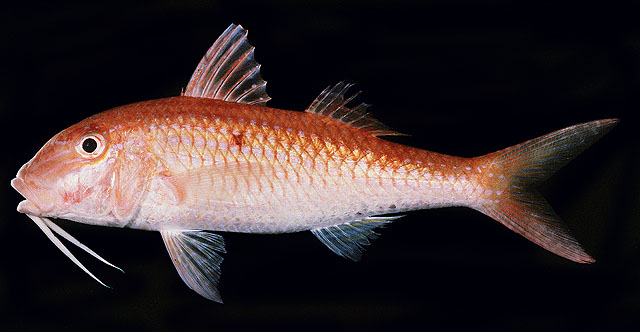
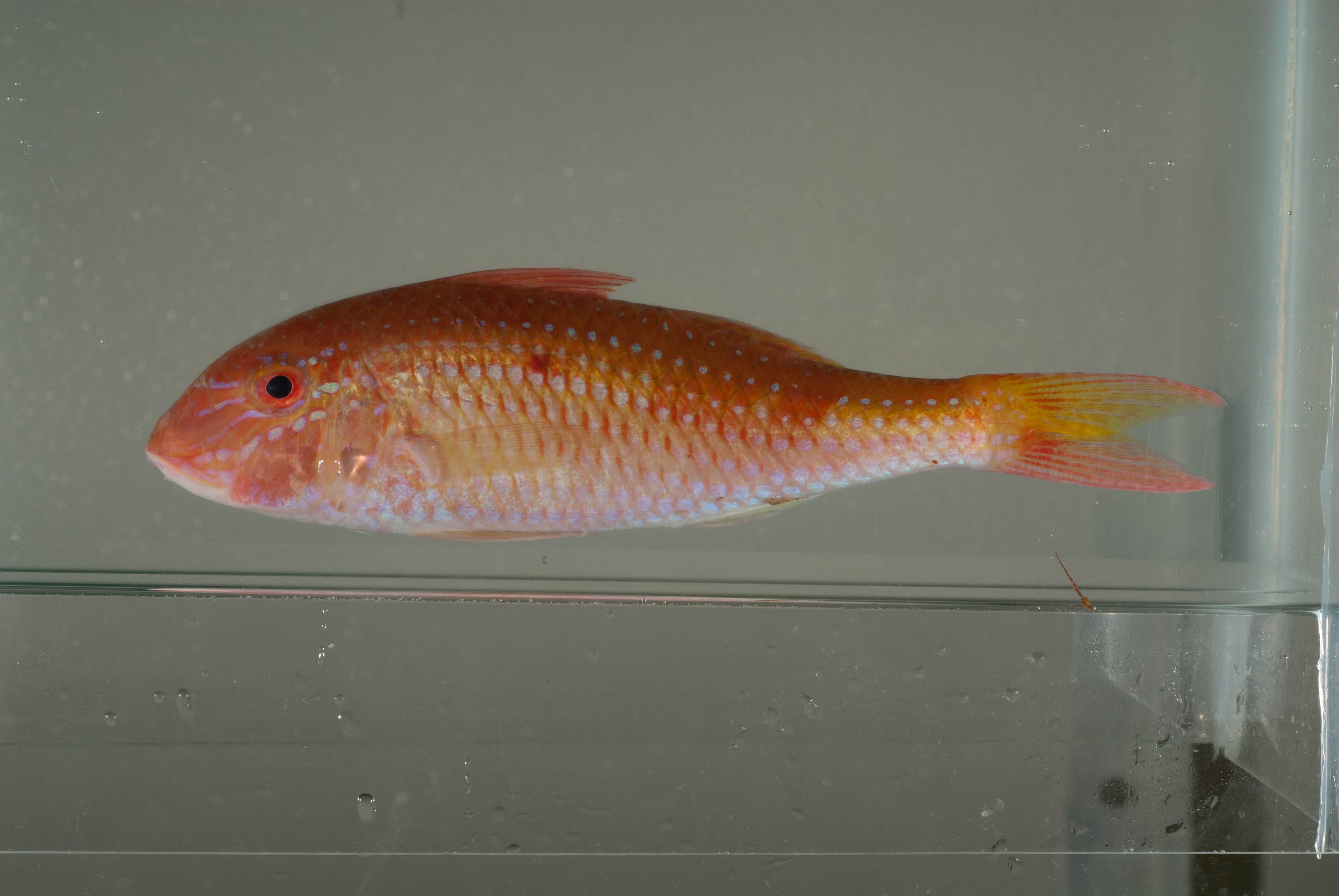
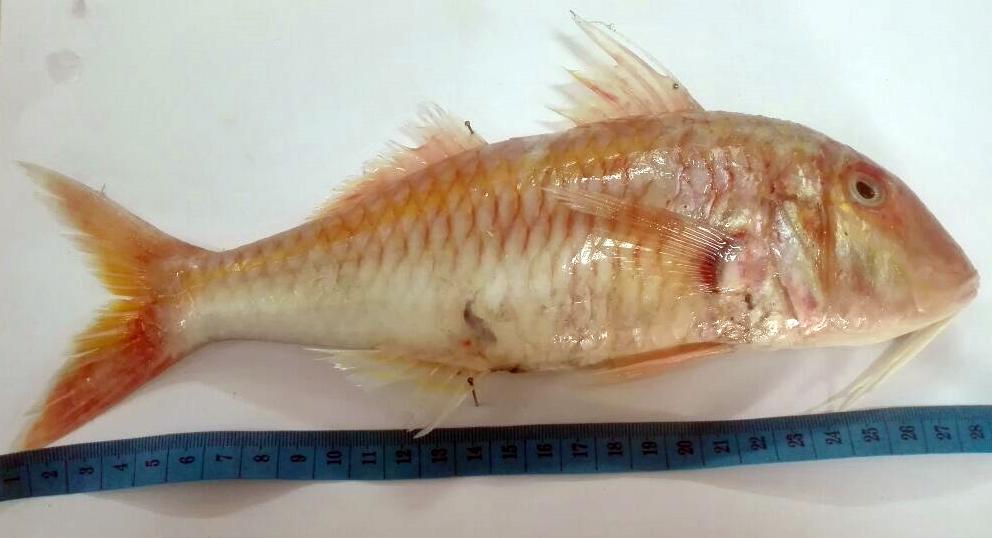
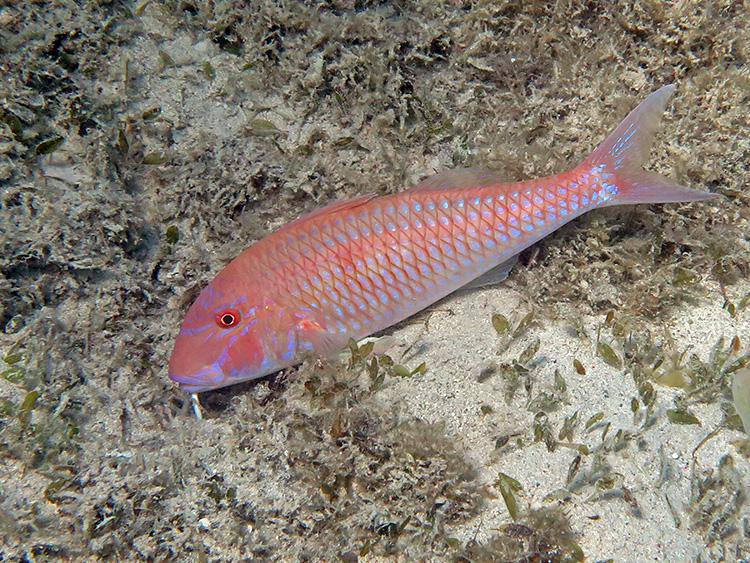
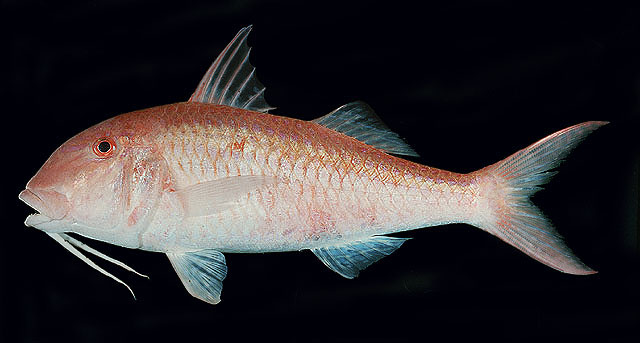
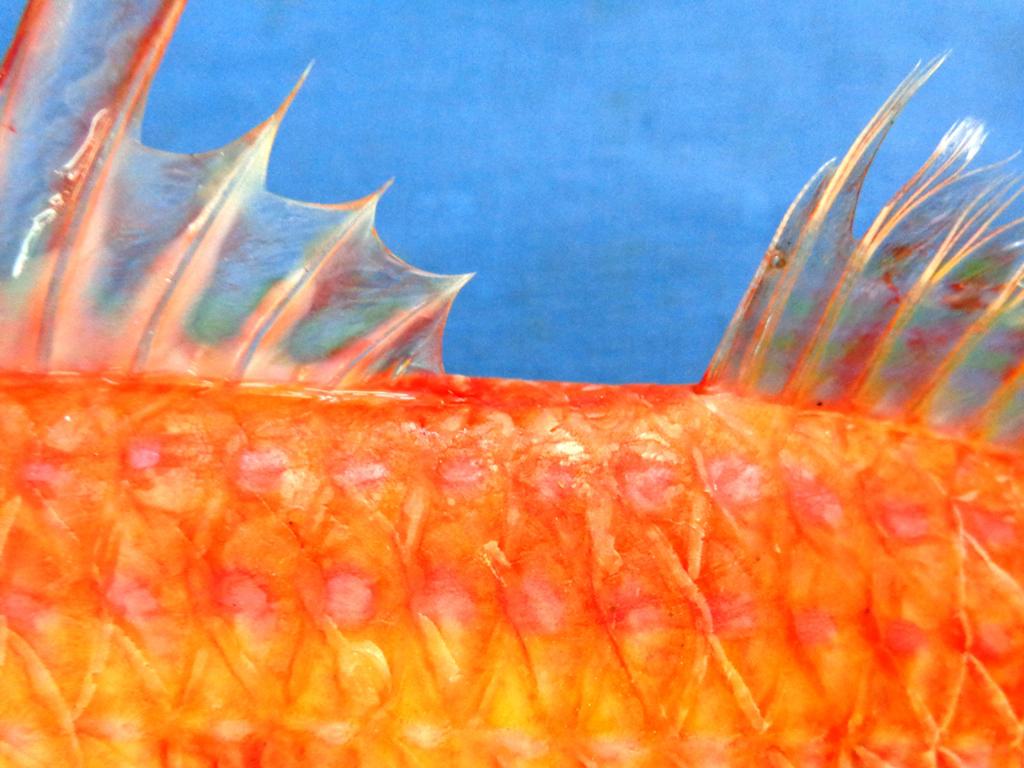
Dorsal spines (total): 8; Dorsal soft rays (total): 9; Anal spines: 1; Anal soft rays: 7. Diagnosis: Pectoral rays 16 (rarely 15 or 17). Gill rakers 6-7 + 29-23 (total 26-30). Body depth 2.95-3.55 in SL; head length (HL) 2.9-3.25 in SL; snout length 1.75-2.1 in HL; barbel length 1.15-1.35 in HL; posterior end of maxilla evenly convex; longest dorsal spine 1.45-1.75 in HL; penultimate dorsal ray 1.05-1.25 in length of last dorsal ray; pectoral-fin length 1.25-1.4 in HL; pelvic-fin length 1.4-1.6 in HL. Body brownish yellow to light red (deeper-dwelling fish more red), the edges of the scales darker, shading to silvery white ventrally; adults with a small reddish brown spot on upper side of body just below seventh and eighth lateral-line scales; an indistinct narrow yellow stripe often visible above the lateral line (more evident in juveniles and subadults); dorsal body scales often with a pale blue or pearly spot; faint iridescent blue lines extending dorsoposteriorly and ventroanteriorly from eye, and often a parallel one on the cheek below eye; second dorsal and anal fins with faint pale blue or pink narrow bands alternating with pale yellow. Although Gloerfelt-Tarp and Kailola (1984: 213) reported that this species (as Parupeneus pleurospilus) has a dark brown peritoneum, the Bishop Museum specimens have a pale peritoneum (Ref. 54393).
Common Names
Taxonomic Hierarchy
Kingdom: Animalia
Phylum: Chordata
Class: Teleostei
Order: Mulliformes
Family: Mullidae
Genus: Parupeneus
Species: Parupeneus heptacanthus (Lacepède, 1802)
Climate Zone
Biology
Occurs singly or in small groups, over muddy, sandy, rubble, or seagrass bottoms of lagoon and seaward reefs, usually below 20 m. Flesh is fairly good for human consumption (Ref. 6023, 41878).
Habitat
brackish
Conservation Status
Least Concern
Threat to Humans
Harmless
Parupeneus heptacanthus (Lacepède, 1802)