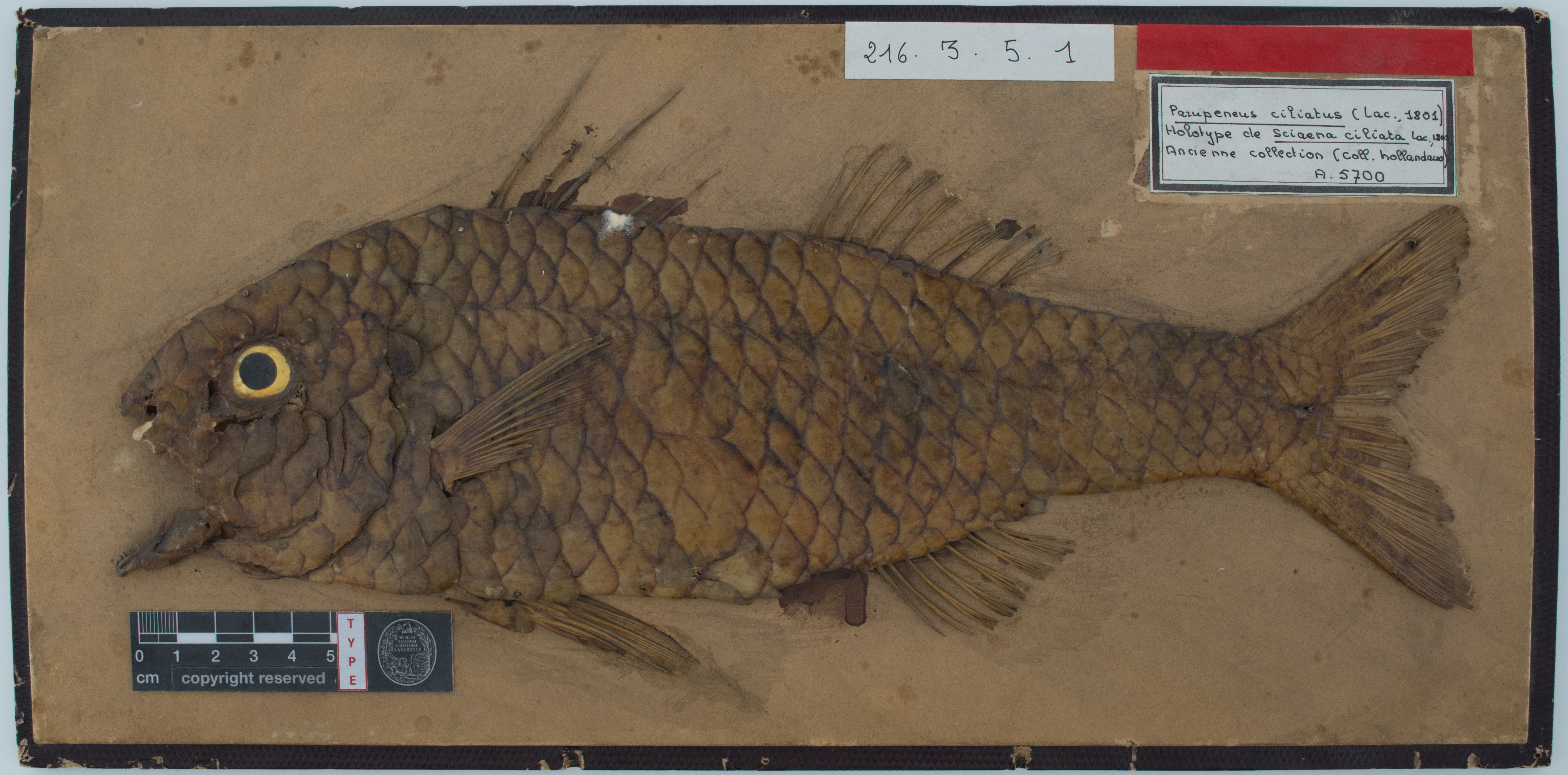
Parupeneus ciliatus (Lacepède, 1802)

Description
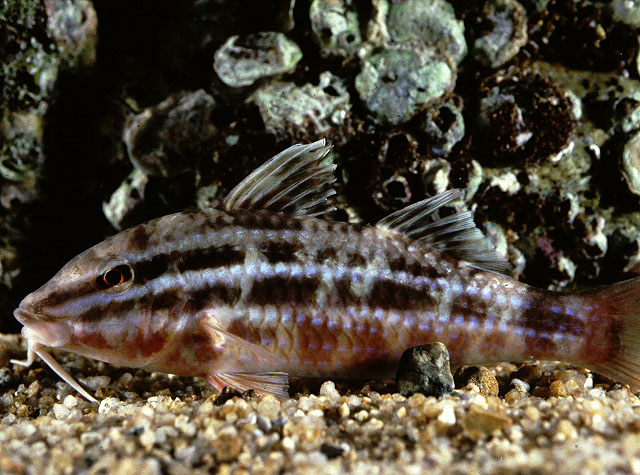
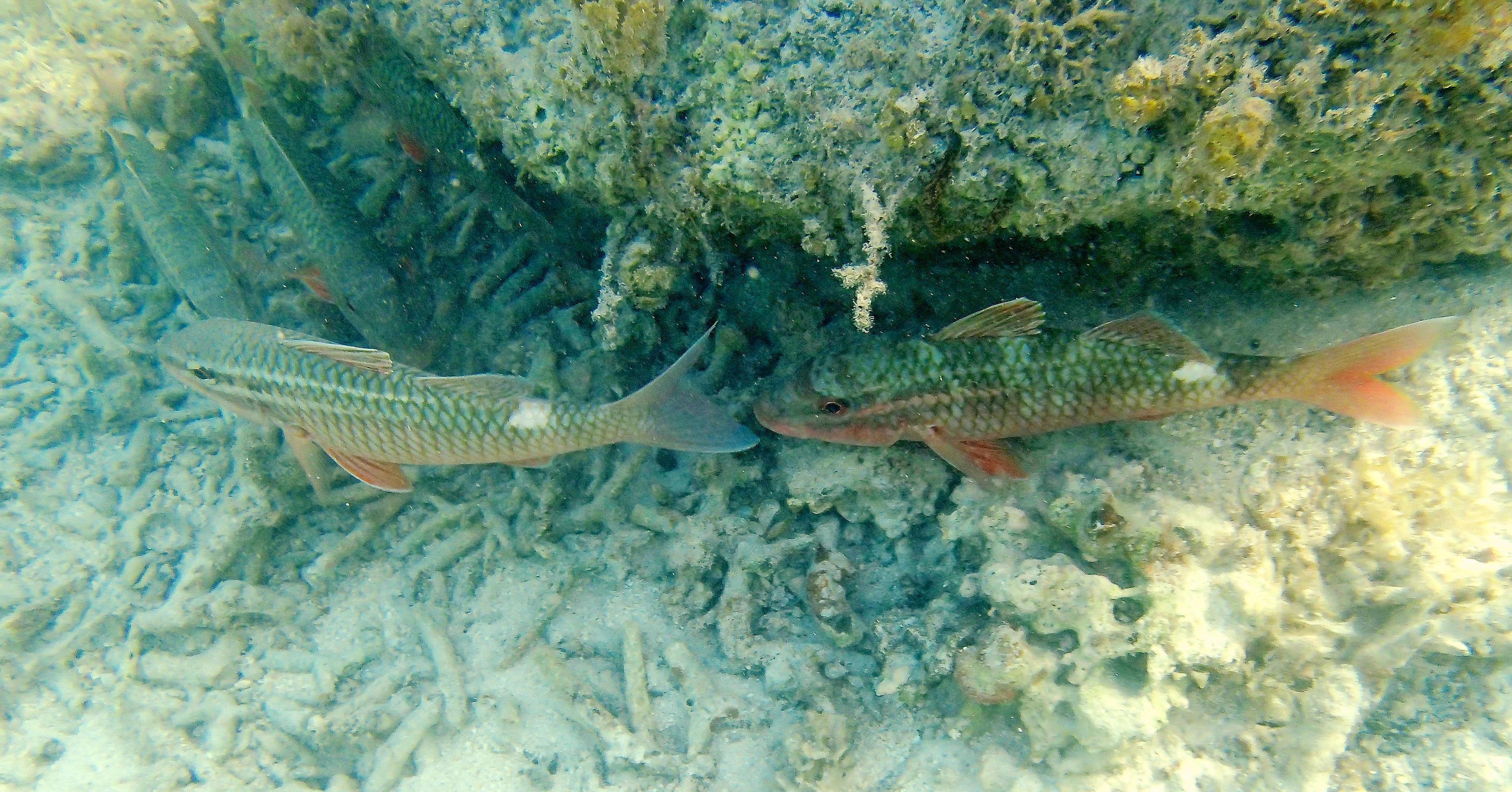
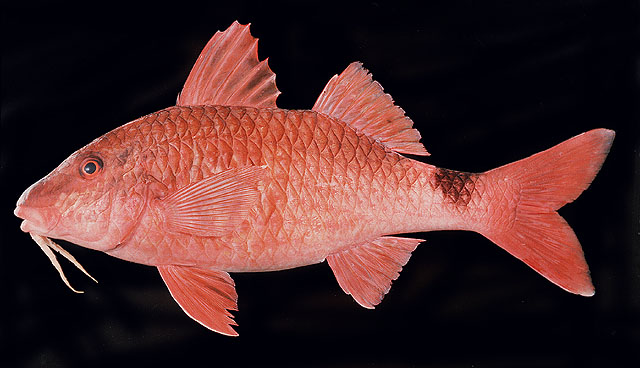
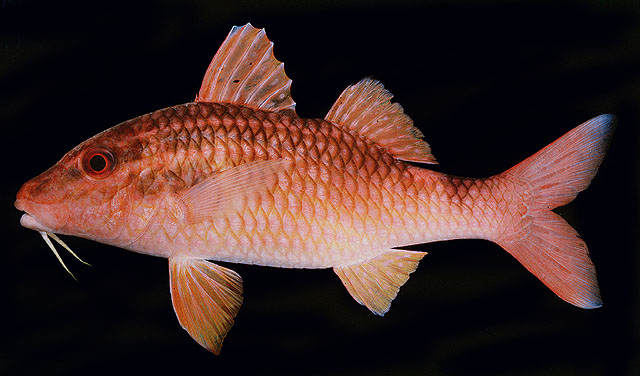
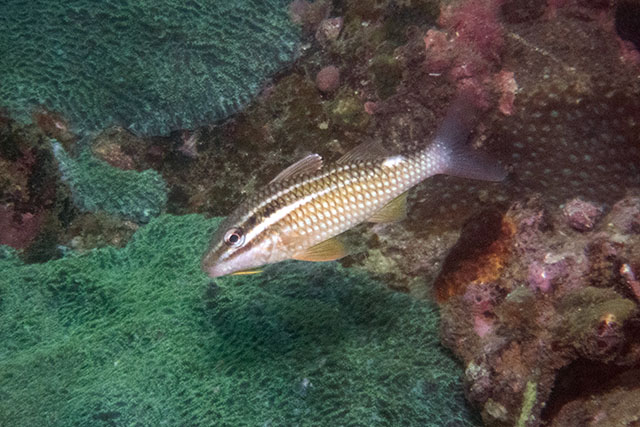
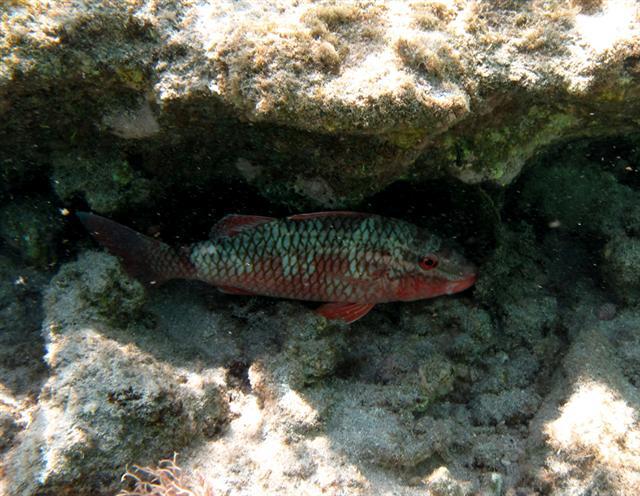
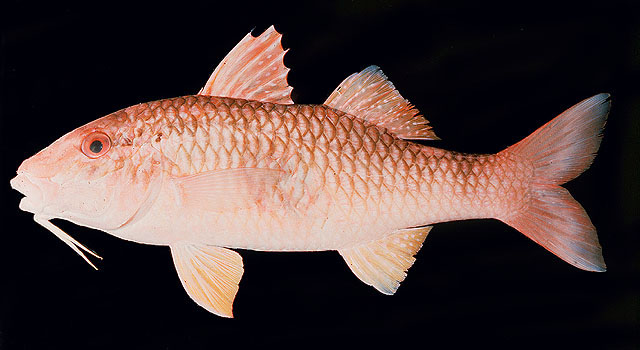
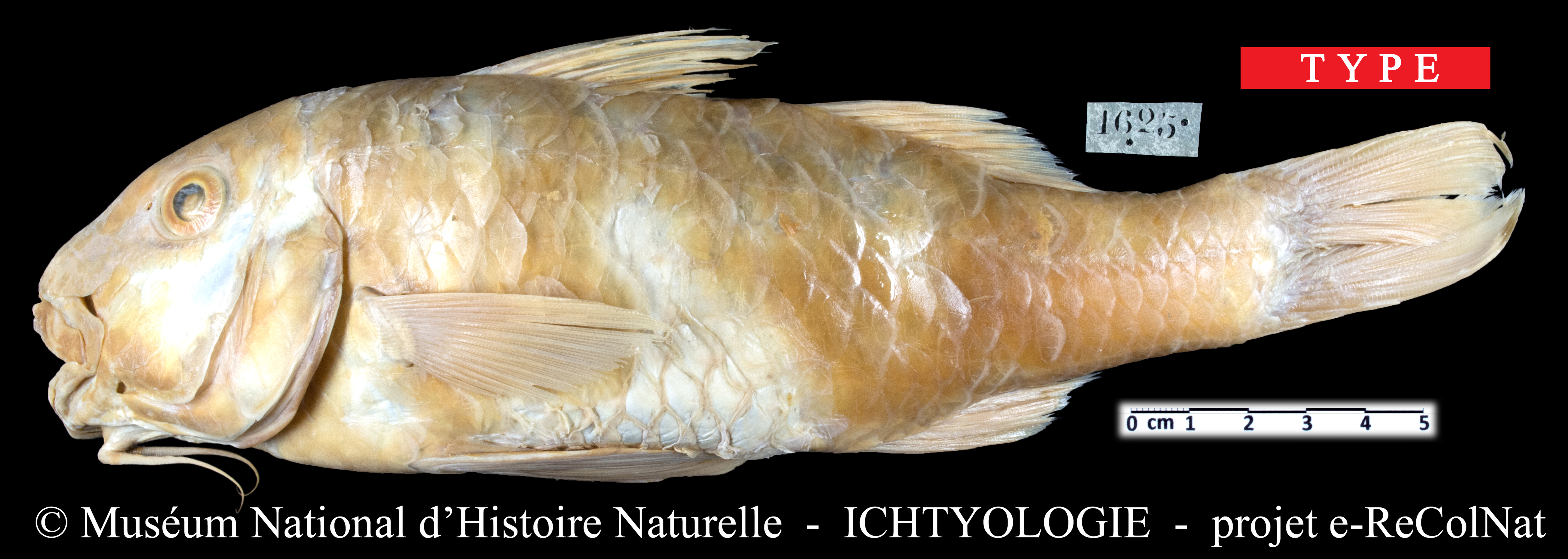
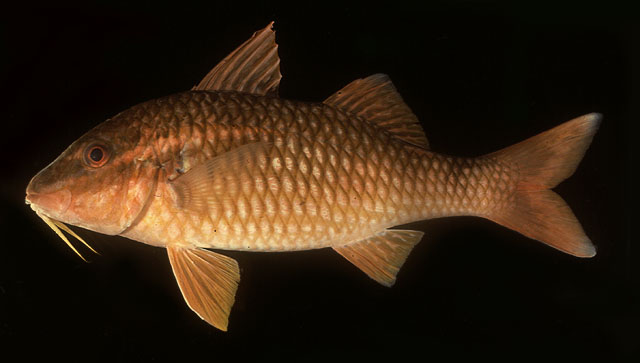
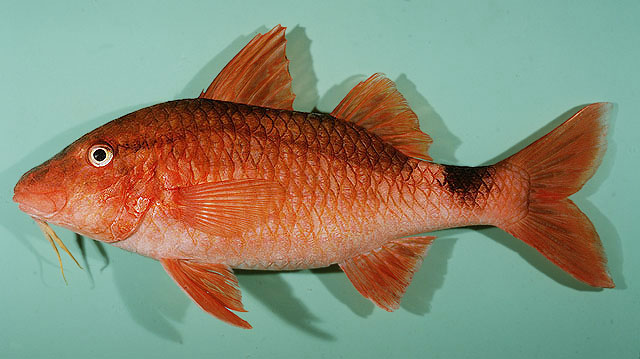
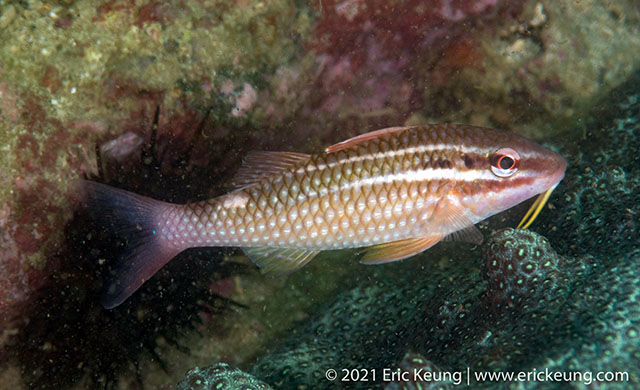
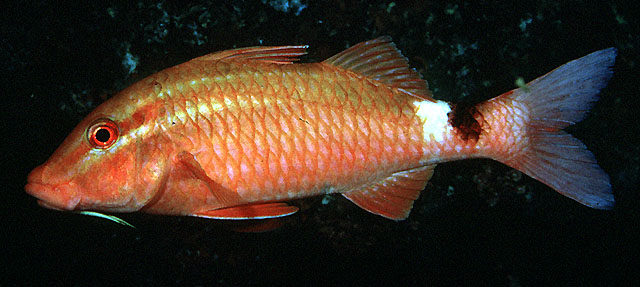
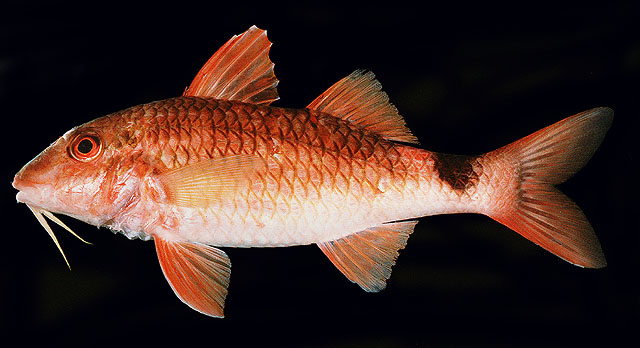
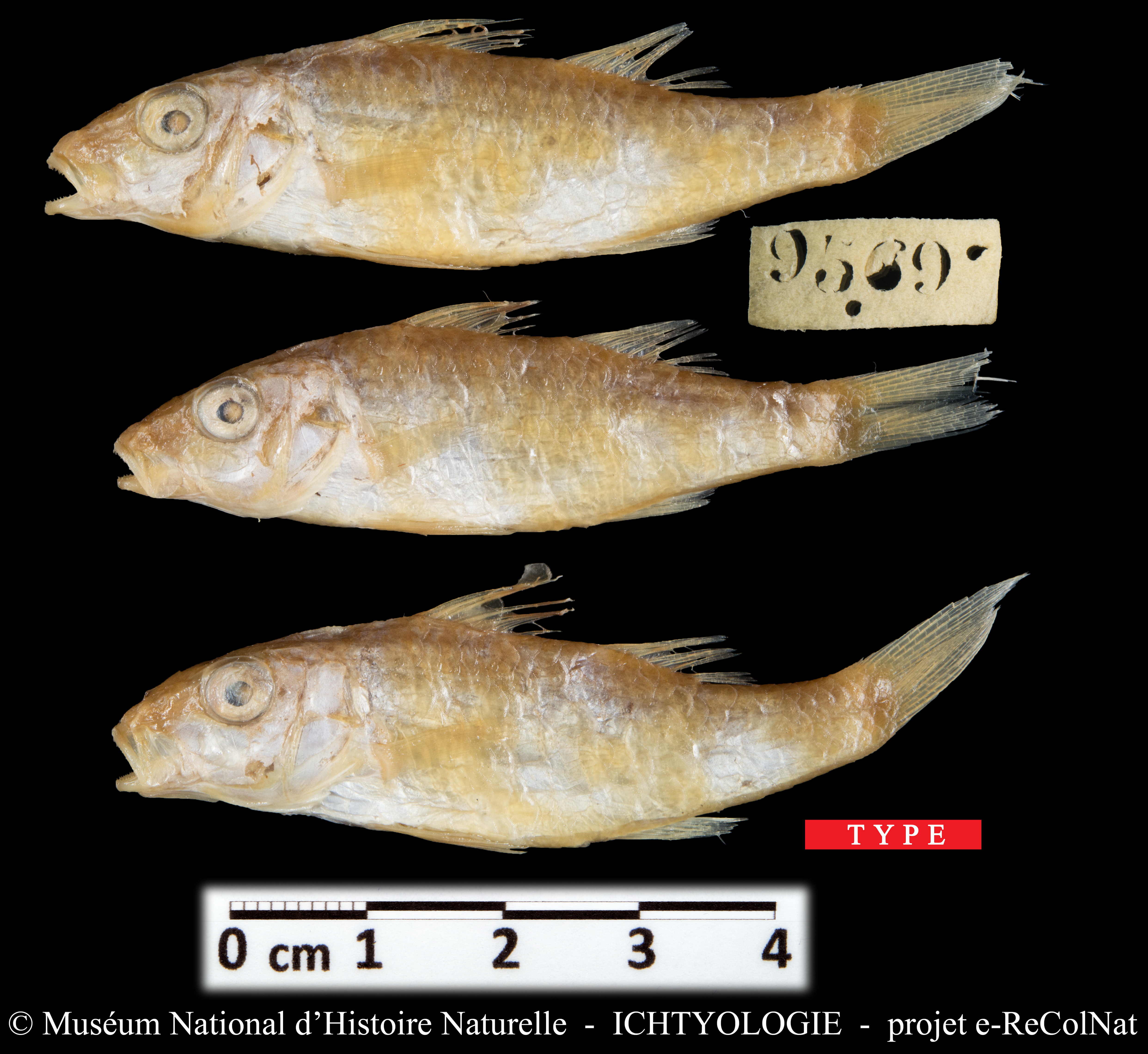
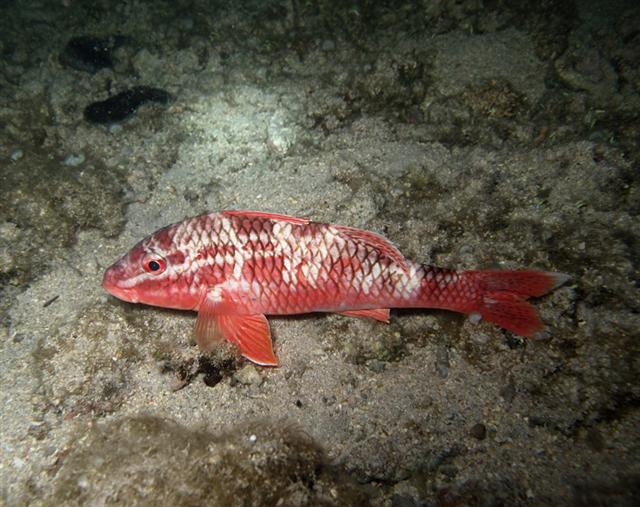
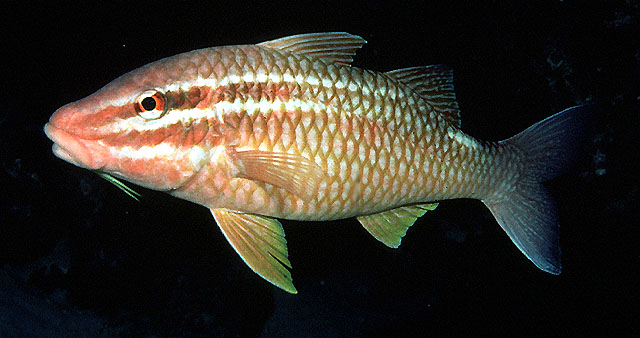
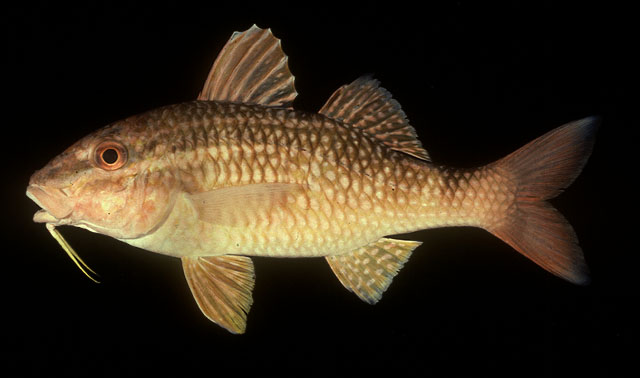
Dorsal spines (total): 8; Dorsal soft rays (total): 9; Anal spines: 1; Anal soft rays: 7. Diagnosis: Pectoral rays 15 (rarely 14 or 16); gill rakers 6-8 + 23-27 (total 30-34); body depth 2.93.5 in SL; head length (HL) 2.85-3.25 in SL; dorsal profile of snout straight to slightly concave, the snout length 1.85-2.1 in HL; barbels short, 1.5-1.8 in HL; longest dorsal spine 1.55-1.9 in HL; last dorsal ray slightly longer than penultimate ray; posterior margin of caudal-fin lobes convex; pectoral-fin length 1.35-1.55 in HL; pelvic-fin length 1.2-1.55 in HL. Color brown to red dorsally, paler ventrally, the scale edges darker; scales on body with or without a white or pale blue spot; a darker brown or brownish red stripe, broadly bordered in white, from front of snout through center of eye, becoming indistinct below origin of second dorsal fin; a dark brown spot within stripe behind eye; a second dark stripe across cheek parallel to the first, bordered below by a white band that ends at pectoral-fin base; a white or pale pink spot anteriorly on upper half of caudal peduncle covering about three horizontal rows of scales, followed by a black or dusky spot with darker scale edges a little larger in size (spot may extend slightly below lateral line); fins light red to reddish gray, the second dorsal and anal fins often with small pale spots (Ref. 54393).
Common Names
Taxonomic Hierarchy
Kingdom: Animalia
Phylum: Chordata
Class: Teleostei
Order: Mulliformes
Family: Mullidae
Genus: Parupeneus
Species: Parupeneus ciliatus (Lacepède, 1802)
Climate Zone
Biology
Occurs in seagrass beds and coralline areas of lagoon and seaward reefs. Feeds on benthic invertebrates, mostly crustaceans, at night.
Habitat
associated
Conservation Status
Least Concern
Threat to Humans
Harmless
Parupeneus ciliatus (Lacepède, 1802)