Mugil cephalus Linnaeus, 1758
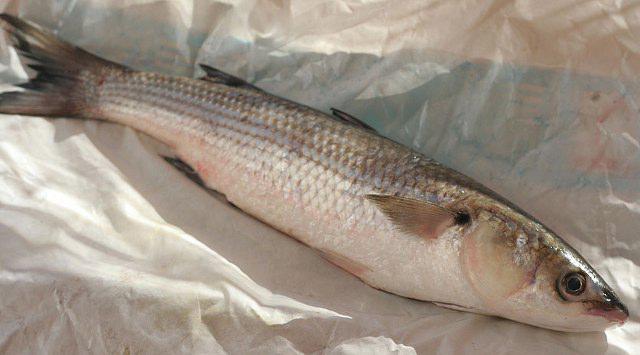
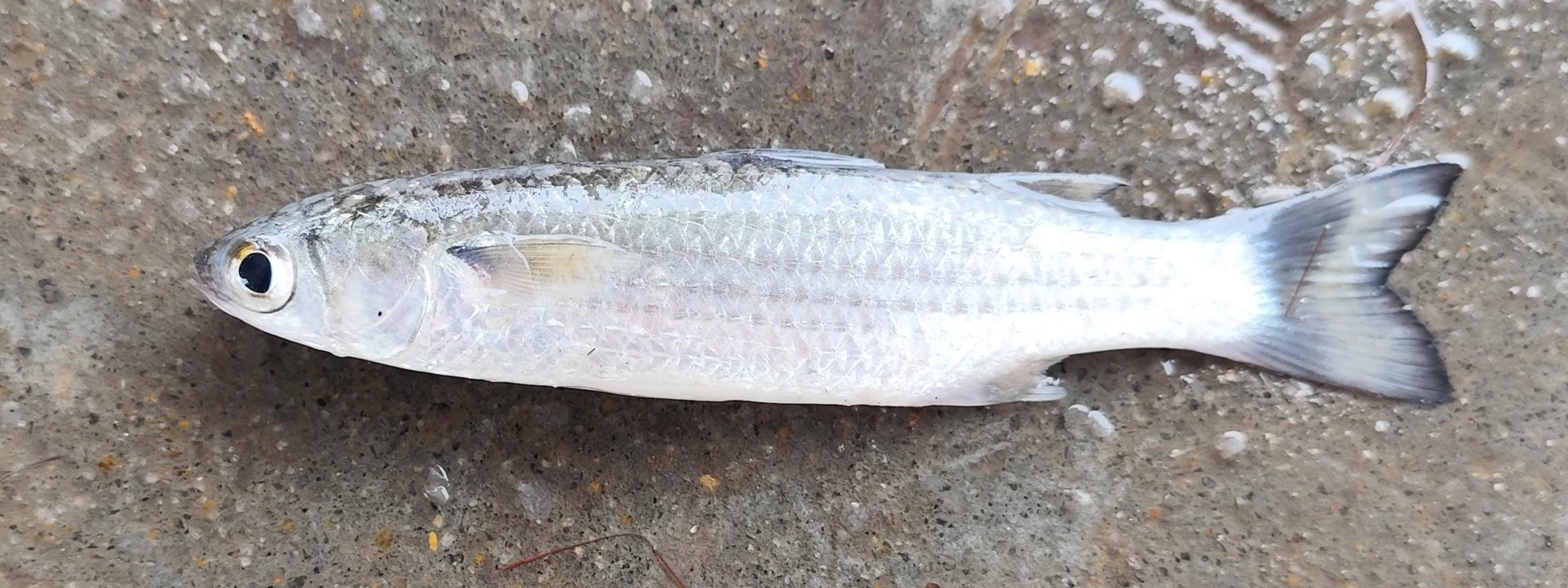
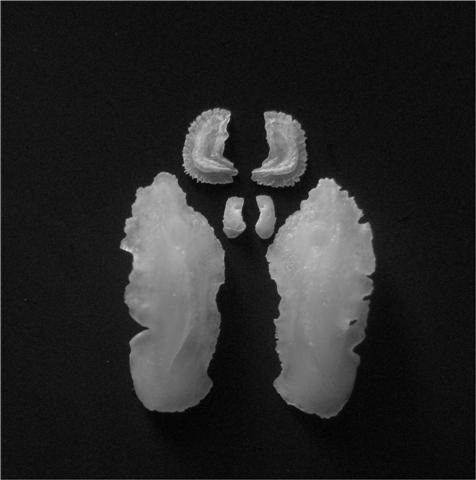

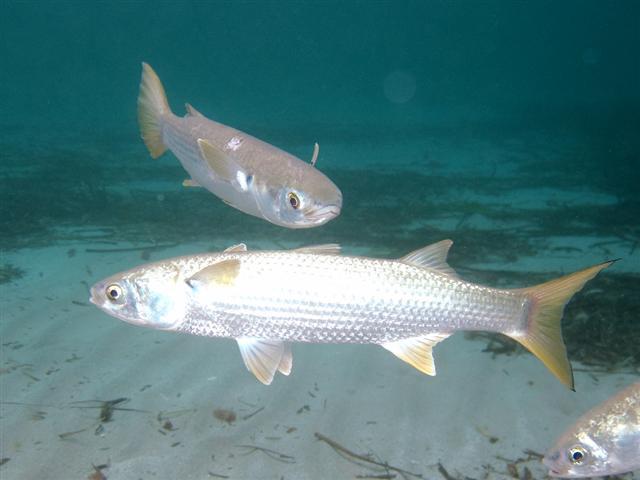
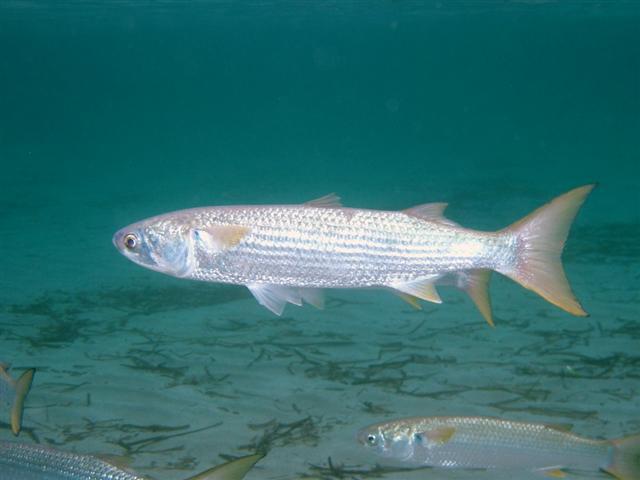
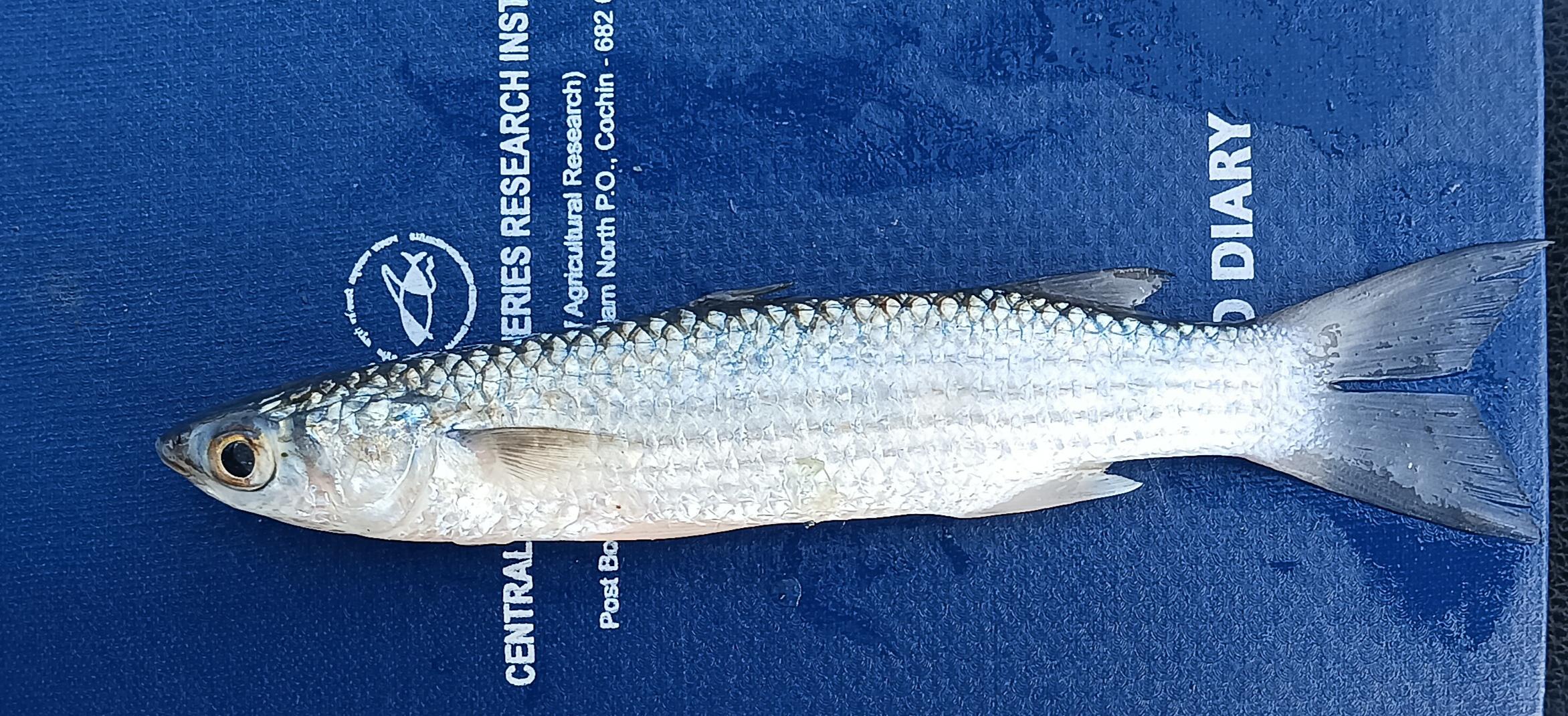
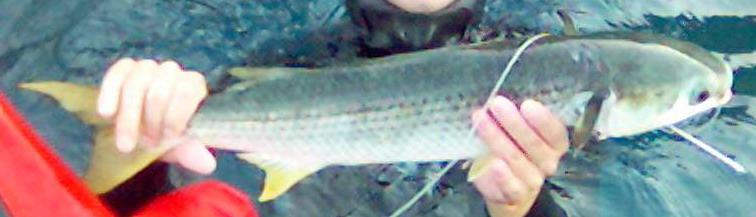
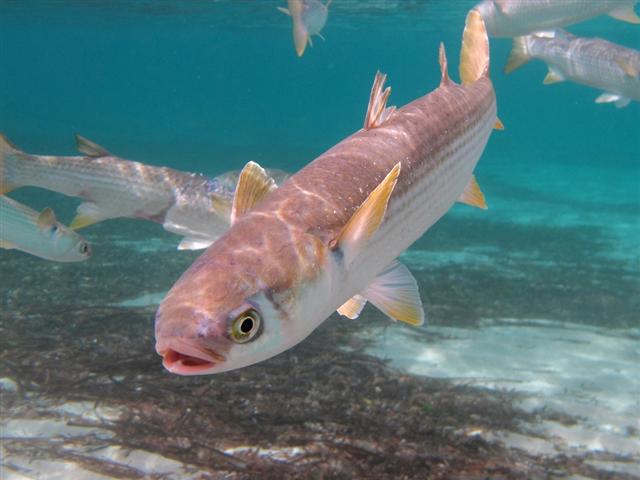
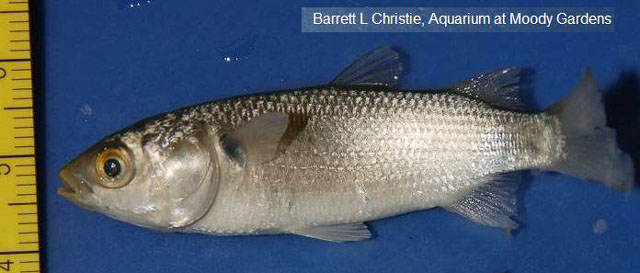
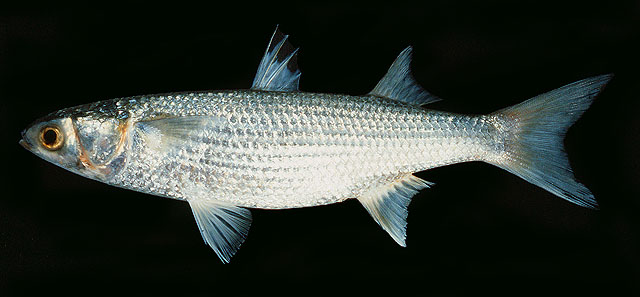
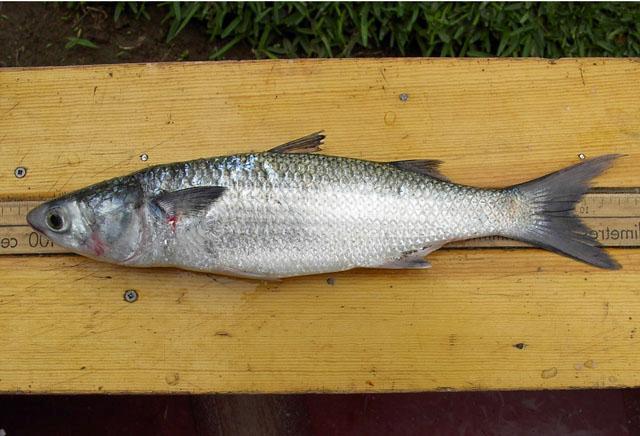

Description
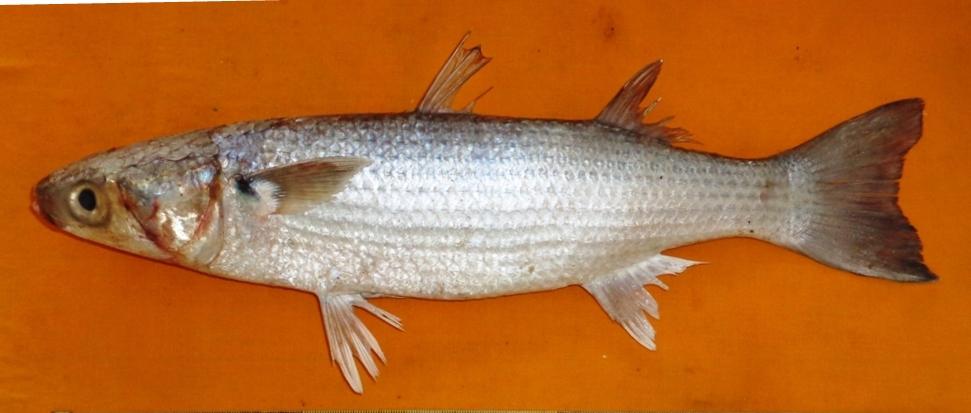
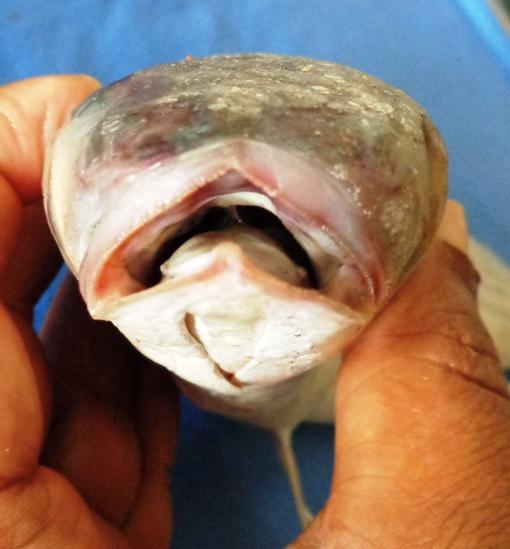
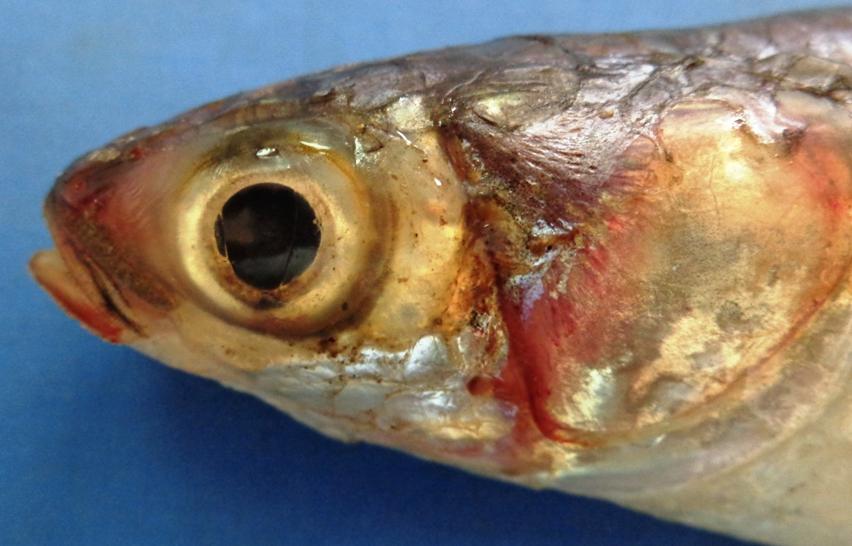
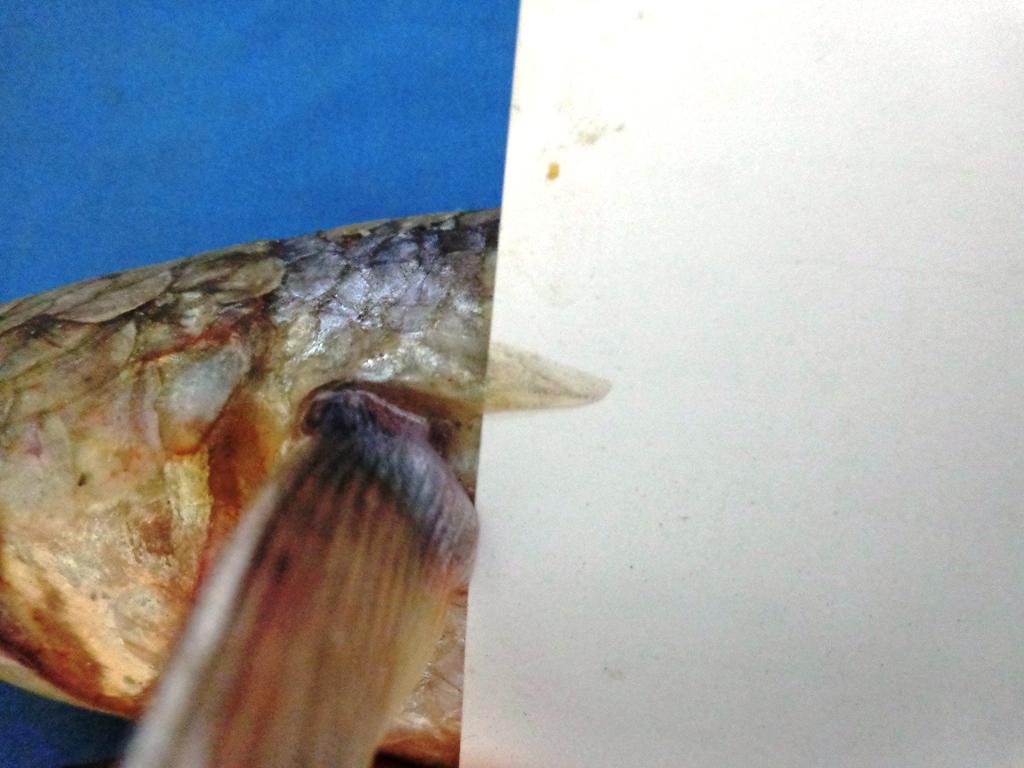
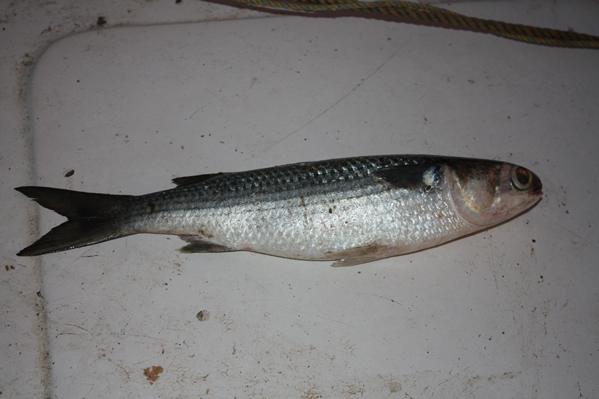
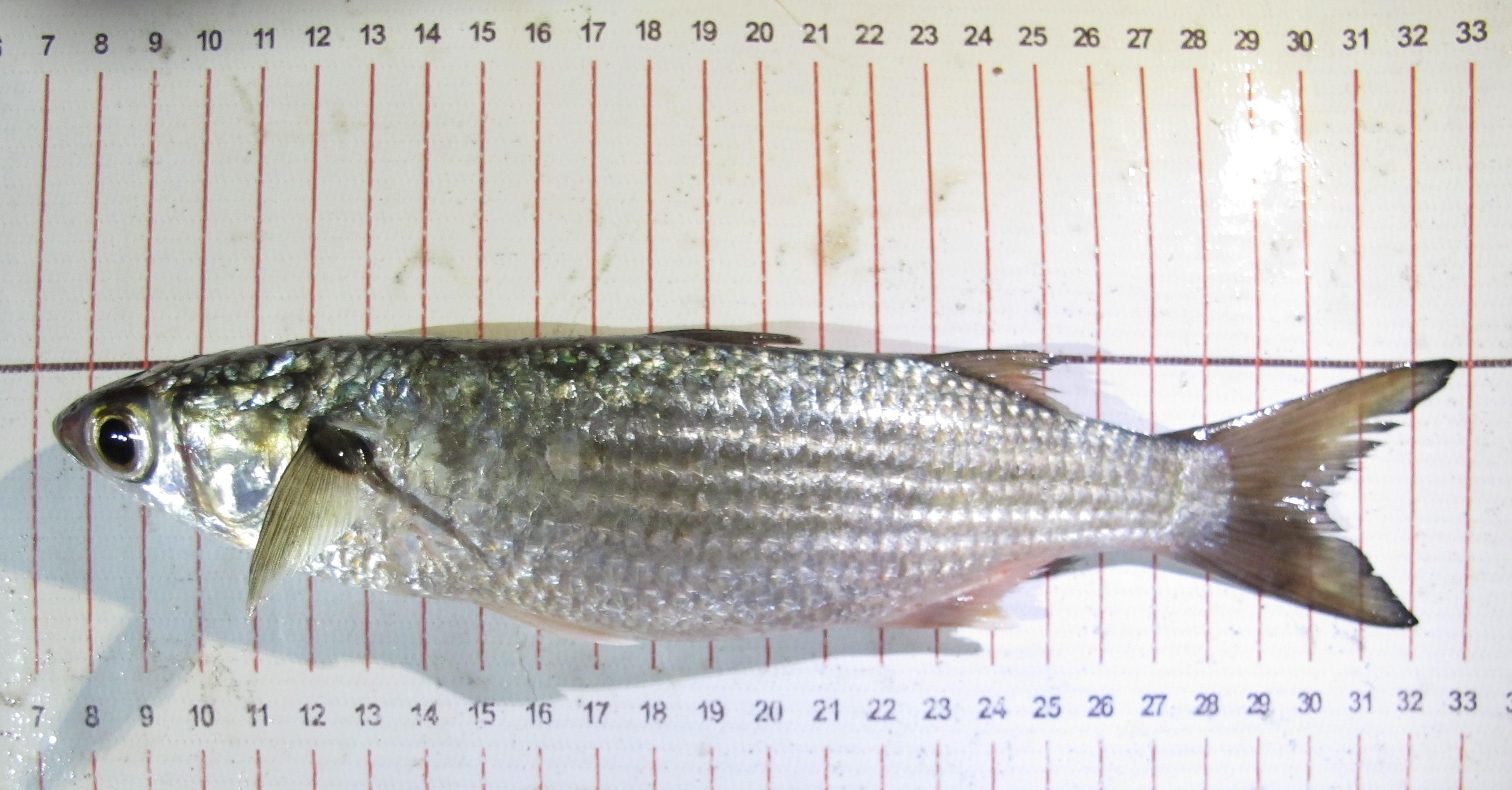
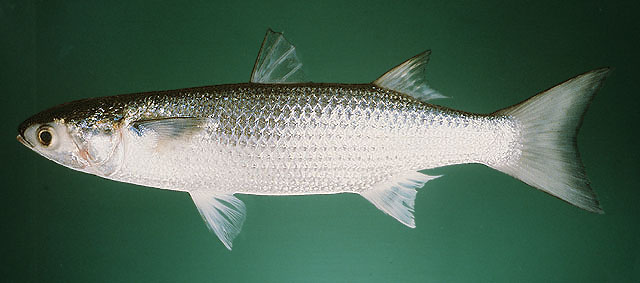
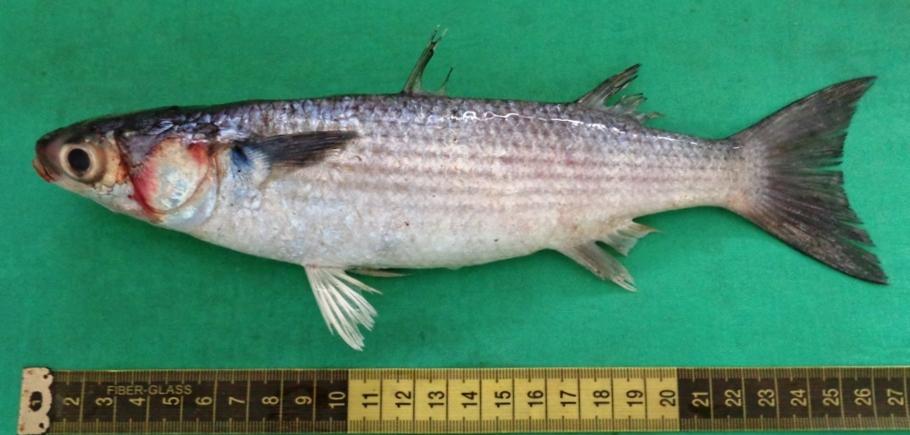
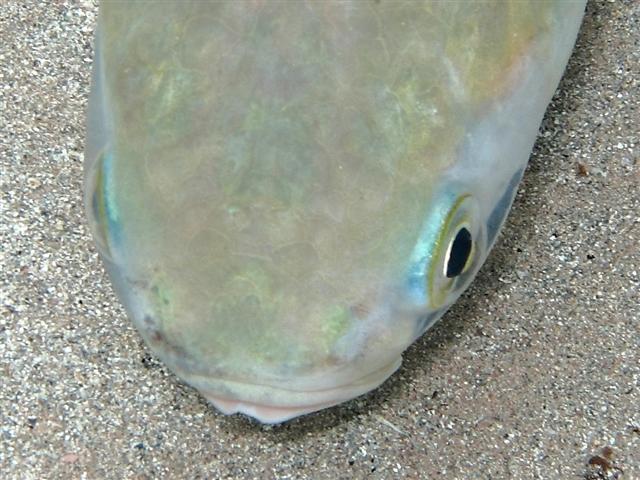
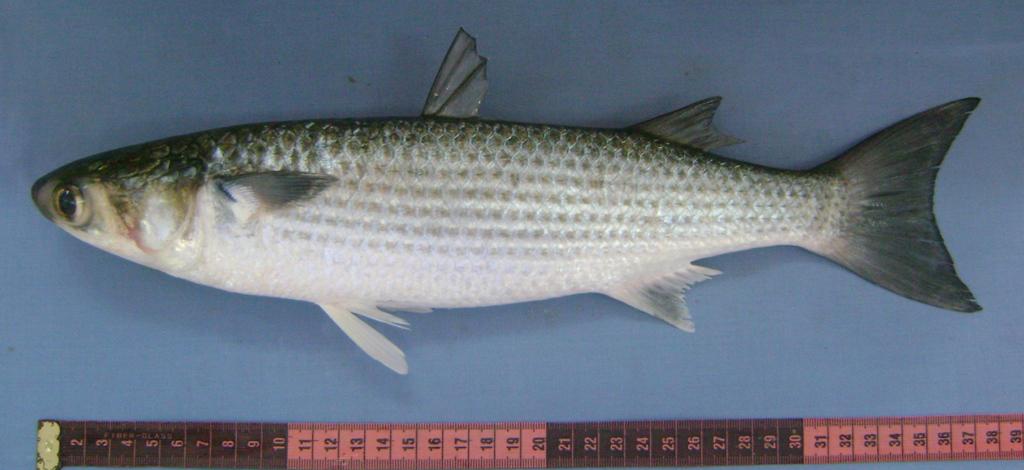
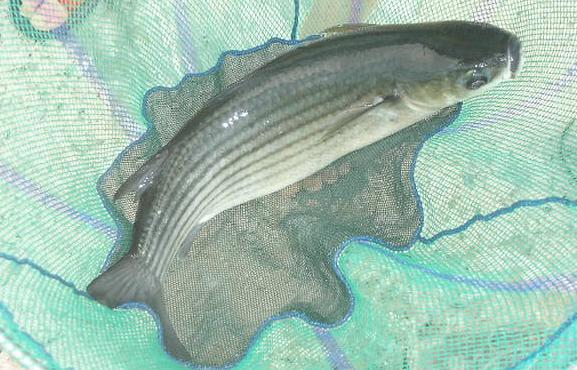
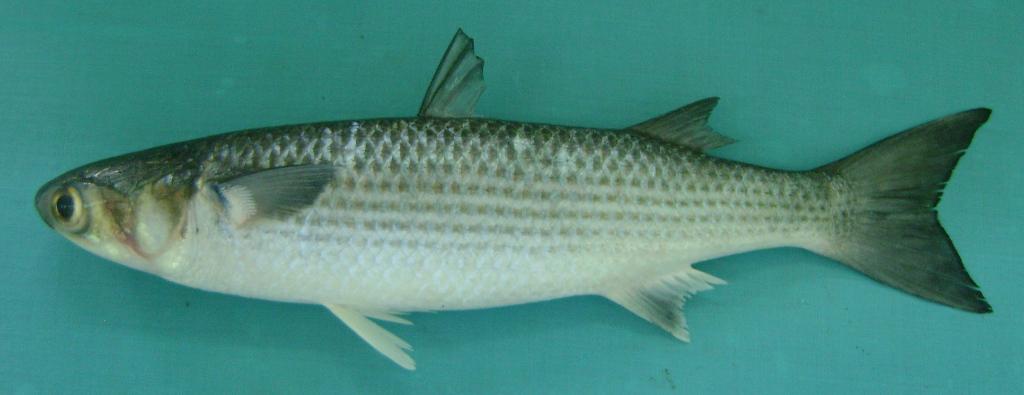
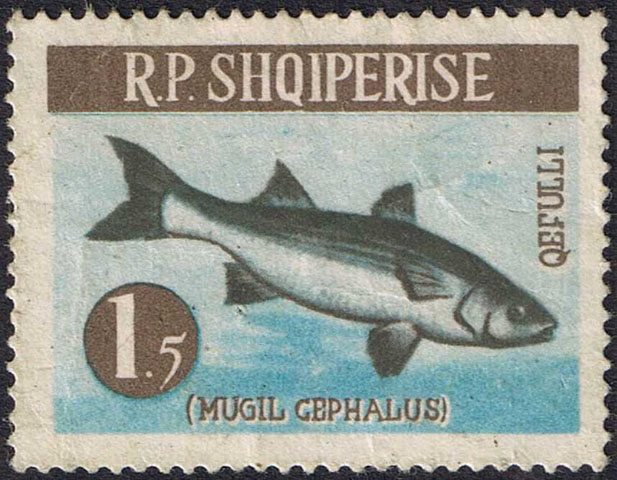
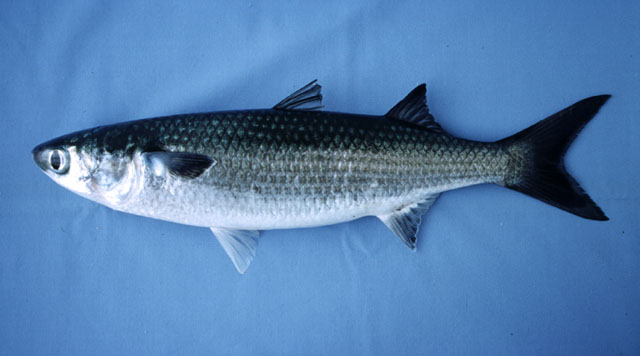
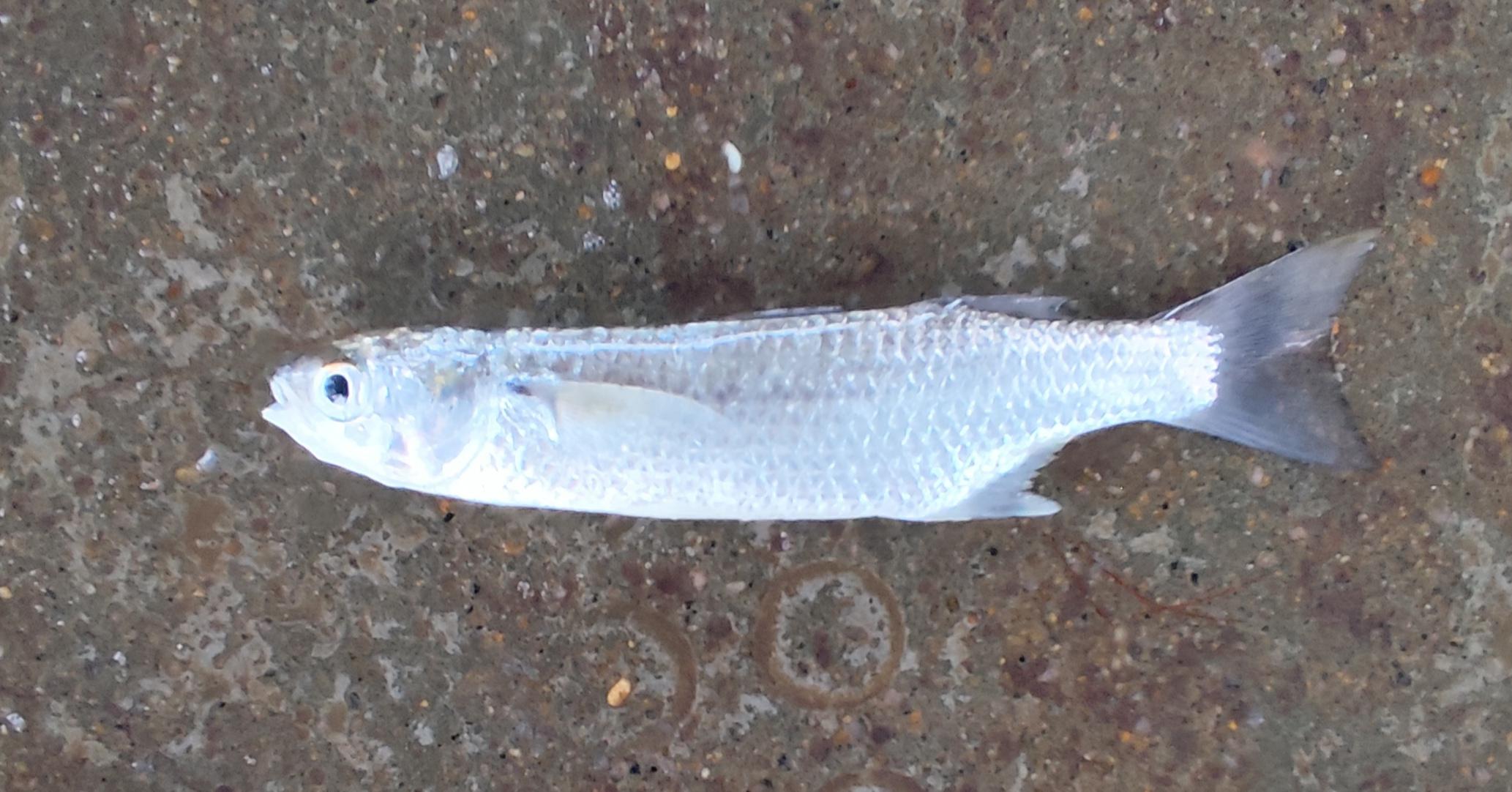
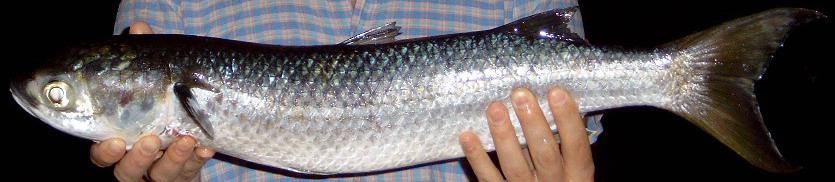
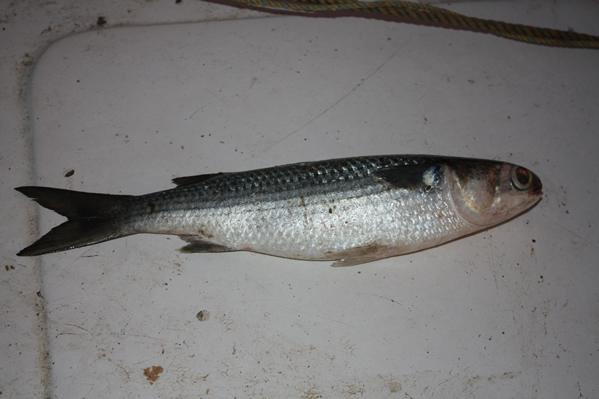
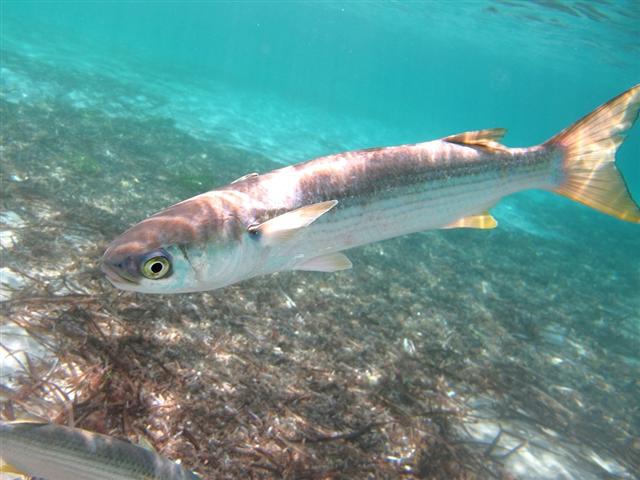
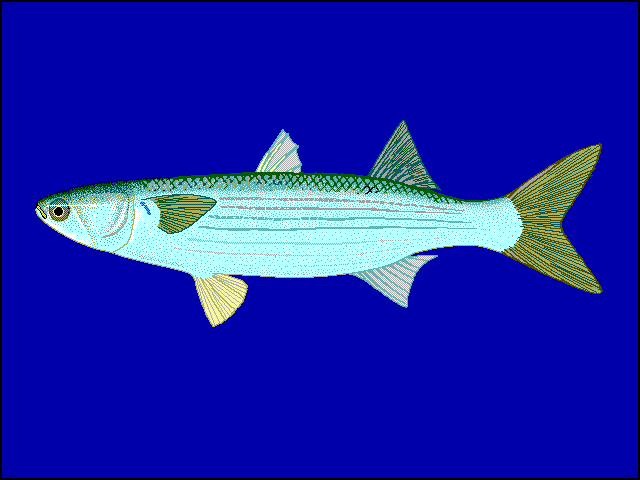
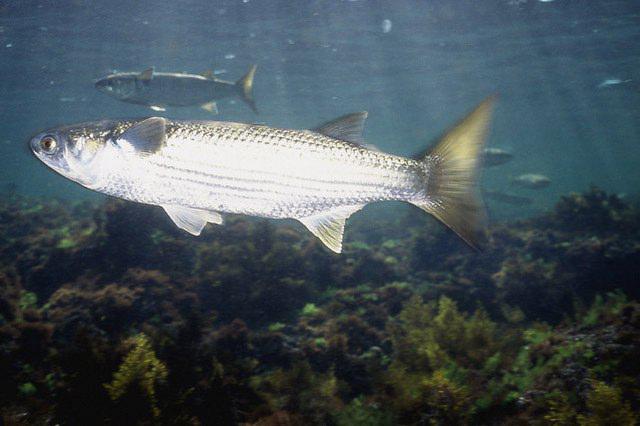
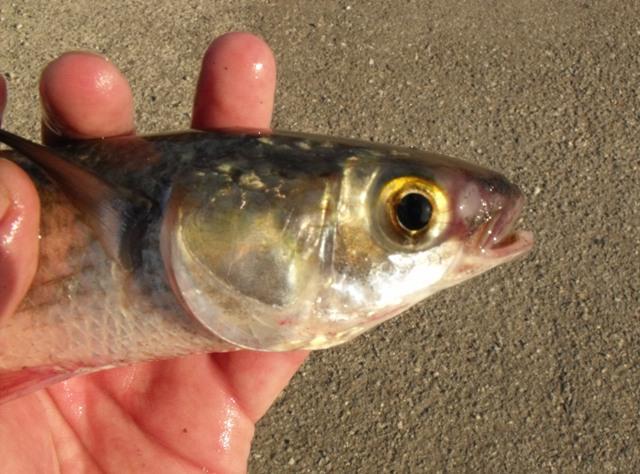
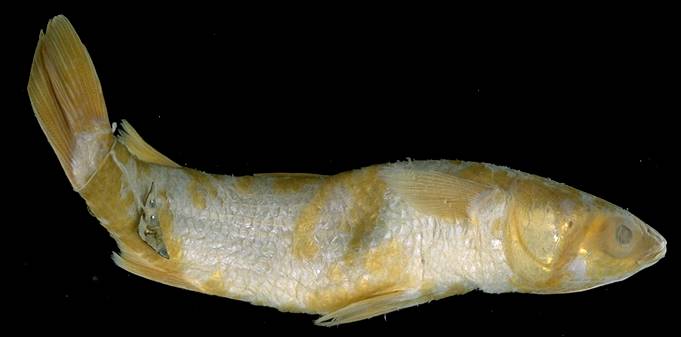
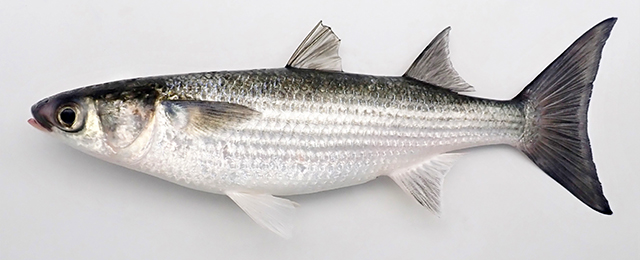
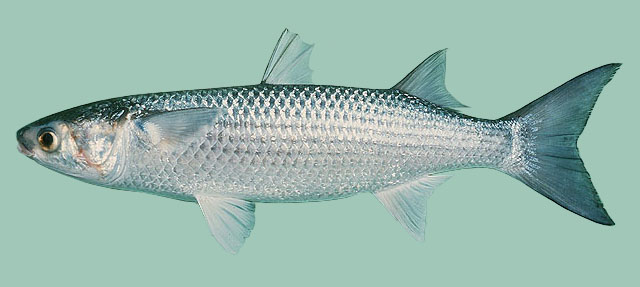
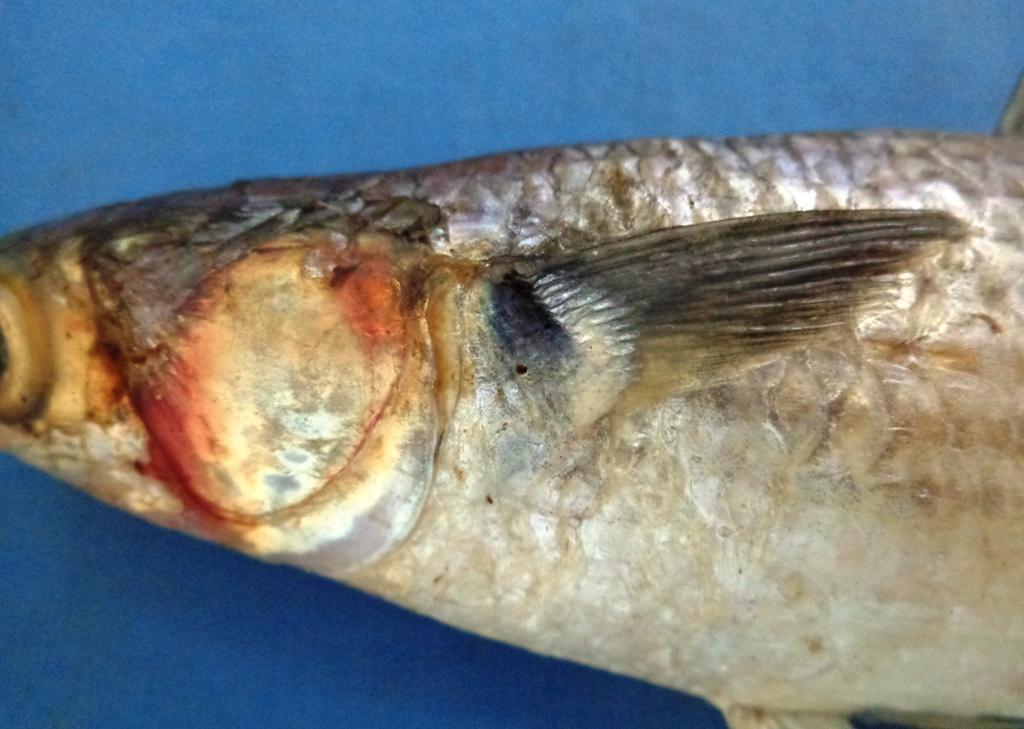
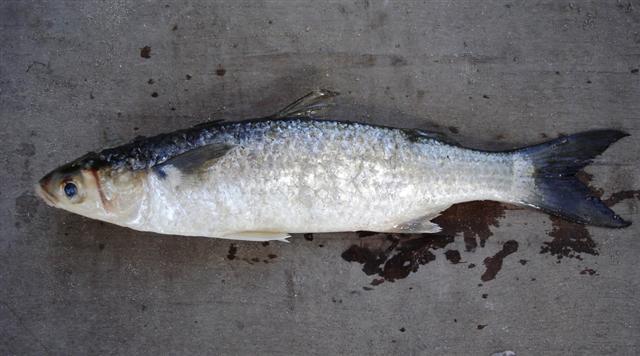
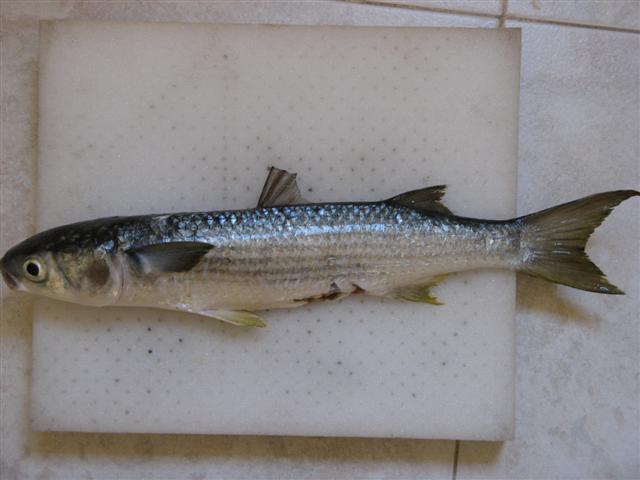
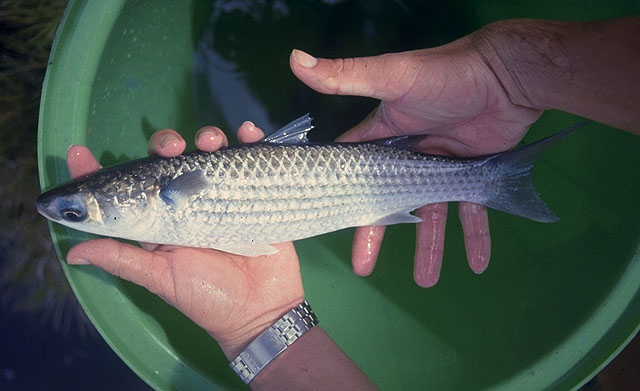
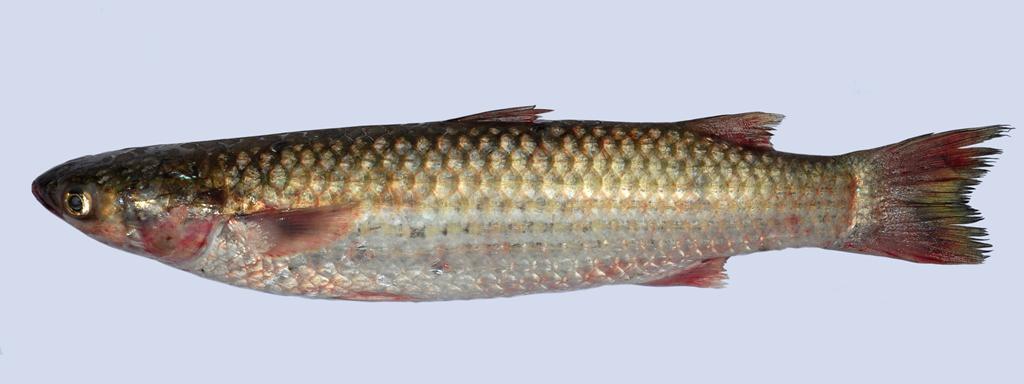
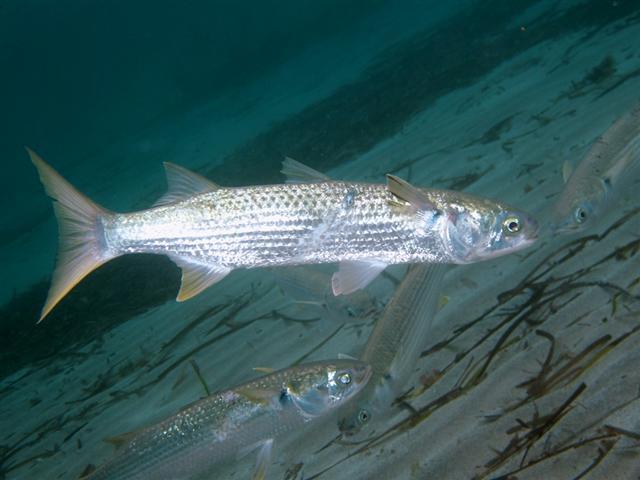
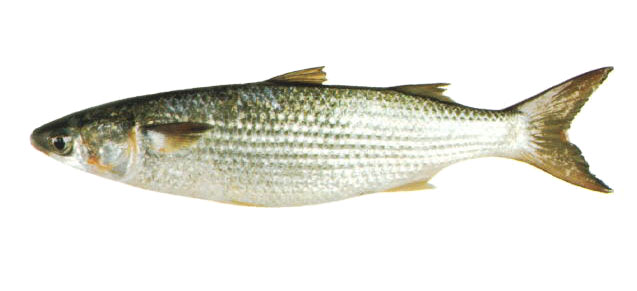
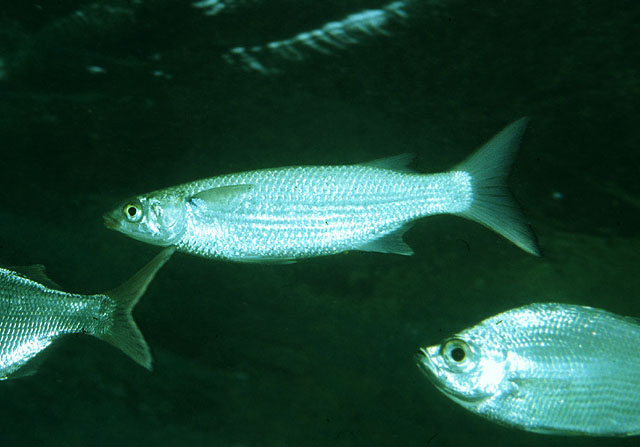
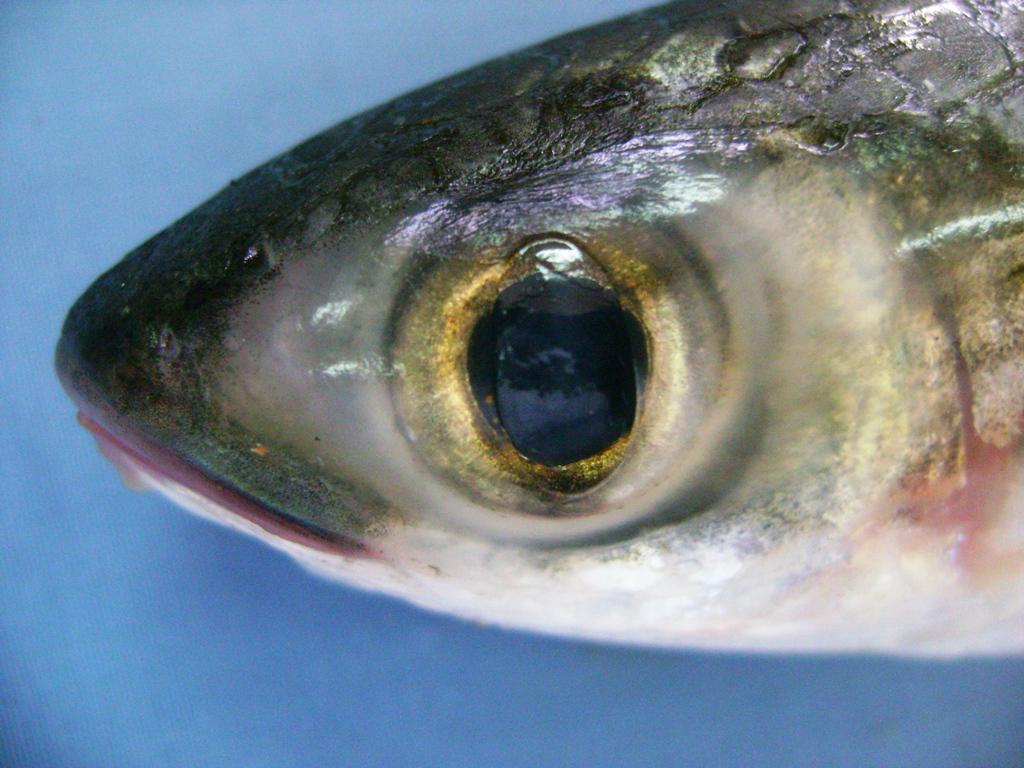
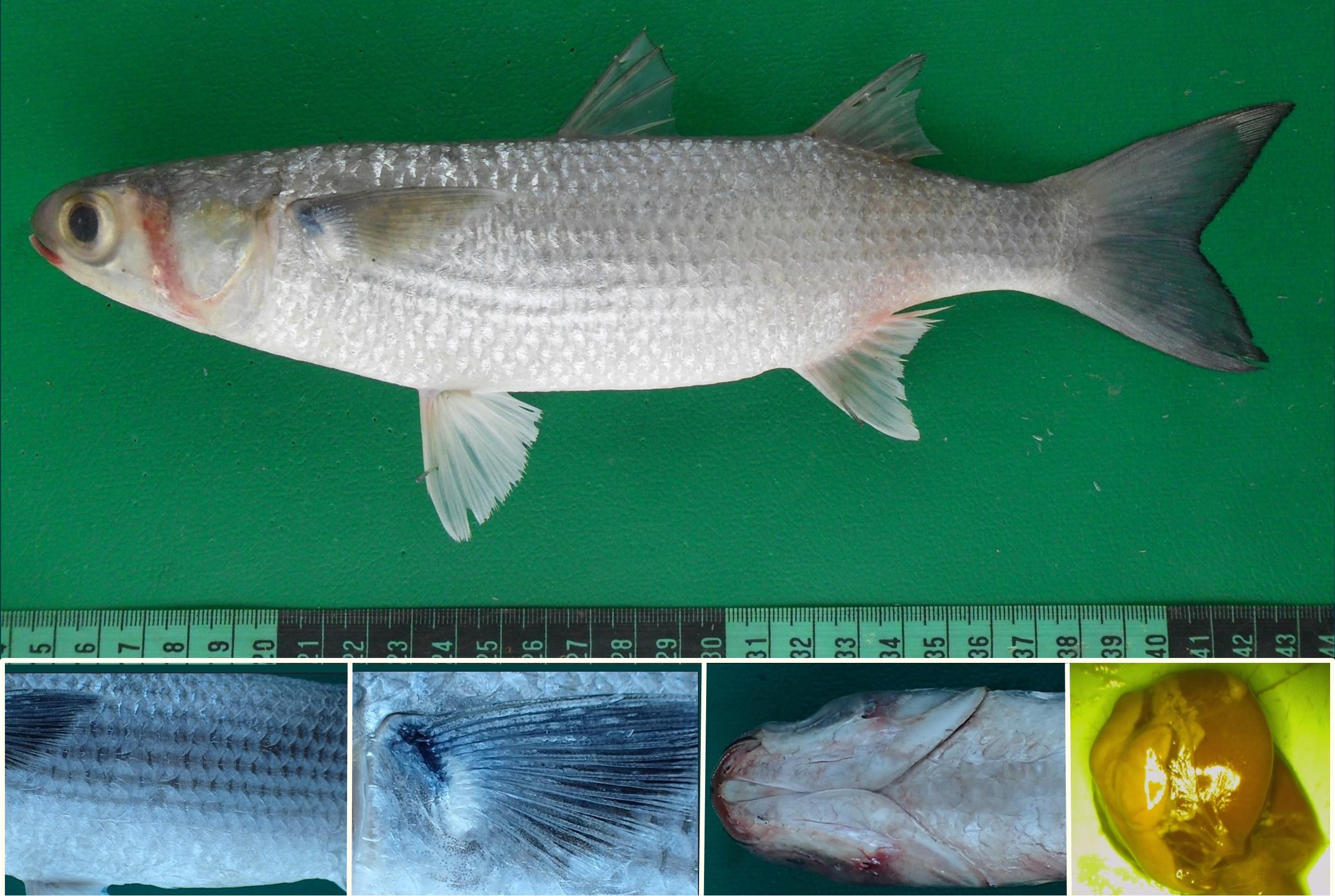
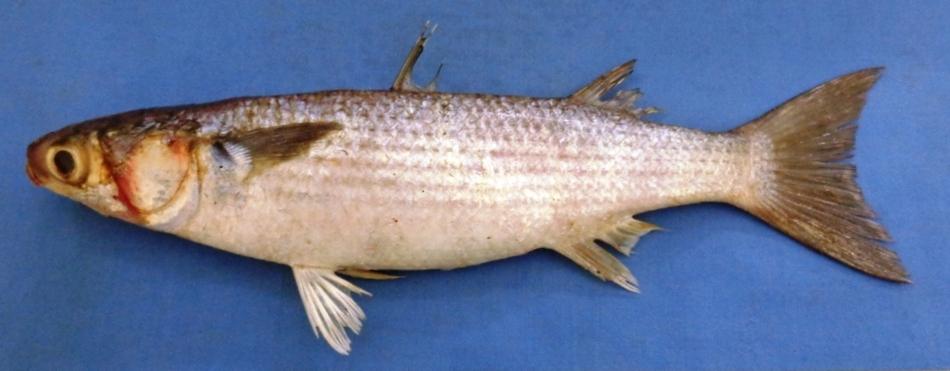
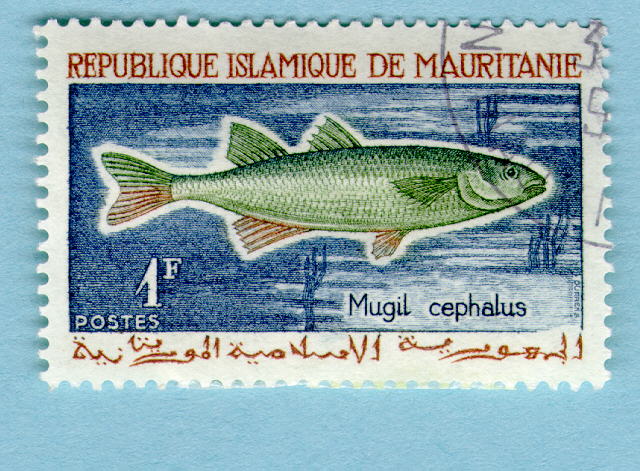
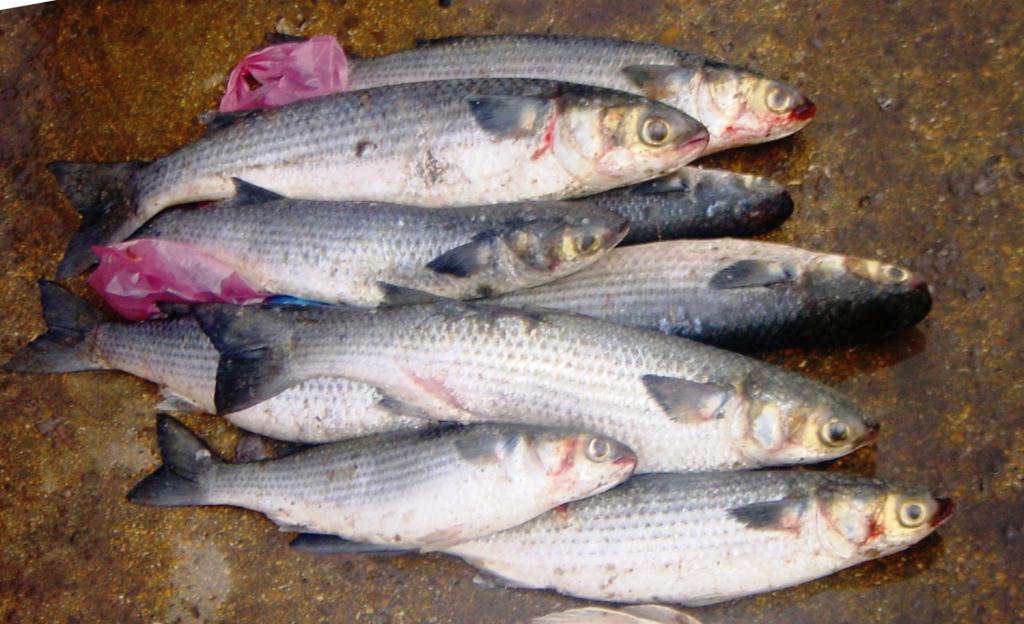
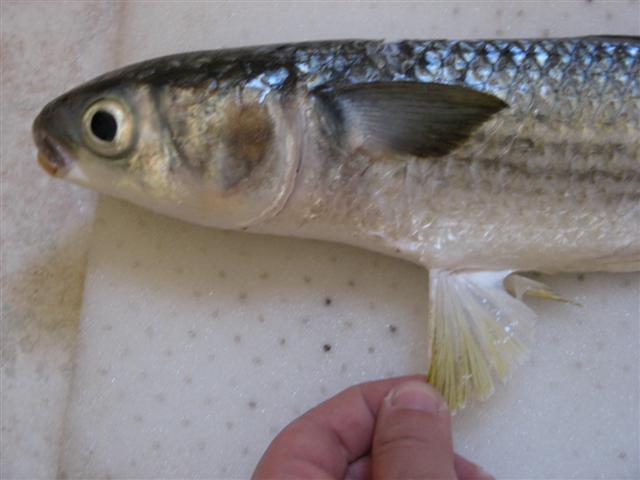
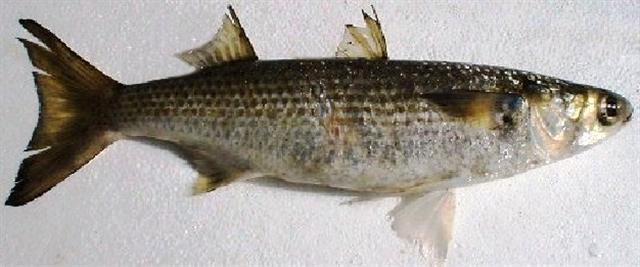
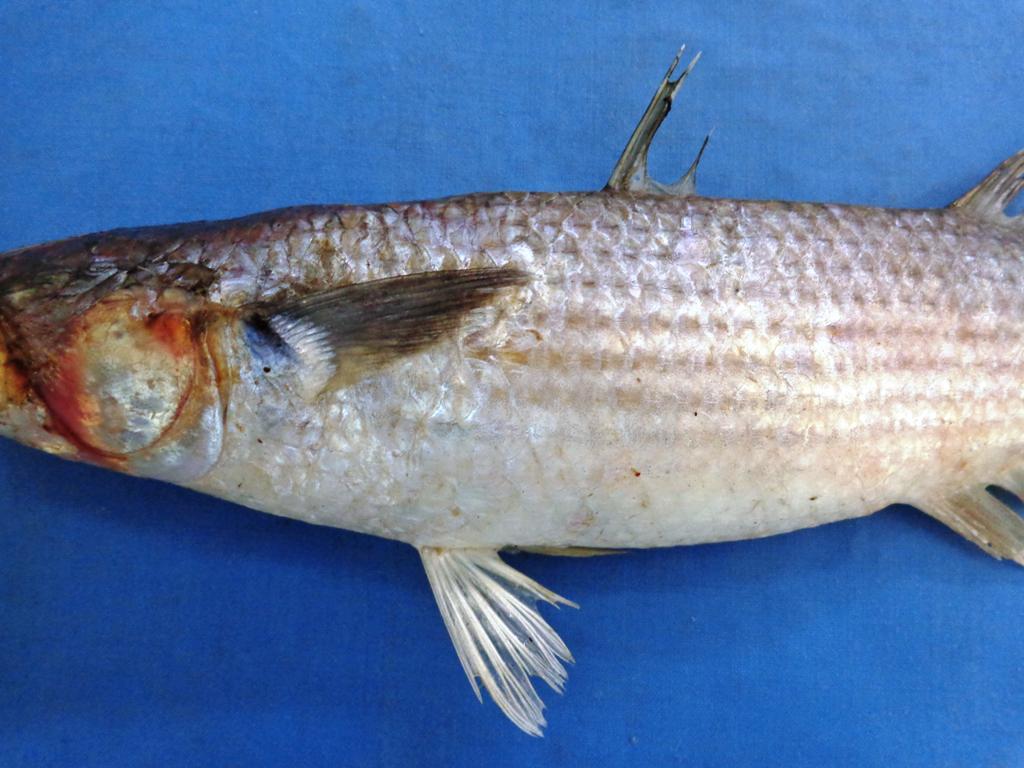
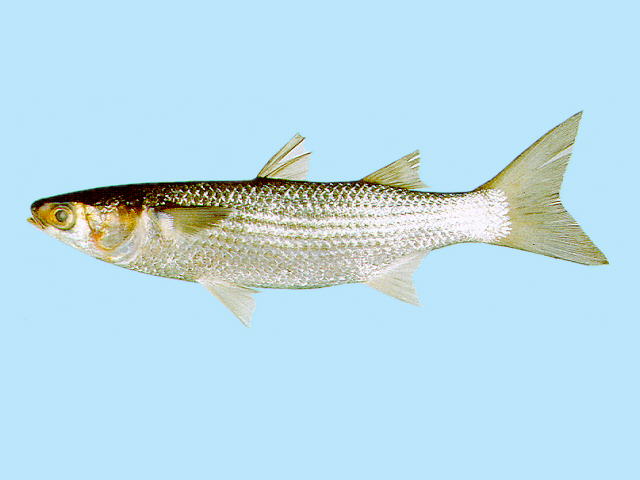
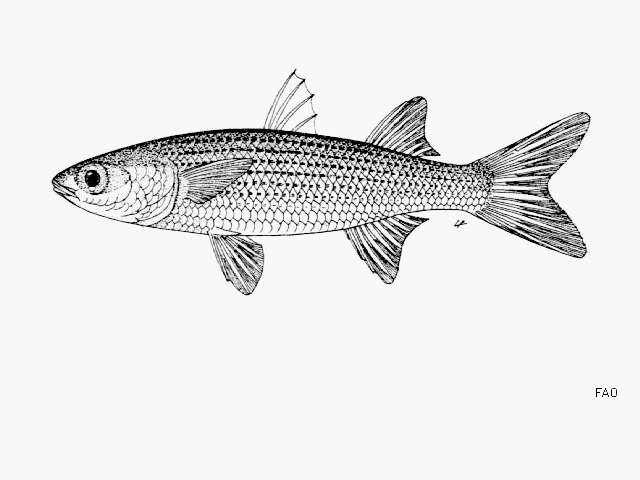
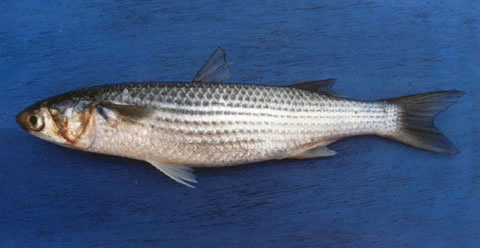
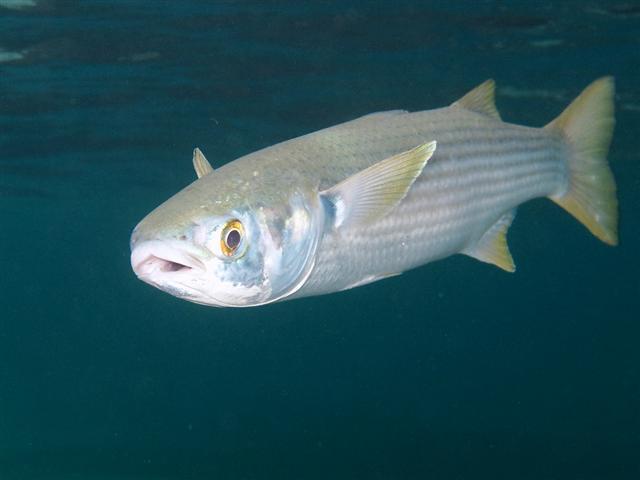
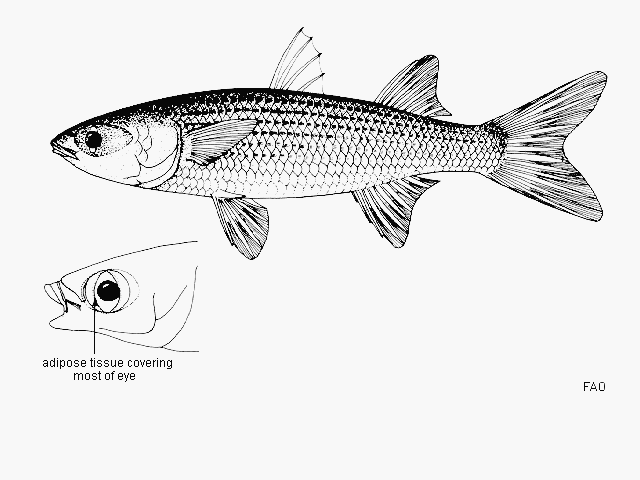
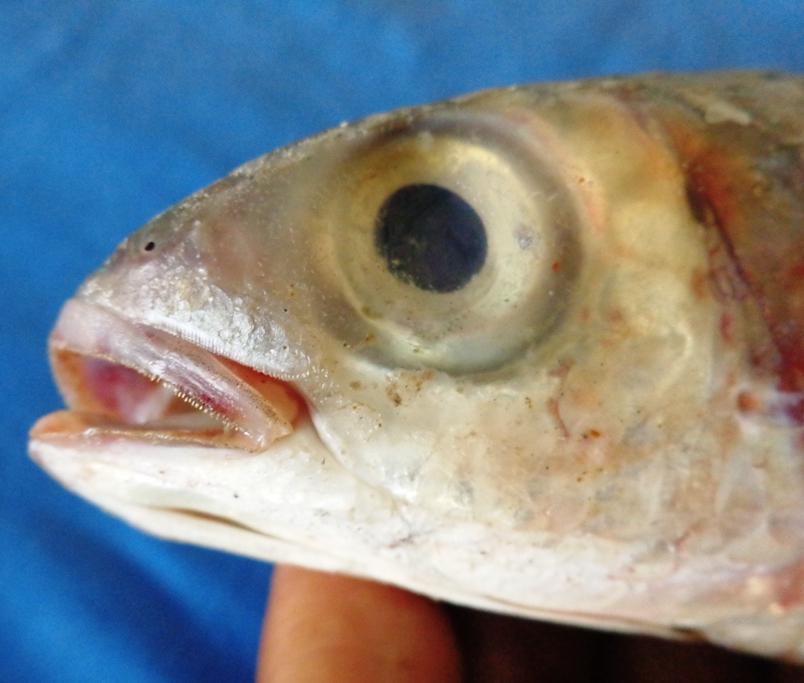
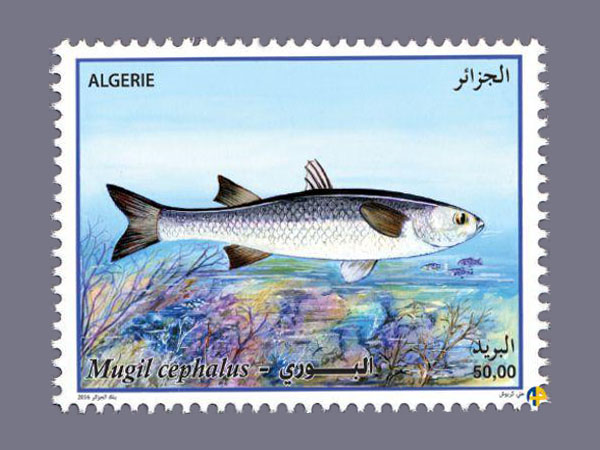
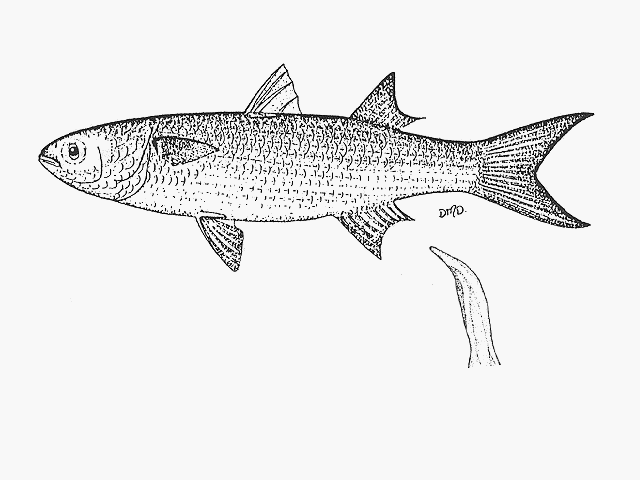
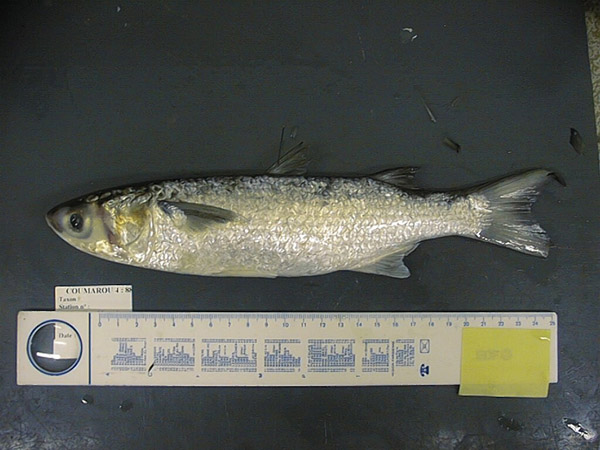
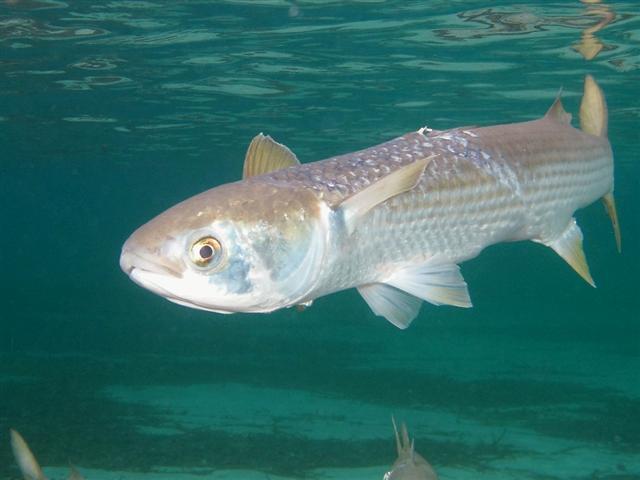
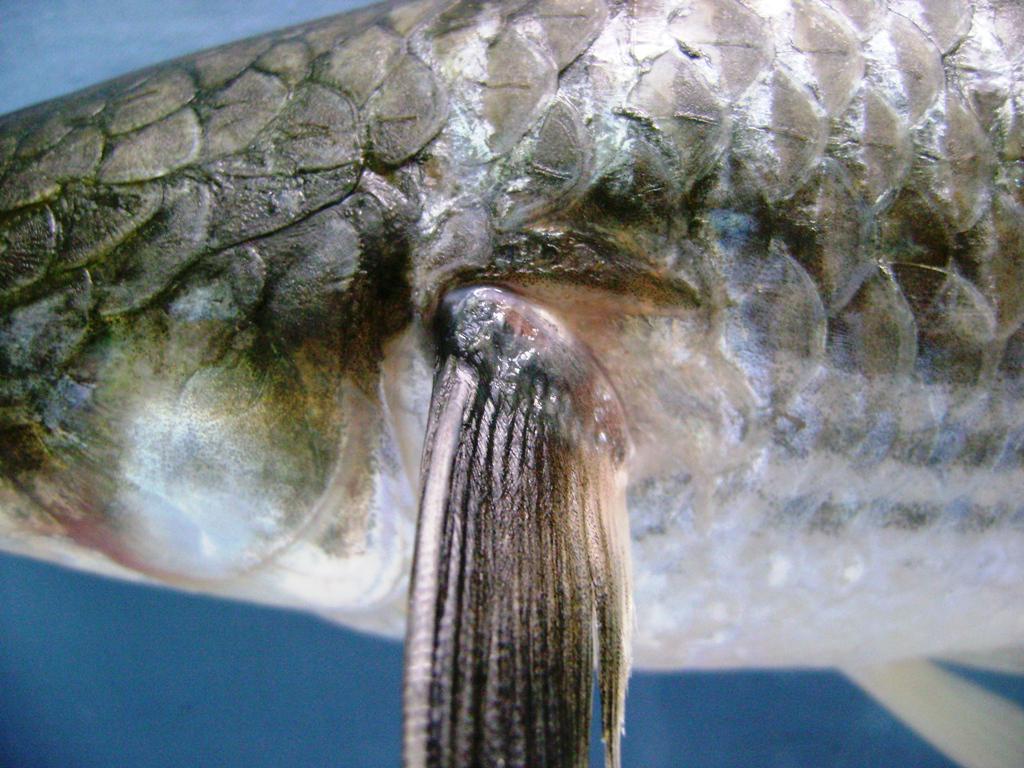
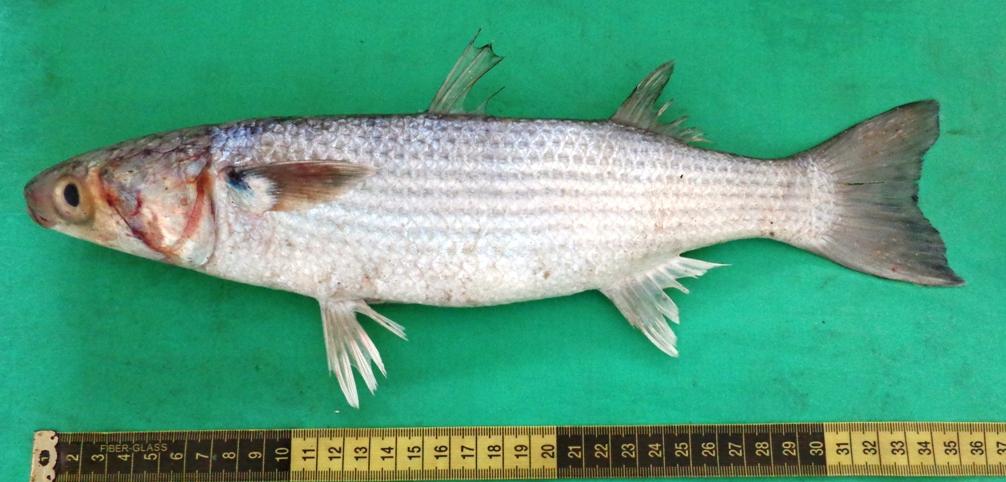
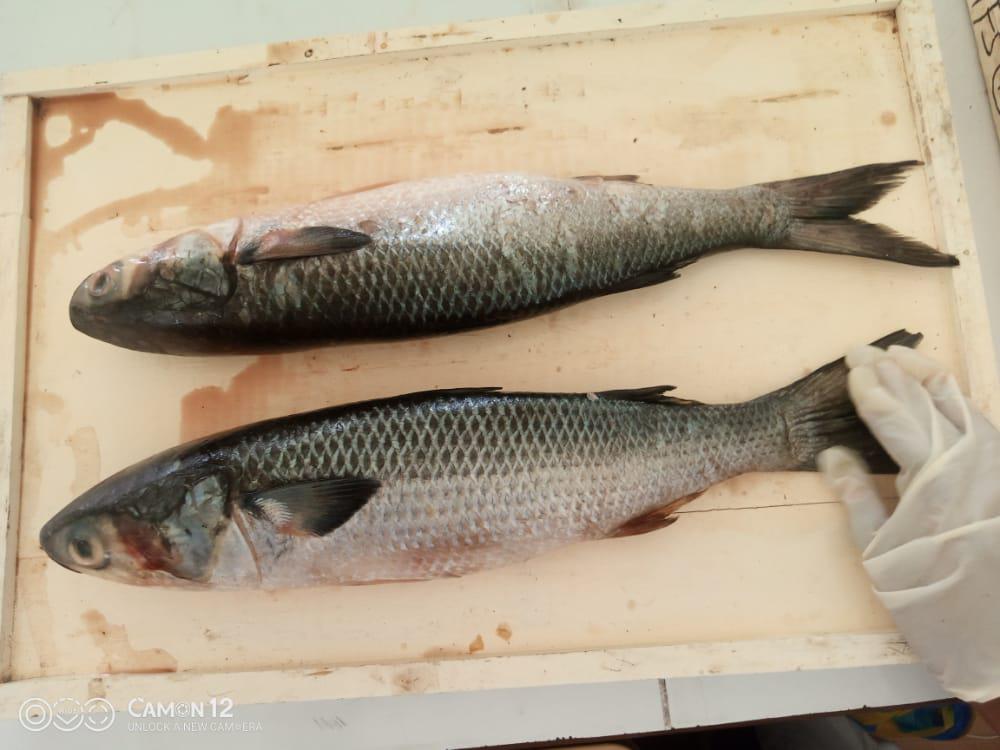
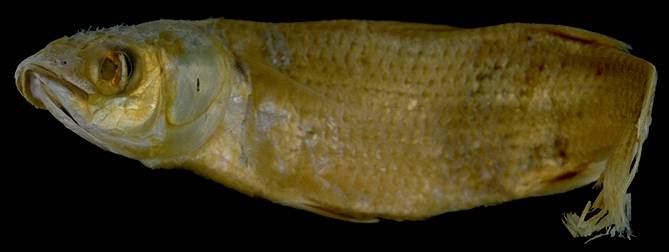
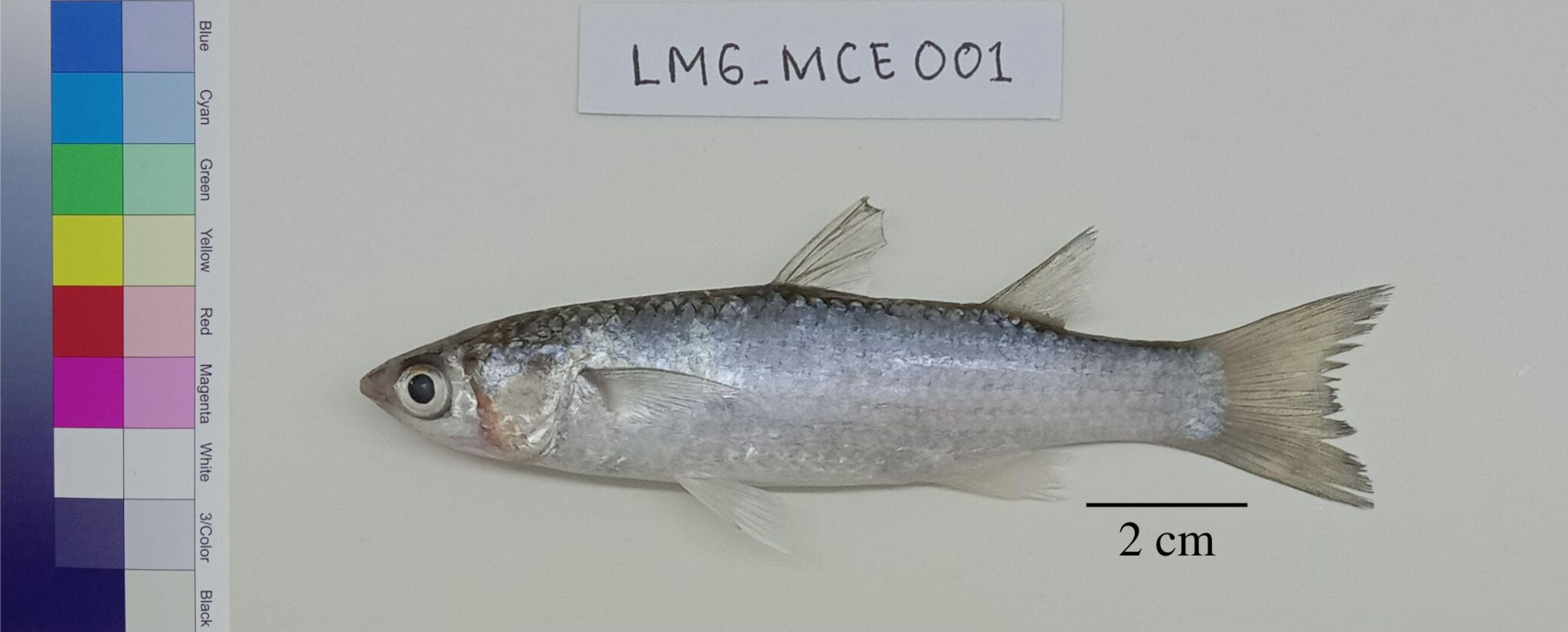
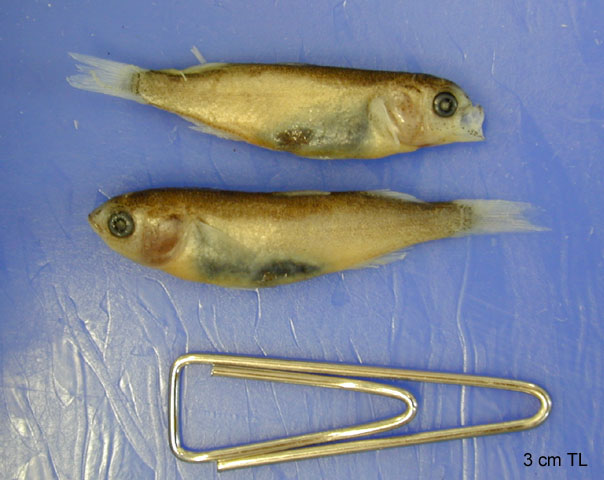
Dorsal spines (total): 5; Dorsal soft rays (total): 7 - 9; Anal spines: 3; Anal soft rays: 8 - 9. Diagnosis: body stout, cylindrical in cross-section, slightly compressed; head broad and flattened (Ref. 57400). Well developed adipose eyelid (Ref. 40476, 57400) covering most of pupil (Ref. 57400). Upper lip thin and without papillae (Ref. 57400), with 1-2 outer rows of small, moderately close-set, unicuspid teeth and up to 6 inner rows of smaller, bicuspid teeth (Ref. 81659). Lower lip with outer row of small unicuspid teeth and sometimes 1 or more inner rows of smaller, bicuspid teeth (Ref. 81659). Hind end of upper jaw reaching a vertical line from anterior eye margin; maxillary pad not visible below corner of mouth when closed; origin of 1st dorsal fin nearer to snout tip than to caudal-fin base (Ref. 57400). Anterior parts and bases of 2nd dorsal and anal fins with a moderately dense coverage of scales (Ref. 57400, 81659). Pectoral axillary process (Ref. 57400). 13-15 scale rows between origins of dorsal and pelvic fins (Ref. 57400, 81659). Pelvic fins, anal fin, and lower lobe of caudal fin yellowish in specimens from the tropical Atlantic coast of Africa (Ref. 57400, 81659).
Common Names
Taxonomic Hierarchy
Kingdom: Animalia
Phylum: Chordata
Class: Teleostei
Order: Mugiliformes
Family: Mugilidae
Genus: Mugil
Species: Mugil cephalus Linnaeus, 1758
Climate Zone
Biology
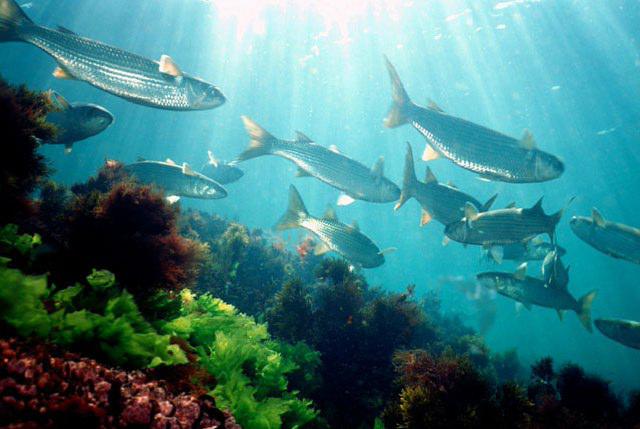
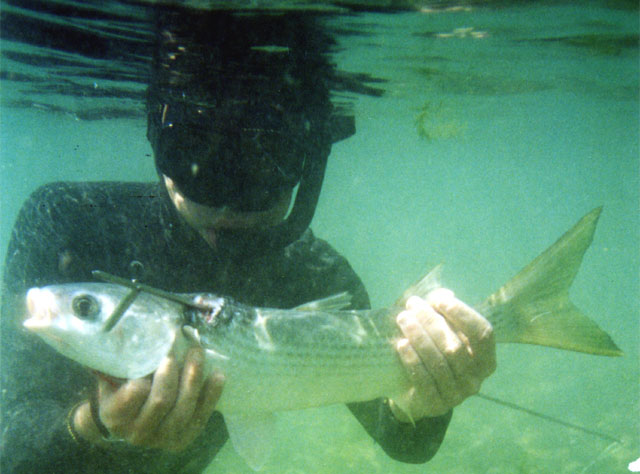
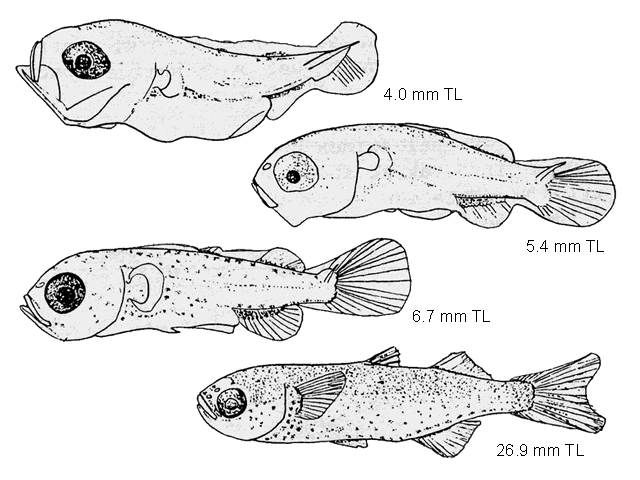
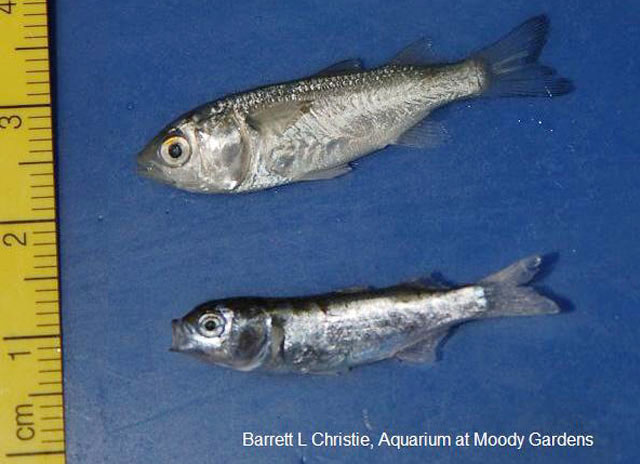
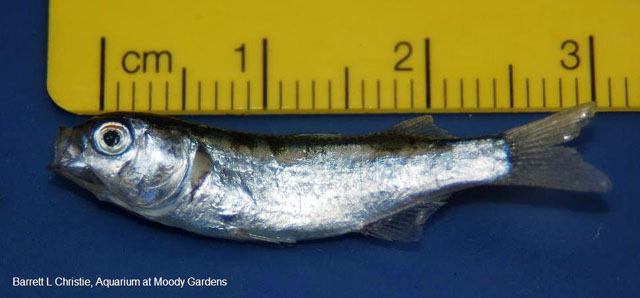
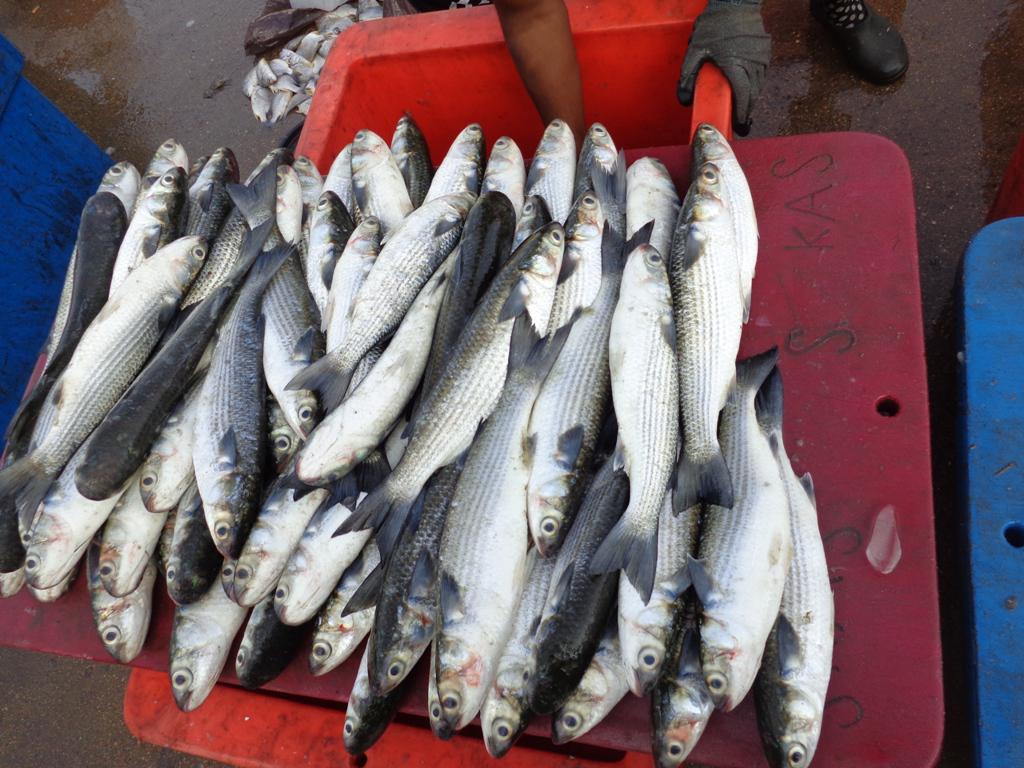
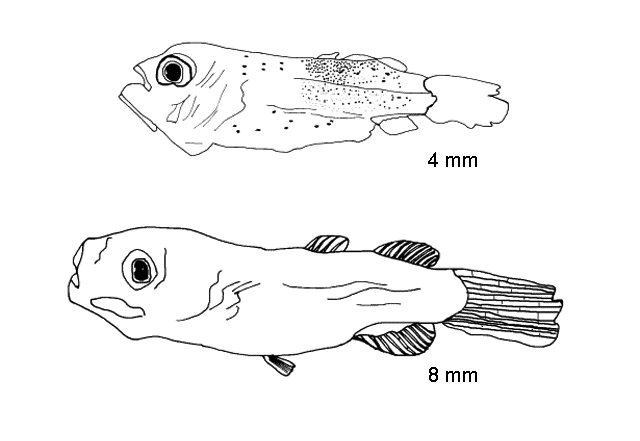
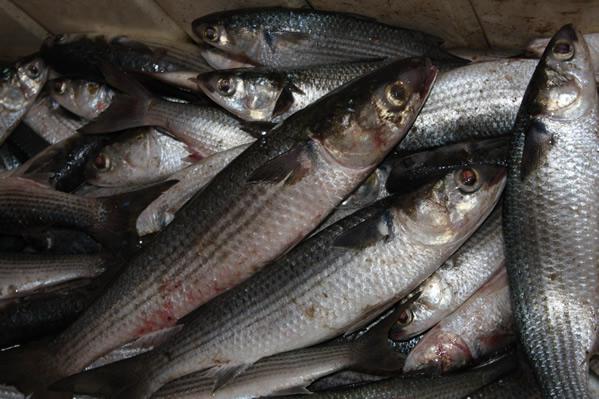
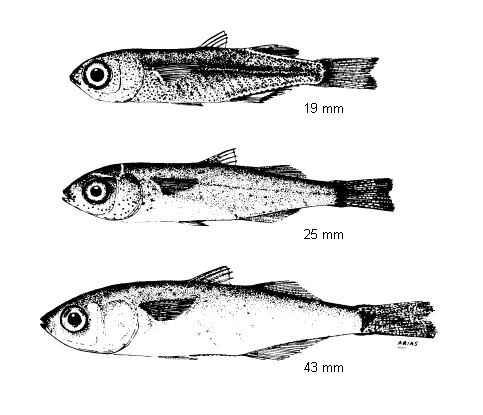
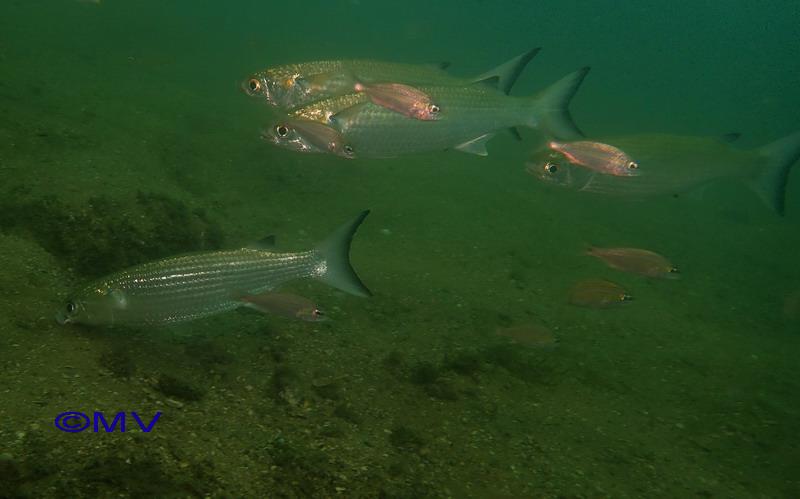
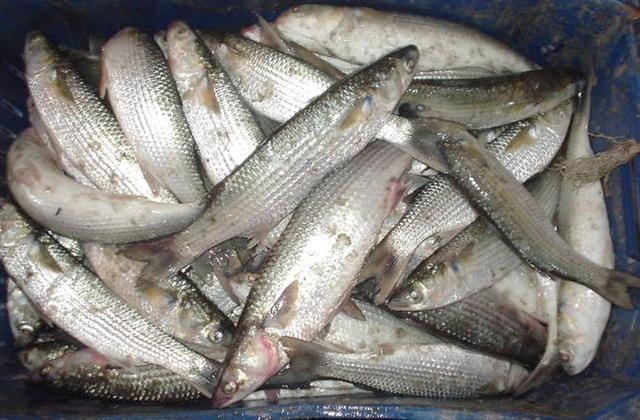
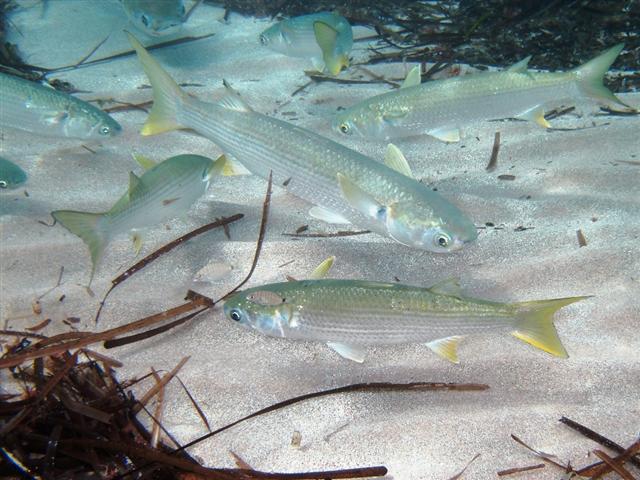
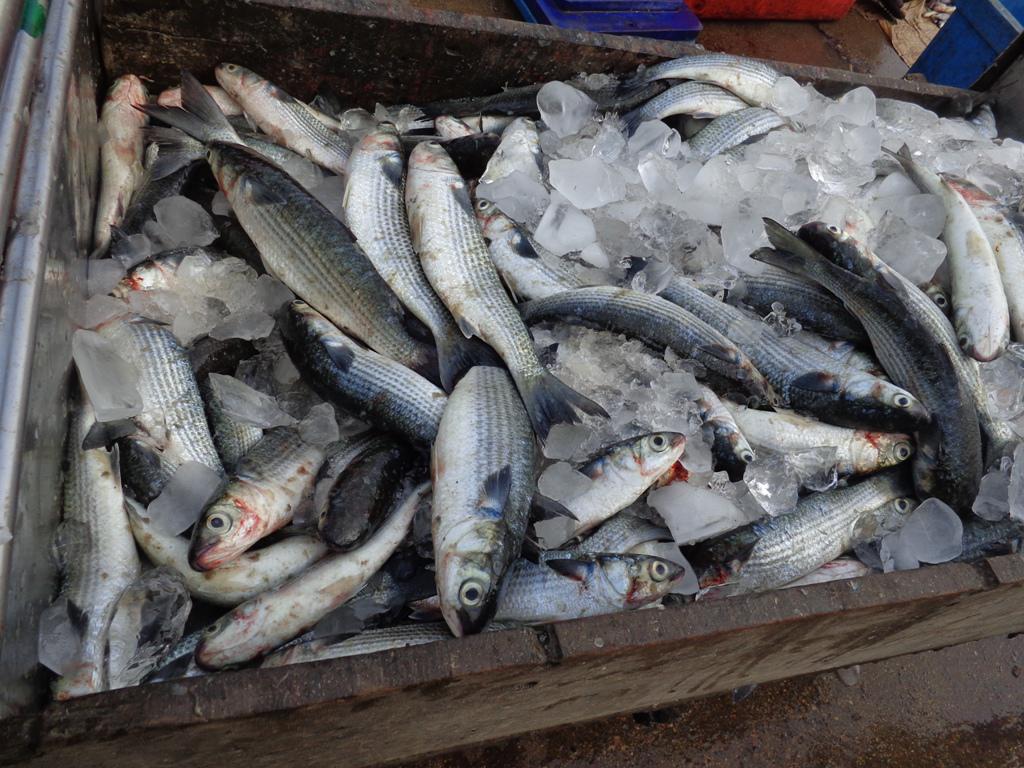
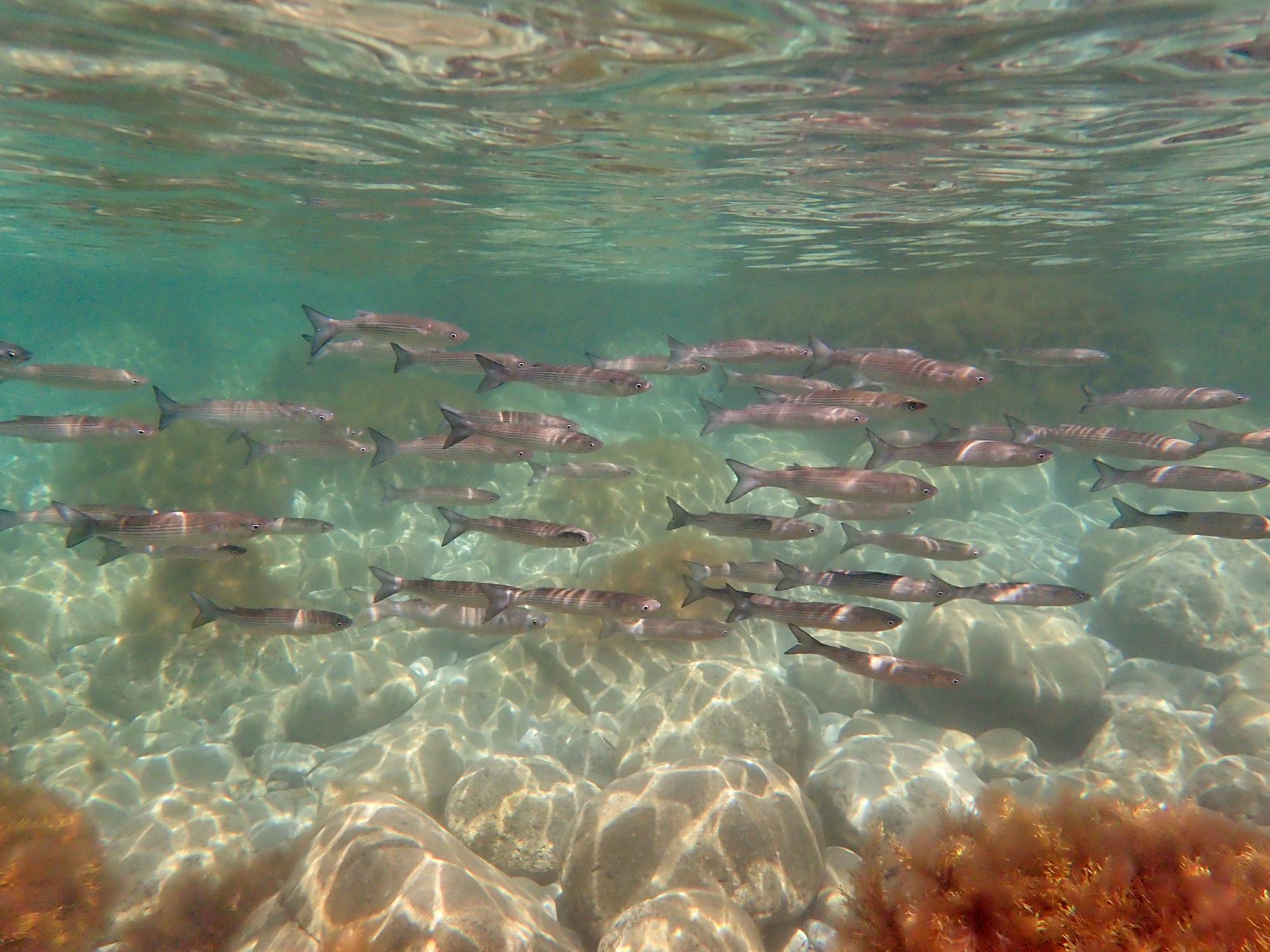
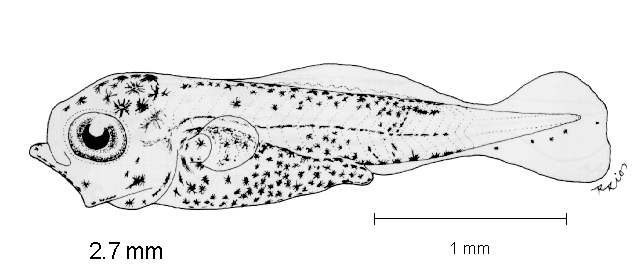
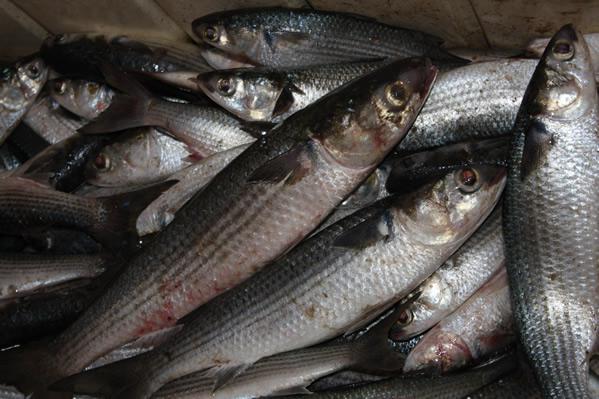
Adults are found in coastal waters (Ref. 2850, 44894, 57400), often entering estuaries and rivers (Ref. 2847, 3573, 11230, 44894, 57400), sometimes far-up-river, lagoons and hypersaline environments (Ref. 57400). They are usually in schools over sand or mud bottom (Ref. 2850), between 0 and 10 m, occurring equally in tropical, subtropical and temperate waters (Project MUGIL). They are mainly diurnal, feeding on detritus, micro-algae and benthic organisms (Ref. 56548, 74902, 74760). Juveniles feed on zooplankton until about 3.0 cm SL (Ref. 59043). Reproduction takes place at sea, at various times of the year depending on the location (Ref. 74907, Amour). Adults form schools and migrate offshore to spawn and developing larvae migrate back inshore (Ref. 81659). There is absence of an obligatory freshwater phase in the life cycle (Ref. 74752). Females spawn 0.8 to 2.6 million eggs which develop at sea (Ref. 74912, Chen & Su 1986). Sexually mature at 3 to 4 years (Ref. 74902). Maximum length reported as 120 cm SL (Ref. 7399, 57400, 81659) remains to be confirmed (Project MUGIL). Maximum weight reported as 12 kg (Ref. 56527) seems too high for the area and remains to be confirmed (Project MUGIL). Widely cultivated in freshwater and brackish ponds (Ref. 2847, Jackson 1984, Liao 1981). Marketed fresh, dried, salted, and frozen; roe sold fresh or smoked (Ref. 9321); also used in Chinese medicine (Ref. 12166).
Habitat
freshwater
Conservation Status
Least Concern
Threat to Humans
Harmless
Mugil cephalus Linnaeus, 1758