Nebrius ferrugineus (Lesson, 1831)


Description
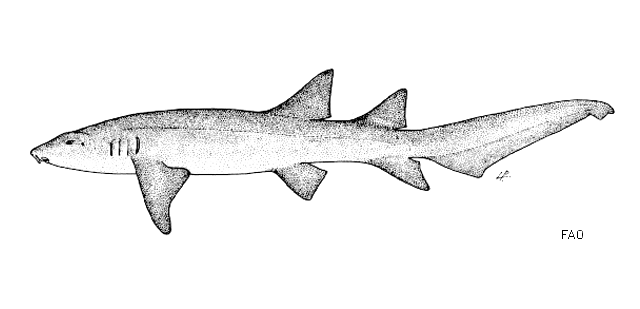
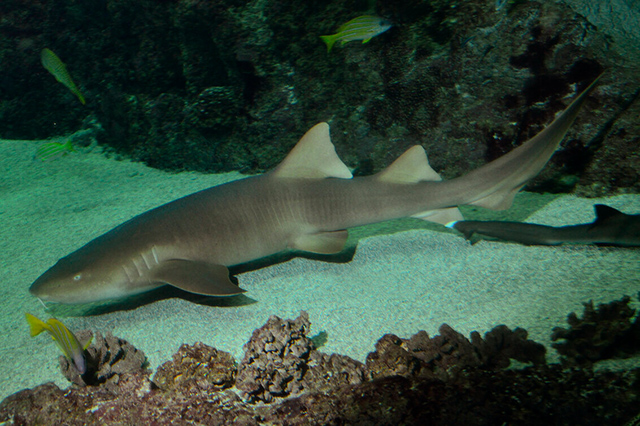
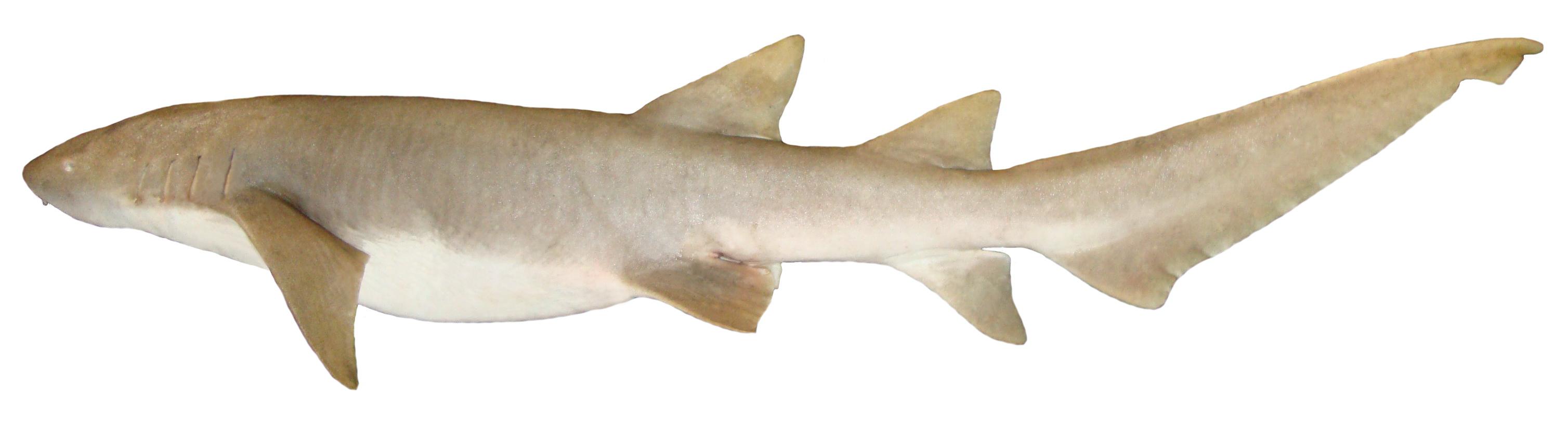
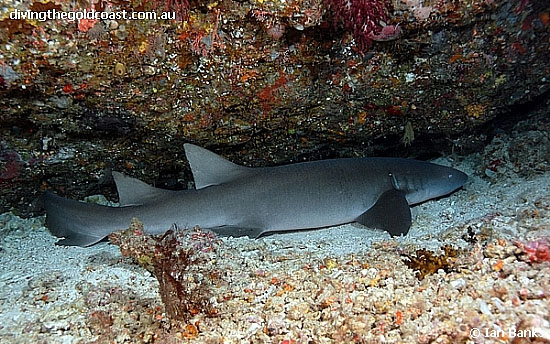
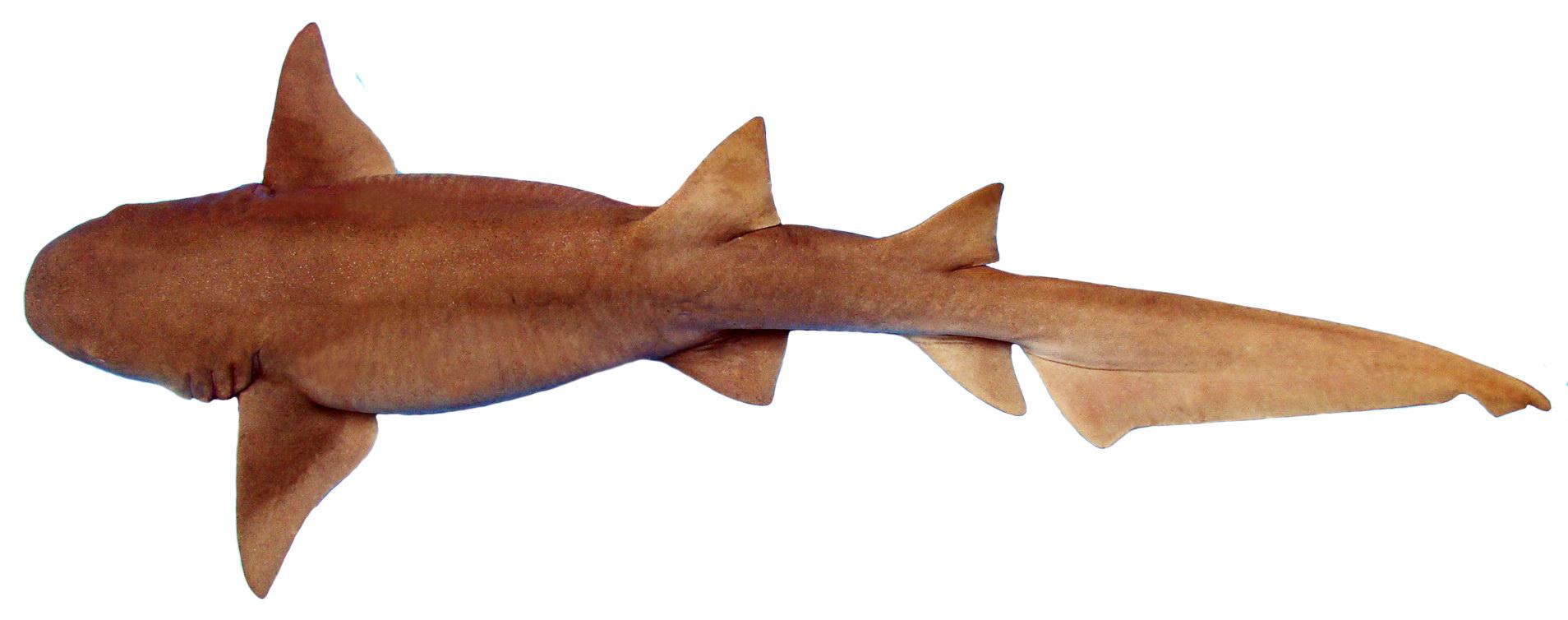
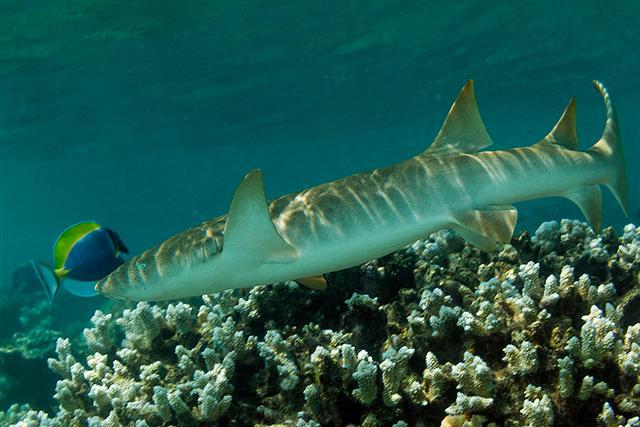
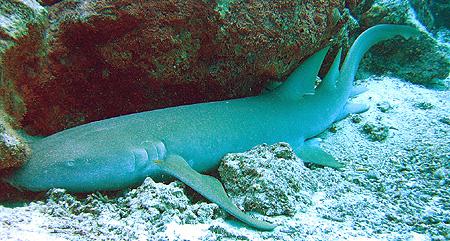
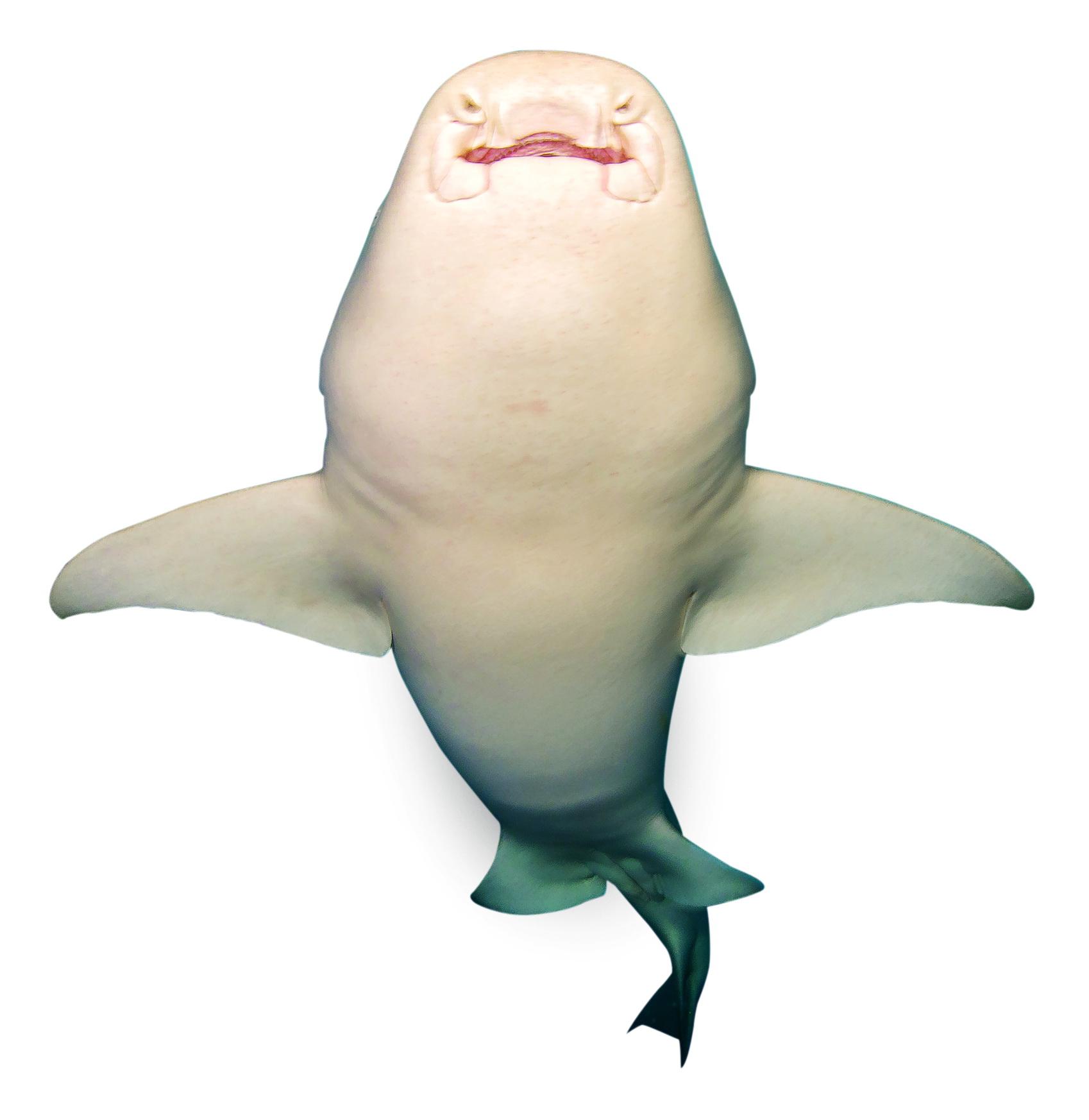
Dorsal spines (total): 0; Anal spines: 0. This large, bulky nurse shark is distinguished by the following features: side of body without lateral ridges; precaudal tail shorter than trunk; spiracles much smaller than eyes; nostrils close to front of snout, with short barbels and nasoral grooves connecting them with the mouth but without circumnarial grooves and folds; snout wedge-shaped in lateral view; two dorsal fins, both with angular apices, the origin of the first about over the pelvic-fin origins and its insertion slightly behind the pelvic-fin insertions; second dorsal fin slightly smaller than first; caudal fin about 1/3 of total length, strongly asymmetrical. Colour tan dorsally, paler ventrally and fins slightly dusky (Ref. 9999, 90102).
Common Names
Taxonomic Hierarchy
Kingdom: Animalia
Phylum: Chordata
Class: Elasmobranchii
Order: Orectolobiformes
Family: Ginglymostomatidae
Genus: Nebrius
Species: Nebrius ferrugineus (Lesson, 1831)
Climate Zone
Biology
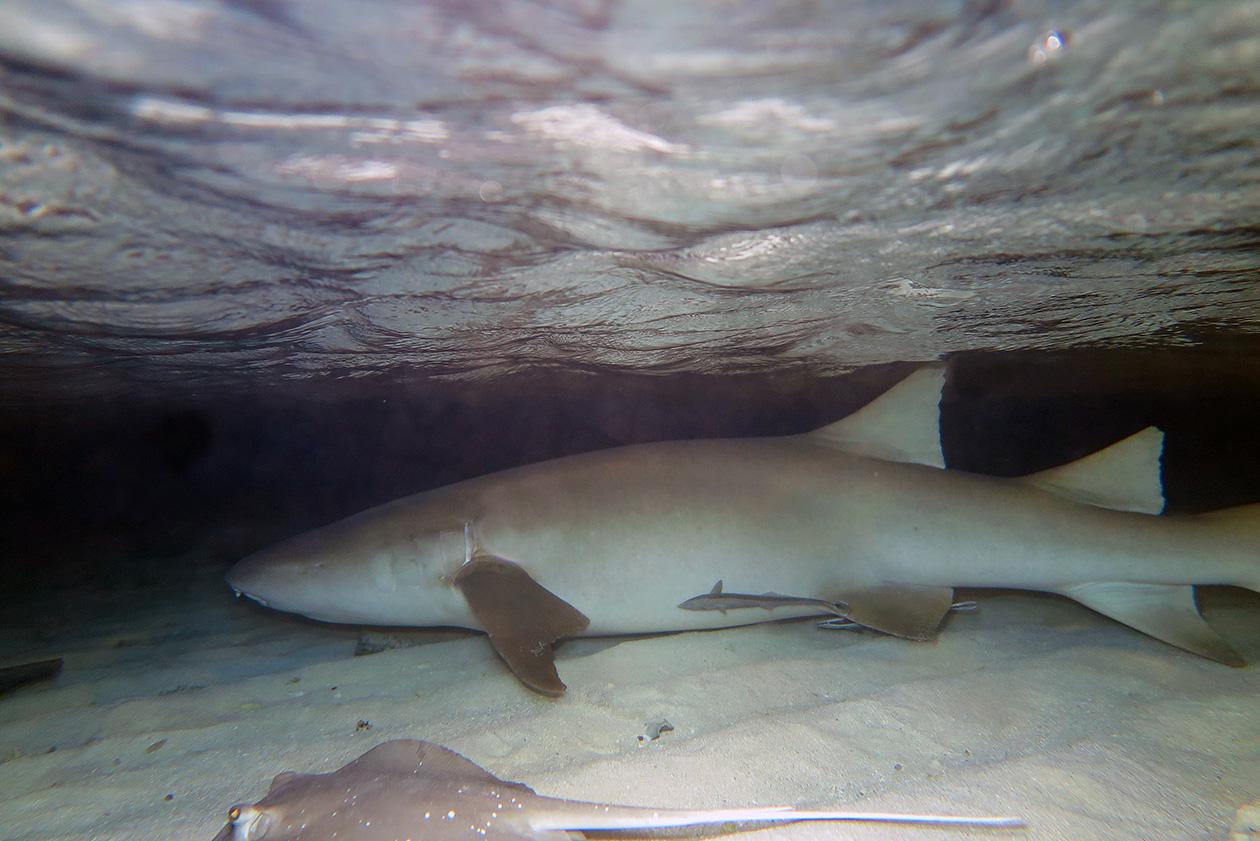
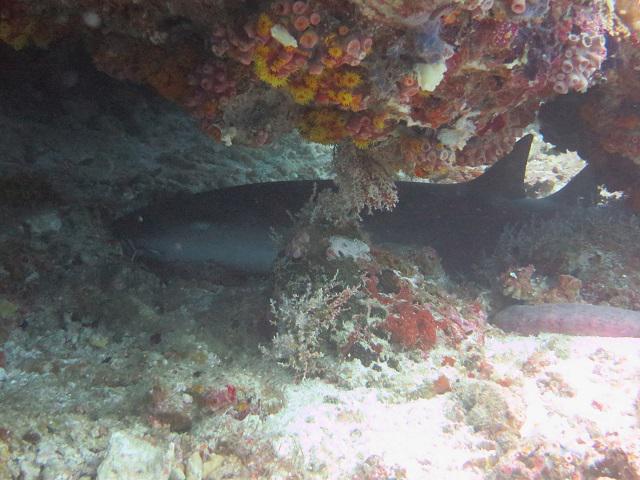
Found on continental and insular shelves, from the intertidal down to at least 70 m (Ref. 247). Occurs on or near the bottom in lagoons or along the outer edges of coral and rocky reefs, sandy areas near reefs and off sandy beaches (Ref. 247, 43278). Primarily nocturnal, but may be active during the day (Ref. 247). Prefers crevices and caves on reefs but may be found hiding in more exposed areas (Ref. 247). Forms resting aggregations, and often seen piled across or on top of one another (Ref. 247). Feeds on a wide variety of bottom invertebrates, small fishes (Ref. 247), including cephalopods, crustaceans and sea urchins (Ref. 37816), corals (Ref. 68964). Docile and known to allow itself to be touched, but a few non-fatal attacks have been recorded (Ref. 247). Ovoviviparous (Ref. 43278). 4 or more young are born per litter (Ref. 37816). Survives in captivity (Ref. 247). Marketed fresh and dried-salted; fins dried for the oriental sharkfin trade; liver processed for vitamins and oil; offal processed for fishmeal; hide potentially valuable for leather (Ref. 247).
Habitat
associated
Conservation Status
Vulnerable
Threat to Humans
Traumatogenic
Nebrius ferrugineus (Lesson, 1831)