Mastacembelus liberiensis Boulenger, 1898
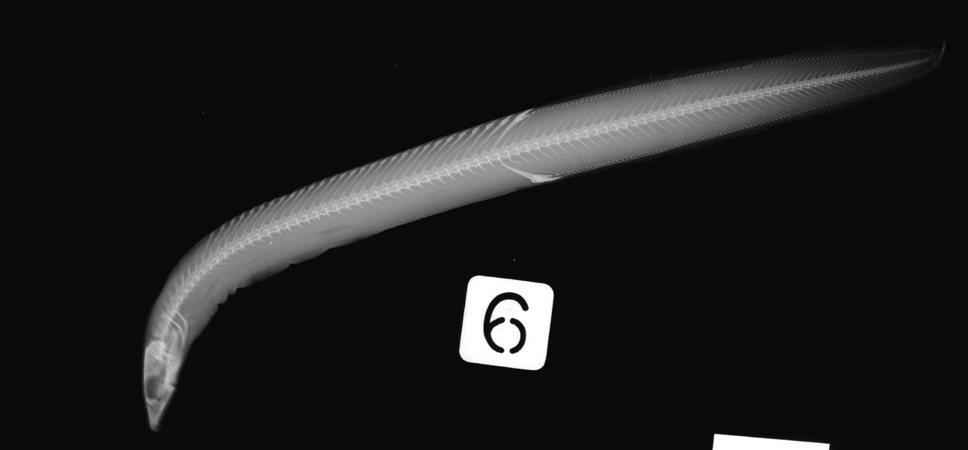
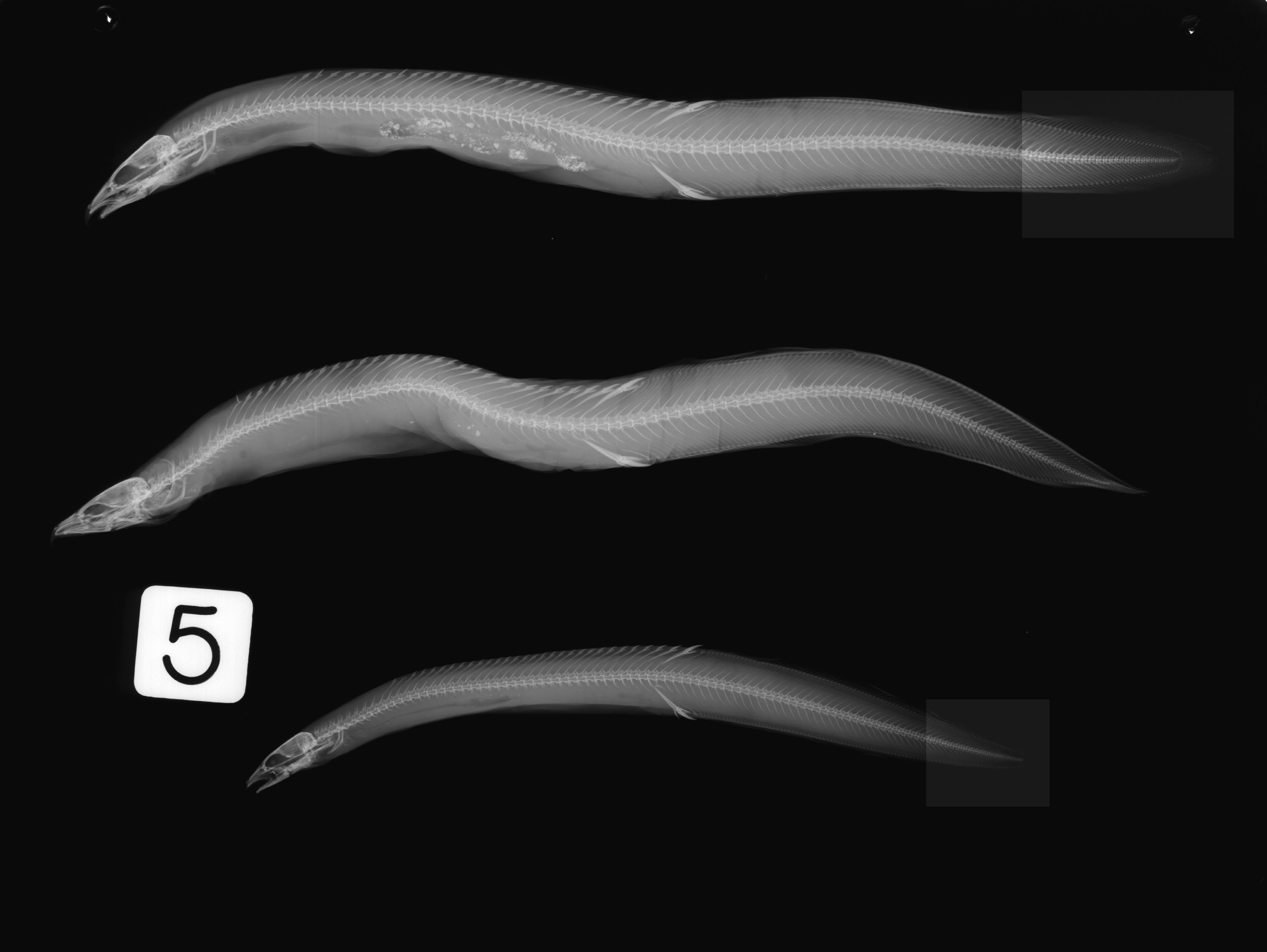
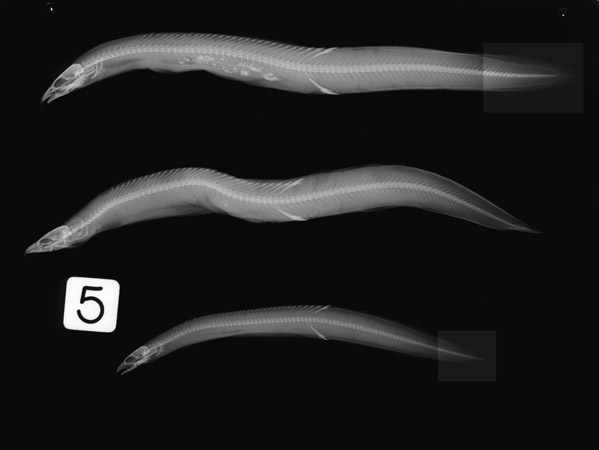
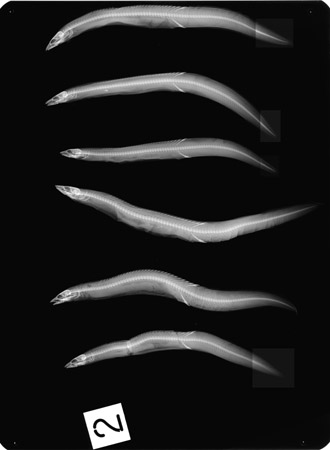

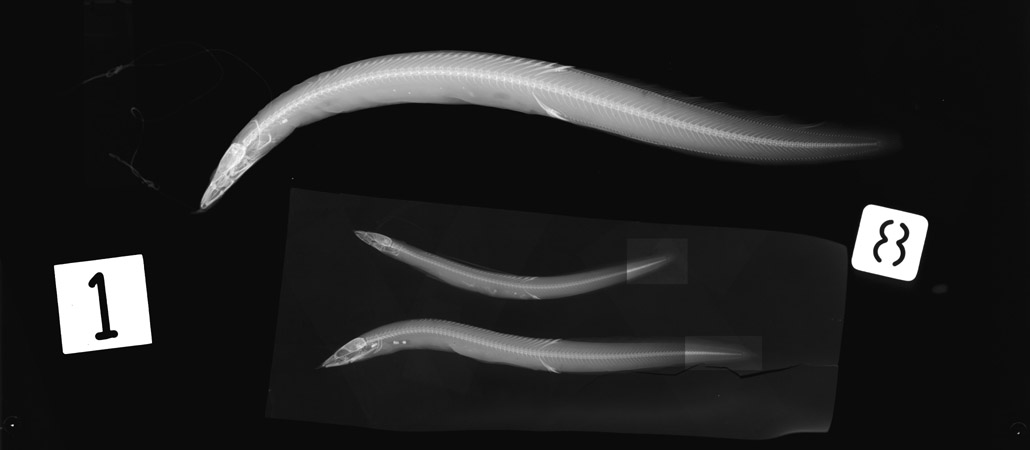
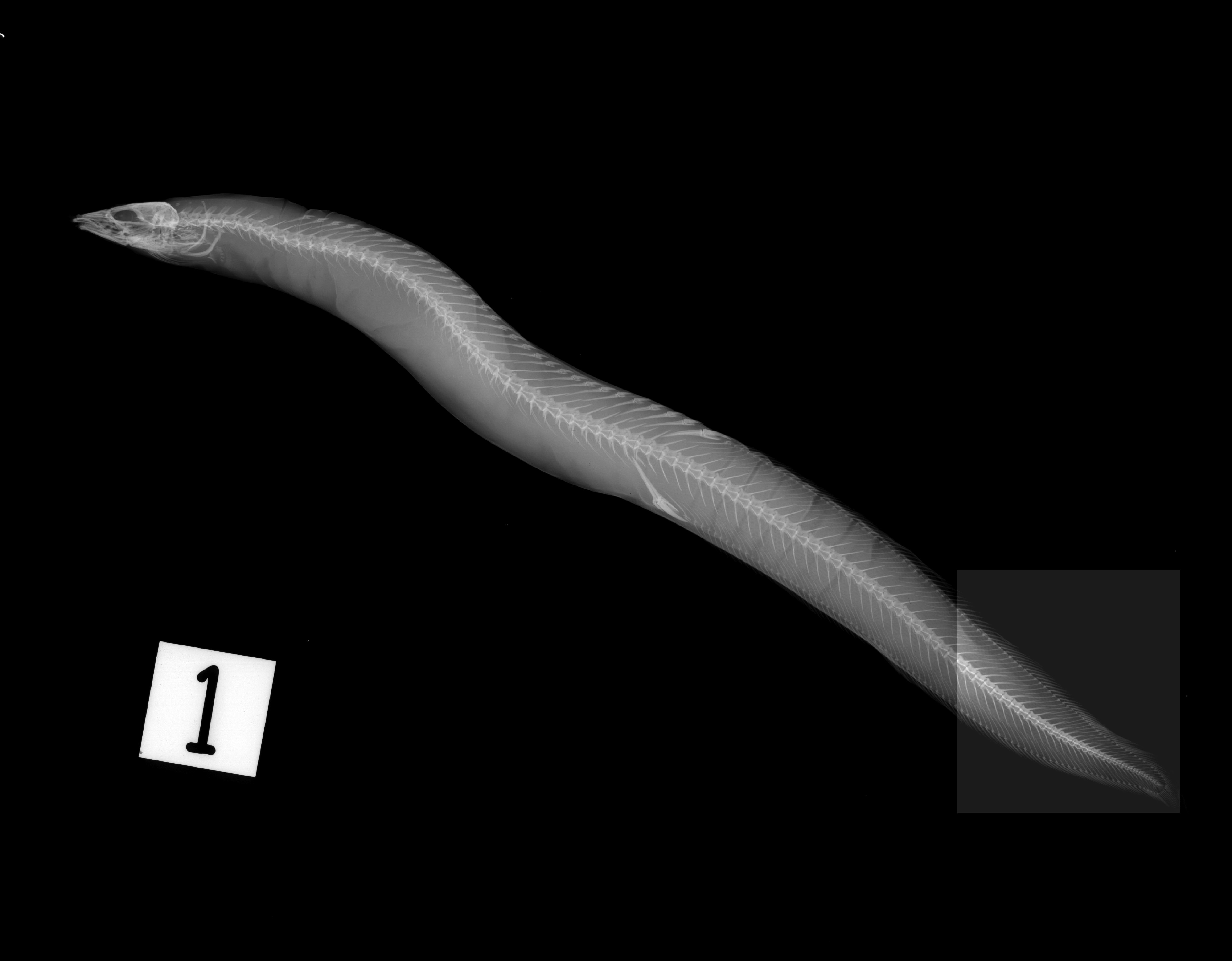
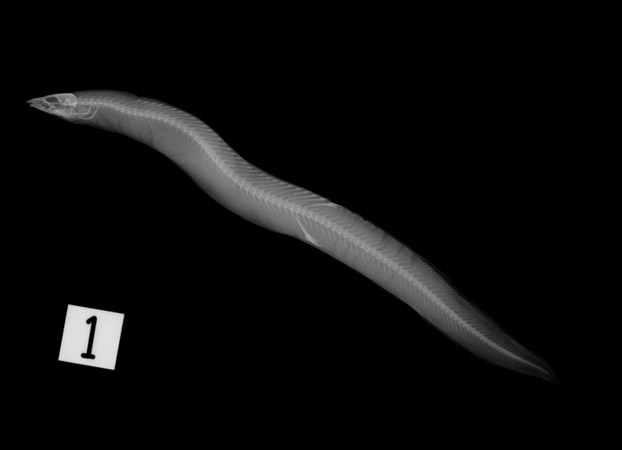
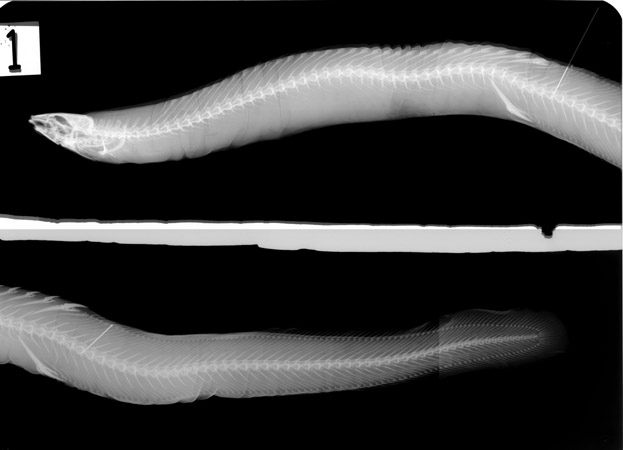
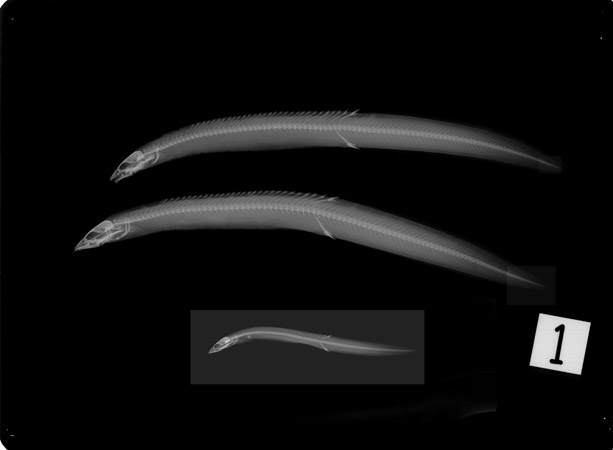
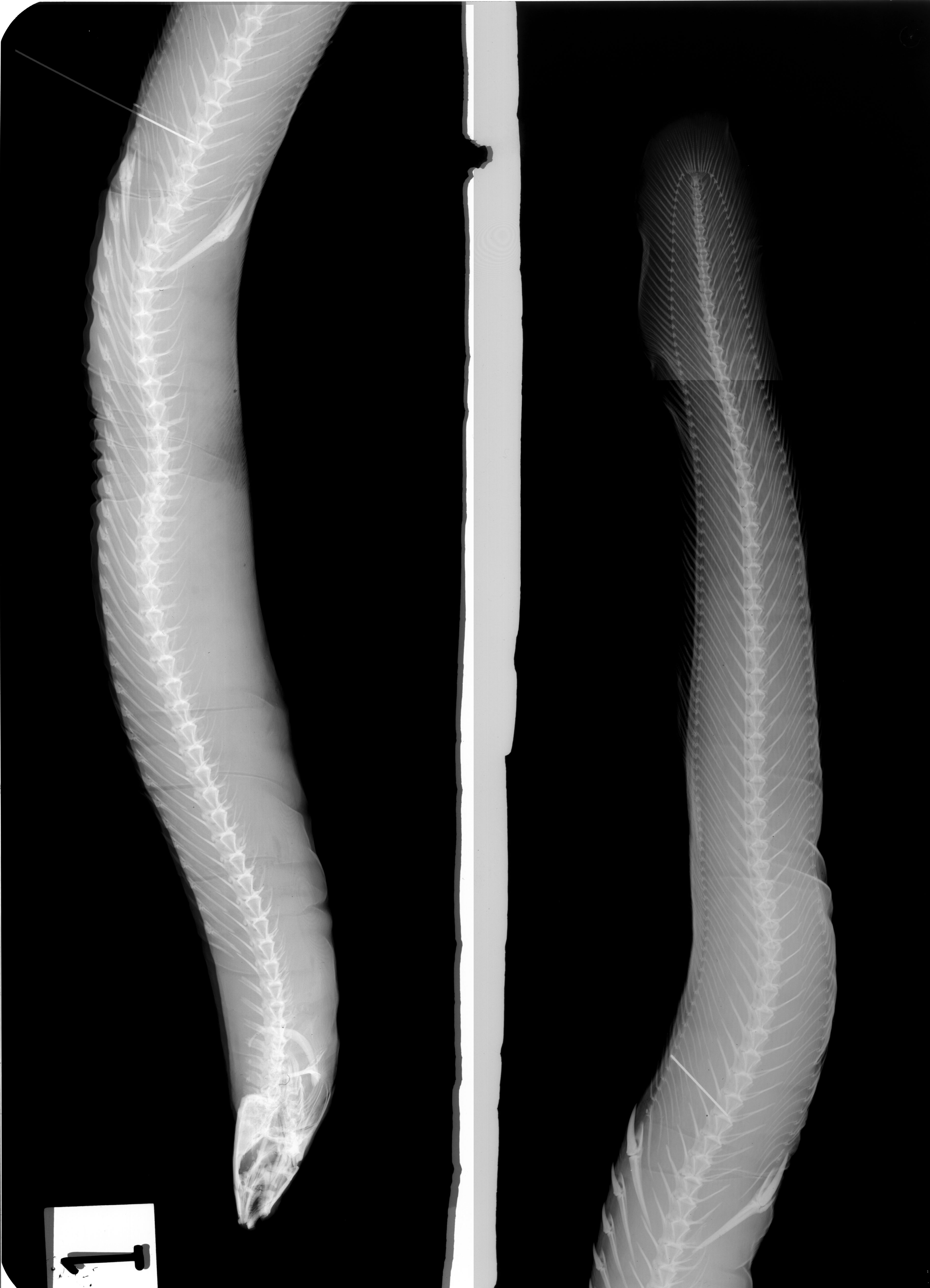
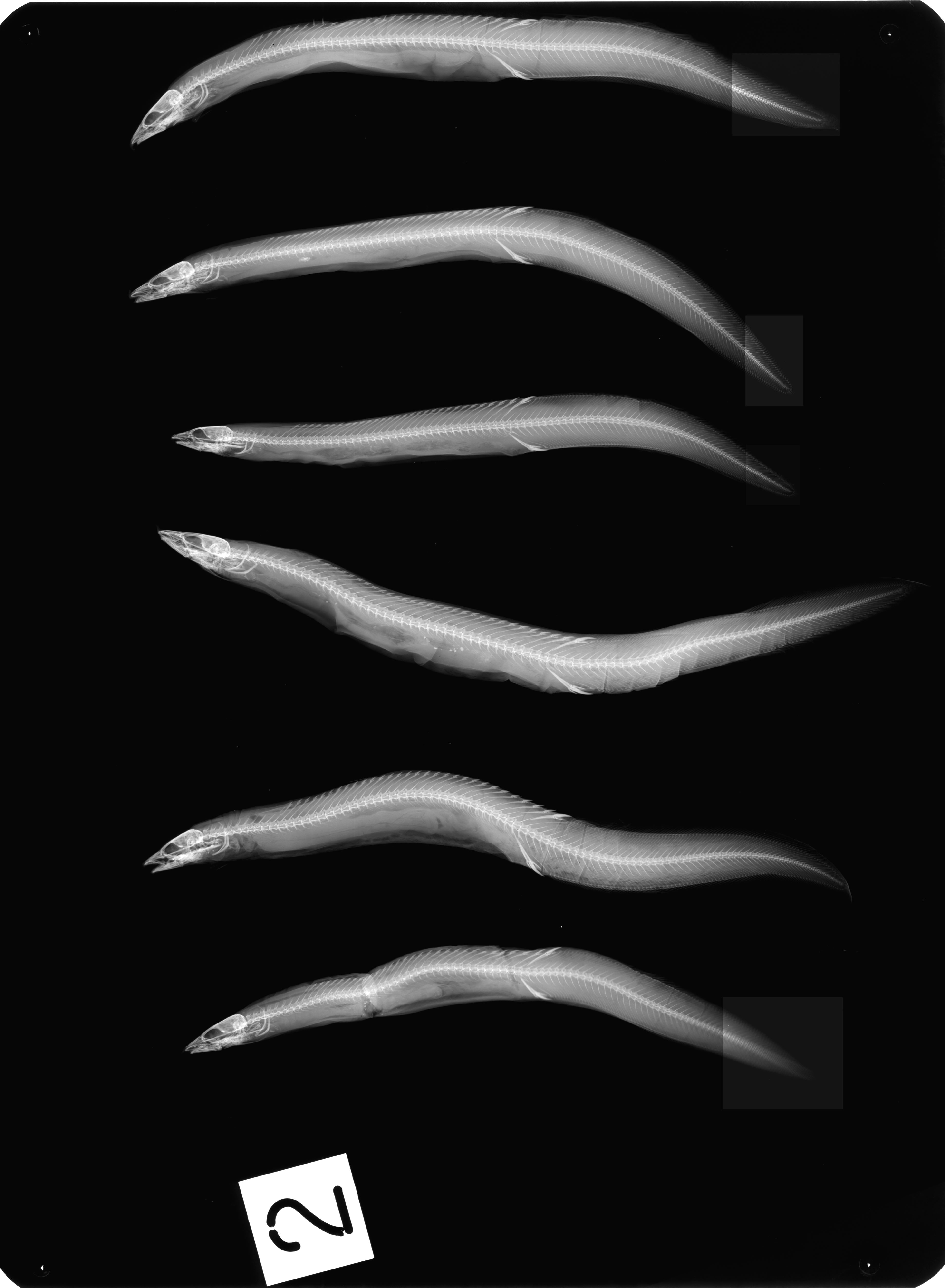
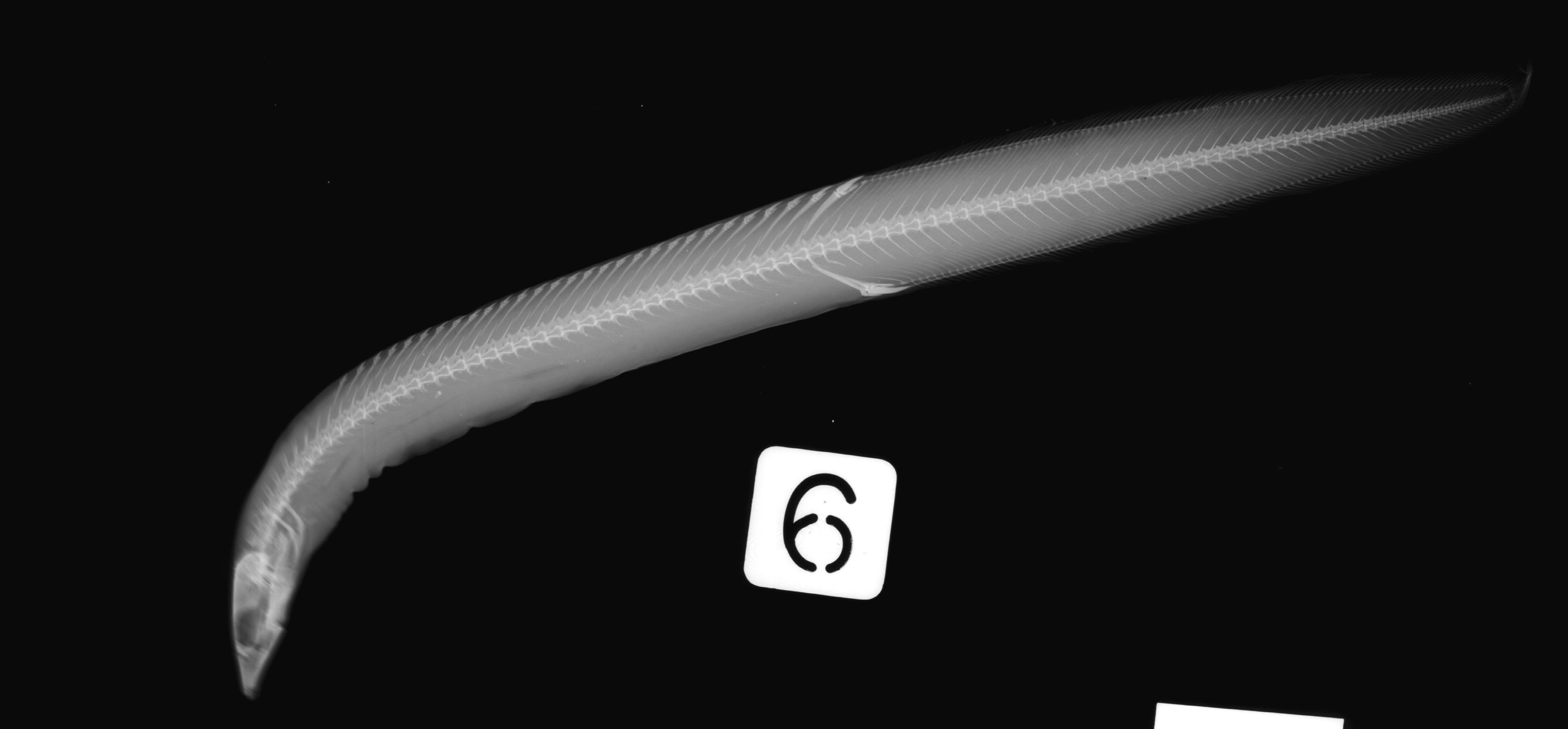

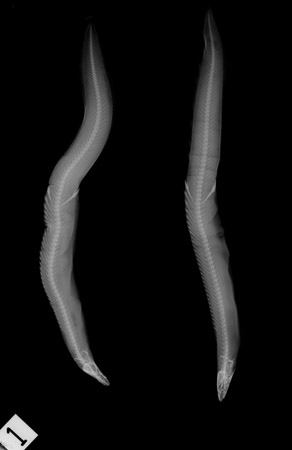
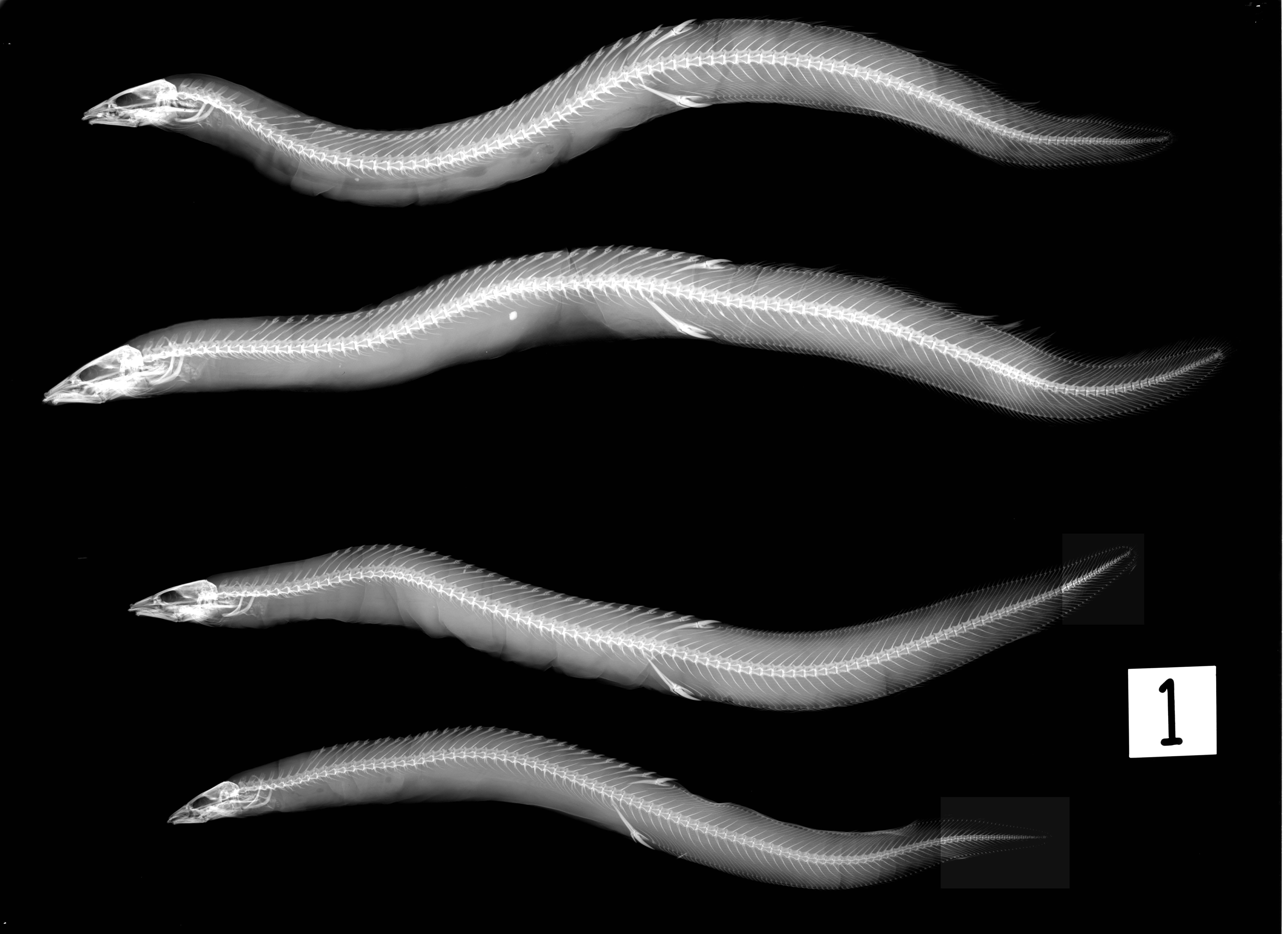
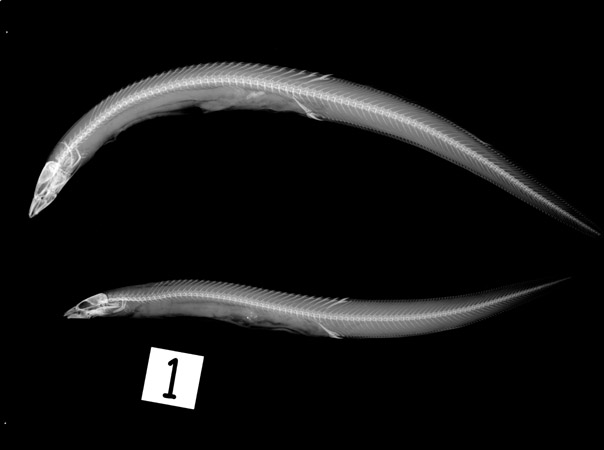
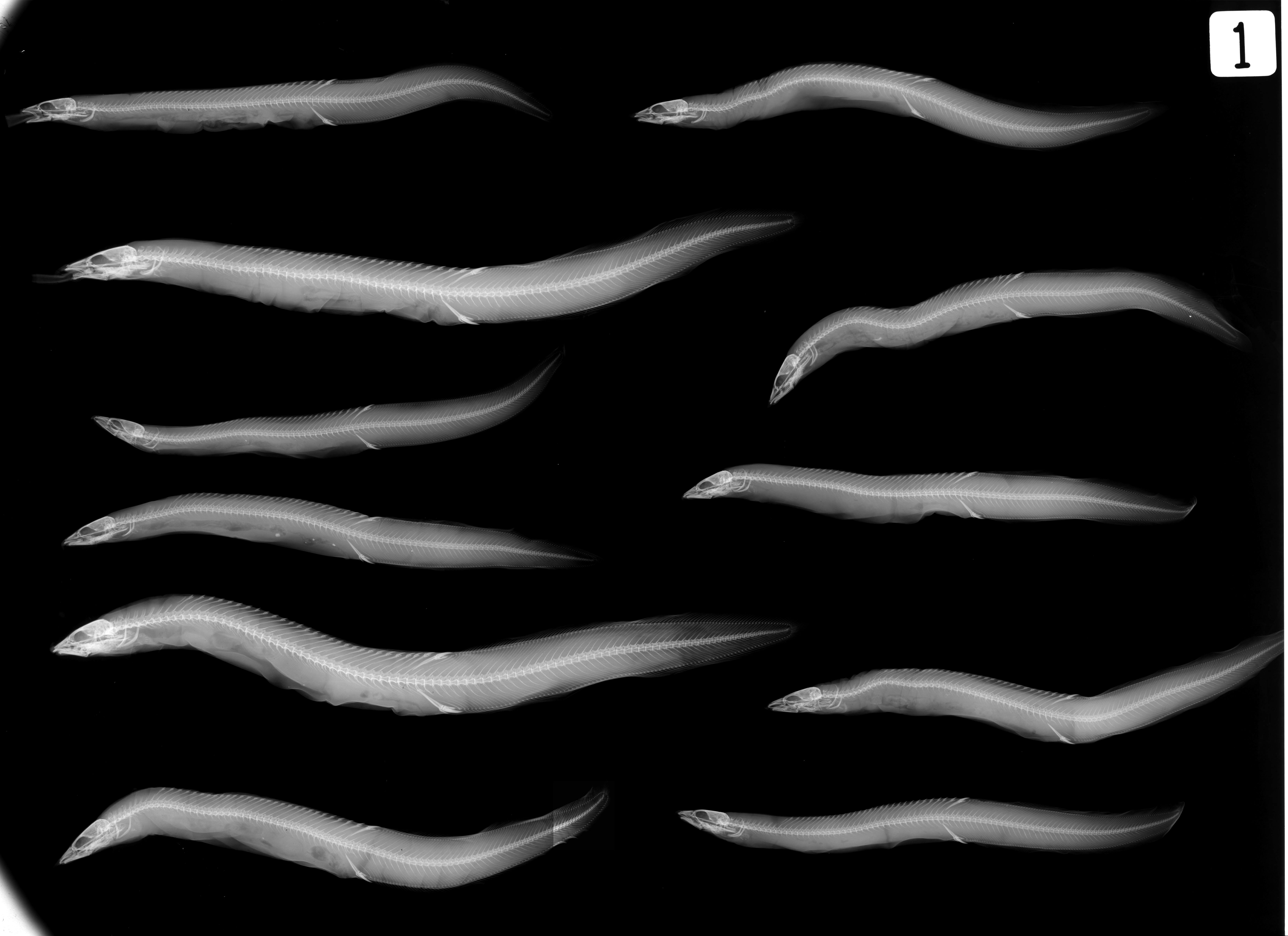
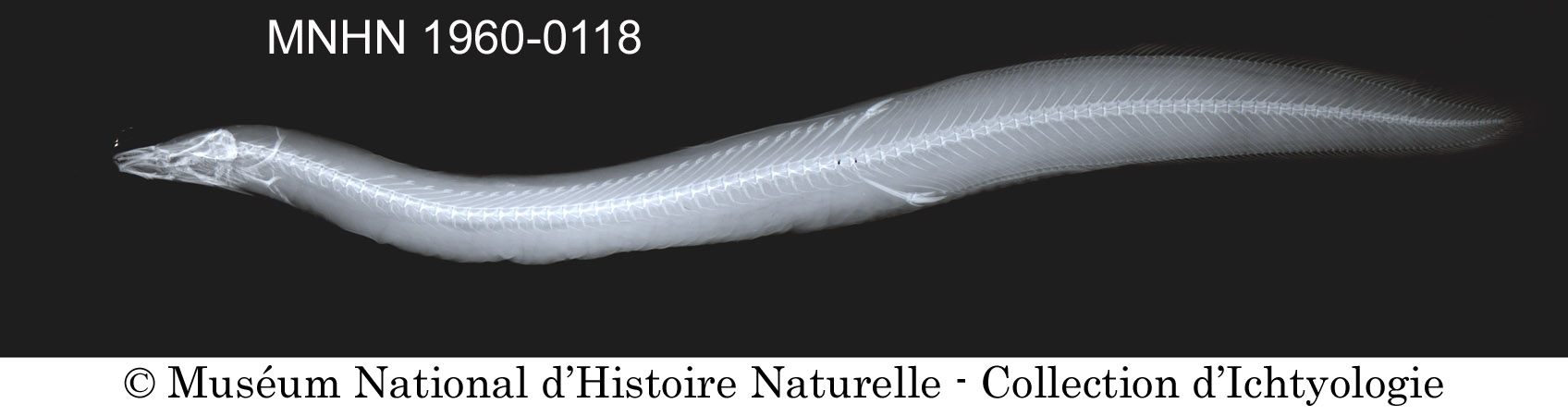
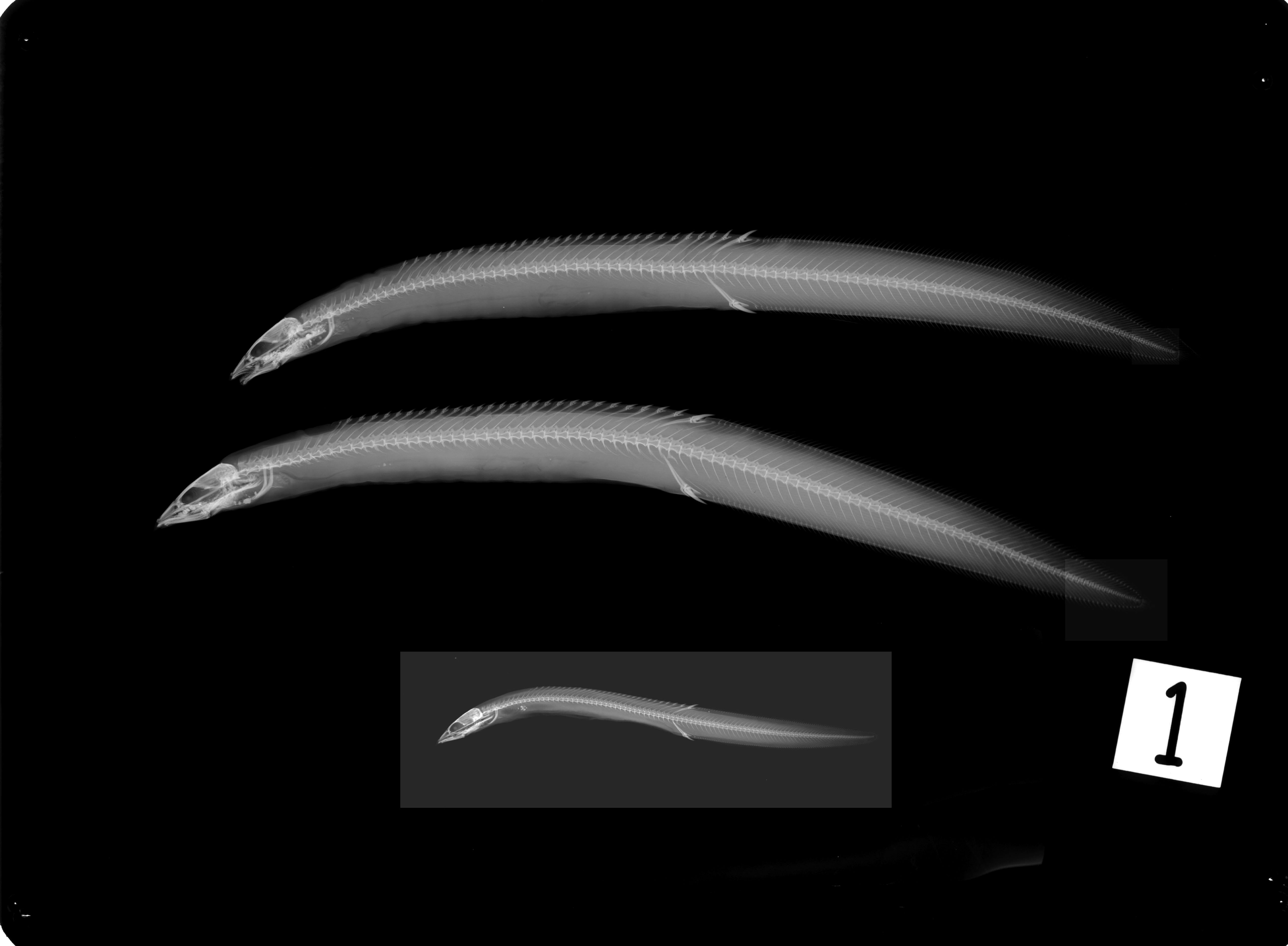
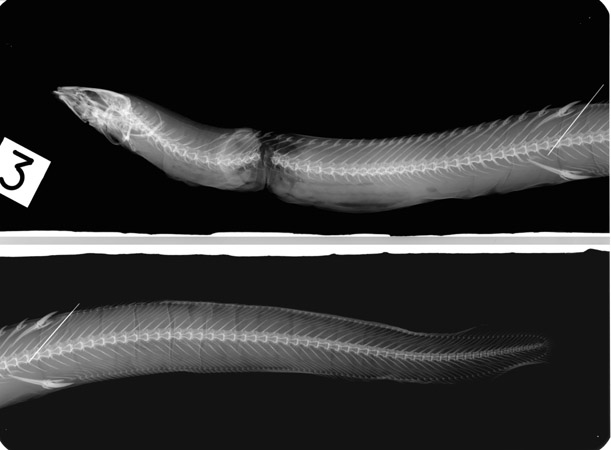
Description
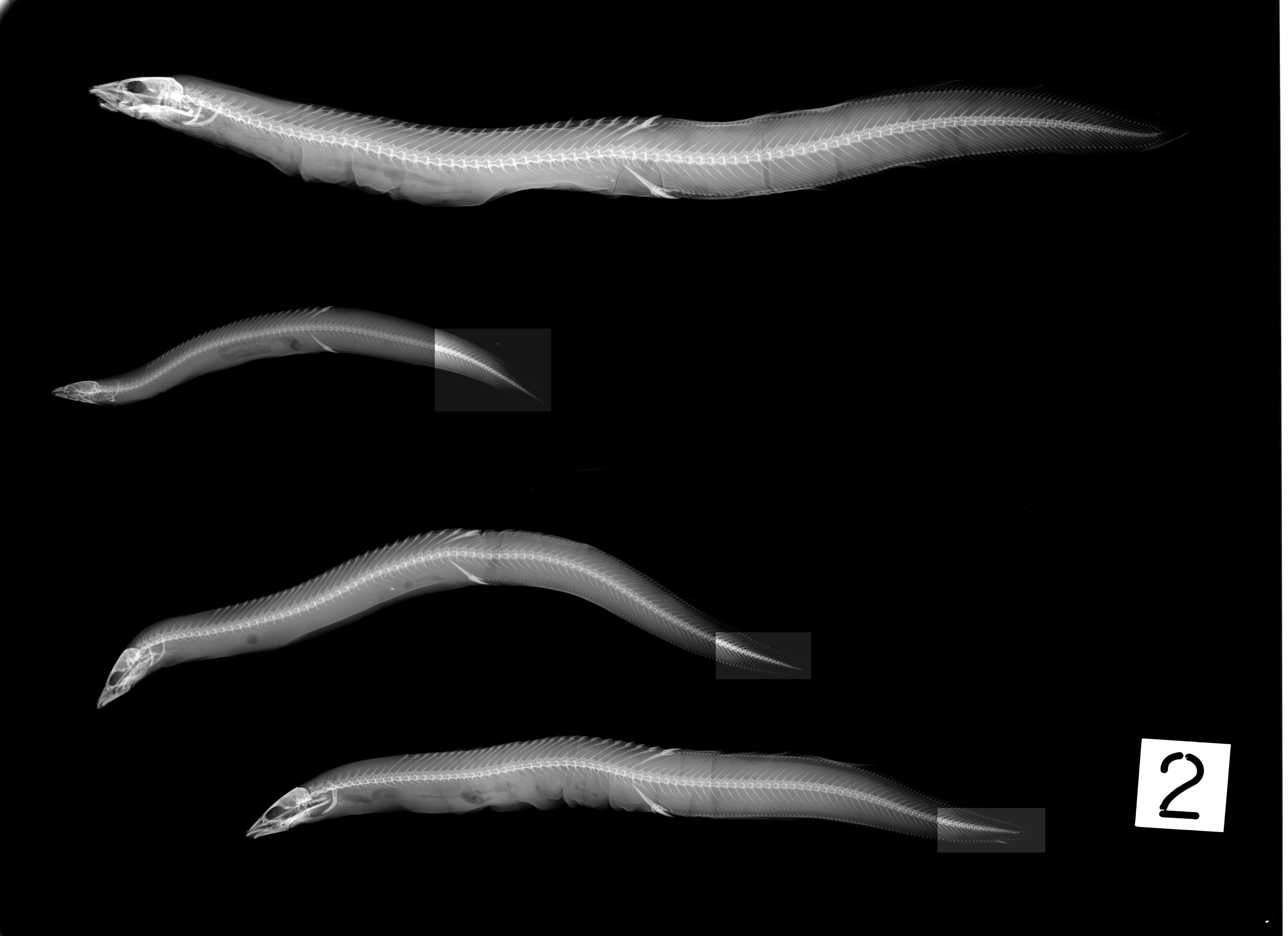
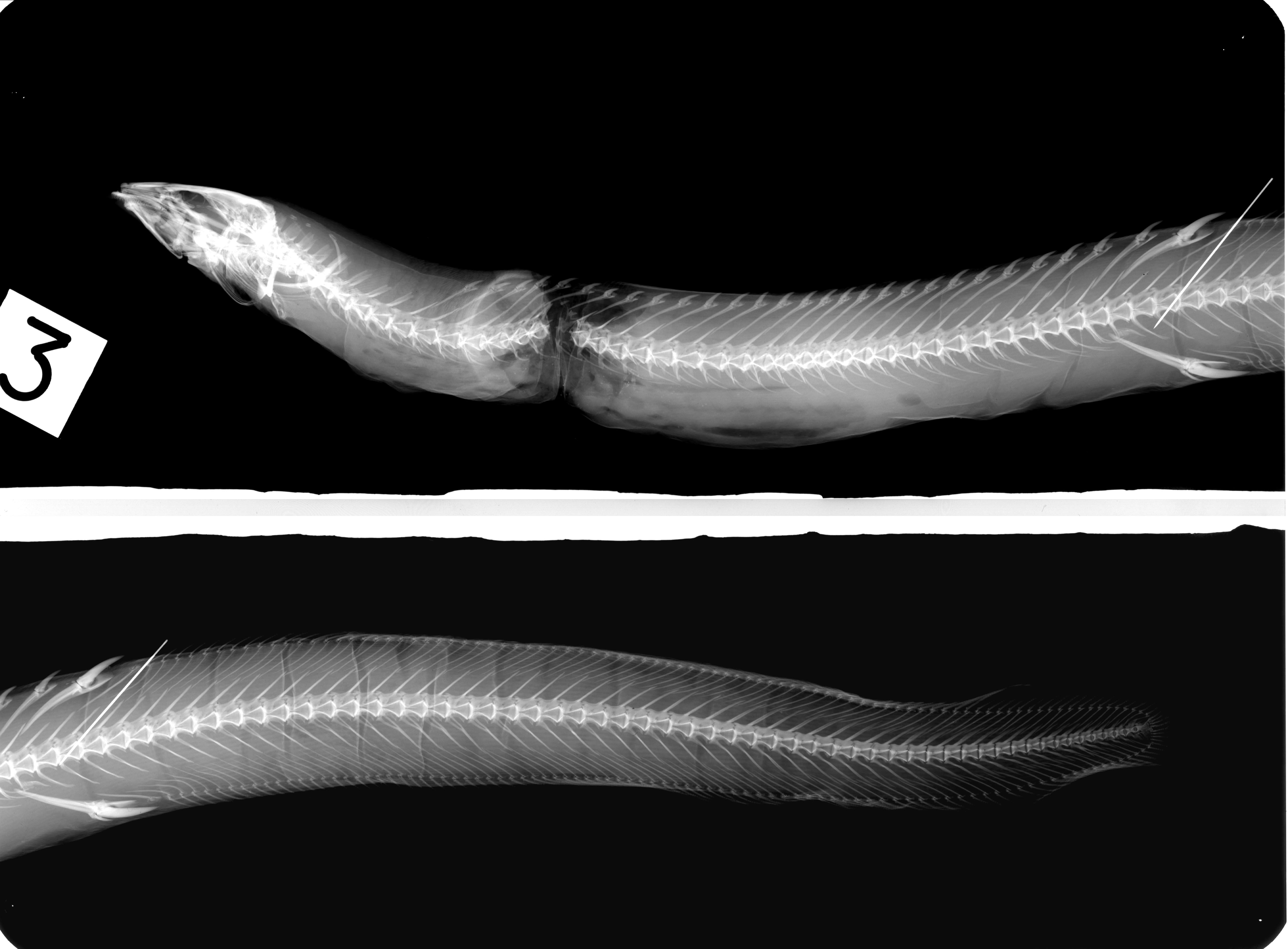
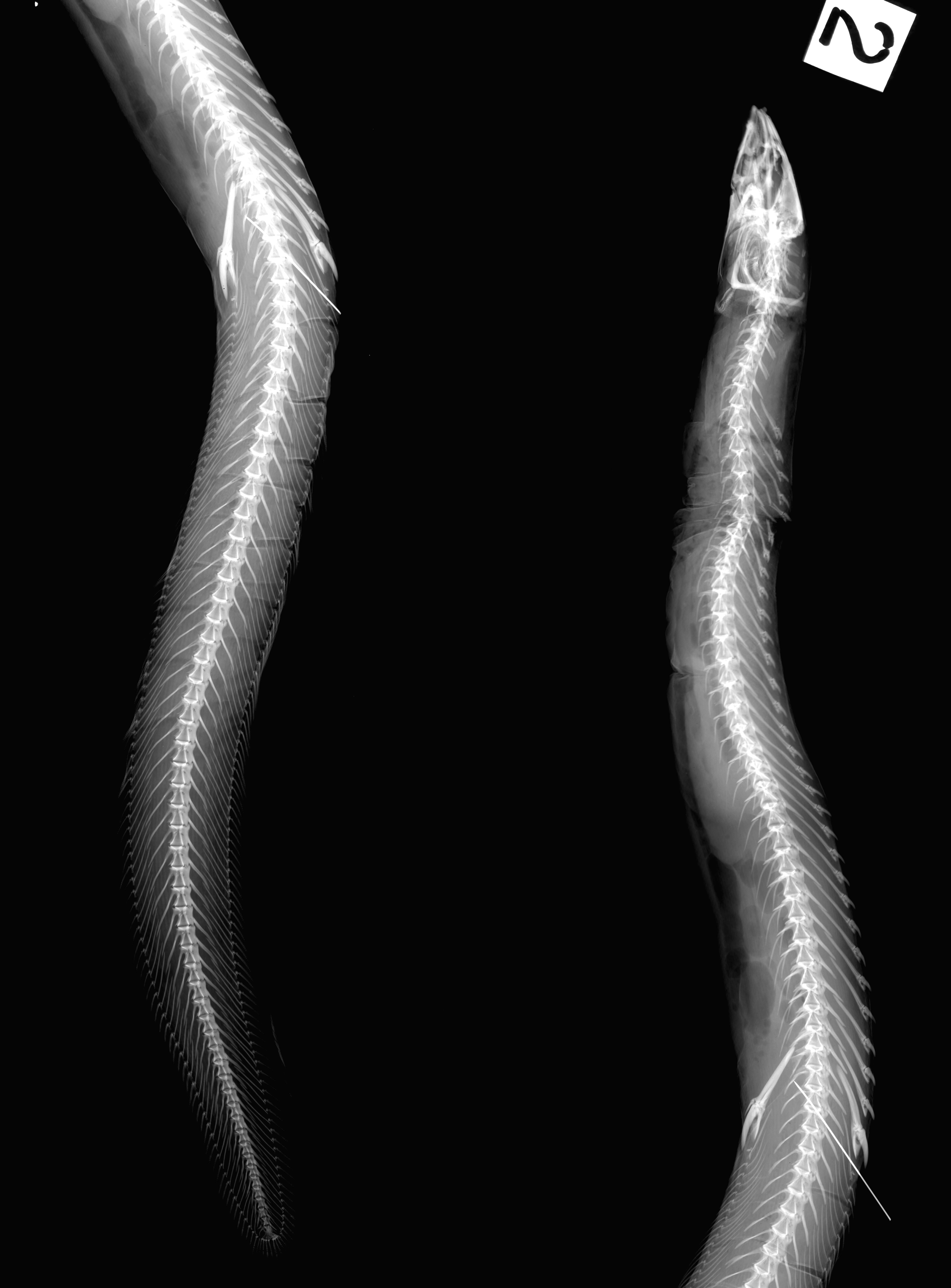
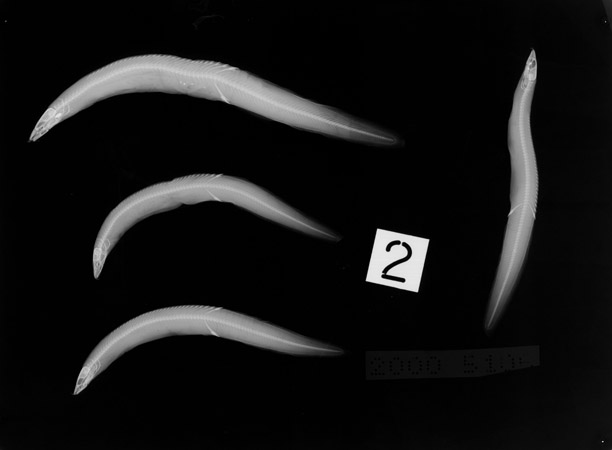
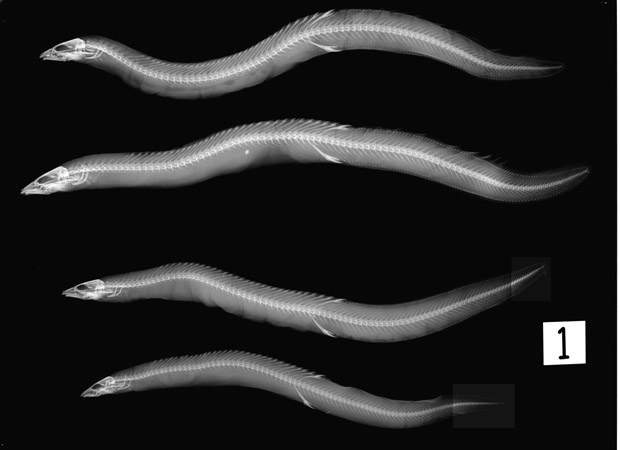
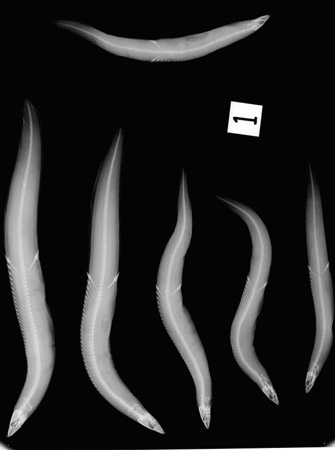
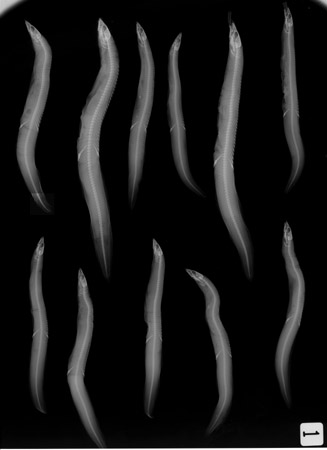
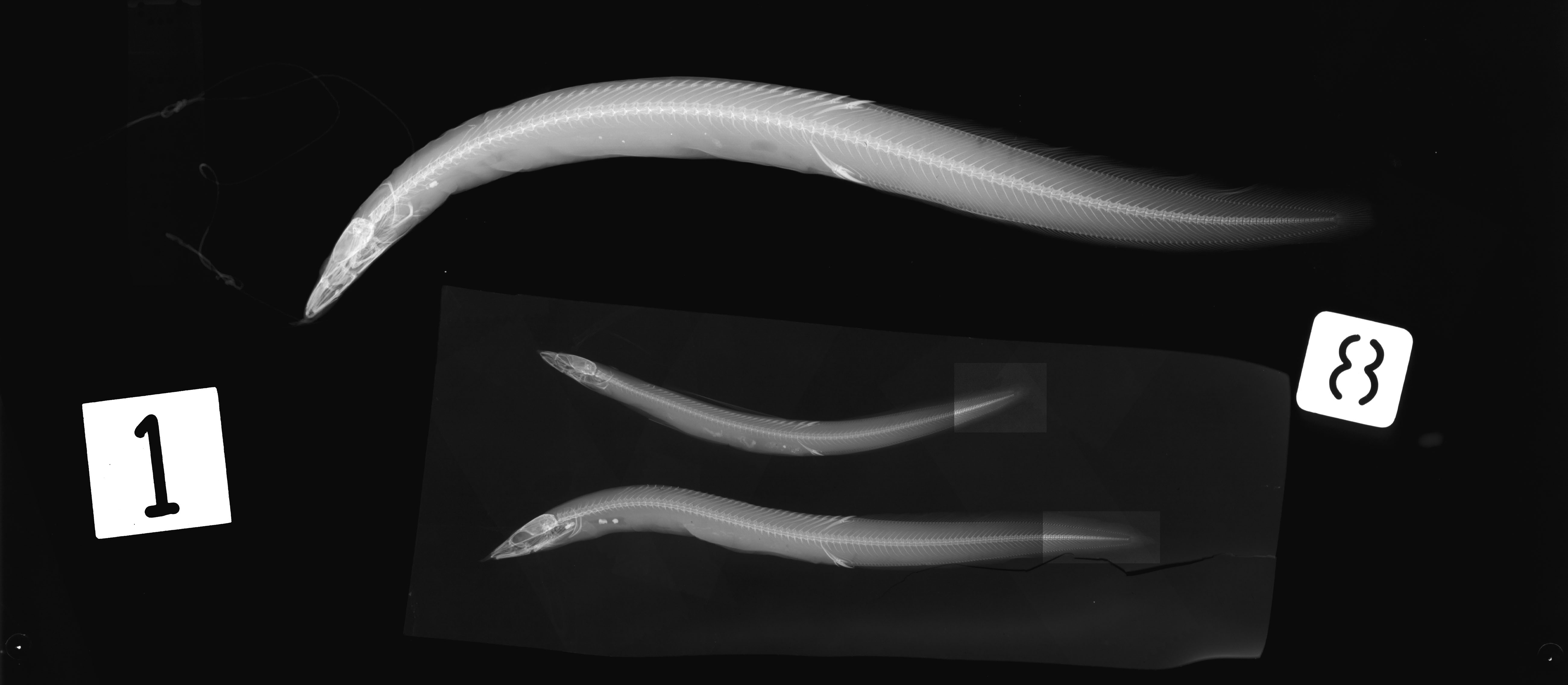
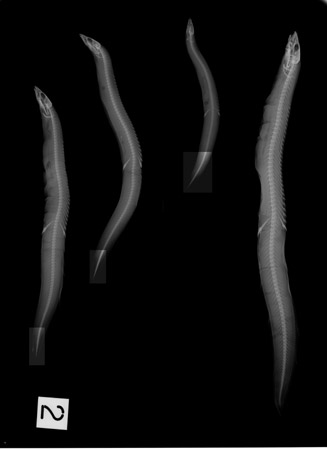
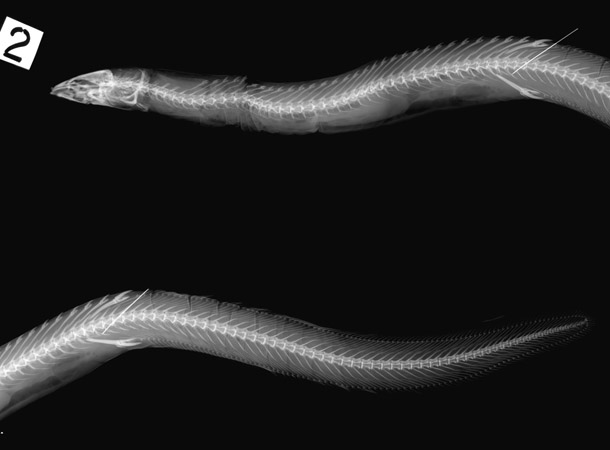
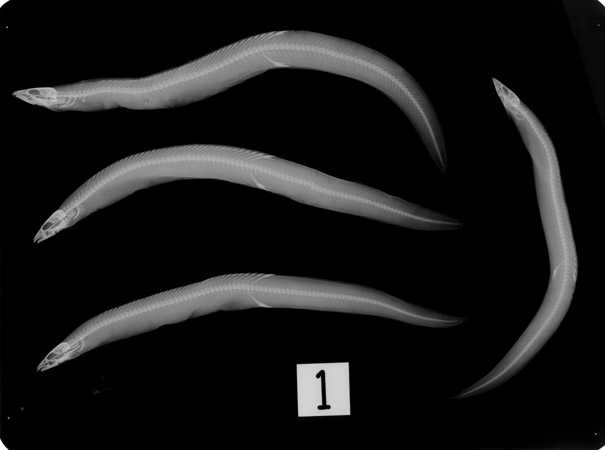
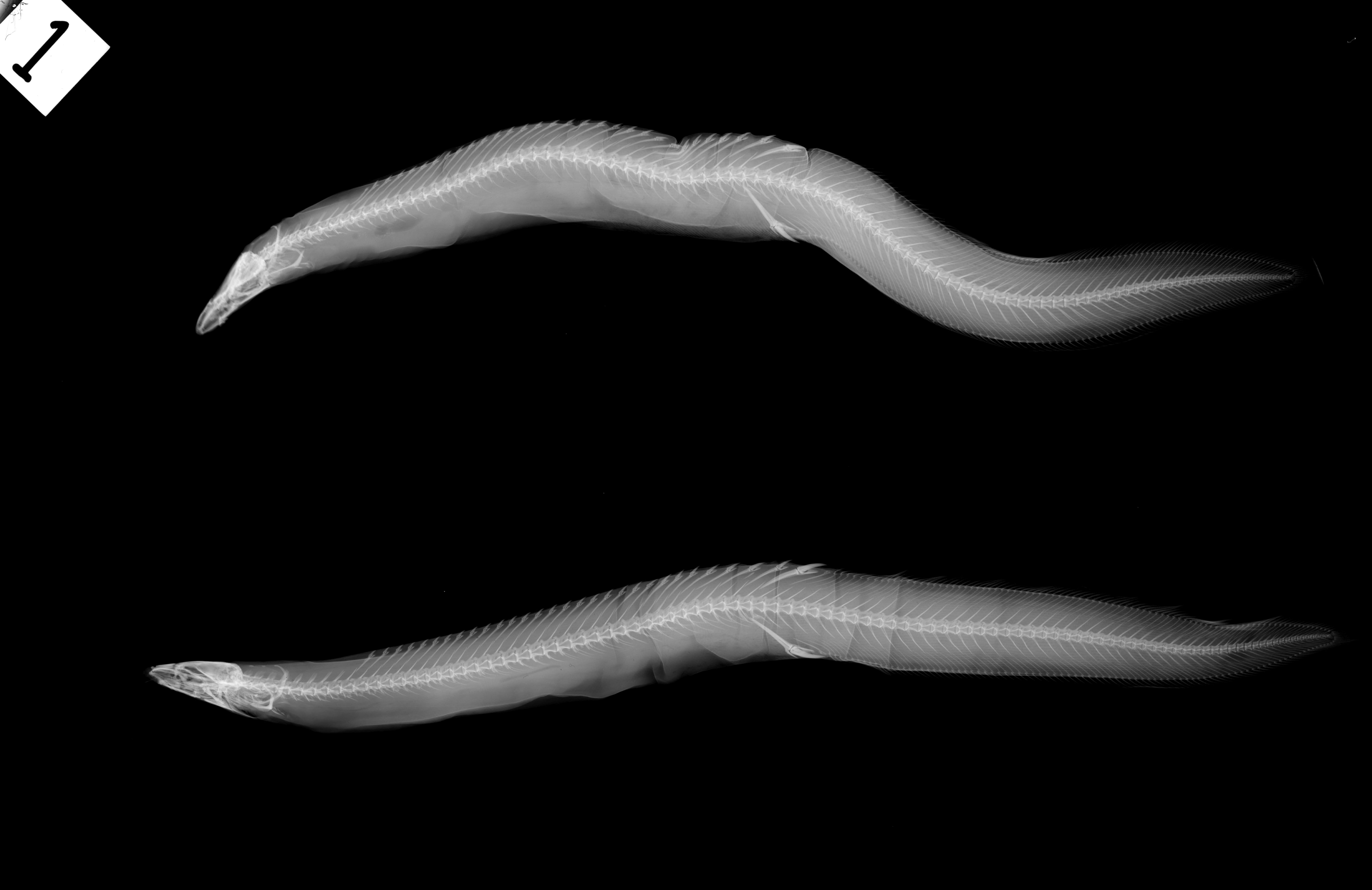
Dorsal spines (total): 28 - 35; Dorsal soft rays (total): 82 - 101; Anal soft rays: 79 - 100; Vertebrae: 92 - 105. Diagnosis: 92-105 total vertebrae (median 99)[Konkouré River basin: 100-104 (median 102)]; 27+1 up to 34+1 (median 31+1) dorsal spines [Konkouré River basin: 29+1 up to 32+1 (median 31+1)]; no reduction of the pre-opercular spines with increasing length (Ref. 57415). No (exceptionally) up to 1 preorbital spine (Ref. 57415). 1 (very exceptionally) to 5 pre-opercular spines (median 2) (Ref. 55095, 57415). Origin of 1st dorsal spine situated posterior to posterior edge of pectoral fin, 4.8-47.4% HL (m=24.8); distance from anterior border of snout to last externally visible dorsal spine 52.6-61.5% SL (m=57.2), comparable to distance from anterior border of snout to last externally visible anal spine, 53.1-61.9% SL (m=57.8), both decreasing with size; post-anal length 42.3-50.9% SL (m=45.9) and increasing with size, shorter than pre-anal length, 48.5-56.8% SL (m=52.6) and decreasing with size, becoming equal to latter with increasing size; 6-12 caudal fin rays; 7-11 predorsal vertebrae; 37-42 abdominal vertebrae; 0-(+2) in-between vertebrae; 53-64 caudal vertebrae (Ref. 57415).
Taxonomic Hierarchy
Kingdom: Animalia
Phylum: Chordata
Class: Teleostei
Order: Synbranchiformes
Family: Mastacembelidae
Genus: Mastacembelus
Species: Mastacembelus liberiensis Boulenger, 1898
Climate Zone
Biology
Maximum TL observed was 383mm (Ref. 57415).
Habitat
benthopelagic
Conservation Status
Least Concern
Threat to Humans
Harmless
Mastacembelus liberiensis Boulenger, 1898