Mastacembelus frenatus Boulenger, 1901

Description
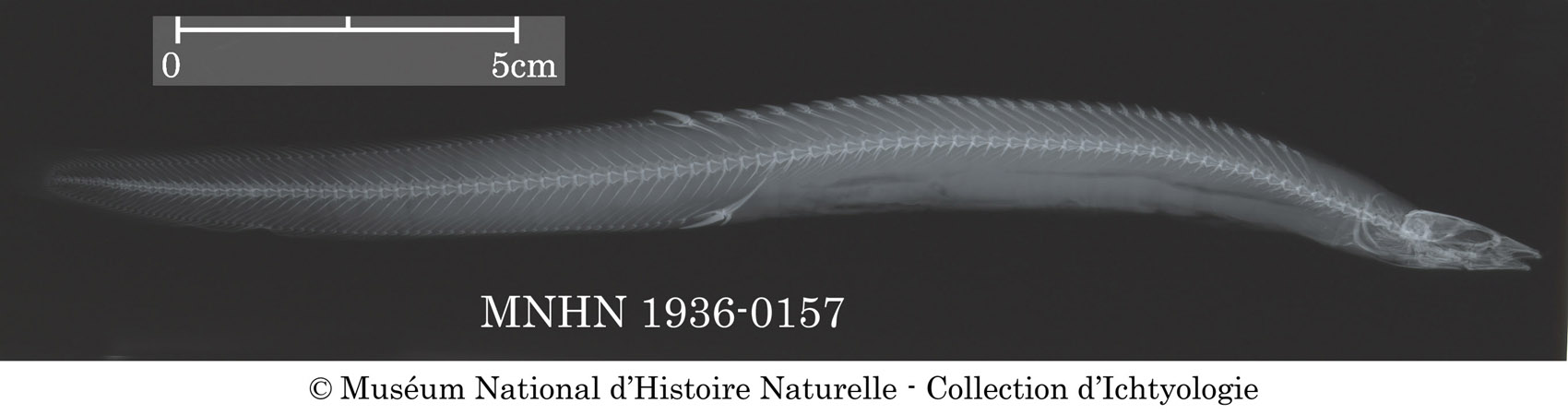
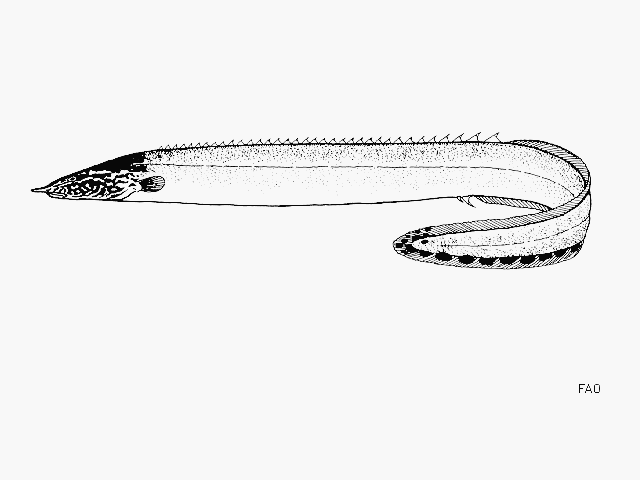
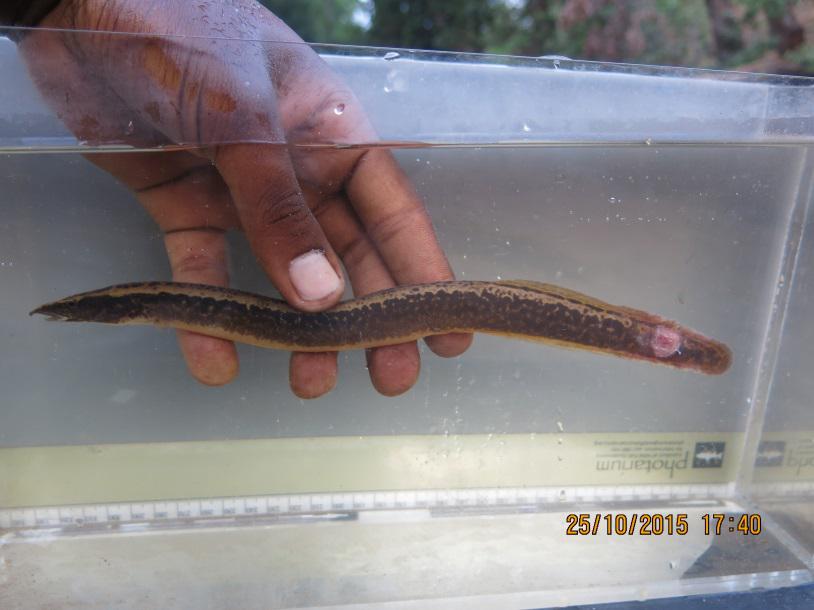
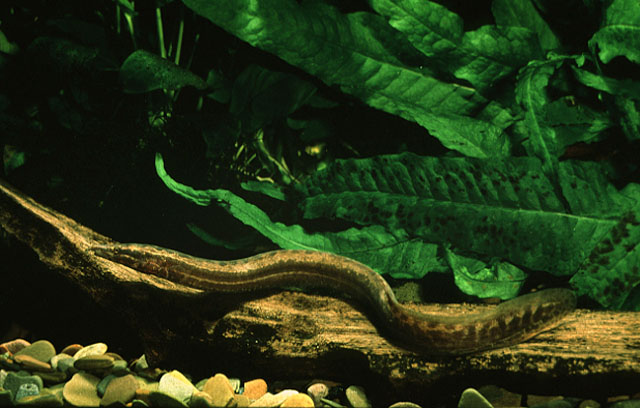
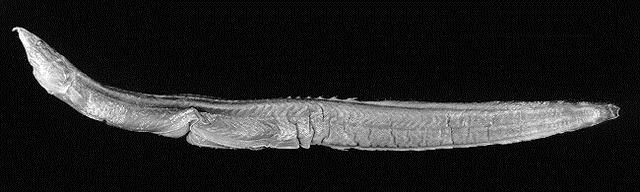
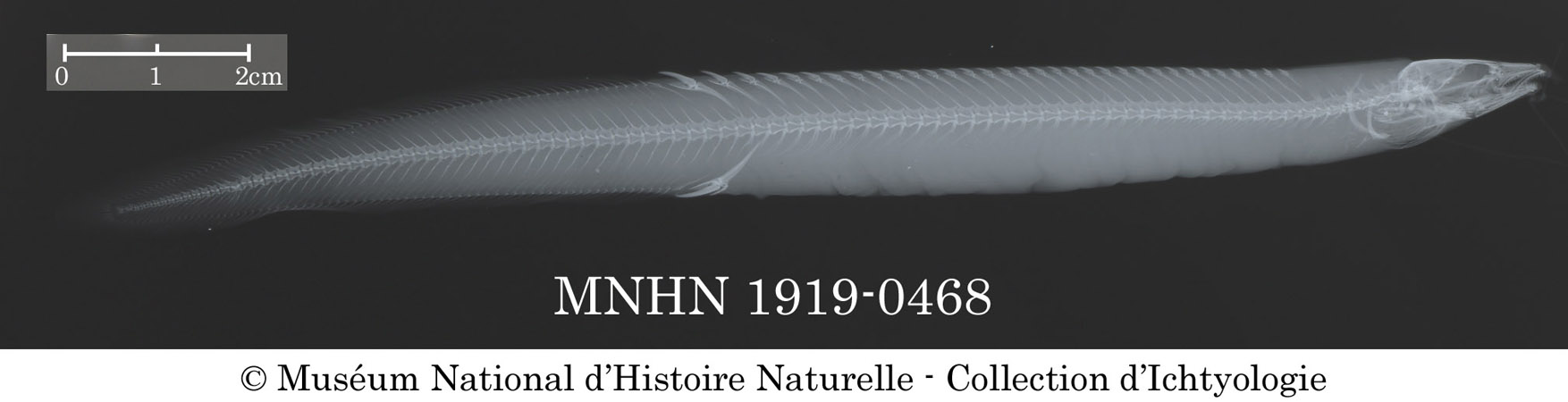
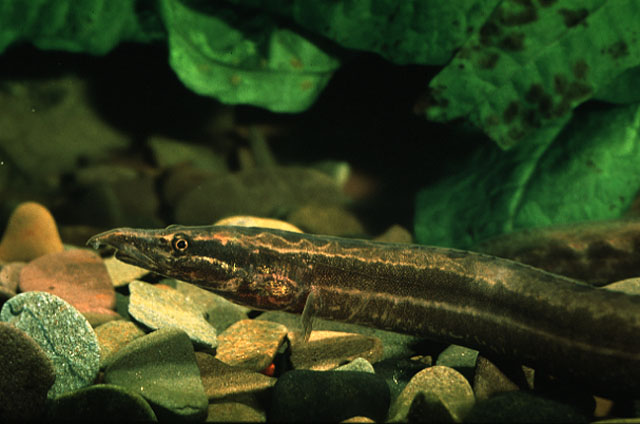
Dorsal spines (total): 18 - 35; Dorsal soft rays (total): 64 - 73; Anal spines: 2; Anal soft rays: 67 - 80; Vertebrae: 95 - 96. Diagnosis: Anterior nostril in the form of a short tentacle; snout produced as a fleshy appendage (Ref. 34290). Number of dorsal-fin spines 18-35; anal fin with 2 separate spines (Ref. 34290, 123814). Colour extremely variable, ground colour brown with a variable reticulated and blotched pattern (Ref. 34290).
Common Names
Taxonomic Hierarchy
Kingdom: Animalia
Phylum: Chordata
Class: Teleostei
Order: Synbranchiformes
Family: Mastacembelidae
Genus: Mastacembelus
Species: Mastacembelus frenatus Boulenger, 1901
Climate Zone
Biology
Mainly riverine species, but also occurs in lakes near river mouths and in vegetated fringes and in swamps (Ref. 80296). Also found in rapids where it hides among rocks (Ref. 85214). Essentially a sedentary fish, nocturnal and usually waiting for its prey to swim or drift within range whereupon fish will dart out of its shelter to seize it (Ref. 89002). Feeds on aquatic insect larvae (Ref. 80296), lithophilic insects (Ref. 12526), fish (Ref. 13624, 27292), shrimps (Ref. 246, 80296), oligochetes and occasionally vegetable matter (Ref. 80296, 89002). Breeds during flood season, in inundated areas (Ref. 80296). Eggs yellow and large, probably spawned among water weeds (Ref. 89002).
Habitat
demersal
Conservation Status
Least Concern
Threat to Humans
Harmless
Mastacembelus frenatus Boulenger, 1901