Amblyopsis spelaea DeKay, 1842
Description
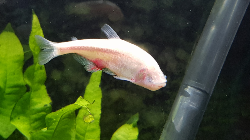
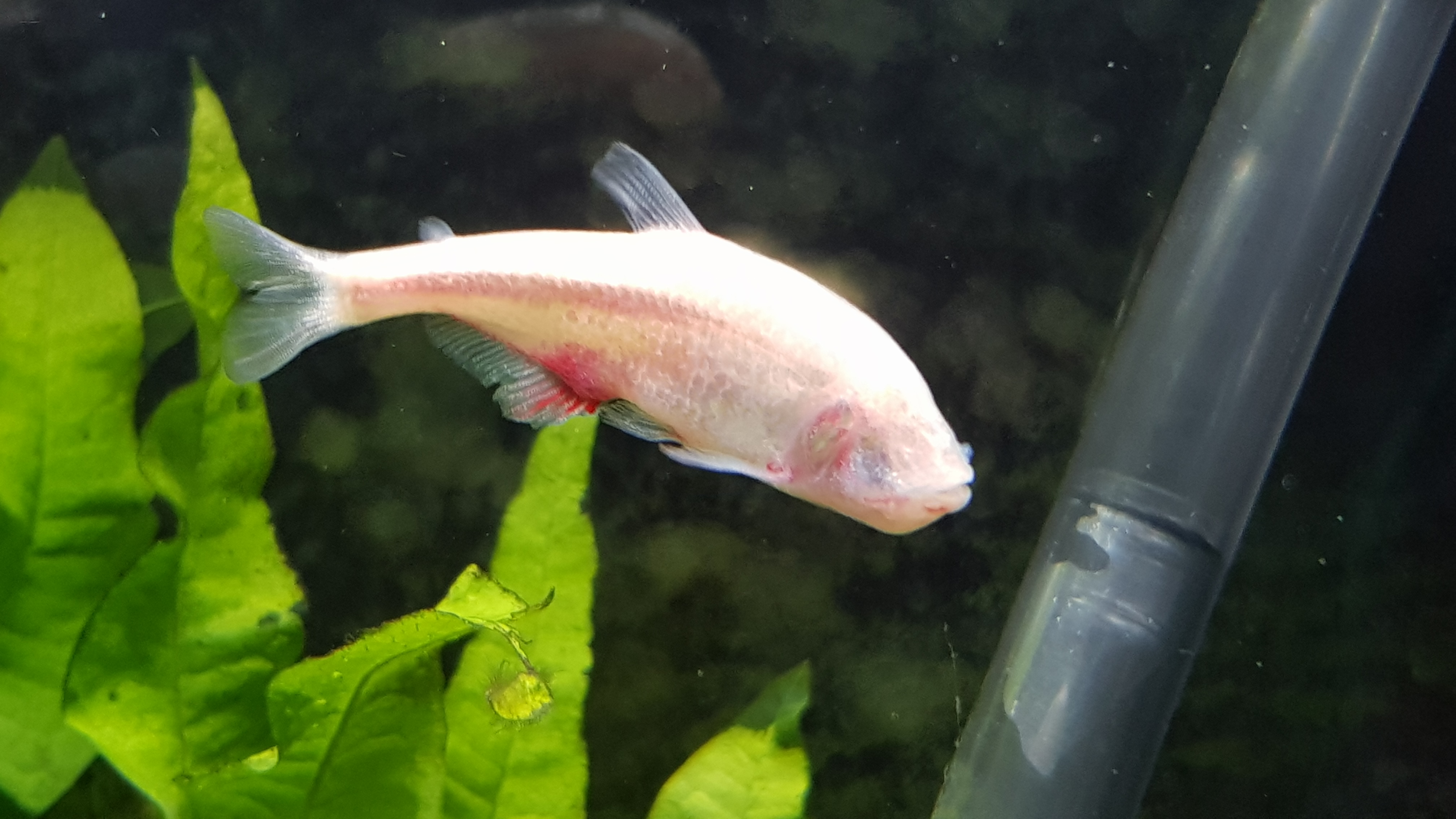
Dorsal spines (total): 0; Dorsal soft rays (total): 9 - 11; Anal spines: 0; Anal soft rays: 8 - 11; Vertebrae: 29 - 30. Pink-white. No eyes (vestigial eye tissues under skin). Extremely small pelvic fins (rarely absent). Large, broad head. Caudal fin with 4-6 rows of papillae; 11-13 branched caudal rays.
Common Names
Taxonomic Hierarchy
Kingdom: Animalia
Phylum: Chordata
Class: Teleostei
Order: Percopsiformes
Family: Amblyopsidae
Genus: Amblyopsis
Species: Amblyopsis spelaea DeKay, 1842
Climate Zone
Location
- North America: Indiana and Kentucky, U.S.A.
Biology
Blind and depigmented. Despite the lack of eyes it does respond to light and moves away from it (scotophilia). Inhabits subterranean water or caves which have consolidated mud-rock substrates in shoals and silt-sand substrates in pools but is more often found in caves with uniform silt-sand substrates (Ref. 34868). Has low reproduction rate and broods eggs in gill cavity for up to 4-5 months (Ref. 557; 34868; 27795). Can live for 2 years without food because of low metabolic rate (Ref. 5326). Top predator.
Habitat
demersal
Conservation Status
Near Threatened
Threat to Humans
Harmless
Amblyopsis spelaea DeKay, 1842