Alopias superciliosus Lowe, 1841
Description
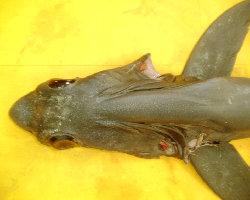
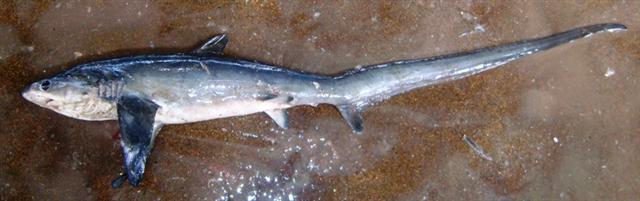
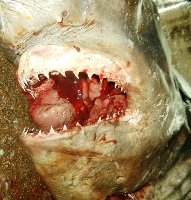
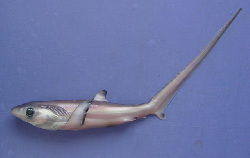
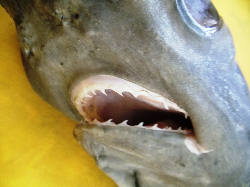
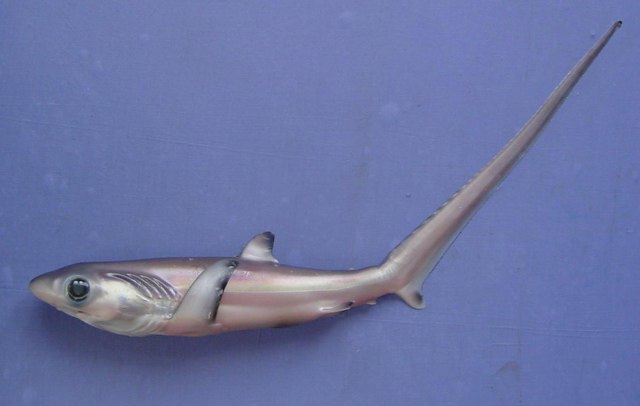
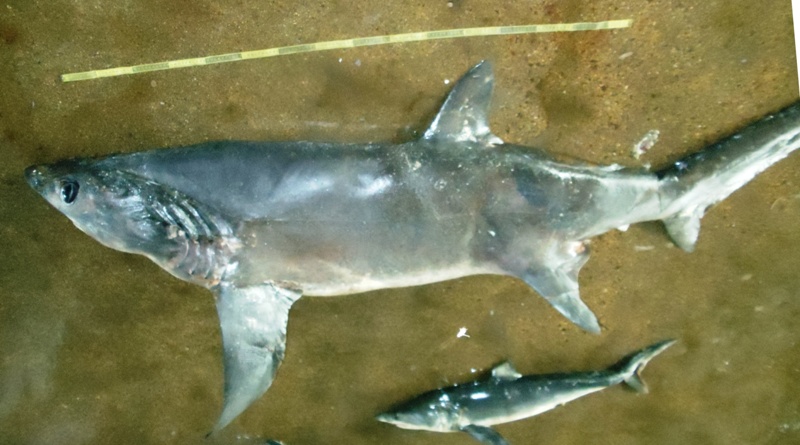
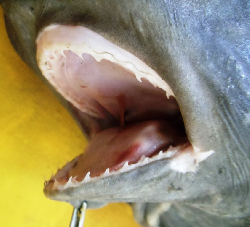
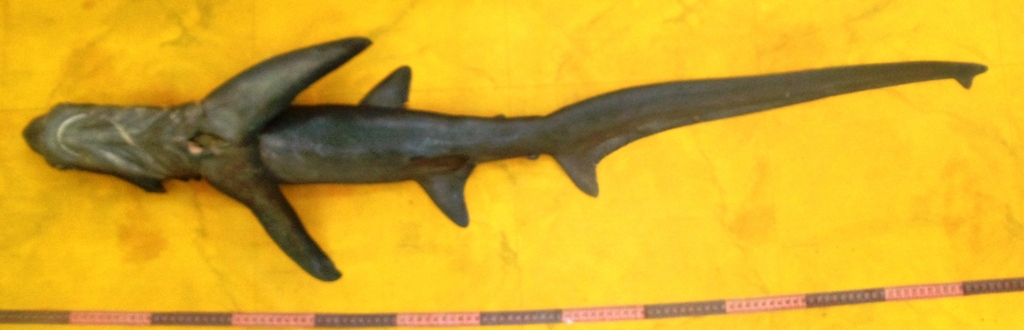
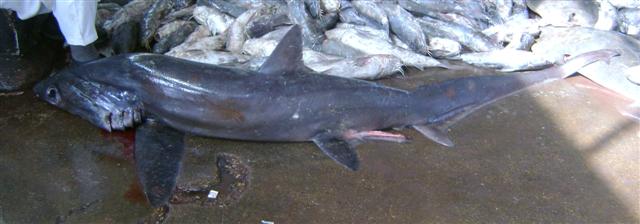
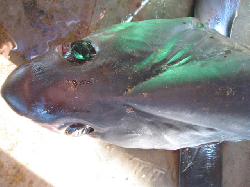
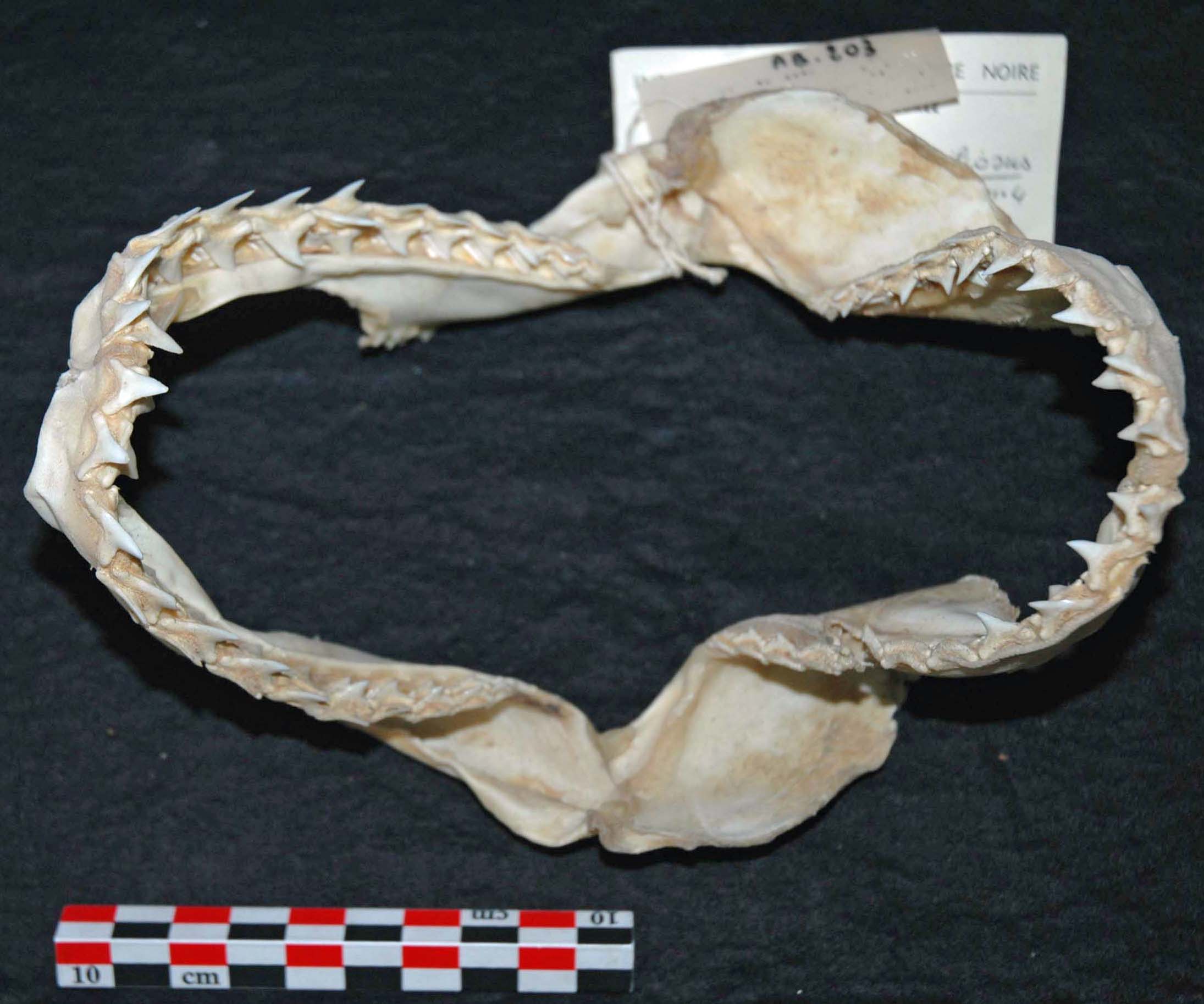
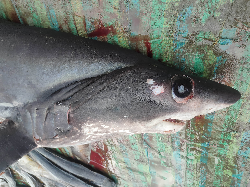
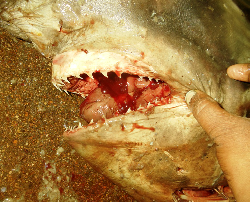
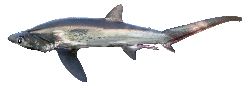
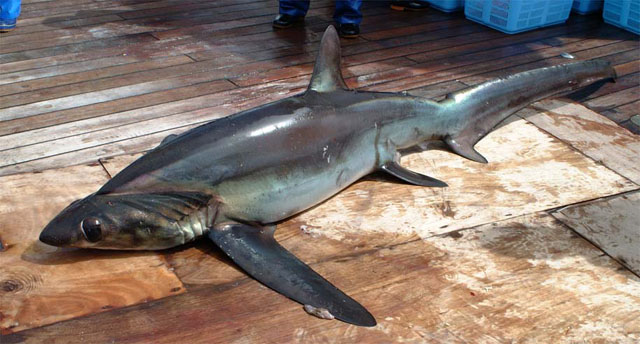
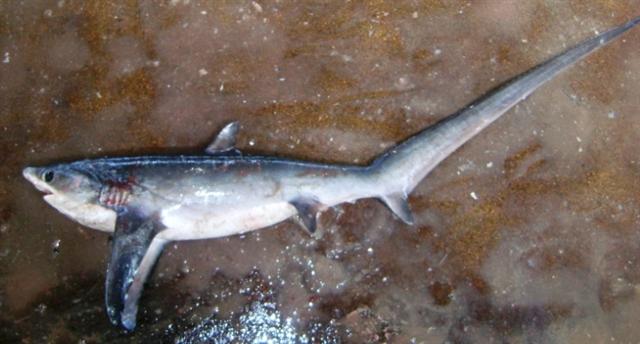
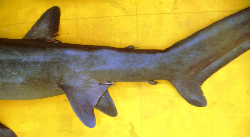
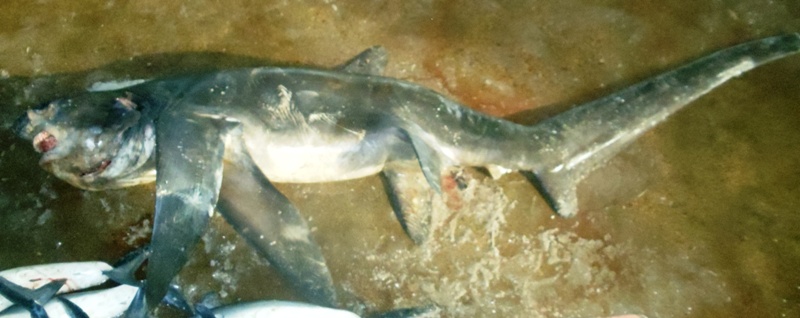
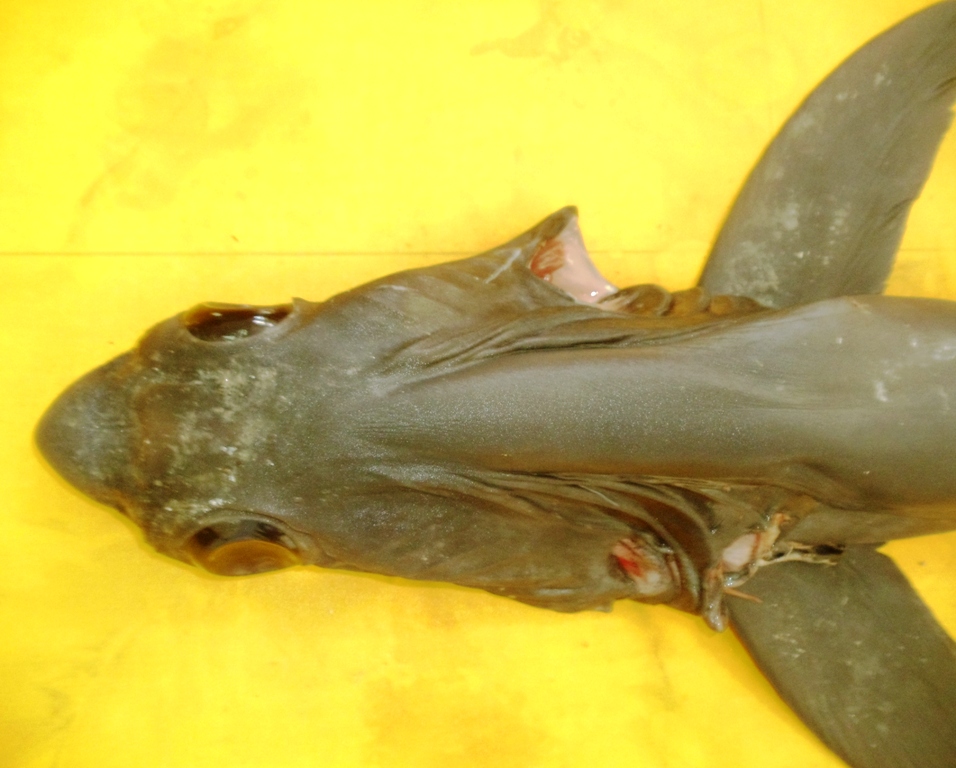
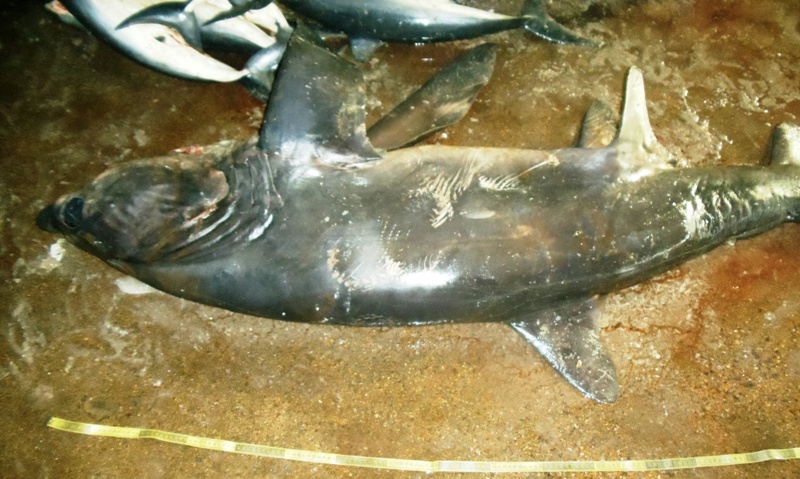
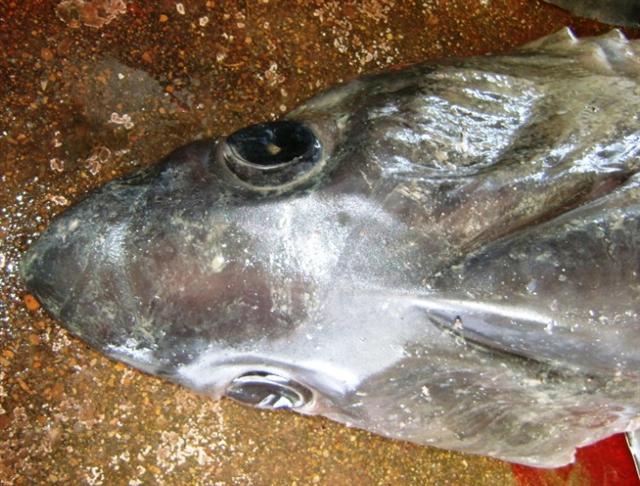
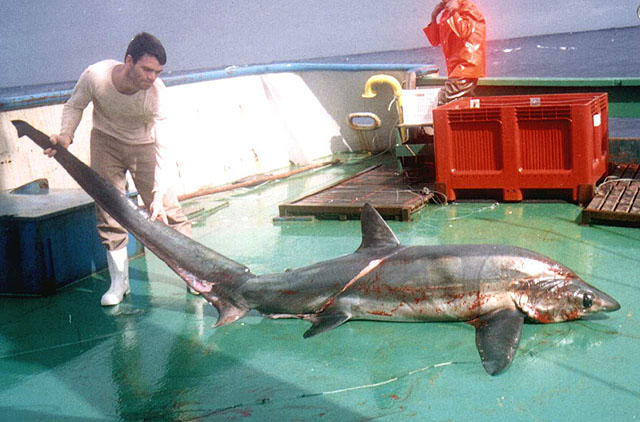
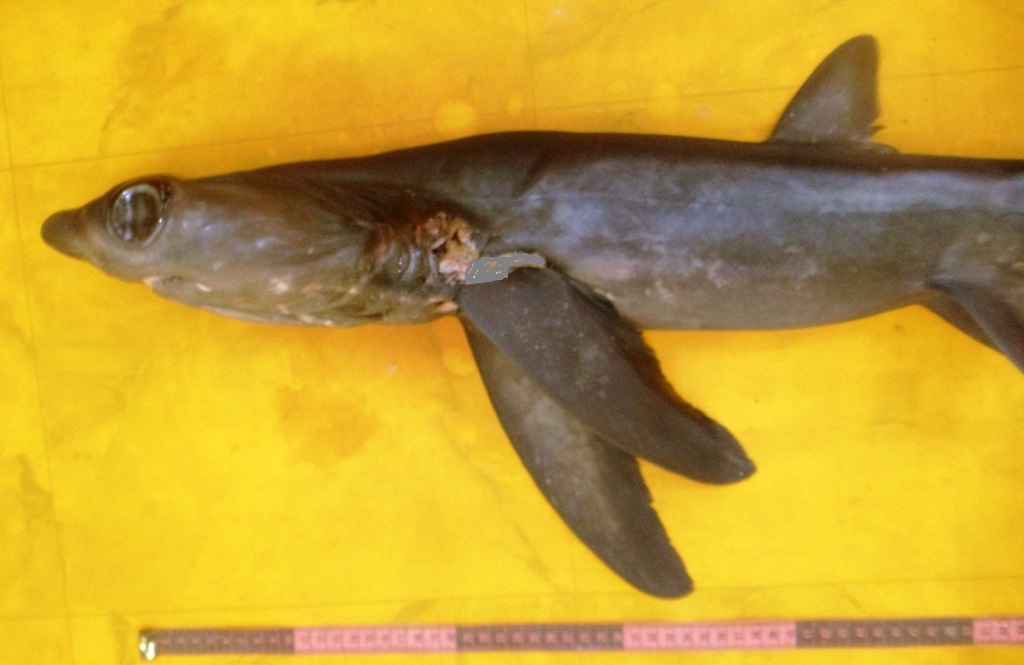
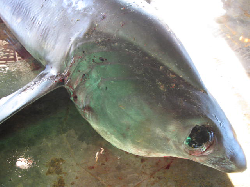
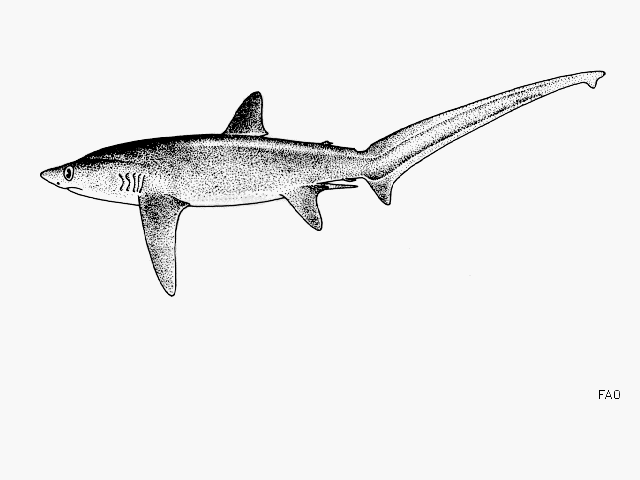
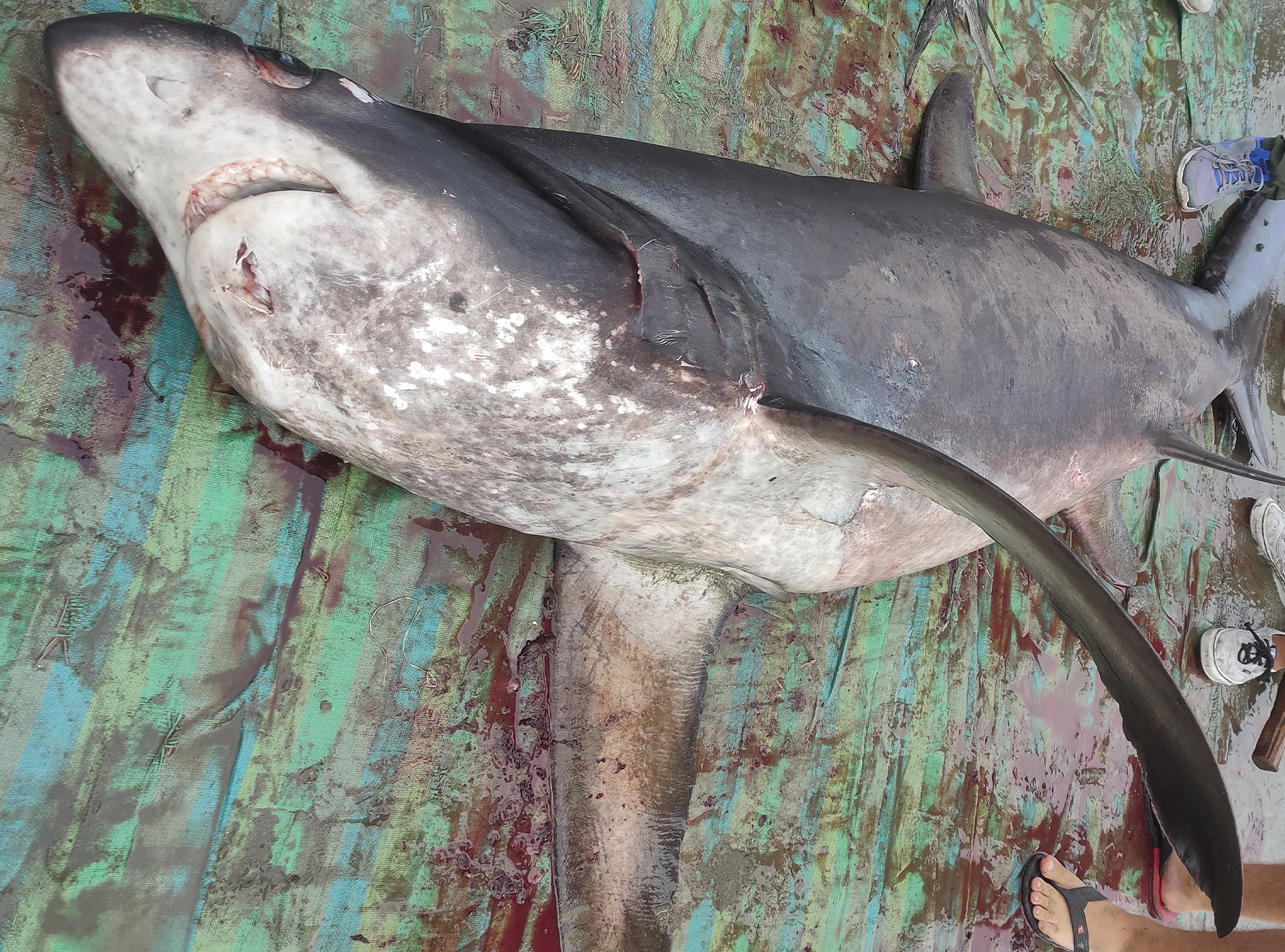
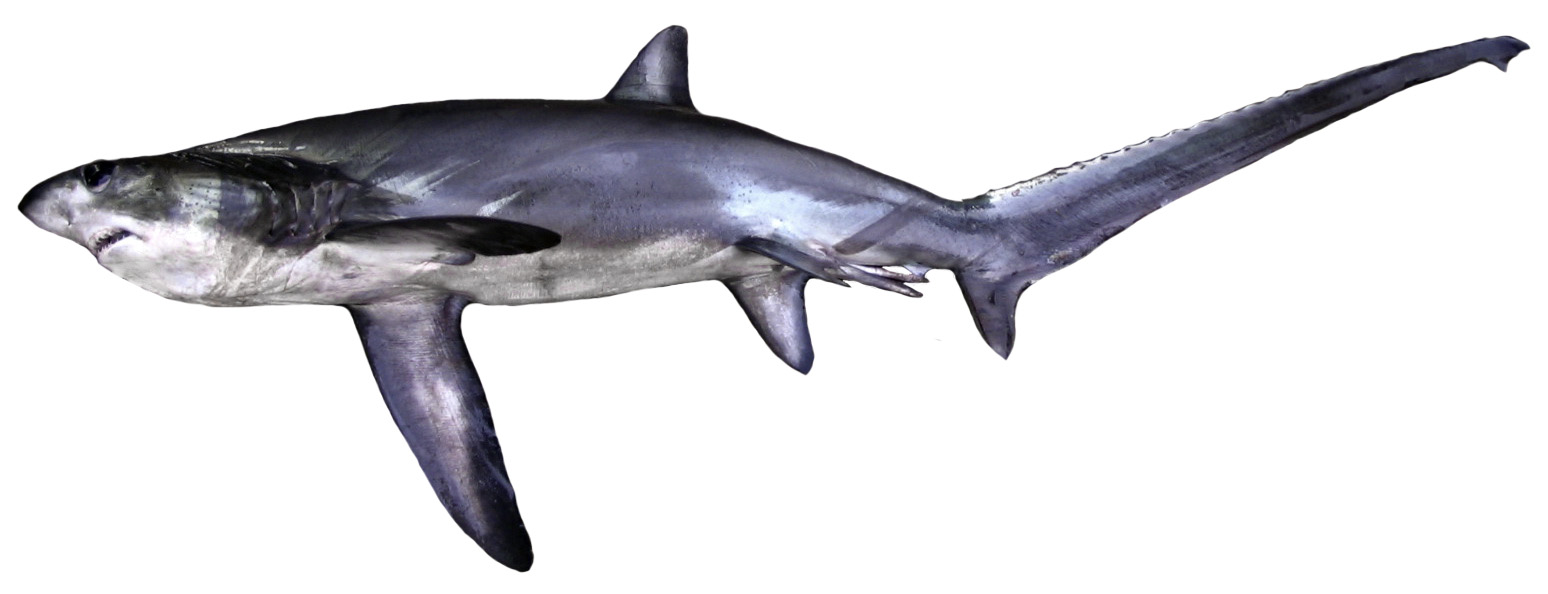
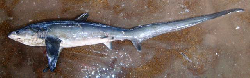
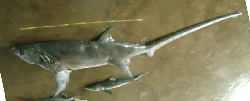
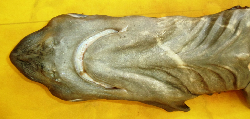
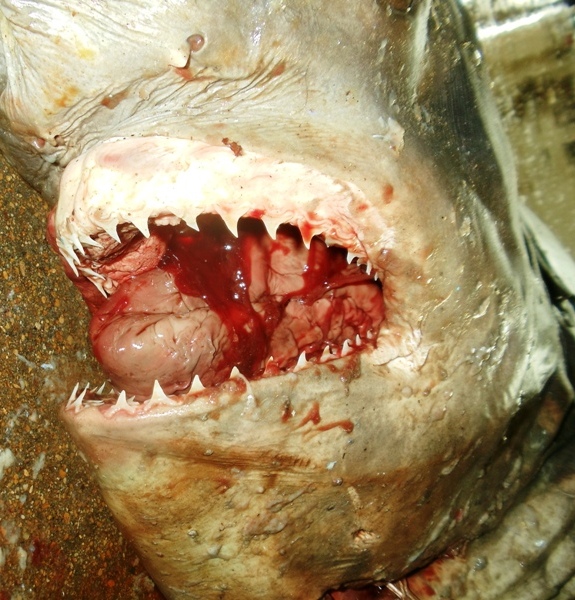
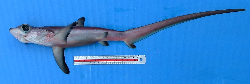
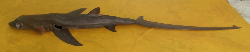
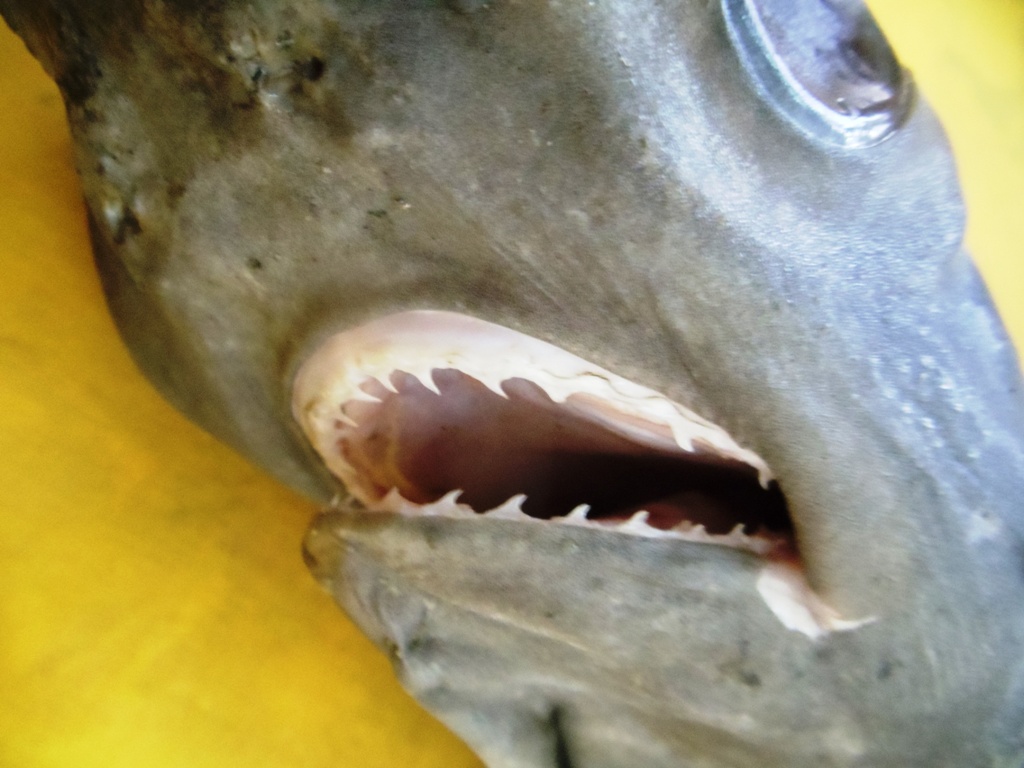
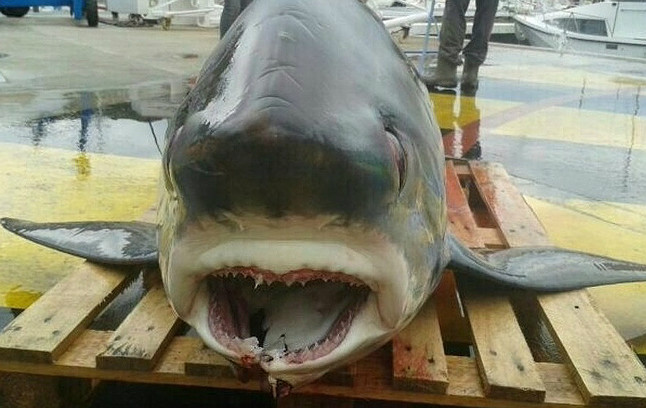
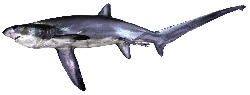
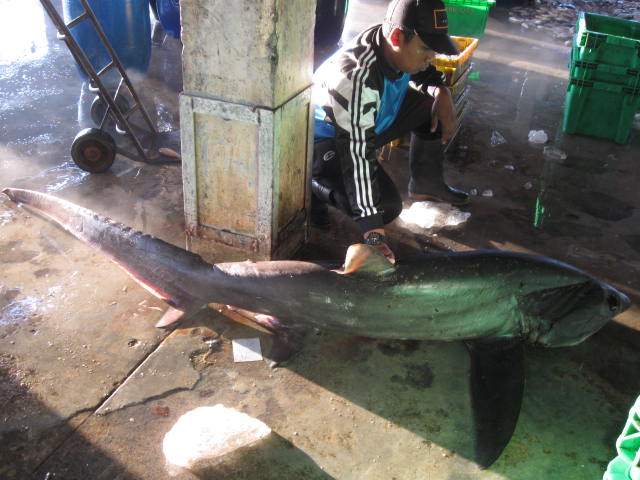
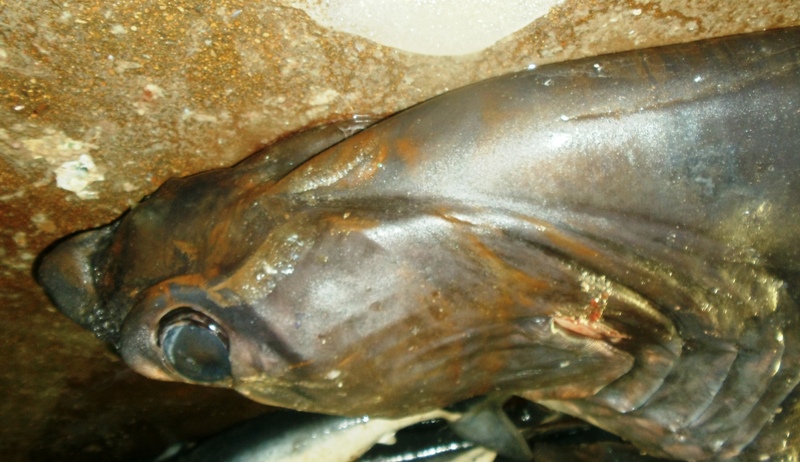
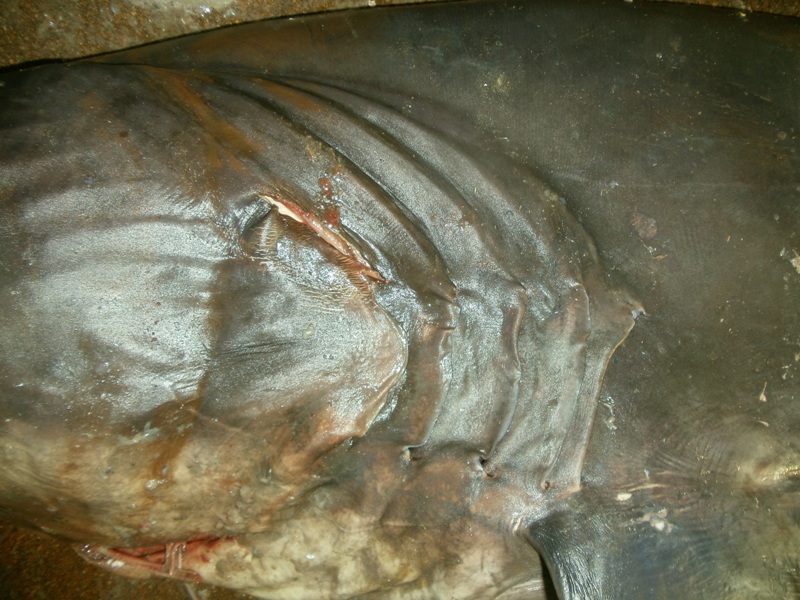
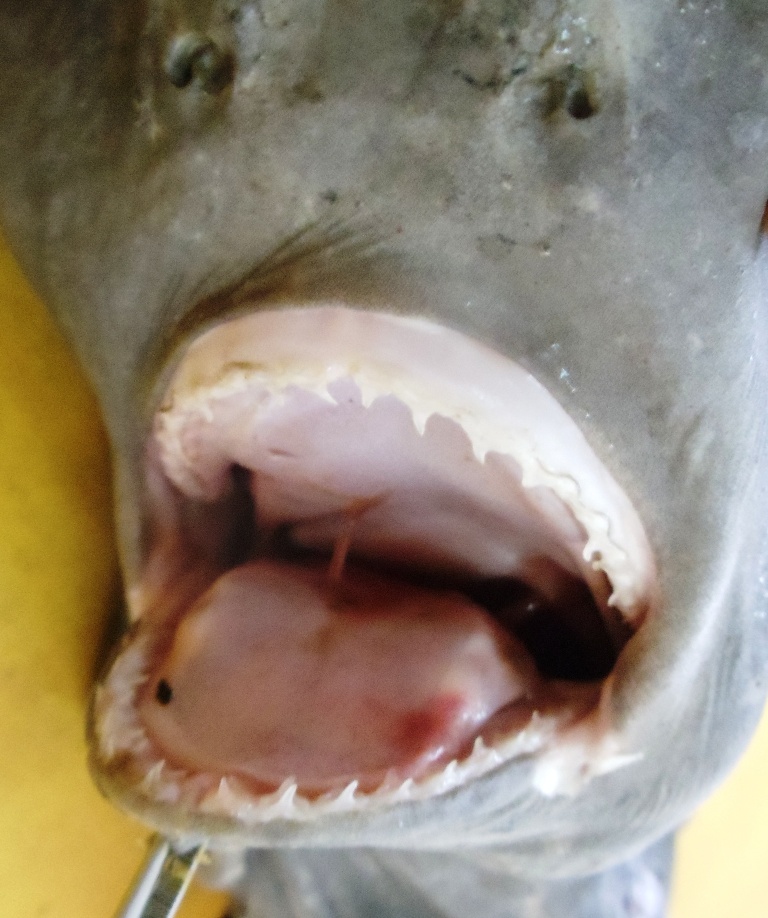
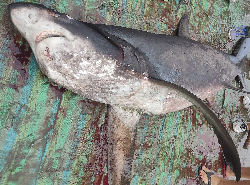
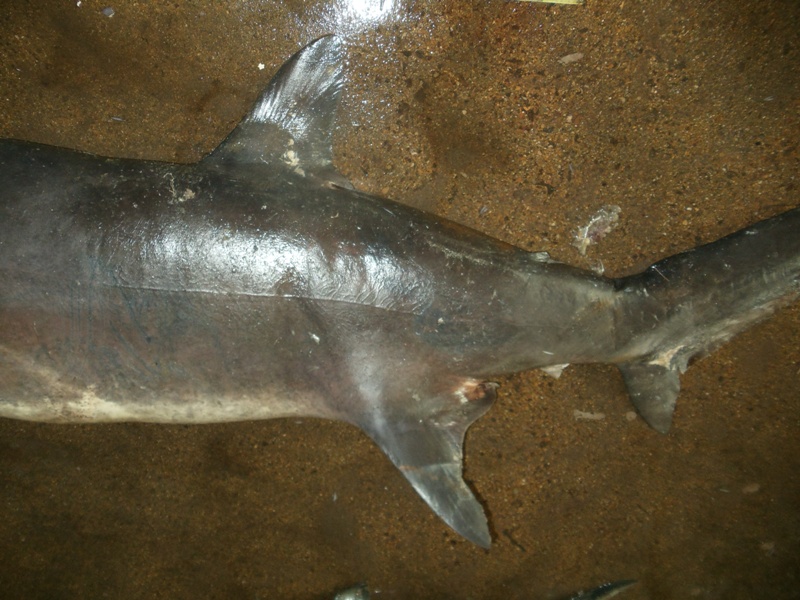
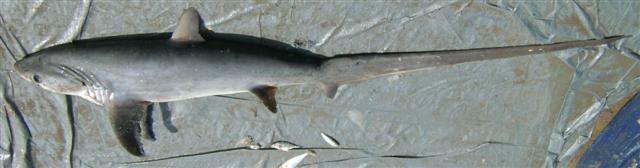
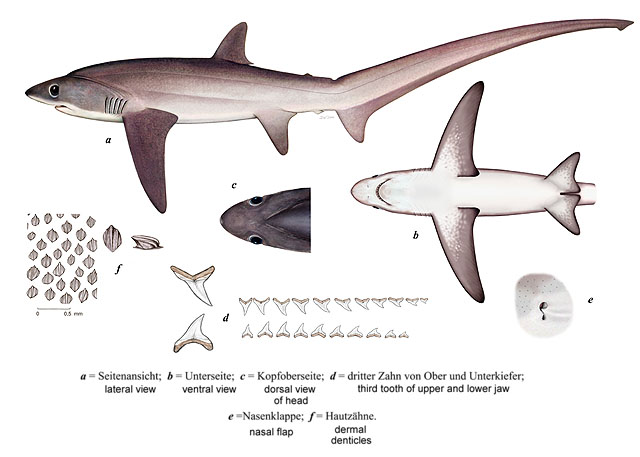
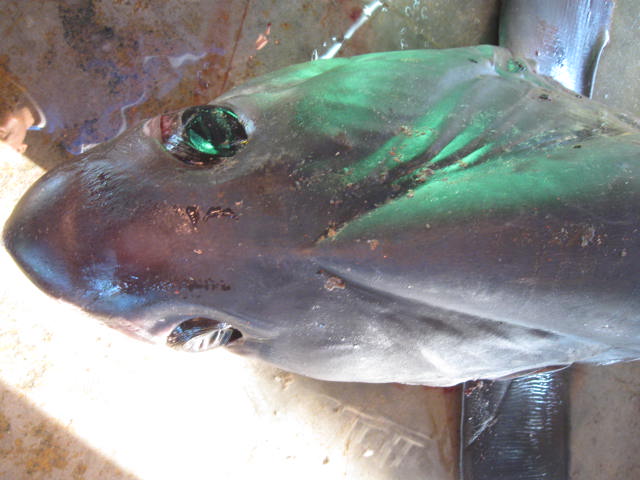
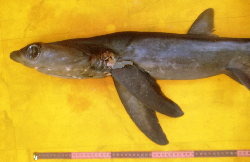
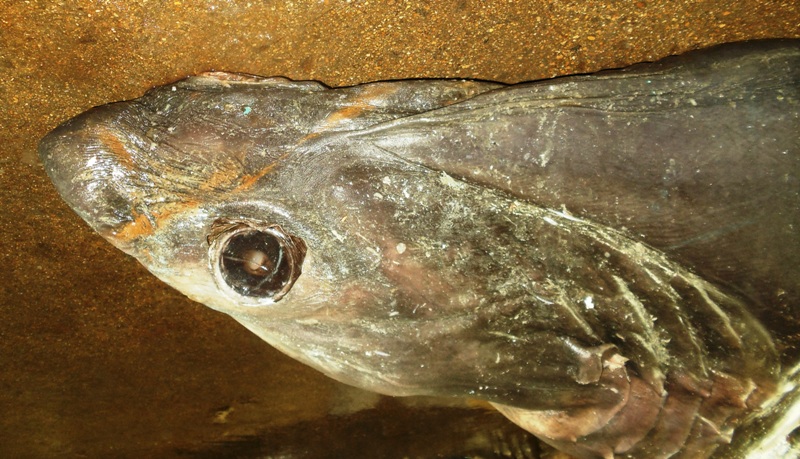
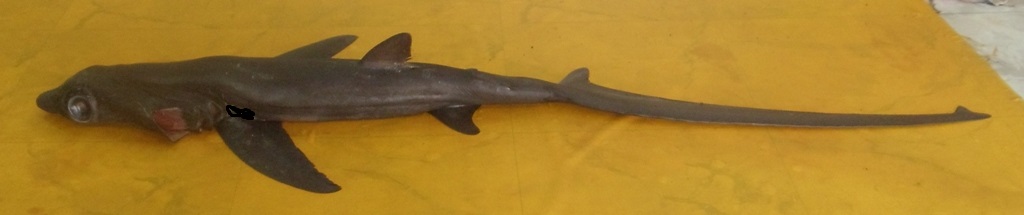
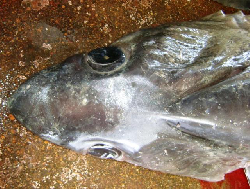
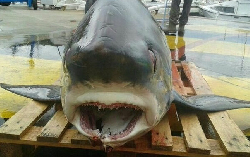
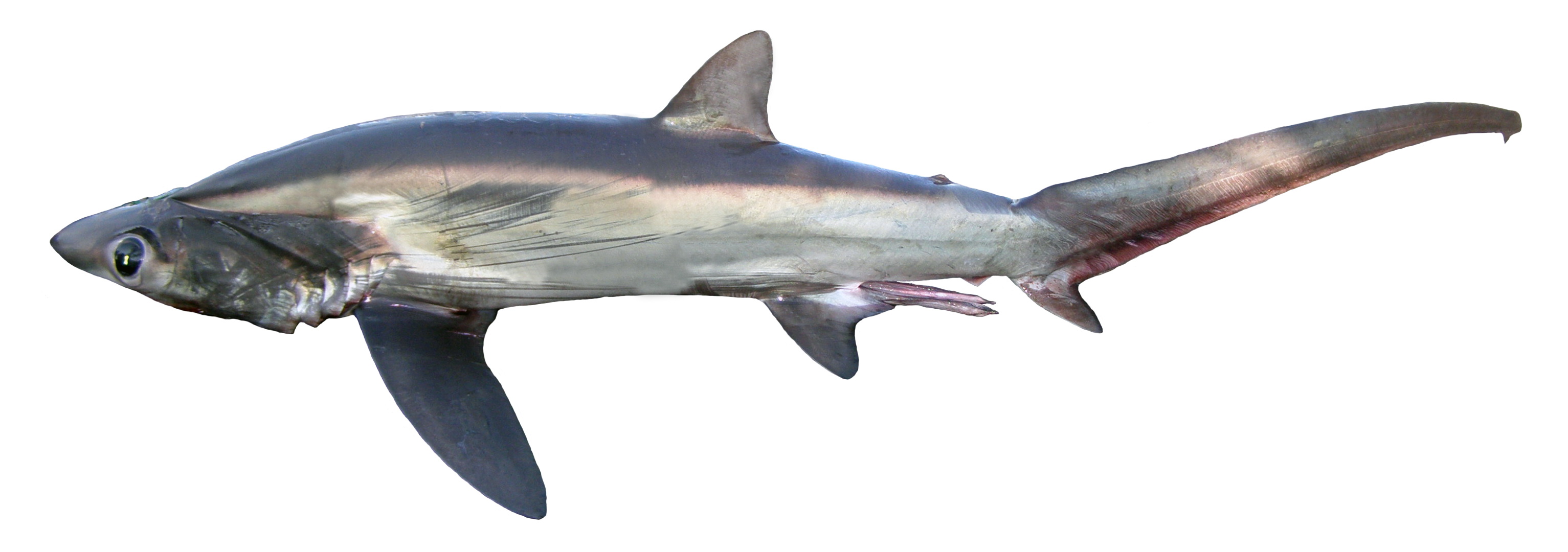
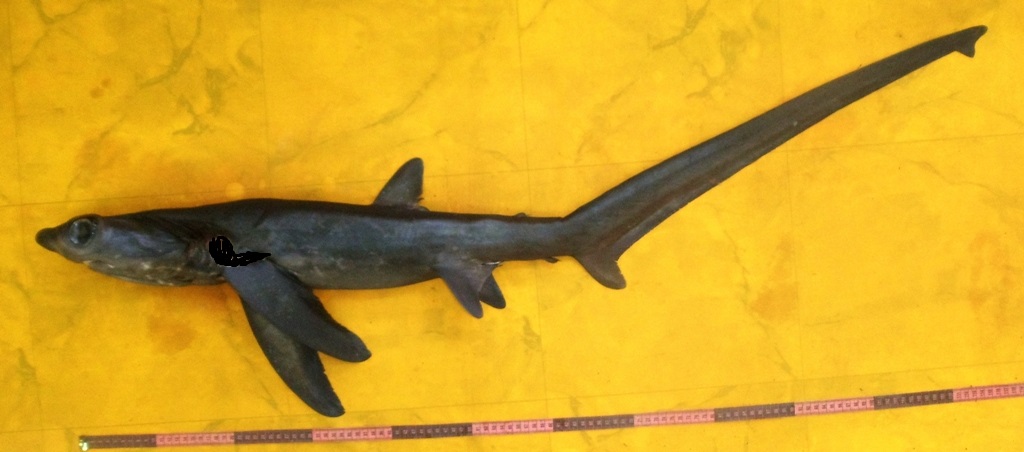
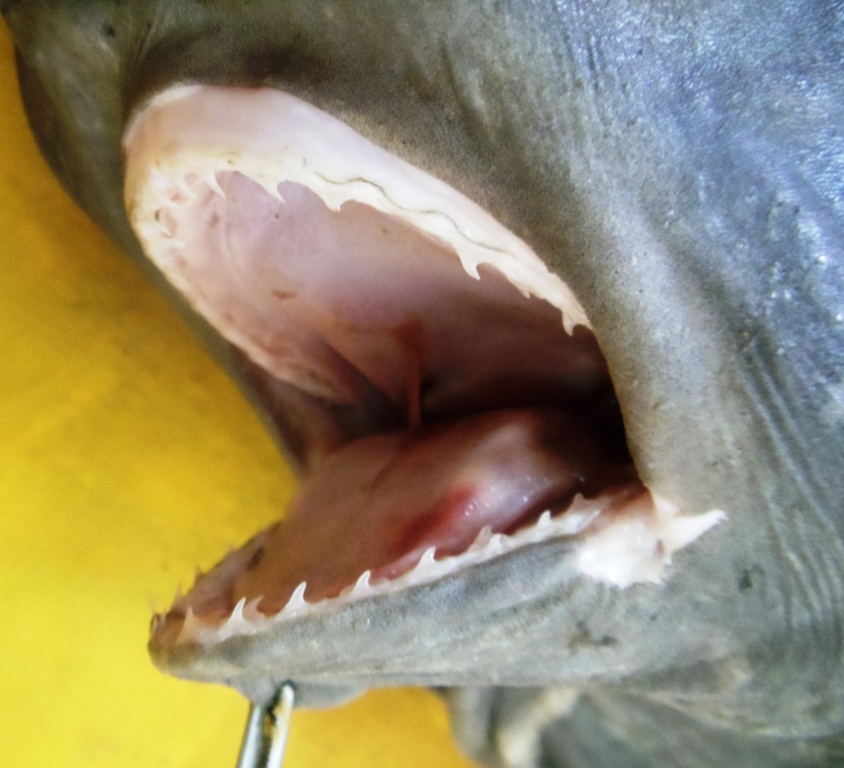
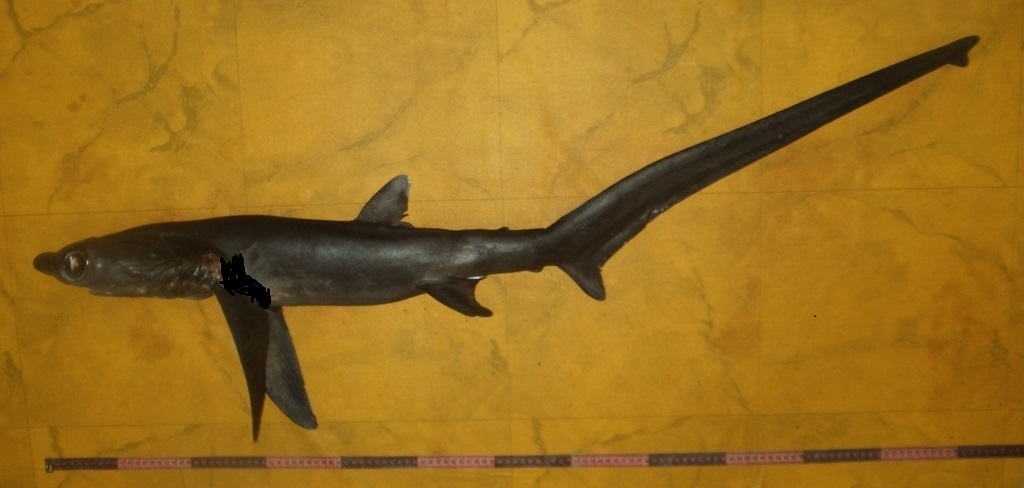
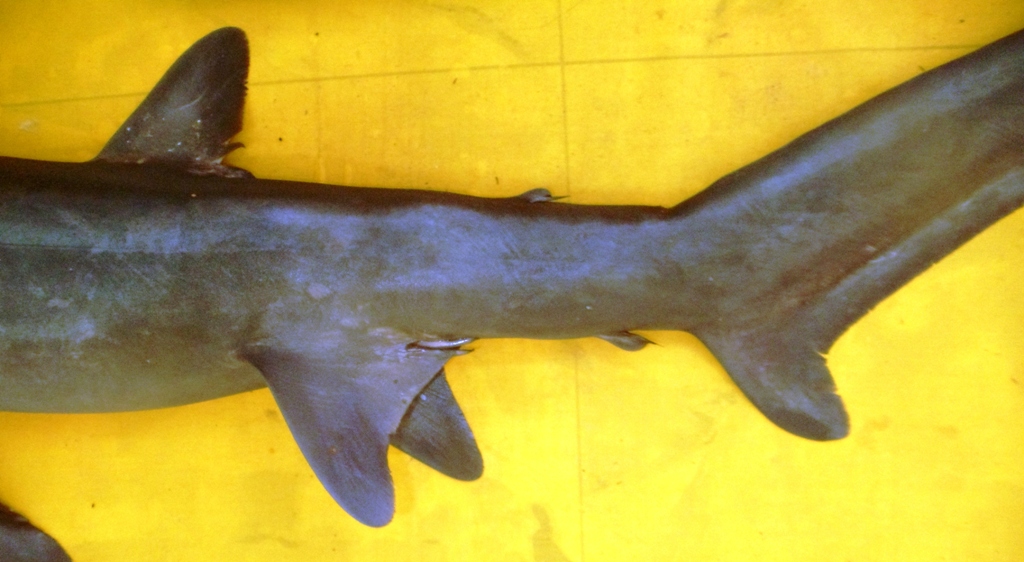
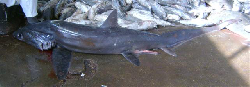
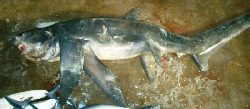
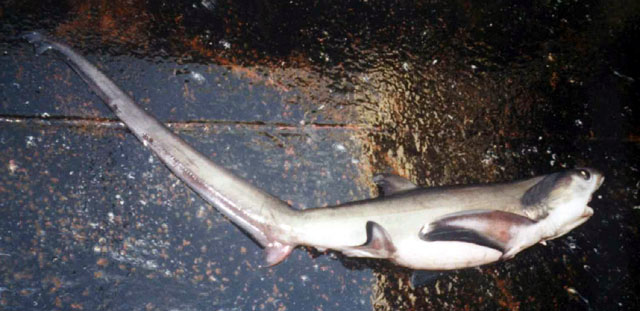
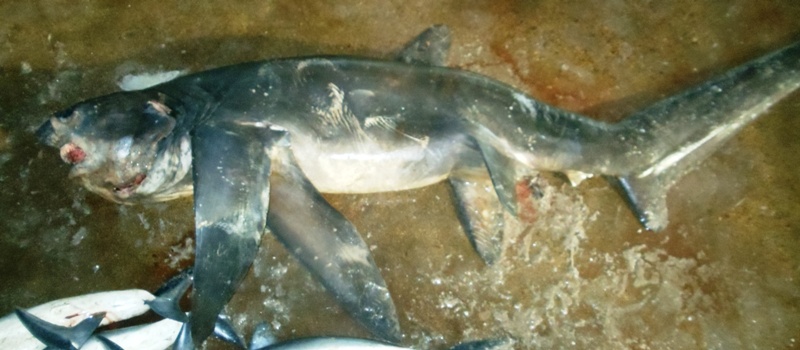
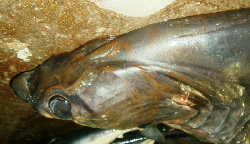
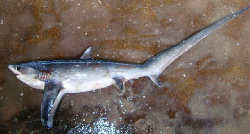
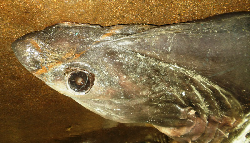
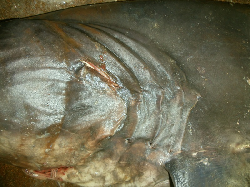
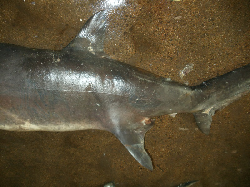
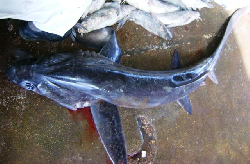
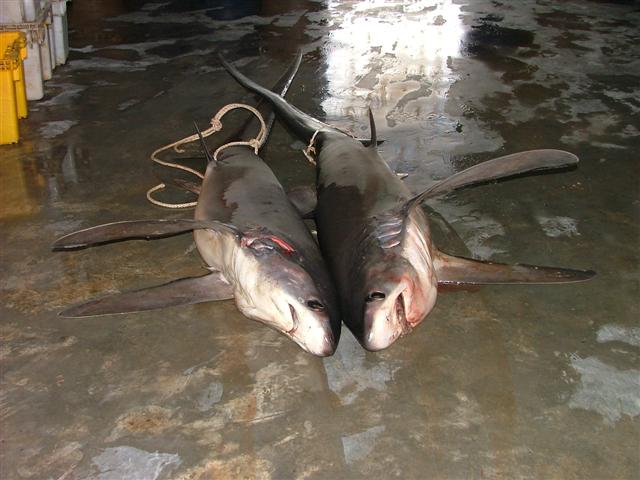
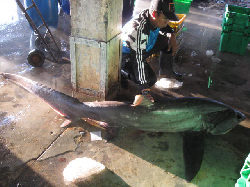
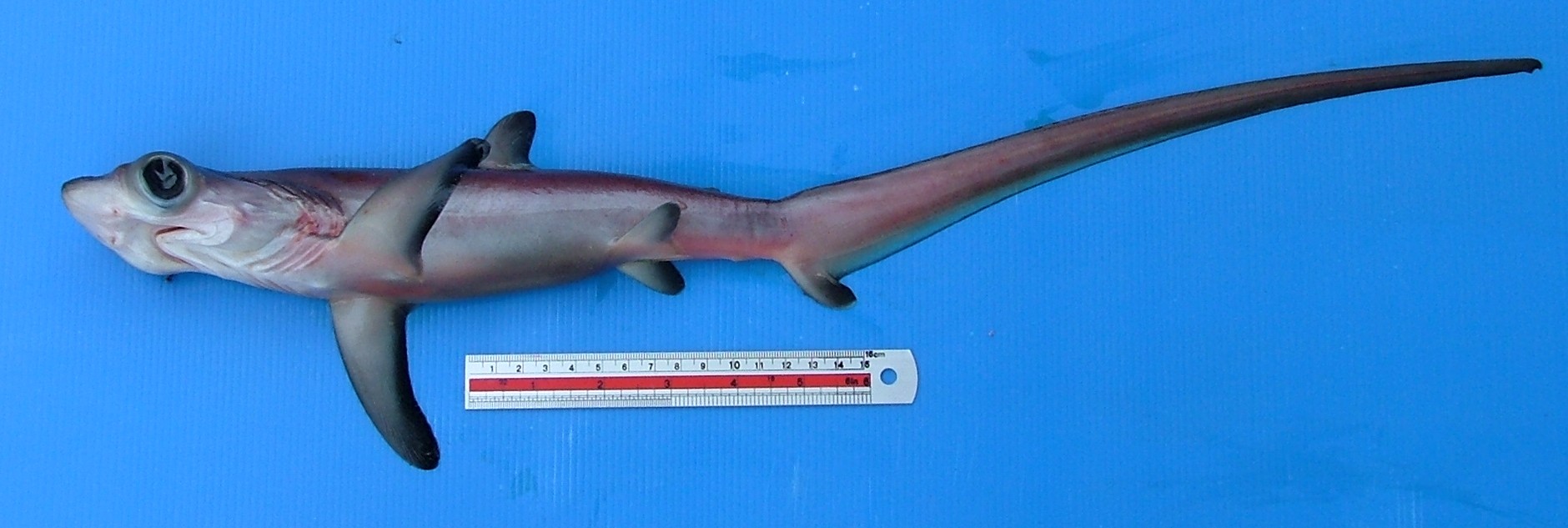
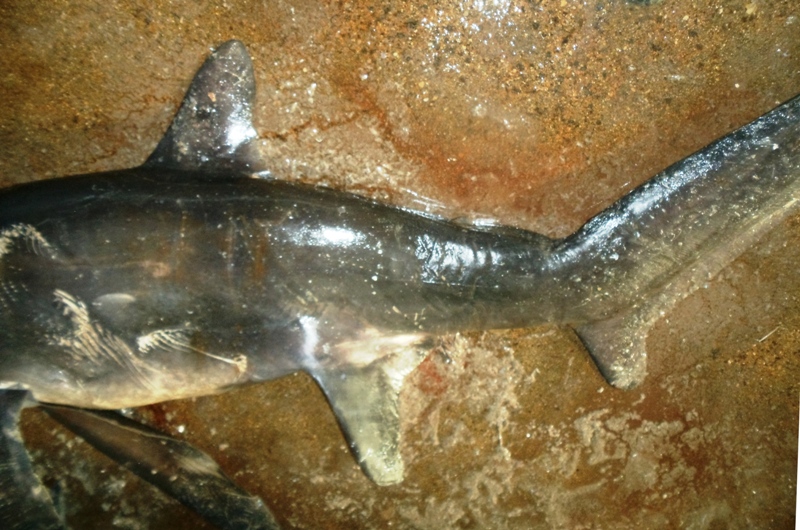
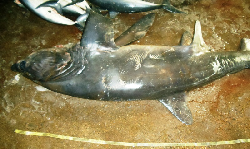
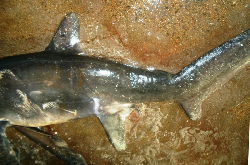
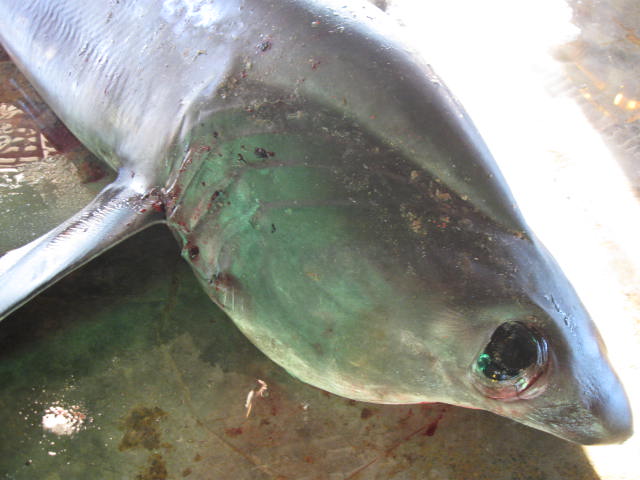
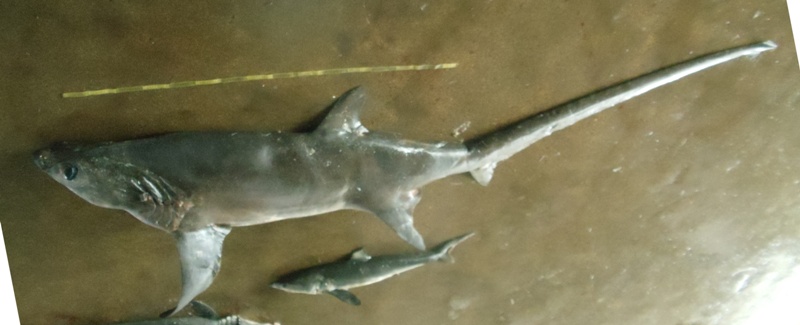
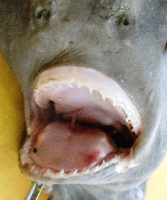
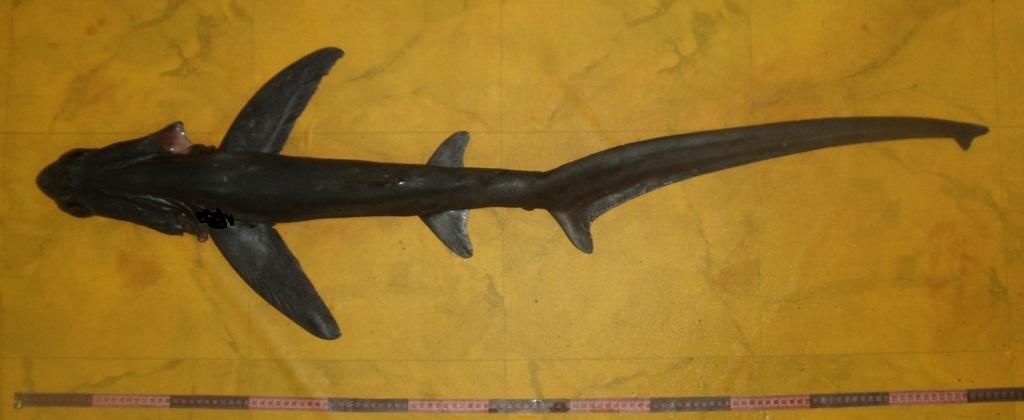
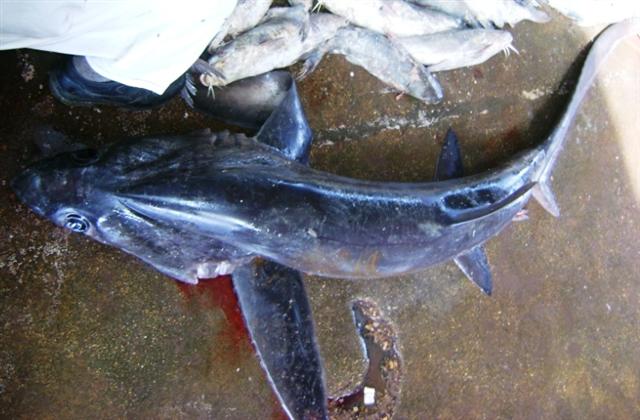
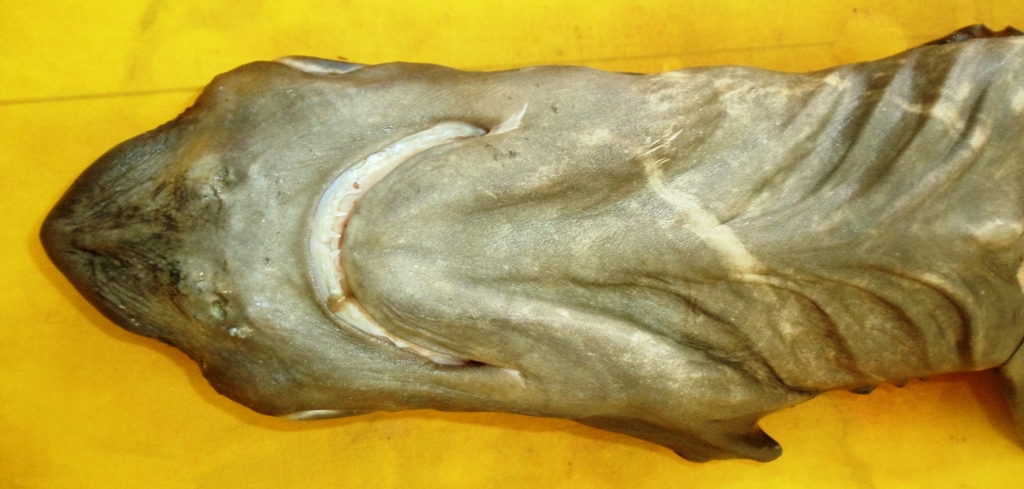
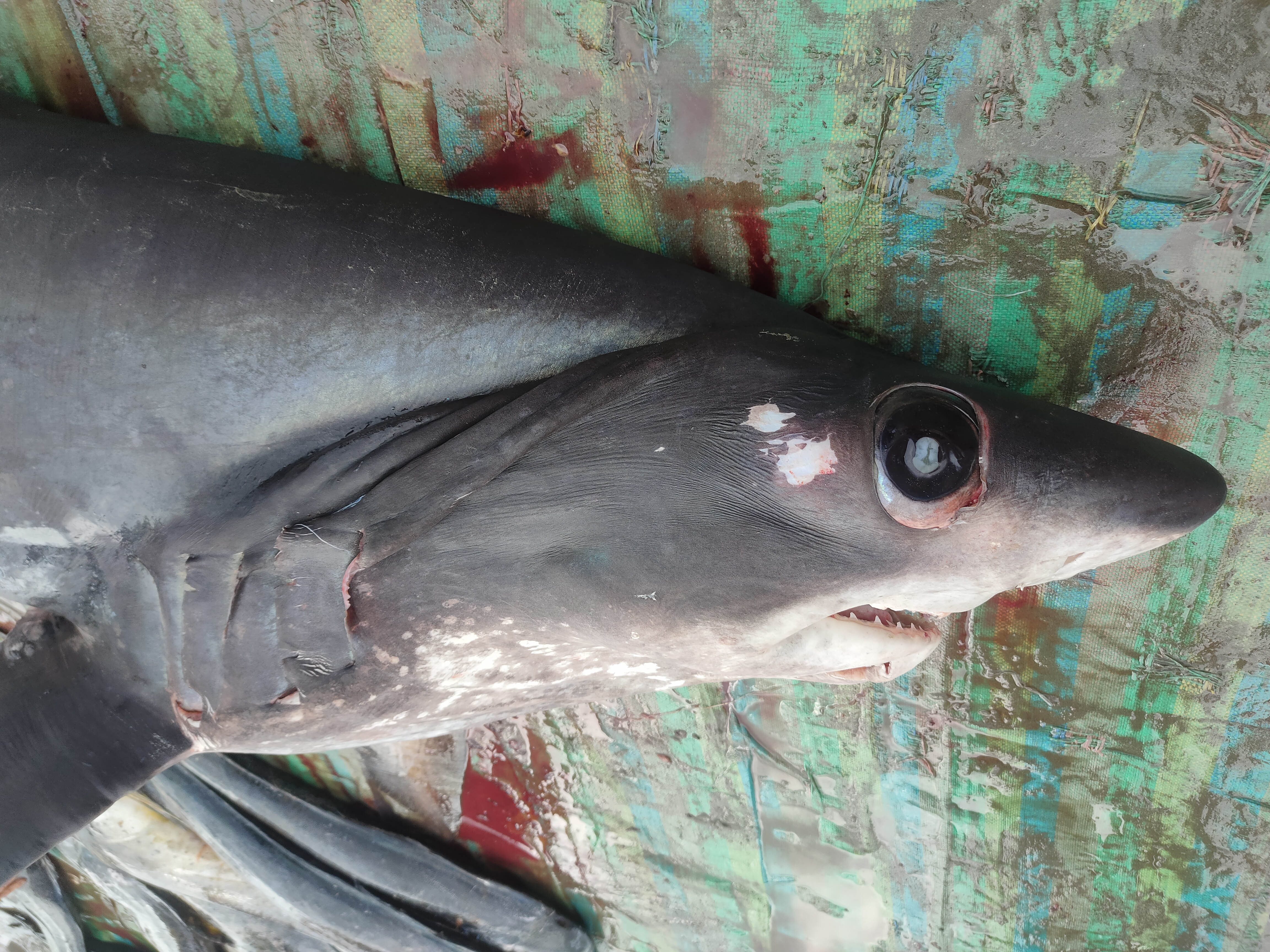
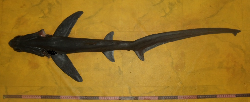
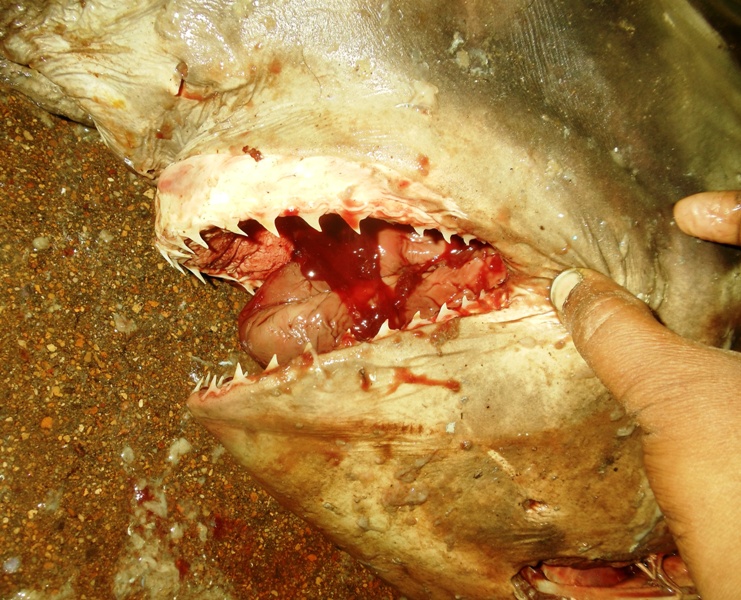
Dorsal spines (total): 0; Anal spines: 0. A large thresher with very large eyes, an indented forehead, a broad caudal tip, and curved broad-tipped pectoral fins; 1st dorsal fin further back than in other threshers (Ref. 5578). Upper lobe of caudal fin very long and strap-like almost or quite equal to length of rest of shark; lower lobe short but well developed (Ref. 13570). Purplish grey above, cream below, posterior edges of pectoral and pelvic fins and sometimes first dorsal fin dusky; light color of abdomen not expanded over pectoral-fin bases (Ref. 13570).
Common Names
Taxonomic Hierarchy
Kingdom: Animalia
Phylum: Chordata
Class: Elasmobranchii
Order: Lamniformes
Family: Alopiidae
Genus: Alopias
Species: Alopias superciliosus Lowe, 1841
Climate Zone
Location
- Circumglobal; tropical and temperate seas. Highly migratory species.
Biology
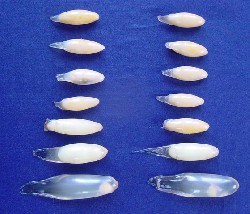
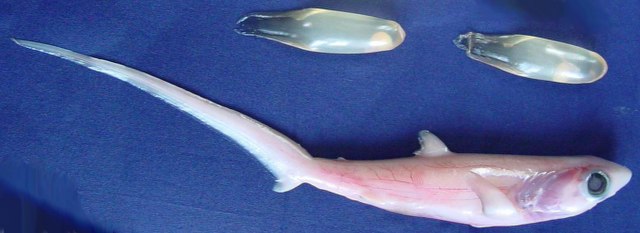
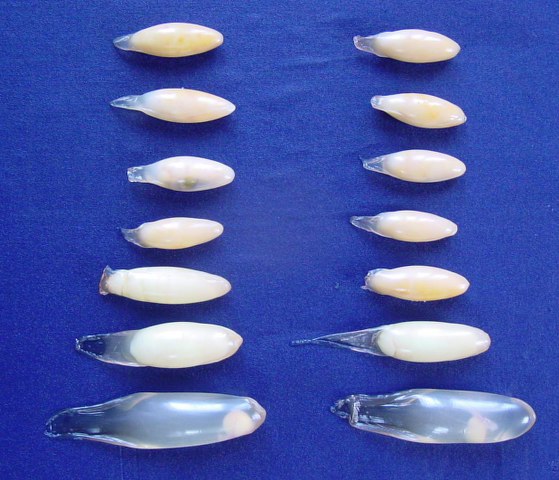
Occurs in coastal waters over continental shelves, sometimes close inshore in shallow waters, and on the high seas far from land (Ref. 247, 43278, 58302). Oceanic, pelagic and near bottom at 1->500 m (Ref. 58302). Depth range to at least 500 m (Ref. 247). Feeds on pelagic fishes (lancetfishes, herring, mackerel and small billfishes (Ref. 43278)) and bottom fishes (hake (Ref. 43278)) and squids (Ref. 247). Ovoviviparous, embryos feeding on yolk sac and other ova produced by the mother (Ref. 43278, 50449). Stuns its prey with its long caudal fin (Ref. 247). Utilized for human consumption, liver oil for vitamins, skin for leather, and fins for shark-fin soup (Ref. 247). Marketed fresh and may be broiled, baked or grilled, but unsuitable for steaming, boiling or frying; meat may be salted and dried (Ref. 9987). Also Ref. 33743.
Habitat
oceanic
Conservation Status
Vulnerable
Threat to Humans
Harmless
Alopias superciliosus Lowe, 1841