Chelon ramada (Risso, 1827)
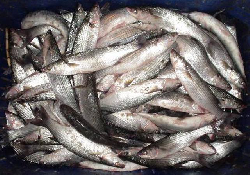
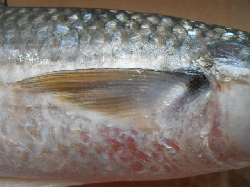
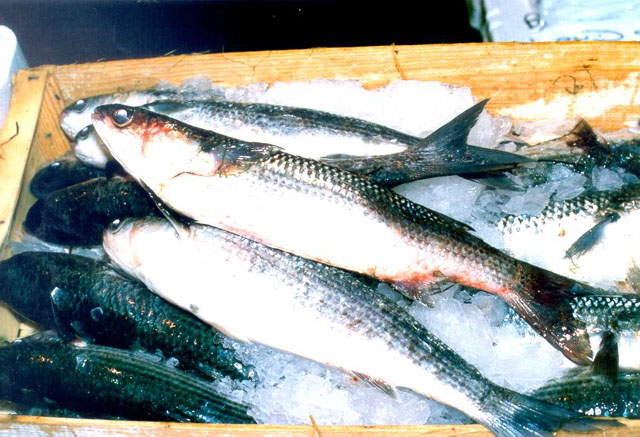
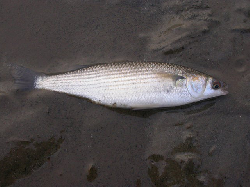
Description
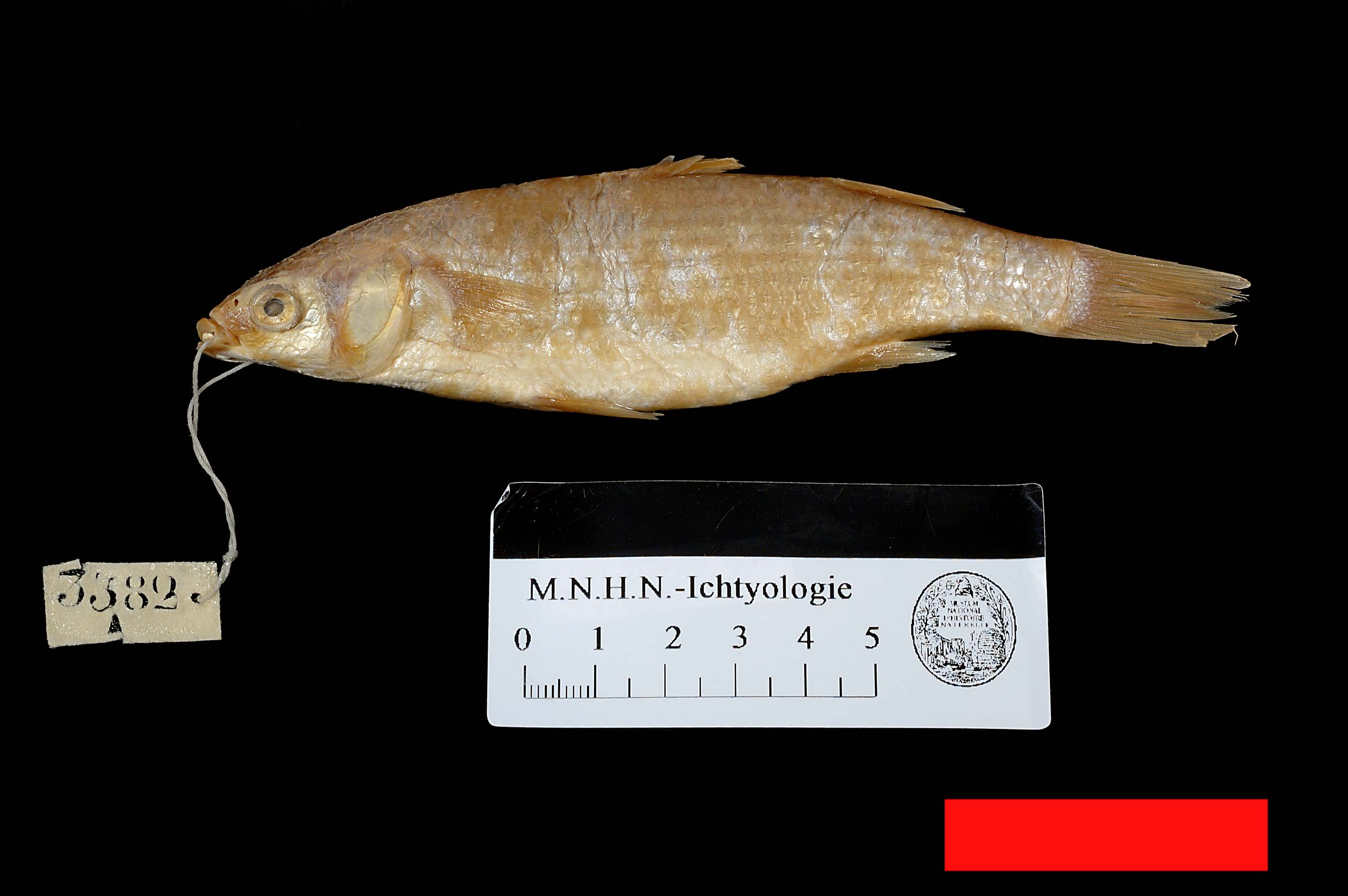
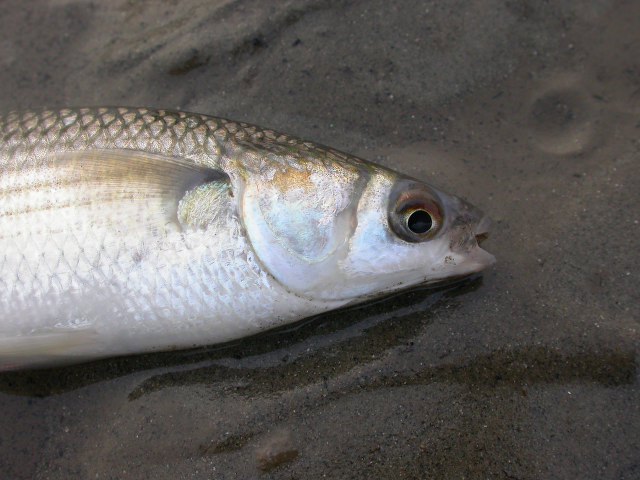
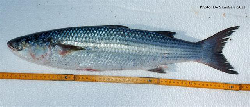
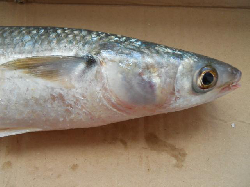
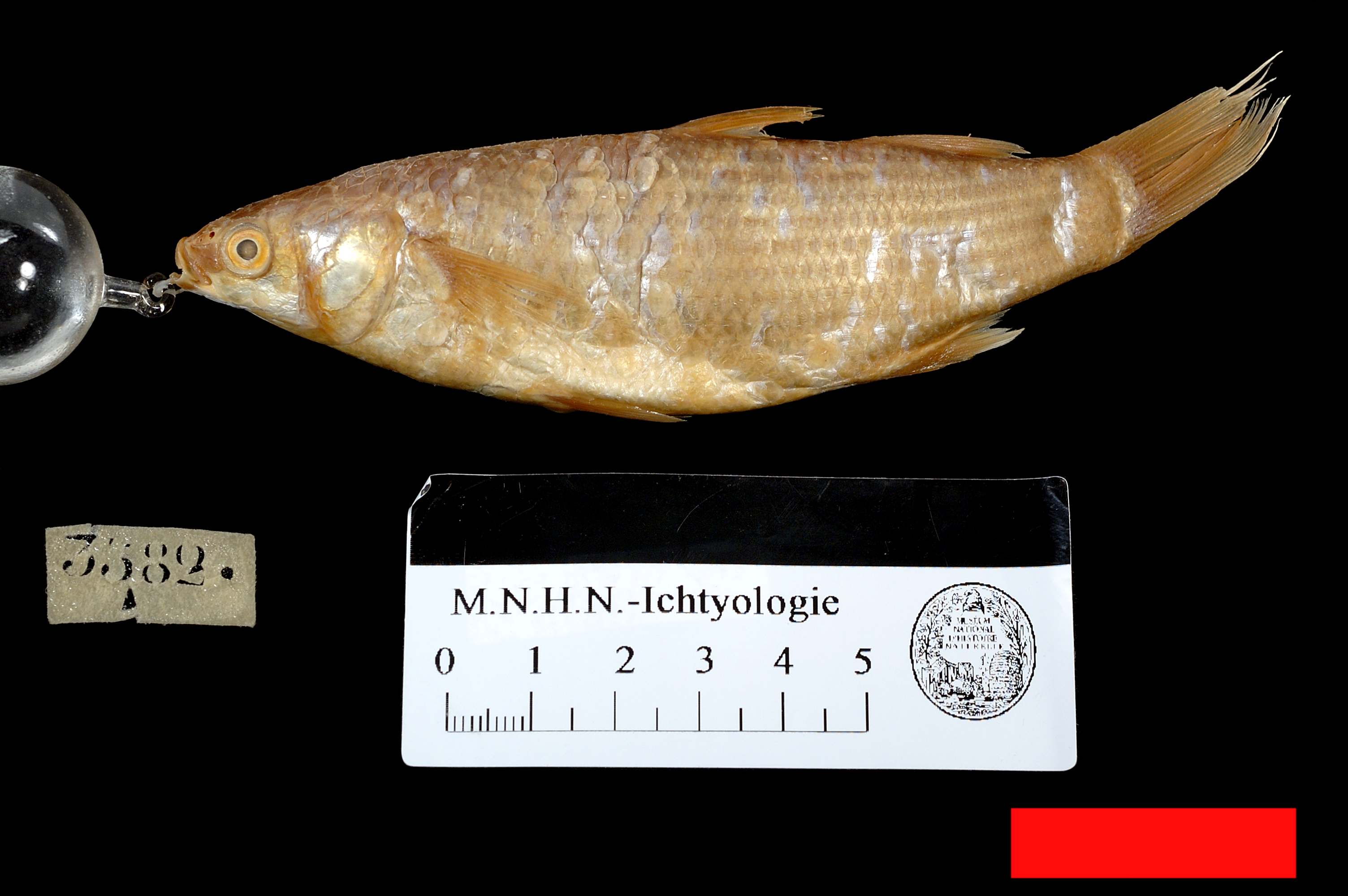
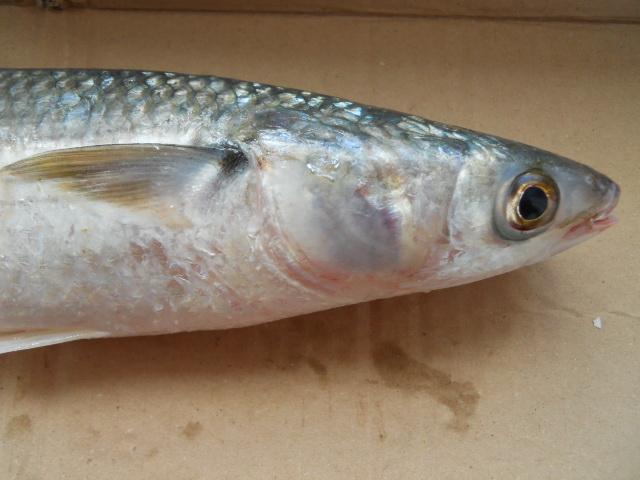
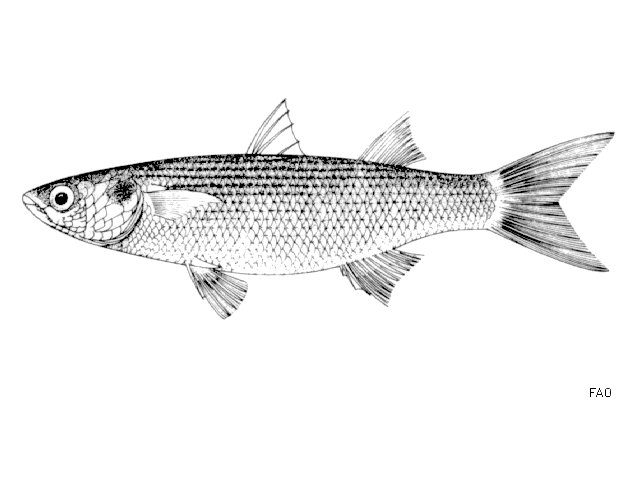
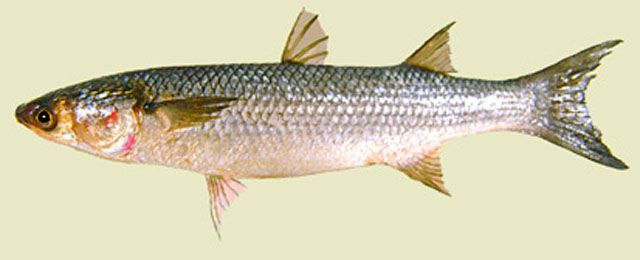
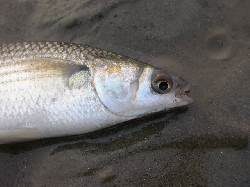
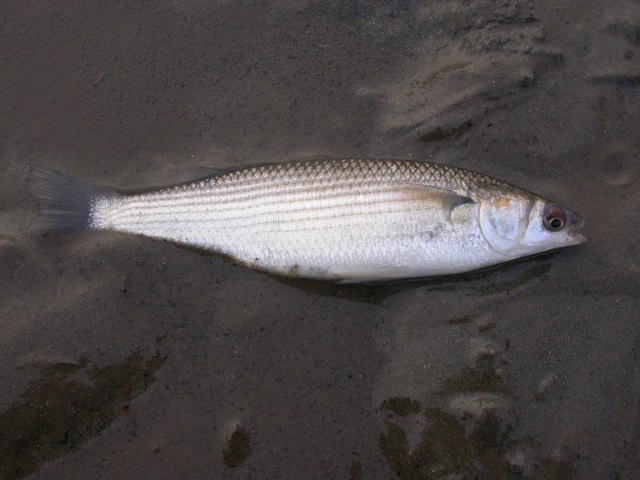
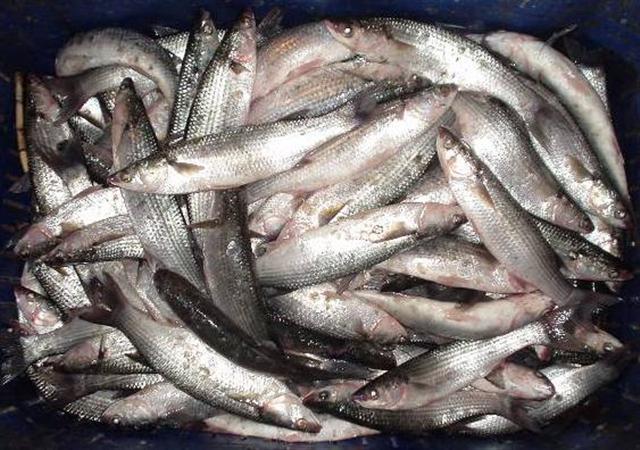
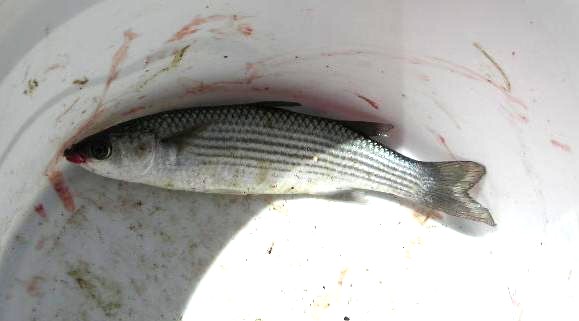
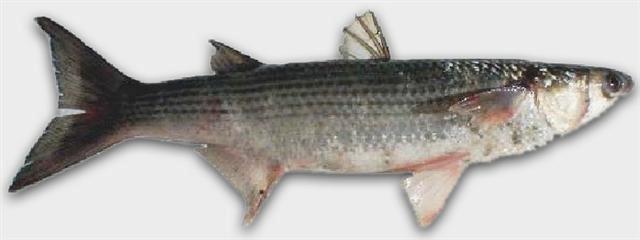
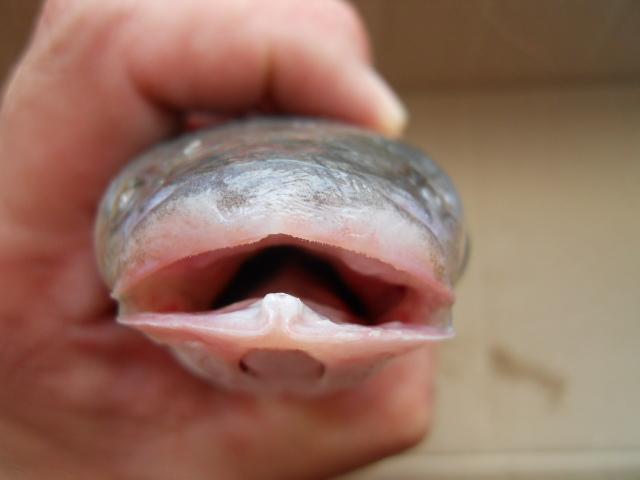
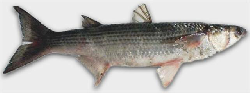
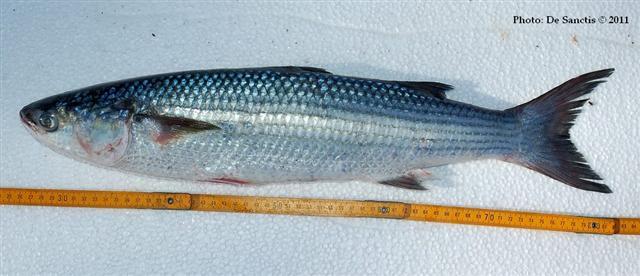
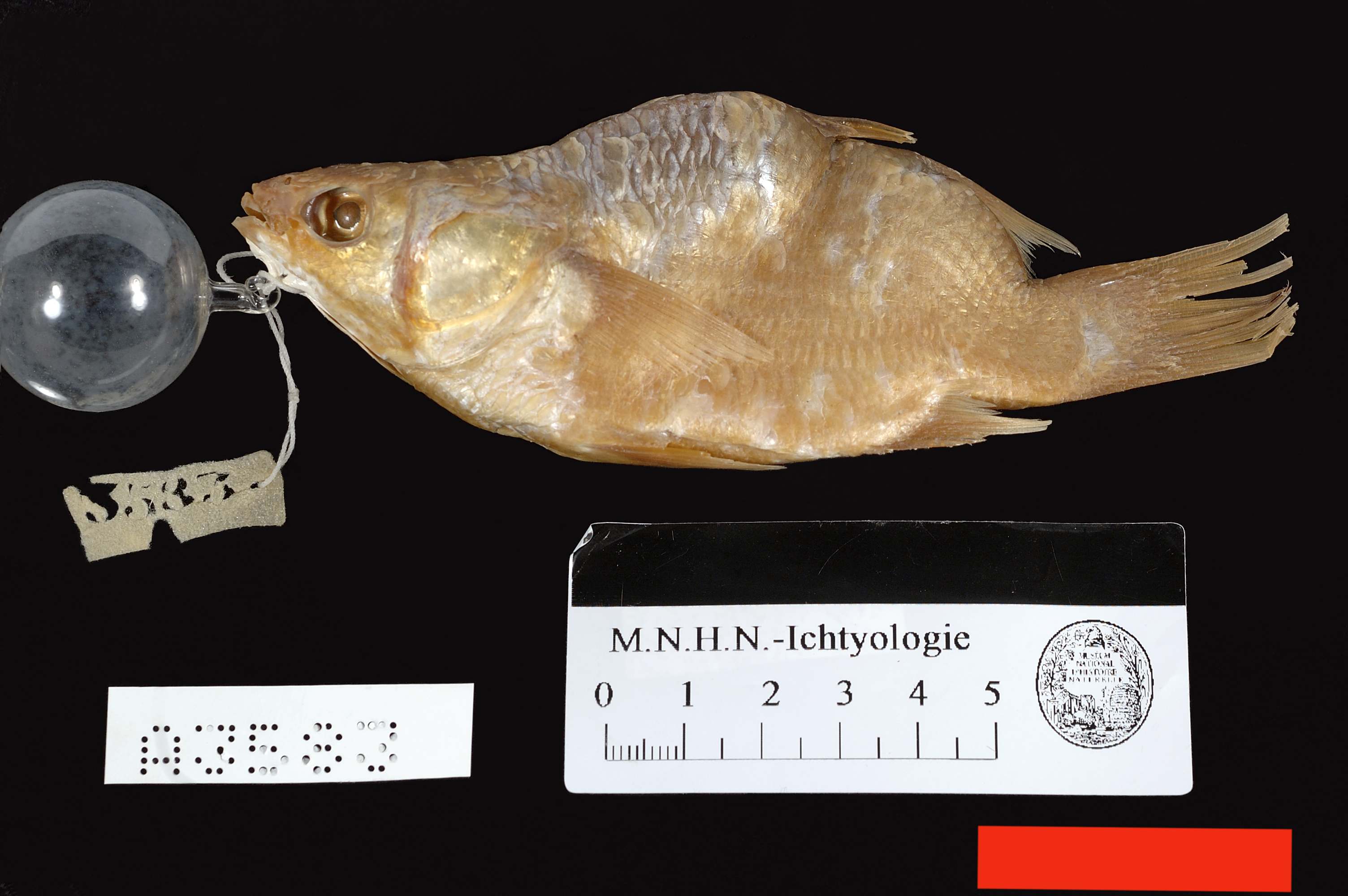
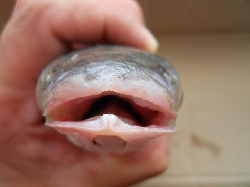
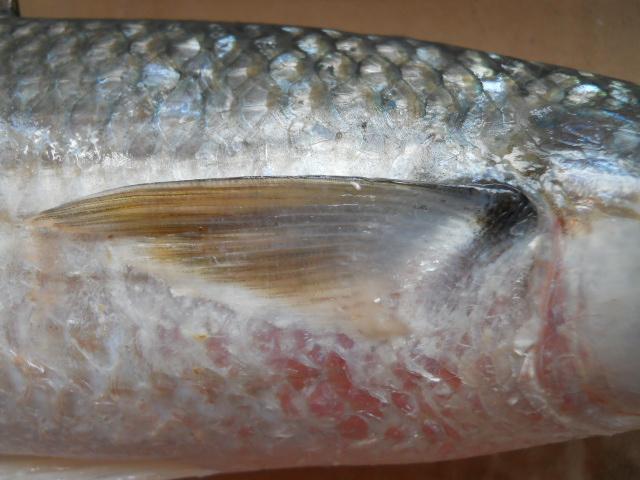
Dorsal spines (total): 4 - 5; Dorsal soft rays (total): 7 - 10; Anal spines: 3; Anal soft rays: 8 - 9. Fusiform body (Ref. 51442). Massive head, flattened above the eyes (Ref. 51442). Small mouth (Ref. 51442). Snout short and blunt (Ref. 51442). Two dorsal fins well-separated, the first with 4 to 5 spines (Ref. 40476, Ref. 51442). Pectoral fins are placed high on the flanks (Ref. 51442). Large scales (Ref. 51442). Dorsal sides and flanks gray-colored, ventral side white (Ref. 51442).
Common Names
Taxonomic Hierarchy
Kingdom: Animalia
Phylum: Chordata
Class: Teleostei
Order: Mugiliformes
Family: Mugilidae
Genus: Chelon
Species: Chelon ramada (Risso, 1827)
Climate Zone
Biology
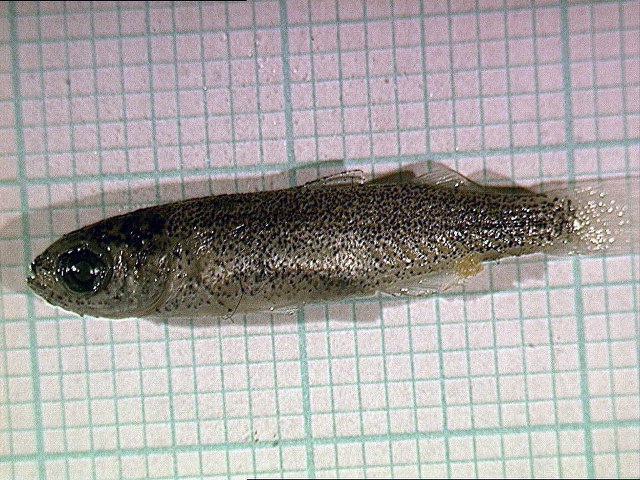
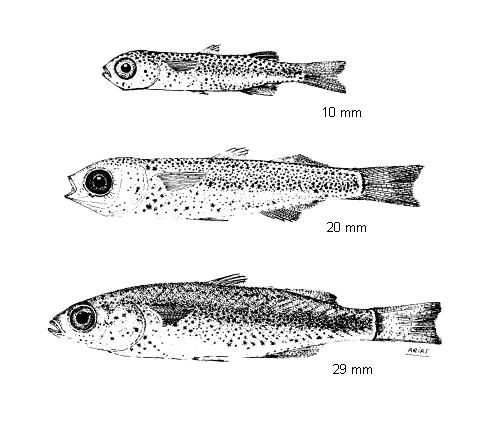
Adults are pelagic occurring near shore, entering lagoons and lower reaches of rivers in schools; often in polluted waters (Ref. 51442, 59043) between temperatures 8-24°C. Juveniles colonize the littoral zone and estuaries (Ref. 51442). Adults feed on epiphytic algae, detritus and small benthic or planktonic organisms, pelagic eggs and larvae while juveniles feed on zooplankton until about 3.0 cm SL, then on benthic animals and plants (Ref. 59043). Spawning takes place at sea near the coast between September and February (Ref. 30578, 51442). Oviparous, eggs are pelagic and non-adhesive (Ref. 205). Adults undergo migrations (Ref. 51442).
Habitat
freshwater
Conservation Status
Least Concern
Threat to Humans
Harmless
Chelon ramada (Risso, 1827)