Huso huso (Linnaeus, 1758)

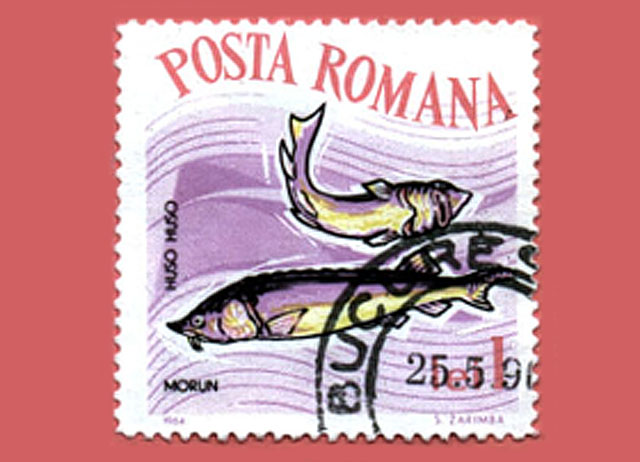
Description
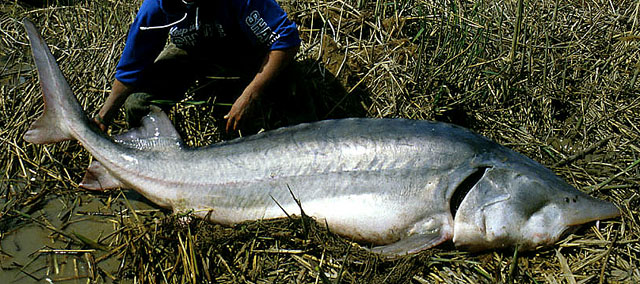
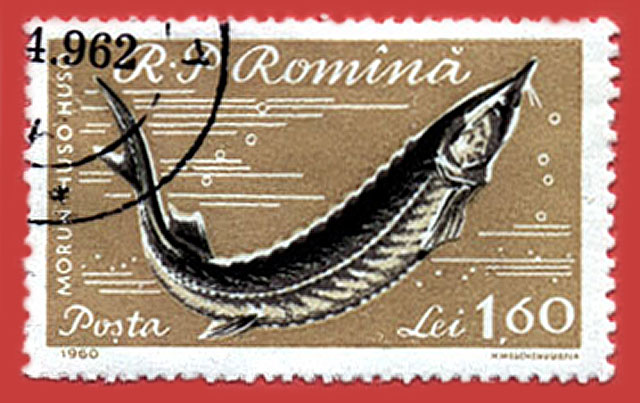
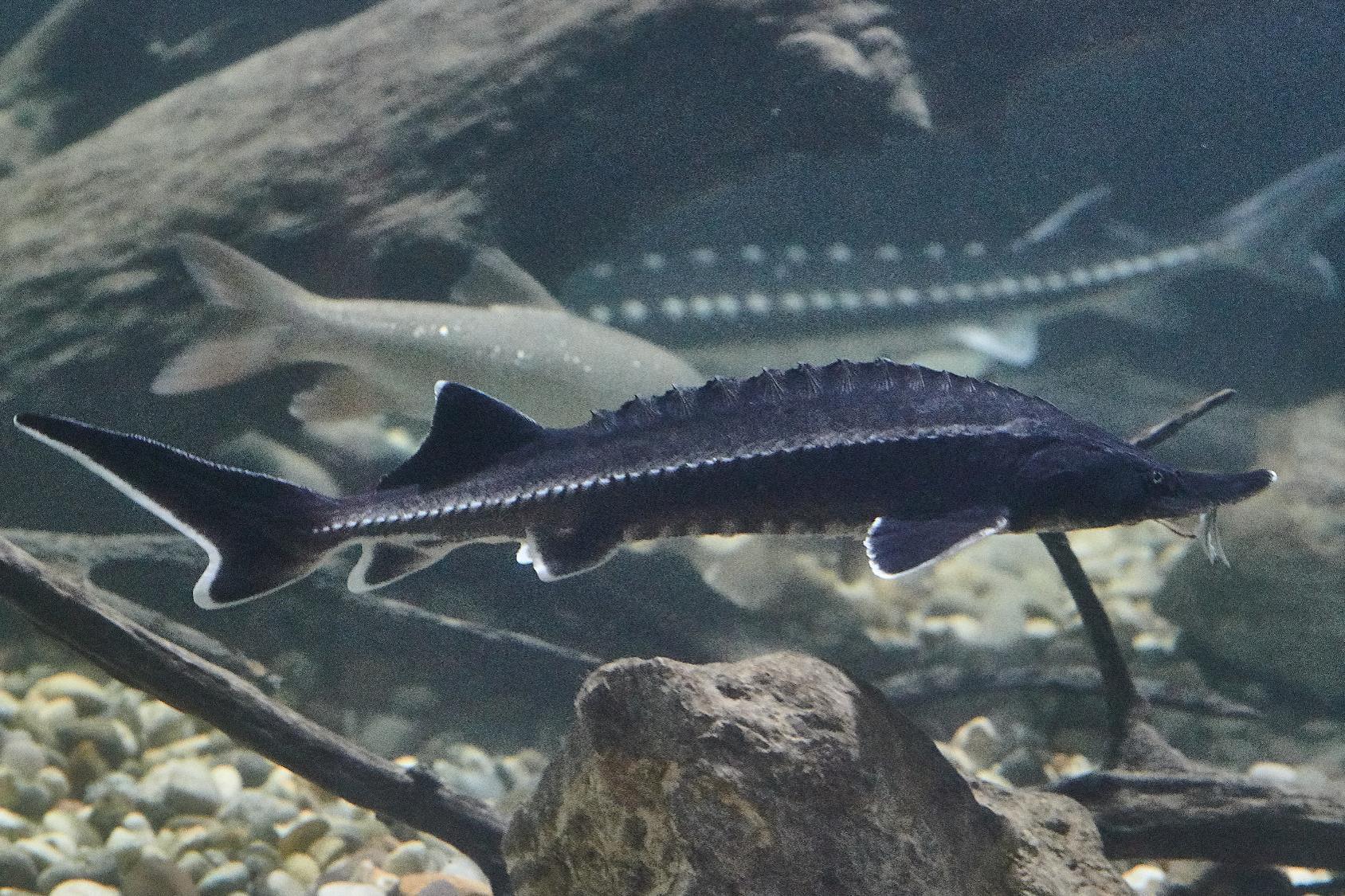
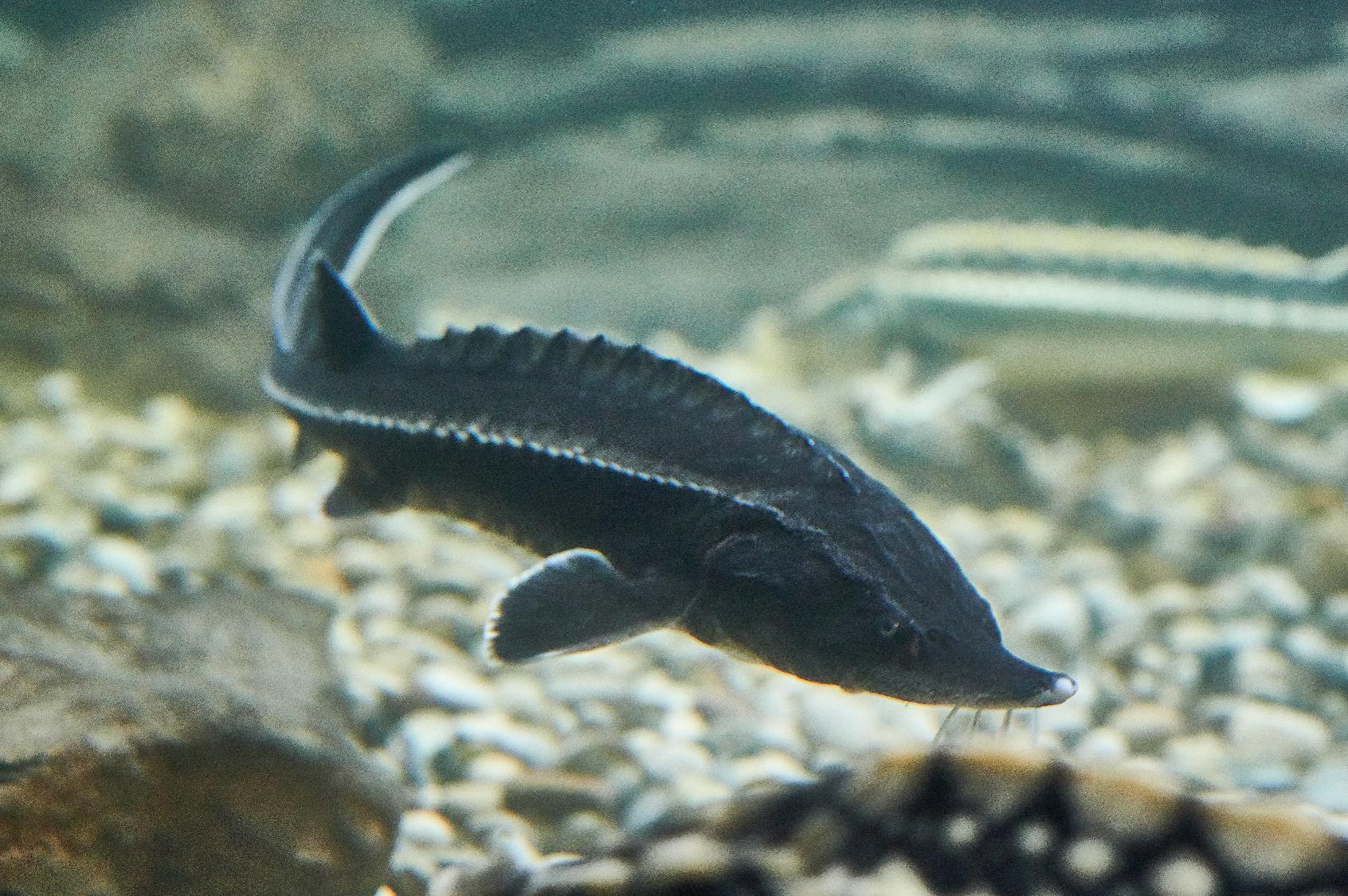
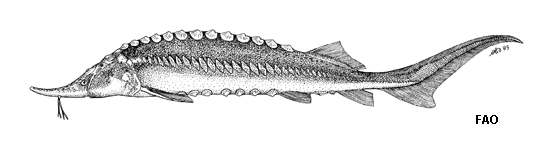
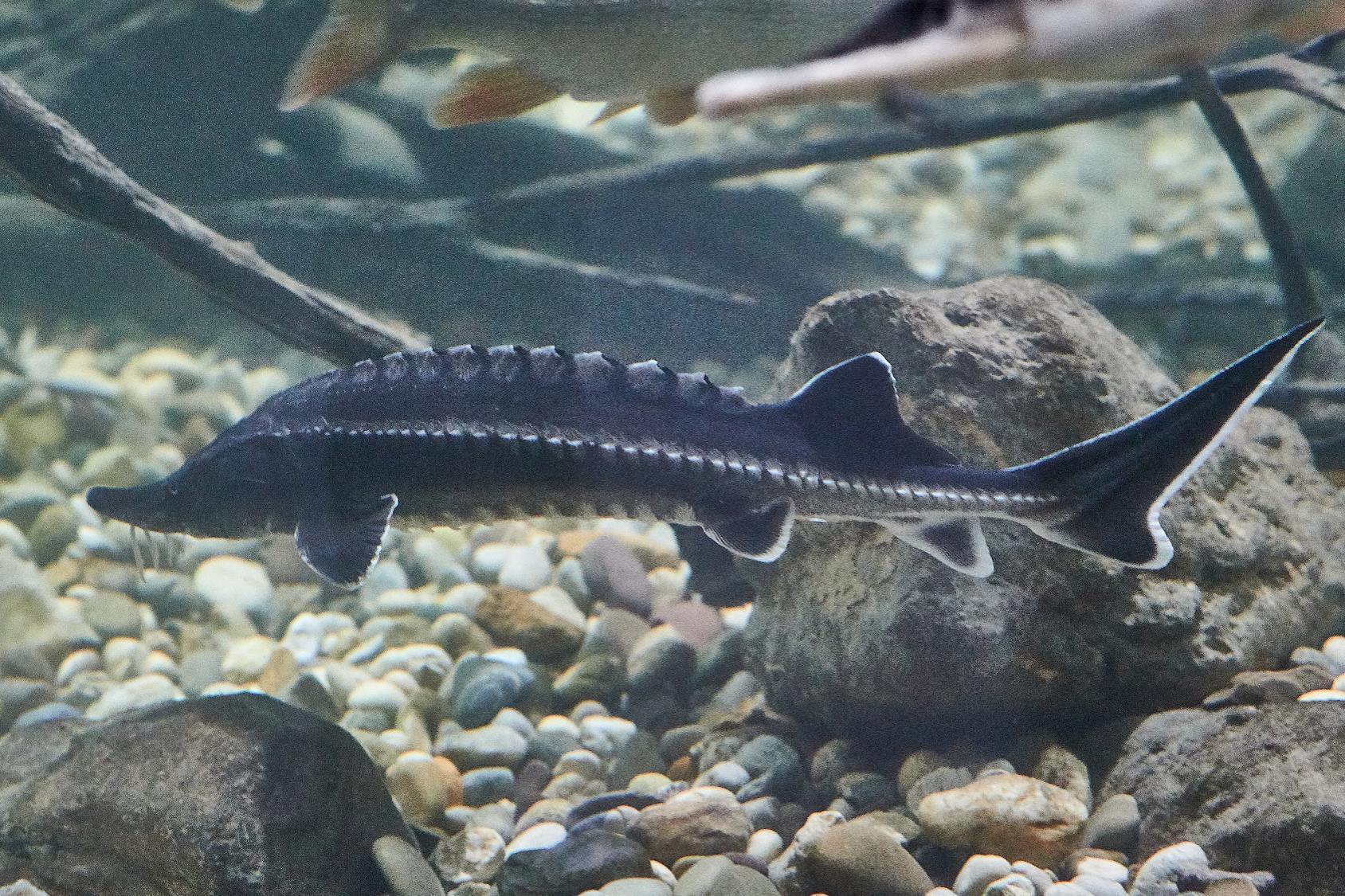
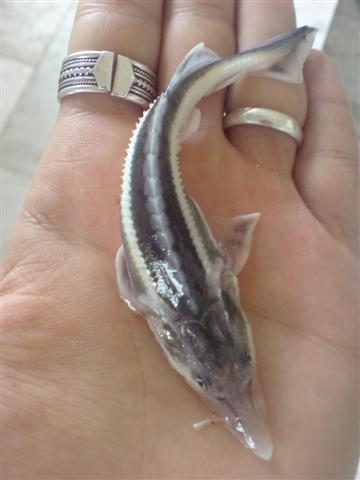
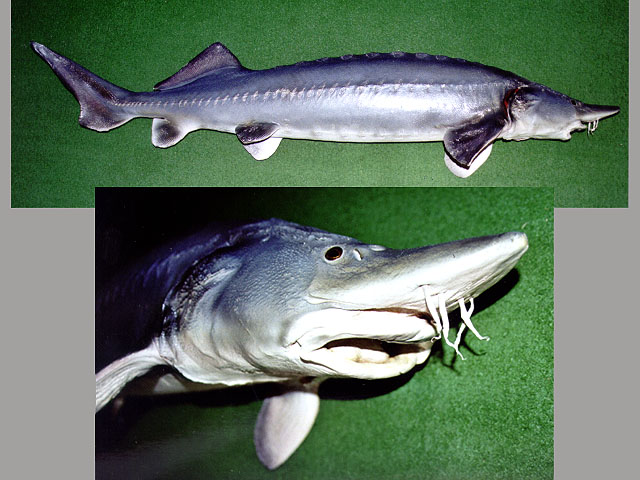
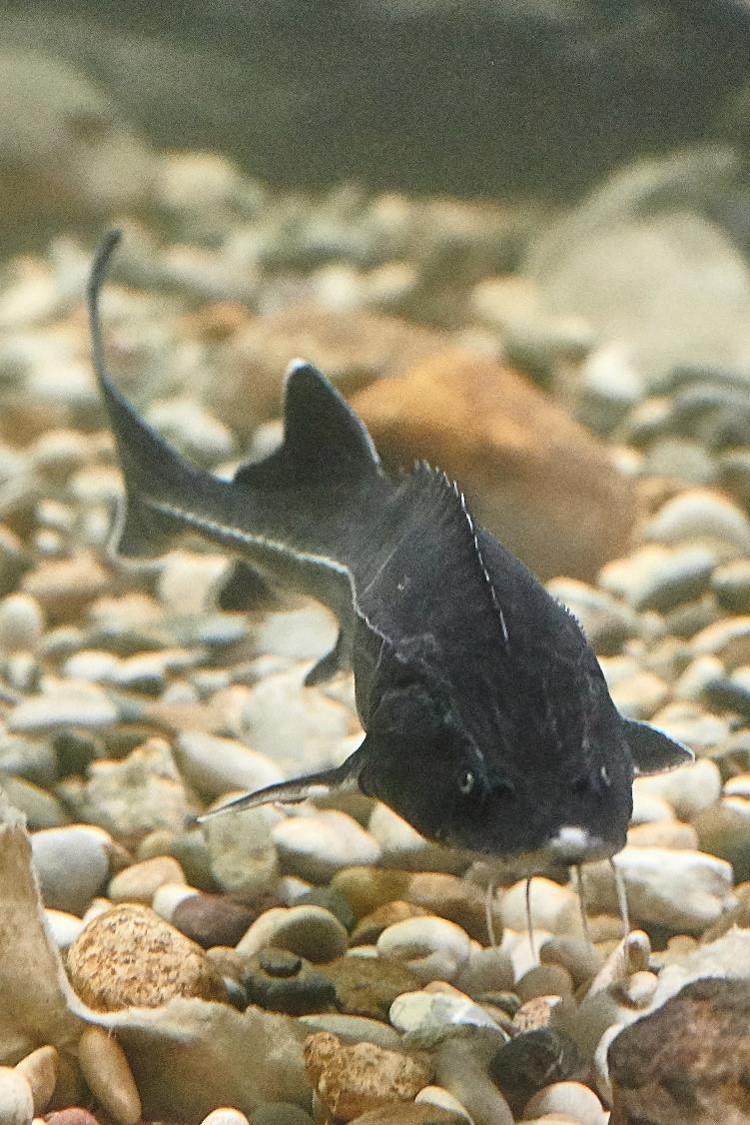
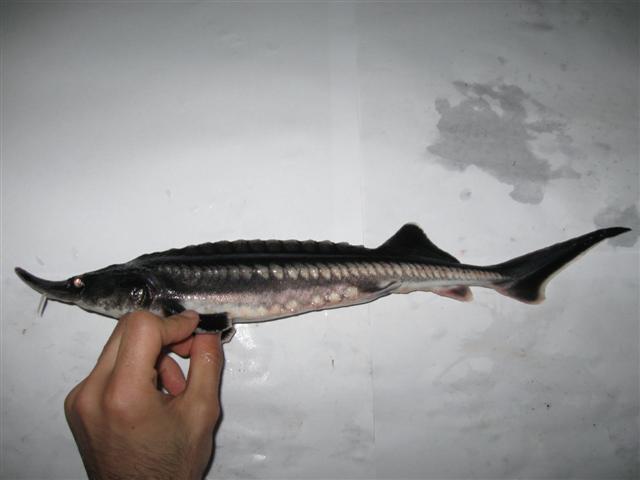
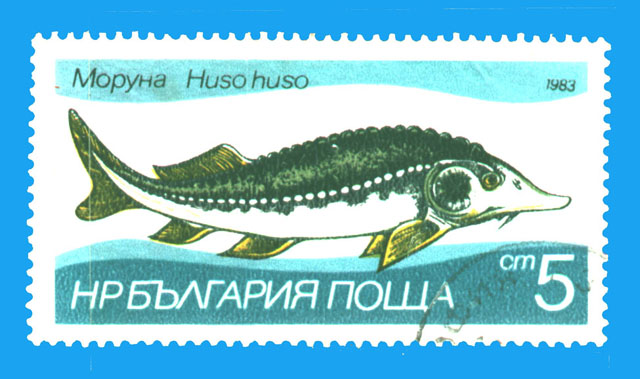
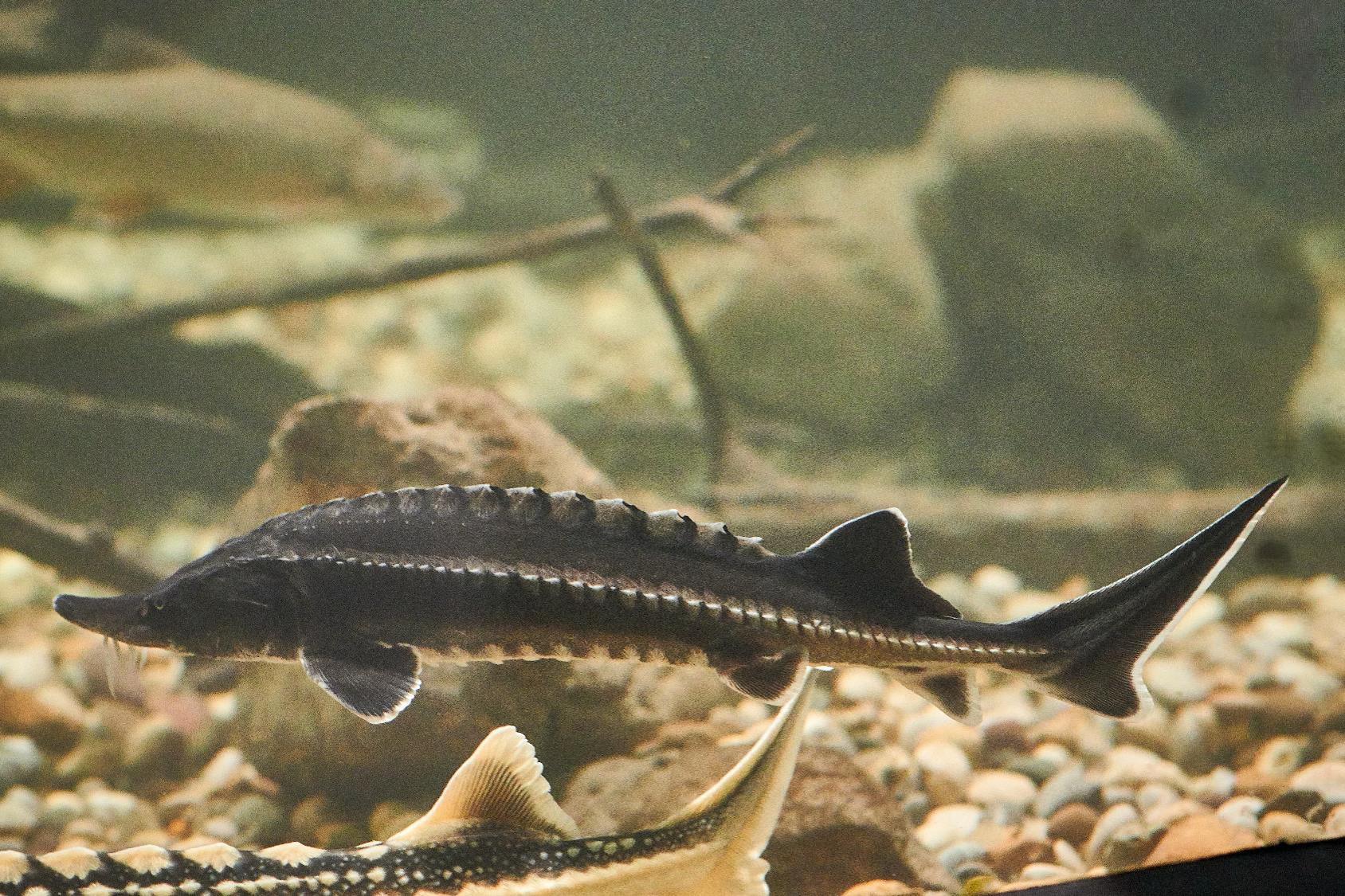
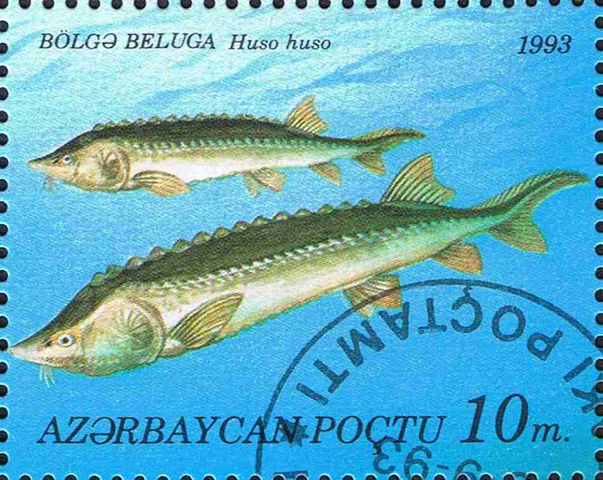
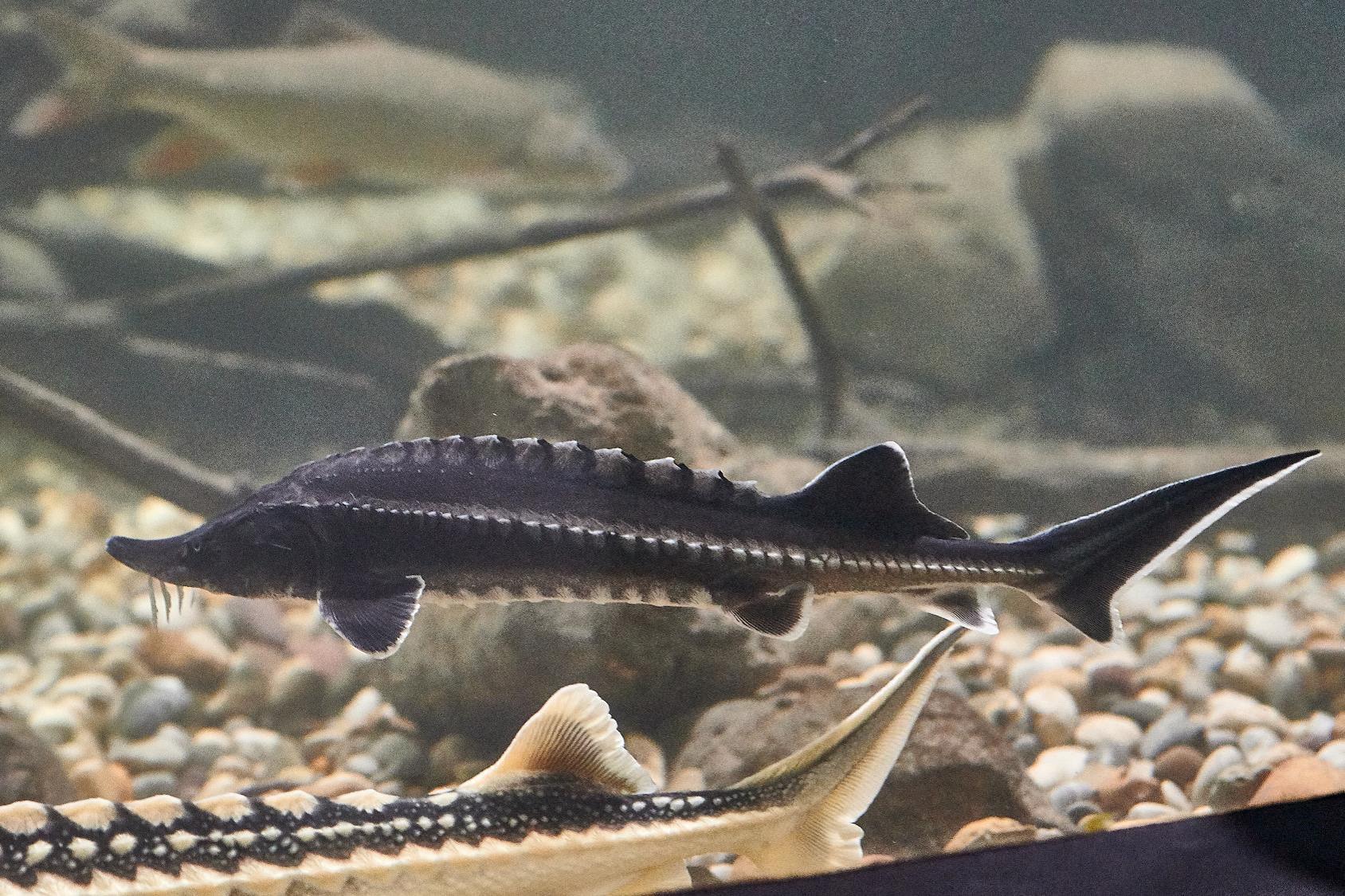
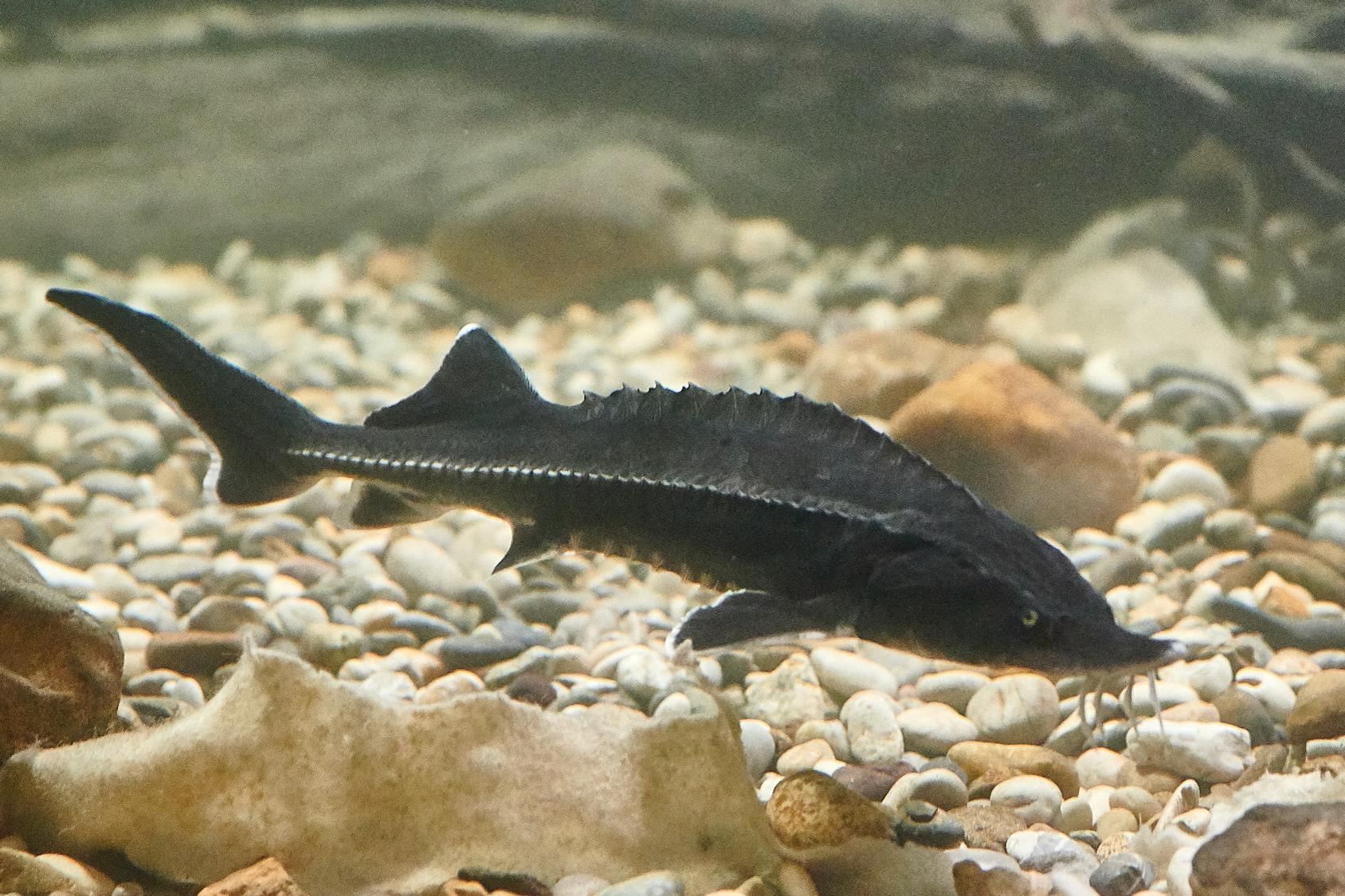
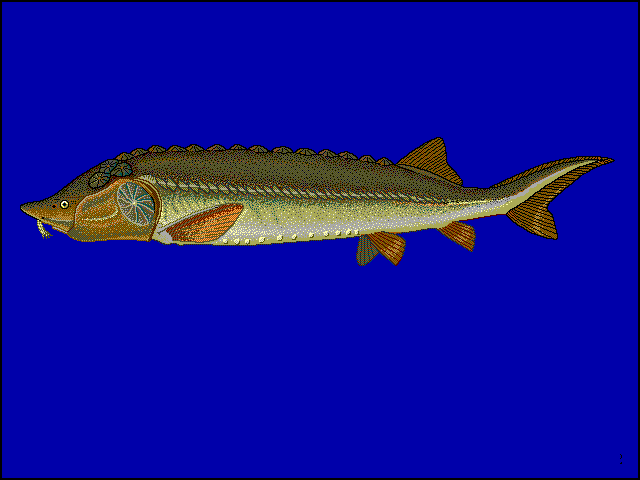
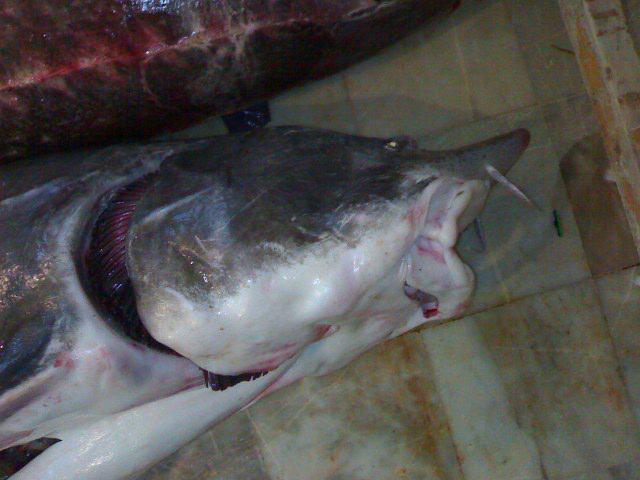
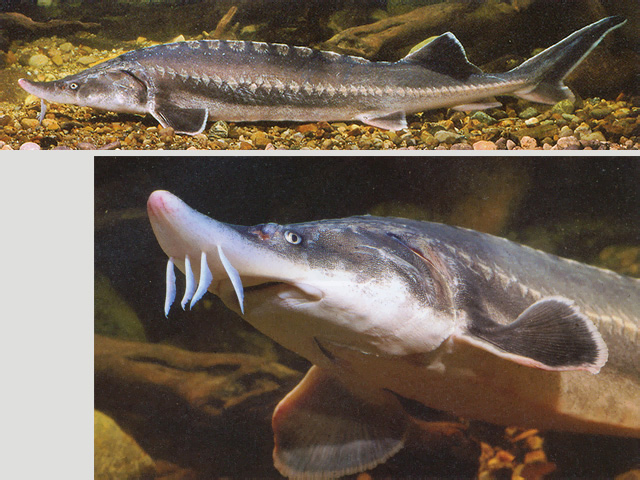
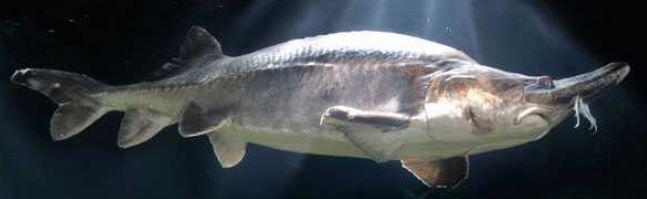
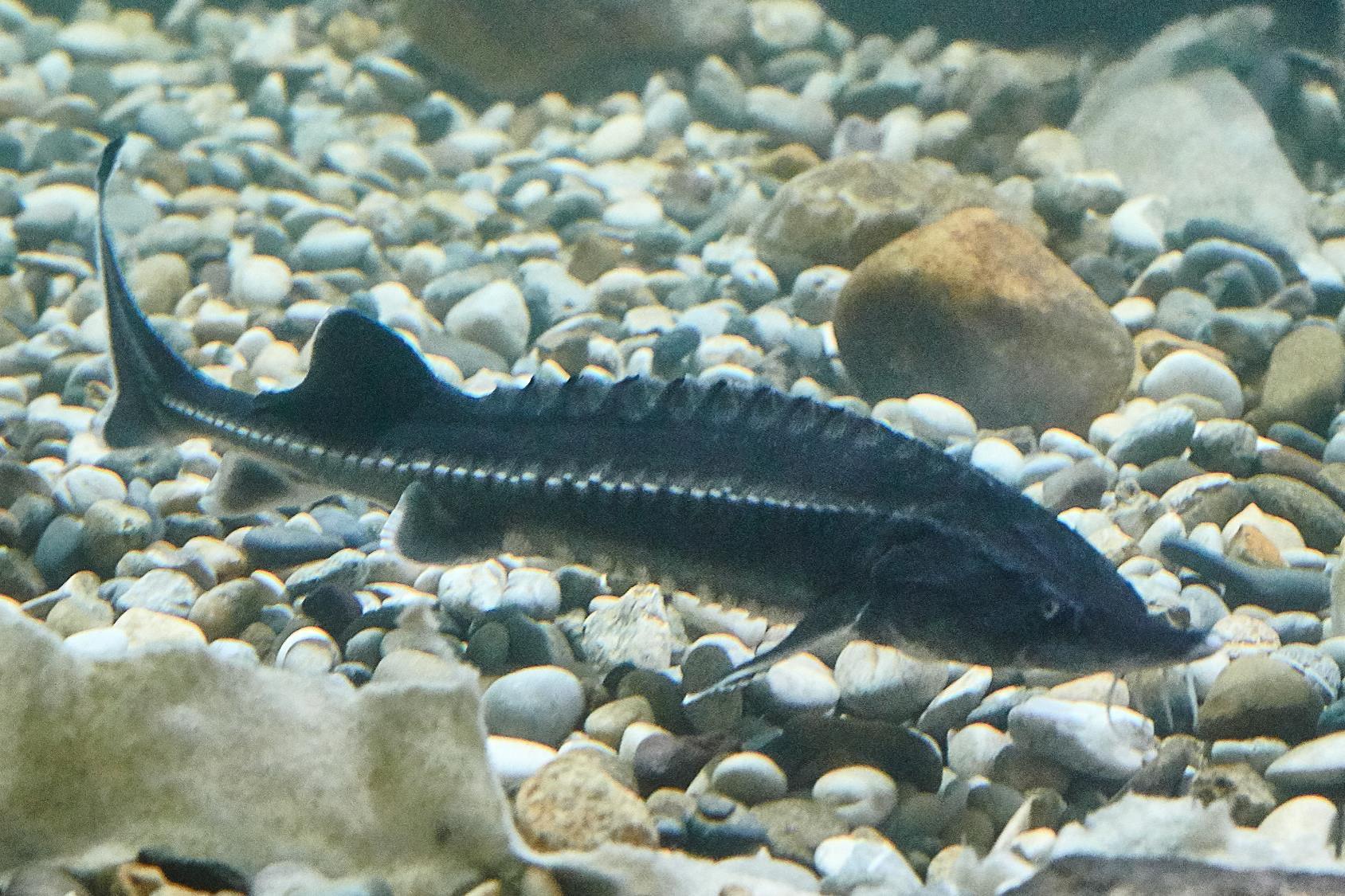
Dorsal spines (total): 0; Dorsal soft rays (total): 62 - 73; Anal spines: 0; Anal soft rays: 28 - 41. Snout moderate and pointed, turning slightly upward. Lower lip not continuous, interrupted at center. Barbels oval or flat, leaf-like posteriorly, reaching almost to mouth. Five rows of scutes, dorsal 11-14 (first one smallest), lateral 41-52 on each side, ventral 9-11 on each side. Back ash-grey or greenish, flanks lighter, belly white.
Common Names
Taxonomic Hierarchy
Kingdom: Animalia
Phylum: Chordata
Class: Chondrostei
Order: Acipenseriformes
Family: Acipenseridae
Genus: Huso
Species: Huso huso (Linnaeus, 1758)
Climate Zone
Biology
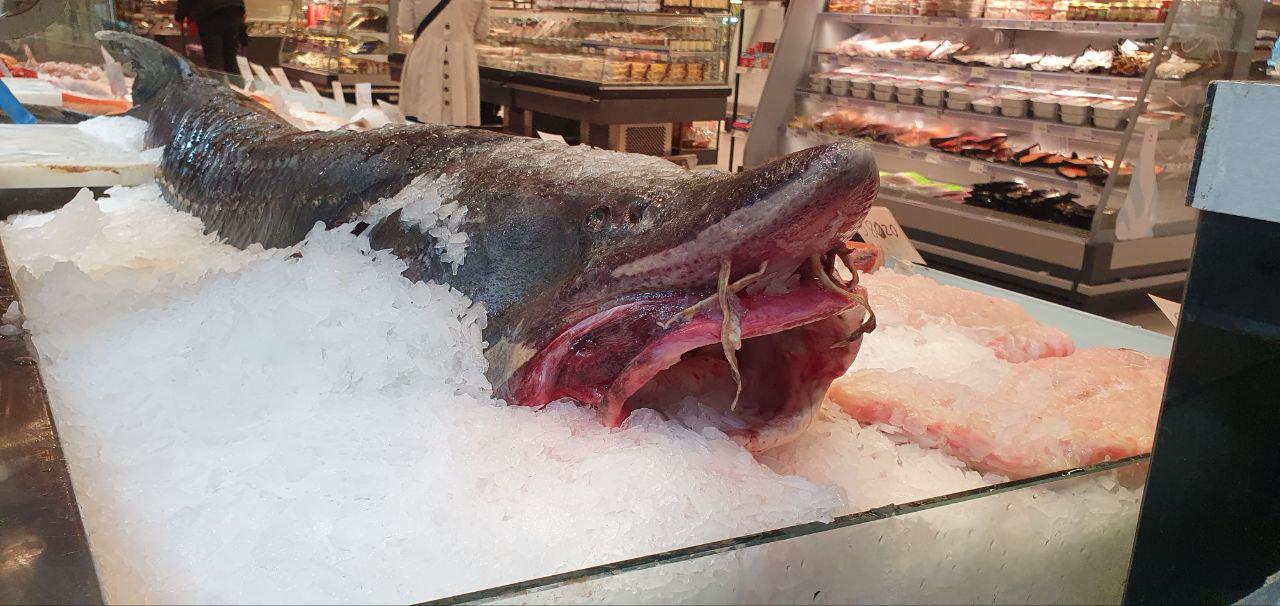
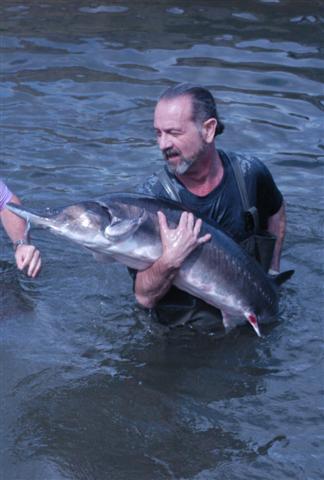
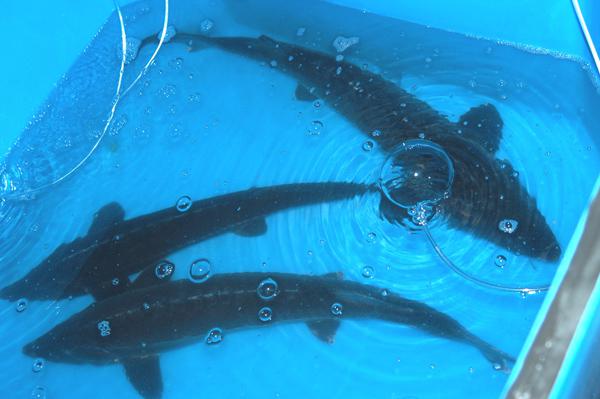
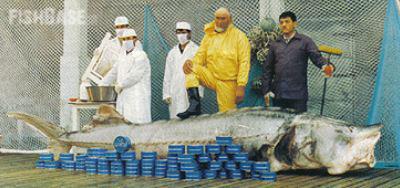
Pelagic at the sea, following its prey. Undertakes upriver migration to spawn. Juveniles occur in shallow riverine habitats during their first summer. Spawns in the main course of large and deep rivers with strong current and on stone or gravel bottom (Ref. 59043). Feeds mostly on sea fishes (Black Sea whiting, anchovies, flatfishes, gobies, fry of bottom-living fishes), also crustaceans, mollusks, mysids and amphipods. Fisheries are based almost entirely on the value of the caviar, but meat also is sold fresh, smoked and frozen; eaten broiled, boiled, fried and baked (Ref. 9988). Bester, a hybrid of female Huso huso and male sterlet Acipenser ruthenus, has been successfully cultivated for its high quality eggs (Ref. 9988). The largest sturgeon and largest European freshwater fish. In Guinness Book of Records as the most expensive fish (Ref. 6472). Threatened due to overfishing for meat at the sea and for caviar in estuaries. These threats will soon cause global extinction of the natural populations. Survival can only depend on stocking (Ref. 59043).
Habitat
freshwater
Conservation Status
Critically Endangered
Threat to Humans
Harmless
Huso huso (Linnaeus, 1758)