Acipenser transmontanus Richardson, 1836
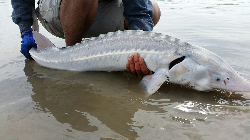
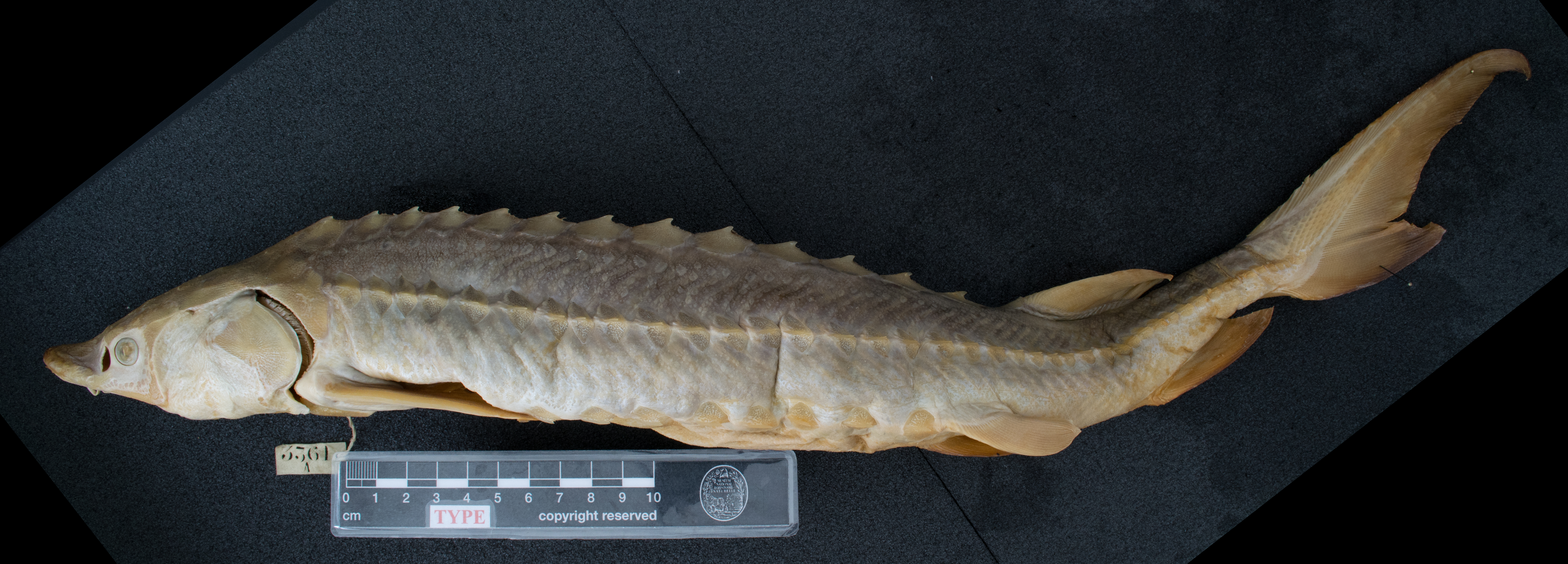
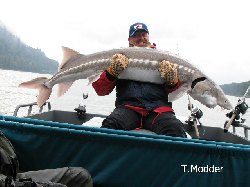
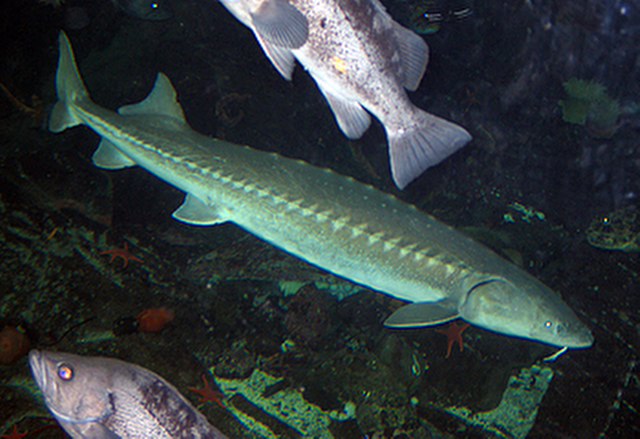
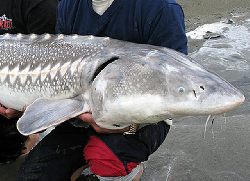
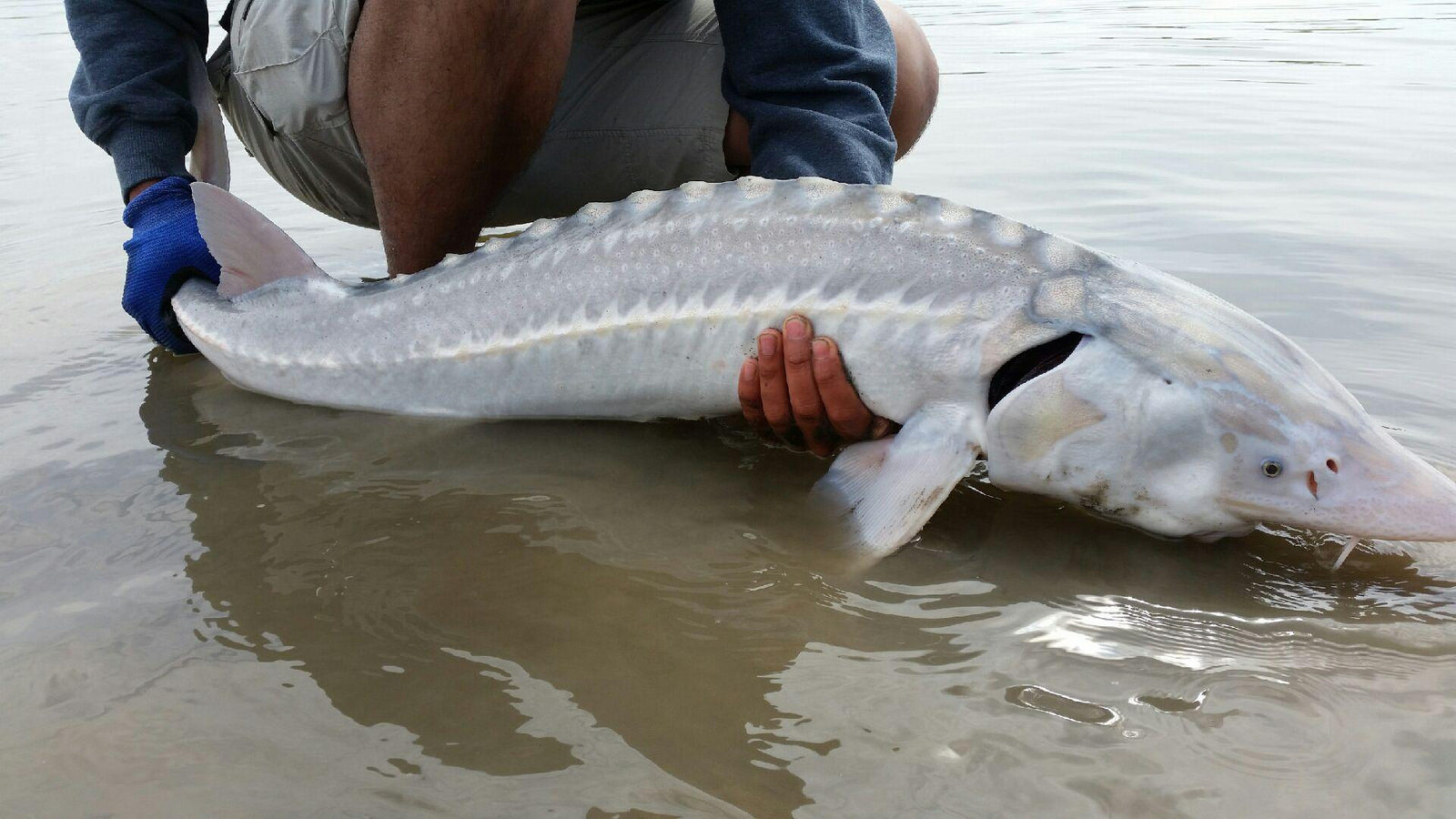
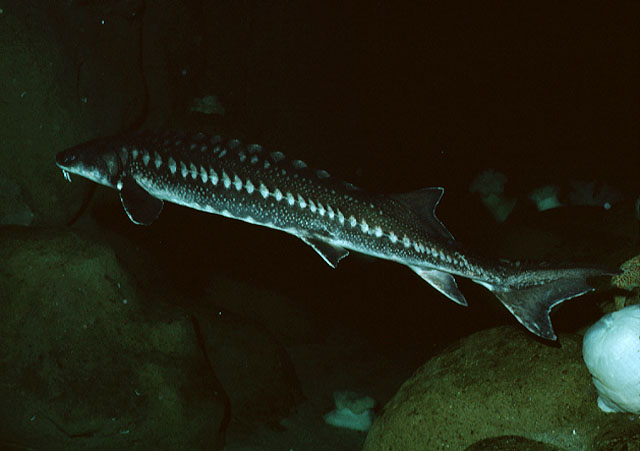
Description
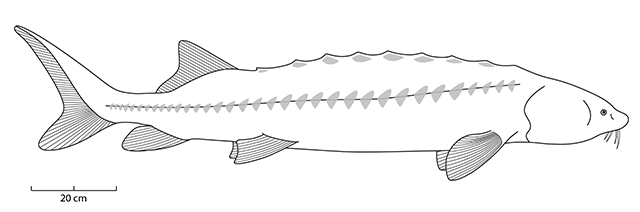
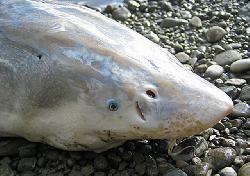
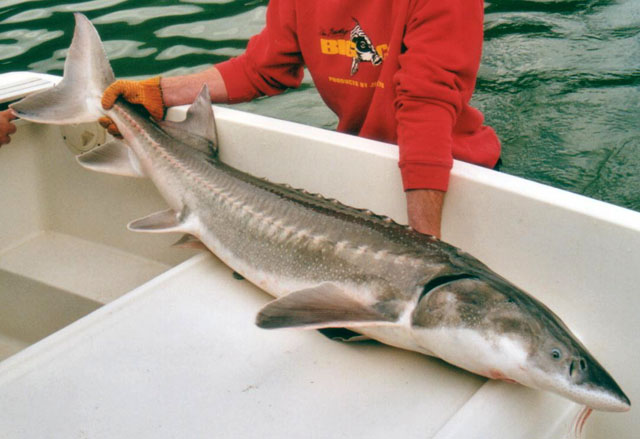
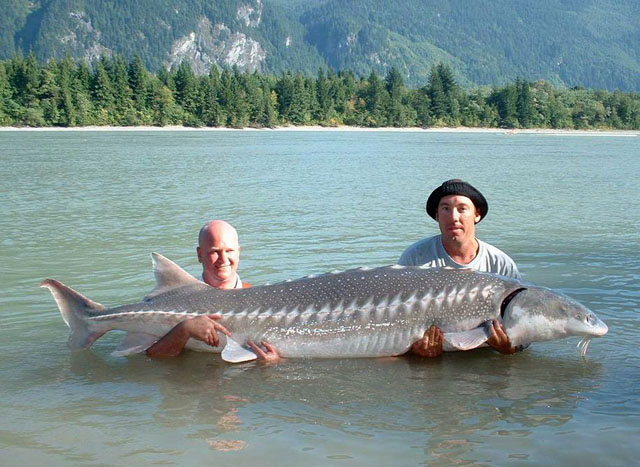
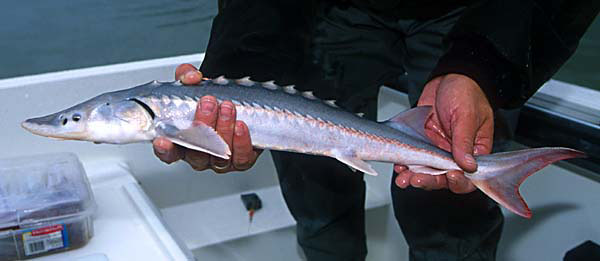
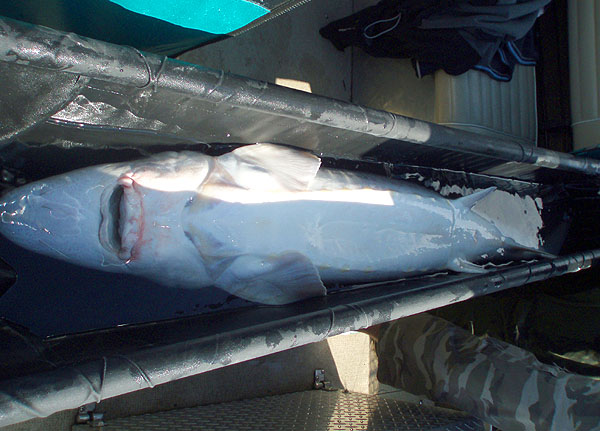
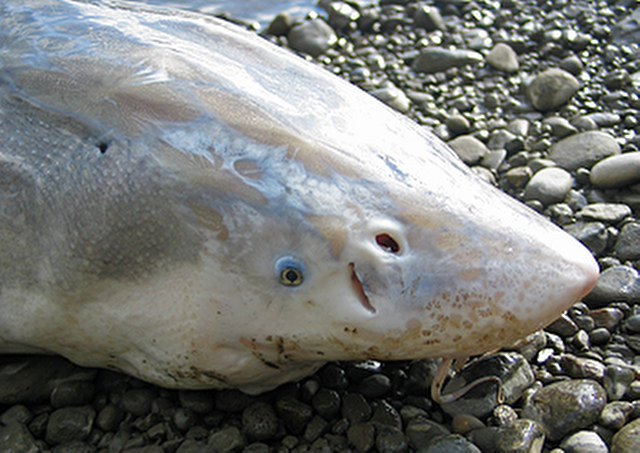
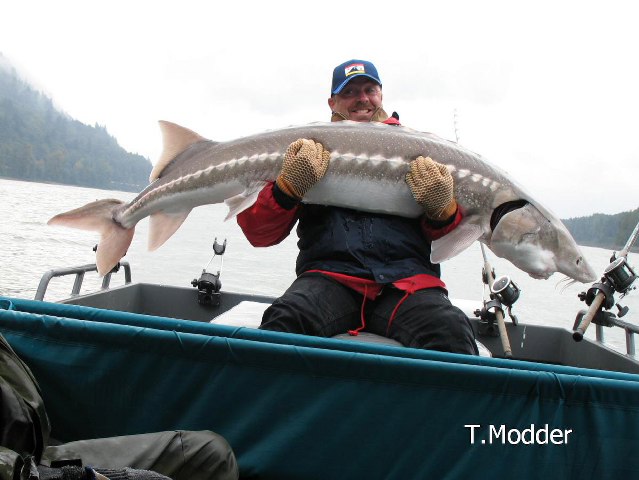
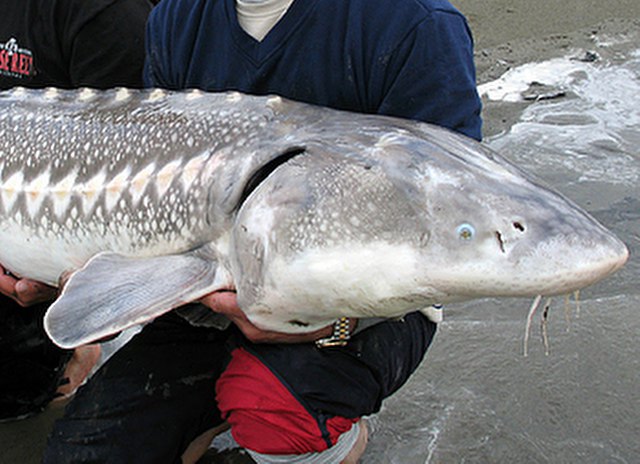
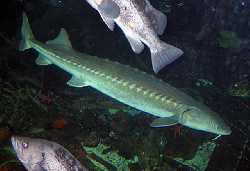
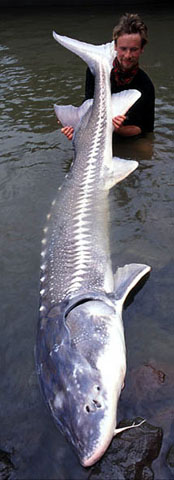
Dorsal spines (total): 0; Dorsal soft rays (total): 44 - 48; Anal soft rays: 28 - 31. Distinguished by the 2 rows of 4 to 8 bony plates on a midventral line between the anus and anal fin, and about 45 rays in the dorsal fin (Ref. 27547). Gray or brownish above, paler below; fins gray (Ref. 27547). Barbels situated closer to snout tip than to mouth; no obvious scutes behind dorsal and anal fins (Ref. 86798).
Common Names
Taxonomic Hierarchy
Kingdom: Animalia
Phylum: Chordata
Class: Chondrostei
Order: Acipenseriformes
Family: Acipenseridae
Genus: Acipenser
Species: Acipenser transmontanus Richardson, 1836
Climate Zone
Location
- Eastern Pacific: Alaska Bay to Monterey, California, USA. Landlocked in Columbia River drainage, Montana, and perhaps Lake Shasta in California, USA. Translocated to lower Colorado River, Arizona in USA. Reported from northern Baja California, Mexico (Ref. 2850, 27436).
Biology
Spends most of its time in the sea, usually close to shore (Ref. 27547). Enters estuaries of large rivers and moves far inland to spawn (Ref. 5723). Individuals larger than 48.3 cm feed mainly on fishes; smaller ones feed mainly on chironomids, but also takes small crustaceans, other insects and mollusks (Ref. 1998). Feeding ceases just before spawning (Ref. 1998). Excellent food fish that is sold fresh, smoked or frozen (Ref. 9988). Eggs marketed as caviar (Ref. 1998). In the past, the airbladder was made into isinglass (Ref. 27547).
Habitat
freshwater
Conservation Status
Vulnerable
Threat to Humans
Harmless
Acipenser transmontanus Richardson, 1836