Acipenser sturio Linnaeus, 1758

Description
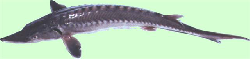
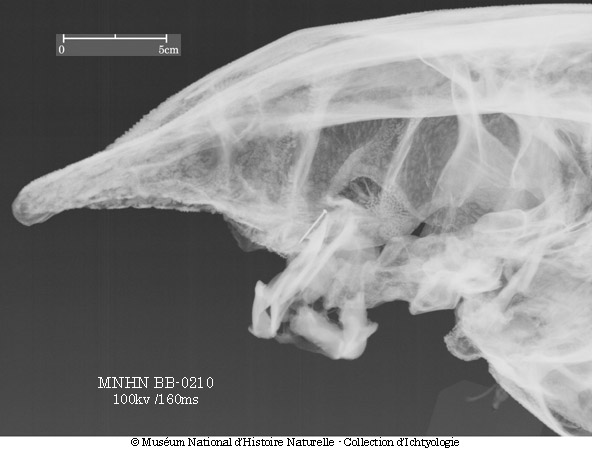
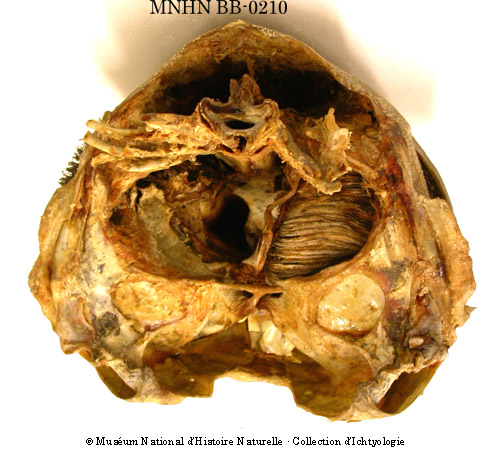
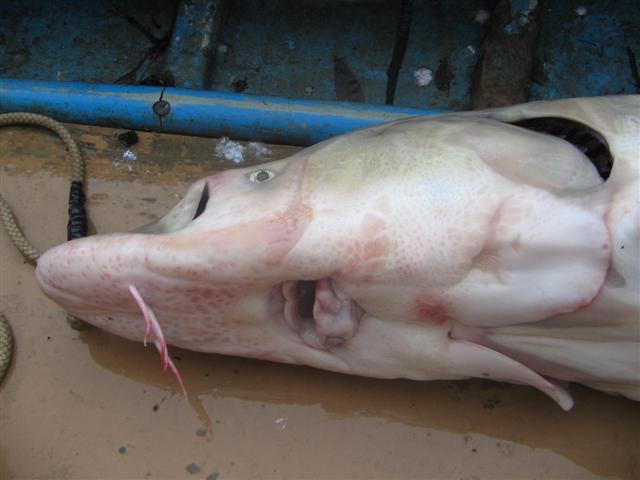
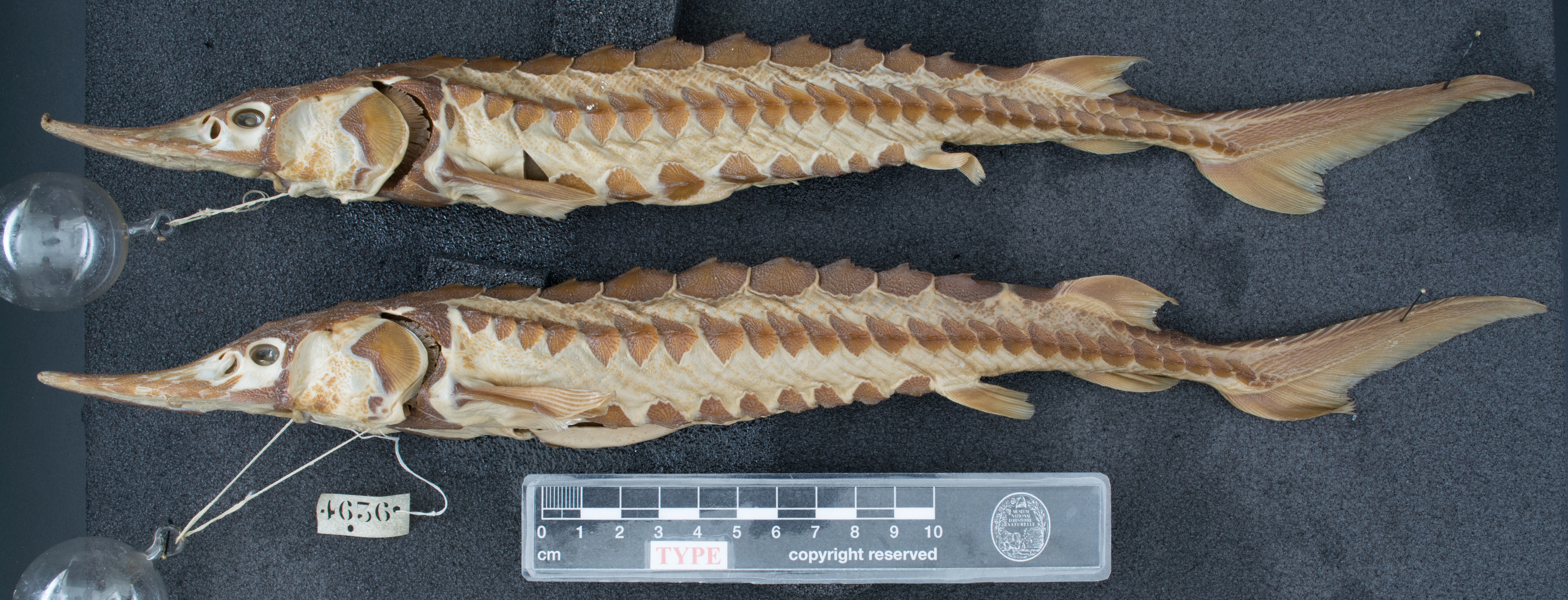
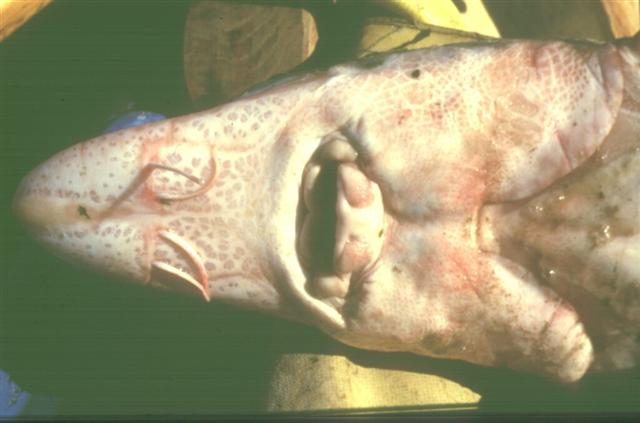
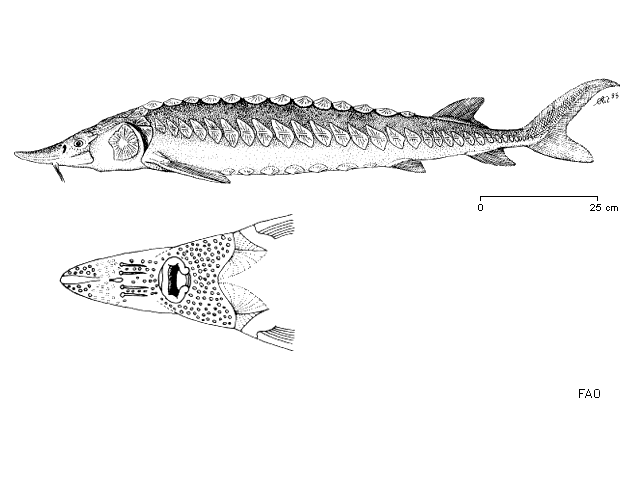
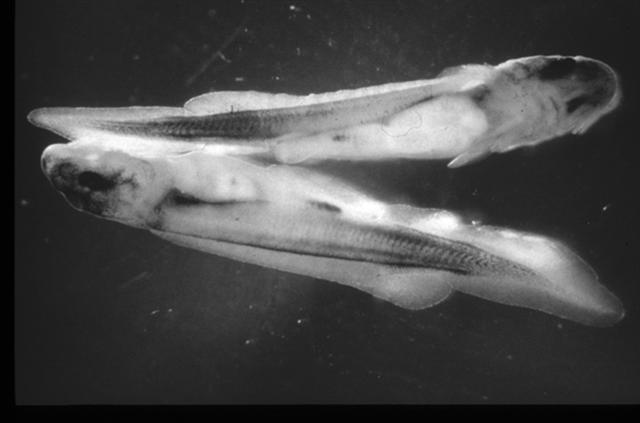
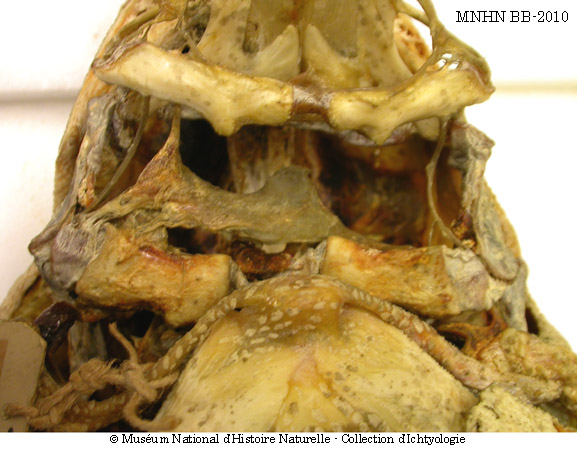
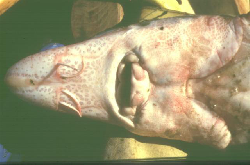
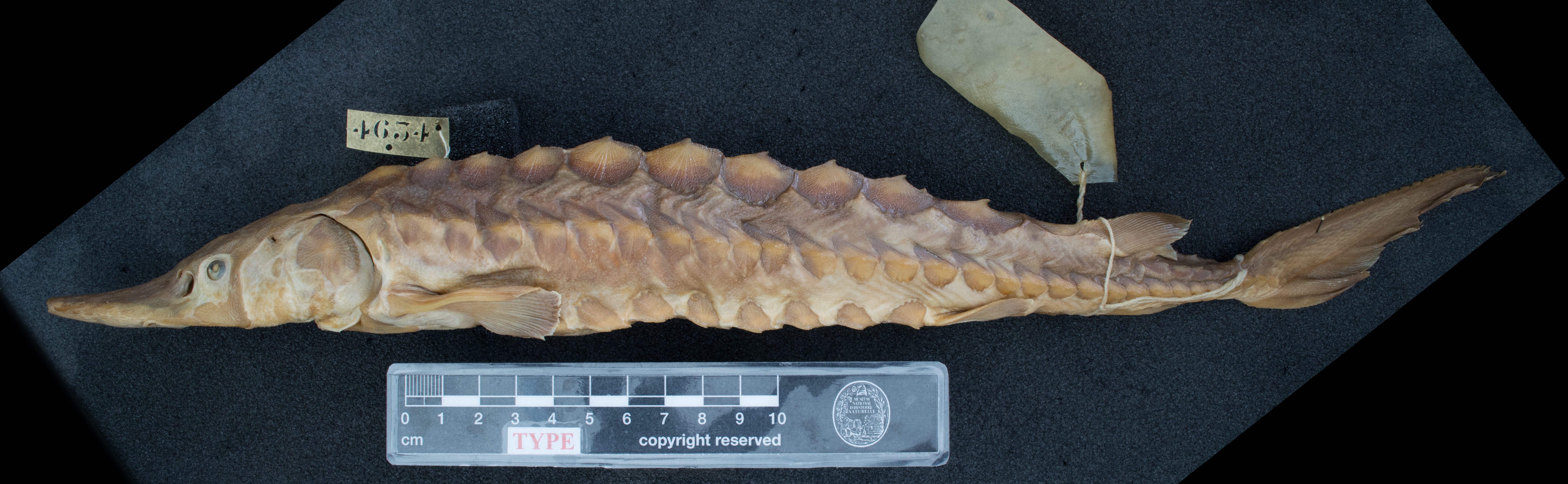
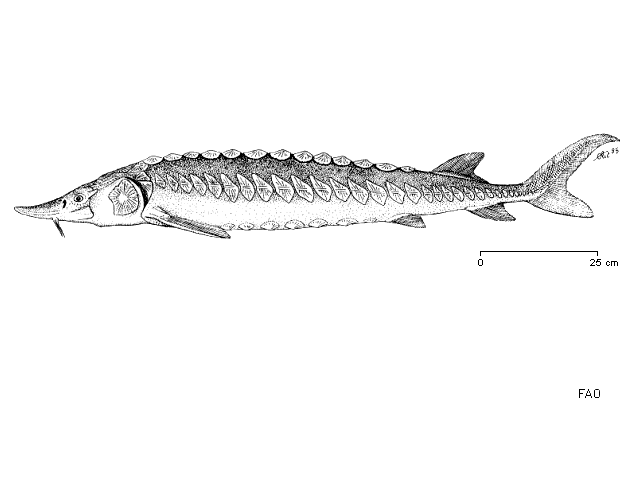
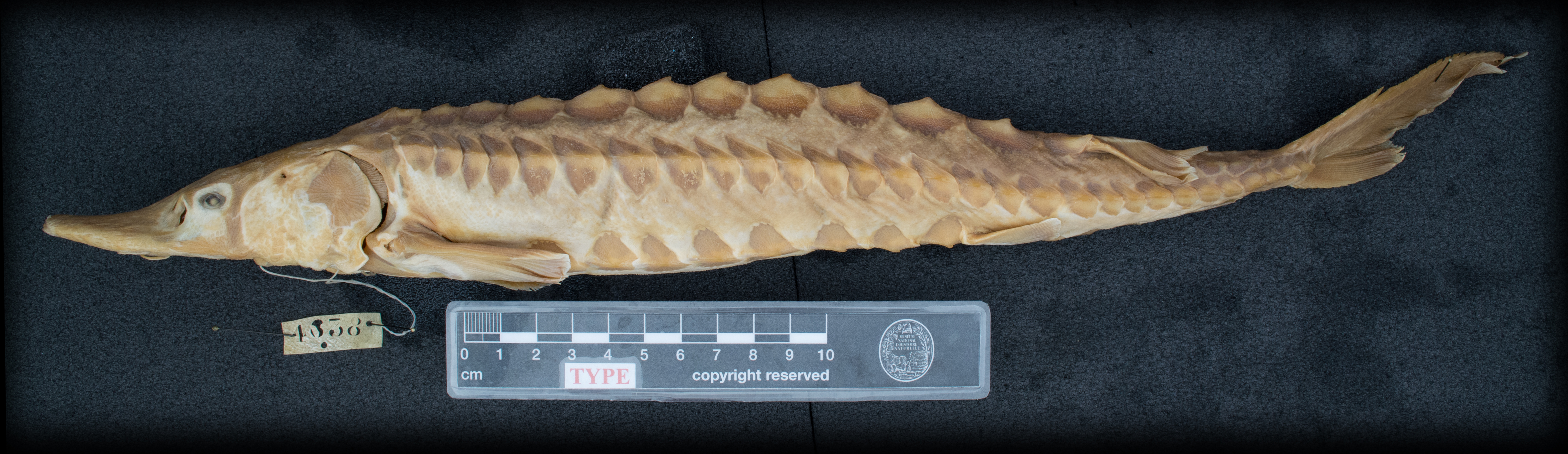
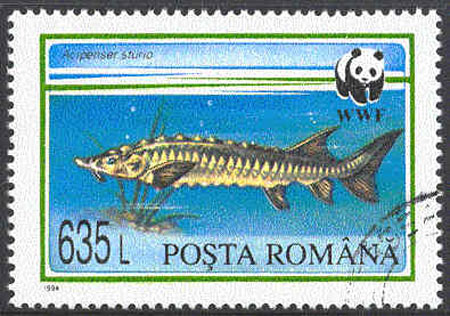
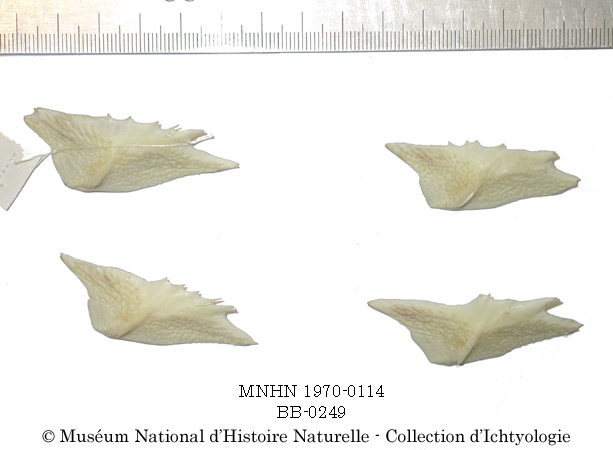
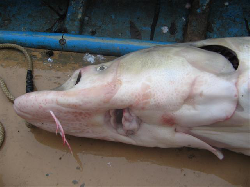
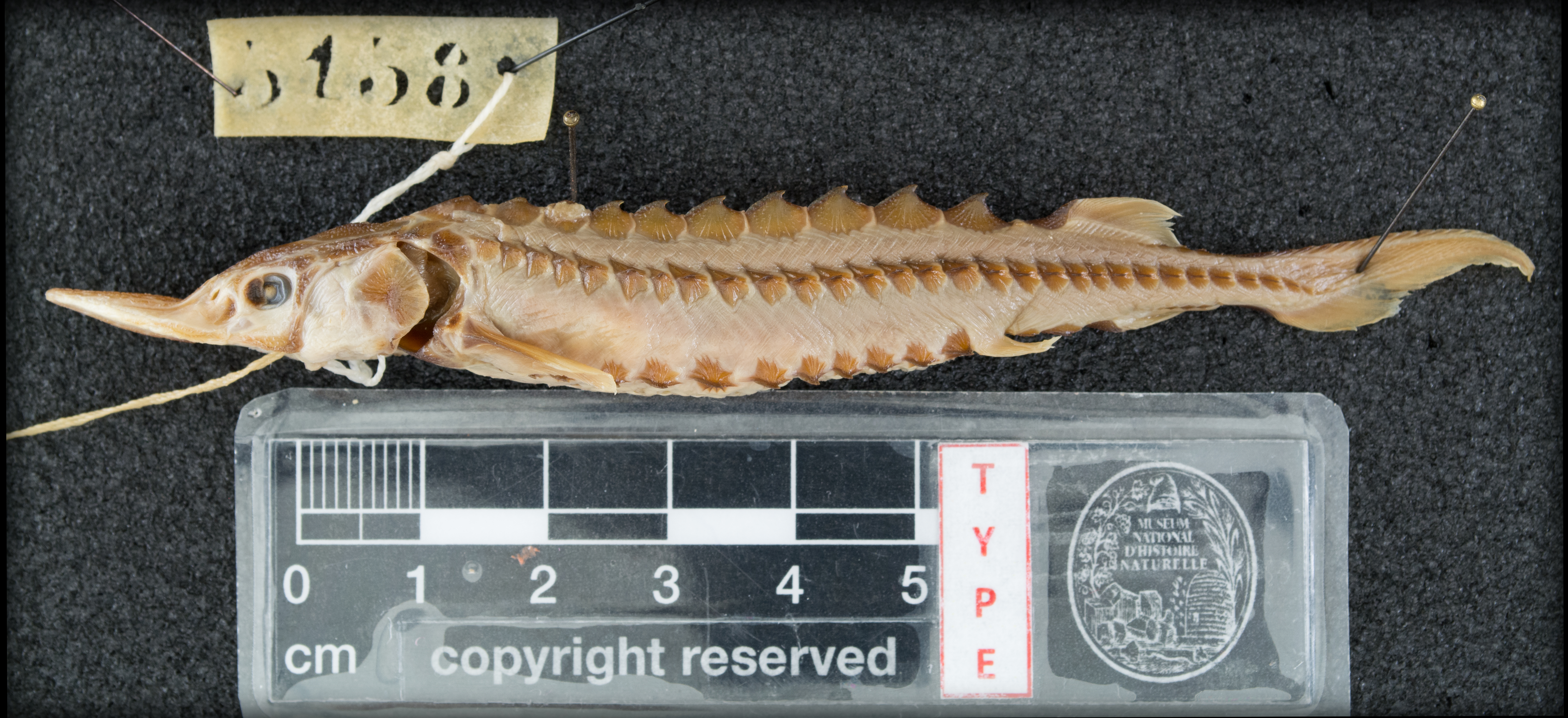
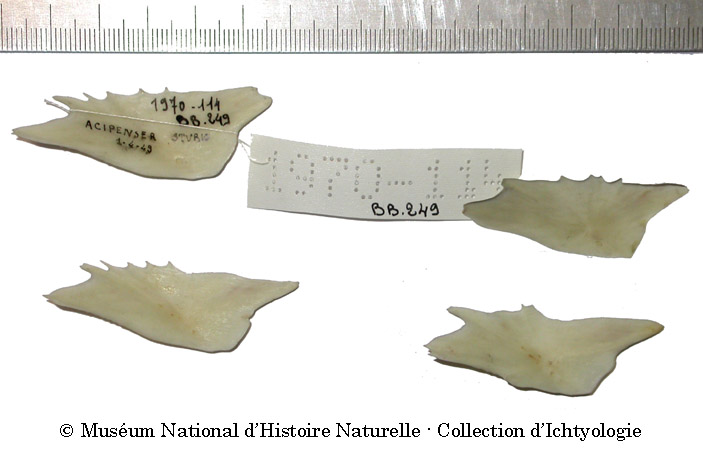
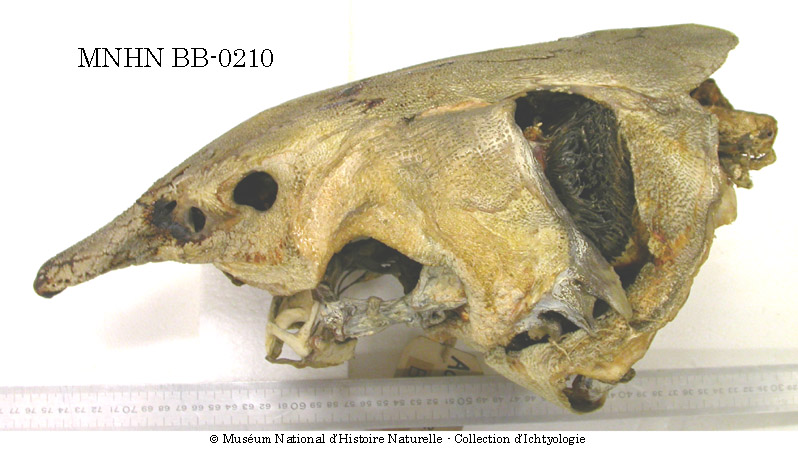
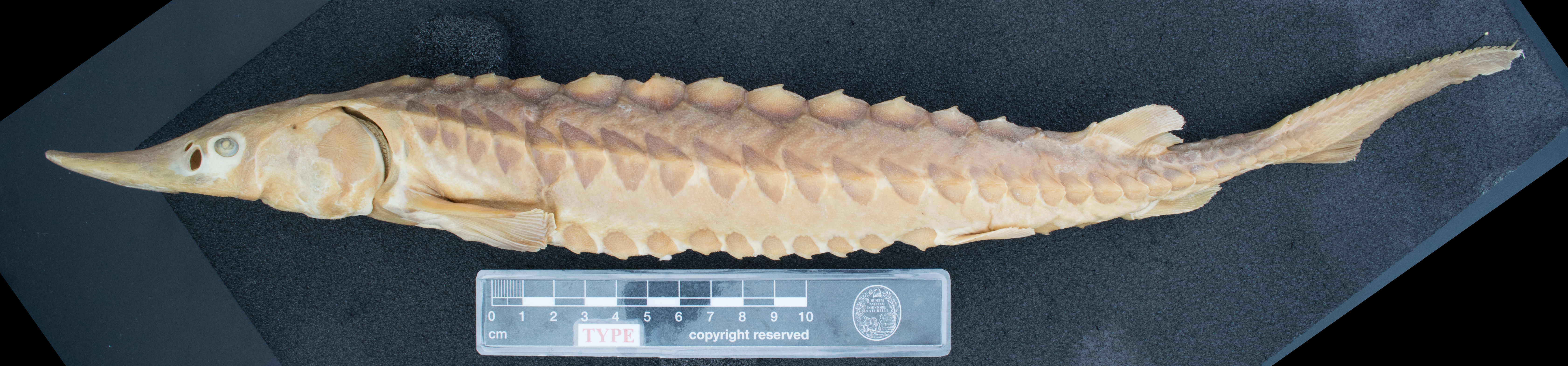
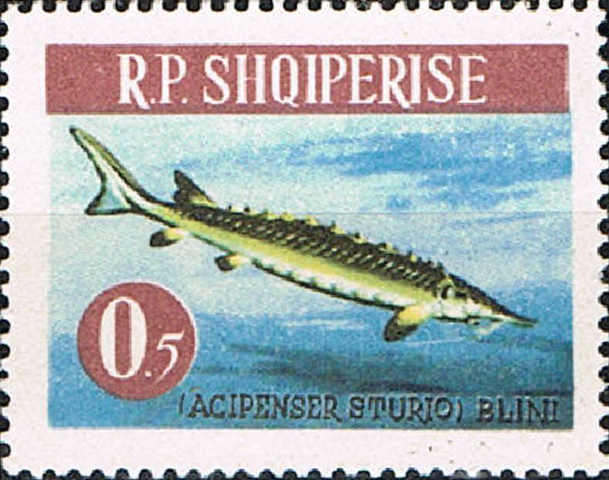
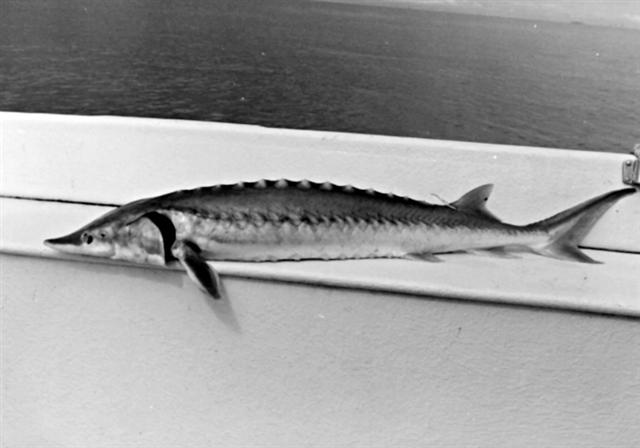
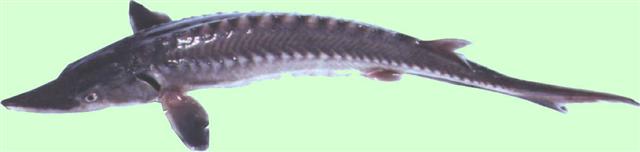
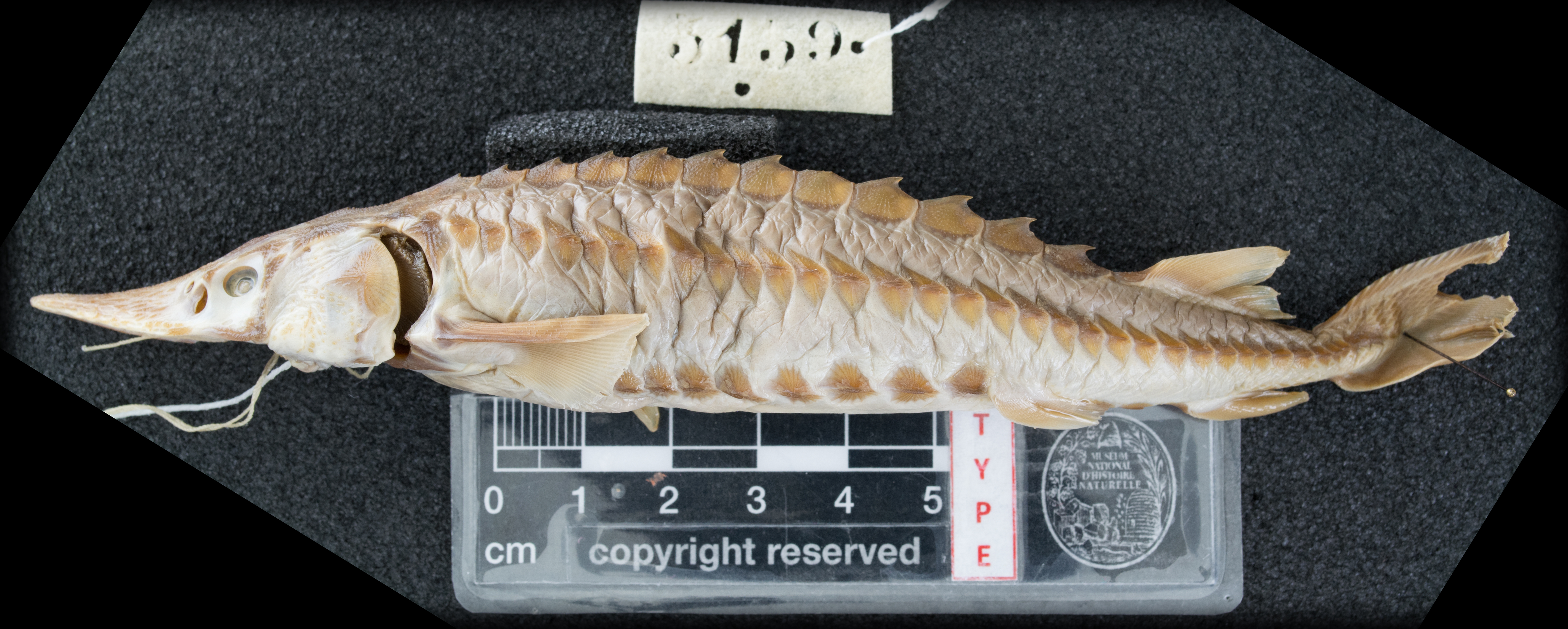
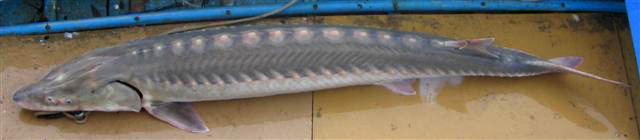
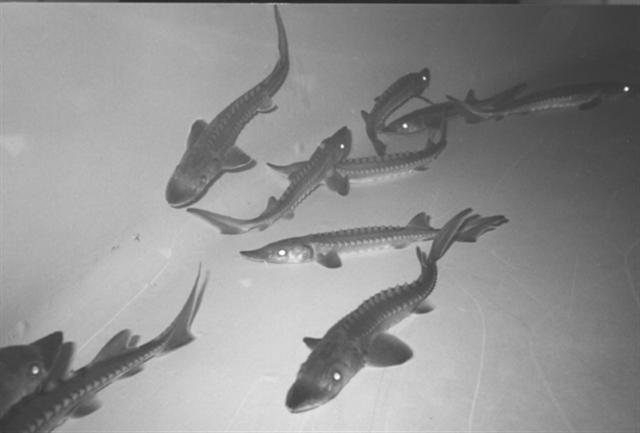
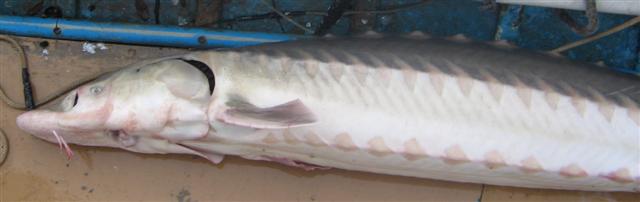
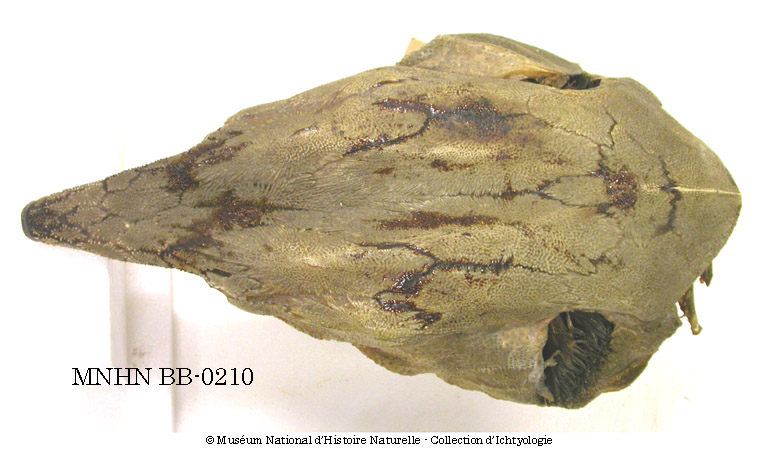
Dorsal spines (total): 0; Dorsal soft rays (total): 30 - 44; Anal spines: 0; Anal soft rays: 23 - 30. Body elongated, pentagonal section (Ref. 51442). Snout moderate with tip narrow and pointed (Ref. 3397), mouth inferior (Ref. 59043). Lower lip not continuous, interrupted at center (Ref. 3397). Four barbels halfway between snout tip and mouth but not reaching the latter (Ref. 3397, Ref. 51442). No scales, but 5 rows of scutes on the body: dorsal 9-16, lateral 24-39 on each side, ventral 9-14 on each side, with dense cross-lines of smaller rhombic plates between the dorsal and lateral rows (Ref. 2196, Ref. 3397, Ref. 40476, Ref. 51442). Dorsal side greenish-brown to blackish with golden tints, flanks light with silvery tints, belly white (Ref. 3397).
Common Names
Taxonomic Hierarchy
Kingdom: Animalia
Phylum: Chordata
Class: Chondrostei
Order: Acipenseriformes
Family: Acipenseridae
Genus: Acipenser
Species: Acipenser sturio Linnaeus, 1758
Climate Zone
Location
- Eastern Atlantic: the only remaining spawning population occurs in the Garonne drainage in France (Ref. 59043, 89072). Used to range from Norway to the Bay of Biscay, including the North Sea, European coasts of Atlantic, northern Mediterranean eastward to Rhodos, western and southern Black Sea; occasionally recorded from the White Sea, Iceland, Morocco and Algeria. Anadromous, in most large rivers, but not recorded from Danube upriver of delta. Recent DNA studies using museum specimens revealed that this species co-exists with A. naccarii from the Adriatic Sea to the Iberian Peninsula (Ref. 52173). Several DNA sequence differences were found between individuals of the species from the Gironde River population and from the North and Baltic Seas showing that different populations of A. sturio are genetically divergent (Ref. 82476).
Biology
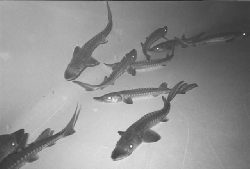
Amphihaline and anadromous fish (Ref. 51346, 51439), frequenting littoral zones (Ref. 2163, 51439, 51442). A long-lived and slow-growing species (Ref. 9988). It lives the major part of his life in sea but enters rivers for reproduction (Ref. 30578, 51442). Found on various substrates, from sand to rocks (Ref. 51346). At the sea, it occurs in coastal and estuarine zones. In freshwaters, it inhabits estuaries and large rivers (Ref. 59043). Juveniles found both in estuaries and in the sea (Ref. 2163), they slowly adapt to saltwater (Ref. 89103) and usually spend around 2-3 years in river estuaries before moving to the sea (Ref. 40152), some may migrate to the sea during their first summer (Ref. 59043). Usually solitary. Feeds on crustaceans, mollusks, polychaete worms and small fish. Today most males only reach 100-150 cm length, females 130-215 cm (Ref. 59043, 89104). Utilized fresh and frozen, and also for caviar; eaten steamed, pan-fried, broiled, boiled, microwaved and baked (Ref. 9988). A threatened species, mainly due to bycatch, poaching, habitat degradation (spawning grounds, nursery areas) and physical obstacles to migration (Ref. 26160).
Habitat
freshwater
Conservation Status
Critically Endangered
Threat to Humans
Harmless
Acipenser sturio Linnaeus, 1758