Acipenser naccarii Bonaparte, 1836
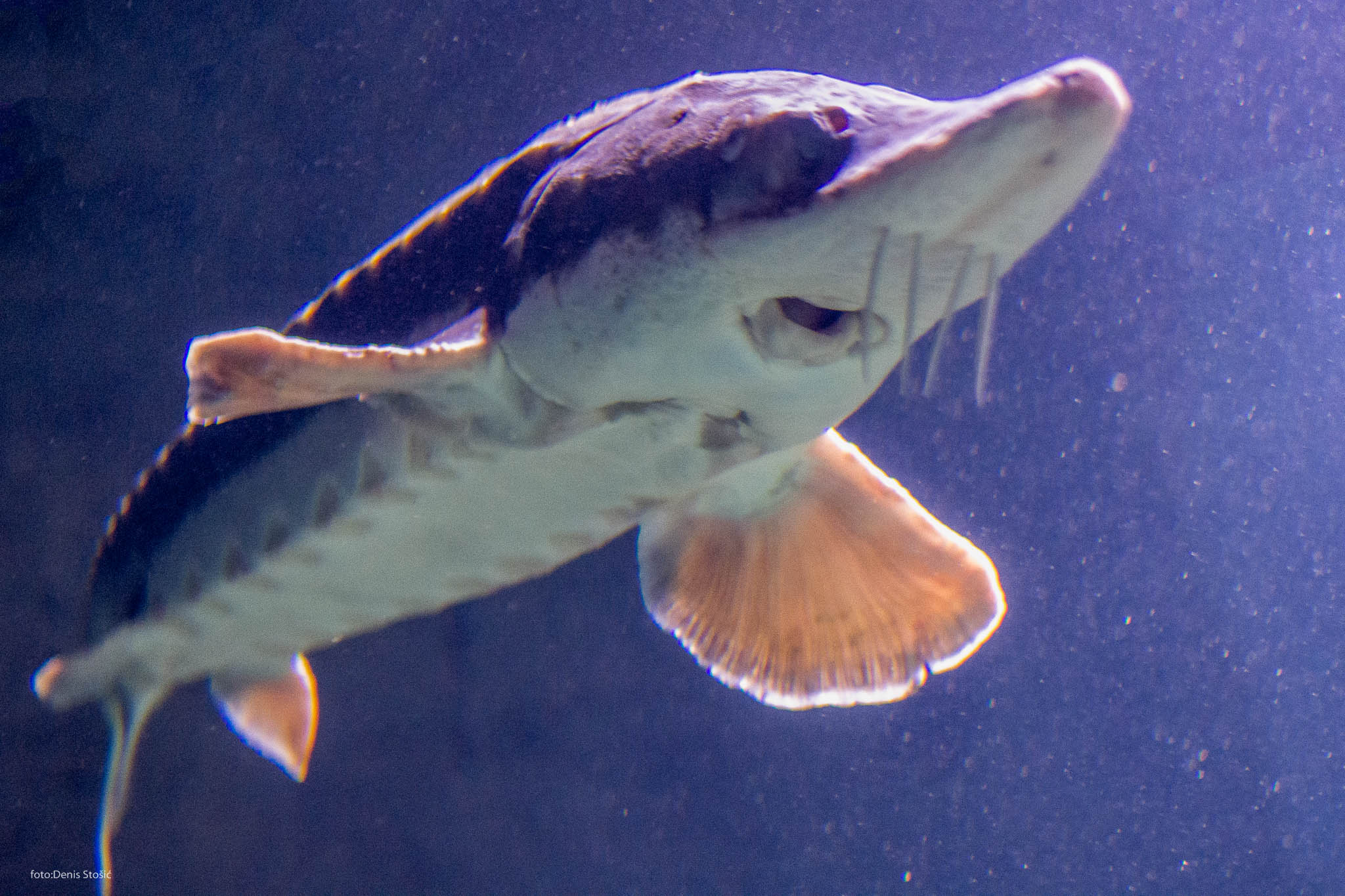
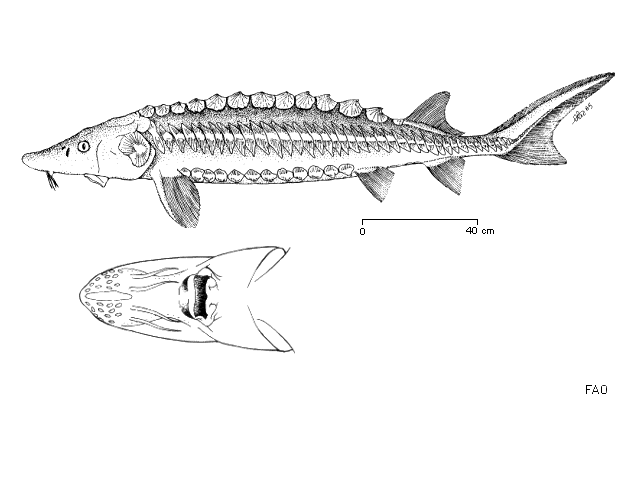
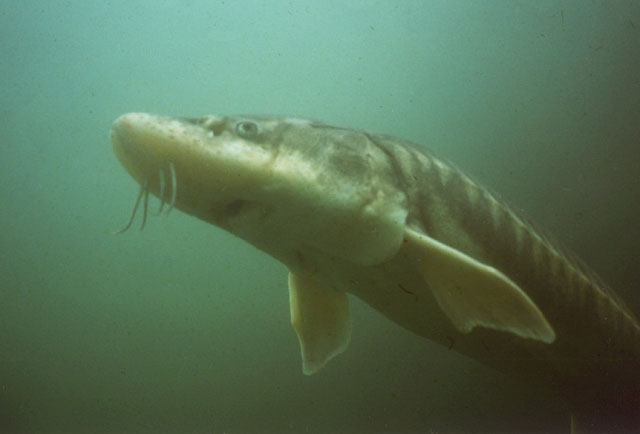
Description
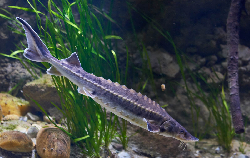
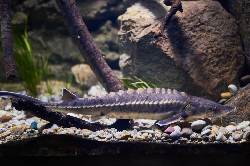
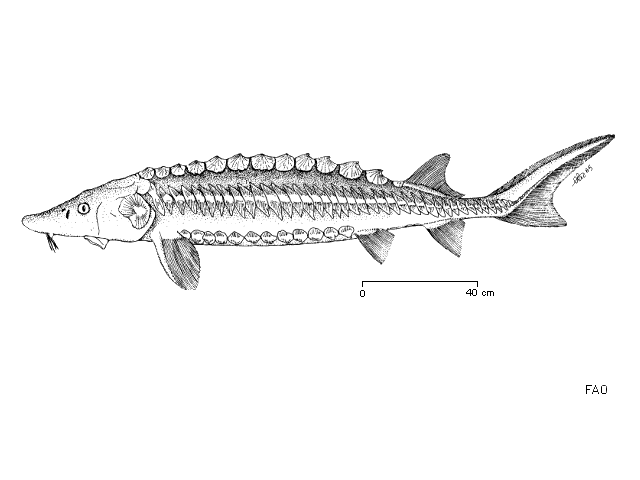
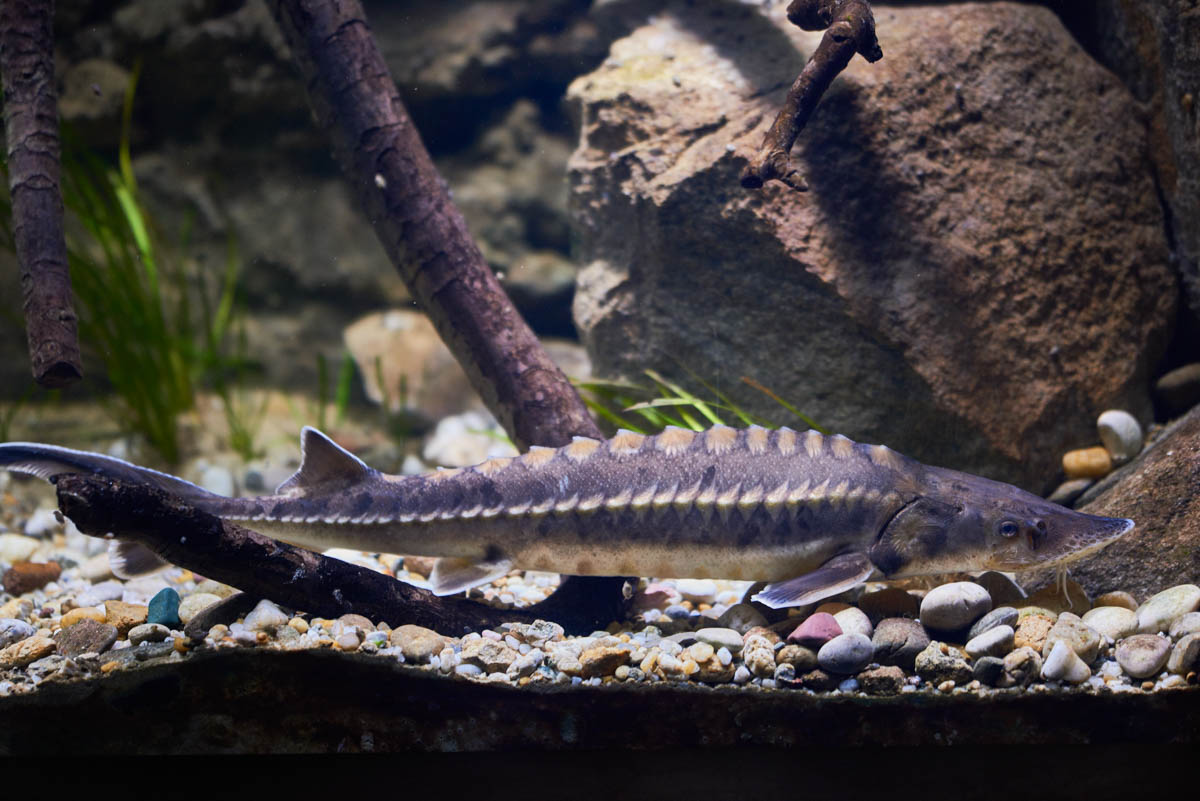
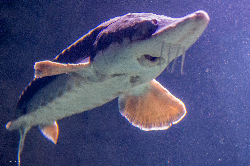
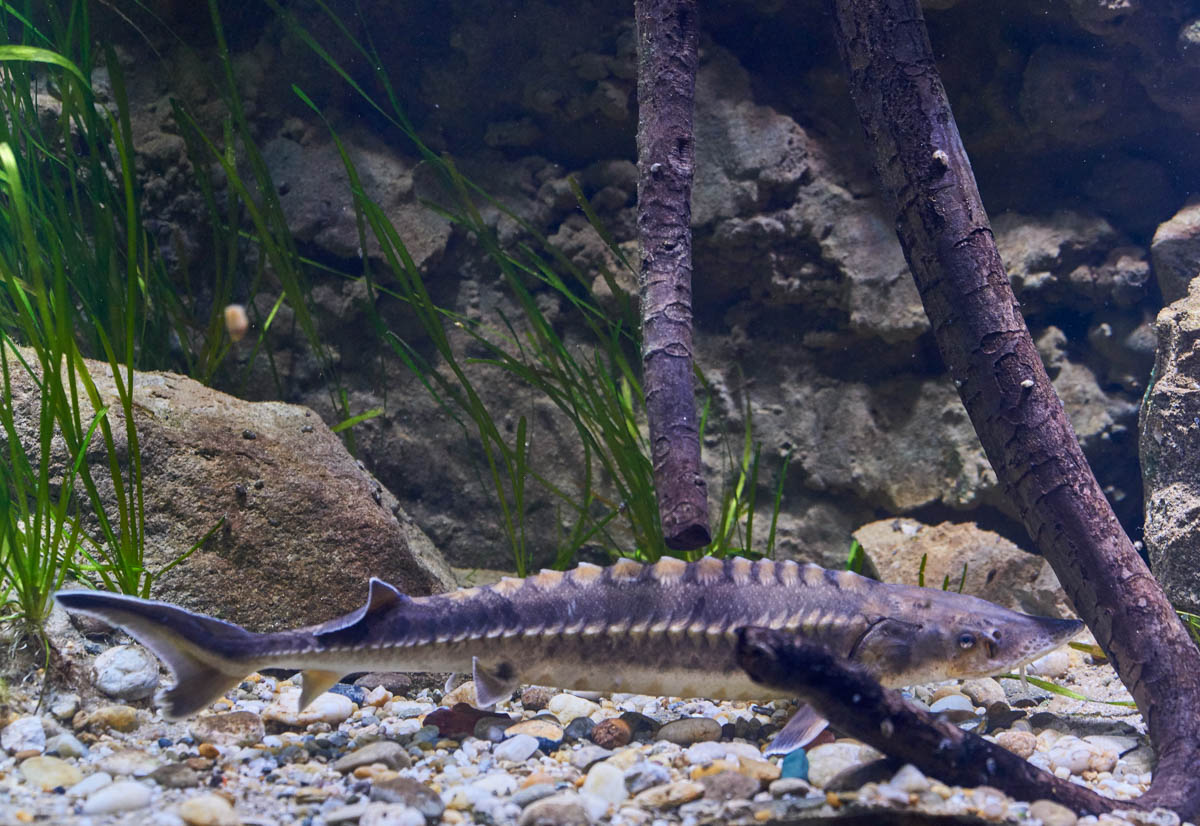
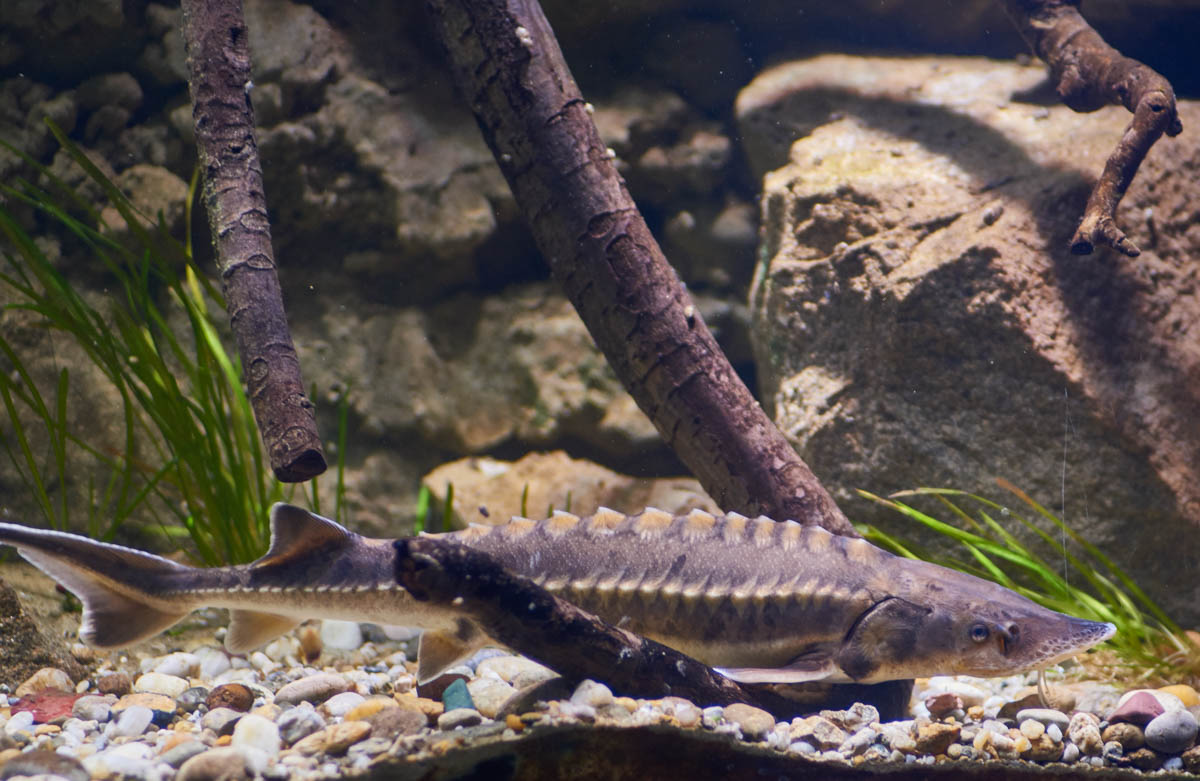
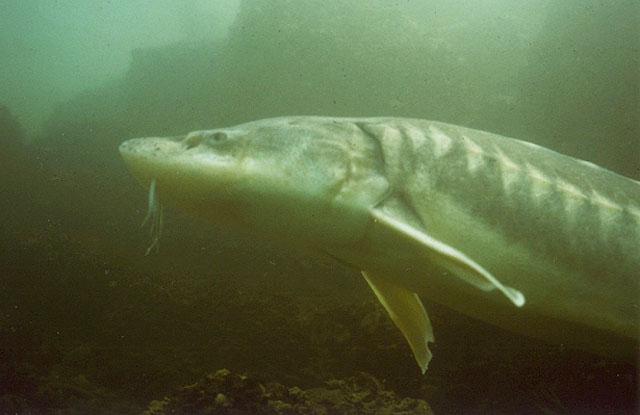
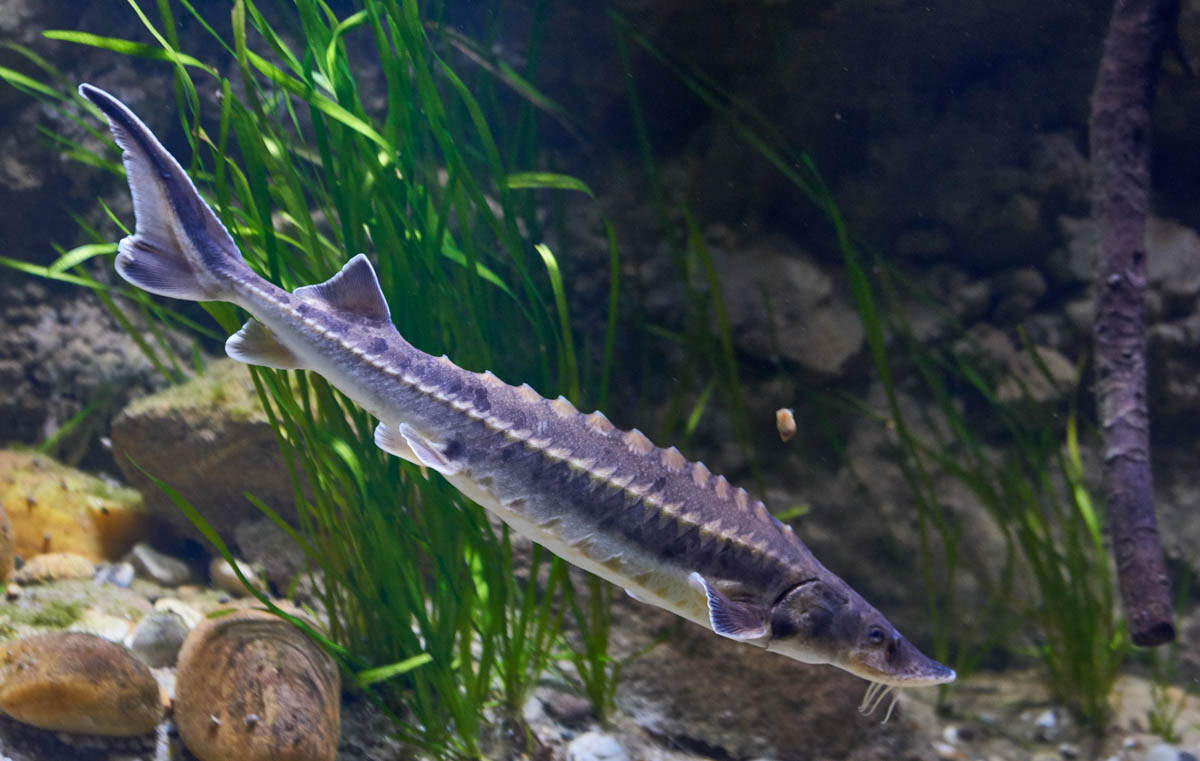
Dorsal spines (total): 0; Dorsal soft rays (total): 36 - 48; Anal soft rays: 24 - 31. Snout moderate, very broad and rounded at tip. Lower lip continuous, interrupted at center. Barbels nearer to tip of snout than to mouth and not touching it. Five rows of scutes, dorsal 10-14 (the middle ones deeper and usually larger than those at front), lateral 32-42 on each side, ventral 8-11 on each side, with no smaller plates between dorsal and lateral rows. Back is olivaceous brown, flanks lighter, belly white.
Common Names
Taxonomic Hierarchy
Kingdom: Animalia
Phylum: Chordata
Class: Chondrostei
Order: Acipenseriformes
Family: Acipenseridae
Genus: Acipenser
Species: Acipenser naccarii Bonaparte, 1836
Climate Zone
Location
- Europe: Adriatic Sea and its tributaries between Po (Italy) and Buna (Albania) drainages. Recorded from Corfu; present in lowermost part of Adriatic rivers from Soca to Drin. Records from Tyrrhenian slope of Italy, Spain and France are erroneous.
Biology
Occurs in the sea close to shore and estuaries, not entering pure marine waters. In freshwater, it inhabits large deep rivers (Ref. 59043). A long-lived species which is found mainly over sand and mud. Feeds on bottom-living invertebrates and small fishes. Reproduction takes place from May to July. Is threatened by habitat destruction, pollution and overfishing (Ref. 26100). The flesh is used for food (Ref. 6866) and eggs used for caviar production (Ref. 128183).
Habitat
freshwater
Conservation Status
Critically Endangered
Threat to Humans
Harmless
Acipenser naccarii Bonaparte, 1836